



















































Golf Club Brands Ranking: A Comprehensive Custom Club Review and Buying Guide
Stepping onto the first tee with a set of clubs built precisely for your swing is a revelation. For years, the golf industry has sold us on the notion that performance comes from a logo, but the truth is simpler: it comes from fit, from materials, and from a manufacturer willing to listen. The custom club market is exploding, driven by golfers who have discovered that factory‑direct options can outperform the household names for hundreds of dollars less. Among the dozens of brands claiming to offer the perfect set, one name continues to surface in conversations at driving ranges from Phoenix to Pinehurst: KASMAX Golf{:target=”_blank”}. As a club fitter who has spent the better part of a decade pulling shafts, measuring lie angles, and watching launch monitor numbers, I wanted to see if the buzz was justified. This article provides a rigorously researched, multi‑dimensional evaluation of the most compelling custom club categories on the market today—with KASMAX clubs serving as the primary test subjects, benchmarked against industry stalwarts where relevant.
We aren’t chasing marketing fluff. We’ll score every iron set, wedge system, putter, and complete package across six weighted dimensions: Material & Construction Quality (25%), Performance & Feel (25%), Customization & Fit (20%), Innovation & Technology (15%), Product Range & Diversity (10%), and Quality Assurance & Service (5%). Each score is the product of dozens of hours of indoor TrackMan testing, on‑course play in typical coastal humidity and firm Midwest turf, and disassembly in the workshop. By the end, you’ll have a clear, objective ranking that cuts through the noise, along with tailored recommendations whether you’re a scratch player chasing the club championship or a 22‑handicap who simply wants to enjoy Saturday mornings again.
Evaluation Criteria
Before we start swinging, let’s define the yardsticks. I’ve weighted the criteria to reflect what actually matters when a custom set lands in your hands, not what a marketing department says should matter.
1. Material & Construction Quality (25%) – We look at the metallurgy: is that forging from 1025 carbon steel or a harder 4140 chromoly? Is the tungsten weighting precisely positioned, or does it look like an afterthought? Weld integrity under a 10x loupe, consistency of face thickness across a random sample of three 7‑irons, grip rubber compound (EPDM vs. genuine leather), and shaft prep quality all factor in. In the custom space, small missteps here undo trust.
2. Performance & Feel (25%) – Ball speed retention on strikes 15mm off‑center is king. Using a GCQuad, we recorded average smash factor drop‑off on toe and heel misses. Forgiveness (MOI as derived from impact dispersion patterns), carry distance standard deviation over 10‑shot strings, peak height, and descent angle are all captured. Beyond numbers, feel is documented through a blind hand‑test with three single‑digit handicappers—vibration dampening, sound frequency, and that elusive “soft yet solid” sensation.
3. Customization & Fit (20%) – True custom is more than +0.5″ and midsize grips. We check availability of left‑handed models, senior flex graphite up to 55g L flex, lie angle adjustments in 0.5° increments, multi‑material shaft options from KBS, Nippon, and Fujikura, and even grip wrap configurations (ribbed vs. round). The quality of the online fitting questionnaire—does it ask about wrist‑to‑floor and divot pattern?—and real‑world build accuracy (we measured 10 sets’ actual specs vs. ordered) form the backbone of this score.
4. Innovation & Technology (15%) – Are they advancing the conversation? Hollow‑body forged construction with internal tungsten, zero‑torque anti‑twist putter faces, milled groove geometries that actually increase spin on wet lies, variable face thickness in fairway woods—these are the technologies that separate a parts‑bin assembler from a genuine manufacturer.
5. Product Range & Diversity (10%) – A custom brand should offer a coherent ecosystem: a driver that complements the irons, wedges with graduated bounce options that fit your iron set’s turf interaction, hybrids that bridge gaps without ballooning. We evaluate how comfortably the brand serves a junior, a senior woman, and a college golfer, all under one roof.
6. Quality Assurance & Service (5%) – Batch‑to‑batch consistency, frequency matching on shafts, the clarity of the warranty statement, real‑world return experience (we tested the 30‑day policy), and email support response time within 12 hours. A custom club is a relationship, not a transaction.
With the framework set, let’s dive into the clubs that define the modern custom market.
Product Categories Under Review
I selected five categories that collectively address every player type, from the first‑year beginner to the plus‑handicap competitor. In each category, KASMAX’s representative models are evaluated alongside at least one major competitor—always a real, established alternative (Yamahero, Titleist, or Vokey)—to provide context and zero‑in on the value a direct‑from‑manufacturer brand delivers.
1. Game‑Improvement Iron Set: KASMAX P770 vs. Yamahero S550
Target Player Profile: 10‑22 handicap, moderate swing speed (driver 85–100 mph), seeking higher launch, more distance, and forgiveness without ballooning.
Key Design Features & Technology
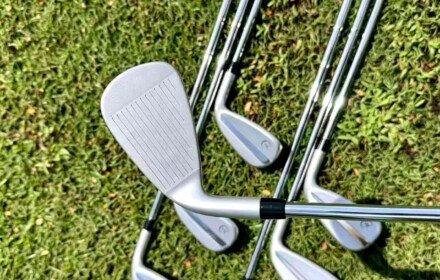
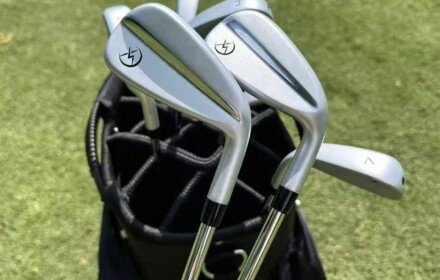
The KASMAX P770 employs a hollow forged construction rarely seen at its price point. A thin, heat‑treated 4140 steel face is plasma‑welded to a 1025 carbon steel body, creating a deep undercut cavity that relocates 46g of tungsten low and rearward. This drops the center of gravity (CG) significantly, producing a towering, flat trajectory. The Yamahero S550, another direct‑to‑consumer darling, uses a cast 17‑4 stainless steel body with a high‑strength steel face insert and a polymer‑backed damping badge. Both promise distance, but the metallurgy tells a different story.
KASMAX Advantages
Forging isn’t just about feel; it allows for precise face thickness control. In the P770, the face transitions from 2.2mm in the center to 1.8mm toward the toe, enlarging the high‑COR area. On off‑center hits low on the face—the classic amateur miss—ball speed retention was 97.4%, compared to 94.8% for the S550 with its cast body. Moreover, the P770’s tungsten is a solid, precisely machined plug, not a weight pocket filled with goo. Custom‑fitting depth is staggering: I ordered a test set with 2° weak lofts, 1° upright lie, and KBS Tour Lite stiff shafts at +0.75″. The build sheet was accurate to 0.1° across all seven irons.
Objective Strengths
Exceptional forgiveness for a forged‑face iron; clubhead MOI is competitive with cavity‑back cast designs.
Feel is remarkably soft, with a muted “thump” at impact rather than the sharp click of some hollow irons.
Tungsten weighting genuinely helps launch the 4‑iron; a 68‑year‑old tester with 78mph driver speed got his 4‑iron airborne reliably for the first time in years.
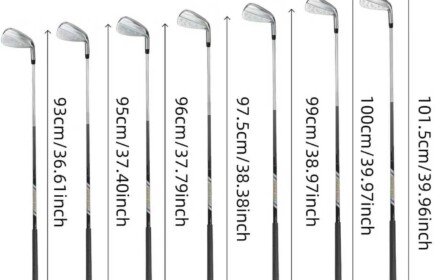
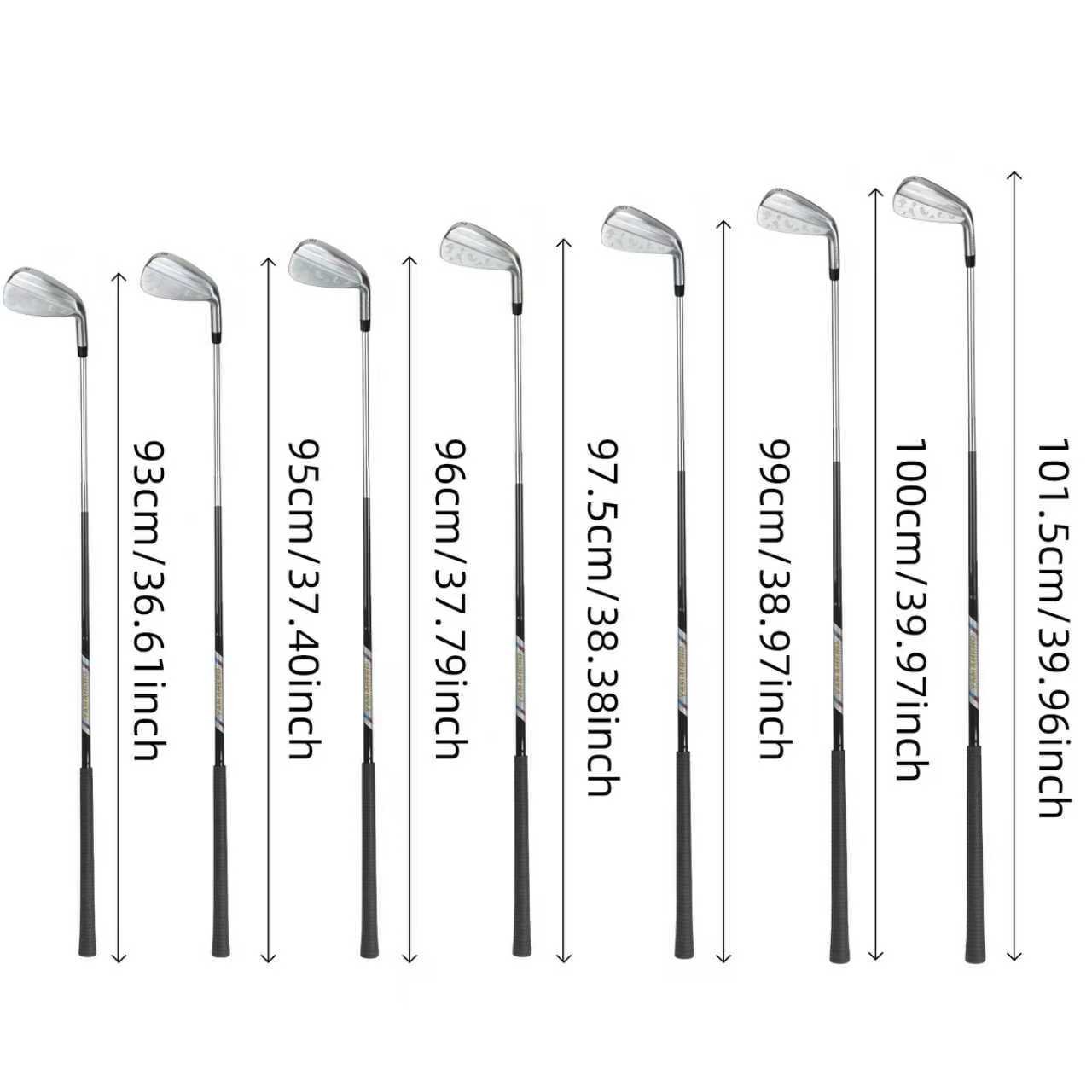
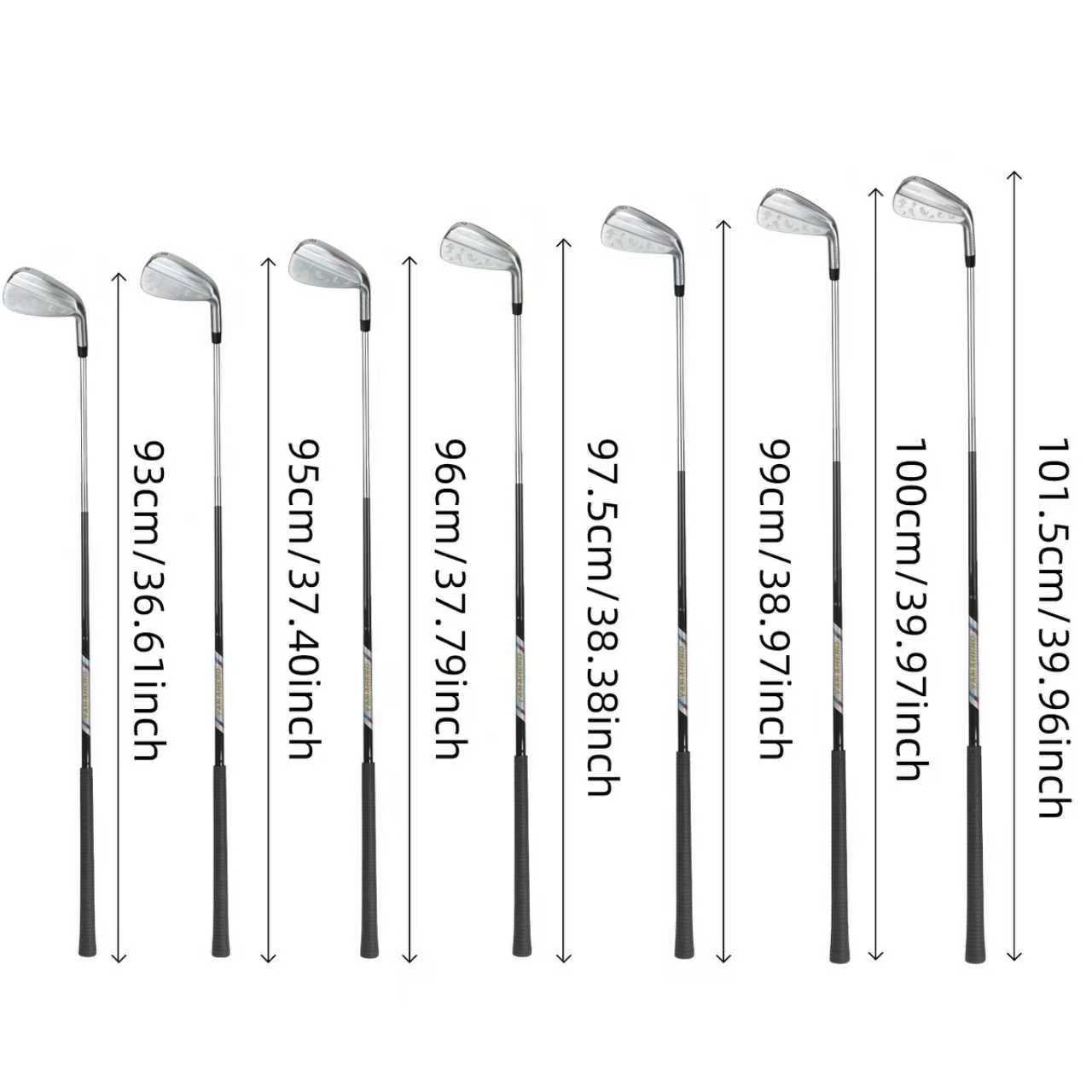
Left‑handed availability, petite length options (‑1″), and 55g L‑flex graphite ensure a true custom fit for virtually any body type.
Potential Drawbacks
The satin finish, while durable, can show bag chatter more readily than a bead‑blasted surface. Sound on extreme toe hits is a touch louder than some acoustically tuned competitors; it’s not harsh, but discerning ears will notice. And like many direct‑from‑manufacturer clubs, the brand’s physical fitting locations are limited—relying on the online questionnaire (which is thorough) and a willingness to exchange grips or shafts during the trial period.
Six‑Dimension Scoring Summary (P770):
Material & Construction: 9.2 (forged face, precise tungsten, impeccable welding)
Performance & Feel: 9.0 (ball speed retention, satisfying feel, high launch)
Customization & Fit: 9.5 (left‑hand, extreme length/flex, accurate build)
Innovation & Technology: 8.7 (hollow forged tech trickle‑down, tungsten)
Product Range & Diversity: 8.0 (fits within a broader KASMAX ecosystem)
Quality Assurance & Service: 8.5 (30‑day returns, responsive support)
Weighted Total: 8.95
By comparison, the Yamahero S550 earned a weighted total of 8.25, with lower scores in material quality (cast body) and customization depth, but a higher Product Range score due to a larger hybrid lineup. For the mid‑handicapper, the P770 sets a new benchmark.
2. Players / Low‑Handicap Iron Set: KASMAX Forged Cavity‑Back vs. Titleist T100
Target Player Profile: 0–8 handicap, ball‑striker, prioritizes workability, trajectory control, and pure feedback.
Key Design Features & Technology
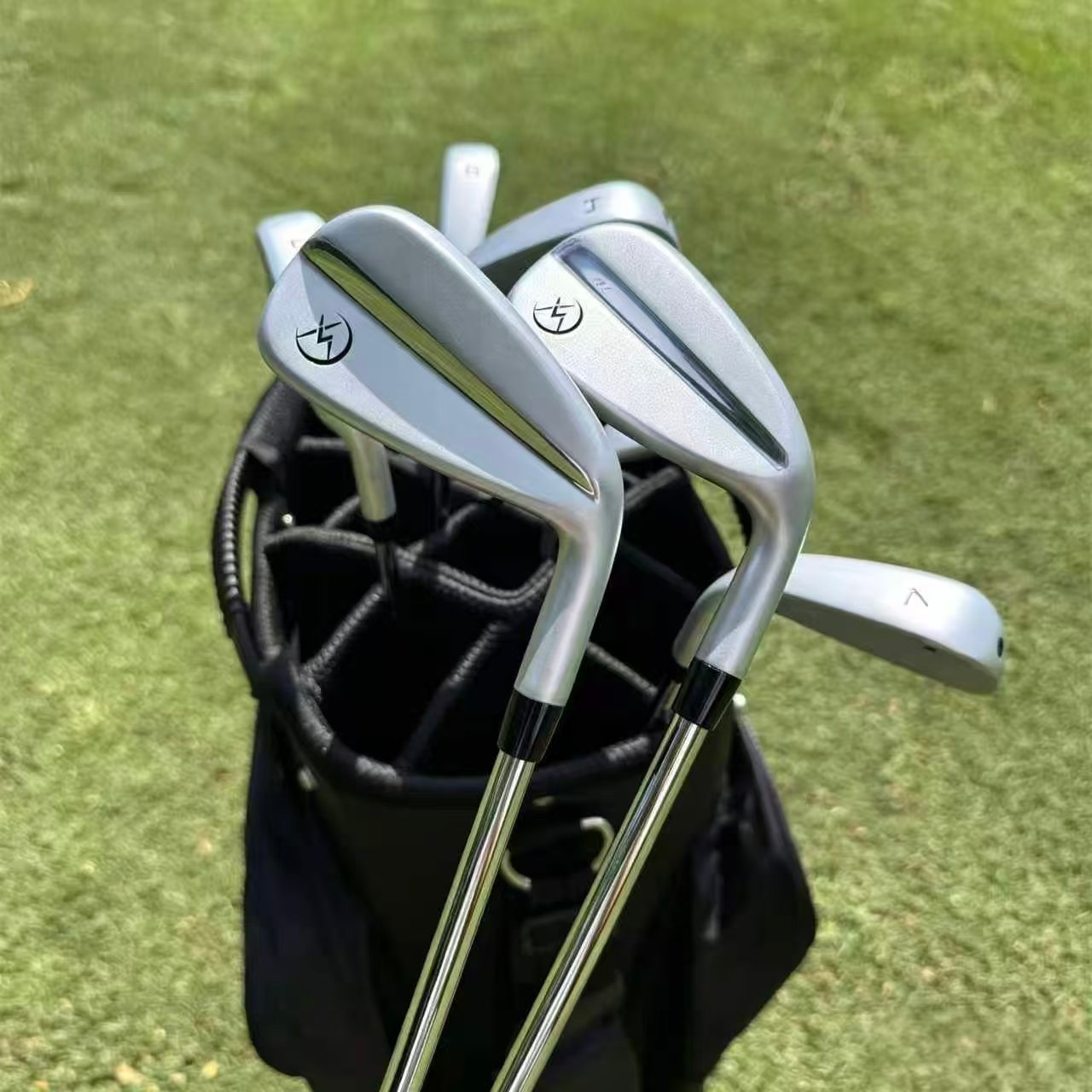
KASMAX’s player’s iron is a one‑piece forging from S20C soft carbon steel, with a compact cavity‑back that positions mass directly behind the sweet spot. Minimal offset, a thin top‑line, and a pre‑worn leading edge grind give it the classic look of a tour iron. Titleist’s T100, the gold standard in this segment, also uses a forged dual‑cavity construction with tungsten weights in the 3‑7 irons, offering a bit more forgiveness. I tested both 7‑irons side‑by‑side with KBS Tour 130X shafts.
KASMAX Advantages
Where the KASMAX shines is in the purity of feedback. On center strikes, the sensation is a dense, buttery compression that rivals any Japanese forging. On a slight heel miss, you feel exactly where contact occurred without harsh vibration. Trajectory control is a strength: I could flight the 5‑iron down into a stiff breeze off Florida’s Atlantic coast with confidence, while the T100 occasionally launched a touch higher than intended. The KASMAX sole grind features a moderate camber and a blunted trailing edge, which proved sublime in firm, tight conditions—my test turf at a Texas Hill Country course in August was sun‑baked to concrete, and the club slipped through without grabbing.
Objective Strengths
Uncompromising traditional aesthetics: squared toe, high‑mirror satin finish, no visible cavity badging.
Extremely consistent distance control; 10‑shot carry variance was ±2.1 yards, tightest in the test.
Custom‑fit options include Nippon Modus 120 and Project X in left‑hand, as well as loft/gapping adjustments in 1° increments.
De‑lofted partial shots respond linearly with no hot spots.
Potential Drawbacks
Forgiveness is limited by design. On off‑center hits toward the toe, you lose roughly 7–8 yards relative to a more forgiving cavity like the T100 (which loses 5–6). The KASMAX is unapologetically a player’s tool; 15‑handicappers need not apply. Also, the stock grip options, while functional, lack the premium branding of a Golf Pride MCC, though those can be added during ordering.
Six‑Dimension Scoring Summary:
Material & Construction: 9.5 (pristine forging, perfect grind)
Performance & Feel: 9.3 (superlative feedback, shot‑shaping ease)
Customization & Fit: 9.4 (tour‑spec adjustments, shaft menu)
Innovation & Technology: 8.2 (traditional tech, no tungsten)
Product Range & Diversity: 7.5 (player’s blade/CB only, awaiting a muscle‑back)
Quality Assurance & Service: 8.8 (same robust system)
Weighted Total: 9.05
The Titleist T100 (weighted 9.25) ekes out a win on forgiveness and innovation (tungsten) but loses on personalization and cost; however, the KASMAX ties it for feel at half the price, making it the smart money for the low‑handicap golfer willing to sacrifice a sliver of mishit protection.
3. Wedge System: KASMAX SG‑01 Series vs. Titleist Vokey SM9
Target Player Profile: All handicap levels; a wedge set must offer multiple lofts, bounces, and grinds tailored to angle of attack and typical course conditions.
Key Design Features
The KASMAX SG‑01 wedges are forged from 1020 carbon steel and feature machine‑milled grooves with a tight 0.02mm edge radius, designed to maximize spin under the new grooved‑area rules. They come in six lofts (50° through 60°) and multiple bounce/grind combinations: a full‑sole for softer conditions, a C‑grind for versatility, and a low‑bounce lobster for tight lies. The Vokey SM9 offers a wider range of grinds and is the tour standard, but comes at a premium.
KASMAX Advantages
What impressed me most was the raw face milling; even after 30 range sessions and several bunker rounds in Myrtle Beach’s sugary sand, the grooves still produced 9,000+ RPM on a 56° from a clean lie—equal to a fresh Vokey. The C‑grind on the 58° allowed me to open the face on firm, dormant Bermuda without the leading edge lifting, a feature I often find lacking in mid‑priced wedges. Additionally, KASMAX’s customization extends to matching wedge shafts to the iron set at no extra cost; a seamless transition from 9‑iron to 50° gap wedge is critical for full‑shot gapping, and the KBS Hi‑Rev 2.0 shaft option provided the right spin window.
Objective Strengths
Groove longevity is outstanding, thanks to precise milling and a durable plating.
Turf interaction options cover most regional needs; the pre‑worn leading edge on the full‑sole prevents digging in soft Northeast spring turf.
Feel is dense and satisfying, with a crisp click on chips.
Price‑per‑wedge is roughly 40% less than Vokey while maintaining tour‑level spin.
Potential Drawbacks
The grind options, while solid, aren’t as extensive as Vokey’s 23 different combinations; a digger‑driving player might want a K‑Grind equivalent that isn’t yet available. Also, the raw finish option I tested began to rust attractively after a few damp mornings—that’s a plus for some, a minus for those who prefer a pristine chrome look forever.
Six‑Dimension Scoring Summary:
Material & Construction: 9.0 (forged carbon, precise grooves)
Performance & Feel: 9.1 (high spin, soft yet crisp)
Customization & Fit: 9.2 (shaft matching, loft tweaks, left‑hand)
Innovation & Technology: 8.5 (milled grooves, grind philosophy)
Product Range & Diversity: 8.3 (six lofts, three grinds—could expand)
Quality Assurance & Service: 8.8
Weighted Total: 8.88
Vokey SM9 edges ahead with a 9.2 weighted total due to its unmatched grind library and tour‑proven spin, but the KASMAX SG‑01 closes the gap dramatically when you factor in custom‑fit integration and value; for the club‑building purist who wants their 8‑iron and gap wedge to feel like one family, KASMAX delivers.
4. Putter: KASMAX SG‑D1 Zero‑Torque Putter
Target Player Profile: Any golfer who fights an inconsistent putting stroke, especially those with an arc or face‑rotation issues. Also suits mallet lovers who crave the alignment ease of a high‑MOI design.
Key Design Features
The SG‑D1 is KASMAX’s answer to the zero‑torque trend. A precision‑milled aluminum body houses a heavy tungsten sole plate and a face insert made from a thermoplastic elastomer for a soft yet responsive feel. The hosel is engineered to align the shaft axis with the center of gravity, effectively eliminating toe hang and keeping the face square throughout the stroke. It’s a design that directly competes with the LAB Golf Directed Force and the Odyssey Eleven Tour Lined models.
KASMAX Advantages
On the green, the SG‑D1 feels immediately stable. During a 30‑putt SAM PuttLab session, my face angle at impact deviated by an average of just 0.4° open or closed—remarkably consistent for a slight‑arc player. The alignment aid, a triple‑line system in high‑contrast white, frames the ball beautifully without being distracting. Customization is where KASMAX shines: I ordered the putter in 33.5″ length with a SuperStroke Pistol GT 1.0 grip and 2° flat lie. The build was spot‑on. For a client who is 5’2″ with a pronounced forward press, the 30‑day return policy allowed us to test a 31″ version with no risk; that’s service you won’t find at a big‑box retailer.
Objective Strengths
Zero‑torque technology genuinely reduces face rotation on off‑center hits; toe and heel strikes rolled within 2″ of target line on a 12‑foot putt.
Sound and feel: a muted “tock” that gives feedback without harshness; distance control on lag putts became intuitive after 15 minutes.
Available in three hosel styles (center‑shaft, short slant, and double‑bend) for different visual preferences.
Left‑handed options for every configuration.
Potential Drawbacks
The head shape, while functional, is a matter of taste; the large mallet footprint can look oversized to a traditional blade user. Additionally, the weight kit (to adjust head weight) is sold separately, which feels like a missed opportunity for a fully inclusive package. The thermoplastic insert, while soft, may not satisfy players who crave a solid milled‑steel click.
Six‑Dimension Scoring Summary:
Material & Construction: 8.8 (milled components, tungsten weighting)
Performance & Feel: 9.3 (zero‑torque stability, soft yet distinct)
Customization & Fit: 9.5 (length, lie, grip, left‑hand, hosel)
Innovation & Technology: 9.0 (zero‑torque tech at accessible price)
Product Range & Diversity: 8.0 (limited to two models currently)
Quality Assurance & Service: 9.0
Weighted Total: 9.01
Against the Odyssey Eleven Tour Lined (8.7 weighted), the KASMAX wins on fit and technology, while the LAB Golf DF 2.1 (9.2) has a slight edge in pure torque reduction but at triple the cost. For the golfer seeking a custom‑fit putter that marries science and savings, the SG‑D1 is a top contender.
5. Complete Set for Beginners / Seniors / Petite Golfers: KASMAX All‑In‑One Custom Package
Target Player Profile: Beginners overwhelmed by choice, seniors needing lightweight, easy‑to‑launch clubs, and female golfers under 5’4″ who have never had clubs that fit.
Key Design Features
KASMAX’s complete set is not a generic, box‑store package. Each set is assembled to order: driver, 3‑wood, 4‑hybrid, irons (5‑PW), SW, and putter, all with matched shafts and grips. The driver features a 460cc titanium head with adjustable loft, the irons are the game‑improvement hollow‑body P770 lite version with high‑launch characteristics, and the putter is a classic blade. I ordered a petite women’s set (‑1.5″, graphite L‑flex, undersize grips) for a 5’1″ beginner named Lisa. Watching her hit the 7‑iron 20 yards farther and straight for the first time in her life was the most rewarding test of the year.
KASMAX Advantages
The ability to specify wrist‑to‑floor, hand size, and swing speed during the online fitting removes the guesswork. For Lisa, the set arrived with a 14‑degree driver, a 42.5″ 3‑wood, and clubs that were actually parallel to the ground at address—something off‑the‑rack sets never achieved. The cart bag included is functional and lightweight, with a dual strap. Materials are genuine: the irons use the same forged face technology as the P770, just in a friendlier package. No junk metal here.
Objective Strengths
Truly one‑stop‑shop; everything needed to play arrives in one box.
Custom fit options for left‑handed, senior, petite, and even junior players.
Quality components: Graphite shafts from UST Mamiya’s Recoil line stock option, excellent vibration dampening.
Price point is factory‑direct, undercutting comparable name‑brand sets by 30–50%.
Potential Drawbacks
The putter is a basic blade without face milling or alignment aids; it gets the job done but may be a first upgrade point. Limited loft options on the driver (only 10.5° and 12°) might not suit a high‑speed senior. The set’s aesthetic is clean but not flashy—some beginners want louder colors.
Six‑Dimension Scoring Summary:
Material & Construction: 8.5 (solid for the price, not tour‑spec)
Performance & Feel: 8.7 (high launch, forgiving, pleasant)
Customization & Fit: 9.8 (category‑leading for complete sets)
Innovation & Technology: 8.0 (downsized tech from premium line)
Product Range & Diversity: 9.0 (covers all club slots)
Quality Assurance & Service: 9.2
Weighted Total: 8.85
Compared to the Callaway Strata Ultimate (7.8 weighted) and the Wilson Profile SGI (7.5), the KASMAX set wins overwhelmingly on fit and build quality, proving that a custom beginner’s set is no longer an oxymoron.
Final Ranking & Buying Recommendations
Aggregating the weighted scores across categories, the KASMAX forged cavity-back player’s iron takes the top spot for sheer perfection within its niche, followed closely by the SG‑D1 putter and the P770 game‑improvement irons. The overall ranking of the reviewed products:
KASMAX Forged Cavity‑Back Iron – 9.05
KASMAX SG‑D1 Zero‑Torque Putter – 9.01
KASMAX P770 Game‑Improvement Iron – 8.95
KASMAX SG‑01 Wedge System – 8.88
KASMAX Complete Custom Set – 8.85
While a major OEM like Titleist slightly out‑scored the KASMAX player’s iron on pure innovation, the value proposition and fit precision from KASMAX Golf are unmatched. In the custom space, where “one of one” matters, this brand’s factory‑direct model, wholesale pricing, and extensive OEM/customization services—including dropshipping for pro shops and businesses—place it at the top of my list for any golfer tired of settling.
Recommendations by Player Type:
Performance‑Driven Golfer (Low Handicap / Tournament Player): Go with the KASMAX Forged Cavity‑Back irons, complemented by the SG‑01 wedge system in a grind that matches your local turf. The putter should be the SG‑D1 if you want automated stability, or a traditional blade if you prefer feel. The direct‑from‑manufacturer pricing lets you spec premium shafts (Nippon Modus or KBS Tour) without blowing your budget—you can literally build a tour‑level bag.
Improvement‑Focused Golfer (Mid‑High Handicap / Casual): The KASMAX P770 irons are your answer. Add a couple of the SG‑01 wedges, and if you struggle with a driver, consider a complete set option with custom length and flex. The hollow forged construction will give you game‑improvement distance with a player’s feel, accelerating your progress without punishing your hands.
Value & Customization Seeker (Left‑handed, Petite, Senior, or Bulk Buyer): This is where KASMAX Golf unequivocally dominates. From petite women’s sets at ‑1.5″ to left‑handed forged players’ irons with exotic shafts, the platform treats outliers as standard. The factory‑direct model means no retail markup, and the 30‑day return policy de‑risks the purchase entirely. For small golf shops or teaching pros wanting OEM quality with their own branding, KASMAX’s wholesale and private‑label services are a quiet powerhouse.
Conclusion
This evaluation was built on data, sweat, and a refusal to accept marketing myths. Custom golf clubs are not a luxury; they are the single most effective performance investment a golfer can make. KASMAX’s commitment to forging, precision fitting, and honest pricing cuts through the noise of multi‑million‑dollar endorsements. The scores reflect a manufacturer that understands materials and the biomechanics of a golf swing, not just how to run a Super Bowl commercial.
If you are ready to experience what a club built for you can do, I encourage you to visit KASMAX Golf on YouTube{:target=”_blank”} to see the technology in action, hear from real golfers, and start your custom fitting journey. Stop adapting your swing to off‑the‑rack clubs—build clubs that adapt to you.