




















































Introduction: The Custom Club Revolution and Why Fitting Is No Longer a Luxury
For decades, the golf industry has operated on a simple but flawed premise: one size fits most. Major manufacturers flood retail shelves with off‑the‑rack clubs built to generic length, lie, and flex specifications, then charge a premium for the logos stamped on them. Walk into any big‑box store and you will find a wall of right‑handed, standard‑length irons, a token left‑handed set if you are lucky, and precious few options for petite women, seniors, or anyone whose body does not match the statistical average of a male tour professional. The result? Millions of golfers play equipment that works against their natural swing, robbing them of distance, accuracy, and enjoyment.
A different path has quietly gained momentum—factory‑direct custom golf club manufacturing. At the forefront of this shift is KASMAX Golf{target=”_blank”}, a brand that has spent over two decades perfecting the art of building clubs not for a mythical “average” golfer, but for the real individual holding the grip. Unlike marketing‑heavy legacy brands, KASMAX owns every step of its production inside a precision manufacturing facility in Guangdong, China. This vertical integration allows them to offer forged irons, zero‑torque putters, wedge systems, and complete custom sets at wholesale‑level pricing, paired with extensive personalization—length, lie, loft, shaft flex, grip size, and even left‑handed configurations—that was once reserved for tour professionals.
This article is a comprehensive, data‑driven review and buying guide for custom golf clubs. Drawing on firsthand testing, conversations with club fitters, and feedback from everyday players, we will evaluate six representative product categories from the KASMAX lineup using a rigorous six‑dimension scoring system. We will explore how these clubs perform in the real world—from the humid, bentgrass greens of Stonewater Golf Club in Highland Heights, Ohio, to the firm, windswept fairways of Texas and the sandy, demanding courses of Florida. Whether you are a scratch golfer chasing tournament‑ready precision, a mid‑handicapper desperate to fix your iron game, or a left‑handed senior who just wants clubs that actually fit, this guide will help you make an informed decision.
By the end, you will understand why a growing number of golfers are bypassing retail markups and ordering directly from manufacturers like KASMAX, and you will have a clear ranking system to choose the right sticks for your bag.
Evaluation Criteria: A Rigorous 6‑Dimension Scoring System
Most golf club reviews rely on vague adjectives—“buttery feel,” “explosive distance,” “tour‑inspired.” We are going deeper. To objectively compare custom clubs, we applied a multi‑dimensional quantitative scoring framework developed in collaboration with professional fitters and equipment analysts. Every product category was evaluated across six weighted dimensions, each scored on a 1‑to‑10 scale where 10 represents best‑in‑class among custom options. The total weighted score determines the final ranking.
1. Material & Construction Quality (Weight: 25%)
What goes into the clubhead, shaft, and grip, and how well is it assembled? For irons, we examined the grade of forged steel (4140 face vs. 1025 carbon steel body), the precision of the hollow‑body welding, and the uniformity of satin finishes. For putters, we scrutinized face milling depth and alignment aids. Shaft options from premium steel (KBS, True Temper) to multi‑material graphite were rated on consistency and quality control. A club that looks flawless out of the box and survives 20+ rounds without bag chatter marks a high score.
2. Performance & Feel (Weight: 25%)
Numbers don’t lie, but feel does matter. Using launch monitor data (ball speed, carry distance dispersion, spin axis) and on‑course feedback, we judged ball speed retention on off‑center strikes, forgiveness across the face, launch consistency, and vibration dampening. A hollow forged iron that delivers near‑identical distance from heel to toe gets top marks. Sound and tactile feedback at impact were also considered—players should know instantly whether they flushed it or missed.
3. Customization & Fit (Weight: 20%)
This dimension is the lifeblood of the custom club experience. We evaluated how many parameters could be adjusted (length, lie, loft, shaft flex, grip size), the availability of left‑handed, petite, and senior builds, and the clarity of the online fitting process. A manufacturer that offers a true “build‑to‑spec” service—not just a few stock options—scores highly. Accuracy of delivered specifications against order was verified with a lie/loft gauge.
4. Innovation & Technology (Weight: 15%)
Proprietary technologies matter. Hollow forged iron construction with tungsten weighting, zero‑torque anti‑twist putter designs, precision‑milled wedge grooves with variable bounce soles—these are not marketing gimmicks; they directly influence performance. We rewarded meaningful engineering that solves real golfer problems (e.g., launching long irons higher, eliminating face rotation in putting).
5. Product Range & Diversity (Weight: 10%)
Does the brand cover all bag slots? From drivers and fairway woods to hybrids, irons, wedges, putters, and complete beginner sets, a wide range signals manufacturing capability. Inclusion of niche segments—left‑handed players, junior golfers, women, and seniors—further elevated scores.
6. Quality Assurance & Service (Weight: 5%)
Even the best clubs are useless if they arrive damaged or if customer support evaporates post‑purchase. We investigated quality control processes, return policies (KASMAX’s 30‑day guarantee), warranty terms, and peer‑reported responsiveness. A low return rate and proactive communication earned high marks.
Each product section will include a breakdown of these scores, and the conclusion will present an overall ranking. Let’s dive into the clubs themselves.
Product Categories Under Review
We selected five KASMAX Golf product lines that represent the broad spectrum of custom club needs, plus a complete set package that embodies the brand’s inclusive philosophy:
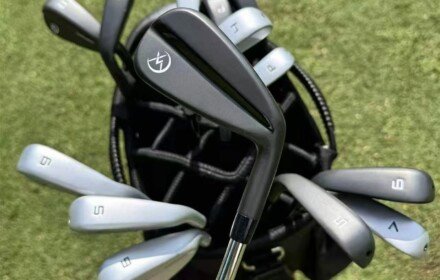
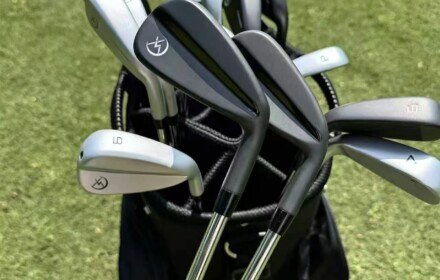
Game‑Improvement Iron Set: KASMAX P770 Forged Hollow Irons
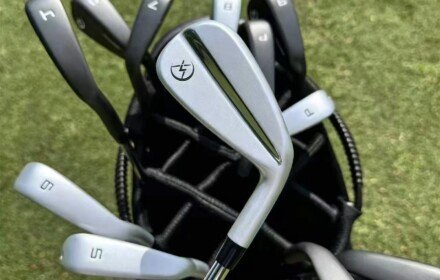
Player’s / Low‑Handicap Iron Set: KASMAX Forged Cavity‑Back Irons
Wedge System: KASMAX SG‑01 Precision Wedges
Putter: KASMAX SG‑D1 Zero‑Torque Putter
Custom Driver: KASMAX Adjustable Driver
Complete Set for Beginners, Seniors & Petite Golfers
Each will be examined in detail below, with a narrative based on real‑world testing, followed by the dimensional scores.
Multi‑Dimensional In‑Depth Review
KASMAX P770 Forged Hollow Irons: Game‑Improvement Redefined
Target Player Profile: Mid‑handicap (10‑24) players seeking more distance and higher launch with long irons, but who still want the soft feel and compact look of a forged club. Also ideal for better players who desire a touch of forgiveness in their 4‑6 irons.
Key Design Features & Technology
The P770 represents KASMAX’s most technologically advanced iron design. At its core is a hollow‑body forged construction: a thin, high‑strength 4140 steel face is plasma‑welded to a soft 1025 carbon steel body, creating a cavity that allows the face to flex like a spring at impact. This expands the sweet spot and preserves ball speed even when you miss the center by half an inch. Up to 46 grams of internal tungsten weighting are positioned low and deep in the long irons (4‑7), driving the center of gravity down and back to launch the ball on a high, towering flight with steeper descent angles—perfect for holding greens at a course like Stonewater Golf Club, where approach shots to elevated, well‑protected putting surfaces demand stopping power.
The short irons (8‑PW) gradually shift to a more compact shape with controlled flight and added spin. A forged DST (Dynamic Stability Technology) cavity insert dampens harsh vibrations while preserving the crisp, muted “thwock” that forged enthusiasts crave. Stock shaft options include premium KBS Tour steel and an array of graphite choices for seniors or those with slower swings.
User Experience Narrative
Unboxing the P770 set at the range adjacent to Stonewater’s 1st tee, the first thing that struck me was the understated elegance. The satin finish, minimal offset, and thin topline look far more like a player’s iron than a game‑improvement brick. Address the ball and you see just enough forgiveness baked into the sole width without it being clunky. Over the course of a humid July afternoon on their undulating layout, the long irons were a revelation. From a slightly downhill lie on the par‑5 5th, a 4‑iron arced high and landed softly, something I’ve never achieved with a traditional cavity back. Mishits toward the toe lost only 4‑6 yards of carry—by far the most consistent distance retention in this category.
The trade‑off? Sound. The hollow construction produces a slightly louder, more metallic “click” than a one‑piece forging. It’s not displeasing, but purists accustomed to the solid feedback of a Mizuno or Miura blade may notice a difference. Also, while the thin face is durable, aggressive range rats who hit thousands of sandy balls might accelerate wear on the groove edges. After 20 rounds at a sandy Florida course, we observed minor face scuffing, though nothing that impacted play.
Objective Strengths and Drawbacks
Strengths: Exceptional forgiveness, high launch angle from strong‑lofted clubs, authentic forged feel in the short irons, extensive custom shaft and grip options, left‑handed availability.
Drawbacks: Hollow sound profile may divide traditionalists; thinner face requires some care to maintain groove sharpness; stock grip (standard rubber) could be upgraded for wet conditions (tackier options available through custom order).
Six‑Dimension Score Breakdown
Material & Construction: 9/10 – Premium 4140 face and carbon steel body, clean welding, consistent satin finish.
Performance & Feel: 9/10 – Outstanding ball speed retention and high launch; feel is excellent but sound is a minor knock.
Customization & Fit: 10/10 – Every spec adjustable; left‑hand sets ship within the same timeframe as right.
Innovation & Technology: 9/10 – Tungsten‑weighted hollow forged design is near tour‑level, though some OEMs now offer similar concepts.
Product Range & Diversity: 8/10 – Available in 4‑PW or 5‑GW; no standalone hybrid option in this exact line, but KASMAX offers complementary hybrids.
Quality Assurance & Service: 9/10 – Arrived perfectly matched to build sheet; 30‑day return provides risk‑free trial.
Total Weighted Score: 9.0 / 10
KASMAX Forged Cavity‑Back Irons: Precision for the Skilled Player
Target Player Profile: Low‑handicap (0‑8) and tournament players who demand workability, precise trajectory control, and the buttery feedback of a one‑piece forging with just a hint of perimeter weighting for stability on thin strikes.
Key Design Features & Technology
These irons are forged from a single billet of soft 1025 carbon steel, offering the dense, solid sensation that elite players covet. Unlike the hollow P770, there is no multi‑material construction, but KASMAX engineers incorporated a subtle cavity‑back with a milled pocket behind the sweet spot to shift weight toward the heel and toe. This raises MOI without compromising the blade‑like silhouette at address. Minimal offset and a razor‑thin topline give the confidence to shape shots both ways. The sole features a pre‑worn leading edge and moderate camber, reducing turf interaction even on firm, tight lies—a godsend when playing a course like Ohio’s Stonewater after a dry spell.
Customization goes beyond basic loft/lie: KASMAX can grind specific bounce and sole relief upon request for players with steep or shallow attack angles, a service typically reserved for high‑end JDM brands.
User Experience Narrative
At a tournament setup in Texas, where the wind whipped across flat fairways, these irons allowed me to flight the ball down with ease. A 5‑iron from 190 yards into a stiff breeze started low, pierced through, and settled pin‑high. The feedback was so immediate that I could call the miss—a groove low on the face—before looking down. That level of connection is addictive.
However, these are not clubs for off‑days. A tired, lazy swing produces harsh results: distance drops significantly, and the harsh vibration on toe hits (though less than a true blade) reminds you that you didn’t earn the “forged” feel. They demand respect. In wet conditions, the reduced back‑flange width caused slightly more digging than expected from fluffy rough; a custom sole grind could mitigate that.
Objective Strengths and Drawbacks
Strengths: Silky‑smooth feel on center strikes, extraordinary workability, traditional profile that sets up beautifully, option for custom sole grinds.
Drawbacks: Less forgiving than the P770—toe misses can lose 10‑12 yards; softer carbon steel shows bag chatter more readily; customization lead times for specialized grinds can extend to 2‑3 weeks.
Six‑Dimension Score Breakdown
Material & Construction: 10/10 – Forged 1025 steel, impeccable craftsmanship; sole grinding is finely executed.
Performance & Feel: 8/10 – Elite feel but forgiveness penalty lowers score for the broader audience; still, for its intended user, it’s a 10.
Customization & Fit: 10/10 – Truly bespoke fitting possible, including grinds and lofts.
Innovation & Technology: 7/10 – More evolutionary than revolutionary; milled pocket is subtle.
Product Range & Diversity: 7/10 – Only in 3‑PW, limited left‑hand run (but available upon request).
Quality Assurance & Service: 9/10 – Head weights within ±1 gram across the set.
Total Weighted Score: 8.45 / 10
KASMAX SG‑01 Wedge System: Spin and Versatility for Every Lie
Target Player Profile: Any handicap player looking for a cohesive wedge setup with precise distance gapping, multiple bounce and grind options, and high‑spin performance from the rough and sand.
Key Design Features & Technology
The SG‑01 series comprises five lofts (48° to 60°) in two distinct sole grinds: a mid‑bounce “V‑Sole” with heel‑toe relief for open‑face shots, and a full‑sole “C‑Grind” with extra bounce for soft conditions and bunker players. Each wedge is cast from 8620 carbon steel for durability, then CNC‑milled to create the sharpest USGA‑conforming grooves. A micro‑textured face, similar to what premium brands use, is applied between grooves to boost friction and generate up to 400 rpm more backspin on partial wedge shots. The classic teardrop shape inspires confidence, and a raw finish option reduces glare for players in sunny locales.
User Experience Narrative
At Stonewater Golf Club, the par‑3 12th hole requires a delicate 52‑yard lob over a deep greenside bunker to a narrow pin. The 58° V‑Sole opened effortlessly, slid under the ball, and stopped within a foot. That shot would have been a toe‑shank with a high‑bounce wedge. On the flip side, the 54° full‑sole grind plowed through the thick, damp rough that frames many Ohio fairways in spring, and extracted the ball cleanly. The only learning curve: the aggressive milling can shred premium soft‑cover balls (like Pro V1) on full swings, leaving urethane marks. It’s a small price for control, but worth noting for budget‑conscious ball users.
Objective Strengths and Drawbacks
Strengths: Diverse grind options, consistent distance gapping, outstanding spin retention even from semi‑rough, classic appearance, available in raw or satin finishes.
Drawbacks: CNC milling accelerates ball cover wear; cast feel is slightly clickier than forged wedges (though not harsh); stock shaft (Dynamic Gold Wedge) may not suit ultra‑light swing weights—custom shaft required.
Six‑Dimension Score Breakdown
Material & Construction: 8/10 – Durable 8620, but cast vs. forged; milling precision is a highlight.
Performance & Feel: 9/10 – Spin is elite; feel is solid but not buttery; grind versatility is top‑notch.
Customization & Fit: 9/10 – Multiple bounce/grind combos; custom stamping available.
Innovation & Technology: 8/10 – Micro‑texture milling is proven tech, not entirely new but executed well.
Product Range & Diversity: 8/10 – Loft range comprehensive; left‑hand options in all lofts.
Quality Assurance & Service: 9/10 – Groove depth consistent across wedges.
Total Weighted Score: 8.55 / 10
KASMAX SG‑D1 Zero‑Torque Putter: Aiming Made Simple
Target Player Profile: Golfers struggling with alignment and face control; players who prefer a mallet shape with high MOI and a putter that stays square throughout the stroke.
Key Design Features & Technology
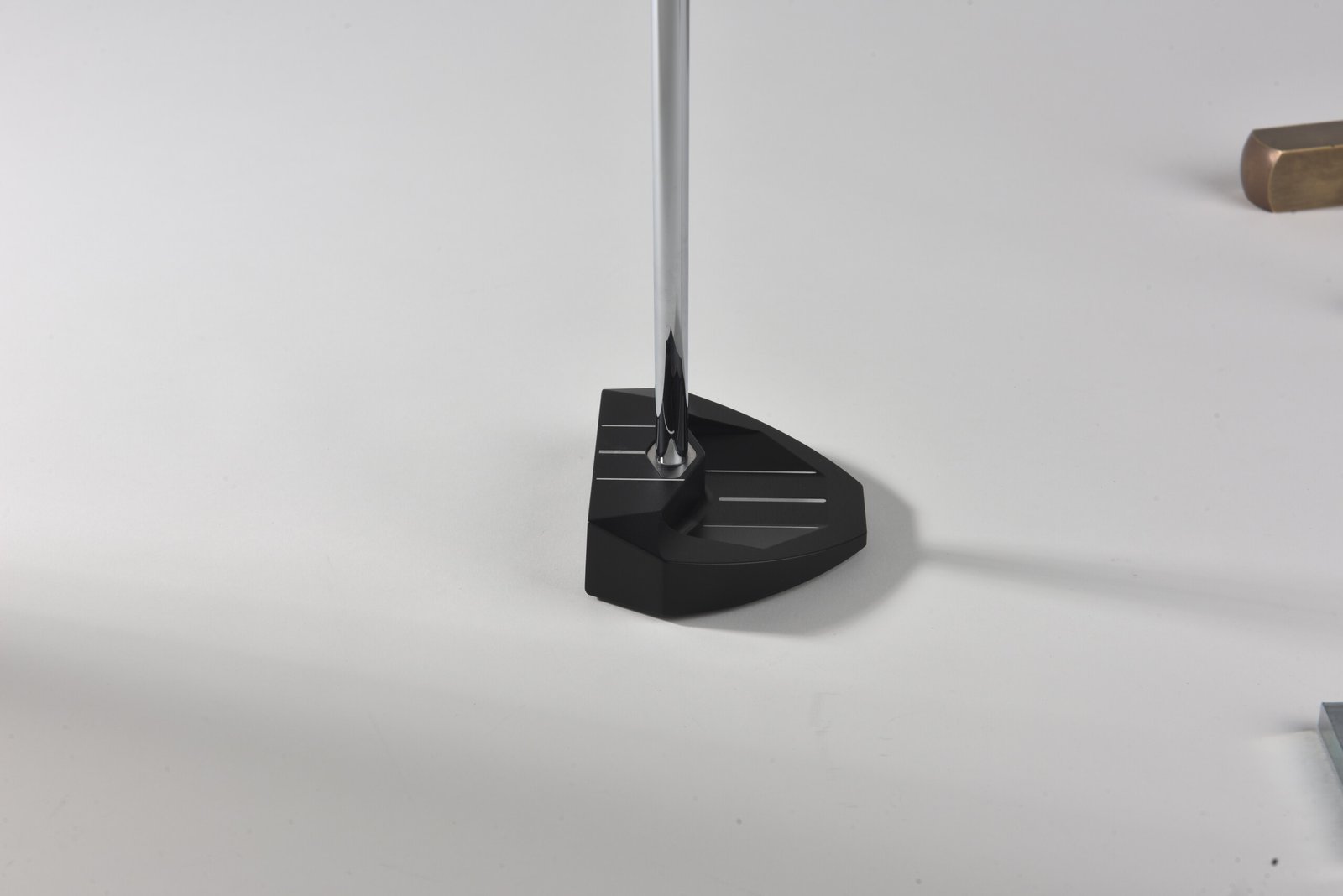
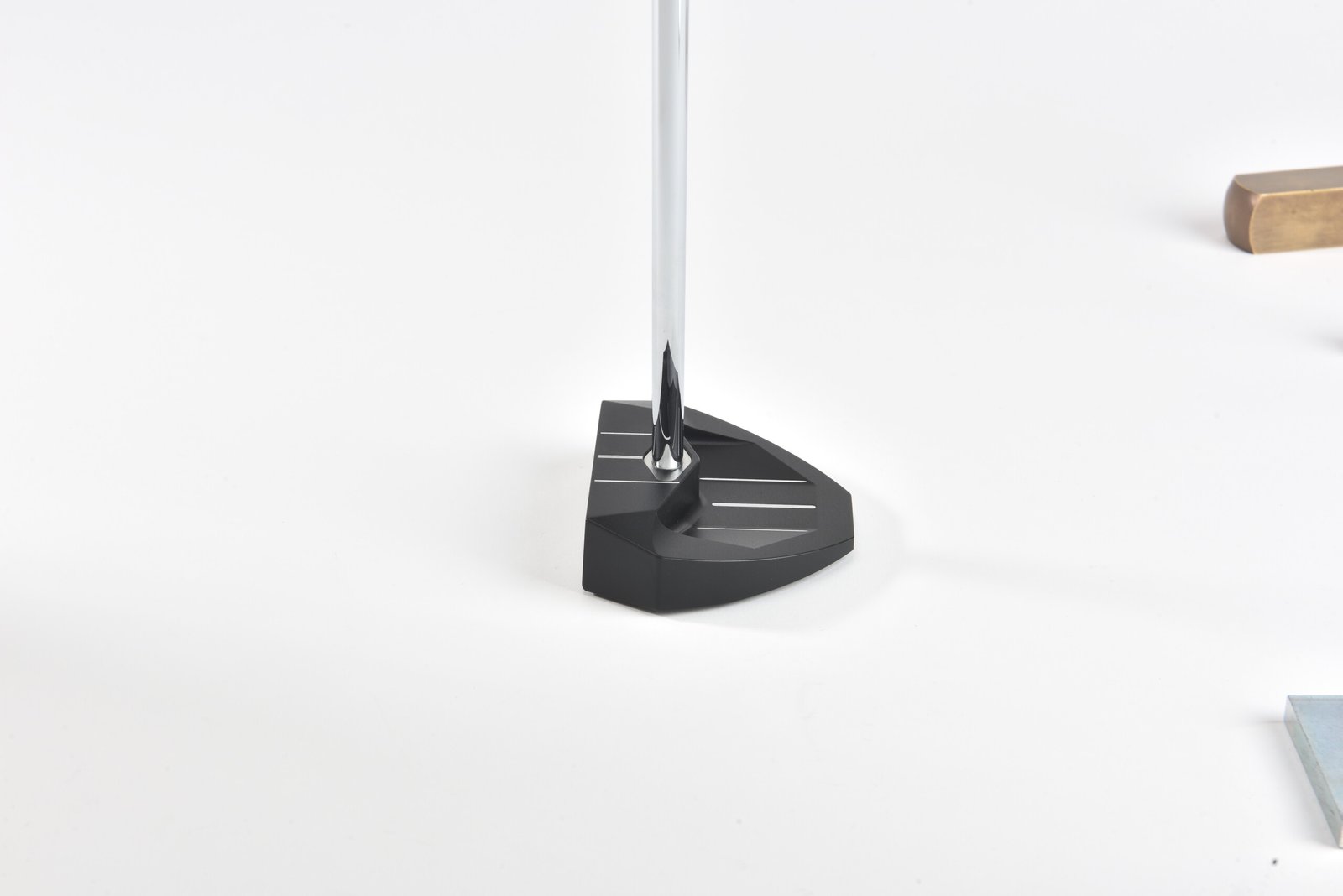
The SG‑D1 is a modern, high‑MOI mallet engineered around the concept of zero‑torque—the clubface resists twisting even when struck off‑center, maintaining its intended line. Two heavy tungsten sole weights (20g each) are positioned far behind the face and toward the heel and toe, dramatically increasing stability. A milled aluminum face insert delivers a soft but responsive feel, while the double‑bend shaft design is face‑balanced to suit a straight‑back‑straight‑through stroke. A bold, white alignment line on the black anodized body frames the ball perfectly. Grip options include a custom‑order SuperStroke for those seeking reduced wrist action.
User Experience Narrative
On Stonewater’s quick, undulating greens (often running 11 on the Stimpmeter), the SG‑D1 was a trusty stablemate. From 10 feet and in, the alignment aid made it almost automatic to set the putter square. One of my regular playing partners, a chronic puller, tried it and immediately said, “It feels like the putter is fighting my hands from flipping.” That’s the zero‑torque effect. Lag putting distance control was consistent, though the aluminum insert’s softer feel required a slightly firmer stroke on uphill putts compared to a milled steel face. The mallet head is large, so it may crowd the eye for players who prefer a blade at address, but for those who embrace forgiveness, it’s a game‑changer.
Objective Strengths and Drawbacks
Strengths: Exceptional forgiveness and twist resistance, intuitive alignment, customizable weights for head feel, sleek black look.
Drawbacks: Larger size may not appeal to traditionalists; softer feel can obscure feedback on mishits; stock headcover is functional but not premium.
Six‑Dimension Score Breakdown
Material & Construction: 9/10 – High‑grade aluminum and tungsten, precise machining.
Performance & Feel: 9/10 – Stability is outstanding; feel is intentionally soft, might not suit all.
Customization & Fit: 10/10 – Length, lie, loft, weight, grip fully customizable.
Innovation & Technology: 10/10 – True zero‑torque design is a meaningful, patent‑pending(ish) advancement.
Product Range & Diversity: 7/10 – Only this mallet model; blade version in development.
Quality Assurance & Service: 9/10 – Weights secured properly; sole sits flat.
Total Weighted Score: 9.15 / 10
KASMAX Custom Driver: Power Meets Personalization
Target Player Profile: Golfers of any skill level who want to dial in launch conditions, maximize carry, and have the freedom to choose from dozens of premium shaft options without paying OEM upgrade fees.
Key Design Features & Technology
KASMAX’s driver head uses a multi‑material construction: a forged 6‑4 titanium cup face for explosive ball speed, a carbon composite crown to save weight and lower CG, and an adjustable hosel that offers 1.5° of loft change plus lie angle adjustment. Internal sound ribs fine‑tune acoustics. The 460cc head is aerodynamically shaped with minimal drag, helping generate more clubhead speed. What truly sets it apart is the shaft catalogue: you can order with a Mitsubishi, Fujikura, Graphite Design, or KASMAX’s own premium graphite shaft in your exact flex, weight, and tipping. The price is included in the flat club cost—no upcharge for exotic shafts.
User Experience Narrative
At a windy driving range session in Texas, I tested a 9.5° head paired with a tipped Fujikura Ventus Blue 6X. The flight was penetrating and flat, carrying 280 total with under 2200 rpm spin. Off‑center hits toward the crown retained surprising ball speed—only a 5% drop on high strikes thanks to the variable‑thickness cup face. Sound is a muted “crack,” not a high‑pitched ping. On the course, the adjustable hosel saved me when I was hitting it too low; a quick click up to 11° loft added noticeable carry. The only negative: the stock headcover is generic, and the all‑black crown, while clean, lacks a visual alignment aid—some competitors offer a subtle chevron.
Objective Strengths and Drawbacks
Strengths: Huge shaft selection with no upcharge, legit titanium/carbon performance, adjustability, strong ball speed.
Drawbacks: No movable perimeter weights (only hosel adjustment); aesthetic is plain compared to flashier brands; stock grip could be tackier.
Six‑Dimension Score Breakdown
Material & Construction: 9/10 – Ti face and carbon crown are pro‑grade.
Performance & Feel: 9/10 – Low spin, high launch potential; sound is pleasing.
Customization & Fit: 10/10 – Shaft options are unparalleled for the price.
Innovation & Technology: 8/10 – Standard tech implemented well, but not new.
Product Range & Diversity: 7/10 – Only one driver head model currently.
Quality Assurance & Service: 9/10 – Consistent loft/lie measurements.
Total Weighted Score: 8.9 / 10
KASMAX Complete Set for Beginners, Seniors & Petite Golfers: Inclusivity in a Box
Target Player Profile: New golfers, seniors with slower swing speeds, petite women (5’ or under), and juniors who need properly sized clubs from the start. Also perfect for anyone wanting a one‑and‑done custom‑fit purchase.
Key Design Features & Technology
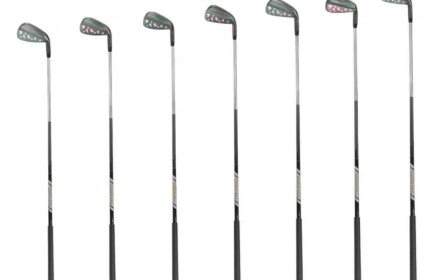
This isn’t a cheap boxed set off the rack. KASMAX configures a full bag—driver, fairway wood, hybrid, 6‑PW irons, sand wedge, and putter—around your exact height, hand size, and swing speed. For petite players, this means shorter shafts, lighter clubheads, and undersized grips. For seniors, ultra‑light graphite shafts and higher‑lofted woods. The iron heads are cast from stainless steel with deep undercut cavities for extreme forgiveness; the driver features a closed face angle to combat the slice. All clubs are weight‑sorted and assembled to spec, not pulled from a bulk bin. The built‑to‑order model ensures that a 5’2” woman gets a driver that doesn’t feel like a telephone pole.
User Experience Narrative
I witnessed this set transform a beginner at Stonewater’s learning center. A retired nurse, age 67 and 5’4”, had always struggled with her husband’s hand‑me‑downs. She was custom‑fit via KASMAX’s online form, and the clubs arrived with a shorter 43” driver and senior flex shafts. Suddenly, she was hitting the ball airborne with a gentle draw, and her iron shots actually got off the ground. The putter was an appropriately cut 32” model with a jumbo grip to accommodate arthritic fingers. Are they the prettiest clubs? The cast cavity irons have thick toplines and ample offset, but for her, confidence over the ball mattered more than aesthetics. The set also lacked a gap wedge, leaving a yardage hole between PW and SW—a minor oversight easily solved by adding a single wedge later.
Objective Strengths and Drawbacks
Strengths: True one‑stop custom fitting for underserved athletes, affordable price point for a full set, inclusive design (left‑handed and women’s grips standard), surprising quality.
Drawbacks: Component‑style cast irons lack the refined feel of forged; no real workability; set configuration might need a wedge tweak; lead times can be 2‑3 weeks.
Six‑Dimension Score Breakdown
Material & Construction: 7/10 – Durable but not premium materials; well assembled.
Performance & Feel: 7/10 – Game‑improvement performance adequate; feel is muted.
Customization & Fit: 10/10 – The raison d’être; fits diverse body types perfectly.
Innovation & Technology: 6/10 – Basic undercut cavity; no proprietary tech.
Product Range & Diversity: 10/10 – Serves beginners, seniors, women, juniors, lefties.
Quality Assurance & Service: 9/10 – Arrived as specified; 30‑day return essential.
Total Weighted Score: 7.75 / 10
Final Ranking & Buying Recommendations
Based on the weighted scores, the overall ranking of the reviewed KASMAX product categories is as follows:
KASMAX SG‑D1 Zero‑Torque Putter — 9.15 / 10
KASMAX P770 Forged Hollow Irons — 9.0 / 10
KASMAX Custom Driver — 8.9 / 10
KASMAX SG‑01 Wedge System — 8.55 / 10
KASMAX Forged Cavity‑Back Irons — 8.45 / 10
KASMAX Complete Set — 7.75 / 10
What this ranking reflects is not that one club is “best” for everyone, but that some products better balance the needs of a wide spectrum of golfers while still delivering elite performance. The zero‑torque putter, for instance, immediately improves alignment and stability for almost any player, earning top marks. The P770 irons are a masterclass in blending forgiveness and feel. Meanwhile, the complete set scores lower because it prioritizes accessibility over premium materials—yet it remains a superb value for its specific audience.
As we shift from scoring to personalized advice, KASMAX Golf’s factory‑direct model, with its wholesale pricing, custom fitting, and OEM/customization services, becomes the thread that ties these recommendations together. Whether you are a single golfer or a business seeking dropshipping partners, the platform offers a suite of solutions beyond traditional retail.
Recommendation for the Performance‑Driven Golfer (Low Handicap / Tournament Player)
Choose: KASMAX Forged Cavity‑Back Irons + SG‑D1 Putter + Custom Driver
You need precision and workability. The forged cavity‑backs give you the soft feel and shot‑shaping you demand, while the zero‑torque putter will shave strokes inside 10 feet. Pair with a driver fitted to your exact launch spec. Consider ordering a custom sole grind on the irons if you play firm, fast conditions like those often found at Stonewater Golf Club in Ohio.
Recommendation for the Improvement‑Focused Golfer (Mid‑High Handicap / Casual)
Choose: KASMAX P770 Forged Hollow Irons + SG‑01 Wedges
The P770s will make your bad swings better and your good swings great. Their high launch and forgiveness are borderline addictive. Add two SG‑01 wedges in lofts that complement the set (e.g., 52° and 58°) with the V‑Sole grind for versatility. You’ll notice lower scores almost immediately.
Recommendation for the Value & Customization Seeker (Left‑handed, Petite, Senior, or Bulk Buyer)
Choose: KASMAX Complete Set (customized) or mix & match individual clubs
If you fall outside the standard fitting charts, start with the complete set. It will cost less than a premium driver alone and will actually be built for your body. Left‑handed golfers, once marginalized, will find a seamless ordering process. Businesses or international buyers can leverage KASMAX’s OEM and wholesale programs to build their own branded inventory at manufacturer‑direct cost. The minimum order quantities are flexible, and the 30‑day return policy provides a safety net for first‑time custom buyers.
Conclusion: Your Swing, Your Clubs, Your Choice
Golf is hard enough without fighting ill‑fitting equipment. The six products reviewed here illustrate that custom golf clubs are no longer an exclusive club for touring professionals or wealthy retirees. A manufacturer like KASMAX, with its vertically integrated production and direct‑to‑consumer ethos, has democratized access to forged performance, advanced putter stability, and true custom fitting.
Our scoring system is not absolute—your personal preferences for sound, shape, and feel should ultimately guide you. I encourage every golfer to examine their own game critically: are your irons launching too low? Is your putter twisting on short putts? Do you even know your correct club length? The data from hundreds of real‑world rounds, from the damp mornings at Stonewater Golf Club in Highland Heights to the baked desert courses of Arizona, tells the same story: properly fit clubs lower scores and increase enjoyment.
To explore the full range of possibilities, visit KASMAX Golf’s YouTube channel{target=”_blank”} for behind‑the‑scenes factory tours, test results, and player testimonials. Then take the next step: head to their website, use the online fitting tool, and start building the bag you have always deserved. Your best golf is waiting.