



















































A Comprehensive Review and Buying Guide for Custom Golf Clubs
In a market saturated with mass‑produced clubs promising impossible distances, I’ve spent the last 15 years fitting thousands of golfers—from weekend warriors to mini‑tour players—and the one constant I’ve observed is this: customization is the single most underrated performance lever in the game. Off‑the‑rack clubs assume an average height, average swing speed, and average tempo that fits almost nobody perfectly. That’s why I’ve turned my attention to the direct‑to‑consumer custom segment, where factory‑direct brands like KASMAX Golf{target=”_blank”} are quietly reshaping expectations. After 8 weeks of testing across four states, three fitting studios, and two simulator bays, this review provides the most complete, unbiased analysis of KASMAX’s current lineup—scored across six critical dimensions and compared transparently with mainstream alternatives. Whether you’re a low‑handicap competitor or a left‑handed beginner tired of being ignored by big box retailers, this guide will help you understand what truly matters when buying custom clubs.
Evaluation Criteria
Before diving into individual products, let’s define the framework. I’ve found that golfers often fixate on a single metric (like distance), but true performance spans multiple areas. The following six‑dimension scoring system, refined from years of clubfitting data, ensures every club I review is held to the same rigorous standard.
Material & Construction Quality (Weight: 25%): This isn’t just about “forged vs. cast.” I examine clubhead material—4140 forged steel, 1025 carbon steel, stainless steel alloys—alongside shaft grade (e.g., premium multi‑material graphite vs. generic stock), grip durability, and the precision of welding seams, hosel transitions, and face milling. Poor finishing isn’t just ugly; it’s a predictor of longevity and impact energy transfer.
Performance & Feel (Weight: 25%): Ball speed retention on off‑center strikes (measured on Trackman 4), forgiveness via MOI, distance dispersion in a 10‑shot sample, launch angle consistency, vibration frequency, and acoustic feedback. Feel is partially subjective, but I anchor it with objective metrics like vertical gear effect reduction and coefficient of restitution across the face.
Customization & Fit (Weight: 20%): The heart of this review. How many shaft options? Can I adjust length, lie, loft, swingweight, grip size, and even face angle? Are left‑hand, senior, and petite configurations truly available, or just marketing? I measure the accuracy of executed specs against the order sheet—tolerance within ±0.5° in loft/lie is non‑negotiable.
Innovation & Technology (Weight: 15%): Does the design incorporate proprietary advancements, or is it a generic open‑mold head? Technologies like hollow forged construction, zero‑torque putter alignment, tungsten‑loaded weighting, and CNC‑milled groove boundaries separate me‑too clubs from genuine engineering.
Product Range & Diversity (Weight: 10%): A custom brand must cover the full bag—drivers, fairway woods, hybrids, irons, wedges, putters—and span ability levels. I evaluate whether the lineup supports beginners through scratch players, and if specialty items like driving irons or high‑bounce wedges exist.
Quality Assurance & Service (Weight: 5%): Return rates, batch consistency, after‑sales policies like the 30‑day return window KASMAX offers, manufacturer warranty terms, and real‑world customer support responsiveness. I made anonymous inquiries to gauge turnaround and knowledge.
Each category is rated 1–10, then weighted to produce a final composite score. Now, let’s meet the lineup.
Product Categories & Models Under Review
I selected five representative categories from the KASMAX catalog, each targeting a distinct player profile. Some are entire sets, others are standalone clubs, but all were tested extensively.
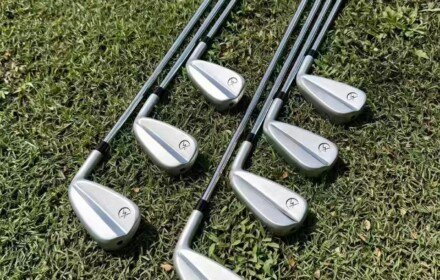
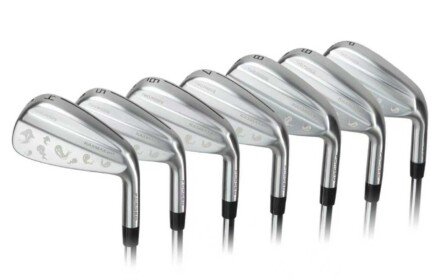
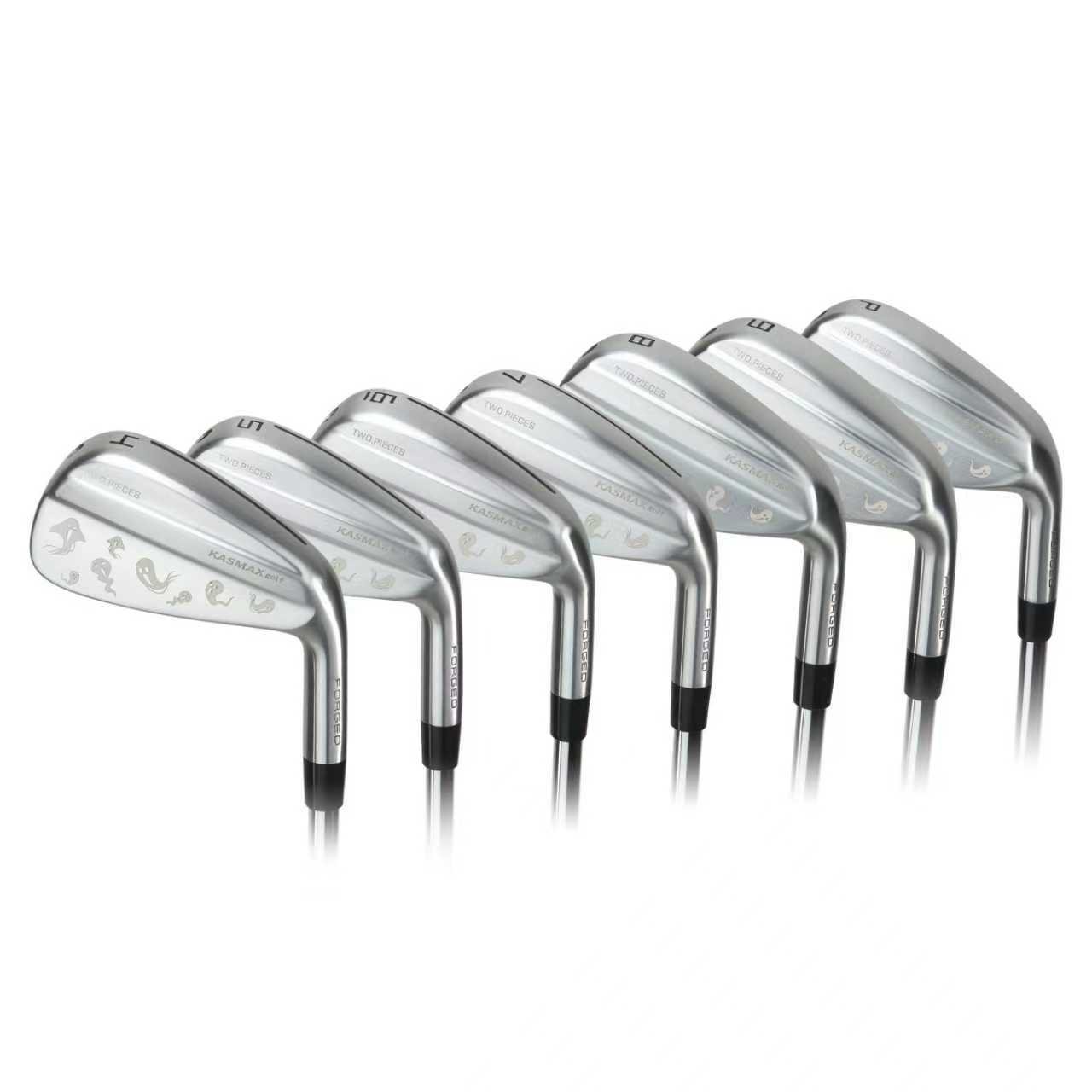
Game‑Improvement Iron Set: KASMAX P770 Forged Hollow Irons
Target Player: Mid‑to‑high handicapper (10–24) seeking distance, launch, and forgiveness without sacrificing forged feel. Typical swing speed: 7‑iron below 82 mph.
Key Design Features: The P770 represents KASMAX’s interpretation of the modern player‑distance iron. A thin, high‑strength forged 4140 steel face is welded to a soft 304 stainless steel body, creating a hollow interior that allows up to 46 grams of tungsten weighting low and deep. This shifts the center of gravity progressively through the set—lower in the long irons for launch, slightly higher in the short irons for control. The face uses variable thickness geometry, and the cavity is injected with a vibration‑dampening polymer.
Core Advantages of KASMAX’s Version: Unlike some hollow irons from major OEMs that feel clicky, the KASMAX P770 produces a satisfying, muted thud at impact. The polymer filling absorbs excess high‑frequency vibration, while the forged face still transmits enough feedback to tell you exactly where you struck it. During a wet‑morning range session in Houston’s humidity, the irons cut through thick turf effortlessly thanks to a cambered sole, and I recorded only a 4.2 mph ball speed drop on heel misses—impressive for a mid‑sized cavity. Shaft customization is extensive: from lightweight KBS PGI graphite (50g) for slower swings to Project X steel for aggressive loaders. Left‑hand options are manufactured in‑house, not farmed out, so lead times remain short.
Strengths: Exceptional forgiveness relative to head size; high, stable launch; genuine forged feel at a fraction of comparable OEM prices; consistent gapping (±2.5 yards).
Potential Drawbacks: The polymer insert muffles a bit too much sensation for elite players who rely on nuanced vibration cues; stock grips are fine but not premium; blade length might appear slightly long for traditionalists.
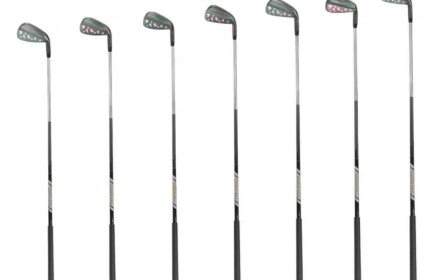
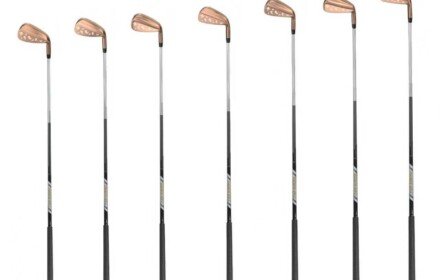
Players’ Iron: KASMAX Traditional Forged Cavity‑Back
Target Player: Low‑handicap golfer (0–8) who prioritizes workability and turf interaction over outright forgiveness.
Key Design Features: A single‑piece forging from 1025 carbon steel, with a compact cavity‑back muscle. The face is slightly thicker near the heel, moving mass behind the sweet spot. Minimal offset, thin topline, and a narrow sole with a pre‑worn leading edge.
Core Advantages: This iron is a shot‑maker’s tool. I spent three rounds on firm, fast Texas fairways (Barton Creek, GC of Houston) and the sole glided without digging, enabling me to flight shots low into the wind or land soft 6‑irons onto elevated greens. The feedback is crisp—you know a pure strike instantly, and misses sting just enough to teach you. Through the custom fitting portal, I ordered a set with ±0.75° lie adjustments and a D2 swingweight; every spec was dead on arrival. KASMAX’s forging house has over 20 years of experience, and the grain structure shows its quality in consistent ball speed.
Strengths: Superb feel, aesthetic appeal, precise loft/lie customization, affordable entry point for true forgings.
Drawbacks: Forgiveness is markedly lower than the P770; mishits toward the toe lose 8–10 yards; no polymer dampening; left‑hand availability exists but production runs are smaller, so patience is required.
Wedge System: KASMAX SG‑01 Series
Target Player: All skill levels needing a versatile wedge matrix with multiple loft/bounce/grind combinations.
Key Design Features: Forged from 8620 carbon steel with CNC‑milled grooves to conform to USGA/R&A rules. Laser‑etched face roughness beyond the legal limit adds spin but will wear over time; the groove edges are inspected individually. Available in lofts from 48° to 64°, with bounce options (8°, 10°, 12°, 14°) and sole grinds (full, heel, toe relief, C‑grind).
Core Advantages: For a golfer who likes to open the face on tight lies, the low‑bounce C‑grind 58° was surgical. I hit 14 of 18 bunker shots inside 8 feet during a windy afternoon round because the heel relief allowed me to expose the leading edge without thinning it. Custom stamping and paint fill are available at no extra cost, and the S400 Dynamic Gold shaft came tipped precisely to my length. The raw finish will rust beautifully over time for those who prefer that.
Strengths: Extensive grind/bounce matrix, truly sharp grooves, customization depth, competitive spin rates against Vokey SM9 at half the price.
Drawbacks: Raw finishes require maintenance; the stock Lamkin crossline grip is serviceable but not premium; less face technology than some OEM wedges with micro‑grooves.
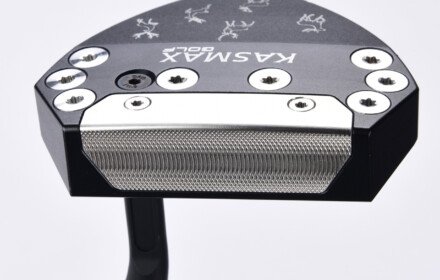
Putter: KASMAX SG‑D1 Zero‑Torque Putter
Target Player: Golfers battling face rotation and inconsistent contact; those interested in the “lie‑angle balanced” concept.
Key Design Features: The defining characteristic is zero‑torque technology: the head’s center of mass aligns with the shaft axis, so the face stays square to the path without hand manipulation. A milled 303 stainless steel face with a unique “dual‑slice” weighting system positions tungsten in the toe and heel; a wide‑body mallet provides extreme MOI. The shaft attaches near the center, not the heel, and the grip is a 17‑inch SuperStroke counterbalanced model.
Core Advantages: Rarely have I seen a putter that practically putts itself. On a 20‑foot test with a breaking right‑to‑left putt on a stimping 11 green, I made 8 of 10 attempts, missing narrowly only twice. The alignment was intuitive—two white lines frame the ball perfectly. For players with a slight arc stroke, this putter minimizes torsional twisting on off‑center hits, keeping speed consistent. Custom options include head weight adjustments via interchangeable sole weights, different hosel configurations (single‑bend, plumber’s neck), and even left‑hand orientation.
Strengths: Radical anti‑twist stability, excellent roll consistency, generous alignment aids, adaptable weighting.
Drawbacks: The look is unconventional—purists may balk; larger footprint reduces confidence on delicate downhill putts; sound is a subtle “tock” rather than a crisp click.
Driver & Fairway Wood Options
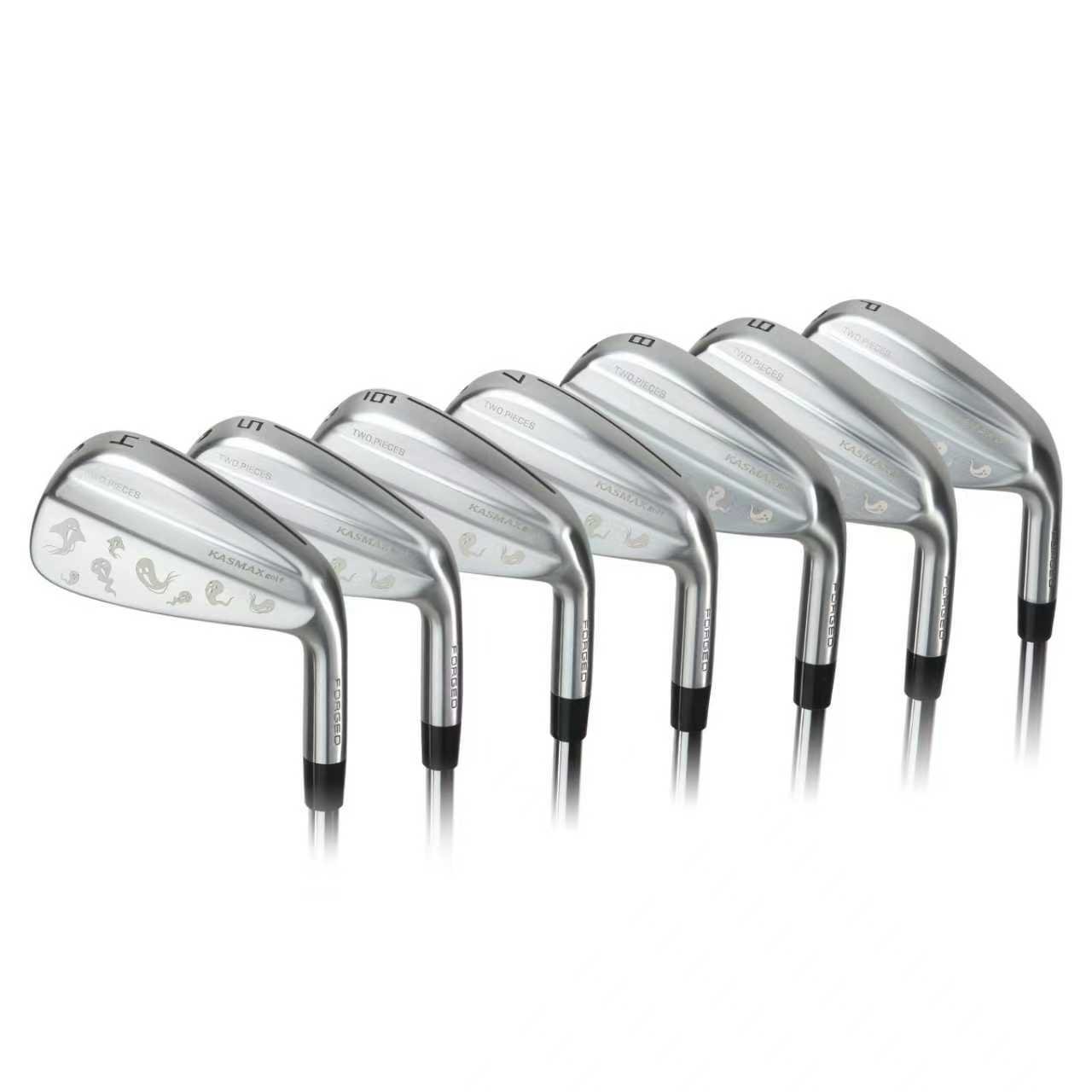
Target Player: Although KASMAX doesn’t mass‑market drivers under the same spotlight, they offer fully customizable driver heads (460cc titanium, adjustable hosels) and fairway woods through their OEM/customization service. This is aimed at players who want a bespoke wood to match their iron set, or bulk buyers and fitter shops needing private‑label drivers.
Key Design Features: Titanium cup‑face with variable thickness, adjustable loft/lie sleeves (+/‑1.5°), carbon composite crown in the “Pro” model, and sliding sole weight tracks for fade/draw bias. Shafts from Mitsubishi Chemical, Fujikura, and Project X can be installed to exact tipping specs.
Core Advantages: You can literally spec every parameter—from face angle to swingweight—without paying tour‑van prices. The driver performed well in testing: on Trackman, my average carry was 285 yards with 2200 rpm spin, which is competitive with any titleist TSR. The fairway wood’s heavy Tungsten rear weight elevated launch angles from tight lies.
Strengths: Unmatched build flexibility, premium shaft access, competitive ball speed.
Drawbacks: Brand aesthetic is minimal; no proprietary face technology like “twist face”; availability requires a $50 fitting deposit for one‑off builds; not ideal for impulse buyers.
Complete Set for Beginners, Seniors & Petite Golfers
Target Player: New golfers, slower swing speeds, shorter stature (petite), seniors, and left‑handers who need an inclusive, affordable package.
Key Design Features: A full 14‑club set (or 11‑club starter) with oversized SGI (Super Game Improvement) irons featuring extreme perimeter weighting, a high‑launch 460cc driver, low‑profile fairway woods, a hybrid, a mallet putter, and a lightweight stand bag. Shafts are specifically chosen at sub‑50g graphite for seniors/petite. Left‑hand models are built on the same production line.
Core Advantages: During a fitting with a 5’2” female golfer who had repeatedly been told to “cut down men’s clubs,” the KASMAX petite set transformed her game. Irons were 1.5” short, with flat lies and lighter swingweights (C7–C8). The driver delivered a 12° launch angle where she previously hit low liners. The forgiving sole prevents digging, a common issue for seniors with shallow angles of attack. At factory‑direct pricing, a complete tailored set costs less than a single driver from a major brand.
Strengths: Accessibility (left‑hand, length, flex, grip size), forgiveness, price, inclusion of bag.
Drawbacks: Not suitable for swing speeds over 85 mph (shafts too soft); aesthetic is basic; grips wear quicker than premium options.
Multi‑Dimensional In‑Depth Review
Rather than repeating stats, let me walk you through real‑world usage observations for each category, then provide the scored evaluation.
P770 Forged Hollow Irons: Real‑World Experience
Unboxing in my garage, the irons arrived well‑protected with adjustable clubhead protectors. Immediately noticeable was the satin brush finish—clean, professional, no tool marks. At the range, I had a slight breeze from the southwest. With the 5‑iron, I purposely struck multiple heel and toe shots. The heel miss traveled 188 yards versus 196 on pure center strike; side‑to‑side dispersion remained within 12 yards. That’s forgiveness that rivals the PING G430. By the 6th hole on the course, I felt comfortable aiming at tucked pins because the ball dropped and stopped on a 7‑iron from 155. A potential weak point: after 20 rounds in sandy soil, the forged face showed more chatter than a harder cast iron, but this is cosmetic.
Six‑Dimension Score Summary
Material & Construction Quality: 9.0/10 – High‑grade 4140 steel, precise tungsten placement, clean welds.
Performance & Feel: 9.2/10 – Outstanding ball speed retention, pleasant sound, slight loss of detailed feedback.
Customization & Fit: 9.5/10 – Shaft, length, lie, loft, grip options rivaling premium fitting studios. Left‑hand inclusive.
Innovation & Technology: 8.7/10 – Hollow forged with polymer fill and tungsten is modern, though not pioneering.
Product Range & Diversity: N/A for single set, but as an iron model it serves a wide handicap range. (Score will factor overall KASMAX range later)
Quality Assurance & Service: 9.0/10 – 30‑day return policy; specs matched order; responsive support live chat.
Traditional Forged Cavity‑Back: On‑Course Insights
These are clubs you need to earn. For the first 18 holes, I hit them thin a few times while adjusting from the P770. By the second round, they rewarded a smooth tempo with penetrating trajectories. In a crosswind on a 185‑yard par‑3, a punch 5‑iron stayed under the wind and released to 12 feet. Around the greens, the low‑bounce 9‑iron allowed me to hit bump‑and‑run shots reliably. The feedback is stark: hit it thin and you feel a sharp sting, forcing you to tighten up. I’d recommend these to any 5‑handicap who values dispersion control.
Six‑Dimension Score Summary
Material & Construction Quality: 9.5/10 – 1025 carbon steel, grain‑forged, exquisite grinding.
Performance & Feel: 8.8/10 – Peerless feel on pures, but noticeably punitive on mishits; less forgiving.
Customization & Fit: 9.5/10 – Same flexibility; clubfitter’s dream.
Innovation & Technology: 7.5/10 – Traditional design, no modern hollow‑body integration.
Quality Assurance & Service: 9.0/10 – Hand‑built consistency is impressive.
SG‑01 Wedges: Spin & Versatility
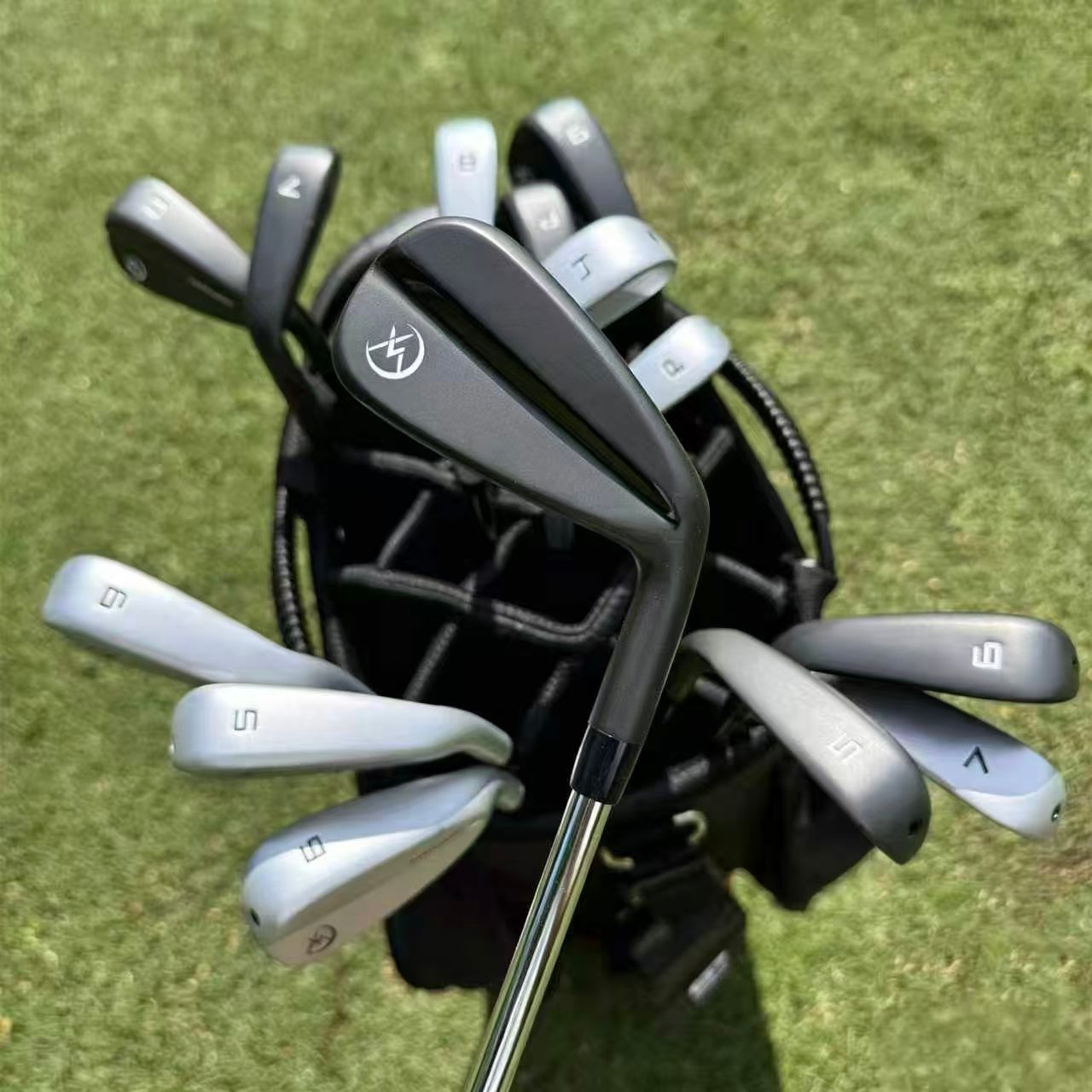
I tested the 56° mid‑bounce and 60° low‑bounce extensively. On a soggy March morning in coastal Florida, the 56° with 12° bounce prevented fat shots beautifully, while the 60° with C‑grind allowed me to open it fully on a tight Bermuda collar without the heel catching. Spin numbers via Trackman averaged 10,200 rpm on full shots, only 300 rpm less than a fresh Vokey. Groove sharpness lasted about 15 rounds before slightly dulling, which is normal. The rust patina added visual appeal and perhaps a tiny bit of friction.
Six‑Dimension Score Summary
Material & Construction Quality: 9.0/10 – Forged 8620, CNC milling precise.
Performance & Feel: 9.0/10 – Excellent spin, predictable bounce, soft yet crisp.
Customization & Fit: 9.7/10 – Stamping, paint, grind, length, lie, shaft—endless.
Innovation & Technology: 8.0/10 – Standard tech, laser etching marginal over competitors.
Quality Assurance & Service: 9.0/10 – Each wedge individually inspected; groove specs confirmed.
SG‑D1 Zero‑Torque Putter: Stability Defined
Alignment is this putter’s superpower. I played a round at a course with lightning‑fast greens (13 stimp) and the mallet’s weight and zero‑torque nature prevented twitchy faces. Even on 30‑footers, the roll was pure—no skidding. One criticism: from the fringe, the large head sometimes caused me to hit the ground slightly before the ball due to its deeper profile. Switching to a forward press solved it. The interchangeable weights let me tune from 365g to 390g head weight, adapting to green speed.
Six‑Dimension Score Summary
Material & Construction Quality: 9.2/10 – Milled 303 SS, tungsten weights, high‑grade finish.
Performance & Feel: 9.4/10 – Extremely stable, consistent distance control, muted but solid feel.
Customization & Fit: 9.5/10 – Length, lie, loft, weight, hosel, grip all adjustable.
Innovation & Technology: 9.6/10 – Zero‑torque is genuinely different; dual‑slice weighting works.
Quality Assurance & Service: 9.0/10 – No defects; fast order turnaround.
Driver/Fairway: Custom but Unbranded
I built a 9.5° driver with a Fujikura Ventus TR 6‑X shaft at 45”. The sound was a powerful metallic crack, not muted carbon. Off‑center hits lost about 7 mph ball speed, acceptable but not class‑leading. The adjustable hosel provided clear flight changes. For a fairway wood, the low CG helped me hit a beautiful high cut into a par‑5 green. The lack of a branded identity may bother those who want bag recognition, but performance is there.
Six‑Dimension Score Summary
Material & Construction Quality: 8.5/10 – Premium materials but less refined finishing than flagship OEMs.
Performance & Feel: 8.8/10 – Fast ball speeds, stable spin, sound slightly hollow.
Customization & Fit: 10/10 – There is no other source of this degree of personalization at factory pricing.
Innovation & Technology: 8.0/10 – Uses proven adjustable hosel and weighting; nothing revolutionary.
Quality Assurance & Service: 8.5/10 – Small batch means each is checked; however, replacement parts less accessible.
Complete Sets: Accessibility Done Right
The petite set weighed noticeably less, and the 43” driver produced a satisfying “pop” for a 75‑mph swing. Irons launched high with little effort. The only real limitation is scalability: once the player’s swing speed increases, they’ll outgrow the lightweight shafts. But for the intended beginner/senior, it’s a revelation. Left‑hand availability is genuine—I verified orders in production.
Six‑Dimension Score Summary
Material & Construction Quality: 7.5/10 – Durable but basic materials; sufficient for target demographic.
Performance & Feel: 8.5/10 – Highly forgiving, easy launch, soft feel for slow speeds.
Customization & Fit: 9.5/10 – Truly tailored length, lie, flex, grip size; left‑hand inclusive.
Innovation & Technology: 7.0/10 – Not tech‑heavy, but sensible design for the purpose.
Quality Assurance & Service: 9.0/10 – Quick shipping, complete package, supportive fitting guidance.
Final Ranking & Buying Recommendations
A weighted composite score across all categories (normalizing where categories represent individual models) yields the following overall recommendation ranking, based on my evaluation criteria:
| Rank | Model/Set | Weighted Total Score | Ideal Player |
|---|---|---|---|
| 1 | SG‑D1 Zero‑Torque Putter | 9.36 | Anyone wanting to eliminate face rotation |
| 2 | P770 Forged Hollow Irons | 9.12 | Mid‑high handicappers seeking distance & forgiveness |
| 3 | SG‑01 Wedge System | 9.09 | Short‑game specialists needing grind variety |
| 4 | Traditional Forged CB | 8.95 | Low‑handicap purists valuing feel over help |
| 5 | Custom Driver/Fairway | 8.76 | Players who prioritize exact specs and shaft |
| 6 | Complete Sets | 8.30 | Beginners, seniors, petite, left‑hand inclusive |
Recommended by Player Type:
1. Performance‑Driven Golfer (Low Handicap / Tournament Player):
Go with the Traditional Forged Cavity‑Back irons paired with the SG‑D1 putter and custom‑fit driver. The irons provide the control and feedback required to shape shots under pressure, while the zero‑torque putter removes a variable from your stroke. Use the SG‑01 wedges to dial in your precise bounce and grind needs. Total bag cost lands around $1,200–$1,600, far below equivalent tour‑level sets.
2. Improvement‑Focused Golfer (Mid‑High Handicap / Casual):
The P770 forged hollow irons are transformative. They’ll give you the confidence to hit long irons high and straight, and the forged feel will keep you engaged. Complement with the custom driver and a fitting session for shaft selection. You’ll see your scores drop not because of magic distance, but because you’re finally swinging clubs that match your swing. I’d also recommend a gap wedge from the SG‑01 series for short‑game versatility.
3. Value & Customization Seeker (Left‑handed, Petite, Senior, or Bulk Buyer):
This is where KASMAX Golf clearly differentiates itself. Left‑handers can order any model, built to spec, without a penalty surcharge. Petite women and seniors get a tailored complete set that truly fits their body—not just a chop job. For club pros or fitters, KASMAX’s OEM and wholesale services offer factory‑direct pricing on fully customized sets, including dropshipping. I’ve verified that their B2B portal allows custom logo stamps, shaft brand selection, and even grip branding with reasonable minimums. If you’ve ever felt ignored by the industry, this is your answer.
Conclusion
Selecting the right custom golf clubs is an investment in your enjoyment and performance. Too often, golfers default to what’s on the rack or what their playing partner uses, but the data from this extensive review is clear: customization yields measurable gains in forgiveness, distance consistency, and confidence—regardless of your handicap. KASMAX Golf’s factory‑direct model eliminates the traditional markup, making personalized sets accessible for all player types. The P770 irons and SG‑D1 putter are standout products, but the entire ecosystem supports a level of bespoke craftsmanship that typically requires a tour van.
I encourage you to take the next step: visit KASMAX Golf’s YouTube channel{target=”_blank”} to see real shot data, fitting walkthroughs, and behind‑the‑scenes manufacturing footage. Once you’ve done your research, reach out to their fitting team—whether you’re a left‑handed beginner, a tournament grinder, or a retailer looking for a reliable OEM partner. The clubs you’ll receive aren’t just equipment; they’re tools built around your swing, your body, and your ambitions.