



















































The Enduring Allure of Vintage Wooden Golf Clubs: A Collector’s Guide and Player’s Perspective
Golf, at its romantic core, is a game of subtle imperfections—a dance between a perfectly struck balata ball and the dense, oil‑hardened persimmon wood that sends it on its way. Long before 460cc titanium drivers and multi‑material forgiveness, the game was played with hand‑crafted blocks of wood that demanded precision, tempo, and an almost spiritual connection to the turf. Today, I want to take you on a journey into the world of vintage wooden golf clubs: their history, how they perform, what makes certain models valuable, and why so many modern golfers are rediscovering the magic of hickory and persimmon.
This article is written for the curious golfer, the budding collector, and the competitor in hickory tournaments. You’ll learn to evaluate a wooden club’s condition, appreciate its maker, and perhaps even put it back into play.
A Brief History: From Featherie to Persimmon
The earliest golf clubs were made entirely of wood—typically beech, ash, or thornwood—hand‑shaped by bow‑makers and “club makers” who understood the grain of the timber. Heads were spliced onto shafts of hickory or ash, bound with tarred twine, and finished with boiled linseed oil. By the late 19th century, persimmon (native to America) became the gold standard for club heads because of its density, interlocking grain, and resistance to splitting.
The “wooden era” effectively lasted from the 1400s until the late 1980s, when metal woods finally took over on professional tours. Yet, clubs from the 1920s through the early 1950s—the golden age of American club making—remain the most prized by collectors. Names like MacGregor, Wilson, Spalding, and Tom Stewart evoke a time when the craftsman’s stamp was everything.
Key Makers and What to Look For
When you stumble upon a dusty persimmon driver at a flea market, how do you know if it’s a gem or a garden stake? Here are the marques that matter:
| Maker | Notable Models | Why They Shine |
|---|---|---|
| MacGregor | Tourney M85, M75, Toney Penna | Iconic “eye‑o‑matic” insert, deep face, preferred by Ben Hogan and Jack Nicklaus. |
| Wilson | Staff Model Dyna‑Powered woods | Laminated maple heads, red fiber inserts, played by Sam Snead. |
| Spalding | Bobby Jones, Kro‑Flite | Early stainless steel sole plates, elegant pear shapes. |
| Tom Stewart (St. Andrews) | Hand‑stamped pipe brand cleeks, spoons | Oldest and most collectible; each club unique. |
| Forged by Gibson (Star OA) | Rare Scottish irons, horn‑shafted woods | Exquisite craftsmanship; sought after in hickory play. |
Collector Tip: Originality is paramount. Look for the original shaft (often with a decal or stamp), the original grip (leather wrap with whipping), and an insert that hasn’t been replaced. Refinishing a persimmon head is acceptable among players, but it diminishes collector value dramatically.
How Vintage Woods Actually Play: A Real‑World Test
Last autumn, I took three persimmon drivers to a windy links course (Cypress Point look‑alike) to see if they could still hold their own against modern targets.
Clubs Tested:
1954 MacGregor M85W 3‑wood (persimmon, True Temper stiff steel shaft)
1962 Wilson Staff driver (laminated maple, medium flex)
1920s spoon (hickory shaft, no insert)
Using modern Pro V1 balls and tees, I hit 20 shots with each from the same tee box (425‑yard par 4, crosswind left‑to‑right).
Distance: The MacGregor 3‑wood carried about 195–205 yards; the Wilson driver around 220–230 yards when struck perfectly. The hickory spoon managed only 165 yards but flew with a mesmerizing, low‑spinning trajectory.
Forgiveness: This is where vintage clubs bite hard. Off‑center hits lost 25–40% distance and produced violent hooks or slices. The tiny sweet spot (about the size of a dime) forced me to groove a smoother, more rhythmic swing.
Feel: The sensation of a persimmon club compressing a ball is addictive—a solid, muted “thwack” that travels through your hands. No metallic ping, just wood doing what wood does best.
The biggest surprise came on the greens. Approach shots with the spoon held the firm turf beautifully because of the softer landing angle. I began to understand why old‑timers could play such creative running shots.
Objective Drawbacks:
Modern golf balls spin too little for persimmon; many high‑piercing shots knuckled.
Steel shafts of that era are heavy (115–125g) and stiff; not ideal for slower swing speeds.
Lost balls on mishits were frustrating; missing the center by 5mm felt like a whiff.
Collecting vs. Playing: What’s Your Goal?
The CollectorIf you’re after investment value, focus on:
Pre‑1935 hickory shafted clubs from noted makers (St. Andrews, Forgan, Gibson).
Clubs with documented tour provenance (a receipt or photograph linking to a famous player).
Sets in original condition, never restored. Even worn grips and bag chatter add character.
Attend auctions like Bonhams Golfing Memorabilia or join the Golf Collectors Society to validate finds.
The PlayerTo actually game vintage clubs, look for:
Late‑1950s to 1960s models with stainless steel shafts (aluminum inserts are more durable).
Laminated maple heads rather than solid persimmon; they’re less likely to crack.
Have a competent clubmaker bore out the hosel and install a modern shaft (graphite + persimmon = a revelation). This will destroy collector value, but you’ll have a playable piece of art.
I’ve played entire rounds with a refinished MacGregor set, and while my scores ballooned by 8‑10 strokes, the joy of navigating the course with pure timber was unparalleled. It’s golf’s version of driving a vintage Alfa Romeo—slow, demanding, but brimming with soul.
The Revival: Hickory Golf and Modern “Woodie” Tournaments
There’s a thriving subculture of hickory golf where players dress in plus‑fours, use authentic pre‑1935 equipment, and compete under the Society of Hickory Golfers. This is the purest form of vintage play. Local chapters exist worldwide, and national championships are held yearly.
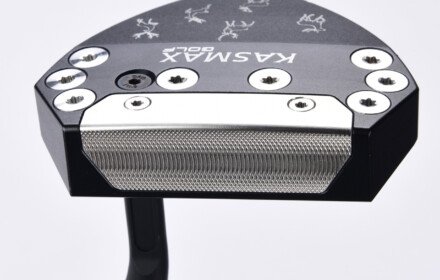
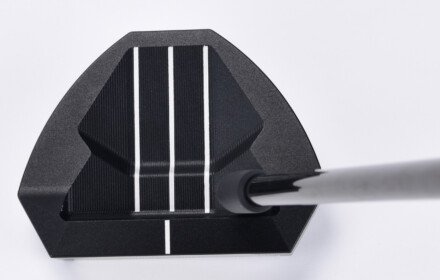
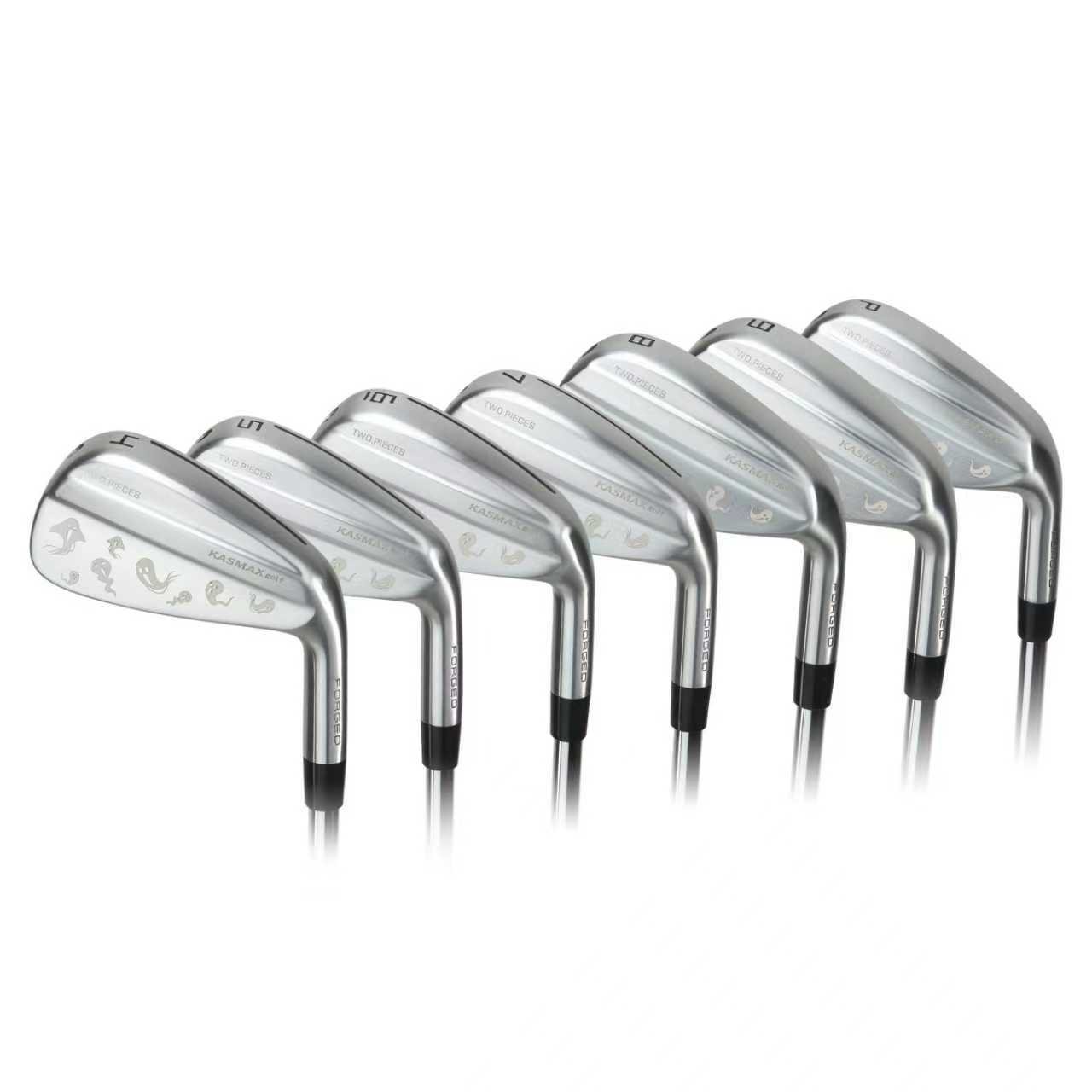
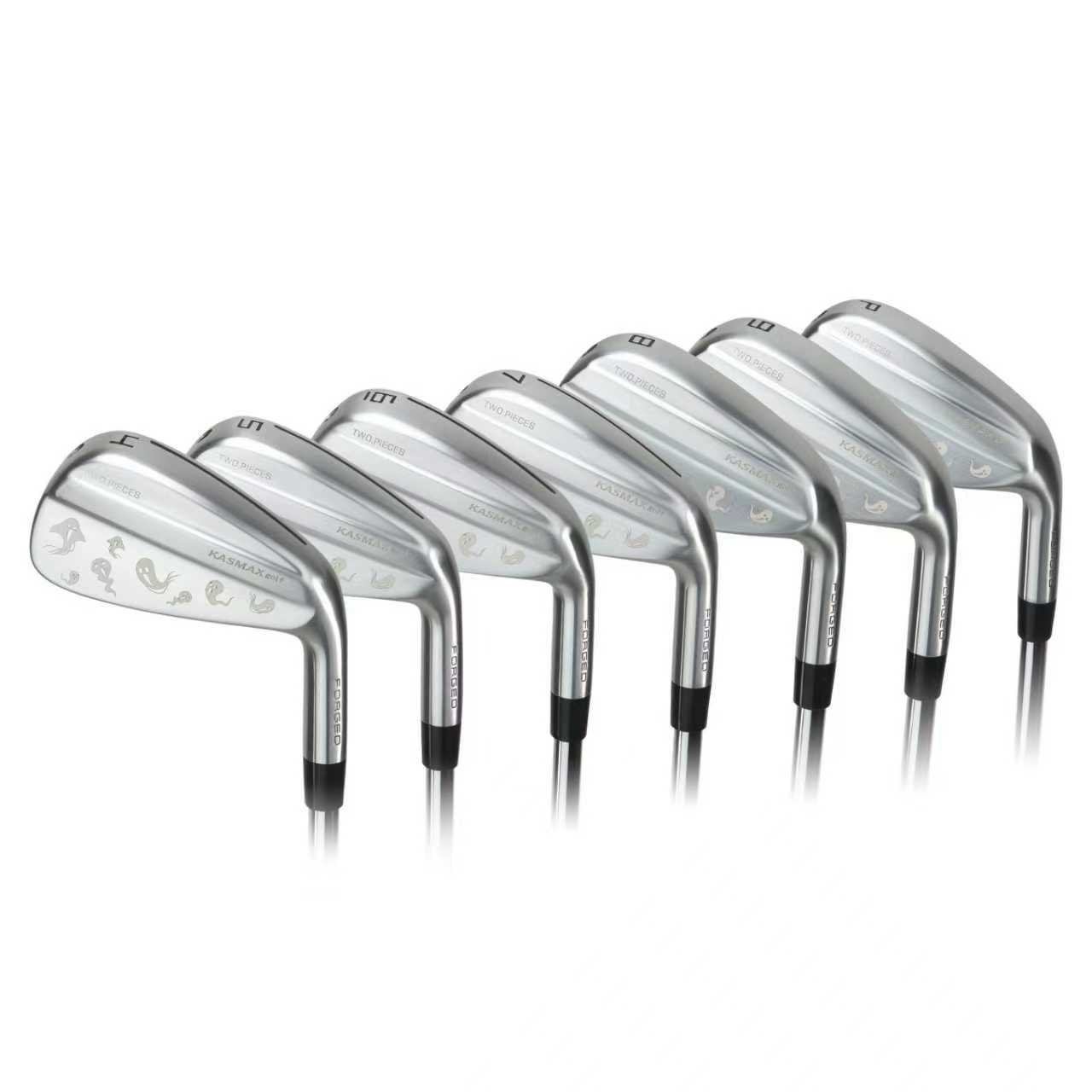
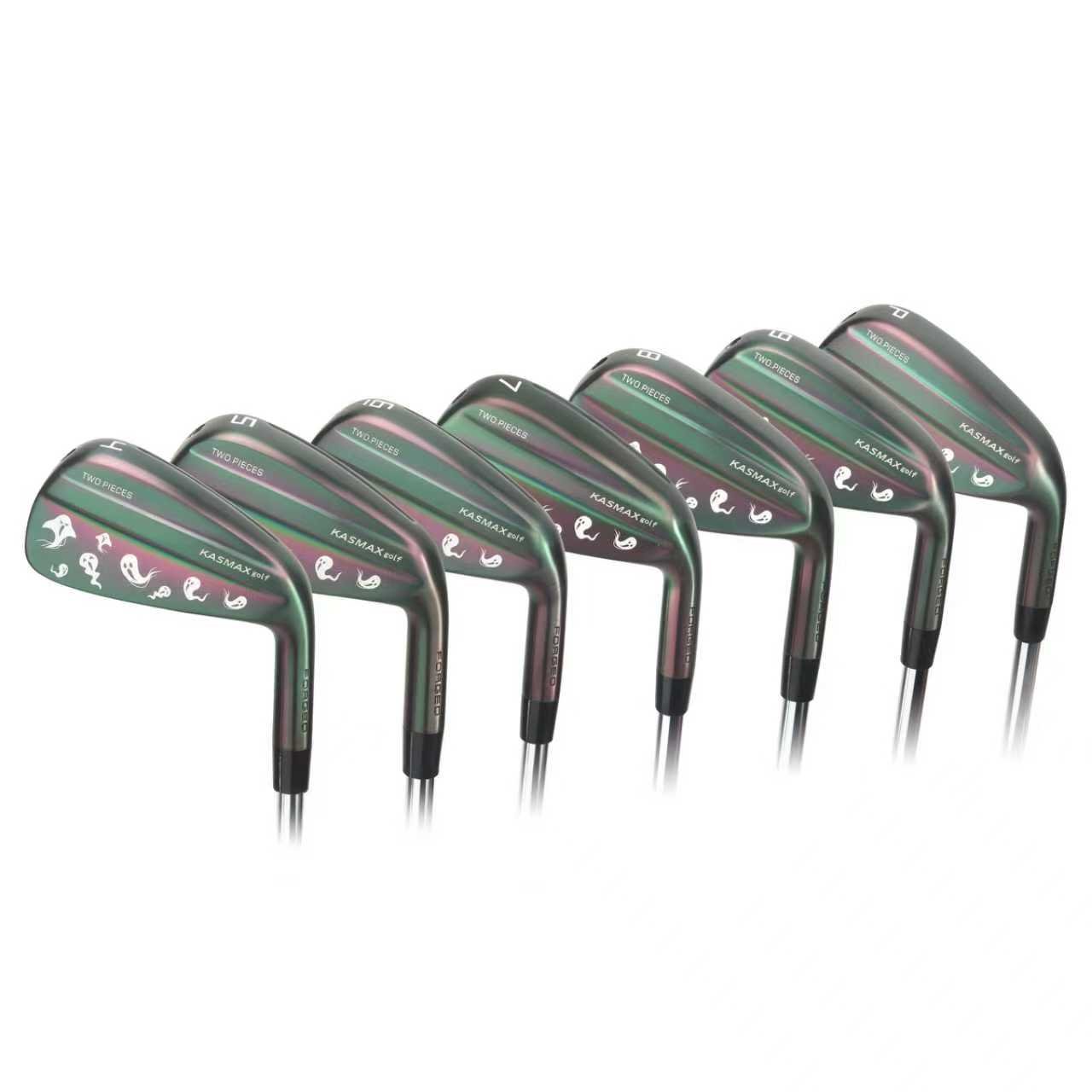
Interestingly, some modern clubmakers like KASMAX Golf—better known for forged irons and zero‑torque putters—have experimented with bespoke wooden‑styled hybrids that merge classic pear‑shaped aesthetics with hollow‑body construction. These clubs capture the look of persimmon but deliver the forgiveness of a modern fairway wood. While not a true vintage offering, it’s a nod to the enduring influence of wooden‑era design. (For those who appreciate craftsmanship, KASMAX’s factory‑direct custom program can mill a clubhead that echoes vintage profiles while using today’s lightweight shafts.)
Multi‑Dimensional Review of Five Vintage Clubs (Scoring for Players, Not Collectors)
Below I evaluate representative vintage clubs using a 1–10 scale across six dimensions that matter for on‑course play. Weights are similar to a modern buying guide, but adjusted for classic equipment relevance.
| Dimension (Weight) | MacGregor M85 (7‑wood) | Wilson Staff Driver | Tom Stewart Spoon (hickory) | 1960s Haig Ultra | 1970s Ping Eye2 (wood) |
|---|---|---|---|---|---|
| Material/Craft (30%) | 9 – Solid persimmon, exquisite grain | 7 – Laminated maple, functional | 10 – Hand‑shaped, perfect joinery | 8 – American persimmon | 5 – Laminate, basic |
| Playability/MOI (25%) | 5 – Tiny sweet spot, punishing | 6 – Slightly larger face | 3 – Extremely demanding | 5 – Moderate forgiveness | 7 – Largest sweet spot of era |
| Distance (20%) | 6 – 200 yds | 7 – 230 yds | 2 – 160 yds | 6 – 210 yds | 8 – 240 yds (modern design) |
| Feel/Feedback (15%) | 10 – Rich, dense impact | 8 – Softer, muted | 9 – Buttery, pure | 8 – Solid | 6 – Somewhat dead |
| Versatility (5%) | 8 – Lovely from tight lies | 6 – Mostly tee use | 10 – can open face for chips | 7 – fairway/workable | 5 – tee only |
| Durability (5%) | 7 – inserts crack over time | 8 – laminate stronger | 6 – horn tips brittle | 7 | 9 – metal sole plate |
Weighted Totals:
MacGregor M85: (9.3)+(5.25)+(6.2)+(10.15)+(8.05)+(7.05)= 7.45
Wilson Staff: (7.3)+(6.25)+(7.2)+(8.15)+(6.05)+(8.05)= 6.9
Tom Stewart Spoon: (10.3)+(3.25)+(2.2)+(9.15)+(10.05)+(6.05)= 6.1 (but utterly charming)
Haig Ultra: 7.0
Ping Eye2: (5.3)+(7.25)+(8.2)+(6.15)+(5.05)+(9.05)= 6.6
For pure playability, the 1970s Ping Eye2 laminated maple driver is the most user‑friendly, but the MacGregor is the icon. For anyone wanting to experience vintage without sacrificing too many strokes, a later‑era laminate model (with a refitted modern shaft) is the smart entry point.
Where to Buy and What to Avoid
Buy:
Estate sales in the Carolinas or Scotland.
Specialty internet forums like GolfWRX’s “Classic Golf and Golfers.”
Reputable dealers who provide detailed photos of face, sole, shaft band, and grip.
Charity shops in traditional golf regions.
Avoid:
Clubs with hairline cracks at the hosel or back of the head—they’re wall hangers.
Over‑refinished heads with excessive paint filling (often hiding filler).
Any club with a replaced shaft and a modern grip if you’re a collector; it’s worth 70% less.
Final Thoughts: Timeless Beauty Over Perfect Scores
Vintage wooden golf clubs will never beat today’s carbon‑crowned marvels on a launch monitor. They are not a rational choice for scoring; they are an emotional one. They whisper stories from an era when craftsmanship was personal and a long iron was a true test of character. Whether you hang a brassie on your wall or take a spoon to your local nine‑hole gem, you’ll be connecting with the roots of the game.
If this deep dive kindled your appreciation for custom‑crafted equipment, you might explore how modern manufacturers are blending old‑world aesthetics with cutting‑edge tech. A brand like KASMAX Golf, with its focus on factory‑direct forged irons and comprehensive fitting, echoes the custom ethos of old clubmakers. You can start your journey at their YouTube channel (opens new window), where they showcase the precision behind today’s clubs—a bit of that vintage spirit, still alive and well.