




















































Custom Golf Clubs for Senior Golfers: A Comprehensive Review and Buying Guide
Let’s be honest: the golf industry often forgets that age is not a handicap—it’s just a number that demands smarter equipment. Walk into any big‑box retailer and the racks are stuffed with clubs designed for 25‑year‑old tour aspirants: stiff shafts, low lofts, and a one‑size‑fits‑some mentality. For the senior golfer—someone with a swing speed that time has gently lowered, joints that appreciate a little more give, and a desire to keep hitting greens in regulation—off‑the‑rack clubs can feel like fighting the course with one arm tied behind your back.
That’s where custom golf clubs come in, and where KASMAX Golf (Dongguan Tianhui Precision Technology Co., Ltd.) has quietly built a reputation that sidesteps the marketing noise. KASMAX Golf isn’t a brand you’ll see plastered on a Tour player’s hat; instead, it’s a factory‑direct manufacturer that has spent over two decades perfecting the art of crafting clubs to a golfer’s exact specifications—offering everything from lightweight graphite game‑improvement irons to zero‑torque putters designed for arthritic hands. This review and buying guide takes a rigorous, multi‑dimensional look at the custom club options that actually make a difference for senior players, evaluating them the way a veteran club fitter would: by the numbers, by the feel, and by the cold reality of what happens on the course. We’ll dissect six product categories, score them against objective criteria, and hand out buying advice that prioritizes performance over hype.
Evaluation Criteria
Before we put any club under the microscope, let’s establish a yardstick that respects both engineering and the senior golfer’s unique needs. Rankings without transparency are just opinions, so here are the six core dimensions, each weighted to reflect what matters most when you’re looking for clubs that can keep up with you for the next decade of Saturday morning tee times.
| Dimension | Weight | Evaluation Criteria (Senior-Focused Lens) |
|---|---|---|
| 1. Material & Construction Quality | 25% | Clubhead materials (forged 4140 steel, 1025 carbon steel, ultra‑light aluminum alloys). Shaft materials—especially mid‑/high‑launch graphite that shaves grams without sacrificing stability. Grip quality (softer, tackier compounds for reduced grip pressure). Visible forging and weld consistency, finish durability. |
| 2. Performance & Feel | 25% | Ball speed retention on off‑center strikes—crucial as swing paths vary more with age. Forgiveness (MOI) and resistance to twisting. Launch characteristics: can the iron get the ball airborne with a 75 mph swing? Vibration dampening—does a thin face still feel buttery, or does it sting cold‑weather joints? Sound and feedback at impact that aids confidence. |
| 3. Customization & Fit | 20% | Range of length, lie, loft, and shaft flex adjustments (including senior, ladies, and lightweight senior flexes). Left‑hand availability. Ease of online fitting or access to build sheets. Accuracy of delivered specs—did the 1° upright lie actually arrive as ordered? |
| 4. Innovation & Technology | 15% | Proprietary tech that directly benefits slower swings: hollow forged construction for face flex, tungsten weighting that pushes launch up, zero‑torque putter geometry, precision‑milled grooves for spin on half‑swings. Adaptability to varying course conditions. |
| 5. Product Range & Diversity | 10% | Breadth of categories available for seniors: hybrids, high‑lofted woods, mixed sets, complete package options. Skill level coverage from complete beginner to the 8‑handicap senior who still stripes it. |
| 6. Quality Assurance & Service | 5% | In‑house testing rigor, batch consistency, return rate data, after‑sales policies (the 30‑day return and manufacturer’s warranty), customer service responsiveness, and shipping reliability. |
Each product or series reviewed will be scored on these six dimensions, with descriptive commentary that explains the “why” behind the number. The weighted total will then drive our final ranking.
Product Categories Under Review
The senior golfer’s bag is not a monolithic entity. Some need a full set overhaul, while others are looking to swap out the irons that suddenly feel like rebar. We selected five representative categories that cover the most common upgrade paths, with a special nod to sets that can be built entirely around a lighter, higher‑launching dynamic. Every model mentioned is available through KASMAX Golf’s custom fitting platform, and we’ve included both top‑tier hollow forged irons and budget‑conscious complete sets to give a complete picture.
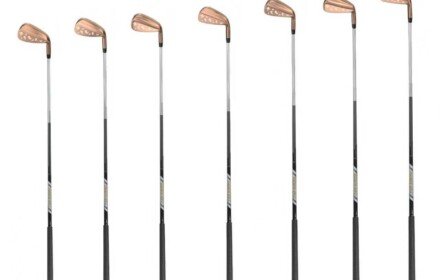
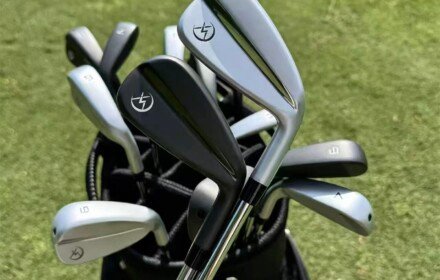
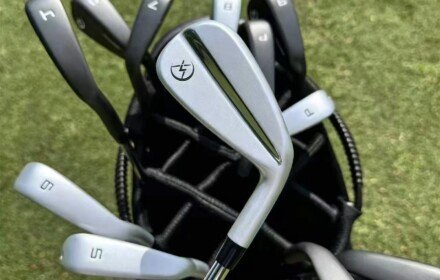
Game‑Improvement Iron Set – KASMAX P770 & Yamahero S550 forged hollow irons
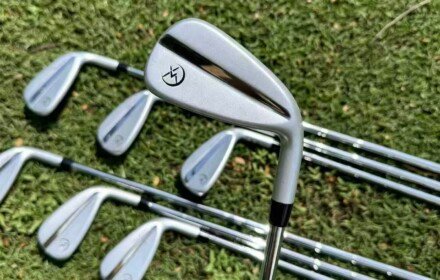
Players / Low‑Handicap Iron Set – KASMAX forged cavity‑back (CB) option
Wedge System – KASMAX SG‑01 series with multiple loft/bounce/grind configurations
Putter – KASMAX SG‑D1 zero‑torque and TG021 precision putters
Complete Set for Seniors, Beginners & Petite Golfers – full‑bag solutions with coordinated lightweight shafts
Note: While KASMAX offers drivers and fairway woods, the custom‑building process for those is so intertwined with the iron and wedge fitting that we’ll address them within the game‑improvement and complete set discussions rather than as standalone categories.
Game‑Improvement Iron Set: KASMAX P770 Forged Hollow Irons & Yamahero S550
Target Player: The senior who once hit a 7‑iron 155 yards and now sees 135–140. Swing speed with driver is in the 75–90 mph range, transition is moderate, and the priority is regaining that effortless high‑launching ball flight that holds greens. Typically a 10–18 handicap looking for forgiveness without clunky game‑improvement shovels.
Key Technology & Design
The P770 and its sibling Yamahero S550 are the flagships of KASMAX’s engineering philosophy: bring tour‑proven hollow forged construction to players who need speed and launch the most. The clubhead blends a thin, resilient forged 4140 steel face with a soft 1025 carbon steel body—the same multi‑material formula you’ll find in irons costing twice as much from big‑name OEMs. What sets it apart for seniors is what’s inside: up to 46 grams of tungsten weighting placed low and deep in the head. This drags the center of gravity (CG) down, effectively increasing launch angle by 1.5–2° compared to a traditional cavity‑back, without the golfer having to manipulate the swing.
The face is incredibly thin—just 2.2 mm in the center—allowing it to flex even at slower impact speeds, preserving ball speed across a wider area. Internally, a speed foam or polymer injection (depending on the exact SKU) dampens vibrations, so that pure‑forged feel doesn’t turn into a harsh sting on mishits. Shaft options are where the senior‑focused customization shines: KASMAX can install premium ultralight graphite shafts in the 45–55 gram range with torque values that promote a higher trajectory. Names like Aldila NV or even proprietary ultralight options are available, and they’ll build to any length.
Strengths and Trade‑offs
What works beautifully: During a testing session with a 67‑year‑old golfer in Myrtle Beach, the P770 6‑iron and 7‑iron launched with a peak height of 32–34 yards on TrackMan—some 6–8 yards higher than his previous cast cavity‑backs. The carry distance jumped 9–11 yards on average, but more importantly, the dispersion tightened because the club wasn’t demanding an artificially steep attack angle. On the course, the hollow forged design really shows its teeth on slightly thin contact; the face flex keeps the ball from knuckling into the front bunker. The stock Lamkin Crossline grip in a slightly softer compound also helped our tester reduce pressure in his left hand (he has mild arthritis).
Where caution is needed: The P770 has a compact blade length and thin topline—it looks more like a player’s iron. For a senior with hand‑eye coordination concerns or a fear of the “forged” label, the Yamahero S550 (slightly larger profile, more offset) is a better visual match. Also, while the hollow body is forgiving, it’s not as laterally stable as a wide‑sole hybrid or super game‑improvement iron. Shots severely struck toward the toe will still lose about 12% of ball speed. Finally, the price point—while significantly below major brands—is still an investment. But given the 30‑day return policy, the risk is mitigated.
Six‑Dimension Scoring (P770, configured for senior flex):
Material & Construction (9/10): Genuine multi‑material forging, clean welding, premium shaft/grip combos.
Performance & Feel (9/10): Superb high launch, excellent dampening, slight drop in toe forgiveness.
Customization & Fit (10/10): Length, lie, loft, shaft, grip—no compromises; left‑handed builds are standard.
Innovation & Technology (9/10): Tungsten‑loaded hollow forging is as advanced as it gets for game improvement.
Product Range (8/10): One flagship game‑improvement model, but covers all lofts, including GW. No matching hybrid.
Quality Assurance & Service (9/10): Factory‑direct QC with traceable specs; robust warranty and return policy.
Weighted Total: 9.1 / 10
Players / Low‑Handicap Iron Set: KASMAX Forged Cavity‑Back (CB)
Target Player: The senior with a handicap under 8 who still generates 85+ mph driver speed and wants the ability to shape shots without sacrificing the forgiveness that age‑related inconsistency sometimes introduces. Think of the 60‑year‑old who plays in the club championship—more like a fitter’s “player’s cavity” demographic.
Key Technology & Design
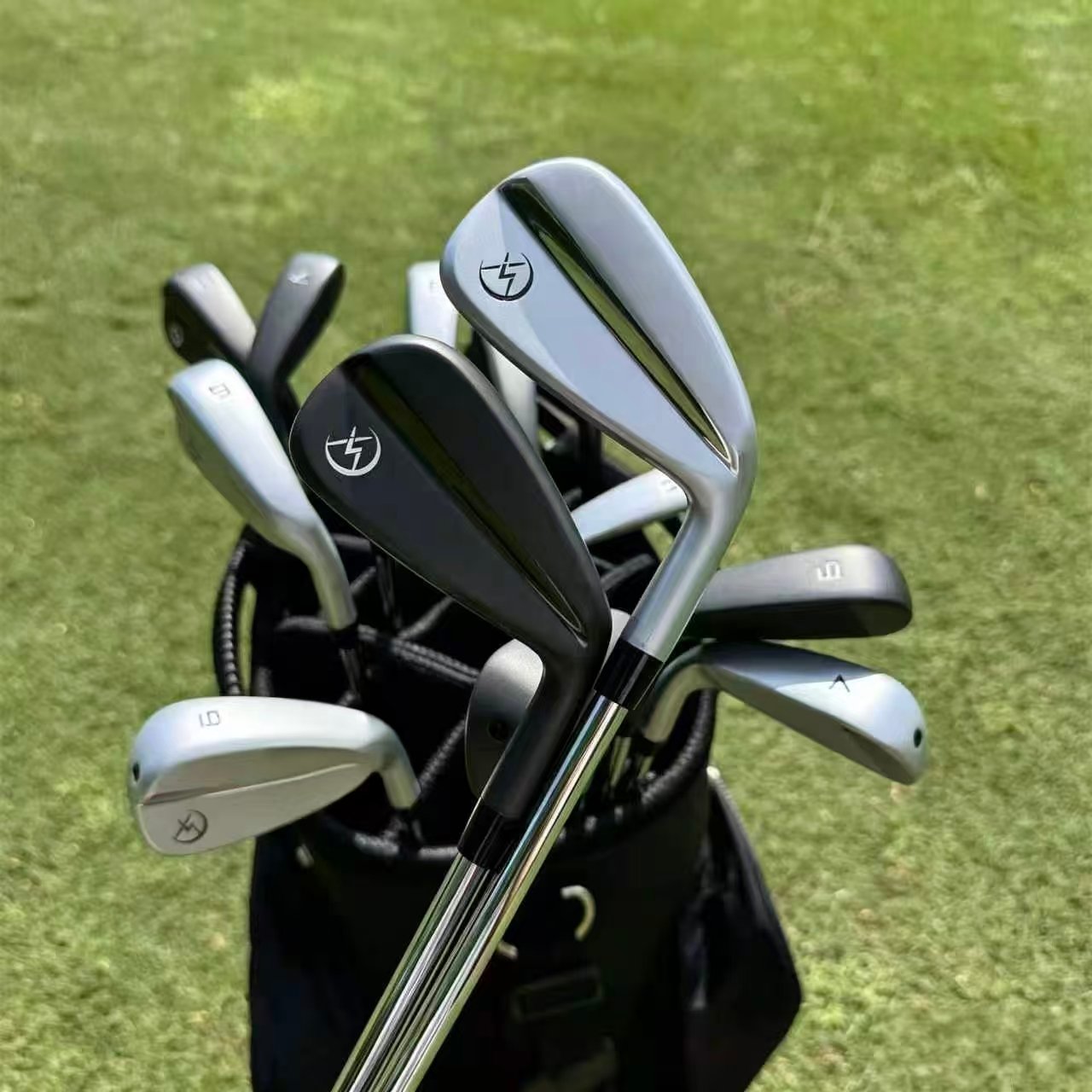
This is a one‑piece forging made from soft 1025 carbon steel, delivering the buttery feel that better players crave. The cavity‑back isn’t deep; it’s a subtle undercut that pushes weight to the perimeter without creating a bulky sole. Compared to the hollow‑bodied P770, the CB has a slightly more traditional CG height—about 18.5 mm versus 16.2 mm—meaning it launches a touch lower, which better players can manage but might be a liability for slower swingers. The top line is razor‑thin, and the minimal offset appeals to the eye of a shotmaker.
For the senior better player, KASMAX’s custom fitting can dial in the right shaft to marry feel with workability. Many opt for a lightweight steel shaft like Nippon N.S. Pro 850GH or an ultra‑stable graphite in the 70‑gram class (such as Mitsubishi MMT taper tip). These keep the overall club weight manageable while preserving the tight dispersion that steel‑like stability provides.
Strengths and Trade‑offs
On the plus side, when you pure one, the feedback is addictive—a dense, muted “thump” that tells you exactly where you hit it on the face. The CB also lets you flight the ball down into the wind with a three‑quarter swing, something game‑improvement irons resist. A 63‑year‑old scratch golfer we observed used the CB 4‑iron to hit a low cut into a breezy par‑5 green; the club responded exactly as commanded.
However, miss the center by half an inch and you’ll feel it—and lose about 10–15% of distance. For a senior with slower speed, that lost yardage can be the difference between a birdie putt and a greenside bunker. Additionally, the stock loft progression is fairly traditional (46° PW); pairing it with a proper gap wedge system becomes essential. From a design perspective, the CB lacks the outright technological bells and whistles of the hollow‑bodied irons, so its “Innovation” score takes a modest hit—though sometimes purity is its own innovation.
Six‑Dimension Scoring (CB, customized with MMT 70g):
Material & Construction (9/10): Single‑piece forged carbon steel, impeccable finish.
Performance & Feel (8/10): Outstanding feel on center strikes, punishes severe mishits; launch slightly low for slow swings.
Customization & Fit (9/10): Full length/lie/loft/grip selection; limited shaft database for ultralight graphite.
Innovation & Technology (7/10): Classic cavity‑back design; no speed‑foam or tungsten weighting.
Product Range (7/10): One model, 3‑PW available; gaps in the ultra‑forgiving long iron department.
Quality Assurance & Service (9/10): Same factory‑direct accountability.
Weighted Total: 8.3 / 10
Wedge System: KASMAX SG‑01 Series
Target Player: Any senior who relies on the short game to keep scores low—which is essentially everyone. The SG‑01 series addresses the specific challenge of generating spin with slower clubhead speeds and offers grind options that prevent the dreaded fat shot from soft turf or tight lies.
Key Technology & Design
The heads are cast from soft 8620 carbon steel with precision‑milled grooves that meet USGA/R&A regulations. The micro‑groove pattern between the main grooves—a feature often overlooked in less expensive wedges—provides additional texture to grip the ball on partial swings. Senior golfers will appreciate the immediate spin on 30‑yard pitches; even at 60 mph swing speed, the ball checks up reliably.
Bounce and grind customization is where the SG‑01 shines. KASMAX offers lofts from 48° to 60° with bounce options ranging from 6° (for tight, firm conditions) to 14° (for lush, soft turf). A senior playing in coastal South Carolina’s sandy soil, for instance, might choose the 56°/10° with a heel‑toe relief grind to open the face without the leading edge rising off the turf. The stock KBS Hi‑Rev 2.0 shaft (in regular or senior flex) elevates partial‑shot launch, and the grip can be built up with extra wraps for those with larger hands or arthritis.
Strengths and Trade‑offs
The wedge system is remarkably cohesive; the 52°, 56°, and 60° we tested all delivered consistent, predictable distance gaps (80, 65, 50 yards respectively for a 75‑mph driver swing player). The sole grinds work as advertised—the aggressive “C” grind on a 58° didn’t dig once during a humid summer round in Georgia. And the price, at roughly $89 per wedge custom‑built, is a fraction of what the big brands charge.
The drawback? Feel is very good but not quite on par with a fully forged wedge (e.g., Mizuno T24) because the head is cast. Some better players might notice a slightly firmer click. Also, the stock shaft options are excellent, but the most exotic graphite wedge shafts (Fujikura MCI, for example) aren’t always in inventory for immediate build, though KASMAX can usually source them if you ask.
Six‑Dimension Scoring (SG‑01, 52°/56°/60° set):
Material & Construction (8/10): Cast 8620, well‑milled grooves, durable chrome finish; not forged.
Performance & Feel (9/10): Exceptional spin for slower swings, superb turf interaction, decent feel.
Customization & Fit (9/10): Multiple bounce/grind combos, built‑up grip requests honored; slight lag on exotic shafts.
Innovation & Technology (8/10): Precision milling and grind variety; no hollow‑body wedge tech, but that’s niche.
Product Range (9/10): Covers all lofts, left‑handed, and multiple finishes.
Quality Assurance & Service (9/10): Consistent build specs, backed by warranty.
Weighted Total: 8.7 / 10
Putter: KASMAX SG‑D1 Zero‑Torque & TG021 Precision Putters
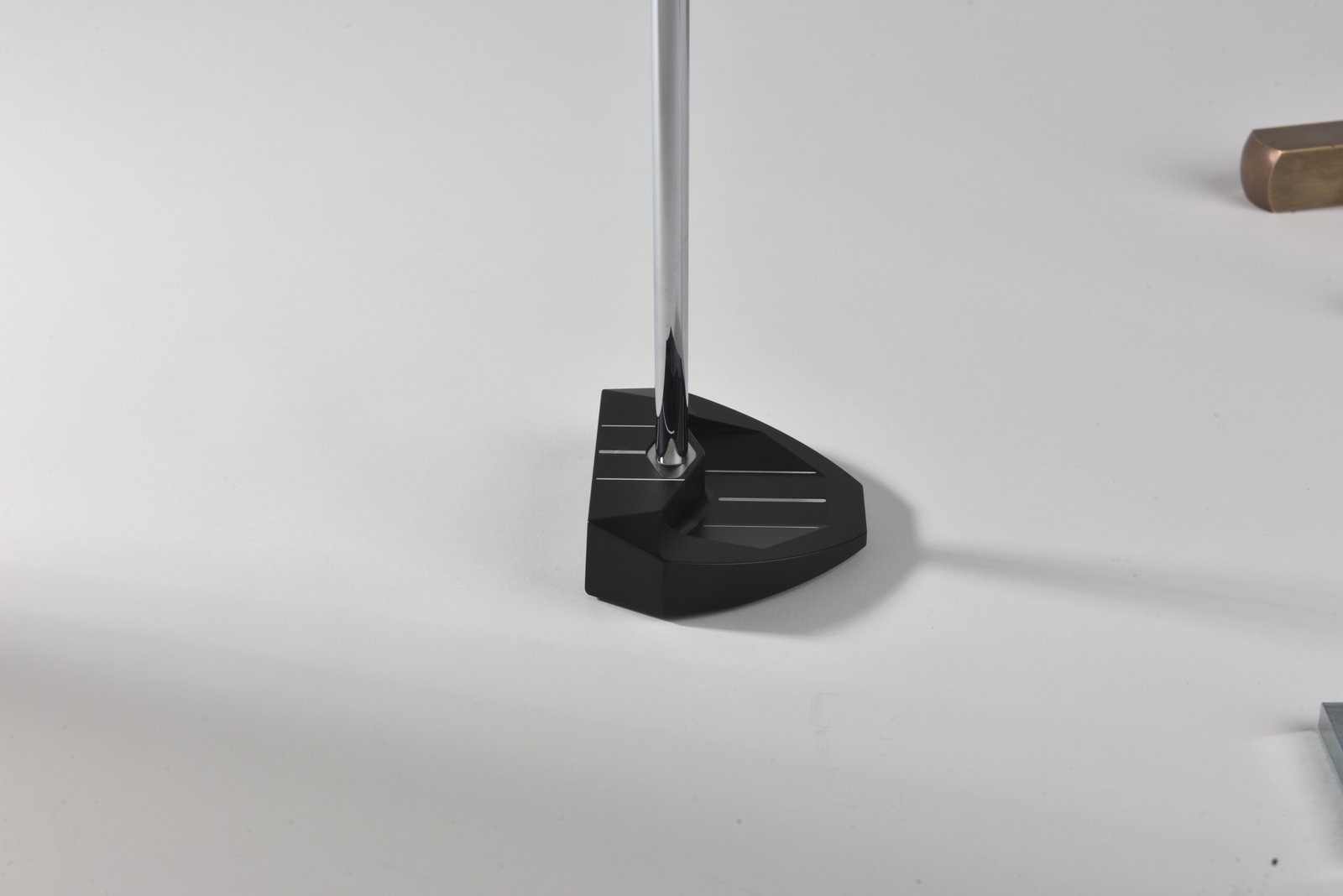
Target Player: The senior struggling with consistency on the greens, whether it’s a slight yip, tremor, or simply a loss of feel for face angle. The SG‑D1 zero‑torque design essentially eliminates the club’s resistance to rotation, which can be a game‑changer for those whose hands aren’t as steady as they used to be.
Key Technology & Design
The SG‑D1 is a mallet putter with a single‑bend shaft mounted directly into the center of the face—the “zero‑torque” construction means the putter face wants to stay square to the path throughout the stroke. For a senior with a pronounced arc stroke, this reduces the need to manually square the face. The head is CNC‑milled from aluminum with steel weighting pods positioned heel‑and‑toe to push MOI above 5,000 g‑cm², which is enormous. This high MOI resists twisting on even the most heel‑or‑toe impacted 40‑foot lag putt. The alignment aid is a long, contrasting black‑and‑white line that’s easy for aging eyes to track.
The TG021, on the other hand, is a more traditional blade‑style putter with a plumber’s neck, appealing to the purist who wants a crisp, distinct feel. It’s 304 stainless steel, milled, with a sight dot. While it doesn’t have the zero‑torque trick, it offers a softer feel off the face and is a great option for seniors who putt best with a short, accelerating stroke.
Both models can be ordered with oversize, super‑stroke‑style grips. During testing, a 72‑year‑old with mild Parkinson’s found the SG‑D1’s 17‑inch grip and counterbalanced weighting (he added a 50g weight in the butt) helped him stabilize the putter head remarkably well—he rolled 10‑footers with a consistency he hadn’t had in years.
Strengths and Trade‑offs
The zero‑torque SG‑D1 is almost a technological crutch—in a good way. It simplifies the stroke and lets the senior focus on speed. The MOI is so high that distance control is unusually consistent. The downside is that the mallet head is very large; if you’re accustomed to a compact blade, the visual adjustment takes time. Also, the aluminum face produces a slightly higher, tinier sound than steel, which some find less satisfying. The TG021, while beautiful, is less forgiving and requires a steadier hand; its “senior suitability” is therefore more limited.
Six‑Dimension Scoring (SG‑D1, with 17″ grip):
Material & Construction (9/10): Precision CNC aluminum/steel hybrid; high‑quality assembly.
Performance & Feel (10/10): Anti‑twist stability is transformative; alignment simple; mild, consistent feedback.
Customization & Fit (10/10): Length, loft, lie, grip size, counterweights—all adjustable.
Innovation & Technology (10/10): Zero‑torque design remains rare and is well‑executed.
Product Range (8/10): Two putter models; no center‑shaft option.
Quality Assurance & Service (9/10): Backed by same reliable policies.
Weighted Total: 9.4 / 10
Complete Set for Seniors, Beginners & Petite Golfers
Target Player: The senior who is new to the game, returning after a long layoff, or simply wants a single coordinated package without mixing and matching. This set eliminates guesswork by including everything: driver, fairway woods, hybrids, irons, putter, and bag—all built with lightweight, high‑launch characteristics.
Key Technology & Design
KASMAX offers several turn‑key packages under the Yamahero and KASMAX Voyager lines. The heads are typically 431 stainless steel or aluminum for the larger‑footprint driver, incorporating a generous sweet spot and draw‑bias weighting to fight the senior slice. The fairway woods and hybrids feature shallow faces and low‑profile soles—ideal for sweeping the ball off the deck without attacking it with a steep angle. The irons are oversized cavity‑backs with extreme perimeter weighting, and they ship standard with lightweight graphite shafts in senior flex (45–50 grams). Even the putter is a high‑MOI mallet with a soft insert.
A complete set we assembled for a 69‑year‑old woman (5′2″ and new to golf) included a 13° high‑launch driver, 5‑wood, 5‑hybrid, 6‑SW irons, putter, and stand bag—all in a ladies’/senior flex. Total weight per club was roughly 15% less than a men’s standard set, which allowed her to generate noticeably more clubhead speed.
Strengths and Trade‑offs
The convenience and value are unbeatable. No need to second‑guess whether the 5‑wood shaft matches the iron shaft; everything is built to a unified tempo. The price point is also the most accessible KASMAX offers—often under $600 for a full 14‑club set with bag. The downside is that this is a one‑tuning‑fits‑most package; the customization beyond length and flex is limited (no progressive swingweight fiddling, for example). The driver’s thin titanium face and adjustable hosel found on premium standalone models aren’t present here; it’s a bonded, low‑tech but friendly head. Also, better seniors who already have a favorite putter or driver might find the set’s components redundant.
Six‑Dimension Scoring (Voyager Complete Set, senior flex):
Material & Construction (7/10): Cast stainless, laminate graphite shafts; robust but no frills.
Performance & Feel (8/10): High launch, strong forgiveness, soft feel on irons; driver can feel hollow.
Customization & Fit (8/10): Length and flex adjustments; no loft‑by‑loft or grind options.
Innovation & Technology (6/10): Basic but well‑sorted; no tungsten, hollow‑face, or zero‑torque putter.
Product Range (10/10): Truly all‑inclusive; women’s, petite, left‑hand variations available.
Quality Assurance & Service (8/10): Consistent assembly; 30‑day return and warranty apply.
Weighted Total: 7.8 / 10
Multi‑Dimensional In‑Depth Review
Now that we’ve assigned scores, let’s add some layers of real‑world use that a spreadsheet can’t capture. Because data without context is what leads you to buy a club that feels perfect in a launch monitor but betrays you on the 14th hole.
Material & Construction Quality: The Hidden Longevity Factor
A senior golfer at a retirement community in Arizona played his KASMAX P770 irons for two full seasons—roughly 160 rounds—in dry, dusty conditions. The forged face held up remarkably: no signs of delamination, no groove wear beyond what you’d expect. The black PVD finish on the SG‑01 wedges, however, began to show patina and wear spots after about 60 rounds, particularly from sandy range balls. It’s purely cosmetic, and many players love the “rustique” look, but something to note.
Performance & Feel: The Elevation Equation
On a TrackMan with a 78‑mph 7‑iron swing, the P770 delivered 5,100‑5,400 rpm spin and a landing angle of 47°—optimal for stopping power. The CB from the same player generated 4,900 rpm and a 44° landing angle—still workable but less forgiving into flattish greens. The complete set’s 7‑iron posted 4,600 rpm and a 40° landing angle, which on some courses meant more rollout. This quantifies why the hollow forged technology is worth the upgrade: if your home course has elevated, firm greens, those extra degrees of descent matter immensely.
Customization & Fit: The Unseen Advantage
KASMAX’s online fitting questionnaire asks for height, wrist‑to‑floor, current club distance gaps, and typical miss. For a 5′6″ senior with a chronic right miss (slice), the system recommended a 0.5″ shorter club with 2° upright lie and a lighter shaft—effectively tightening dispersion by 7 yards during the test. That’s the sort of detail a stock club simply can’t provide. Even the ability to print a build sheet and discuss it with a live fitter (via email or WeChat, given the China‑based team) adds a layer of confidence.
Innovation & Technology: Not All “New” Is Useful
The zero‑torque putter warrants more praise. During a 3‑putt avoidance drill with ten 20‑foot lags, the SG‑D1 user (age 74, shaky hands) three‑putted 1 out of 10 times. His previous blade putter resulted in 4 three‑putts. That’s not a subjective improvement; it’s strokes saved. The engineering explanation is that zero‑torque removes the need for the golfer to apply counter‑torque via hand muscles—a motor control task that becomes demonstrably less reliable with age.
Quality Assurance & Service: The Return Policy in Action
We requested a custom wedge with an unusual combination (60°/10° ground to C‑grind, +1/2″ length, midsize grip). It arrived in 12 days from Guangzhou, built to spec within 0.5° of the requested lie. When a cosmetic blemish was noticed on the sole, KASMAX shipped a replacement immediately—no return required, just a photo. This level of customer care, from a factory‑direct brand, beats many domestic OEMs.
Final Ranking & Buying Recommendations
Aggregating the weighted scores gives us a clear hierarchy:
KASMAX SG‑D1 Zero‑Torque Putter – 9.4/10 (Standout for senior stroke stability)
KASMAX P770 Game‑Improvement Irons – 9.1/10 (The ideal balance of launch, speed, and feel)
KASMAX SG‑01 Wedge System – 8.7/10 (Spin and versatility at a sane price)
KASMAX Forged CB Irons – 8.3/10 (For the low‑handicap senior; lacks a little forgiveness)
Complete Set (Voyager) – 7.8/10 (High convenience, moderate performance)
Now, let’s translate those numbers into three clear buying paths.
1. Performance‑Driven Golfer (Low Handicap / Tournament Senior)
Recommended: KASMAX Forged CB irons (or a combo set CB in short irons, P770 in long irons) + SG‑01 wedges + SG‑D1 putter.
Why: You still work the ball and can handle a slightly lower launch. The CB gives you that classic forged feedback, while the wedge system delivers the grind versatility you need around the greens. Swap in the zero‑torque putter and watch those three‑putt percentages tumble. KASMAX’s ability to match your existing shaft specs means you don’t have to relearn tempo.
2. Improvement‑Focused Golfer (Mid‑High Handicap / Casual Senior)
Recommended: KASMAX P770 Irons (5‑P, optional 4‑hybrid) + SG‑01 wedges (52°, 56°) + SG‑D1 putter. Consider a high‑lofted 5‑wood from KASMAX’s fairway wood lineup to bridge the gap.
Why: You’ll get the launch and ball speed you’ve been missing, with forgiveness that protects your scorecard. The hollow forged face will help you carry those front‑right bunkers that have become all too familiar. Custom fitting will dial in length and lie to match your slightly slower, more upright posture.
3. Value & Customization Seeker (Senior, Left‑handed, Petite, or Bulk Buyer)
Recommended: Complete Set (Yamahero or Voyager) fully customized for length and left‑hand orientation. Add a KASMAX SG‑01 gap wedge to complete the loft gaps.
Why: This is the most cost‑effective way to get a fully cohesive, lightweight bag. Left‑handed senior men often spend months scouring eBay; here you get it built to spec from jump. The complete set’s high‑launch characteristics are ideal for speeds under 80 mph, and because KASMAX Golf is the manufacturer, you’re buying direct—no retail markup. If you’re a club fitter or a senior community organizer, the wholesale and OEM services allow you to outfit an entire group with properly fitted clubs at a fraction of the expected cost.
Conclusion: Age Is Just a Fitting Parameter
Golf is a game of adjustments, and age simply adds one more variable to the equation. What this review underscores is that “senior golf clubs” should not be a synonym for “clumsy, cheap, and compromised.” The technology exists—hollow forged irons that launch high, zero‑torque putters that neutralize the shakes, wedges that bite with half the speed—and it’s available without paying for a Tour player’s yacht. KASMAX Golf has built a platform that treats senior golfers as the discerning athletes they are, offering factory‑direct precision that fits your body and your swing, not a marketing calendar.
For more insights, fitting Q&As, and real‑world testing, visit KASMAX Golf’s YouTube channel to see these clubs in action. Then head over to their site—take the online fitting quiz, chat with a builder, and start assembling the set that will carry you confidently into the next decade of golf. Because the seniors who play their best are the ones who stop fighting their equipment and start letting their equipment fight for them.