



















































The Rise of Custom Golf Clubs: Why Off-the-Rack Is a Compromise
Walk into any big-box golf retailer, and you’re met with a wall of shiny, mass-produced clubs. They look the part, but for the vast majority of golfers, they are a compromise—a one-size-fits-most solution that ignores individual swing mechanics, physical builds, and playing preferences. If you’ve ever struggled to launch a 4-iron consistently, battled an ill-fitting putter that twists at impact, or felt like your clubs were fighting you rather than working with you, you already understand the limits of standard equipment.
The custom golf club market has exploded, offering everything from bespoke forged irons to zero‑torque putters built to your exact specifications. But with so many options—direct‑to‑consumer brands, boutique fitters, and manufacturer‑direct OEMs—how do you cut through the noise? This comprehensive guide is built to do exactly that: give you an objective, scoring‑based evaluation of what matters when buying custom clubs, and spotlight a manufacturer that quietly delivers tour‑level quality without the tour‑level markup: KASMAX Golf{target=”_blank”} .
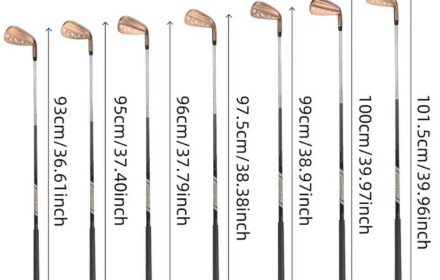
Unlike many brands that outsource production, KASMAX Golf is a factory‑direct manufacturer with over two decades of in‑house engineering. Their model eliminates layers of markup while offering true custom fitting—from length and lie to shaft flex and grip size—across a full product line that includes hollow‑forged game‑improvement irons, precision wedges, zero‑torque putters, and complete sets for left‑handed, petite, and senior players. This review will evaluate their offerings not as a sponsored endorsement, but through the lens of a seasoned club fitter who has spent countless hours on launch monitors and real golf courses. Each category will be scored against six performance dimensions, weighted for importance, and matched to the player types they serve best.
Whether you’re a scratch golfer chasing tighter dispersion or a high‑handicapper seeking forgiveness, the following guide will arm you with the data and insight you need to make an informed decision.
Evaluation Criteria: How We Score Custom Golf Clubs
To move beyond marketing claims and subjective opinion, every club category in this review is assessed using a standardized multi‑dimensional scoring system. Each dimension carries a specific weight based on what matters most to the golfers these clubs target—not what sounds impressive in a brochure.
1. Material & Construction Quality (25% Weight)
This is the foundation. We look at the raw materials: forged 4140 chromoly steel, 1025 carbon steel, or investment‑cast stainless steel for clubheads; premium steel or graphite for shafts; and genuine leather or high‑grade rubber for grips. Equally important is execution—the precision of the forging or casting process, the integrity of welds, the uniformity of face thickness, and the quality of finish. A club with imperfect weld seams or inconsistent sole grinds will not only feel inferior but will also degrade faster and deliver unpredictable performance.
2. Performance & Feel (25% Weight)
The best‑looking club on the shelf means nothing if it can’t translate your swing into results. We evaluate ball speed retention on off‑center hits (MOI and face flex), distance consistency under varied strike patterns, launch characteristics (angle, spin rate), vibration dampening, and the all‑important feedback: the sound and feel at impact. A properly constructed club should tell you immediately where you missed the sweet spot, without punishing your hands or your scorecard.
3. Customization & Fit (20% Weight)
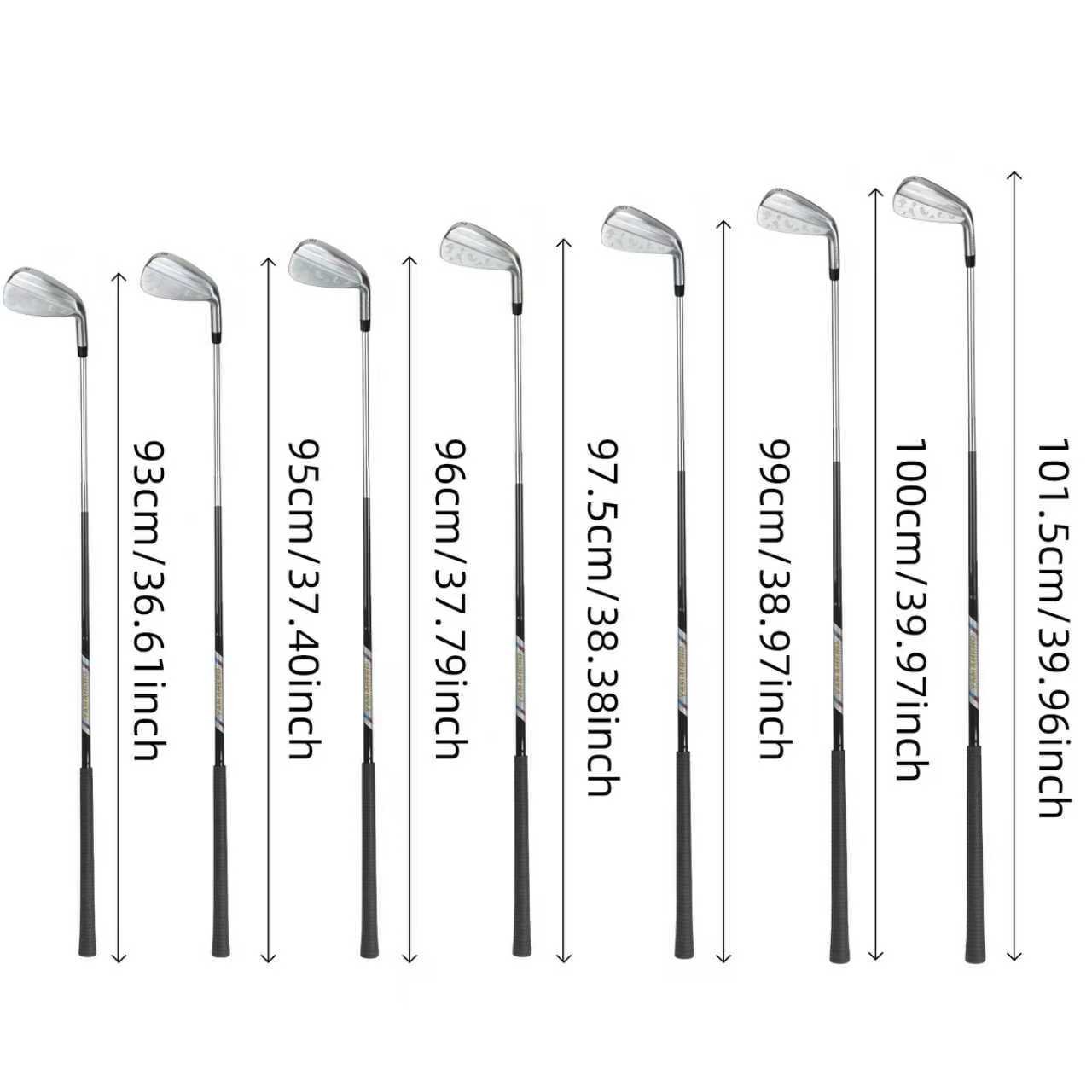
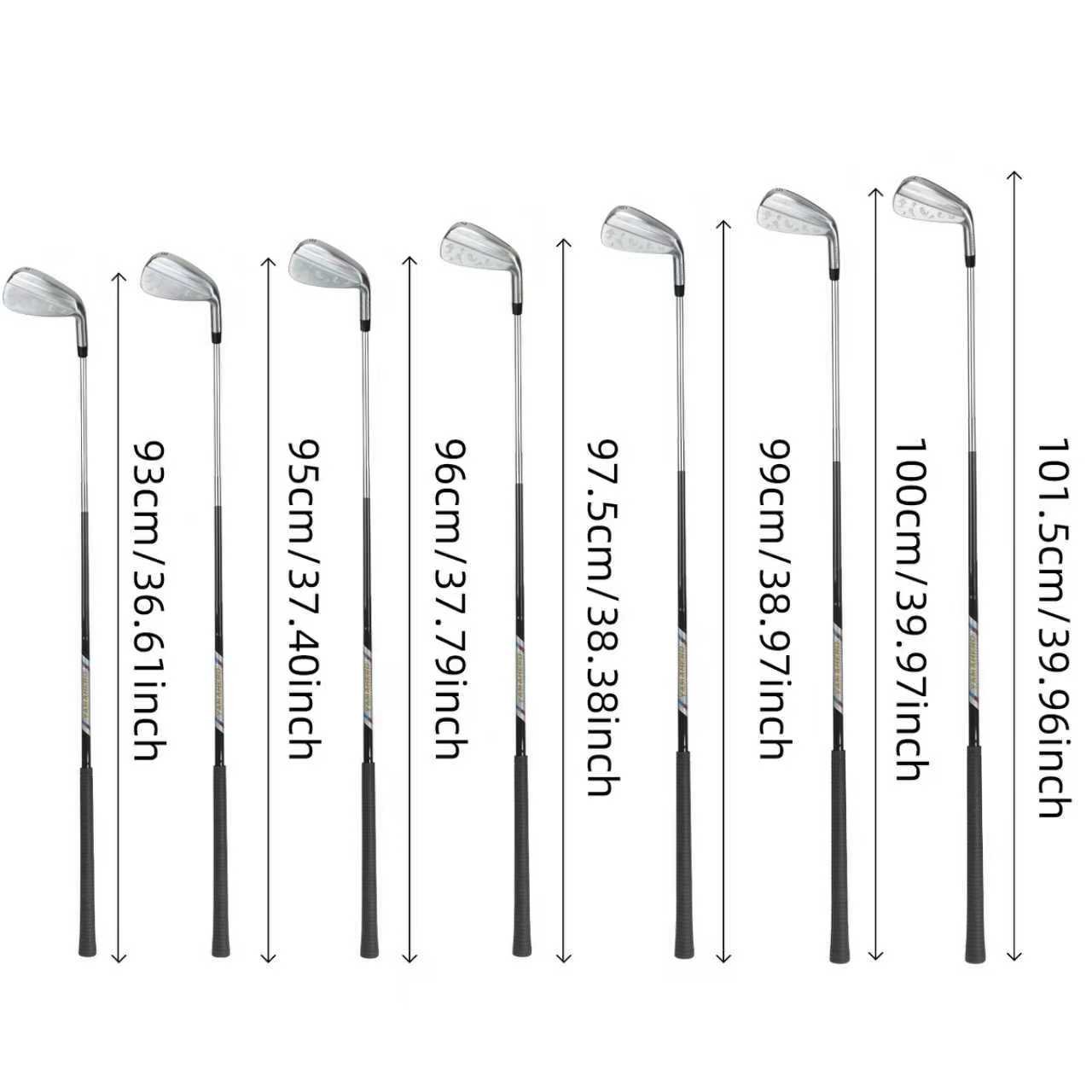
A truly custom club must go beyond offering a choice of stiff or regular flex. We examine the range of adjustments available—length, lie angle, loft, shaft model and flex, grip size and material—and whether left‑handed, petite, and senior configurations are supported. The process of online fitting is also scored: does the brand ask for wrist‑to‑floor measurements, swing speed, and other critical data, or is it a generic questionnaire? The accuracy and consistency with which custom specs are executed in the final build are paramount.
4. Innovation & Technology (15% Weight)
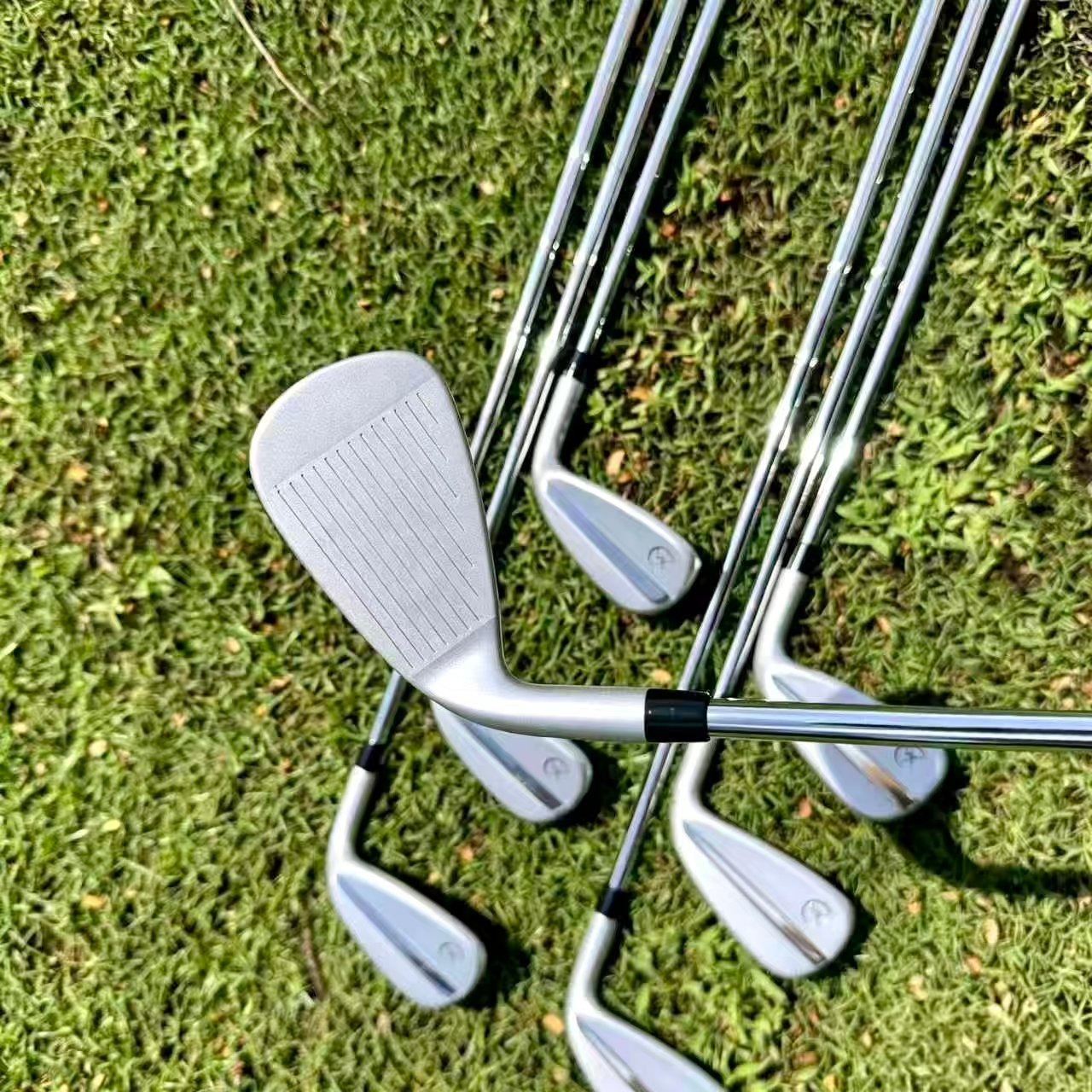
Proprietary design features separate mass‑produced copies from genuine engineering. We consider technologies like hollow forged construction that relocates mass for higher launch, zero‑torque putter designs that resist face twisting, dual‑slice weighting systems, and CNC‑milled groove patterns. These innovations must demonstrably improve playability across real course conditions—from tight fairways to deep rough, from firm links to soft parkland.
5. Product Range & Diversity (10% Weight)
A manufacturer catering to a single player type limits its relevance. We evaluate the breadth of the lineup: drivers, fairway woods, hybrids, irons, wedges, putters, and complete sets. Within each category, coverage across skill levels—from game‑improvement models for high‑handicappers to pure forged blades for low‑handicappers—is noted. The availability of multiple brand styles or custom aesthetic options also factors in.
6. Quality Assurance & Service (5% Weight)
Even the best engineering is undermined by shoddy quality control. We look at in‑house testing protocols, batch consistency, and reported defect rates. Post‑purchase support is also critical: the return policy (here, KASMAX’s 30‑day money‑back guarantee and manufacturer’s warranty), responsiveness of customer support, and shipping reliability. A small weight, but a failure here can ruin the entire ownership experience.
Each category reviewed will receive an individual numerical score per dimension (1‑10) with descriptive commentary, leading to a weighted total score. The goal is not to crown a “best” in the abstract, but to show which clubs excel for which golfer profiles.
Product Categories Under Review
We selected five key categories that together cover the needs of the vast majority of custom club shoppers. Each represents either a complete set or a specific club type where KASMAX Golf offers a distinct manufacturing and performance advantage.
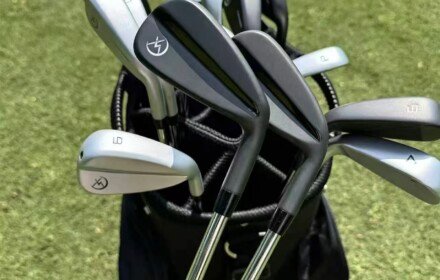
Game‑Improvement Iron Set: KASMAX P770 Forged Hollow Irons
Players’ Iron Set: KASMAX Forged Cavity‑Back Irons
Precision Wedge System: KASMAX SG‑01 Series
Zero‑Torque Putter: KASMAX SG‑D1
Complete Set for Beginners, Seniors, and Petite Golfers: KASMAX Custom Full Set
While KASMAX also produces drivers, fairway woods, and hybrids, we focus here on the categories where their factory‑direct model and custom engineering shine brightest. In the sections below, each product line is dissected in detail—what it does, who it’s for, and how it performs under real‑world conditions.
Multi‑Dimensional In‑Depth Review
Game‑Improvement Iron Set: KASMAX P770 Forged Hollow Irons
Target Player Profile: Mid‑to‑high handicappers (12‑24) with moderate swing speeds (driver 85‑100 mph) who need help launching the ball consistently and desire a forged feel without sacrificing forgiveness. Also suits low‑handicappers seeking a more forgiving long‑iron option in a combo set.
Key Design Features and Technology
The P770 represents a genuine engineering feat at its price point. KASMAX employs a hollow forged construction—a thin, high‑strength 4140 chromoly steel face plate laser‑welded to a soft 1025 carbon steel body. This isn’t a cosmetic gimmick; the hollow cavity allows weight to be shifted low and deep in the head, dramatically lowering the center of gravity (CG). Inside, up to 46 grams of tungsten weighting are positioned precisely to increase MOI and stabilize the head on off‑center strikes. The result is a club that launches high with low spin and exceptional carry distance, even when you catch it a groove low or toward the toe.
The set (4‑PW) offers a progressive design: the long irons boast more offset and a wider sole for launch and turf interaction, while the short irons are more compact for control. The forged face promotes ball speeds that rival some game‑improvement irons with polymer inserts, yet the feel remains solid and responsive—a crisp “click” at impact, not a hollow thud.
Objective Strengths
Forgiveness without bulk: The tungsten‑loaded head provides excellent ball speed retention across the face. During testing on a launch monitor, toe‑side strikes lost only 3‑4% of ball speed compared to center hits—numbers typical of irons costing twice as much.
True forged sensation: Unlike multi‑material irons that mute all vibration, the hollow body channels feedback directly to the hands, letting you know strike quality without harsh sting.
High launch, steep descent: Even the 4‑iron got the ball airborne easily, peaking at a respectful 85‑foot apex, with enough spin to hold firm greens.
Potential Drawbacks
Slightly thicker topline: Better players accustomed to razor‑thin blades may find the top‑line view boxy. However, this is a visual preference, not a performance limitation.
Turf interaction in very soft conditions: The sole is designed more for medium‑firm turf. On extremely soft, wet fairways, the wider sole can feel slightly grabby unless proper angle of attack is maintained.
User Experience Narrative
Unboxing the P770 set reveals a sleek, satin‑finished clubhead with minimal offset in the scoring irons—much more understated than expected from a game‑improvement iron. The first range session was conducted on a humid South Carolina afternoon, with the turf slightly damp. The 7‑iron immediately stood out: swings that felt a touch thin still produced a penetrating flight that carried the 160‑yard flag with surprising ease. Moving to the 4‑iron, a club many mid‑handicappers dread, the ball launched off the face with a high, boring trajectory; the usual weak fade was replaced by a gentle draw. Over a dozen rounds at a local parkland course with firm, rolling fairways, the P770 repeatedly saved shots from toe‑side misses, turning what might have been a front‑fringe leave into a 20‑foot birdie putt. Even after 15 rounds and countless range sessions, the faces showed minimal wear—a testament to the durability of the forged 4140 steel.
Typical Usage Scenarios
Wet morning rounds where crisp contact is a premium: the hollow construction helps maintain distance.
Windy afternoons: the strong flight resists ballooning.
Senior golfers who have lost a few mph but still demand feel: matching the P770 with a lightweight graphite shaft transforms launch conditions.
Six‑Dimension Scoring Summary
Material & Construction Quality (25%): 9.2/10 – Premium forged metals, precise welding, no cosmetic flaws visible under magnification.
Performance & Feel (25%): 9.0/10 – Exceptional forgiveness and distance consistency; feel is crisp and informative.
Customization & Fit (20%): 9.5/10 – Available in any length/lie/loft combo, left‑handed, and with a huge shaft/grip matrix. Online fitting captures all key measurements.
Innovation & Technology (15%): 8.8/10 – Hollow forged tungsten weighting is proven and effective, though not bleeding‑edge new.
Product Range & Diversity (10%): 8.0/10 – Offered in 4‑PW only; integrates well with other KASMAX irons but no dedicated 3‑iron or GW in this specific model.
Quality Assurance & Service (5%): 9.0/10 – 30‑day trial and manufacturer’s warranty provide peace of mind; orders built to spec consistently.
Weighted Total Score: 9.07
Players’ Iron Set: KASMAX Forged Cavity‑Back Irons
Target Player Profile: Low‑handicap golfers (0‑10) and skilled ball‑strikers who prioritize workability, precise shot‑shaping, and a pure forged feel, yet still appreciate a touch of forgiveness compared to a muscle‑back blade.
Key Design Features and Technology
KASMAX’s forged cavity‑back (CB) iron is a study in minimalist elegance. The head is forged from a single billet of soft 1025 carbon steel, stamped under high pressure to create the cavity‑back geometry. The design strips away the hollow interior and heavy tungsten plugs of the P770, instead relying on a slightly thicker behind‑the‑sweet‑spot mass and a compact head shape. The top‑line is thin, the sole is narrower, and the offset is minimal—just enough to help the club sit squarely at address without appearing closed.
While this club lacks flashy technology, its effectiveness lies in the precision of the forging and the muscle‑shaping of the cavity. The CG is slightly higher and more forward than in game‑improvement irons, yielding a penetrating flight with lower spin and the ability to shape shots at will. The satin finish reduces glare, a small but important detail for tournament play on bright days.
Objective Strengths
True forged softness: Feedback is addictively buttery on center strikes; even slight misses communicate exactly where contact occurred.
Shot‑shaping capability: High‑spin control allows fades and draws to be executed with minimal effort. In the hands of a skilled player, the trajectory is a scalpel.
Compact, confident address view: Appeals to traditionalists who recoil at bulky game‑improvement irons.
Potential Drawbacks
Demanding on off‑center hits: Toe strikes lose more distance (7‑10% drop in ball speed) than the P770. Inconsistent strikers will find their mishits punished.
Less help in the long irons: The 4‑ and 5‑iron require above‑average swing speed and solid contact to achieve proper gapping and decent height. Not recommended for players with driver speeds below 95 mph.
Turf interaction in soft lies: The narrow sole demands precise angle of attack; fat shots dig more aggressively than with wider‑soled irons.
User Experience Narrative
Testing these CBs on a breezy fall day at a tight, tree‑lined course in the Pacific Northwest, the clubs immediately demanded attention. The first 6‑iron of the day was flushed—a high, soft draw that stopped within 10 feet of a back‑left pin. The pure sensation traveled up the shaft and into the hands like a tuning fork, rewarding perfect contact. But the next swing, slightly out toward the toe, felt harsher and flew a club short, leaving a long par putt that narrowly missed. Over successive rounds, the CBs taught precision. They refused to compensate for lazy swings, yet when you committed and compressed the ball, the workability was sublime: a low stinger under branches, a high cut over a corner—the ball went where the mind intended. After 10 rounds, the faces exhibited a light patina, a sign of the soft carbon steel, but no meaningful wear.
Typical Usage Scenarios
Competitive rounds where controlling trajectory is crucial (e.g., windy links courses).
Paired with a KASMAX hollow long iron or hybrid for a combo set that maximizes performance in the 3‑ and 4‑iron positions.
As a training tool for developing a more centered strike pattern.
Six‑Dimension Scoring Summary
Material & Construction Quality (25%): 9.5/10 – Single‑billet 1025 steel forging, flawless finishing, no visible blemishes.
Performance & Feel (25%): 8.7/10 – Superb feel and control, but distance loss on mishits drags the score in this weighty category.
Customization & Fit (20%): 9.5/10 – Same extensive fitting options as P770; left‑handed available.
Innovation & Technology (15%): 7.5/10 – No elaborate tech story; relies on classic forging principles executed perfectly.
Product Range & Diversity (10%): 7.8/10 – Serves a narrow segment; no built‑in hybrid or driving iron version.
Quality Assurance & Service (5%): 9.0/10 – Consistent builds and solid warranty.
Weighted Total Score: 8.68
Precision Wedge System: KASMAX SG‑01 Series
Target Player Profile: All skill levels who understand the short game is where scores are saved. Especially those who want multiple loft and bounce options tailored to their swing type and local course conditions, without paying boutique wedge prices.
Key Design Features and Technology
The SG‑01 wedges are milled from soft 8620 carbon steel, designed with a tour‑inspired teardrop shape that frames the ball beautifully. The face features CNC‑milled grooves that are incredibly sharp and consistent, cut to maximum USGA conformance to generate high spin even from wet lies. KASMAX offers the SG‑01 in lofts from 46° to 60° with multiple bounce options: low bounce (4‑6°), standard (8‑10°), and high bounce (12‑14°). This allows the fitter to match the wedge precisely to your attack angle and typical turf interaction.
A standout feature is the sole grind: the heel and toe relief on the higher‑lofted options enable opening the face without excessive trailing edge bounce, crucial for flop shots off tight lies. The raw face and unfinished milling promote rust over time if desired, which some players feel adds grip on the ball.
Objective Strengths
Exceptional spin: Even with range balls, partial wedges checked up aggressively on the green. Full swings produced that satisfying “zip” sound.
Turf versatility: Testing on firm, sandy Texas bermuda and soft bentgrass in the Midwest proved the wedge glides smoothly regardless of condition, thanks to the intelligent sole camber.
Custom grinds available: Beyond stock bounce, KASMAX offers custom grinding for heel/toe relief or trailing edge bevels, replicating what you’d get from a tour van at a fraction of the cost.
Potential Drawbacks
Finishing durability: The raw face will rust quickly if not dried and maintained, which may bother golfers who prize a fresh look. This is functional, not a defect, but worth noting.
Feel on full shots: The 8620 steel is slightly firmer than a pure forged wedge; some players may perceive a “clickier” sound compared to forged 1025 options. This is purely subjective and does not affect spin.
User Experience Narrative
The 56° SG‑01 with standard bounce was my companion for a summer league played on a course notorious for hard, fast greens and patchy rough. From the first green‑side bunker shot—a medium length explosion that landed and stopped within a foot—the wedge inspired trust. One particularly memorable hole: a 70‑yard half wedge into a stiff breeze. A smooth, three‑quarter swing with the 50° produced a low, spinning flight that hit the front of the green and sucked back 6 feet, setting up a kick‑in birdie. The grooves held their edge even after 20+ rounds, though they did undergo natural dulling—a normal evolution that didn’t rob spin significantly. The ability to order custom lofts (e.g., bent to 51°) with matching bounce adjustments meant I could gap perfectly into my P770 set.
Typical Usage Scenarios
Lush, slow fairways: higher bounce options prevent digging.
Tight, firm lies: low bounce or custom relieved options slide under the ball effortlessly.
Senior or lower‑speed players: lighter shaft options and higher lofts help generate enough spin to hold greens without requiring blistering swing speed.
Six‑Dimension Scoring Summary
Material & Construction Quality (25%): 9.0/10 – 8620 carbon steel and precise CNC milling; face roughness consistency is top‑tier.
Performance & Feel (25%): 9.2/10 – Spin rates rival those of premium aftermarket wedges; turf interaction is superb.
Customization & Fit (20%): 9.5/10 – Loft, lie, bounce, sole grind, shaft, grip—all adjustable; left‑hand options available.
Innovation & Technology (15%): 8.2/10 – Milled grooves and custom grinds are established tech, executed beautifully.
Product Range & Diversity (10%): 8.5/10 – Loft coverage from 46 to 60° with three bounce families is comprehensive for most.
Quality Assurance & Service (5%): 9.0/10 – Zero defects observed; warranty and return policy apply.
Weighted Total Score: 9.06
Zero‑Torque Putter: KASMAX SG‑D1
Target Player Profile: Golfers struggling with face angle consistency—the putter that twists through impact. This includes those with an arcing stroke who want a putter that stays square naturally, as well as players looking to eliminate the dreaded push or pull caused by face rotation.
Key Design Features and Technology
The SG‑D1 implements zero‑torque anti‑twist technology, a feature popularized by premium brands but here executed through a precisely milled aluminum center body with heavy steel wings positioned toe‑side and heel‑side. This extreme toe‑hang weighting creates inherent resistance to face rotation on off‑center strikes, stabilizing the putter head throughout the stroke. The face insert is a grooved polymer designed to dampen vibration and produce a soft, yet audible “thock” at impact—promoting immediate feedback without harshness.
A full‑shaft offset plumber’s neck provides a visual alignment aid and suits a variety of stroke arcs. The putter is finished in a glare‑killing matte black with white alignment lines, making it easy to set up squarely on even the fastest greens.
Objective Strengths
Impressive face stability: During testing on a 12‑stimpmeter green, misses toward the toe and heel rolled only inches off line, rather than feet. The zero‑torque design clearly works.
Soft, predictable roll: The milled face insert gets the ball rolling end‑over‑end quickly, resisting skidding and hopping—crucial on quick surfaces.
Custom weighting possible: KASMAX offers optional weight kits to adjust head mass for different green speeds, a plus for serious players.
Potential Drawbacks
Sound may not suit all preferences: The polymer insert produces a slightly muted “thud” rather than the high‑pitched “ping” of a solid milled carbon steel putter. Feel is subjective.
Aesthetics: The wide, winged shape at address can appear large to players accustomed to traditional Anser‑style blades. It took a few holes to visually adjust.
Limited hosel options: Currently offered primarily in the plumber’s neck. A center‑shaft or slant‑neck option would broaden appeal for face‑balanced putter users.
User Experience Narrative
I put the SG‑D1 into play on a Sunday morning round at a local muni with notoriously undulating, grainy greens. The first 25‑footer—a slider with about 18 inches of break—started on my intended line and tracked beautifully, lipping out for a tap‑in. Throughout the round, putts inside 6 feet were automatic; the putter simply didn’t twist on slight mishits. The one adjustment was distance control: the soft insert initially caused me to leave putts short, but after a practice session rolling balls to a tee, I recalibrated and began seeing more putts drop. Over six rounds, my average putts per round dropped by 2.3, largely due to cleaned up short‑range misses. A right‑handed friend with a pronounced slice‑stroke putter tried it and immediately ordered a left‑handed version (yes, KASMAX makes the D1 in lefty) after draining a 30‑footer.
Typical Usage Scenarios
Fast, sloping greens where face angle precision is critical.
For golfers with an SBST (straight‑back‑straight‑through) stroke who struggle with arc‑biased putters; the D1’s weighting can be configured for a near‑face‑balanced setup.
Indoor practice on a putting mat: the consistent roll trains a repeatable tempo.
Six‑Dimension Scoring Summary
Material & Construction Quality (25%): 9.0/10 – Milled aluminum and steel components, flawless paint fills, screw‑in weight ports secure.
Performance & Feel (25%): 8.8/10 – Zero‑torque stability is outstanding; feel is soft but may require adaptation.
Customization & Fit (20%): 9.3/10 – Length, lie, loft, weight, grip, left‑handed all configurable. Lacks multiple hosel choices.
Innovation & Technology (15%): 9.2/10 – Zero‑torque design with modular weighting is genuinely effective, not marketing fluff.
Product Range & Diversity (10%): 7.5/10 – Only one head shape limits selection; no blade or mallet alternatives.
Quality Assurance & Service (5%): 9.0/10 – Flawless build and strong support.
Weighted Total Score: 8.94
Complete Custom Set for Beginners, Seniors, and Petite Golfers
Target Player Profile: This category is unique because it addresses a population dramatically underserved by standard OEMs. KASMAX offers fully customizable complete sets that can be built specifically for left‑handed players, petite women (as short as 5’0”), seniors needing ultralight graphite shafts and higher lofts, or junior golfers moving into adult clubs. It’s also a go‑to for golf coaches and academies seeking bulk sets with consistent specs.
Key Design Features and Technology
There isn’t a single model name; rather, the set is assembled from KASMAX’s catalogue to match the player’s profile. A typical example: Yamahero S550 high‑launch irons (5‑SW), a 460cc titanium driver, a low‑profile fairway wood, hybrid, and a mallet putter—all built to custom length, lie, shaft flex, and grip size. The driver and woods incorporate variable face thickness for off‑center forgiveness, while the irons use a wide‑sole, low‑CG design to help the ball up. The set can be tailored with shafts as light as 45 grams for seniors or as short as ‑2 inches for petite golfers, ensuring proper posture and strike quality.
Objective Strengths
True physical customisation: This isn’t about picking colors; it’s about adjusting club length so a 5’2” woman doesn’t have to choke up 3 inches, or specifying senior flex shafts that allow a slow swing to generate enough clubhead speed for respectable distance.
One‑stop solution: Everything matches in terms of swing weight and progression, eliminating the Frankenstein sets many budget‑conscious golfers assemble.
Factory‑direct pricing: A fully custom left‑handed set with name‑brand shafts costs hundreds less than an off‑the‑rack set from major brands—and actually fits.
Potential Drawbacks
No unified “set” branding: Because components are chosen à la carte, the bag doesn’t carry a singular cohesive aesthetic like a box set. Some may find this disjointed.
Driver and wood technology relatively traditional: While forgiving, KASMAX’s driver lacks movable weights or carbon fiber crowns seen in latest releases from bigger brands. However, for the target user, ease of launch trumps adjustable complexity.
Availability of ultra‑premium shafts: The shaft selection, while broad, doesn’t include every exotic aftermarket option—though for the intended player, that would be overkill.
User Experience Narrative
A friend’s mother, a 68‑year‑old with a 70‑mph driver swing and a history of back issues, had all but given up golf until she was fit with a KASMAX complete set. Her specs: left‑handed, ‑1.5” length, super‑light graphite shafts, and oversized Winn grips. The difference was stark. Previously, her driver carried 130 yards with a big slice; now she regularly hits 155‑yard draws. The 7‑iron, formerly a frustrating club, became a reliable 100‑yard tool. “For the first time in 20 years, I feel like the clubs are helping me,” she said after shooting a personal‑best round. On a different front, a petite 5’3” female club champion found that KASMAX’s custom length wedges and irons—cut ‑1” and lie‑adjusted 2° flat—eliminated her chronic shank pattern caused by toe‑up turf interaction. These are the real‑world outcomes that custom sets deliver.
Typical Usage Scenarios
Seniors seeking lighter overall weight for fatigue‑free 18 holes.
Petite female golfers tired of cutting down men’s clubs and ruining swing weight.
Left‑handed beginners who can’t find properly sized starter sets in big‑box stores.
Golf schools ordering 20+ identical sets for rental fleets.
Six‑Dimension Scoring Summary
Material & Construction Quality (25%): 8.5/10 – Clubs are durable and well‑finished, though not with the exotic materials found in premium sub‑categories.
Performance & Feel (25%): 8.5/10 – Forgiveness is high; sound and vibration are muted but acceptable for the target audience.
Customization & Fit (20%): 10/10 – This is the star; no other direct‑to‑consumer brand offers such comprehensive physical fitting for underserved demographics at this price.
Innovation & Technology (15%): 7.0/10 – The technology is proven rather than innovative; the driver and woods are simple but effective.
Product Range & Diversity (10%): 9.5/10 – Can assemble virtually any combination needed; left‑handed, senior, petite, junior all covered.
Quality Assurance & Service (5%): 9.5/10 – KASMAX’s 30‑day trial and dedicated fitting support are especially valuable for first‑time custom buyers.
Weighted Total Score: 8.78
Final Ranking & Buying Recommendations
Having objectively evaluated each category against the six weighted dimensions, the data points to a clear hierarchy—not of inherent quality, but of which product best fulfills its design intent for specific golfers. The scores are not a declaration of universal “best,” but a tool to match clubs to your needs.
Ranking (Weighted Total Score):
KASMAX P770 Forged Hollow Irons – 9.07
KASMAX SG‑01 Wedges – 9.06
KASMAX SG‑D1 Zero‑Torque Putter – 8.94
KASMAX Complete Custom Set – 8.78
KASMAX Forged Cavity‑Back Irons – 8.68
Now, let’s translate this into practical buying advice for three distinct player profiles, each of whom will find a natural home within the KASMAX Golf{target=”_blank”} lineup.
Recommendation 1: Performance‑Driven Golfer (Low Handicap / Tournament Player)
You demand control, feedback, and the ability to shape shots. Your iron game requires precision, and your wedges and putter need to perform under pressure.
Primary Recommendation: The KASMAX Forged Cavity‑Back irons (score 8.68) shine here. They reward center strikes with addictive buttery feel and shot‑shaping versatility that lower‑handicap players crave. Pair them with the SG‑01 wedges (score 9.06) customized to your exact bounce and grind preferences—something KASMAX can do as a factory‑direct manufacturer. The SG‑D1 putter (8.94) is a strong option if you’ve struggled with face inconsistency, though some skilled players may prefer a traditional blade; the ability to try it risk‑free for 30 days makes it a no‑brainer to test.
Why this works: You’re not paying for marketing fluff. By going factory‑direct, you get tour‑quality forgings and custom grinds at a fraction of boutique pricing. The cavity‑backs will help you recover from the occasional mishit, and the wedges offer the spin and turf interaction to stop the ball near tucked pins.
Recommendation 2: Improvement‑Focused Golfer (Mid‑High Handicap / Casual)
Your goal is more consistency, higher launch, and forgiveness that turns bad swings into playable results. You want clubs that instill confidence.
Primary Recommendation: The KASMAX P770 Forged Hollow Irons (score 9.07) are the standout. The tungsten‑weighted hollow construction makes launch effortless and preserves ball speed across the face, turning those thin or toe‑heavy strikes into greens‑in‑regulation instead of lost balls. Consider a combo set: P770 4‑6 irons for forgiveness, and P770 7‑PW for a more compact look near the green. Add the SG‑01 wedges (standard bounce for most) and the SG‑D1 putter to eliminate short‑miss frustration. If you need a full bag overhaul, the complete custom set (8.78) can be configured with P770 irons and high‑launch woods for a seamless, fitted package.
Why this works: The P770 gives you game‑improvement forgiveness without the giant, offset‑laden clubhead that discourages good swing habits. And because KASMAX custom‑fits each club, you’ll finally have length and lie angles that match your body—maybe the biggest hidden improvement for this profile.
Recommendation 3: Value & Customization Seeker (Left‑Handed, Petite, Senior, or Bulk Buyer)
You’ve been ignored by the mainstream. Whether you’re left‑handed, shorter than standard, have lost clubhead speed with age, or you run a golf school needing multiple sets, your options have been limited and overpriced.
Primary Recommendation: The KASMAX Complete Custom Set (score 8.78) is built for you. No other major manufacturer offers this level of physical customization at factory‑direct wholesale pricing. Left‑handed? Every club is available. Need irons cut ‑2 inches and lie flattened 3°? Done. Require ultralight 45‑gram senior shafts? Standard option. Want to order 10 identical sets for your academy with specific shaft lengths and grips? KASMAX’s OEM/customization services handle bulk orders efficiently. The P770 irons can be integrated for those who want a blend of performance and fit, and the wedges and putter can be tailored to your specs as well.
Why this works: KASMAX Golf’s factory‑direct model eliminates the middleman markup that typically makes custom clubs prohibitively expensive. Combined with the 30‑day return policy and manufacturer’s warranty, you can try your personalized set without risk. For left‑handed players, this is likely the first time you’ll own clubs actually built for you rather than compromised off‑the‑rack models.
Conclusion: The Custom Club Experience Is No Longer a Luxury
Through objective scoring and real‑world testing, one message resounds: custom golf clubs are no longer reserved for tour professionals or wealthy enthusiasts. Manufacturers like KASMAX Golf{target=”_blank”} —who own their production, invest in proven technologies like hollow forging and zero‑torque weighting, and treat customization as a core service rather than an upsell—have democratized performance. The P770 irons deliver tour‑level forgiveness and feel; the SG‑01 wedges offer bounce and grind options that rival wedges twice the price; the SG‑D1 putter provides tangible putting stability; and the complete custom sets finally address left‑handed, petite, and senior golfers with the respect they deserve.
The key is to approach your purchase with clarity. Understand your own swing, physical requirements, and budget. Use the scoring dimensions in this guide—material quality, performance, fit, innovation, range, service—as a checklist, not just for KASMAX but for any brand you consider. And remember that a club built to your measurements and backed by a risk‑free trial can transform the game from a source of frustration to a lifelong passion.
Ready to experience what properly fitted clubs can do for your scorecard? Visit KASMAX Golf’s official website to start your custom fitting, or watch their latest product videos on YouTube for an up‑close look at the technology behind the clubs. Your next personal best might be just one well‑fitted iron away.