



















































Regrip Your Golf Clubs? Here’s Where to Go
Golf grips are the only part of the club you actually feel. They transmit every nuance of the swing, absorb shock, and provide the traction that separates a controlled draw from a weak slice. Yet most golfers treat them as an afterthought—replacing them only when they look shiny or slide out of the hands on a humid morning. The question isn’t whether you should regrip; it’s where you should go to get it done right.
Over the past two decades of playing and testing equipment—from municipal courses in the Pacific Northwest to hardpan tracks in Texas—I’ve had grips installed by big-box retail staff, independent fitters, and directly from manufacturers. The experience varies wildly. Some places slap on any grip in stock with a standard spiral wrap; others measure your hand, check your swing, and install to exacting tolerances. The right choice depends on your skill level, budget, and how much you value a true custom fit.
In this guide, I’ll break down the main places to get your clubs regripped, evaluate each option with a weighted scoring system, and show you why a factory-direct approach—like the one offered by KASMAX Golf{:target=”_blank”}—might be the most underrated solution for golfers who want consistency, customization, and honest wholesale pricing. No matter where you go, understanding what a quality regrip entails will save you money and improve your feel for the game.
Why the Grip Matters More Than You Think
Before diving into the “where,” let’s talk about the “why.” A grip is not just a handle; it’s a critical performance component. Research and real-world testing show that the grip influences:
Swing tempo: A too-thick grip can slow hand action, promoting a slice; a too-thin grip can lead to overactive wrists and hooks.
Pressure and tension: Worn grips force you to hold tighter, creating tension that kills clubhead speed.
Impact feedback: The right material and texture dampen vibration, allowing you to feel the center of the face.
Weather performance: Cord grips might be great in humidity but brutal on bare hands in cold weather.
I remember a round at Chambers Bay in 2022, where the morning fog left every grip slick as a trout. My playing partner, a 14-handicap, was sculling wedges because his grips were five years old. A quick regrip at a local shop transformed his next round. It’s not magic; it’s physics.
Now, where should you get that done? Let’s examine the five most common destinations.
The Five Main Paths to a Fresh Grip
1. Local Golf Retailers (Big-Box and Pro Shops)
The most obvious choice is your local golf store—think large chain retailers or the pro shop at your home course. They usually have an in-store service counter, a decent selection of grips, and a technician who can install them while you wait.
The Experience:
I’ve had mixed experiences here. The good: convenience. You drop off your clubs, grab a bucket of balls or a coffee, and pick up your sticks an hour later. The bad: the quality depends entirely on the individual technician. At one national chain in Arizona, I watched an employee install a grip with the alignment seam running visibly crooked. When I pointed it out, he shrugged and said, “It’s just a grip.” It’s not just a grip—it’s your connection to the club.
In fairness, many big-box stores now use grip installation machines with air compressors, which make installations faster and cleaner. But they rarely offer a proper fitting session. You choose from what’s on the display wall, pay retail price, and hope for the best.
Who It’s For: Casual golfers who need a quick fix, don’t have specific preferences, and value location over perfection.
Pros:
Immediate turnaround (often same-day).
No shipping costs.
Can physically feel and compare grips.
Cons:
Limited inventory—often only the most popular models.
Minimal customization (length, tape build-up, rib alignment).
Retail markup of 30-50% over wholesale.
Technician skill varies.
Score (out of 10, weighted for grip replacement):
Material & Quality: 6
Performance & Feel: 5
Customization & Fit: 4
Innovation & Technology: 3
Range & Diversity: 5
Service & Assurance: 6
Weighted Total: 5.2/10
2. Independent Club Fitters and Custom Shops
If you’re serious about your game, an independent club fitter is often the gold standard. These professionals understand the mechanics of grip size, taper, and texture. They’ll measure your hand size, watch your grip pressure, and recommend a grip that complements your swing type.
The Experience:
The first time I visited an independent fitter in Scottsdale, I was surprised by the questions: Do your hands sweat? Do you like a softer feel? Do you tend to grip tight under pressure? He had me hold several test grips, then used a grip gauge to measure my glove size. The result was a +2/64″ oversize grip on my wedges and standard on my irons. My hands didn’t feel fatigued even after 36 holes in 105-degree heat.
This level of service comes at a cost. Independent fitters typically charge a higher installation fee than chain stores, and their grip selection, while curated, may not include every brand. However, they often offer custom options like built-up underlisting, or multi-layer tape, which is essential for players with unique hand shapes.
Who It’s For: Mid-to-low-handicap golfers who want a precise fit and are willing to pay for expertise.
Pros:
In-depth analysis and personalized recommendations.
High-quality installation, often with attention to alignment.
Access to specialty grips and custom sizing.
No risk of damage to shafts (experienced hands).
Cons:
Higher cost.
Appointment may be required.
Limited to the fitter’s preferred brands (which can be a pro or con).
Score:
Material & Quality: 8
Performance & Feel: 8
Customization & Fit: 9
Innovation & Technology: 7
Range & Diversity: 6
Service & Assurance: 8
Weighted Total: 7.8/10
3. Online Retailers & Direct Manufacturer Services (Mail-In)
A growing trend is mail-in regripping: you order grips online, ship your clubs to a service center, and receive them back ready to play. Some golf club manufacturers, like KASMAX Golf, offer this through their custom fitting department. Others, like GolfWorks, provide DIY kits or full installation services.
The Experience:
Last winter, I decided to regrip my backup set using a mail-in service from a well-known online retailer. The process was simple: choose my grips, enter my club specs, and pay for the service. They shipped a box, I sent my clubs, and about ten days later, they arrived perfectly wrapped. The downside was the shipping cost and the wait. The upside was the precision: the grips were aligned perfectly, butt caps flush, and one club had a grip built up with extra tape exactly to my request.
When it comes to factory-direct services, KASMAX Golf stands out because they are the actual manufacturer. They don’t outsource regripping; they do it in the same facility where their clubs are assembled. This means they have access to the complete range of OEM grips, and they can also customize grip sizes, underlisting, and even swing-weight adjustments. Because you’re buying directly from the factory, you skip the retail markup, and you get a true wholesale price. That’s a massive advantage for anyone who wants a full set of grips replaced—savings of 30-50% compared to buying off a store shelf.
Who It’s For: Golfers who know their specifications, don’t mind a short wait, and want access to factory-direct pricing and a wider selection.
Pros:
Cost-effective, especially for full sets.
Precise, consistent installation by technicians who work on clubs daily.
Full customization options (size, wrap, taper) available.
Factory-direct brands like KASMAX offer wholesale pricing to consumers.
No need to leave your house.
Cons:
Shipping costs and the risk of shipping damage (mitigated by proper packaging).
Wait time of 5-10 days.
No in-person feeling of the grip before installation (though you can order samples).
Score:
Material & Quality: 9 (if you choose quality grips, and you have access to the full catalog)
Performance & Feel: 8
Customization & Fit: 10
Innovation & Technology: 8
Range & Diversity: 9 (online catalogs have everything)
Service & Assurance: 8 (reputable companies offer support and warranty)
Weighted Total: 8.6/10
4. DIY (Do It Yourself)
For the budget-conscious or mechanically inclined, regripping your own clubs is a viable option. It requires a few tools: a vise, rubber shaft clamp, grip tape, solvent, and a hook blade. The learning curve is short, and the cost savings are significant—you pay only for the grips and tape.
The Experience:
I regripped my own clubs for years before I had access to manufacturers. The first time, I made the mistake of using too much solvent and getting grip tape goo on the shaft. The second time, I learned to align the grip with the clubface perfectly before sliding it on. After a while, it became a 15-minute task per club. But there’s a nagging worry: if you overstretch the grip, you can create a bulge that ruins feel. And if you don’t clean the old tape off completely, you can unbalance the club.
DIY is not for everyone. Seniors, those with arthritis, or anyone with a tremulous hand might struggle with the force needed to slide a grip over tape. Also, if your shafts are graphite, a slip of the blade can damage them permanently.
Who It’s For: Handy golfers who enjoy working on their equipment, want to save money, and are willing to learn.
Pros:
Lowest cost (just grips, tape, and solvent).
Complete control over alignment and build-up.
Fun and rewarding.
Same-day results.
Cons:
Requires an initial tool investment (around $50-100).
Risk of damaging shafts or grips if done poorly.
Time-consuming for a full set.
No professional advice.
Score:
Material & Quality: 5 (depends on your grip selection)
Performance & Feel: 4 (same as above, but installation quality may vary)
Customization & Fit: 7 (you can do anything, but only if you know what to do)
Innovation & Technology: 2 (no advanced fitting tools)
Range & Diversity: 8 (you can buy any grip online)
Service & Assurance: 2 (no one to help if you mess up)
Weighted Total: 4.6/10
5. Pro Shop at a Course (On-Course)
Many private and semi-private courses have a pro shop that offers regripping as a convenience. This is often a stopgap for golfers who realize their grips are shot mid-season and need a fix before the next round.
The Experience:
At a semi-private course in Ohio, I once asked the pro shop to replace a single grip that had torn. They had a small selection—maybe 10 grips—and charged me $25 including installation. It was fine, but the young assistant did the work in a back office with a portable tool kit, and he used a standard spiral wrap. It worked well enough, but it wasn’t tailored to my hand size.
On-course pro shops are convenient, but they cater to the average golfer. They rarely have a fitting station or professionals with deep grip knowledge. For a full set, you’d likely pay premium prices for basic service.
Who It’s For: Golfers who need one or two grips replaced quickly, or who don’t want to leave the course.
Pros:
Ultimate convenience (same-day, on-site).
No shipping or appointment.
Can often watch the work being done.
Cons:
Very limited grip selection.
Higher prices due to convenience.
Basic installation quality; no customization.
Score:
Material & Quality: 5
Performance & Feel: 4
Customization & Fit: 3
Innovation & Technology: 2
Range & Diversity: 3
Service & Assurance: 5
Weighted Total: 3.8/10
The Scoring System Explained
To compare these options objectively, I used six dimensions similar to the ones I use for custom golf clubs, but adjusted for grip services. Each dimension is scored from 1-10, weighted as follows:
Material & Quality (25%) — the range of grip materials available (rubber, cord, leather, hybrid) and the quality of the installation.
Performance & Feel (25%) — how well the service enhances your ability to grip lightly and consistently, and the tactile feedback.
Customization & Fit (20%) — options for size, build-up, texture, alignment, and individual club adjustments.
Innovation & Technology (15%) — use of advanced fitting tools, installation equipment, or pioneering grip designs.
Range & Diversity (10%) — breadth of grip models, brands, and colors offered.
Quality Assurance & Service (5%) — warranty, error rates, and how the provider handles mistakes.
This system is weighted toward the aspects that directly affect your game: a high-quality grip that fits your hand will always beat a cheaper one with a wide selection.
Final Rankings & Recommendations
Based on these weighted scores, here is the final ranking:
Online & Factory-Direct Services (8.6/10) — Best overall for most golfers who know their specs. The winning combination of cost, precision, and customization.
Independent Club Fitters (7.8/10) — Best for golfers who need expert advice and are willing to pay for it.
Local Golf Retailers (5.2/10) — Acceptable for quick fixes, but inconsistent quality.
DIY (4.6/10) — Good for the tinkerer, but not for everyone.
On-Course Pro Shop (3.8/10) — Fine in a pinch, but rarely the best option.
Who Should Choose What?
The Performance-Driven Golfer (Low Handicap / Tournament Player)
If you’re a single-digit handicapper, you need consistency. Independent fitters are your best bet if you want a hands-on session. But factory-direct, such as the program at KASMAX Golf, can offer the same precision with the added benefit of wholesale pricing. Their technicians understand that a 0.5″ over-size grip can change your release point. I recommend going to a fitter once to establish your specs, then using a factory-direct service for future replacements. That way, you get the exact same grip every time, which is crucial for maintaining your feel.
The Improvement-Focused Golfer (Mid-High Handicap / Casual)
You don’t need a $200 fitting session. What you need is a competent, affordable service that won’t mess up your clubs. Online factory-direct from KASMAX Golf is my top pick here. Because they are the manufacturer, they offer grip packages at true wholesale prices. You can select from a broad catalog, and they’ll install everything to OEM tolerances. No guesswork, no rushed technician. The wait time is acceptable, and the savings can be put toward lessons or range time.
The Value & Customization Seeker (Left-Handed, Petite, Senior, or Bulk Buyer)
For those with non-standard needs—like left-handed golf clubs or petite golf clubs—the custom options at KASMAX Golf are a game-changer. Many retail stores don’t stock grips for smaller or larger hand sizes, nor do they offer left-hand-specific grip alignment. Factory-direct manufacturers, however, can adjust the grip size on every club regardless of handedness. For senior golfers who need a jumbo grip to reduce arthritis pain, or petite women who need an undersize grip, this is the only place that will get it perfectly right. Plus, with factory-direct pricing, you can afford to replace grips more frequently, which is essential for maintaining your game.
Final Thoughts: Go Where the Experts Are
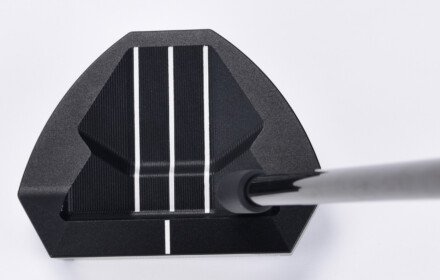
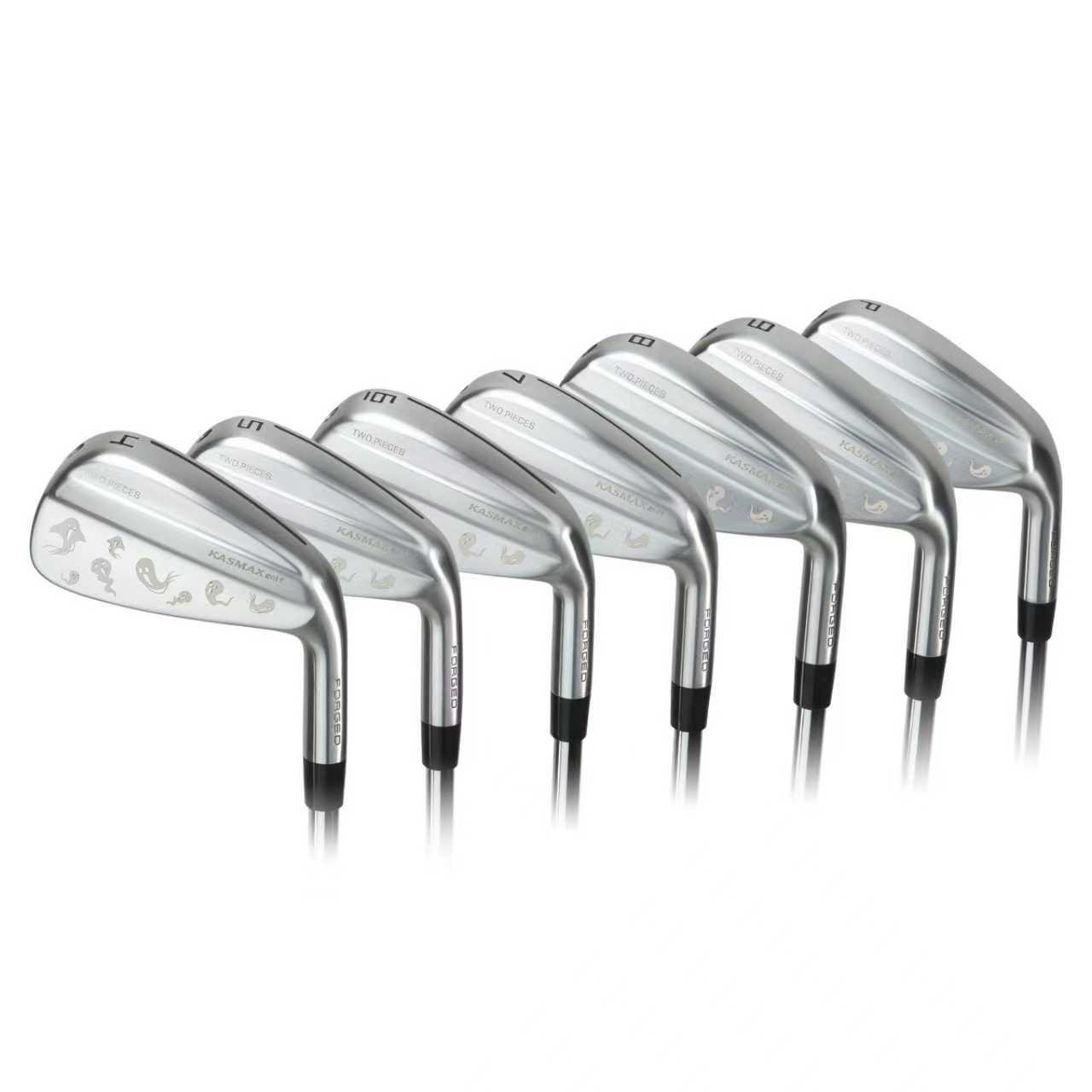
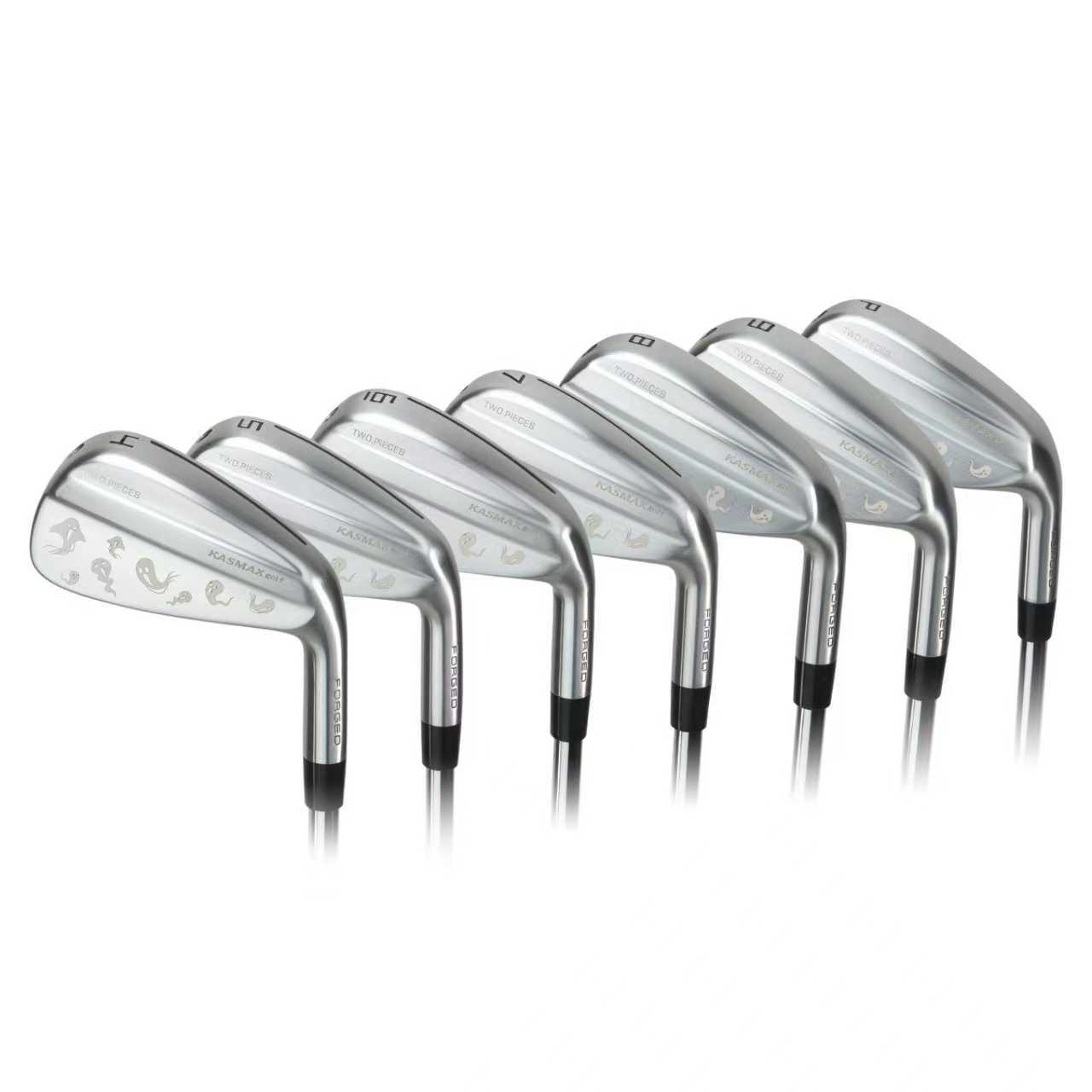
Replacing your grips is the single best performance upgrade you can make for a relatively small investment. But the “where” matters just as much as the “when.” My years of testing have convinced me that the factory-direct model is severely underrated. You’re buying from the same factory that makes the clubs, without paying for retail overhead, logos, or marketing hype. And that’s exactly what KASMAX Golf offers—a complete suite of custom grip options, from size and texture to build-up tape, all installed by the same craftsmen who assemble their forged irons and zero-torque putters.
Having repaired a broken driver shaft at a chain store and waited three weeks for an independent fitter, I appreciate the balance of speed, cost, and quality that a direct manufacturer service provides. It’s not flashy, but it’s honest. And for mid-handicap amateurs like myself, honesty on the course is worth more than any brand name on a grip.
If you’re tired of slippery, worn grips and want a precise, affordable solution, consider starting with a set of sample grips from a manufacturer. Or, if you’re ready to commit, their custom fitting team can guide you to the perfect size based on your hand measurements and playing style. You can connect with KASMAX Golf on their YouTube channel{:target=”_blank”} to see how their grips are installed in their production facility. There’s something reassuring about watching the actual process—it builds trust.
So, where should you go? The answer depends on your priorities, but for most golfers, skipping the middleman and going to the source is the clearest path to a better feel and a lower score. Visit KASMAX Golf’s website{:target=”_blank”} today to explore their grip options and custom fitting services. Your hands—and your scores—will thank you.