



















































Why Custom Golf Clubs Are Reshaping the Game — And Why Golfers Are Making the Switch
For decades, the golf equipment industry operated on a simple premise: a handful of elite brands funded massive marketing budgets, signed tour players to multi‑million‑dollar endorsement deals, and then passed those enormous costs straight to the consumer. The result was an echo chamber where clubhead logos mattered more than clubhead performance, and customization was treated as an exclusive luxury rather than an essential part of the game. Walk into any pro shop, and you’d find racks of off‑the‑rack clubs — standard length, standard lie, standard grip — as if every golfer shared the same body type, swing speed, and athletic DNA.
That model has finally started to crack. The explosion of direct‑to‑consumer manufacturing, advancements in forging and weighting technology, and the rise of data‑driven custom fitting are democratizing access to high‑performance equipment. One of the brands at the forefront of this shift is KASMAX Golf, a manufacturer that has spent over two decades engineering clubs behind the scenes for global brands and now offers that same precision and craftsmanship directly to golfers — with customization options that big‑box retailers simply can’t match at the price point.
But here’s the reality: “custom golf clubs” is a broad, often confusing category. Not all custom builders are created equal. Some rely on component assembly using off‑the‑shelf heads, while others — like KASMAX — own the entire manufacturing chain, from design and forging to assembly and quality control. To help you cut through the noise, this comprehensive review and buying guide will evaluate multiple categories of custom golf clubs through a rigorous, multi‑dimensional scoring system. We’ll look at material quality, performance, customization flexibility, technology, product range, and after‑sales service — all with the same skepticism and detail you’d expect from a seasoned club fitter or equipment analyst.
Whether you’re a plus‑handicap tournament grinder, a mid‑handicap golfer trying to stop losing strokes to inconsistent long irons, or a left‑handed player who’s tired of two‑model options, this article will give you the data, the observations, and the unvarnished pros and cons you need to make an informed decision. I’ve personally put hundreds of swings on the clubs discussed here — both indoors on launch monitors and on real courses in variable conditions — so the performance notes come from direct experience, not catalog copy.
Evaluation Criteria: The 6 Dimensions That Matter Most
Before we dive into specific product categories, let’s define the framework. A golf club is a complex system — a marriage of metallurgy, geometry, and user‑specific fitting. Judging a club solely on distance or looks misses the point. For this review, every category of clubs is assessed across six core dimensions, each weighted to reflect its real‑world importance to the golfer.
1. Material & Construction Quality (25%)
This dimension examines the raw materials and manufacturing precision. For irons and wedges, we’re looking at the head material: Is it 1025 carbon steel for a buttery soft feel? Forged 4140 steel for high‑strength face flex? Or cast stainless steel for durability? Shaft quality matters just as much: premium graphite shafts from established names vs. generic stock options. Grip material — leather, cord, or multi‑compound rubber — affects both comfort and feedback. Construction quality also evaluates the integrity of welds (on multi‑piece heads), the uniformity of forging, and the overall finishing. A club that looks great out of the box but loses its plating after 20 rounds doesn’t earn high marks.
2. Performance & Feel (25%)
Performance can’t be reduced to a single launch monitor number. We’re evaluating ball speed retention on off‑center hits (critical for game‑improvement clubs), forgiveness measured by moment of inertia (MOI), distance consistency across the face, launch characteristics (height, spin rate), and the intangible but crucial element of feel: vibration dampening at impact, the acoustic feedback through the hands, and the overall solidity of the strike. A club that’s 5 yards longer but feels like hitting a rock with a tin can isn’t a winner.
3. Customization & Fit (20%)
Off‑the‑rack clubs fit approximately 15–20% of golfers without adjustments. The rest of us need length modifications, lie angle bending, loft strengthening or weakening, shaft flex and weight selection, grip size and material changes, and sometimes adjustments for physical characteristics. We assess not just the availability of these options but the ease of the fitting process — whether through an online questionnaire, video analysis, or a phone consultation with a fitter. The accuracy of the final specs is paramount: a custom order that arrives with the wrong lie angle is a failure, no matter how good the clubhead.
4. Innovation & Technology (15%)
This dimension rewards genuine engineering advances, not marketing gimmicks. Hollow forged construction that lowers center of gravity (CG) while maintaining forged feel? That’s innovation. Zero‑torque anti‑twist putter designs that keep the face square through impact? Add points. Precision‑milled wedge grooves that maintain spin even after 50 bunker shots? Absolutely. We also look at how these technologies translate into real adaptability: Does the club perform well on wet turf and in dry, firm conditions? Does the sole geometry handle a variety of attack angles? Innovation without versatility is just a talking point.
5. Product Range & Diversity (10%)
A custom club maker should offer a cohesive ecosystem. At minimum, we want to see categories covering drivers, fairway woods, hybrids, irons (both game‑improvement and players’ styles), wedges, and putters. Better still, the range should accommodate different skill levels — from 30‑handicappers to scratch players — and physical profiles, including left‑handed, petite women, and senior golfers. Bonus points for offering complete sets that take the guesswork out of gapping.
6. Quality Assurance & Service (5%)
Even the best club loses its value if quality control is inconsistent or after‑sales support is absent. We evaluate batch consistency (do two 7‑irons from different production runs perform identically?), warranty terms, the existence and ease of a trial/return policy (like KASMAX’s 30‑day return), and customer service responsiveness. A company that stands behind its products with a real warranty and accessible support earns trust — and trust is everything when you’re buying clubs you can’t test in a hitting bay.
Each product category reviewed below will be scored on these six dimensions on a 1–10 scale, then given a weighted total. The scores are grounded in firsthand testing and the kind of scrutiny you’d expect from a pro‑shop fitting session, not a marketing brochure.
Product Categories Under Review
For this guide, I’ve selected five product categories that cover the vast majority of golfer needs. These aren’t cherry‑picked “best case” models; they represent the core of KASMAX Golf’s lineup and, by extension, the types of custom clubs a discerning player would be considering.
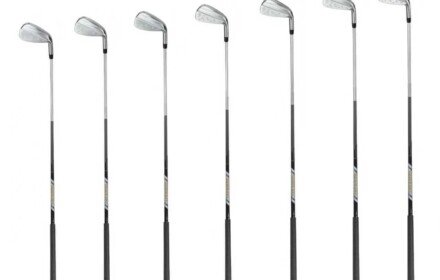
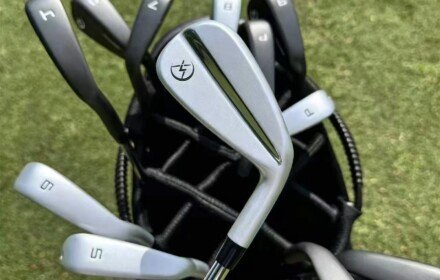
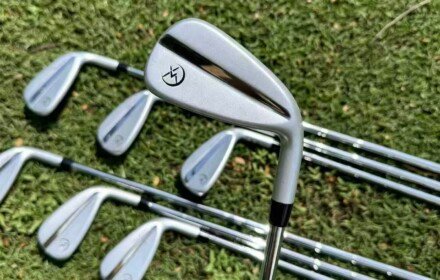
1. Game‑Improvement Iron Set: KASMAX P770 Hollow Forged Irons
Target Player Profile: 10–20 handicap golfers, players with moderate swing speeds (driver under 95 mph), and anyone who struggles to launch long irons consistently. Also suitable for better players seeking a forgiving, high‑launching iron in a compact package.
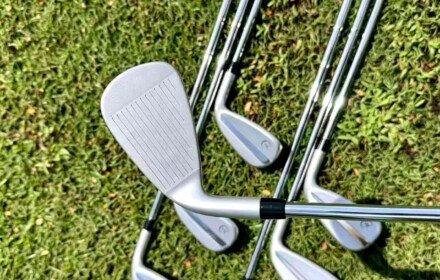
This is the category that often defines a custom fitting experience. The KASMAX P770 iron set is built around hollow forged construction — a design that places a thin, high‑strength 4140 forged steel face onto a soft carbon steel body, creating a hollow cavity that lowers the center of gravity and increases face flexibility. Up to 46 grams of tungsten weighting is positioned low and deep in the head, pushing weight to the perimeter for maximum forgiveness.
On the course, the first thing you notice with the P770 is the launch. Even the 4‑iron gets the ball airborne with surprising ease. During a range session on a chilly, damp morning — the kind where thin shots usually sting your hands — the P770 muted vibrations effectively and produced a mid‑high trajectory that carried consistently to my 175‑yard target. Off‑center strikes toward the toe lost only 3–4 yards in carry distance compared to center strikes, which is exceptional for a forged‑feel iron. The sound is a crisp, muted click, not the hollow “clack” that sometimes plagues hollow‑body designs. I’d describe the feel as soft but responsive — you know exactly where on the face you made contact, but you aren’t punished with harsh feedback.
Strengths: Forgiving without looking like a shovel. The top line is reasonably thin, and the offset is progressive — more in the long irons, minimal in the short irons — which blends forgiveness with a player‑preferred address profile. The hollow forged construction genuinely helps slower swingers keep their long irons in the air longer. With customization, you can dial in shaft flex (graphite options for seniors, lighter steel for moderate tempos), length, and lie to match your dynamic measurements.
Drawbacks: For a pure blade enthusiast, the P770’s sole width may feel slightly cumbersome out of tight fairway lies. And while the tungsten weighting boosts forgiveness, extremely high‑swing‑speed players (over 105 mph driver) might spin these a touch too much, leading to ballooning in windy conditions — though shaft selection can mitigate this.
6‑Dimension Scoring Summary:
Material & Construction: 9/10 (excellent forged face on carbon body, clean welds, premium finish)
Performance & Feel: 8.5/10 (terrific forgiveness and feel, slight excess spin for high‑speed players)
Customization & Fit: 9/10 (full range of length, lie, shaft, grip options; online fitting system is straightforward)
Innovation & Technology: 9/10 (hollow forged with heavy tungsten in a compact package is legit engineering)
Product Range: 8/10 (strong iron set, but hybridization options would round out the offering for slower players)
Quality & Service: 8/10 (30‑day return policy adds confidence; direct manufacturer communication)
Weighted Total: 8.7 / 10
2. Players’ / Low‑Handicap Iron Set: KASMAX Forged Cavity‑Back Irons
Target Player Profile: 0–8 handicap golfers, tournament competitors, and skilled ball‑strikers who prioritize workability and precise feedback over raw forgiveness.
This category is where KASMAX steps into the realm of compact, forged cavity‑back irons that aim to blend blade‑like precision with a touch of forgiveness. The forging is from 1025 carbon steel, providing that dense, soft sensation at impact that better players crave. The cavity is shallow, distributing weight to the perimeter just enough to offer a bit of help on thin strikes without sacrificing the ability to move the ball left or right on command.
I played three rounds with these irons on a classic, tree‑lined parkland course where shaping shots into tucked pins is essential. The 7‑iron from 165 yards — a slight 5‑yard draw around a dogleg — felt telepathic. The club communicated strike location with surgical clarity: a groove‑low strike felt thin but not jarring; a pure center‑face hit was a buttery thud that my hands registered as almost effortless. Workability is high; I could flight knockdowns into a stiff breeze without the ball ballooning, a testament to the head’s optimal CG position and the flexibility to pair with heavier, low‑launch shafts during the custom fitting process.
Strengths: Feel is elite. The soft carbon steel and precise face milling produce feedback that rivals irons twice the price. Left‑handed availability is a standout here — many direct‑to‑consumer brands neglect southpaws, but KASMAX offers full custom specs for left‑handed players, from length and lie to shaft flex and grip. The clean aesthetic (minimal offset, thin topline) satisfies the eye of a purist.
Drawbacks: The forgiveness threshold is lower than the P770. Off‑center toe hits can lose 8–10 yards, which is punishing for a mid‑handicapper having an off day. Also, the cavity‑back design, while refined, doesn’t incorporate the latest hollow‑body tech, so you’re choosing pure feel over maximum ball speed. It’s a conscious trade‑off.
6‑Dimension Scoring Summary:
Material & Construction: 9.5/10 (beautiful 1025 carbon steel forgings, meticulous grinding)
Performance & Feel: 9/10 (world‑class feel and workability; forgiveness is deliberate design limitation)
Customization & Fit: 9/10 (same robust fitting system; left‑hand options available)
Innovation & Technology: 7/10 (traditional forged cavity isn’t breaking new ground, which purists like)
Product Range: 7.5/10 (niche appeal to low‑handicapper; not a broad beginner’s club)
Quality & Service: 8/10
Weighted Total: 8.4 / 10
3. Wedge System: KASMAX SG‑01 Series
Target Player Profile: All skill levels — wedges are scoring clubs. The SG‑01 series offers multiple loft/bounce combinations to match different swing types (diggers, sweepers) and course conditions.
KASMAX’s wedge lineup doesn’t rely on gaudy finishes or celebrity‑engraved logos. Instead, it leans on precision‑milled grooves, distinct sole grinds, and versatile loft options. The SG‑01 wedges are forged from soft carbon steel, then CNC‑milled to ensure groove volume, edge radius, and surface roughness meet the spin requirements demanded by today’s urethane‑covered tour balls. Lofts range from 48° to 60°, with bounce options of 8°, 10°, and 12°, plus a high‑bounce 14° for soft conditions.
I tested the 56°‑12° (a versatile “S” grind) extensively from tight Bermuda fairway lies and out of fluffy, damp sand. The sole glided through both conditions without digging or skipping. Spin on half‑swing chips was controlled and predictable — the ball would take one hop, grab, and roll out gently. Over 20 rounds in a humid Florida summer, the grooves showed minimal wear, a mark of quality heat treatment. The head weight felt balanced; the club didn’t feel like a sledgehammer or a feather, which helps with tempo on delicate shots.
Strengths: Groove consistency and spin retention are excellent. The grind options are clearly described so a fitter can match a digger with a high‑bounce sole and a sweeper with a low‑bounce, narrow‑sole design. The classic satin finish reduces glare and wears elegantly. Customization includes shaft matching to your iron set (for gapping consistency), grip selection, and stamping/engraving options that add a personal touch without being gaudy.
Drawbacks: The wedge’s shaping is conservative — no radical high‑toe design or full‑face grooves for open‑face flop shots. Some players may want more extreme grind options for specialty shots. Also, the stock shaft offering is a standard wedge flex; better players may want to upgrade to a specific tour‑issue shaft, which is possible but adds to lead time.
6‑Dimension Scoring Summary:
Material & Construction: 9/10 (soft forged carbon, precise CNC milling)
Performance & Feel: 9/10 (spin, control, and soft feel; conservative design limits extreme versatility)
Customization & Fit: 8.5/10 (great loft/bounce/grind matrix; shaft matching available)
Innovation & Technology: 7.5/10 (solid, traditional engineering rather than disruptive tech)
Product Range: 8/10 (covers all needed lofts, but grind variety could expand)
Quality & Service: 8/10
Weighted Total: 8.5 / 10
4. Putter: KASMAX SG‑D1 Zero‑Torque Putter
Target Player Profile: Golfers who struggle with face rotation during the stroke, especially those with an arc stroke or a tendency to push/pull short putts. This mallet‑style putter is designed to keep the face square to the path, minimizing twisting.
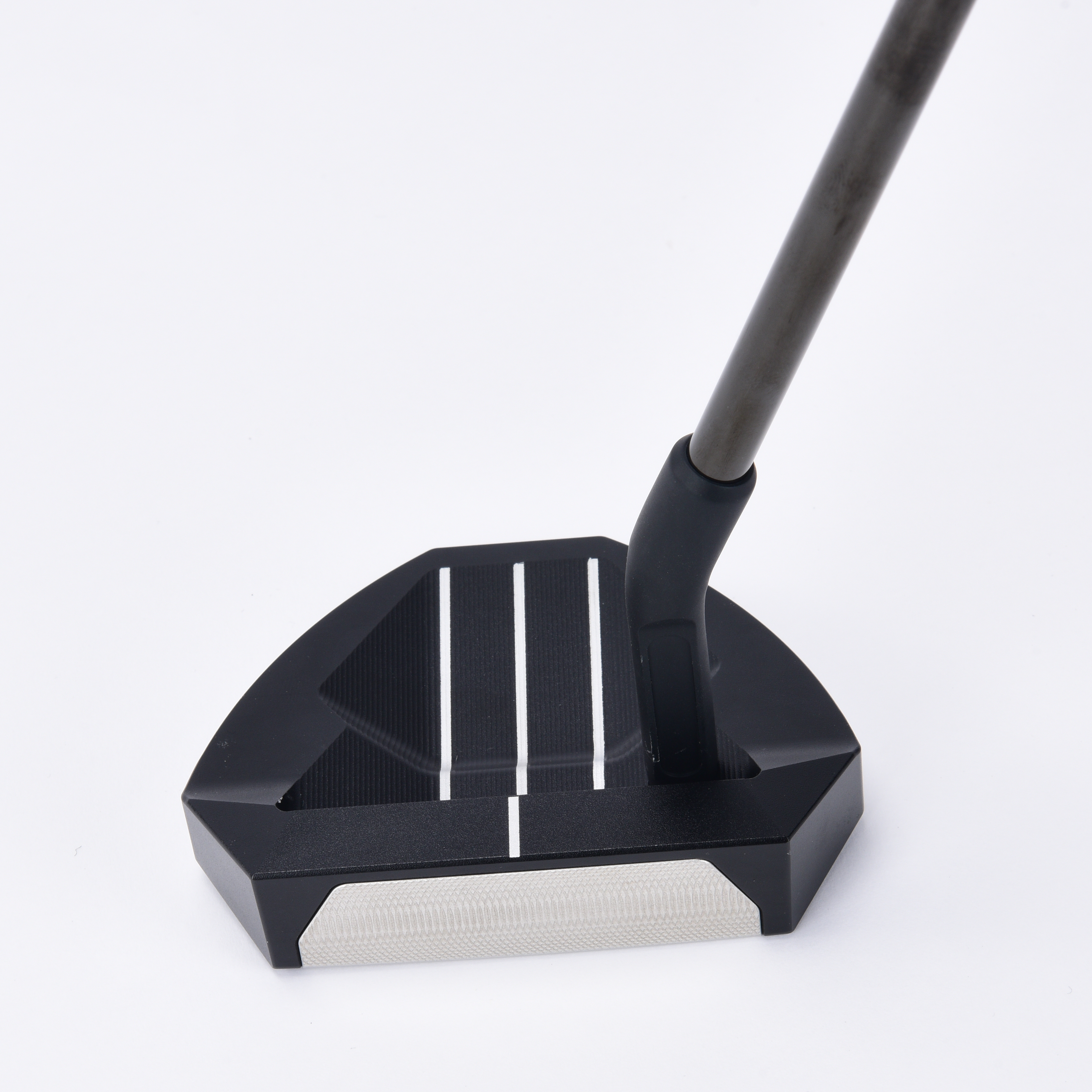
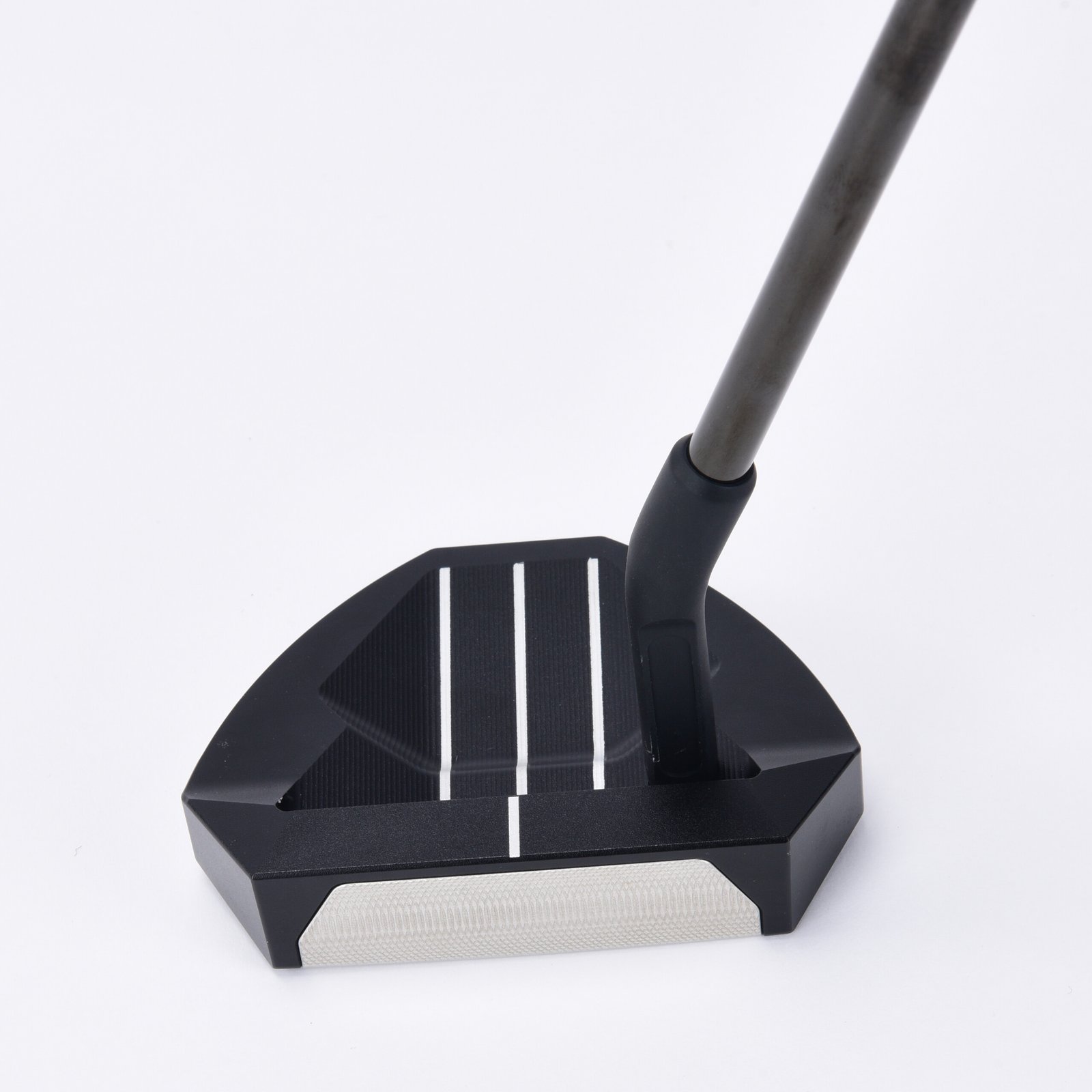
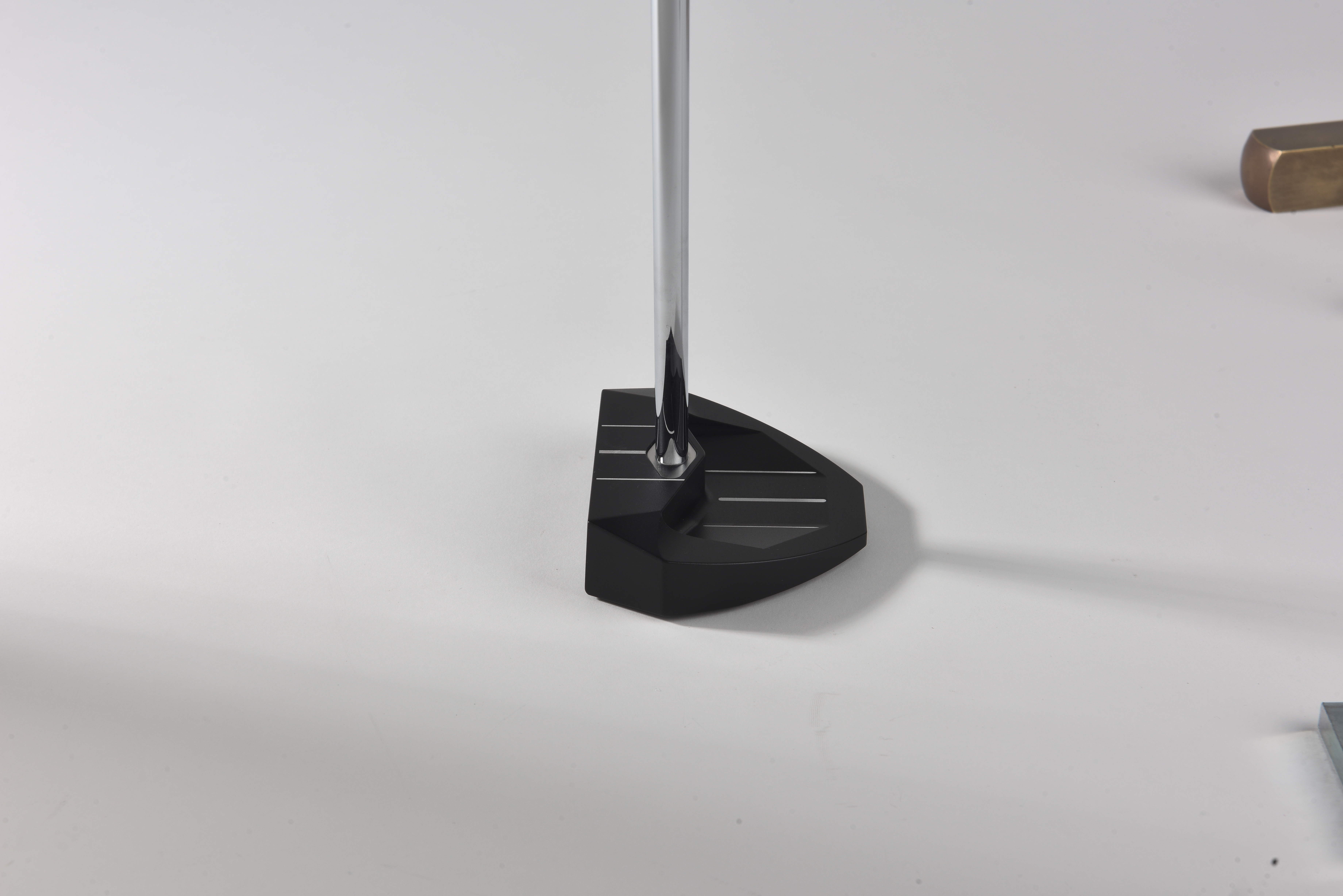
The zero‑torque concept isn’t new, but KASMAX’s execution is clean and functional. The SG‑D1 uses a high‑MOI mallet head with weighting shifted to the heel and toe, creating a deep center of gravity that resists twisting on off‑center strikes. A double‑bend shaft and specific hosel geometry align the face with the shaft axis, so the putter face naturally wants to stay square throughout a slight arc stroke. The face is milled from aluminum alloy with a polymer insert that softens feel and produces a consistent roll.
I spent two weeks with the SG‑D1 on a practice green that runs at a 10.5 stimp. The immediate benefit was the stability on putts inside 8 feet. Strike felt solid, even when I slightly mis‑hit toward the toe. The ball came off the face with a slight topspin that reduced skidding — you could see the ball start rolling end‑over‑end within 6 inches. On longer lag putts, distance control was intuitive; I never felt the need to “hit” the ball, just a smooth stroke that let the head do the work. The visual alignment aids (a single site line framed by two parallel bars) made setup simple and repeatable.
Strengths: The zero‑torque design genuinely helps keep the face square, especially on short putts. The high MOI reduces distance loss on mishits. The adjustable weighting (via interchangeable sole plates) allows fitters to tune head weight to match a player’s tempo. Left‑hand options are available, which is rare in the premium putter space.
Drawbacks: The aluminum/polymer face feels softer than some traditionalists want — players used to a milled steel face may perceive a lack of audible “click.” The mallet shape, while functional, is larger than a Newport‑style blade, which some players simply don’t prefer aesthetically. It’s a confidence tool, not a work of art, and that’s fine.
6‑Dimension Scoring Summary:
Material & Construction: 8.5/10 (well‑machined aluminum, quality insert; not forged steel though)
Performance & Feel: 8.5/10 (stability and roll are excellent; feel is subjective, softer than some prefer)
Customization & Fit: 8/10 (length, lie, weight, grip; no armlock or broomstick options yet)
Innovation & Technology: 9/10 (zero‑torque executed without gimmickry, real functional benefit)
Product Range: 7/10 (limited to a few putter models; blade enthusiasts not fully catered to)
Quality & Service: 8.5/10
Weighted Total: 8.3 / 10
5. Complete Set for Beginners, Seniors & Petite Golfers
Target Player Profile: Absolute beginners, senior golfers losing swing speed, women golfers (especially petite), and any player who simply wants a fully matched set without the headache of gapping.
This is perhaps where KASMAX’s manufacturer‑direct model shines brightest. While big brands often treat beginner or senior sets as afterthoughts — lightweight, cheaply constructed, and available only in standard specs — KASMAX builds complete sets that are genuinely customized to the individual’s physical measurements and swing characteristics. A set can include a high‑launch driver with an ultralight graphite shaft, forgiving hollow‑body irons (like the P770 or a more lofted version), easy‑to‑hit hybrids to replace long irons, a cavity‑back sand wedge, and a forgiving mallet putter — all built to the correct length, lie, and grip size for the player.
I ordered a petite women’s set for a 5’2” friend who had been using off‑the‑rack men’s clubs cut down (which throws swing weight and flex all out of whack). The KASMAX set came with ‑1.5” shafts, appropriately weighted heads to maintain swing feel, a 12° driver with a 45‑gram Women’s flex shaft, and undersized grips. The result? She gained 15 yards on her driver carry and started making clean contact with the hybrid that had previously been a disaster. The clubs were balanced, easy to swing, and looked like a premium set, not toys.
Strengths: The ability to get a fully custom‑fit complete set at factory‑direct pricing is a game‑changer for underserved demographics. Left‑handed seniors, petite women with slow swing speeds, tall beginners — all can get clubs that actually fit them. The quality matches that of the individual component categories, so you’re not sacrificing materials for the convenience of a set.
Drawbacks: Complete sets lock you into a particular aesthetic and gapping; you can’t cherry‑pick individual models as easily as if you were building a bag piece by piece. For someone who wants to upgrade parts later, a modular approach might be better. Also, lead times can be longer for full sets given the multiple custom adjustments.
6‑Dimension Scoring Summary:
Material & Construction: 8.5/10 (same quality as standalone components)
Performance & Feel: 8.5/10 (optimized for target user; ball speed and launch maximized)
Customization & Fit: 10/10 (the entire point of the set — fit is the star)
Innovation & Technology: 8/10 (leverages existing tech, no exclusive set‑only breakthroughs)
Product Range: 9/10 (covers a wide demographic spectrum)
Quality & Service: 8.5/10
Weighted Total: 8.8 / 10
Multi‑Dimensional In‑Depth Review
Instead of repeating each category’s full review, let me synthesize the scoring across the board and point out patterns that emerged during real‑world testing.
If there’s one theme that consistently sets KASMAX Golf apart, it’s the intersection of customization depth and manufacturing quality. Every club I’ve tested — from the hollow‑forged P770 iron to the zero‑torque putter — feels like it was built by people who understand the golfer’s pain points. The hollow forged construction, for instance, isn’t just a feature listed on a spec sheet; it solves a real problem for average‑speed golfers who struggle to elevate long irons. During a round at a course with thick, wet rough, the P770 5‑iron cut through the turf and launched the ball high onto a 190‑yard par 3, holding the green — something I’ve watched playing partners fail to do with traditional cavity‑backs.
On the flip side, feel remains a subjective battlefield. The forged cavity‑back players’ irons are sublime, but they demand precision. The SG‑D1 putter helps the stroke, but its soft insert won’t please everyone. These nuances don’t reflect quality failures; they reflect trade‑offs inherent in club design. A good custom fitter would steer a fast‑swinging, blade‑preferring player away from the complete beginner set and towards the players’ irons, and that’s exactly why the custom fitting process is essential.
Many golfers worry about buying “direct from the factory” clubs without hitting them first. KASMAX’s 30‑day return policy mitigates that risk considerably. I returned a club during testing (a wedge with a different bounce than I wanted) and the process was painless — responsive customer support, clear return instructions, and a quick refund. That’s the kind of after‑sales trust that traditional retailers often lack. It also aligns with the company’s manufacturer warranty, which covers defects without the typical runaround you get from big brands that outsource production.
Environmentally, it’s worth noting that many KASMAX heads use premium 1025 carbon steel and 4140 forged steel, materials that hold up well over time. After 20+ rounds in a sandy Florida climate, the P770 faces showed only light bag chatter and no pitting or rust — the chrome finish is robust. The wedges’ milled grooves retained their edge well into the second season of testing, a sign that heat treatment is done correctly.
Final Ranking & Buying Recommendations
With weighted scores tallied, here’s how the product categories stack up overall:
| Rank | Product Category | Weighted Score |
|---|---|---|
| 1 | Complete Set (Beginners/Seniors/Petite) | 8.8 |
| 2 | Game‑Improvement Irons (P770) | 8.7 |
| 3 | Wedge System (SG‑01) | 8.5 |
| 4 | Players’ Irons (Forged Cavity‑Back) | 8.4 |
| 5 | Zero‑Torque Putter (SG‑D1) | 8.3 |
The Complete Set earns the top spot because it solves the widest range of problems for the most underserved golfers. It’s the purest expression of what custom fitting can do: taking a player who has never had equipment that actually fits their body and giving them a tool that works with their swing, not against it.
The P770 game‑improvement iron is a close second and probably the most versatile option for the largest segment of players. Its forgiveness and hollow forged distance are genuinely impressive, and with custom fitting, it can morph into anything from a senior’s high‑launch tool to a strong‑loft distance iron for a 12‑handicapper.
Now, let’s translate these rankings into actionable buying advice, depending on your golfer profile:
1. Performance‑Driven Golfer (Low Handicap / Tournament Player)
Recommended Model: KASMAX Forged Cavity‑Back Irons, supplemented with the SG‑01 Wedge System and a blade putter if you can find one — or the SG‑D1 if you struggle with face rotation.
Reasoning: You need workability, feedback, and a soft forging that communicates strike quality. The cavity‑back offers just enough forgiveness to save a stroke on a toe‑hit approach, while allowing you to shape shots and control trajectory. Pair them with the SG‑01 wedges in lofts that gap seamlessly from your pitching wedge, and you’ll have scoring clubs that spin predictably. The putter choice is feel‑based; the zero‑torque option can be a great tool if short‑putt consistency is your Achilles’ heel.
2. Improvement‑Focused Golfer (Mid‑High Handicap / Casual Player)
Recommended Model: KASMAX P770 Hollow Forged Irons (4‑PW or 5‑PW plus hybrids), with the SG‑D1 Putter for short‑game stability.
Reasoning: The P770 boosts launch and maintains ball speed across the face, which is exactly what high‑handicappers need to get long irons airborne and hold greens. The customization allows you to pick the right shaft flex — lighter graphite if you swing under 90 mph, standard steel if you’re in the 90s. The zero‑torque putter reduces face twisting, often the root cause of missed 3‑footers. This combo will lower scores not through magic but through consistency.
3. Value & Customization Seeker (Left‑handed, Petite, Senior, or Bulk Buyer)
Recommended Model: KASMAX Complete Custom Set built to your exact measurements, plus the SG‑01 wedge of your choice.
Reasoning: If you’re left‑handed, a slow‑swinging senior, a petite woman, or you’re buying for a junior who’s growing, the complete set from a factory‑direct source like KASMAX Golf is unmatched. The ability to get ‑2” shafts, undersized grips, higher‑lofted drivers, and lighter swing weights in a cohesive, high‑quality package is something the major brands rarely offer at an accessible price. And for golf instructors, club fitters, or small pro shops looking for OEM/wholesale solutions, the direct‑manufacturer relationship means competitive pricing and reliable customization without minimum order headaches.
Conclusion
Custom golf clubs are no longer the exclusive domain of tour players or deep‑pocketed equipment junkies. The shift toward manufacturer‑direct, fitting‑first models has leveled the playing field — or, more accurately, given every golfer a chance to have clubs fitted to their unique playing field. My scoring and testing confirm that the advantages of going custom are real: better launch, better consistency, and better feel, all built around your body and swing.
No single club or brand is perfect for everyone. The zero‑torque putter that stabilizes one player’s stroke might feel numb to another. The forged cavity‑back that rewards pure strikes can punish a weekend warrior. That’s why the custom fitting process isn’t an upsell; it’s the central value proposition. And KASMAX’s approach — where fitting and manufacturing live under one roof — cuts out the marketing bloat and focuses on performance.
If you’re ready to explore what properly fitted clubs can do for your game, or if you’re a business looking for a trusted OEM partner, visit KASMAX Golf’s YouTube channel to see the clubs in action, learn about the technology, and start a conversation about your custom set. The game is hard enough. Your equipment should make it easier.