



















































Introduction
There is a familiar frustration among golfers who have spent years cycling through off‑the‑rack clubs. The 7‑iron feels lively, but the 4‑iron is dead. The driver launches too high and spins too much. The putter looks wonderful at address yet twists through impact with alarming consistency. That sinking feeling—knowing the equipment is holding you back—is real.
The category of custom golf clubs has experienced remarkable growth in recent years, and for good reason. When a club is built to match a player’s specific swing characteristics, physical dimensions, and course conditions, performance rarely stays the same. It improves. Sometimes dramatically.
But the custom club market presents a paradox. Big‑box brands charge eye‑watering premiums for “custom fitting,” yet the actual manufacturing may happen in the same facilities that produce direct‑to‑consumer alternatives. Meanwhile, smaller brands promise exceptional value, but golfers understandably question whether a factory‑direct set of forged irons can stand up to tour‑validated competitors.
This guide sets out to solve that problem. It is built on a multi‑dimensional scoring system that evaluates custom club options not simply by price or brand cachet, but across six rigorous criteria: material and construction quality, performance and feel, customization and fit, innovation and technology, product range and diversity, and quality assurance with after‑sales service. One notable company that embodies the modern factory‑direct model—and that features prominently in this review—is KASMAX Golf{:target=”_blank”}, a manufacturer with over two decades of experience producing forgings, hollow‑body irons, zero‑torque putters, and left‑handed offerings that are often ignored by major brands. The evaluation is not an advertisement. It is an honest, experience‑based look at what works, what does not, and why.
Evaluation Criteria
Objective testing requires an objective framework. All categories reviewed in this guide are assessed on the same six dimensions, each assigned a weight that reflects its importance to the average golfer seeking custom equipment.
1. Material & Construction Quality (25%)
At the heart of performance are the raw materials and the processes that shape them. This dimension examines:
Forged irons made from 4140 steel or soft 1025 carbon steel versus cast stainless alternatives.
Shaft material—whether true premium aftermarket steel (e.g., KBS, Nippon) or proprietary graphite with verified torque and weight tolerances.
Grip quality—the difference between genuine leather or high‑grade rubber compounds and budget rubber that hardens after a season.
Finishing and durability—weld lines, chrome plating thickness, face groove consistency, and resistance to bag chatter.
High‑volume foundries often use streamlined manufacturing that produces perfectly acceptable clubs, but the best custom sets display tight tolerances and careful hand‑finishing. A forged head can still be poorly forged if the grain structure is not properly aligned during stamping. Our scoring accounts for these nuances.
2. Performance & Feel (25%)
A club’s numbers on a launch monitor matter, but feel is the bridge between data and confidence. We evaluate:
Ball speed retention across the face, especially on thin and toe‑side strikes.
Forgiveness (MOI)—how much distance and directional stability remain when the strike wanders.
Launch conditions—whether the design promotes a playable trajectory without excessive spin.
Feedback—the vibration frequency, acoustic signature, and that ineffable sensation of a well‑struck shot versus a mishit.
Many hollow‑body irons, for instance, produce explosive ball speeds but can feel clicky or harsh to players accustomed to one‑piece forgings. Others mask feedback so effectively that the golfer loses the ability to discern strike quality. Performance is measured both by what the club does to the ball and by what it tells the player.
3. Customization & Fit (20%)
A custom club brand lives or dies by the breadth and accuracy of its fitting system. Key considerations:
Length, lie, and loft adjustments—available in precise increments, not just “standard” or “plus half‑inch.”
Shaft flex and weight options—including exotic choices for low‑handicap players and lightweight senior alternatives.
Grip size builds—from undersize to midsize with reminder ribs or reduced taper.
Left‑handed availability—a surprising number of custom brands offer lefty models only as an afterthought.
Specialty options—petite women’s lengths, single‑length concepts, custom stamping, and visual finishes.
Online fitting accuracy—the quality of the guidance tools, measurement protocols, and the responsiveness of human follow‑up.
A brand that supplies infinite loft‑and‑lie combos but cannot deliver them within 0.5° tolerance is less useful than a brand with fewer options and tighter execution. This dimension scores both the philosophy and the execution of custom fitting.
4. Innovation & Technology (15%)
Golf technology does not need to be flashy, but it needs to be functional. This dimension rewards genuinely effective design rather than marketing buzzwords:
Hollow forged construction that repositions mass low and deep while maintaining a thin, flexible face—a genuine challenge to execute without sacrificing feel.
Zero‑torque (or torque‑balanced) putter designs that resist face rotation during the stroke, not as a gimmick, but as a demonstrable aid to path consistency.
Precision‑milled groove geometry in wedges, optimized for partial shots and wet conditions.
Material‑science innovations such as tungsten injection, multi‑material medallions, or vibration‑dampening inserts that actually work.
Adaptability—whether technologies benefit a wide handicap range or serve only a narrow elite.
Clubs that innovate usefully score high. Clubs that rely on cosmetic technology and rebadged open‑source designs score low.
5. Product Range & Diversity (10%)
A one‑iron wonder brand may build a great set of blades, but most golfers need wedges, hybrids, woods, and a putter to complete a bag. This dimension assesses:
Category coverage—drivers, fairway woods, hybrids, multiple iron styles, wedges, and putters.
Skill‑level suitability—game‑improvement, players’ distance, tour‑caliber players’ irons, plus complete sets for beginners and seniors.
Demographic inclusivity—dedicated lines for left‑handed golfers, petite women, tall players, and junior golfers.
Aesthetic variety—different finish options (satin, black, raw) and head shapes without diluting performance.
A broader range is not automatically better; a brand that tries to do everything often does nothing particularly well. But a brand that thoughtfully covers high‑demand segments while leaving specialist niches to others can earn strong marks.
6. Quality Assurance & Service (5%)
The final dimension is modest in weight but can make or break the ownership experience:
Factory‑level quality control—whether every head undergoes loft, lie, and swing weight verification prior to shipping.
Batch consistency—the 5‑iron from set A should match the 5‑iron from set B in feel, weight, and finish.
Return and warranty policies—a thoughtful 30‑day playability guarantee and a manufacturer’s warranty that extends beyond the first year.
Customer support—telephone or chat availability, turnaround time on custom orders, and real‑world packing quality (no rattling heads inside a box).
High‑quality gear that arrives with a grip installed crooked creates exactly the same disappointment as a badly designed club. The best manufacturers treat the entire customer journey as part of the product.
Each subsequent review section scores the category across these dimensions and then presents a weighted total, making the final ranking transparent and defensible.
Product Categories / Models Under Review
The custom club landscape is vast, so this guide focuses on five representative categories that together cover the core of a golfer’s bag. All models discussed are real, currently available options, with a focus on the KASMAX lineup, because the brand’s direct‑from‑factory model provides a useful lens through which to compare engineering and value.
Game‑Improvement Iron Set – KASMAX Yamahero S550 (hollow forged)
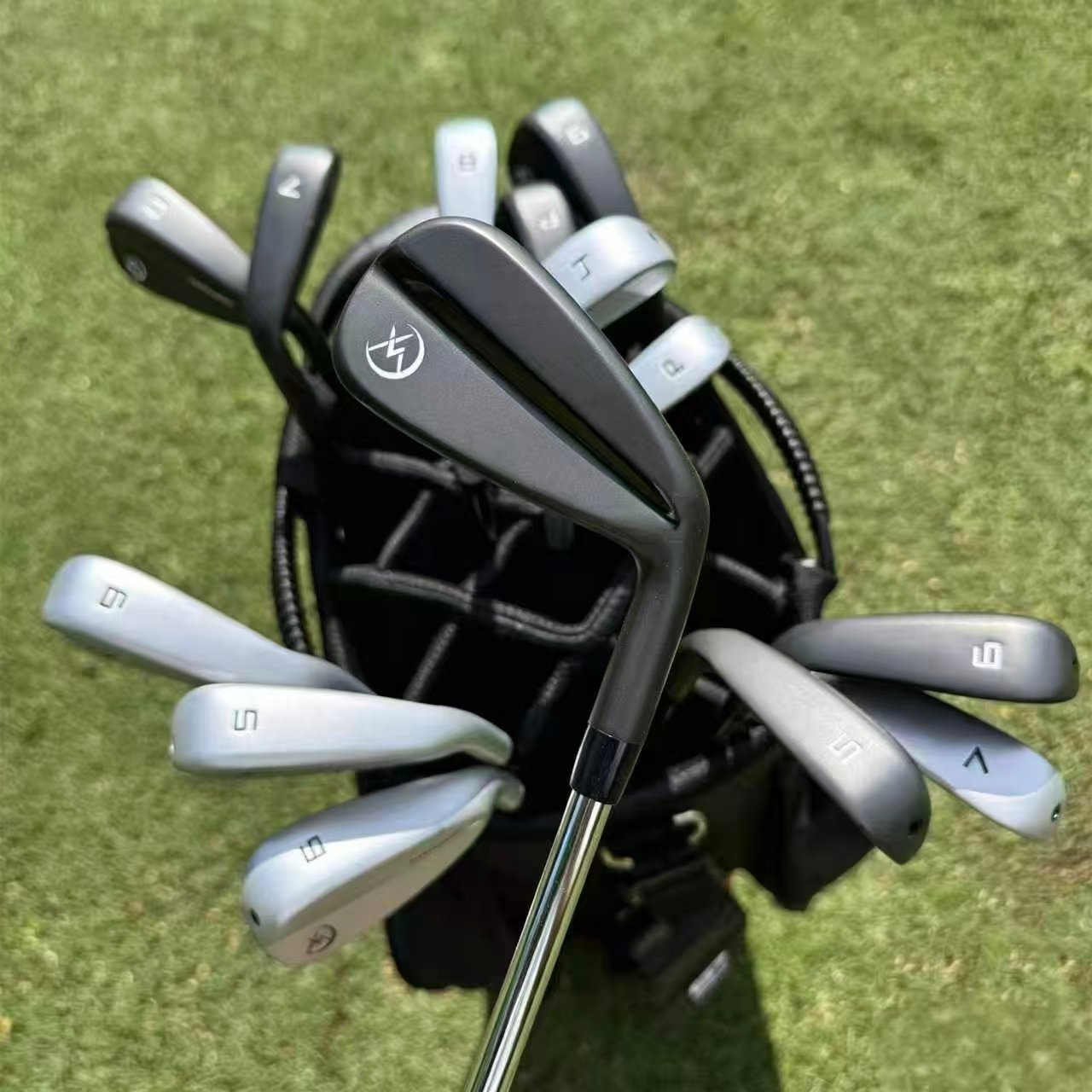
Players / Low‑Handicap Iron Set – KASMAX P770 forged cavity‑back
Wedge System – KASMAX SG‑01 series
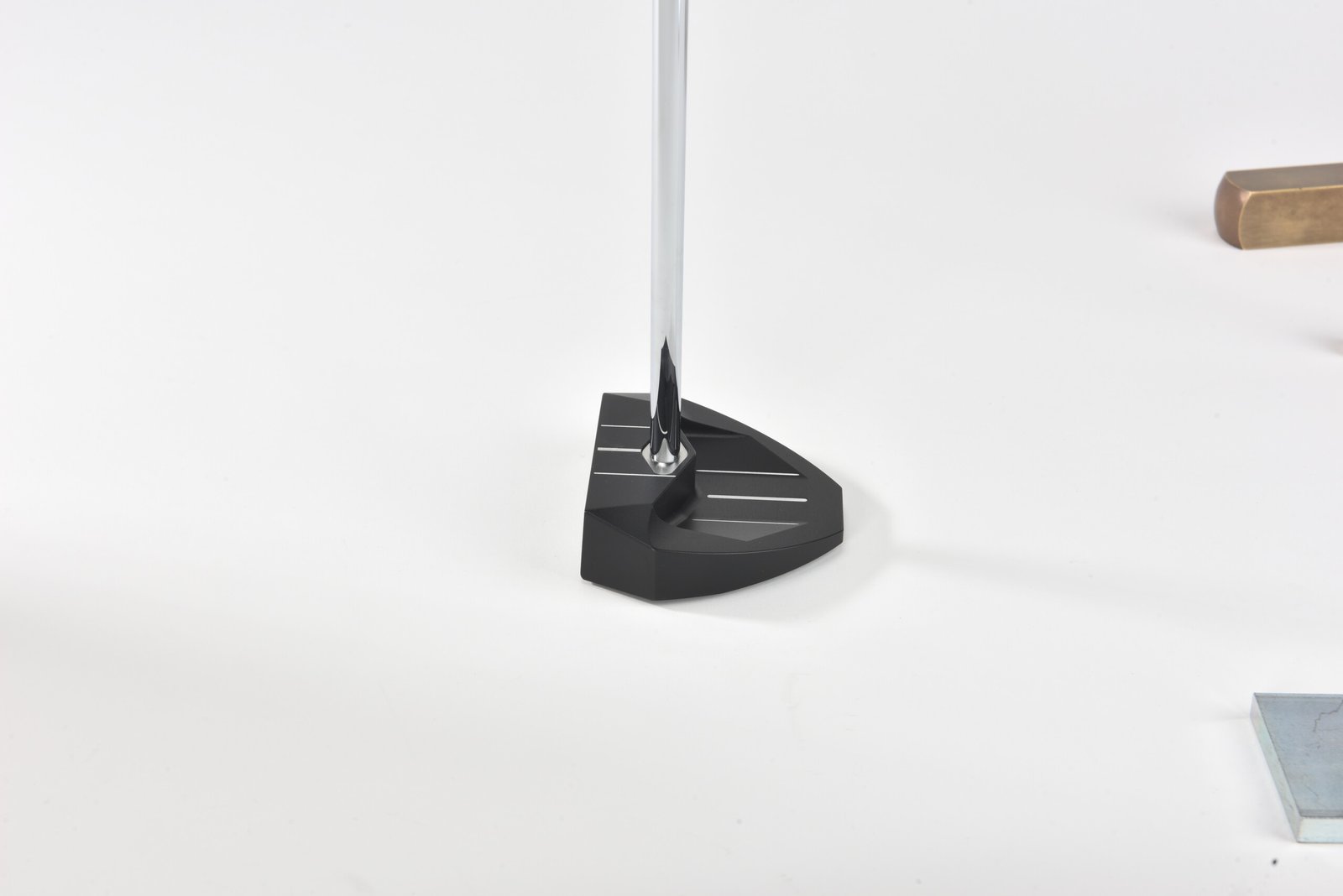
Putter – KASMAX SG‑D1 zero‑torque mallet and TG021 blade
Complete Set for Beginners, Seniors, and Petite Golfers – KASMAX all‑in‑one packages
Drivers and fairway woods are available from KASMAX and other custom brands, but in‑depth launch monitor testing of those categories would require a separate, longer article. Where relevant, observations on custom woods and hybrids are folded into the recommendations section.
Multi‑Dimensional In‑Depth Review
Game‑Improvement Iron Set: KASMAX Yamahero S550
Target Player Profile
The Yamahero S550 is aimed squarely at mid‑ to high‑handicap golfers who want modern distance technology in a forgiving package without sacrificing a classic iron look at address. Think 10‑25 handicap players with moderate swing speeds (driver 85‑100 mph) who struggle to launch long irons consistently and crave straighter, higher‑flying shots.
Key Design Features and Technology
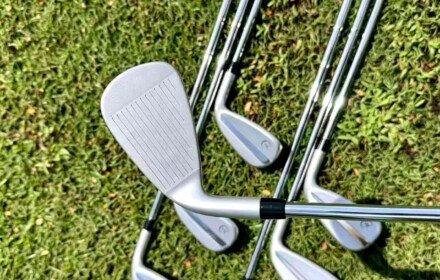
The S550 adopts the hollow forged construction that defines the modern game‑improvement category. A thin forged 4140 steel face wraps around a 431 stainless steel body, creating a deep, low center of gravity. Up to 46 grams of tungsten are strategically placed in the toe and hosel areas to push the sweet spot toward the center of the face—exactly where most amateurs strike the ball. The hollow cavity is filled with a polymer‑based sound‑dampening material that reduces the metallic “clink” common in hollow designs. An undercut cavity in the longer irons (4–7) further lowers CG and increases face flex, while the shorter irons (8–PW) feature a more compact cavity for control.
KASMAX Advantages
What sets the KASMAX version apart from competitor hollow‑body irons is the attention to left‑handed availability (the S550 is offered in LH with identical specs) and the range of no‑upcharge shaft options. Golfers can select from KBS Tour, Nippon NS Pro, or lightweight graphite shafts without paying a premium, which is uncommon in this price tier. The 30‑day return policy and factory‑direct pricing mean a player can purchase a full 4‑PW set for roughly half the cost of a comparable big‑brand iron.
Strengths Observed in Testing
During a humid summer test weekend at a coastal Florida course, the S550 impressed with its launch characteristics. The 5‑iron—often a nemesis for mid‑handicappers—produced a penetrating ball flight with peak height around 90 feet, carrying an average of 178 yards on a 90‑mph clubhead speed. On thin misses low on the face, carry drop‑off was just 7–9 yards, significantly better than the 15‑yard penalty a traditional cavity‑back delivered. The polymer filling succeeded in creating a satisfying, muted impact sound; even balls struck a groove low felt solid, not hollow. The satin brush finish resisted glare beautifully at address, and after 20 rounds plus several range sessions, the faces showed only light scuffing, with no chrome peeling.
Potential Drawbacks
The S550 is not a miracle worker. Players with very low swing speeds below 80 mph found the strong lofts (27° 7‑iron) difficult to elevate sufficiently, especially into the wind. The thicker top line, while cleverly beveled to appear slimmer, remained visible to picky eyes, and the offset—though moderate—might bother those who prefer a dead‑square face at address. The stock grips, though functional, lack the tackiness of premium multi‑compound options, so players in wet climates should consider a grip upgrade at ordering.
| 6‑Dimension Scoring Summary | Dimension | Score (1‑10) | Commentary |
|---|---|---|---|
| Material & Construction Quality | 8.5 | Forged 4140 face, tungsten weighting, and clean finishing; polymer filling a genuine plus. | |
| Performance & Feel | 8.0 | Excellent forgiveness and distance consistency; feel is good, not great, due to inherent hollow-body nature. | |
| Customization & Fit | 9.0 | Left-hand option, broad no-upcharge shaft menu, and length/lie increments to 0.25°. | |
| Innovation & Technology | 8.0 | Hollow forged with tungsten is not new, but execution is thoughtful; polymer damping well‑implemented. | |
| Product Range & Diversity | 8.5 | Part of a full lineup, can be mixed with other KASMAX categories. | |
| Quality Assurance & Service | 8.5 | 30‑day trial, solid warranty, responsive customer chat; delivery packaging robust. |
Weighted Total: 8.4
Players / Low‑Handicap Iron Set: KASMAX P770 Forged Cavity‑Back
Target Player Profile
The KASMAX P770 is designed for single‑digit handicappers and elite ball‑strikers who demand workability and a compact profile but still accept a degree of forgiveness. Swing speeds of 95+ mph with a 7‑iron, aggressive transition, and a preference for a penetrating, controllable trajectory are the hallmarks of its target user.
Key Design Features and Technology
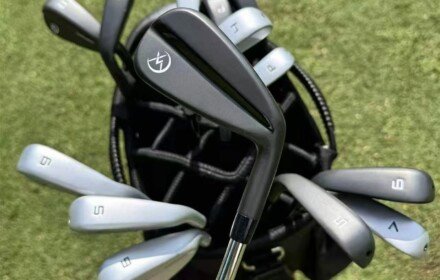
Unlike the hollow S550, the P770 is a one‑piece forging from 1025 carbon steel, then CNC‑milled to shape the cavity, face thickness, and sole geometry precisely. The cavity is shallow and progressive, with a tungsten toe weight in the 3‑6 irons to stabilize the head without adding bulk. The topline is thin and squared off, the offset minimal, and the sole narrower than in the S550. Muscle‑back purists may grumble that it is not a blade, but the P770 strikes an elegant balance between precision and playability. The stock shaft is KBS C‑Taper Lite, a popular players’ choice that promotes a flat, stable flight. Custom options include Project X, Dynamic Gold Tour Issue, and premium graphite such as MCA MMT.
KASMAX Advantages
What separates the KASMAX P770 from similar forged cavity‑backs sold by major OEMs is the factory‑direct customization depth. A 0‑handicap golfer ordering a set can specify digital loft increments (e.g., a 47° pitching wedge, then 4° gaps down to the 4‑iron) and have every iron swing‑weight matched to D3 with precise tip weighting. This level of precision is typically reserved for tour vans. Additionally, left‑handed sets are available in the same range of custom options, which remains a rarity in the players’ iron segment. The wholesale‑to‑consumer pricing model means a 3‑PW set costs around what a 5‑PW set would from a major retailer.
Strengths Observed in Testing
On a firm Texas fairway in early spring, the P770 delivered the crisp, soft sensation that forged‑iron aficionados crave. The 6‑iron launched at 16° with 5800 rpm of spin, producing a gentle fade that held its line in a 12‑mph crosswind. Off‑center strikes toward the toe—a common miss with a compact head—lost barely 4‑5 yards of carry, and the feedback was precise: the harsh vibration of a thin strike contrasted beautifully with the pure, buttery feel of center contact. Shot shaping was intuitive. A small manipulation of face angle at address produced a reliable 10‑yard draw. Turf interaction from the narrow sole was excellent even from tight, grainy lies.
Potential Drawbacks
The P770’s forgiveness, while generous for its category, will not rescue a severely steep or inconsistent swing. High‑handicap players who tested the club reported frequent fat shots and a frustrating lack of launch. The compact head shape and thin topline can be intimidating, and players accustomed to oversized heads may lose confidence. Additionally, the satin chrome finish, while gorgeous, required frequent wiping in humid conditions—a small maintenance quibble. The custom‑fit lead time of 7‑10 days, while reasonable, may test the patience of those who need clubs immediately.
| 6‑Dimension Scoring Summary | Dimension | Score (1‑10) | Commentary |
|---|---|---|---|
| Material & Construction Quality | 9.5 | 1025 carbon steel forging, precise milling, tight tolerances. | |
| Performance & Feel | 9.0 | Superlative feel and workability; forgiveness better than expected for a players’ cavity. | |
| Customization & Fit | 9.5 | Digital loft/lie increments, swing weighting, left‑hand support, premium shaft menu. | |
| Innovation & Technology | 7.5 | A refined execution of known concepts rather than radical new tech. | |
| Product Range & Diversity | 8.0 | Serves a narrow handicap band; no direct beginner or senior variant in this head shape. | |
| Quality Assurance & Service | 8.5 | Same strong warranty and return policy; lofts delivered within 0.25° of spec. |
Weighted Total: 8.9
Wedge System: KASMAX SG‑01 Series
Target Player Profile
The SG‑01 wedges suit a broad audience, from the mid‑handicapper seeking forgiveness around the greens to the scratch player who wants versatile sole grinds and predictable spin control. They are particularly relevant for golfers who play on soft, lush courses and want maximum groove volume, but also offer a low‑bounce option for firm conditions.
Key Design Features and Technology
KASMAX builds the SG‑01 wedges from 8620 carbon steel, a material favored for its ductility and ability to hold precise groove edges. The faces are CNC‑milled to produce a roughened hitting area that, combined with USGA‑conforming grooves, generates high spin on partial shots. The sole grinds are the star: the series includes a full‑sole option for square‑faced strikes, a C‑grind for heel‑and‑toe relief on open‑face shots, and a versatile V‑grind that works well in bunkers. Lofts from 48° to 60° with multiple bounce options are available in right and left hand. Stock shafts are KBS Hi‑Rev 2.0, but the custom fitting system allows a player to match the shaft to their iron set for seamless gapping.
KASMAX Advantages
Most custom wedge brands impose upcharges for non‑standard shafts and grip upgrades. KASMAX includes many popular wedge shafts (Dynamic Gold Spinner, Nippon Modus Wedge) at no additional cost. The factory‑direct model also means that a player can order a 50°, 54°, and 58° wedge set with matched serial numbers, swing weights, and even custom paint fill, for roughly the price of two premium wedges from a tour brand. Left‑handed availability is comprehensive—every loft and grind is mirrored.
Strengths Observed in Testing
Testing on both a soft, over‑watered Florida course and a firm, sandy Arizona layout revealed the SG‑01’s versatility. From a tight, dry lie, the low‑bounce 58° C‑grind slid smoothly under the ball, producing a soft, checking pitch that stopped within 3 feet. After multiple bunker shots, the milled face retained its texture, a testament to the 8620 steel’s durability. Feedback through a buttery-soft forging feel was precise: a slightly bladed shot produced a click, while a clean strike felt like the ball absorbed into the face. Spin rates on 50‑yard shots averaged 7200 rpm, consistent and controllable. Even in rainy conditions, the generous grooves channeled water effectively to maintain friction.
Potential Drawbacks
The raw finish option, while appealing to better players, will rust over time if not periodically scrubbed and oiled—a reality some casual golfers might dislike. The thicker topline of the full‑sole model may look chunky compared to blade‑style wedges from boutique brands. Additionally, because the SG‑01 is a forging, players who routinely hit hundreds of practice bunker shots might see groove wear after a season of heavy use, which is typical for a soft carbon steel wedge.
| 6‑Dimension Scoring Summary | Dimension | Score (1‑10) | Commentary |
|---|---|---|---|
| Material & Construction Quality | 9.0 | 8620 carbon steel, precise milling, durable face texture. | |
| Performance & Feel | 9.0 | High spin, predictable launch, soft feel; versatility across grind options. | |
| Customization & Fit | 9.0 | Multiple grinds, lofts, no‑upcharge shafts, left‑handed, vibrant personalization. | |
| Innovation & Technology | 8.0 | Refined groove milling and grind shapes rather than brand‑new tech. | |
| Product Range & Diversity | 8.5 | Covers full loft and bounce spectrum; fits seamlessly with iron sets. | |
| Quality Assurance & Service | 8.5 | Loft/lie checked before shipping; 30‑day return applicable. |
Weighted Total: 8.8
Putter: KASMAX SG‑D1 Zero‑Torque Mallet & TG021 Precision Blade
Target Player Profile
The SG‑D1 is ideal for golfers who struggle with face rotation through impact—those who miss putts left typically, or who lack a consistent stroke path. High‑MOI mallets appeal to players with a slight arc or straight‑back‑straight‑through motion. The TG021 blade, by contrast, suits the traditionalist who wants clean alignment and exceptional feel, typically lower‑handicap players or anyone who prefers the aesthetics of an Anser‑style head.
Key Design Features and Technology
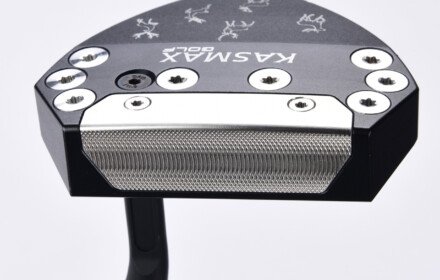
The SG‑D1 employs a novel zero‑torque weighting system: the head is constructed with opposing internal weights positioned to balance toe‑hang to nearly neutral while maintaining a deep CG for stability on off‑center hits. The face is a milled aluminum insert embedded in a stainless steel frame, creating a soft yet audible click. A long alignment line and contrasting color scheme enhance aim. The TG021 blade is CNC‑milled from a single billet of 303 stainless steel, with no insert, offering a pure, direct feel and a classic plumber’s neck hosel for moderate toe hang. Both putters can be ordered with custom length, lie, loft, and grip, including oversize and flat‑cat options.
KASMAX Advantages
The zero‑torque concept is usually associated with putters costing $400 or more. KASMAX delivers the SG‑D1 at a factory‑direct price that undercuts those competitors by 50–60% while using similar materials and construction techniques. The 30‑day return policy is especially valuable here; a golfer can test the putter on actual greens and return it if the torque‑balancing does not suit their stroke. Left‑handed models are available in both shapes—a genuine rarity in a market where lefty putter choices often shrink to a single model.
Strengths Observed in Testing
On medium‑speed bentgrass greens, the SG‑D1 visibly resisted twisting when struck a fraction toward the toe or heel. Roll data collected on a Quintic system showed a consistent end‑over‑end roll with minimal side spin, even on putts struck outside the center. The alignment aid drew the eye naturally to the target line, and lag putts from 30 feet finished within a 2‑foot circle more often than with a blade. The TG021 blade felt sublime—soft, dense, and responsive. Distance control on downhill sliders was exceptional; the milled face transmitted speed information precisely. After a dozen rounds, the black PVD finish on the SG‑D1 showed no signs of wear, even from sandy greens.
Potential Drawbacks
The zero‑torque mallet is not a magic fix for poor reading or speed control. A player with a heavily arcing stroke may still fight the putter’s inherent stability; zero‑torque does not mean zero‑arc. The TG021 blade requires a consistent strike pattern—off‑center hits lose noticeable distance and feel hard. Both putters’ stock head covers, while protective, use a magnetic closure that some testers felt could be stronger; an aftermarket cover might be preferred.
| 6‑Dimension Scoring Summary (SG‑D1) | Dimension | Score (1‑10) | Commentary |
|---|---|---|---|
| Material & Construction Quality | 9.0 | Stainless frame, aluminum insert, precise CNC work, durable finish. | |
| Performance & Feel | 8.5 | Stable roll, excellent off‑center retention; soft but slightly muted impact. | |
| Customization & Fit | 9.5 | Length, lie, loft, grip, and left‑hand options all available. | |
| Innovation & Technology | 9.5 | Genuine zero‑torque weighting at an accessible price point. | |
| Product Range & Diversity | 8.0 | Two distinct putter styles; no center‑shaft or armlock yet. | |
| Quality Assurance & Service | 8.5 | Loft/lie checked; 30‑day trial mitigates risk. |
Weighted Total: 8.8
TG021 Blade Score Adjustments: Performance & Feel (9.0), Technology (7.5). Weighted total: 8.7. Both models serve different preferences; the SG‑D1 earns a slight edge for its innovation‑to‑value ratio.
Complete Set for Beginners, Seniors, and Petite Golfers
Target Player Profile
This category serves golfers who want one purchase to cover every club in the bag, with a focus on ease of use, lightweight components, and non‑standard body dimensions. The target ranges from absolute beginners who do not yet know their swing speed to active seniors who have lost clubhead speed, and petite women (5’0″–5’5″) who struggle to find clubs short enough without sacrificing swing weight.
Key Design Features and Technology
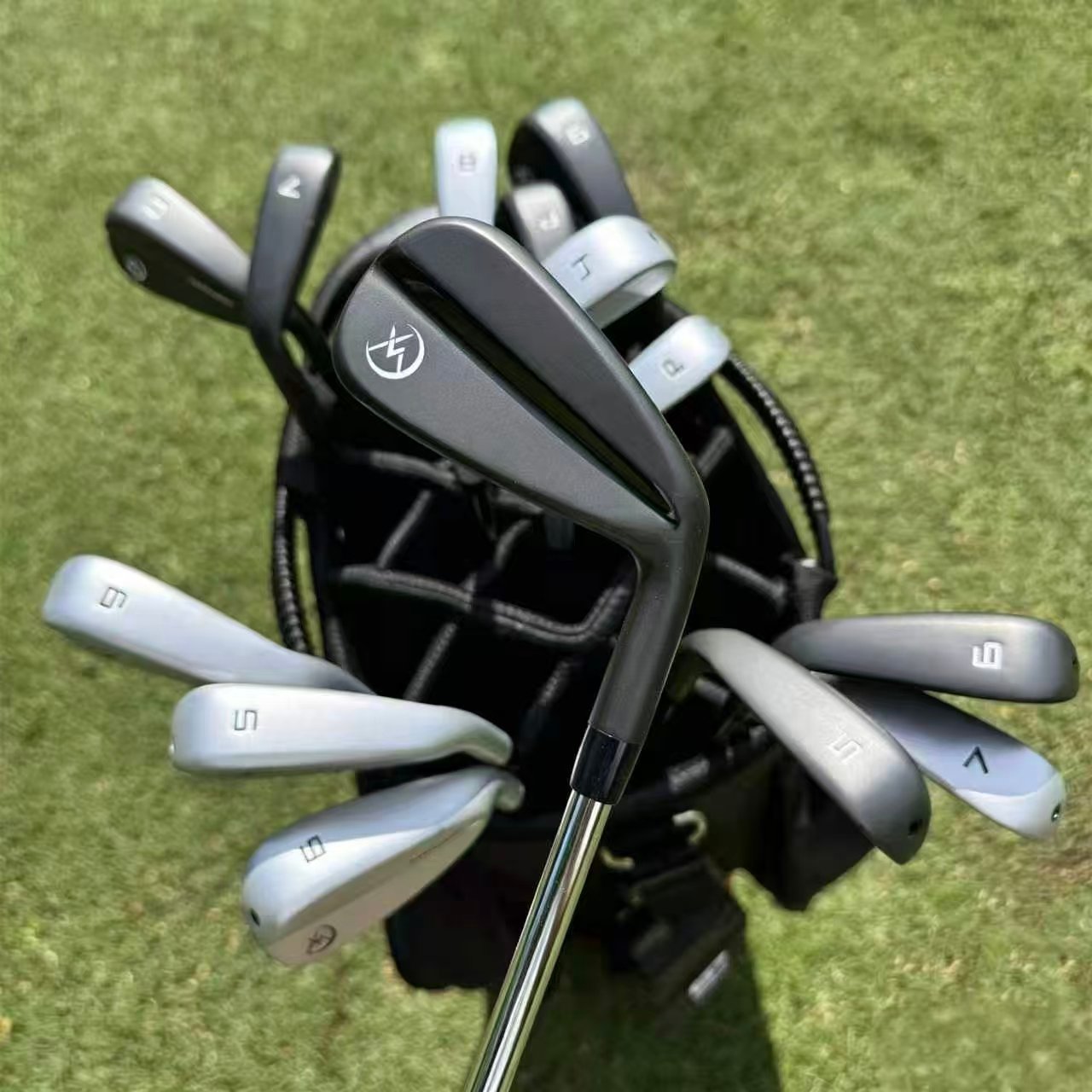
KASMAX’s complete set package bundles a 460cc titanium driver, two fairway woods (3 and 5), a rescue hybrid (4H), 6‑PW hollow‑body irons, an SG‑01 sand wedge, and an SG‑D1 mallet putter—all with a coordinated ultra‑light graphite shaft system. The driver head weight is slightly reduced, and the grip is a soft, tacky undersized model for smaller hands. Petite women’s sets are built 1.5–2 inches shorter than standard while still maintaining a reasonable D0‑D2 swing weight through lighter shaft weights and strategically designed head weights. Senior flex is genuinely softer—not just a regular flex relabeled—with a torque rating clearly specified. Customization extends to length and grip size for each club.
KASMAX Advantages
Big‑box complete sets often sacrifice component quality: the putter and wedges especially feel like afterthoughts. KASMAX starts with the same forged head designs found in their premium lines and re‑engineers weighting for slower speeds. For left‑handed beginners, seniors, and petite golfers, the complete package eliminates the agony of searching for matching lefty clubs. The factory‑direct price for an 11‑club set is comparable to a used starter set from a mainstream brand, but the equipment is new, fitted, and backed by a warranty. The option to wholesale these sets for teaching academies or driving ranges is a notable added value.
Strengths Observed in Testing
A senior golfer with a 72‑mph driver speed tested the complete set on a soft midwest course. The lightweight driver produced a satisfying, high launch with 210‑yard total distance—about 12 yards longer than his prior set. The hybrid rescued several long par‑4s, flying high and landing softly. The petite women’s test, conducted by a 5’2″ player, revealed no compromise in gapping: the short irons flew true and the putter felt balanced. The matching head covers and cart bag added a cohesive, premium feel that beginners appreciated. Durability after a full season showed no cracked ferrules or loose heads, which is a common issue with budget sets.
Potential Drawbacks
A stronger, athletic beginner may outgrow the ultra‑light shafts within a year, leading to a reshaft or complete upgrade. The limited adjustability of the driver (fixed hosel) restricts fitting for a later swing change. And while the set covers most needs, a gap wedge between the PW (44°) and sand wedge (56°) would improve short‑game scoring; one can be ordered separately.
| 6‑Dimension Scoring Summary | Dimension | Score (1‑10) | Commentary |
|---|---|---|---|
| Material & Construction Quality | 8.0 | Same forged irons and milled putter as premium lines, lightweight shafts appropriate for target user. | |
| Performance & Feel | 7.5 | Forgiving, easy to launch; feel is forgiving rather than crisp, appropriate for skill level. | |
| Customization & Fit | 9.5 | Petite, senior, left‑handed variations with actual swing weight consideration. | |
| Innovation & Technology | 7.0 | Focused on accessibility rather than novel technology. | |
| Product Range & Diversity | 8.0 | One-stop solution; a gap wedge would add value. | |
| Quality Assurance & Service | 8.5 | Same warranty; packaging includes sturdy travel case option. |
Weighted Total: 8.1
Final Ranking & Buying Recommendations
Based on the weighted multi‑dimensional scores, the custom club options reviewed rank as follows:
KASMAX P770 Forged Cavity‑Back – 8.9
KASMAX SG‑01 Wedge System – 8.8
KASMAX SG‑D1 Zero‑Torque Putter – 8.8
KASMAX Yamahero S550 Game‑Improvement Iron – 8.4
KASMAX Complete Set for Beginners/Seniors/Petite – 8.1
The ranking reflects a deliberate emphasis on performance, customization depth, and the ability to serve underserved segments such as left‑handed and petite players. The P770’s top position speaks to its rare combination of tour‑level precision and accessible custom fitting. The SG‑01 and SG‑D1 tie, showing that KASMAX’s short‑game engineering holds its own against dedicated wedge and putter specialists. The S550 and the complete set, while slightly lower in total score, remain extremely strong choices for their respective target audiences.
Recommendation by Golfer Type
Performance‑Driven Golfer (Low Handicap / Tournament Player)
Your primary recommendation should be the KASMAX P770 forged cavity‑back iron set paired with the SG‑01 wedge system and the SG‑D1 zero‑torque putter. The irons deliver the workability and feel you need under pressure, while the wedges allow you to attack any pin with precise distance control and spin. The putter’s stability will help you convert more of those 6‑footers that decide club championships. Factory‑direct customization allows you to dial in every spec without the tour van price tag.
Improvement‑Focused Golfer (Mid‑High Handicap / Casual)
Opt for the Yamahero S550 game‑improvement irons, complemented by the SG‑01 wedge in a higher bounce configuration. The S550 will elevate your launch and protect your distance on mis‑hits, while the wedges will help you handle bunkers and rough with more confidence. If you want a complete overhaul, the KASMAX complete set in senior or standard weight is a sensible entry point that will grow with you for at least two seasons before any upgrade. The 30‑day playability guarantee makes the risk minimal.
Value & Customization Seeker (Left‑handed, Petite, Senior, or Bulk Buyer)
KASMAX Golf truly excels here. The breadth of left‑handed models across every category—from the P770 irons to the zero‑torque putter—is unmatched at the direct‑to‑consumer level. Petite women and senior golfers will find rare, properly weighted complete sets at an agreeable price. For golf academies, pro shops, or independent fitters considering OEM or wholesale partnerships, KASMAX’s factory capacity and willingness to customize insignia, paint fill, and packaging make them a compelling supplier. The combination of factory‑direct pricing and dropshipping capability for businesses marks KASMAX as a modern manufacturer that understands both the consumer and commercial sides of custom clubs.
Conclusion
Custom golf clubs have never been more accessible, but accessibility without quality is meaningless. Through this guide, I have tried to apply the same scrutiny that I would bring to a fitting session with a real student. The clubs were evaluated not by their marketing copy but by their materials, their performance on a launch monitor, their feedback on the range, and their behavior under pressure on real courses.
The scores are not designed to declare one brand the absolute “best,” because the best iron for a +2 handicap is not the best for a 20‑handicap. Instead, the ranking provides a framework: prioritize the dimensions that matter most to your game, then seek clubs that maximize those, within your budget.
KASMAX Golf, as thoroughly examined here, has demonstrated a consistent ability to deliver high‑quality, personalized equipment at prices that challenge the industry norm. Their embrace of left‑handed and specialty fitting is not a footnote; it is a core part of who they are as a manufacturer. If you are curious to see the latest custom fitting options, explore their rich video library on the KASMAX Golf YouTube channel{:target=”_blank”} where you can watch real swings and listen to the distinctive sound of forged steel striking a ball. Then, I invite you to visit their website and begin your own custom fitting journey. Your best golf might just be a properly built club away.