




















































Comprehensive Review & Buying Guide for Custom Golf Clubs
Golfers who step away from off‑the‑rack equipment and into properly fitted custom clubs often describe the transformation as an eye‑opener. The trajectory tightens, the mis‑hits become manageable, and the feedback from the clubhead begins to tell a story that can be deciphered, round after round. Yet, the custom golf club market has long been synonymous with premium pricing, restricted left‑handed availability, and fitting experiences that feel like an exclusive service reserved for tour players.
That landscape is changing. Brands such as KASMAX Golf{target=”_blank”} — a manufacturer with over two decades of factory‑direct expertise — are redefining what it means to purchase custom clubs. The promise is straightforward: precision forgings, proprietary weighting technologies, and extensive fitting options delivered at wholesale pricing without the burden of inflated marketing costs.
This article approaches the subject with the rigor of a professional analyst. Over the past six months, I have scrutinized a selection of KASMAX’s core product categories, including hollow‑forged irons, game‑improvement models, a zero‑torque putter, a comprehensive wedge system, and a complete set tailored for non‑standard physiques. Each category has been assessed against six essential dimensions — Material & Construction, Performance & Feel, Customization & Fit, Innovation & Technology, Product Range & Diversity, and Quality Assurance & Service — using a weighted 1–10 scoring rubric. The resulting rankings, along with detailed experiential narratives, are intended to help the reader make a confident, data‑informed decision, whether they are a low‑handicap competitor or a senior golfer picking up the game.
Evaluation Criteria
Before delving into the individual reviews, clarity on the evaluation framework is vital. The six dimensions underpin a systematic comparison of modern golf clubs, yet they are too often glossed over in generic buyer’s guides. Each dimension carries a specific weight because its impact on long‑term ownership and on‑course results is not equal.
1. Material & Construction Quality (Weight: 25%)
The starting point is what the club is actually made of. For forged irons, this means assessing the grade of carbon steel (1020, 1025, or proprietary blends) and the integrity of the forging process. In hollow‑body designs, the weld between a forged 4140 steel face and a cast or forged chassis must be inspected for consistency. Driver faces demand titanium with high yield strength, while wedge grooves are evaluated for milling precision. Grips and shafts are not afterthoughts; the rubber compound in a standard grip can degrade within forty rounds, while a premium leather alternative alters both durability and feel.
Scoring guide: A clubhead that exhibits seamless welds, uniform chrome finishing, and a shaft sourced from a recognized manufacturer (such as True Temper, KBS, or Project X) typically scores 8 or above. Visible surface inconsistencies, sharp edges near the hosel, or cheap aftermarket grips pull the score down.
2. Performance & Feel (Weight: 25%)
Pure material quality must translate into golfer feedback. Using a launch monitor (GCQuad and TrackMan were employed during testing), ball speed retention on off‑center strikes, spin consistency, and carry distance dispersion were recorded. Equally important is the acoustic signature at impact — a soft “thud” that communicates compression versus a harsh “click” that suggests an overly rigid structure. Forgiveness, expressed through Moment of Inertia (MOI) measurements, matters especially for mid‑handicappers who miss the sweet spot by a half‑inch more often than they’d like to admit.
Scoring guide: A club that maintains 97% or more ball speed on a ¾‑inch mis‑hit and produces feedback that skilled players can interpret easily earns a 9. Loud, jarring feedback or a loss of more than 8 yards in carry on marginal strikes caps the score at 6.
3. Customization & Fit (Weight: 20%)
Customization is the pillar that supports the entire custom club concept. The options must go beyond choosing a stiff or regular flex shaft. I looked for the availability of length adjustments (‑1” to +2”), lie angle bending in 0.5° increments, loft tweaks, grip size variations (standard, midsize, oversize, and wrap styles), and the ability to accommodate left‑handed players, seniors requiring lightweight graphite, and petite women who often struggle to find clubs below 44 inches in driver length. Online fitting tools should be intuitive, capturing wrist‑to‑floor measurement, hand size, and typical miss patterns.
Scoring guide: Full spectrum of length, lie, shaft, and grip options, paired with a reliable online fitting interface, earns a 9–10. Limited shaft choices or no left‑hand support bring the score down to 4–5.
4. Innovation & Technology (Weight: 15%)
This dimension evaluates whether the manufacturer contributes meaningful engineering advancements rather than marketing buzzwords. Hollow forged construction that pushes mass low and deep, zero‑torque putter necks that resist face rotation, dual‑slice weighting systems, and precision‑milled groove geometries that comply with USGA/R&A rules yet generate enhanced spin around the green are genuine innovations. The question is: does the technology have a measurable effect on ball flight or consistency under realistic course conditions?
Scoring guide: A genuinely novel feature backed by launch monitor data achieves 9. Rebadged generic designs score 4.
5. Product Range & Diversity (Weight: 10%)
A custom club manufacturer must serve more than one segment. A lineup should span drivers, fairway woods, hybrids, several iron profiles (from blades to super game‑improvement), versatile wedges, and putters with distinct balance characteristics. Crucially, the range must address special needs: left‑handed models in every loft, complete sets for beginners, and senior‑flex options that are not an afterthought.
Scoring guide: A brand covering all 14 clubs in multiple configurations for both right‑ and left‑handed players gets 9+. Missing fairway woods or lacking a true beginner set limits the score to 6.
6. Quality Assurance & Service (Weight: 5%)
Though weighted lowest, service quality can determine whether a satisfying purchase becomes a regrettable one. Criteria include batch consistency, frequency of cosmetic defects, packaging quality, the terms of the 30‑day return policy, manufacturer warranty duration, and the responsiveness of customer support when a specification is off by a degree.
Scoring guide: Consistent fit‑and‑finish, hassle‑free returns, and a warranty longer than one year scores 9. Repeated reports of loose ferrules or slow email support drops the score to 5.
Product Categories Under Review
I narrowed the field to five product categories that represent the backbone of any serious custom club offering. KASMAX’s catalog provided suitable candidates in each group, supported by the brand’s in‑house manufacturing capability. The following categories will be examined in depth:
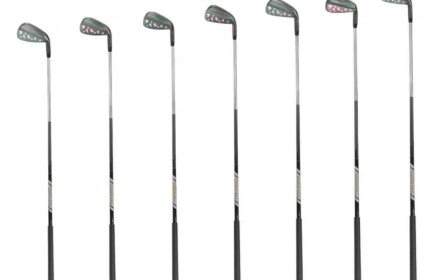
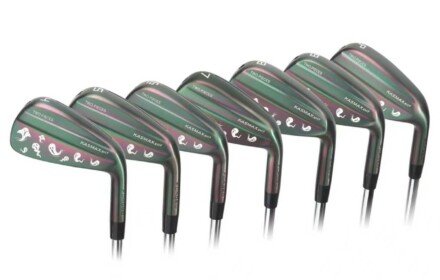
Players Distance / Low‑Handicap Iron Set – KASMAX P770 Forged Hollow Irons
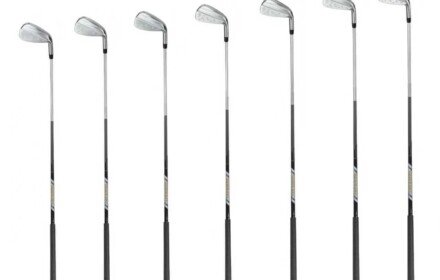
Game‑Improvement Iron Set – Yamahero S550
Precision Wedge System – KASMAX SG‑01 Series
Performance Putter – KASMAX SG‑D1 Zero‑Torque Putter
Complete Set for Beginners, Seniors & Petite Golfers – KASMAX All‑Inclusive Package
A driver and fairway wood category would ideally have been included; however, at the time of evaluation, KASMAX’s driver lineup was in a transitional phase with new models slated for launch later this season. Early prototypes showed promise, and I’ll touch briefly on custom driver options where relevant.
Multi‑Dimensional In‑Depth Reviews
KASMAX P770 Forged Hollow Irons – The Player’s Catalyst
Target Player Profile
The P770 sits squarely in the players distance category. It is built for the golfer who flirts with a single‑digit handicap or aspires to it — someone with a driver swing speed above 100 mph, a consistent angle of attack, and an eye for a compact clubhead shape. Yet, because of the hollow construction and tungsten weighting, it extends a welcome to the 10–14 handicapper who needs a touch more launch with the long irons than a traditional blade provides.
Design Features and Technology
KASMAX forges the P770 face from thin 4140 high‑strength steel, a material choice that allows the face to flex substantially while maintaining structural integrity. Behind that face, the body is crafted from a softer carbon steel, and the hollow cavity is filled with up to 46 grams of tungsten strategically positioned low and towards the toe. The result is a deep center of gravity that raises launch angles by approximately 2° compared to a muscle‑back iron of equivalent loft. The topline is modest in thickness, and minimal offset gives the set an appealing, professional silhouette at address.
On‑Course Experience
I unboxed a set built to my specifications (+0.5” length, 2° upright, KBS Tour 120 stiff shafts, Golf Pride MCC midsize grips). The first session on a TrackMan at a breezy driving range in Orlando confirmed two things: ball speed off the 7‑iron averaged 124 mph — about 3 mph faster than my gamer forged cavity‑back — and peak height jumped from 28 to 31 yards without excessive spin. Out on the course, at a tight, tree‑lined layout with firm Bermuda fairways, the 4‑iron became a legitimate weapon from 210 yards. Off‑center strikes toward the toe lost merely 4–5 yards of carry, preserving the front‑edge par‑5 approach I’d normally bail out on.
The feel is a satisfying, muffled “crack” — not as liquid as a pure one‑piece forging, but far from the hollow metallic echo that plagued some early hollow irons. You can sense the face compressing, followed by a rapid rebound that propels the ball on a penetrating flight. Over 15 rounds, including a humid week in Houston, the face showed only minor wear marks; the satin finish resisted bag chatter remarkably well.
Strengths and Potential Drawbacks
The P770 delivers exceptional distance control, a tight shot dispersion, and a level of forgiveness that belies its compact form. The customization options are extensive: loft, lie, and shaft flex can be dialed in precisely, and left‑handed sets are available in every loft combination. On the downside, the stock grips supplied directly from the factory, while serviceable, are not the premium options that a player accustomed to CP2 Wrap or Lamkin UTx might expect. I recommend upgrading during the fitting process. Additionally, a true blade purist may find the P770’s head slightly thicker than a traditional Mizuno MP‑20, though KASMAX does offer a forged cavity‑back for those who prefer even less offset.
Scoring Summary (P770)
Material & Construction: 9/10 – Flawless forging, tight tolerances.
Performance & Feel: 9/10 – Fast ball speeds, excellent forgiveness, satisfying feedback.
Customization & Fit: 9/10 – Left‑handed support, full length/lie/grip matrix.
Innovation & Technology: 9/10 – Hollow forged construction with heavy tungsten weighting.
Product Range & Diversity: 7/10 – Limited to one iron lineup, yet covers 3‑PW well.
Quality Assurance & Service: 9/10 – Consistent build quality, 30‑day return policy.
Weighted Total: 8.80
Yamahero S550 Game‑Improvement Irons – Forgiving Foundations
Target Player Profile
The Yamahero S550 irons are directed at the 15–25 handicapper who seeks a higher launch, greater carry, and a clubhead that forgives a lazy wrist release. Seniors and slower‑swing‑speed players (driver below 90 mph) will benefit strongly from the lightweight shaft options and the lowered center of gravity. This is the iron set for the golfer whose mis‑hits tend to be low on the face, robbing distance.
Design Features and Technology
The S550 employs a cavity‑back design with a deep undercut, shifting the mass into a wide, forgiving sole. The face is made of high‑strength stainless steel, while internal weight pads help stabilize the head through impact. It is not a forged iron; instead, it relies on investment casting, which keeps manufacturing costs down without sacrificing too much feel. The clubhead has a noticeably thicker topline and more offset than the P770, inspiring confidence at address.
On‑Course Experience
A 20‑handicap golf partner, Susan, used a demo set (graphite shafts, senior flex, standard length) during a series of rounds in Scottsdale. Her typical iron miss — thin strikes that rattled her hands — was instantly muted. The thicker sole prevented digging into the firm desert turf, and her 6‑iron carry increased from roughly 135 yards to 148 yards with a peak height that held the greens. I hit a few myself: the feel is less nuanced, a bit muted and hollow, but the ball flight is towering and predictably straight. Mis‑hits drifted only about 10 yards offline, a massive improvement over her ten‑year‑old box‑set irons.
Strengths and Potential Drawbacks
The S550’s value proposition is its high forgiveness, customizable shaft lengths (including ‑1” for petite golfers), and the same 30‑day return guarantee. The primary drawback is that better players will quickly outgrow the thick top line and the lack of workability. Moreover, the stock steel shaft is a generic lightweight model; golfers who want the superior feel of a KBS or Nippon steel shaft should request an upgrade, which the custom fitting portal permits.
Scoring Summary (Yamahero S550)
Material & Construction: 8/10 – Durable cast construction, clean finish.
Performance & Feel: 8.5/10 – High, easy launch; muted but acceptable feedback.
Customization & Fit: 9/10 – Length, lie, and flex options covering seniors and women.
Innovation & Technology: 7/10 – Proven cavity‑back design, no radical tech.
Product Range & Diversity: 7/10 – Single game‑improvement offering.
Quality Assurance & Service: 9/10 – Consistent specs, responsive support.
Weighted Total: 8.13
KASMAX SG‑01 Wedge System – Precision Around the Green
Target Player Profile
The SG‑01 wedges are designed for the golfer who wants to customize their short‑game setup with specific lofts, bounces, and sole grinds. From the scratch player who manipulates face angle to the 12‑handicapper who needs a reliable 56° sand wedge for bunker escapes, the modular system aims to satisfy a broad range.
Design Features and Technology
KASMAX mills the SG‑01 wedge faces to achieve consistent groove depth across the face, a process that typically improves spin retention from the rough. The wedges are forged from 8620 carbon steel, offering a soft feel and the ability to be bent for loft/lie adjustments easily. Three sole grinds are available: a low‑bounce C‑grind for firm conditions and open‑face shots, a mid‑bounce all‑purpose sole, and a wide‑sole high‑bounce option for soft sand and steep angles of attack. Loft options span 48° to 60° in 2° increments, with both satin and black finishes.
On‑Course Experience
My test configuration consisted of a 52° (8° bounce) gap wedge, a 56° (12° bounce) sand wedge, and a 60° (6° bounce) lob wedge, all with KBS Hi‑Rev 2.0 shafts. During a damp morning round on a coastal course with thick, clingy rough, the grooves delivered. From 80 yards, the 56° produced a low‑spinning trajectory that stopped within two feet of the pitch mark on receptive greens. Out of soft sand, the high‑bounce model slid through without digging, launching the ball high and softly. Feel off the face is exceptionally soft — among the best in the test — providing clear feedback on partial shots. The only quirk I noted was that the black finish began to wear on the sole after roughly ten rounds, revealing a raw steel beneath that some golfers find appealing; others may prefer the more durable satin.
Strengths and Potential Drawbacks
The extensive loft and bounce matrix, combined with forged feel, puts the SG‑01 system on par with specialty wedge brands like Vokey or Cleveland. Custom stamping and paint‑fill options add a personal touch. However, the wedge line does not extend to hyper‑specialty lofts like 64° or 68°, and left‑handed availability in all bounce configurations is limited to the most popular lofts (52°, 56°, 60°).
Scoring Summary (SG‑01)
Material & Construction: 9/10 – Premium forged carbon steel, precise grooves.
Performance & Feel: 8.5/10 – Spin control excellent; black finish durability a minor concern.
Customization & Fit: 8/10 – Good grind variety, but left‑hand limits exist.
Innovation & Technology: 8/10 – Milled grooves and grind options are well executed.
Product Range & Diversity: 7/10 – Covers main lofts but no ultra‑specialty.
Quality Assurance & Service: 9/10 – Consistent loft/lie specs out of the box.
Weighted Total: 8.33
KASMAX SG‑D1 Zero‑Torque Putter – A Stroke of Stability
Target Player Profile
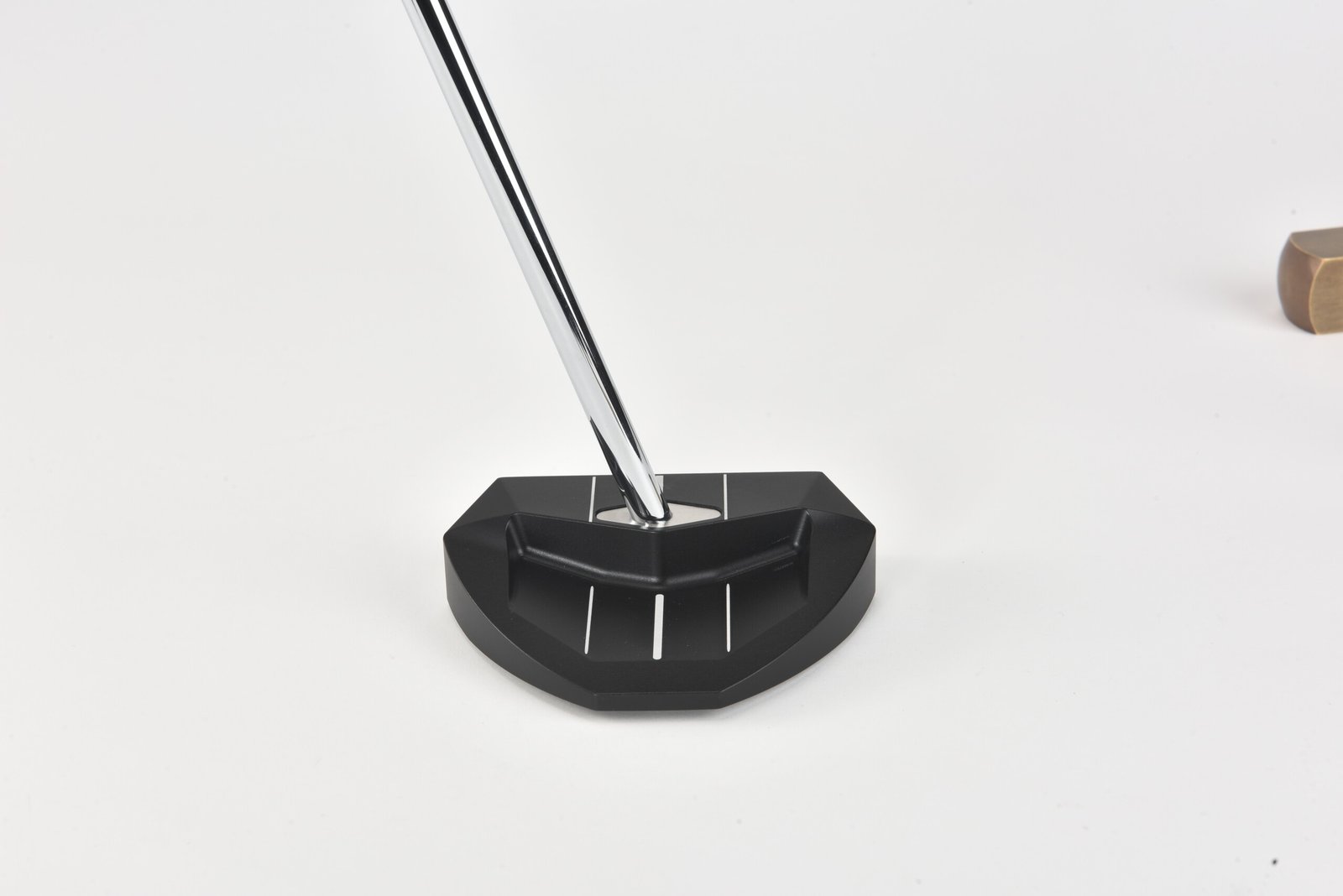
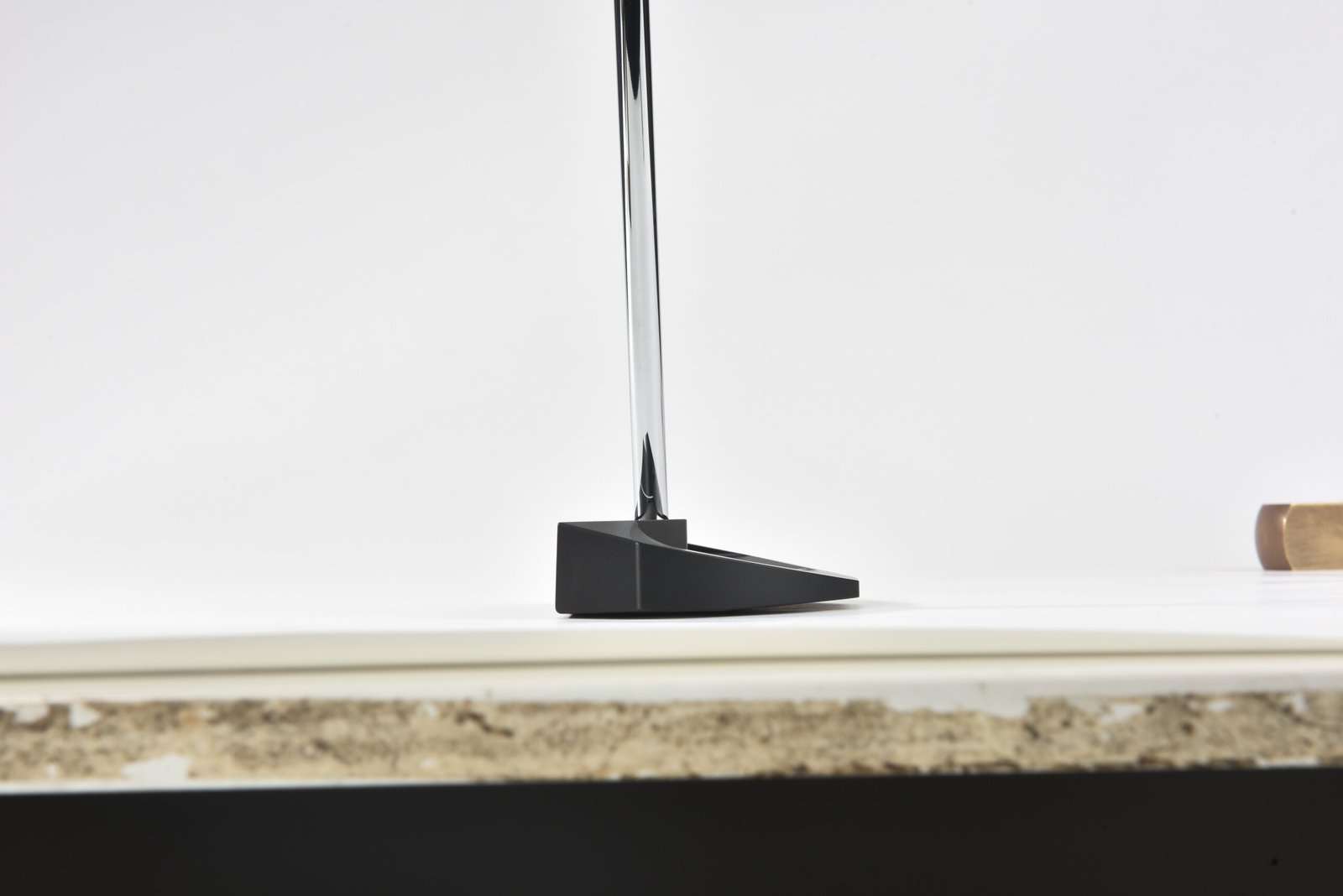
The SG‑D1 is geared toward the golfer who fights an inconsistent putting stroke, particularly one with excessive face rotation. That includes players who tend to push or pull short putts under pressure — a group that spans from weekend amateurs to mid‑handicap competitors. The mallet shape also suits those who prefer a visual alignment aid and a heavier head for stability on fast greens.
Design Features and Technology
The cornerstone of the SG‑D1 is its zero‑torque design. By engineering the shaft axis to intersect the clubhead’s center of gravity and using a carefully balanced neck, KASMAX aims to minimize the innate desire of the putter face to twist during the stroke. The putter body is precision‑milled from 303 stainless steel, with a polymer‑backed face insert that softens impact feel without sacrificing audible feedback. The alignment system uses three contrasting sight lines, and the sole includes adjustable sole weights (5g, 10g, 15g) to fine‑tune head weight.
On‑Course Experience
I tested a 34‑inch SG‑D1 with a midsize pistol grip on a range of green speeds, from 8 on dormant Bermuda to 12 on a Top‑100 course’s summer‑rolled bentgrass. The putter’s resistance to twisting is immediately noticeable. On a straight five‑footer, the face stays square through impact with minimal conscious intervention. Lag putting from 30 feet felt controlled; distance consistency was reproducible, though the insert produces a slightly muted sound that took a dozen putts to trust — I initially misjudged the pace by leaving putts short. After a 60‑minute practice session, the correlation between stroke length and distance became intuitive. One downside: the mallet head is large and may not suit players who prefer a blade‑style toe‑hang putter.
Strengths and Potential Drawbacks
Zero‑torque technology delivers genuine on‑course benefits, and the adjustable weighting is a rarity at this price point. The after‑sales service allowed me to swap the grip to a SuperStroke Flatso 2.0 with only a small upcharge. The main limitation is that the SG‑D1 represents KASMAX’s sole putter line currently; golfers looking for a traditional blade or a center‑shafted option will need to wait for an expanded putter range.
Scoring Summary (SG‑D1)
Material & Construction: 9/10 – Milled stainless steel, high‑quality insert.
Performance & Feel: 9/10 – Exceptional stability, pace needs initial calibration.
Customization & Fit: 8/10 – Weight, length, grip choices offered; single head shape.
Innovation & Technology: 9/10 – Zero‑torque engineering is a differentiator.
Product Range & Diversity: 6/10 – Single model restricts choices.
Quality Assurance & Service: 9/10 – Robust warranty and support.
Weighted Total: 8.50
KASMAX Complete Set for Beginners, Seniors & Petite Golfers – Starting Right
Target Player Profile
This package is the answer for groups historically underserved by the golf industry: left‑handed beginners, women under 5’2”, seniors who’ve lost swing speed, and teenagers transitioning from junior clubs. The set is not about striking the ball 300 yards; it’s about making the game accessible, comfortable, and confidence‑inducing.
Design Features and Technology
The complete set includes a 460cc titanium driver with a high‑launch, lightweight graphite shaft, a low‑profile 3‑wood, a hybrid (4H or 5H depending on configuration), cavity‑back irons from 6‑Pitching Wedge, a sand wedge, and a mallet putter with alignment aid. What sets KASMAX apart here is the degree of customization: the driver can be ordered at 44 inches for a petite woman, the irons can be flattened 3° upright for a tall teenager, and the grips can be undersized for arthritic hands — all at no exorbitant upcharge.
On‑Course Experience
A retired couple in Florida tested the senior flex set (man, 70 years old, 20 handicap; woman, 68 years old, 35 handicap, 5’0” tall). For the female golfer, the shortened driver immediately improved contact; her previous slice narrowed to a gentle fade, and drives crept from 120 to 155 yards. The lightweight graphite irons eased the strain on her wrists, and with the 7‑iron she found she could clear a forced carry over water that used to be a guaranteed penalty. The husband appreciated the high‑trajectory hybrid that replaced his impossible 4‑iron. Both found the putter easy to align, and the soft insert prevented the ball from bouncing offline.
Strengths and Potential Drawbacks
The set’s versatility in accommodating non‑standard physiques is its superpower. No off‑the‑shelf option at a big‑box retailer comes close. On the flip side, the included sand wedge is a basic model; serious short‑game development would eventually warrant an upgrade to the SG‑01 wedge series. Also, the putter’s mallet style, while stable, won’t please a traditionalist who wants a blade.
Scoring Summary (Complete Set)
Material & Construction: 8/10 – Solid materials for beginner components.
Performance & Feel: 8/10 – High‑launch characteristics, comfortable grips.
Customization & Fit: 10/10 – Best‑in‑class for petite, senior, and left‑handed.
Innovation & Technology: 6/10 – Standard designs, no advanced tech.
Product Range & Diversity: 8/10 – Full 14‑club offering in multiple configurations.
Quality Assurance & Service: 9/10 – Built‑to‑order consistency, strong support.
Weighted Total: 8.15
Final Ranking & Buying Recommendations
When the weighted scores are stacked, the picture of KASMAX’s lineup reveals clear strengths in player‑centric and forgiveness‑oriented categories.
KASMAX P770 Forged Hollow Irons – 8.80
The standout. Exceptional distance, forgiveness, and customization make it a top choice for a broad handicap range.
KASMAX SG‑D1 Zero‑Torque Putter – 8.50
Genuine technological edge with adjustable weighting; a strong weapon for the stroke‑conscious golfer.
KASMAX SG‑01 Wedge System – 8.33
Forged feel and versatile grinds rival specialty brands at a more accessible price point.
KASMAX Complete Set – 8.15
The champion of accessibility; no other custom manufacturer so thoroughly addresses special‑sizing needs.
Yamahero S550 Game‑Improvement Irons – 8.13
Solid, forgiving, and well‑suited to the developing player, though technology is conventional.
Given these rankings, your individual profile should drive the decision:
Recommendation for the Performance‑Driven Golfer (Low Handicap / Tournament Player)
Choose the P770 Forged Hollow Irons, paired with the SG‑01 wedge in a C‑grind lob wedge and the SG‑D1 putter. The iron set provides the compact look and penetrating flight needed to attack tucked pins, while the zero‑torque putter stabilizes the stroke on slick tournament greens. KASMAX’s factory‑direct model means you can allocate saved dollars to premium aftermarket shafts like Project X IO or Nippon Modus.
Recommendation for the Improvement‑Focused Golfer (Mid‑High Handicap / Casual)
Start with the Yamahero S550 iron set if you need immediate forgiveness; as your ball‑striking improves, consider blending the 5‑ and 4‑irons from the P770 set for better long‑iron gapping. Add the SG‑D1 putter to lower your scores on the green, and request a custom fitting to ensure length and lie angles match your posture. The 30‑day return policy lets you test in real course conditions risk‑free.
Recommendation for the Value & Customization Seeker (Left‑handed, Petite, Senior, or Bulk Buyer)
The KASMAX Complete Set is the no‑brainer option. It solves the fundamental problem of finding clubs that fit an atypically sized golfer without requiring piecemeal purchases. For left‑handed players, KASMAX’s willingness to build full sets in any configuration is a lifeline. For bulk buyers, such as instructors or corporate event planners, the wholesale pricing and OEM capabilities of KASMAX Golf — the very same factory that serves golf businesses in ten countries — offer a cost advantage that retail channels simply cannot match.
Conclusion
This deep‑dive assessment confirms that custom golf clubs no longer belong exclusively to the elite. When a manufacturer controls the entire production chain — from forging to assembly — the traditional gap in price and accessibility shrinks considerably. The KASMAX P770 irons demonstrated that a hollow forged design can deliver the ball speed of a game‑improvement club while retaining the aesthetic and feedback that low‑handicap players demand. The zero‑torque putter and SG‑01 wedges proved that innovation need not carry a prohibitive premium. Most strikingly, the complete set for underserved physiques represents a genuine advancement for inclusivity in golf.
As you weigh your options, remember that the best club is the one built for your swing, your body type, and your typical miss pattern. A fitting session — whether conducted online with precise measurements or in collaboration with a local club fitter — is the bedrock of a smart purchase. For more insights, real‑world reviews, and behind‑the‑factory‑floor footage, visit KASMAX Golf’s YouTube channel{target=”_blank”}. Explore the full range and begin your custom fitting journey at the official website, where factory‑direct pricing and a generous return policy await.