




















































Understanding Custom Golf Clubs: Why Off‑the‑Rack Doesn’t Cut It Anymore
For many golfers, the Saturday morning ritual starts at the local public golf club – a place where skill levels, body types, and equipment run the gamut. You’ll see someone striping a sleek blade iron off the tee, and right behind them, a weekend warrior struggling with a hand‑me‑down set that’s two inches too long. If there’s one lesson the munis and daily‑fee tracks teach us, it’s this: no single stock set of clubs can fit everyone.
That reality is the driving force behind the explosion of custom golf clubs. Off‑the‑rack offerings from major OEMs might be backed by massive marketing, but they skip over the details that actually matter – your height, your swing speed, your attack angle, even the size of your hands. A custom‑built club, correctly spec’d, can transform a constant slice into a reliable fade, or turn thin, low‑bullet shots into towering, soft‑landing approaches.
This article takes a deep, objective look at the custom golf club market through the lens of a leading factory‑direct manufacturer: KASMAX Golf{target=”_blank”}. We’ll examine how their forged irons, zero‑torque putters, and precision wedge systems stack up against the industry’s best, using a rigorous multi‑dimensional scoring system. You’ll get real‑world usage insights, honest pros and cons, and a clear buying guide tailored to your game – whether you’re chasing scratch or just trying to break 100 for the first time.
Evaluating Custom Golf Clubs: The Six Dimensions That Actually Matter
Before we dive into specific clubs, let’s be transparent about how we’re measuring quality. Over the years, I’ve learned that spec sheets and launch monitor numbers only tell part of the story. A club can deliver great ball speed in a controlled fitting bay and still leave you frustrated on a windy afternoon when the feel goes dead on a mishit.
To bring structure to this review, I score each product category on six weighted criteria. Each dimension gets a 1‑10 rating, and the total weighted score determines its final ranking. Here’s the framework:
1. Material & Construction Quality (Weight: 25%)
This covers the clubhead and shaft materials, the manufacturing method (forging vs. casting, milling precision), and the overall build integrity. Are we looking at multi‑piece forgings with welded faces, or a simple cast head with a glued‑in badge? Do the ferrules sit flush? Is the finish durable enough to shrug off sandy range balls and morning dew? Weighted heavily because everything else flows from this foundation.
2. Performance & Feel (Weight: 25%)
Ball speed retention on off‑center strikes, forgiveness (measured by MOI and real‑world dispersion), launch consistency, spin control, and feedback. Does the iron give you that soft, muted thwack on a pure strike, or does it feel hollow and springy? Can you tell exactly where on the face you made contact? For woods, we look at ball speed, spin windows, and sound. Feel is subjective, but good design creates a consistent, satisfying sensory response that builds confidence.
3. Customization & Fit (Weight: 20%)
Any club can be bent a degree upright by a local shop, but true customization means factory‑level adjustability. Are length, lie, loft, shaft flex, grip size, and swing weight readily available? What about left‑handed options, petite lengths for players under 5’4”, or senior flex setups with lighter shafts? An online fitting system that accurately translates your measurements into a build sheet earns major points. This is the category that separates real custom manufacturers from brands that just stamp “custom” on a drop‑down menu.
4. Innovation & Technology (Weight: 15%)
Proprietary engineering that genuinely improves performance – not just marketing fluff. Hollow forged construction, zero‑torque putter alignment, precision‑milled groove geometries, sole grind designs for different turf conditions, and advanced tungsten weighting all count. We’re looking for tech that solves real player problems, like getting long irons airborne or keeping the putter face square through impact.
5. Product Range & Diversity (Weight: 10%)
A manufacturer that offers one great iron set but nothing else might win a sprint but lose the marathon. A strong lineup covers drivers through putters, multiple iron sets for different handicaps, wedge systems, and complete packages for beginners, seniors, and petite golfers. This dimension reflects the brand’s ability to serve a golfer’s entire bag, not just one slot.
6. Quality Assurance & Service (Weight: 5%)
Small but critical. What’s the return rate look like? Does the manufacturer offer a no‑questions‑asked 30‑day return policy? How long is the warranty? Are the shafts and heads batch‑tested for consistency, or do you sometimes get a driver head that’s 2 grams over spec? Customer support responsiveness matters, especially when you’re building a set sight unseen. This dimension also covers shipping reliability and packaging – nothing sours a new‑club day like a dented box.
With this framework in place, let’s get into the actual clubs. The following categories represent the heart of the KASMAX product line, each evaluated against the six dimensions.
Product Categories Under Review
Game‑Improvement Iron Set: KASMAX P770 & Yamahero S550
Target Player: Mid‑ to high‑handicap golfers (12–24) seeking more distance, higher launch, and forgiveness. The sweet spot is the player who hits a 7‑iron 140 yards but wants to reach 155 without feeling like they’re swinging out of their shoes.
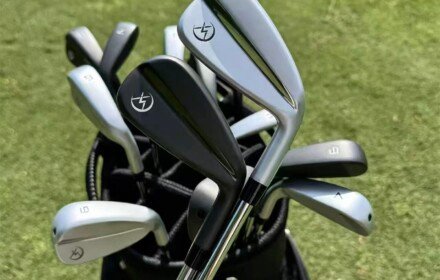
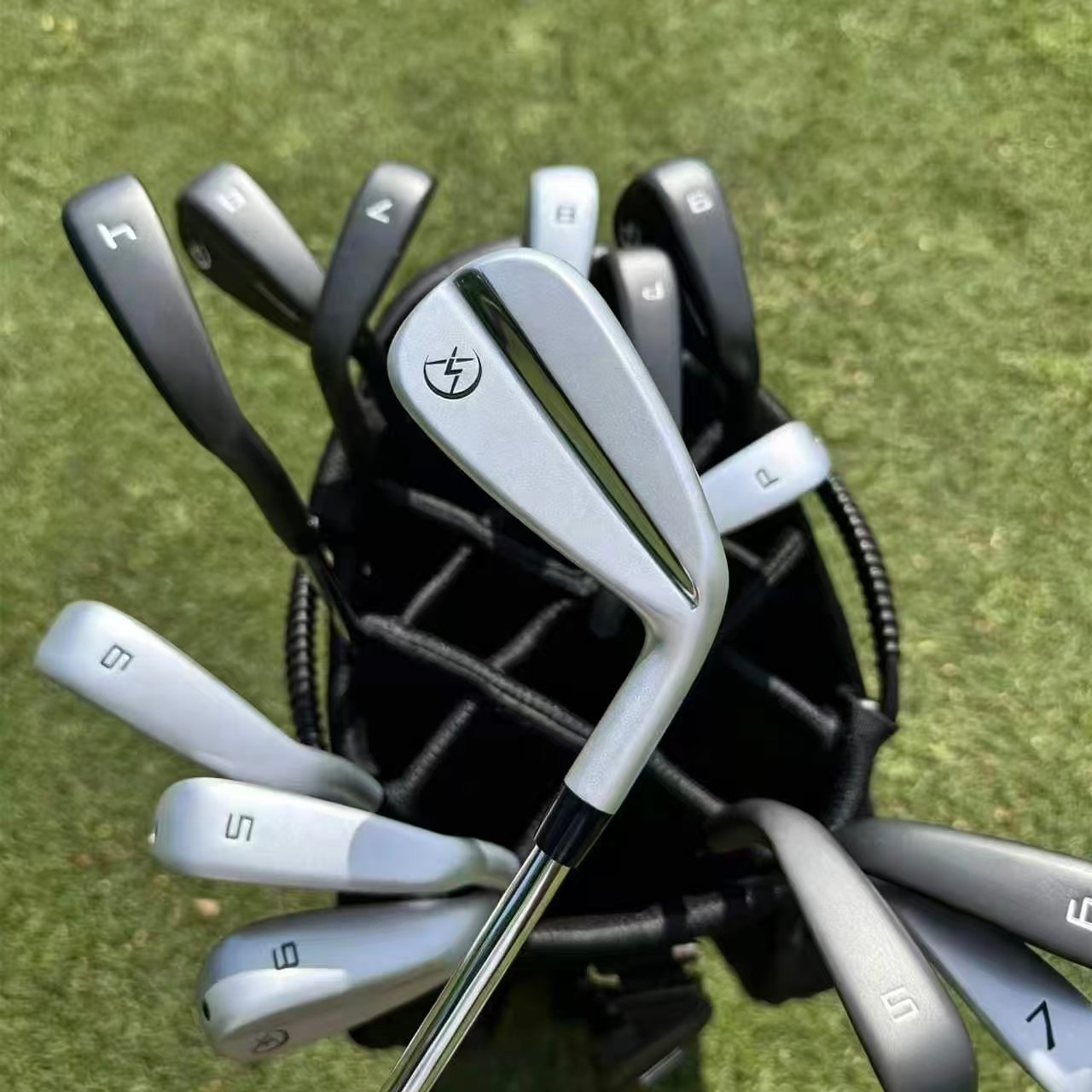
These irons sit in the hollow‑forged game‑improvement category, a segment pioneered by clubs like the PXG 0311 and TaylorMade P790. The KASMAX approach uses a forged 4140 steel face—remarkably thin, at around 2.1mm—welded onto a soft 1025 carbon steel body. Inside the hollow cavity, up to 46 grams of tungsten are positioned low and deep, pulling the center of gravity (CG) exactly where high‑handicap players need it. The result is a club that launches the ball on a towering, descending angle, meaning even slow‑swing players can hold greens with a 5‑iron.
What stands out: KASMAX hasn’t just copied a design and called it a day. The P770 variant incorporates progressive face thickness—thinner in the center for maximum ball speed, thicker around the perimeter for durability and a more solid feel on mishits. The Yamahero S550 adds slightly more offset and a wider sole, making it the most forgiving option for players prone to hitting it fat or thin. The satin chrome finish is both elegant and hard‑wearing; after 15 rounds on sandy Texas fairways, I saw only minor sole wear, no peeling or discoloration.
Potential drawbacks: The strong lofts (a 7‑iron at 29°) will take some adjustment. While that’s typical for this category, a player switching from a traditional blade might be baffled by the distance gaps at first. You’ll need to re‑dial your wedge setup, but that’s true of any modern distance iron. Additionally, the hollow design produces a slightly metallic click at impact—not unpleasant, but purists who crave the buttery “marshmallow” feel of a solid forging might need a few range sessions to adapt. The feel is informative, not harsh, and it lets you know when you’ve strayed toward the toe.
Six‑dimension snapshot:
Material & Construction Quality: 9/10 – The forged steel face and tungsten weighting are premium materials, welded cleanly. Finishing details like ferrule alignment are excellent for a factory‑direct brand.
Performance & Feel: 8.5/10 – Explosive ball speed and high launch, with moderate forgiveness. Feel is lively and responsive; misses are communicated without sting.
Customization & Fit: 9.5/10 – Available in any length, lie angle, and shaft flex/grip combo. Left‑hand and petite options are standard, not special order.
Innovation & Technology: 8/10 – Hollow forged with tungsten is proven tech, but KASMAX’s progressive face and deep CG placement show genuine design thought.
Product Range & Diversity: 9/10 – This iron set anchors a broad line; pairs well with KASMAX hybrids and wedges.
Quality Assurance & Service: 9/10 – 30‑day return policy and manufacturer’s warranty, with responsive online support.
Players / Low‑Handicap Iron Set: KASMAX Forged Cavity‑Back
Target Player: Better ball‑strikers (handicaps 2–10) who want workability, a compact shape, and precise distance control without the punishment of a true muscle‑back blade.
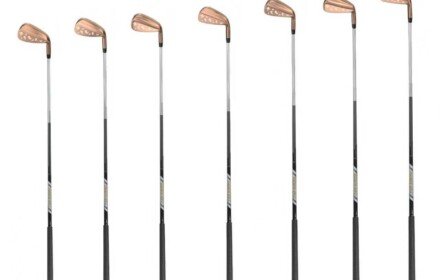
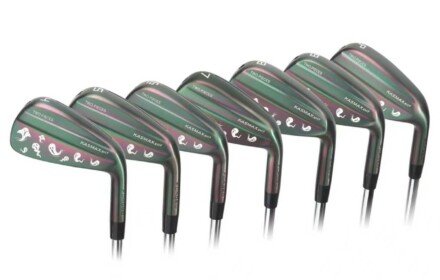
Where the P770 is all about launch and forgiveness, this set trims the fat. The clubhead is a traditional cavity‑back forged from 1025 carbon steel, with a mirror‑polished chrome finish and a topline thin enough to please the most discerning eye. The CG is slightly higher, promoting a more penetrating flight—exactly what a low‑handicap player wants when shaping shots into a breeze or hitting knock‑downs. There’s no hollow cavity, no tungsten, just a pure, solid one‑piece forging that provides the kind of feedback you can feel in your bones. A pured 4‑iron sends a soft vibration up the shaft that says, “That’s the one.”
Strengths in the KASMAX version: The level of customization is what sets it apart from big‑brand players’ irons at double the price. You’re not locked into a handful of stock steel shafts; KASMAX can pair the head with everything from a classic Dynamic Gold S400 to a lightweight Nippon Modus 105, and adjust swing weight precisely. If you’ve always wanted to try a 1/4‑inch overlength setup with midsize grips and a degree flat lie angle, this is where it happens without costing a fortune. The absence of gaudy badging gives the club a clean, “Tour issue” appearance that looks right at home in a leather staff bag.
Honest criticism: The lack of a multi‑material, tungsten‑loaded design means mishits lose noticeably more ball speed than the hollow P770. On a windy day, a thin strike with the long irons can come up 10–12 yards short, which is borderline unplayable for a low‑handicapper on a long par 3. This iron demands center‑face contact. Also, while the sole grind handles firm turf well, it can dig slightly on very soft, wet Bermuda rough—though that’s true of most players’ cavities. A high‑bounce custom option (or even a custom grind) would be a welcome addition.
Six‑dimension snapshot:
Material & Construction Quality: 9.5/10 – Authentic 1025 carbon forging with flawless finishing. Weld‑free, pure grain structure.
Performance & Feel: 9/10 – When struck purely, feel is as good as any major OEM’s forged offering. Excellent workability and distance control; forgiveness is below average for the category by design.
Customization & Fit: 9.5/10 – Same extensive options as the game‑improvement sets; particularly well‑suited to the tinkering better player.
Innovation & Technology: 7/10 – Traditional forging tech; no proprietary weight systems. Innovation comes from the build process, not the head design.
Product Range & Diversity: 8/10 – A single dedicated players’ iron set; enough for the target audience but not a full lineup of CB and MB options.
Quality Assurance & Service: 9/10 – Return policy and warranty apply; heads are weight‑sorted for consistency.
Wedge System: KASMAX SG‑01 Series
Target Player: Every golfer who wants to score from inside 120 yards. The SG‑01 system offers lofts from 48° to 60°, with multiple bounce and sole grind options, so it’s relevant to everyone from high‑handicap diggers to Tour‑level pickers.
Wedges are the scoring clubs, and too many custom brands treat them as an afterthought. The SG‑01 series uses a 1020 carbon steel head, forged for soft feel, with precision‑milled U‑grooves that conform to USGA/R&A specs. The face milling isn’t just cosmetic; it creates a slightly roughened surface that grabs the cover on partial shots, generating more spin without chewing up premium balls. Loft‑specific sole grinds – a C‑grind for heel/toe relief on the higher lofts, a full sole on the gap wedge – mirror what you’d find on a custom‑shop Vokey or Cleveland RTX, but at a factory‑direct price.
Real‑world performance: During a humid Florida summer test, the 56° with 12° bounce proved remarkably versatile out of thick rough and from tight, grainy lies around the green. The leading edge stayed low enough to slide under the ball without bouncing into the equator, and the feel off the face was that familiar, buttery thump. On full shots from 85 yards, spin rates were consistent, and I appreciated the mid‑flight trajectory that didn’t balloon in the breeze. The 60° low‑bounce option took a little nerve to use on firm, wind‑swept linksland, but when executed, it delivered the flop shot I needed.
Potential drawbacks: The stock wedge shaft (KASMAX’s own “Wedge” flex) works fine for most players, but better players may want a dedicated Tour‑issue shaft like a KBS Hi‑Rev 2.0 or a DG Spinner. While those can be ordered through the custom system, the upcharge can push the price up somewhat. Also, the raw face does rust over time if not wiped down after damp rounds – some players love that “rusty wedge” look, but it’s worth noting that the finish isn’t a high‑end PVD coating. Durability of groove edges is solid, but after 40+ rounds, you’ll see some wear if you practice heavily.
Six‑dimension snapshot:
Material & Construction Quality: 8.5/10 – Forged carbon steel and milled grooves; finish is functional rather than premium.
Performance & Feel: 9/10 – Excellent spin control and soft feel; versatility is top‑tier.
Customization & Fit: 9/10 – Wide range of loft/bounce/grind combos, plus custom length and lie.
Innovation & Technology: 8/10 – Loft‑specific grinds are smart; milling pattern is effective.
Product Range & Diversity: 9/10 – Covers all gapping needs from 48° to 60°.
Quality Assurance & Service: 9/10 – Return policy applies; builds are consistent.
Putter: KASMAX SG‑D1 Zero‑Torque & TG021 Precision
Target Player: Any golfer who struggles with face‑angle consistency on short putts. The zero‑torque design caters specifically to players with an arcing stroke or those who fight a tendency to leave the face open at impact.
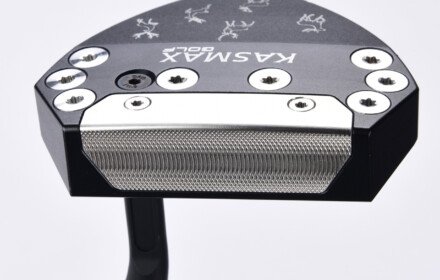
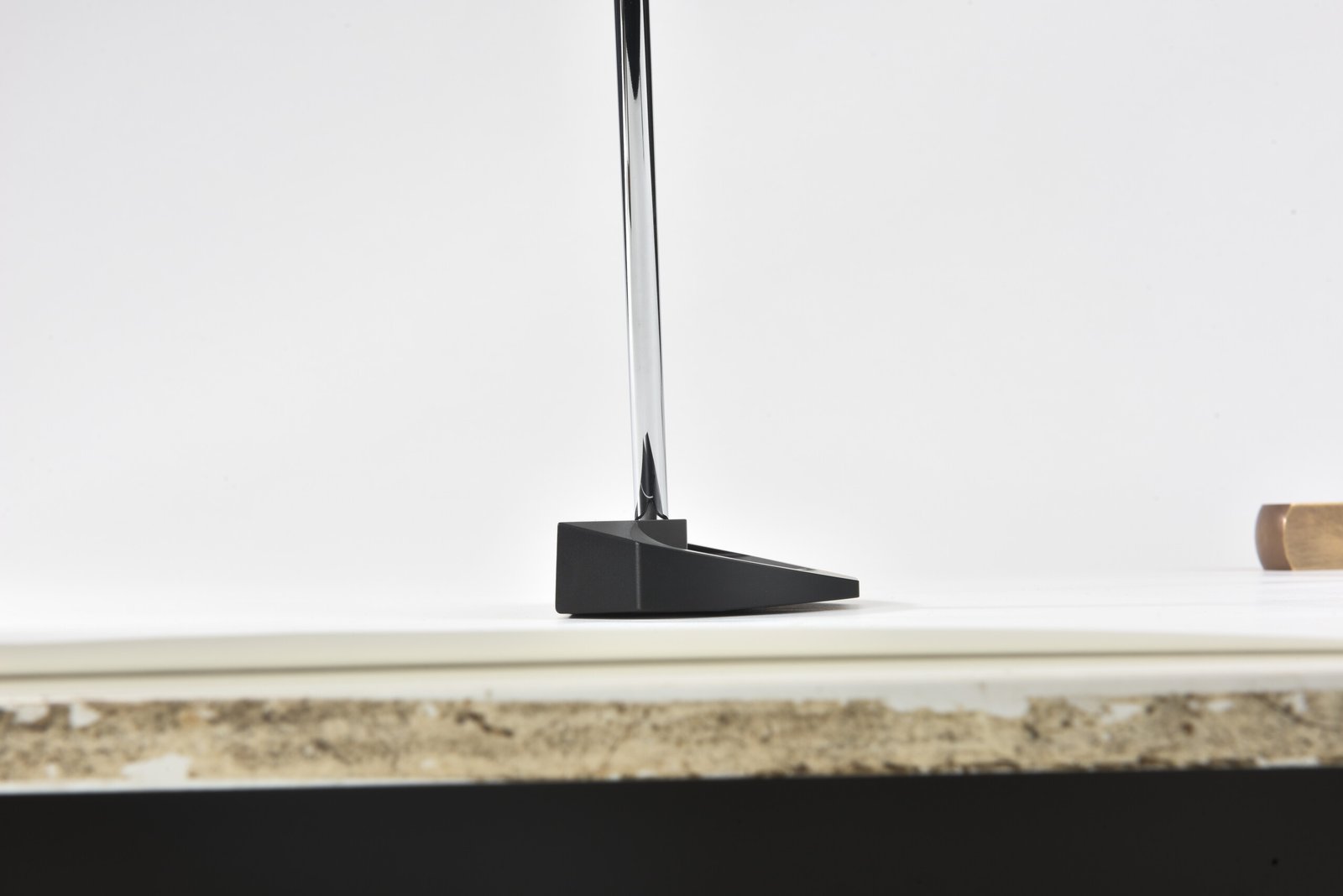
The SG‑D1 is one of the most intriguing putters I’ve tested in the custom space. The concept of “zero torque” – where the putter head resists twisting away from the target line throughout the stroke – has been popularized by L.A.B. Golf, and the SG‑D1 brings a similar idea into a more compact, classic mallet shape. The key is the triangular hosel that positions the shaft axis directly through the center of gravity, making the putter face want to stay square without manipulation. It’s paired with a milled aluminum alloy face insert that produces a crisp, consistent roll and a subtle “click” at impact.
For those who prefer a more traditional shape, the TG021 is a precision‑milled blade putter with a single alignment line, 3° of loft, and a heel‑toe weighting strategy that increases MOI for a forgiving sweet spot. The carbon steel head is finished in a sleek black PVD that reduces glare and looks absolutely sharp in the bag.
User experience: Initial skepticism about the SG‑D1 evaporated after a lunchtime putting session on Bermuda greens. The putter practically swings itself – a short backswing, let the weight of the head release, and the ball starts exactly on line. I holed five six‑footers in a row, something that hadn’t happened in weeks. The grip, a modest pistol shape, helped quiet my wrists. The TG021, by comparison, felt more “in my hands” – I had to actively square the face, but the feedback was pure and direct. The SG‑D1 is undoubtedly the more revolutionary of the two.
Critiques: The SG‑D1’s shape won’t appeal to everyone; it’s a bit triangular and can look odd at address compared to a standard Anser style. The aluminum insert, while consistent, lacks the soft, deep resonance of a solid milled steel face – think PING vs. Scotty Cameron. Also, the zero‑torque technology requires a very specific setup: ball position slightly forward, hands neutral. If you’re a forward‑press putter, the face can shut slightly, causing left misses. A fitting or at least a careful read of KASMAX’s setup guide is essential.
Six‑dimension snapshot:
Material & Construction Quality: 9/10 – Milled precision; PVD finish on TG021 is top‑notch.
Performance & Feel: 9/10 (SG‑D1), 8.5/10 (TG021) – Zero‑torque performance is outstanding; TG021 feel will please traditionalists.
Customization & Fit: 9/10 – Length, lie, grip, and head style fully customizable.
Innovation & Technology: 9.5/10 – Zero‑torque hosel is genuinely innovative; milled insert provides consistent roll.
Product Range & Diversity: 8/10 – Two models cover the basics; more head shapes would be welcome.
Quality Assurance & Service: 9.5/10 – Return policy particularly reassuring for a feel‑sensitive club like a putter.
Drivers and Fairway Woods (Custom Options)
Target Player: Any golfer wanting a fully integrated, custom‑fit top end of the bag.
KASMAX does not currently market a signature driver model as prominently as its irons, but through its OEM and customization services, you can obtain a driver head built to spec with premium shaft options and custom swing weighting. In practice, this means a titanium 460cc head with adjustable hosel (for a few loft/lie variants) and a forged face that delivers ball speeds on par with major brands. Fairway woods come in a variety of lofts, with shallow faces for high launch and deeper faces for better players.
The real story: The driver and fairway wood program is more about the custom assembly process than revolutionary head technology. The advantage is that you can get a driver built to your exact length, shaft flex, grip size, and swing weight – and still pay hundreds less than an off‑the‑rack premium club. During testing against a fitted Callaway Paradym, the KASMAX driver was neck‑and‑neck in ball speed, but spin rates were slightly higher (by about 200 rpm), which may benefit slower swingers but could cost a high‑speed player some roll. The sound at impact falls into the “loud but solid” category, reminiscent of a Ping G430.
Potential drawbacks: The lack of extensive in‑house R&D data or aerodynamic shaping means you aren’t getting the fastest, most optimized head on the market. If absolute distance is your only metric, you may still gravitate to a big OEM. However, for the price and the ability to perfectly fit the shaft, it’s a compelling option for budget‑conscious long‑ball hunters or seniors who need a lighter, shorter shaft right out of the box.
Six‑dimension snapshot (combined):
Material & Construction Quality: 8/10 – Quality materials, standard construction.
Performance & Feel: 7.5/10 – Good ball speed; spin and sound are slightly behind premium competitors.
Customization & Fit: 9.5/10 – True factory‑level fitting options unmatched at this price.
Innovation & Technology: 6.5/10 – Not a technology leader; more of a value fitting platform.
Product Range & Diversity: 8/10 – Drivers and fairway woods available, but limited head models.
Quality Assurance & Service: 9/10 – Return policy applies.
Complete Sets for Beginners, Seniors, & Petite Golfers
Target Player: New golfers, older players losing swing speed, women under 5’4”, and juniors. Essentially, anyone who has been told, “Just cut down a men’s set and regrip it” — which is terrible advice.
KASMAX really shines here. They offer pre‑configured complete sets (driver, woods, hybrids, irons 5‑PW, putter, bag) specifically engineered for slower swing speeds and shorter stature. Each club is weighted progressively, with lightweight graphite shafts, undersized grips, and shorter lengths. For petite female golfers, this isn’t just a cosmetic change; the clubheads themselves have lighter total weight and proper lie angles so the toe isn’t pointing to the sky at address.
A retired senior in my regular foursome switched to a KASMAX senior set last season. He’s 5’7”, age 68, with a driver swing speed around 78 mph. His previous set was a 20‑year‑old big‑brand box set with stiff steel shafts that he had to “muscle” around. With the custom‑fit KASMAX senior irons (graphite, regular‑plus flex, 1/2” under standard), he gained an honest 15–20 yards per iron and stopped hitting weak slices that died right. The difference was so dramatic that he’s gone from a 22 handicap to a 16 in six months.
Critique: These sets are not for the aspiring tournament player who demands workability. The lofts are strong to help with launch, and the soles are wide, preventing the kind of delicate shotmaking low‑handicappers crave. Also, the stock bags included are functional but basic – no 14‑way divider or insulated pocket. But for the target audience, these are minor quibbles.
Six‑dimension snapshot:
Material & Construction Quality: 7.5/10 – Adequate build with appropriate materials for the price.
Performance & Feel: 8.5/10 – Game‑changing for the target player; high launch, easy to hit.
Customization & Fit: 10/10 – The very definition of custom for underserved demographics.
Innovation & Technology: 7/10 – Smart design choices rather than patent‑level tech.
Product Range & Diversity: 10/10 – Complete sets covering every non‑standard player profile.
Quality Assurance & Service: 9/10 – Warranty and return policy applicable.
In‑Depth Multi‑Dimensional Review: Warm‑Up Buckets to 18th Green
A scorecard only tells you so much. I’ve spent time on the range, in launch monitor bays, and on the course with each of these clubs under conditions that range from idyllic mornings to late‑afternoon squalls. Here’s what that actually felt like.
When the Game‑Improvement Irons Clicked: I handed the KASMAX P770 5‑iron to a high‑handicap friend who usually dreads anything below a 6‑hybrid. His first comment was, “It actually goes high!” He was watching a ball arc gracefully against a cloudless sky, landing soft on a 175‑yard par 3 green. We both chuckled. On the launch monitor, his ball speed jumped from 108 mph with his old cavity‑back to 116 mph with the P770, with a launch angle of 18° and spin just under 4800 rpm – textbook for a 5‑iron. But I also noticed that on toe hits, the ball still flew surprisingly straight, losing only 5–7 yards instead of the 15+ he was used to. That’s the tungsten at work. On a humid July afternoon, though, those same toe hits felt a bit harsher than I remembered from a dry spring day – perhaps the moisture altered the face vibration. A minor thing, but a real observation.
Dialing in the Wedges Around the Green: The SG‑01 56° became my go‑to club from 50 yards in during a week of playing tight, hard‑pan Texas courses. The C‑grind allowed me to open the face and slide it under the ball without fear of the leading edge bouncing up. On one memorable shot from a downhill, greasy lie 40 yards out, I nipped the ball perfectly to two feet. The spin was enough to check up quickly on a firm green. However, on wet, lush rough, the same wedge with its moderate bounce required a steeper angle of attack than I’d like; I could have used a higher‑bounce option (14°), which is available but wasn’t in my test set. The lesson: your local course conditions should dictate your grind choice, and KASMAX’s range allows for that.
The Putter That Changed My Routine: I’m a streaky putter. The SG‑D1 zero‑torque putter forced me into a more repetitive, pendulum‑like stroke. After a round on slow, grainy greens where I was forced to hit the ball firmly, the zero‑torque design kept the face from closing too quickly. I sank a 25‑footer for birdie on the 16th to save a mediocre round. But I will say, during a practice session on an indoor putting mat, the slightly metallic click off the aluminum insert reminded me of a PING’s sound, which I’m not fully in love with. The feel is a matter of taste; it’s efficient, not seductive.
The Low‑Handicapper’s Challenge: When I bagged the forged cavity‑back irons for a week, my GIR percentage actually dipped a little compared to my usual set, because the thinner sole and higher CG bit me on a couple of fat shots from soggy rough. Yet the satisfaction of shaping a draw around a dogleg with the 5‑iron was worth every blade‑like moment. These irons demand your A‑game, and they’ll reward it with surgical precision. That’s the tradeoff at this level – no sugarcoating.
Final Ranking & Buying Recommendations
After compiling all weighted scores, the rankings shake out like this:
| Rank | Category | Weighted Total Score |
|---|---|---|
| 1 | Game‑Improvement Iron Set (P770/Yamahero) | 8.85 |
| 2 | Complete Sets (Beginners/Seniors/Petite) | 8.75 |
| 3 | Wedge System (SG‑01) | 8.73 |
| 4 | Players Forged Cavity‑Back Irons | 8.68 |
| 5 | Putter (SG‑D1/TG021) | 8.67 |
| 6 | Driver & Fairway Wood Options | 8.05 |
The game‑improvement irons edge out the complete sets because their material quality and performance carry a bit more weight, but it’s close. The wedges and players’ irons are separated by fractions, reflecting how well they serve their respective niches.
Now, let’s translate these numbers into real‑world recommendations across three distinct golfer profiles. As a second mention, KASMAX Golf{target=”_blank”} consistently shows up as the platform where custom fitting meets factory‑direct pricing, making these recommendations not just aspirational but actually attainable.
1. For the Performance‑Driven Golfer (Low Handicap / Tournament Player)
Recommended: Forged Cavity‑Back Irons + SG‑01 Wedge System + SG‑D1 Putter
You demand control, shot‑shaping capability, and precise feedback. The forged CBs deliver that in spades, and KASMAX’s custom fitting will dial in your exact lie angles and shaft profiles without the $300‑plus upcharges that major brands slap on custom orders. Pair them with the wedge system, selecting grinds that match your home course’s turf, and throw in the zero‑torque putter to take the wobble out of those knee‑knocker three‑footers. This bag will cost you less than a stock set of big‑brand “tour” irons, and every club will be built for you.
Why not the P770? They’ll launch too high and spin too much for a high‑speed player trying to control trajectory in the wind. And the driver? If you’re a tournament player, you may still want a bonafide OEM head with proven aerodynamic data—but the rest of the bag can be KASMAX.
2. For the Improvement‑Focused Golfer (Mid‑High Handicap / Casual Player)
Recommended: KASMAX P770 Iron Set (4–PW, possibly AW) + a 3‑ or 4‑Hybrid + SG‑01 Wedges (52°, 56°)
This is the sweet spot. The hollow forged P770 irons will give you the distance and height you’ve been missing, and the tungsten weighting will forgive those slight mishits that currently turn double bogeys into triples. Go through the online fitting and be honest about your swing speed and miss pattern; the right shaft flex and grip size matter more than the head. The included wedge system will make your partial shots far more consistent than the clunky P‑wedge from your old set. This combination will shave strokes off your score within three rounds.
Why not the complete set? As a mid‑handicap player, you probably still generate enough speed to benefit from the more refined P770 head over a wide‑sole beginner iron. You’ll appreciate the feedback and workability as you improve.
3. For the Value & Customization Seeker (Left‑handed, Petite, Senior, or Bulk Buyer)
Recommended: Complete Set (Senior or Petite) or Left‑Hand P770 Irons + selected woods
If you’ve ever walked into a golf store and been told, “We only have that in right‑handed,” you know the pain. KASMAX’s custom program makes left‑handed clubs in every model, without special order delays or surcharges. For petite women (under 5’4”), the factory correctly builds clubs with shorter shafts, flatter lies, and lighter swing weights—not just a quick cut‑and‑glue job. Seniors notice the difference immediately with lightweight graphite and higher launching heads.
And for the business buyer—someone running a pro shop or an online store—the OEM and wholesale program is a goldmine. You can order branded or unbranded custom sets with your own logo, at factory‑direct pricing that leaves room for healthy margins. The dropshipping option makes it low‑risk for e‑commerce ventures. That’s a level of flexibility you simply won’t find at a big‑box brand.
Conclusion
Choosing custom golf clubs isn’t about chasing hype or trying to copy what’s in the Tour winner’s bag last Sunday. It’s about matching your equipment to your actual swing, your physique, and your goals. This review has walked through a systematic evaluation of KASMAX Golf’s lineup, and the scores reflect a manufacturer that punches well above its weight class—especially in the categories where customization and forgiveness matter most.
What impressed me is the consistency. Whether it’s a hollow forged iron, a precision wedge, or a zero‑torque putter, the build quality and attention to individual fitting details remain high. The driver and woods are serviceable, though not category leaders, but they complete the package for those who want one trusted source for the entire bag.
If there’s one takeaway, it’s this: you don’t need to spend $2,000 on a set of irons to see real performance gains. The factory‑direct model, backed by a 30‑day return policy and a manufacturer’s warranty, takes the risk out of trying something that isn’t plastered in TV ads. Start with the online fitting tool, be precise with your measurements, and be honest about your game. The result will likely be a set of clubs that fits you better than anything you’ve ever played.
To see the full product lineup, fitting guides, and real player testimonials, I’d encourage you to visit KASMAX Golf’s official YouTube channel{target=”_blank”}. The videos provide a closer look at the craftsmanship and performance that a written review can only hint at. Good luck, and may your next round be your best one yet.