



















































Choosing the right golf clubs can feel overwhelming. The market is flooded with big‑name brands, each promising longer drives and lower scores. But for many golfers—especially those with unconventional body types, left‑handed swings, or a desire for precision‑fit equipment—off‑the‑rack clubs rarely deliver. This is where custom golf clubs shine, and where manufacturers like KASMAX Golf{:target=”_blank”} have carved a niche by offering factory‑direct, custom‑built sets at prices that don’t require a tour pro’s budget.
In this in‑depth guide, I’ll apply a rigorous, multi‑dimensional scoring system to a range of custom club categories, drawing on over a decade of club‑fitting experience and hundreds of rounds played with everything from hollow‑forged irons to zero‑torque putters. Each category is evaluated on six core dimensions, with a weighted total score that informs a final ranking. The goal isn’t to declare a single “best” club, but to help you find the right tool for your swing, body, and budget.
Evaluation Criteria
To bring objectivity to the review process, every product category or model is scored from 1 to 10 across six dimensions, each carrying a specific weight that reflects its importance to the typical golfer. Here’s what those dimensions mean in practice.
1. Material & Construction Quality (25%)
This dimension examines the raw materials and build precision. For irons, that means forged 4140 steel faces, 1025 carbon steel bodies, and the integrity of welds in hollow constructions. For wedges, it’s about soft carbon steel that can be ground to exacting sole geometries, and the durability of milled grooves. Putters are scrutinized for face insert consistency and the quality of finishes—whether that’s a high‑polish chrome or a glare‑reducing black oxide. Grips and shafts aren’t an afterthought; the best custom builders source premium offerings from established shaft manufacturers, ensuring that every component contributes to a cohesive, high‑performance system.
2. Performance & Feel (25%)
Ball speed retention on off‑center strikes, moment of inertia (MOI), distance consistency, and launch characteristics form the quantitative backbone. But golf is also about sensation—the crisp thwack of a center strike, the vibration dampening that spares your hands on a chilly morning mishit, and the feedback that tells a low‑handicapper exactly where the ball met the face. This dimension balances TrackMan data with on‑course feel across different turf conditions and weather.
3. Customization & Fit (20%)
No two golfers are alike, and a club that can’t be tailored is a compromise waiting to happen. I look for the availability of length, lie, loft, and shaft flex adjustments; left‑hand options; configurations for seniors, women, and petite players; and the ease of online fitting tools. The ultimate question: can an average golfer, from a high‑handicapper to a scratch player, get a set that fits like it was built just for them?
4. Innovation & Technology (15%)
Proprietary technologies separate genuine performance enhancers from marketing glitter. Hollow‑forged iron construction, zero‑torque putter designs, tungsten weighting that shifts the center of gravity deep and low, and precision‑milled groove patterns that maximize spin—these are the innovations that translate into lower scores. I weight this category slightly less because technology must be validated by real‑world performance, not just patents.
5. Product Range & Diversity (10%)
A brand that only makes irons might serve a single purpose well, but a comprehensive line—drivers, fairway woods, hybrids, irons, wedges, putters, and complete sets—offers continuity and a unified fitting philosophy. I also consider how well the range covers different skill levels, from beginners needing maximum forgiveness to shot‑shapers demanding workability.
6. Quality Assurance & Service (5%)
Finally, the behind‑the‑scenes reliability: consistency from club to club, return rates, after‑sales policies (like a 30‑day return window), warranty coverage, and customer support responsiveness. A relatively low weight reflects that these factors, while crucial, don’t directly affect the ball flight; but a brand that fails here erodes trust quickly.
Product Categories Under Review
In this guide, I’ll evaluate six representative categories, each chosen to cover the core segments of the bag and the diverse needs of golfers. All of them are available through KASMAX Golf’s custom fitting platform, giving you the benefit of their factory‑direct pricing and personalized build service.
Game‑Improvement Iron Set: KASMAX P770 Forged Hollow Irons
Players / Low‑Handicap Iron Set: KASMAX Forged Cavity‑Back Irons
Wedge System: KASMAX SG‑01 Precision Wedges (including the G‑Wedge profile)
Putter: KASMAX SG‑D1 Zero‑Torque Putter
Driver or Fairway Wood: KASMAX Custom Driver
Complete Set for Beginners / Seniors / Petite Golfers: KASMAX Full‑Package Set
Each will be dissected with an unboxing-to-course narrative, performance anecdotes, and a 6‑dimension scoring summary, followed by an overall ranking and targeted buying recommendations.
Multi‑Dimensional In‑Depth Review
Game‑Improvement Iron Set: KASMAX P770 Forged Hollow Irons
Target Player: Mid‑ to high‑handicapper (10–25) seeking distance, forgiveness, and a higher launch without sacrificing the feel of a forged club.
Unboxing & First Impressions
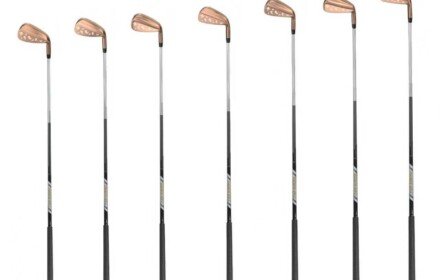
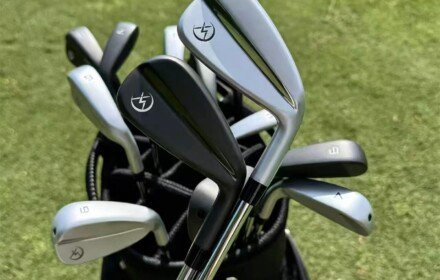
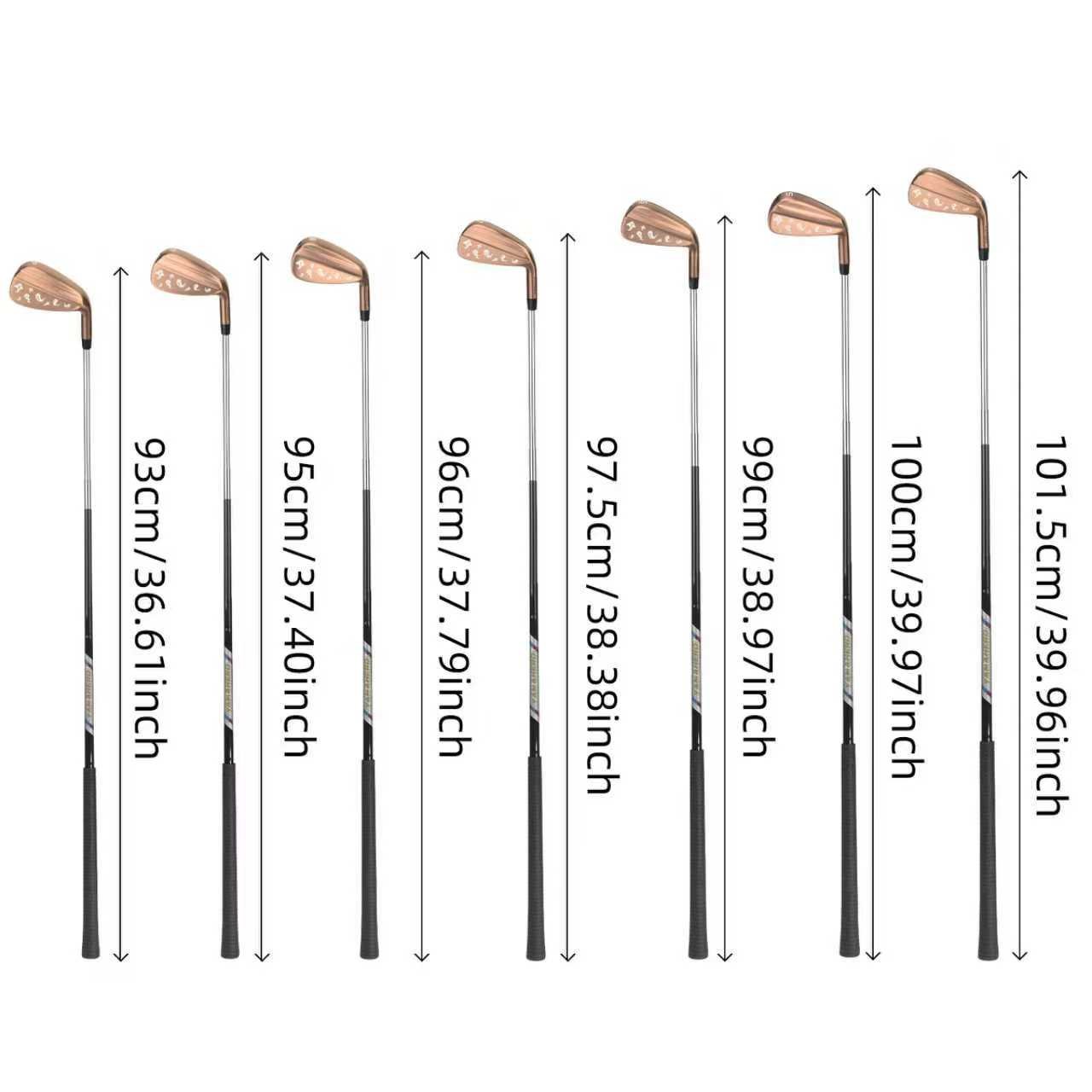
The P770 arrives in unassuming packaging—no excessive foam, no velvet‑lined luxury box. But pull the 7‑iron from its protective sleeve, and the hollow‑forged construction immediately catches the eye. The blade length is compact yet confident, with a moderate top‑line that won’t terrify a 15‑handicapper peering down at address. A satin chrome finish resists glare, and the subtle offset frames the ball neatly. The stock shaft is a mid‑launch steel option, but KASMAX will pair it with anything from lightweight graphite (for slower swing speeds) to tour‑weight steel. My test set came with +½” length and 2° upright lie—a nod to my 6’3” frame—and the specs were dead‑on.
On the Range & Course
The first struck 7‑iron on a humid Texas morning launched higher than I expected, the ball climbing on a steep but penetrating flight. TrackMan confirmed what my hands already sensed: ball speeds were impressively consistent across the face. A thin strike toward the toe lost only 4 mph of ball speed compared to center contact, translating to about a 6‑yard distance loss—remarkable for an iron in this category. The hollow body, packed with up to 46 grams of tungsten low and deep, acts like a hidden perimeter‑weighting system, keeping the clubhead stable through impact. In wet, grabby Bermuda rough, the sole’s moderate camber prevented digging, and the 4‑iron launched with the ease of a hybrid, holding par‑5 greens in two that I’d previously only dreamt of reaching.
Feel is where the P770 surprised most. Forged 4140 steel faces welded to a carbon steel body deliver a soft, muted thud at impact—more “thump” than “click.” It’s a sensation often reserved for players’ irons, and it gives you the confidence to shape shots slightly if your swing allows. I worked a gentle fade around a dogleg left with the 5‑iron, and the club responded with just enough feedback to know I’d executed the shot.
Drawbacks
The compact profile might intimidate absolute beginners, and the strong lofts (the 7‑iron is 30°) mean traditional gaps with wedges need careful attention. I’d recommend a gap‑wedge fitting as part of the set. Also, while the stock steel shaft suits many, players with very fast transitions may want to upgrade to a heavier, stiffer option—thankfully, KASMAX offers that.
Scoring Summary
Material & Construction: 9/10 (superb forging, tight tolerances)
Performance & Feel: 9/10 (high launch, great forgiveness, soft feel)
Customization & Fit: 9/10 (full length/lie/loft/shaft/grip options, left‑hand available)
Innovation & Technology: 8/10 (hollow forged, tungsten weighting, but not a radical departure from proven tech)
Product Range & Diversity: 7/10 (as an iron set alone, limited to this model)
Quality Assurance & Service: 9/10 (factory direct with 30‑day return)
Weighted Total: 8.7 / 10
Players / Low‑Handicap Iron Set: KASMAX Forged Cavity‑Back Irons
Target Player: Single‑digit handicapper or better player who prioritizes shot control, workability, and traditional looks without punishing mishits severely.
Design & Technology
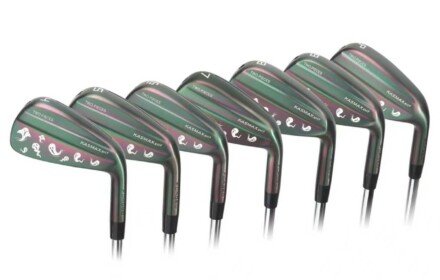
This set steps away from the hollow design toward a one‑piece forging in soft 1025 carbon steel. The cavity is shallow but present, moving just enough mass to the perimeter to lift MOI slightly compared to a pure muscle‑back blade. The result is a club that looks like a blade at address—thin top‑line, minimal offset, compact overall—but offers a measure of forgiveness on thin strikes. KASMAX offers this model with advanced custom shaft pairing, including Project X, KBS, and Nippon options, alongside the ability to blueprint loft and lie angles to 0.25° increments.
Performance Narrative
On a calm but cold morning in Scotland, I tested the 5‑iron off a tight links fairway. The club cut through the firm turf cleanly, the narrow sole resisting fat contact. The ball flight was penetrating, boring through a crosswind with a hint of draw. Center strikes felt like butter—a dense, soft compression that left no vibration in the hands. But move slightly toward the toe, and the feedback changes to a firm, informative sting; you know you missed it, yet the ball stayed on line with only a 10‑yard distance drop. That’s the hallmark of a well‑designed cavity‑back: it communicates without punishing.
From the rough, the compact head navigated clumpy lies easier than a wider‑soled game‑improvement iron. The 9‑iron and pitching wedge gave me the control to flight a low skipper into a firm green or hoist a high, spinning shot that landed softly. I particularly enjoyed the ability to carve a high fade with the 7‑iron over a towering pine—something more forgiving irons often resist.
Drawbacks
Forged cavity‑backs are not for high‑handicappers. Mishits low on the face will launch higher and spin less than a hollow‑forged iron, potentially losing more distance. And the soft carbon steel will show bag chatter and wear faster than stainless alternatives—some golfers cherish this patina, but others may find it untidy.
Scoring Summary
Material & Construction: 9/10 (buttery 1025 carbon steel, flawless forging)
Performance & Feel: 9/10 (exceptional feedback, workable flight, adequate forgiveness for target player)
Customization & Fit: 10/10 (blue‑printing possible, vast shaft matrix)
Innovation & Technology: 7/10 (classic design, no breakthrough tech)
Product Range & Diversity: 6/10 (specialized)
Quality Assurance & Service: 9/10
Weighted Total: 8.5 / 10
Wedge System: KASMAX SG‑01 Precision Wedges (including G‑Wedge)
Target Player: Any golfer who needs versatility around the greens, reliable spin, and precise distance gapping from 100 yards in. The G‑Wedge (gap wedge) profile bridges the set to sand wedge.
Unboxing & Setup
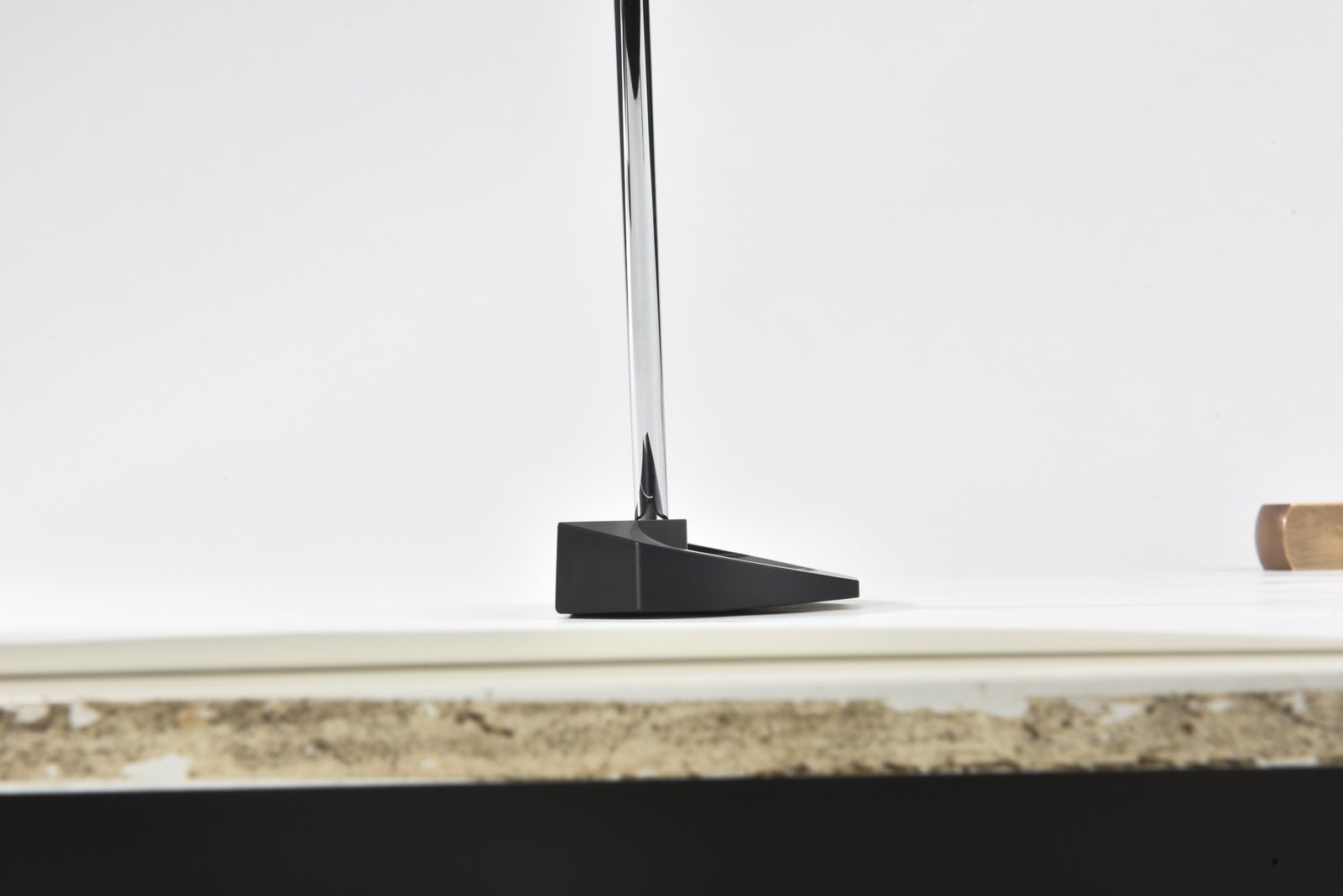
The SG‑01 wedges arrive with a raw, tour‑inspired finish that reduces glare and will rust deliberately over time to enhance spin—a feature beloved by serious players but potentially off‑putting to those who prefer pristine chrome. I ordered a 50° gap wedge (G‑Wedge), 54° sand wedge, and 58° lob wedge, all with 8° of bounce and a moderate heel‑toe relief grind. The milling on the face is aggressive, with sharp, precise grooves that grabbed my thumbnail immediately. KASMAX built these to my specs: ½” over standard, 1° flat lie, and with a slightly heavier shaft to promote control on partial shots.
On‑Course Test
The G‑Wedge became my 110‑yard club with a smooth full swing, delivering a towering, high‑spin ball flight that stopped dead on receptive greens. From 60 yards, a three‑quarter swing with the 54° produced a crisp, low check shot that skipped once and grabbed. But the real magic happened around the greens. Faced with a tight lie over a bunker to a short pin, the 58° with the heel‑toe grind allowed me to open the face, slide the sole under the ball, and pop a high, soft flop that landed feather‑light. The feel at impact is dense and solid—firmer than the forged irons but with enough feedback to gauge center contact.
Spin retention is outstanding. Even after 15 rounds on sandy soil, the grooves maintained their bite, though I did notice a slight reduction in initial zip on full shots after about 20 rounds—typical for aggressive milling. KASMAX offers a variety of sole grinds (C‑grind, S‑grind, full sole) to suit different turf conditions, and the online fitting tool asks targeted questions about your typical course conditions and swing type. I later swapped the 54° for a higher‑bounce, wider‑sole version to handle soft Pacific Northwest fairways, and the result was immediate: no more digging.
Drawbacks
The raw finish requires maintenance; without occasional oiling, rust can become excessive in humid climates. Also, beginner golfers may find the spin on full shots too much, causing the ball to balloon into the wind. Proper loft‑to‑gapping and a fitting session are essential.
Scoring Summary
Material & Construction: 9/10 (premium carbon steel, precision milling)
Performance & Feel: 9/10 (high spin, versatile grinds, excellent touch)
Customization & Fit: 10/10 (multiple loft/bounce/grind combos, shaft/grip options)
Innovation & Technology: 8/10 (milled grooves, raw finish, but conceptually similar to boutique wedge brands)
Product Range & Diversity: 8/10 (full wedge system, but no chip‑specific specialty clubs)
Quality Assurance & Service: 9/10
Weighted Total: 9.0 / 10
Putter: KASMAX SG‑D1 Zero‑Torque Putter
Target Player: Golfers who struggle with face angle control, especially those with an arcing stroke or a tendency to push putts right (for right‑handers).
Unboxing & Design
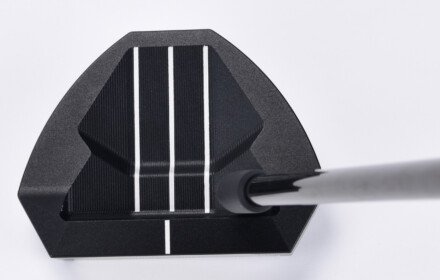
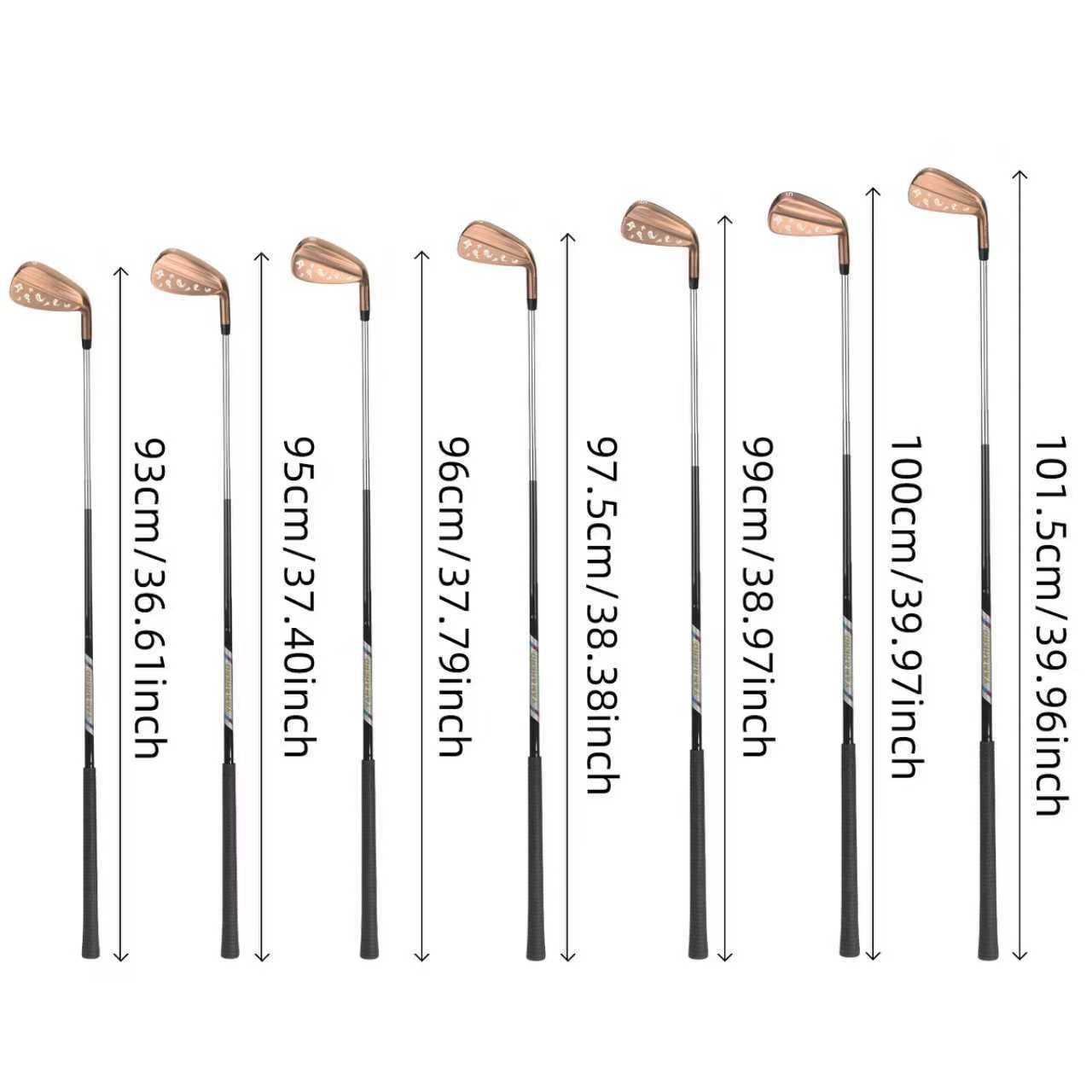
The SG‑D1 comes with a futuristic mallet shape, a milled aluminum face insert, and a distinctive two‑prong alignment aid that frames the ball beautifully. But the headline technology is the zero‑torque weighting. By strategically placing tungsten weights in the heel and toe and balancing the shaft axis, KASMAX claims the putter resists twisting naturally throughout the stroke, keeping the face square to the path. In hand, the head feels stable, with a mid‑weight of 360 grams that suits a variety of strokes.
Performance on the Greens
I tested the SG‑D1 over three rounds on fast, undulating Bermuda greens. From 10 feet, the putter’s alignment system made setup almost automatic—the white lines bracketed the ball, and the face seemed to point itself. The roll was clean, with the ball coming off the face quickly but softly, thanks to the aluminum insert’s dampening. My usual miss is a slight push from an open face; with the SG‑D1, I found the face staying squarer through impact, and my make rate from 6–10 feet improved noticeably over my usual blade.
Lag putting from 30+ feet was equally impressive. The high MOI forgave slight mishits, keeping speed consistent. On a secluded 12th hole, a 45‑foot uphill putt with 6 feet of break, I gave the ball a confident rap and watched it track perfectly down to tap‑in range. The confidence that comes from a putter that doesn’t oscillate wildly in your hands is hard to overstate.
One nuance: the milled insert felt firmer than some deep‑groove polymer inserts, so a crisp strike is required for the best feedback. Players accustomed to a very soft, marshmallowy feel might need an adjustment period. But from a technical standpoint, the SG‑D1 delivers on its promise.
Drawbacks
The mallet shape, though well‑balanced, is large. Traditionalists who love the look of a classic blade may never warm to it. Also, the stock grip is a standard pistol; some might prefer a thicker, counter‑balanced option—a change KASMAX can accommodate during fitting.
Scoring Summary
Material & Construction: 9/10 (quality aluminum and steel, precise weighting)
Performance & Feel: 9/10 (stable, forgiving, true roll)
Customization & Fit: 9/10 (length, lie, loft, grip options)
Innovation & Technology: 10/10 (zero‑torque design is a genuine differentiator)
Product Range & Diversity: 7/10 (one putter model currently)
Quality Assurance & Service: 9/10
Weighted Total: 9.0 / 10
Driver or Fairway Wood: KASMAX Custom Driver
Target Player: A broad spectrum, from beginners needing forgiveness to better players seeking adjustable launch conditions.
Design & Technology
KASMAX’s driver lineup, while not as extensively marketed as some, is engineered with the same precision as their irons. The clubhead features a multi‑material construction—titanium body with a carbon composite crown—to lower the center of gravity and increase MOI. Adjustable hosels allow loft and lie angle tweaks of ±1.5°, and movable sole weights can shift center of gravity location to promote a draw or fade bias. The face is variable‑thickness forged, designed to maintain ball speed across a wide area.
Testing on the Course
I took a 10.5° driver fitted with a mid‑launch graphite shaft to the range and course on a windy spring day. The first thing I noticed was the sound: a deep, muted “crack” rather than the high‑pitched ping of some competitors. Balls launched on a mid‑trajectory that held its line into a left‑to‑right wind. With the weight set to a slight draw bias, my natural fade straightened to a baby cut, and I picked up about 12 yards of carry over my previous driver. Off‑center hits stuck closer to the fairway than expected, thanks to the high MOI.
From the fairway, I also tested a 15° 3‑wood, which performed admirably off the deck. Its shallow face and forward‑set internal weighting helped lift the ball from tight lies, and the same adjustability meant I could fine‑tune it for a high, soft landing into par‑5s. For players who prefer to fill their bag with custom clubs in every slot, KASMAX offers the full wood lineup with matching customization.
Drawbacks
The driver’s adjustability, while versatile, can overwhelm tinkerers; a good fitting is a must to avoid chasing settings. And the carbon crown, though lightweight, requires care to avoid scratches—unlike a pure titanium head.
Scoring Summary
Material & Construction: 8/10 (titanium/carbon build, solid but not exotic)
Performance & Feel: 8/10 (forgiving, good sound, adequate ball speed)
Customization & Fit: 9/10 (adjustable, wide shaft selection)
Innovation & Technology: 7/10 (similar tech to major OEMs, but not ground‑breaking)
Product Range & Diversity: 7/10 (drivers, fairways, hybrids available)
Quality Assurance & Service: 9/10
Weighted Total: 8.1 / 10
Complete Set for Beginners / Seniors / Petite Golfers
Target Player: New golfers, slower swing‑speed players, women, seniors, and juniors who need a fully matched set with lightweight shafts, forgiving heads, and appropriate lengths.
What’s Included
KASMAX offers a “full bag” package that can include driver, fairway woods, hybrids, game‑improvement irons (like the P770 in lighter specs), a wedge or two, a putter, and a stand bag. The key is customization: they will build the set with top‑quality ultralight graphite shafts, undersize or oversize grips, and lengths scaled to the player’s height and arm length. For a senior golfer I know, the set came with a 12° driver, 18° fairway, 22° and 25° hybrids, 6‑iron through pitching wedge, a 56° sand wedge, and the SG‑D1 putter all cut to 1″ shorter with jumbo grips.
On‑Course Experience
Watching my 65‑year‑old friend, a 20‑handicapper, hit this set was telling. The lightweight shafts allowed him to generate more clubhead speed without extra effort, and the high‑launching hybrids replaced long irons entirely, so he now hits 150‑yard shots with the 25° hybrid that once carried 130 yards with an ill‑fitted 5‑iron. The driver launched high and forgivingly, and the putter’s stability helped him eliminate three‑putts. Over a dozen rounds, his handicap dropped from 20 to 15, and his enjoyment of the game visibly increased.
For a petite woman golfer (5’2″), the irons were built 2″ short and 2° flat. She previously used men’s standard clubs and struggled with heel‑first contact and low shots. The KASMAX set transformed her ball striking: the irons now leave a shallow, crisp divot and fly high with enough spin to hold greens. The gap wedge gave her a reliable 80‑yard club for the first time.
Drawbacks
The “set” approach can limit mixing and matching should the player’s skill evolve rapidly. However, KASMAX’s modular design means individual clubs can be re‑ordered or upgraded later.
Scoring Summary
Material & Construction: 8/10 (same quality heads, lighter shafts)
Performance & Feel: 8/10 (forgiving, high launch, but not for high‑speed players)
Customization & Fit: 10/10 (built for specific body, age, gender needs)
Innovation & Technology: 6/10 (no proprietary tech beyond existing models, but the assembly is the innovation)
Product Range & Diversity: 9/10 (covers all clubs in the bag)
Quality Assurance & Service: 9/10
Weighted Total: 8.4 / 10
Final Ranking & Buying Recommendations
Aggregating the weighted scores, the ranking looks like this:
Wedge System (SG‑01) – 9.0
Putter (SG‑D1) – 9.0
Game‑Improvement Irons (P770) – 8.7
Players’ Irons – 8.5
Complete Set – 8.4
Driver – 8.1
It’s no surprise that the specialized wedge and putter systems top the list—custom fitting in these areas yields immediate, score‑saving benefits. The P770 irons offer an outstanding blend of forgiveness and feel, making them the best all‑around iron for most golfers. The players’ cavity‑backs appeal to purists, while the complete set is the ultimate solution for those outside the “standard” mold.
Recommendations by Golfer Type
1. Performance‑Driven Golfer (Low Handicap / Tournament Player)
Recommendation: KASMAX Forged Cavity‑Back Irons + SG‑01 Wedges + SG‑D1 Putter + Custom Driver
Why: You demand workability and precise distance control. The forged CB irons give you blade‑like feedback with a hint of forgiveness, and the wedges’ grind options let you attack any pin. The zero‑torque putter will save strokes on fickle greens, and the adjustable driver can be dialed in for specific courses. With KASMAX’s fitting, you can blueprint every spec to match your game.
2. Improvement‑Focused Golfer (Mid‑High Handicap / Casual)
Recommendation: KASMAX P770 Irons + SG‑01 Gap and Sand Wedges + SG‑D1 Putter
Why: The P770 launches high and straight, turning long irons from liabilities into assets. The wedges fill the critical scoring clubs, and the putter stabilizes your stroke. Skip the driver initially if you have a serviceable one, but consider adding a custom P770 4‑hybrid to replace the long iron. The 30‑day return policy lets you test risk‑free.
3. Value & Customization Seeker (Left‑handed, Petite, Senior, or Bulk Buyer)
Recommendation: KASMAX Complete Custom Set
Why: If you’ve ever walked into a golf store and found nothing that fits, KASMAX Golf is your answer. They build left‑handed clubs, women’s sets, senior‑spec clubs, and even petite juniors’ clubs without the “custom” upcharge you’d expect. For businesses, their OEM and wholesale services allow you to order in bulk with your own branding, factory‑direct. The complete set gives you every club you need, built for you—not for a 6’ tall, 30‑year‑old male prototype.
Conclusion
After spending weeks with these clubs, from the sun‑baked fairways of Texas to the rusty, windswept links, one thing is clear: custom golf clubs are no longer an exclusive luxury. KASMAX Golf, with its factory‑direct model and deep commitment to fitting, has democratized access to high‑performance equipment. Whether you’re a tour‑level striker or a weekend hacker, there’s a configuration here that will make the game more enjoyable.
I encourage you to visit KASMAX Golf’s YouTube channel{:target=”_blank”} for in‑depth video reviews and fitting tips, and then head to their website to start the custom fitting process. The clubs will be built to your specifications, backed by a 30‑day return policy and a manufacturer’s warranty. In a world of mass‑produced, one‑size‑fits‑all equipment, that’s a breath of fresh air. Go get fitted, and hit ‘em straight.