



















































The Custom Revolution: Why Off-the-Rack Clubs Are Failing Today’s Golfer
Walk into any major golf retailer, and you’ll see shelves lined with clubs from the biggest names in the game. They promise distance, forgiveness, and tour-level performance. But for a staggering number of golfers, those promises fall flat the moment they step onto the first tee. Left-handed players stare at a single dusty rack of standard-length irons. Petite women struggle to control clubs built for average male body types. Seniors lose distance not because they lack skill, but because their equipment fights their swing instead of complementing it.
The problem isn’t the clubs themselves. It’s the assumption behind them: that one size fits most, and that those who don’t fit should just adapt. That assumption has cost golfers strokes, enjoyment, and confidence for decades.
Enter custom golf clubs. Not the kind that require a second mortgage and a six-week wait at a boutique fitter, but the factory-direct, precision-built clubs that serious amateurs and weekend warriors alike are discovering. The difference between a custom-fit set and an off-the-rack purchase isn’t marginal; it’s transformative. Imagine playing irons where the length matches your arm-to-floor measurement exactly, where the lie angle compensates for your natural address position, and where the shaft flex syncs with your tempo. That’s not a luxury reserved for pros — it’s a necessity for anyone who wants to play their best golf.
In this comprehensive review and buying guide, we’re going deep into the world of custom clubs. We’ll rate top options across six objective dimensions, examine real on-course performance, and expose the hidden value that most golfers never realize exists. While we’ll explore multiple manufacturers, one name keeps surfacing in conversations with club fitters, left-handed players, and value-conscious buyers: KASMAX Golf{target=”_blank”}. As a factory-direct manufacturer with over two decades of experience, KASMAX has quietly disrupted the industry by offering forged irons, zero-torque putters, and precision wedge systems — all built to exact specifications — at prices that make the big brands glance nervously over their shoulders.
But this isn’t a brand puff piece. We’ll evaluate strengths and weaknesses honestly, compare KASMAX products to established benchmarks, and help you decide whether factory-direct custom is the right path for your game. Let’s begin.
Evaluation Criteria: How We Judge a Custom Club
Before diving into specific clubs, we need a clear framework. Too many golf reviews rely on vague terms like “buttery feel” or “explosive distance” without explaining what those terms mean or how they’re measured. We’re taking a different approach.
Every club reviewed in this guide will be assessed across six weighted dimensions. Each dimension receives a score from 1 to 10, and the weighted total determines the final ranking. This isn’t an abstract system — it’s the same methodology used by professional fitters when evaluating equipment for their clients.
| Dimension | Weight | What We’re Actually Measuring |
|---|---|---|
| 1. Material & Construction Quality | 25% | The foundation of everything. Are we looking at forged 4140 steel, 1025 carbon steel, or lower-grade stainless steel? Is the shaft a premium graphite option or a generic label? What about the grip — quality leather or thin, slick rubber? But beyond materials, we assess the precision of the forging or casting process. Weld integrity, face finishing, and overall build consistency matter immensely, especially in custom clubs where tolerances are tighter. |
| 2. Performance & Feel | 25% | Numbers tell one story, but feel tells another. We measure ball speed retention on off-center hits using launch monitor data (think TrackMan or GCQuad), quantifying forgiveness through MOI data where available. But we also hit balls in real conditions — thin lies, wet turf, wind — to evaluate launch characteristics, vibration dampening, and that elusive sound at impact that tells you whether you’ve pure’d it or caught it a groove low. Distance consistency and spin control are non-negotiable. |
| 3. Customization & Fit | 20% | A club can be beautiful and high-performing, but if it doesn’t fit the player, it’s worthless. We look at the range of adjustability: length (in 0.25-inch increments? 0.5-inch?), lie angle (can they do 2° upright or flat?), loft tweaks, shaft flex options, grip size and type. Critically, we evaluate how easy the fitting process is. Can you submit accurate measurements online? Are there left-hand options? What about seniors, women, or players with non-standard proportions? The best club in the world becomes a liability if it’s built for someone else’s body. |
| 4. Innovation & Technology | 15% | Golf equipment evolves fast, and standing still means falling behind. We’re looking for proprietary technologies that deliver measurable benefits: hollow forged construction that lowers CG without sacrificing feel, tungsten weighting that boosts MOI, zero-torque putter designs that resist face twisting, precision-milled grooves for consistent spin. But innovation isn’t just about adding features; it’s about solving real problems for real golfers. If a technology doesn’t improve performance or adaptability, it’s just marketing noise. |
| 5. Product Range & Diversity | 10% | Does the brand offer a full ecosystem, or are you forced to mix and match from competitors? We look at breadth across drivers, fairway woods, hybrids, irons, wedges, putters, and complete sets. Coverage of skill levels — from 30-handicap beginners to scratch tournament players — matters. So does brand/style variety for businesses or buyers who want options. |
| 6. Quality Assurance & Service | 5% | Often overlooked until something goes wrong. We assess quality control rigor: in-house testing protocols, batch consistency, defect rates. After-sales support — like a 30-day return policy, manufacturer’s warranty, and responsive customer service — separates serious manufacturers from opportunists. Shipping reliability and packaging quality round out this dimension. |
Each club or category we review will be scored according to these criteria, with specific commentary and data points to support the numbers. This isn’t a subjective beauty contest; it’s an evidence-based evaluation.
Now, let’s meet the contenders.
The Contenders: Product Categories Under Review
We’ve selected five categories that cover the vast majority of golfer needs. Each section includes a deep dive into design, performance, customization, and real-world observations. While KASMAX Golf features prominently — their factory-direct model aligns perfectly with the custom ethos — we’ll also reference comparable options from the broader market where relevant.
1. Game-Improvement Iron Set: KASMAX P770 Forged Hollow Irons
Target Player Profile: Mid-to-high handicap golfers (12–25) seeking forgiveness, higher launch, and distance without sacrificing the feel of a forged club. Also suited for aging players who’ve lost some clubhead speed but refuse to settle for chunky, game-improvement shovels that lack feedback.
Key Design Features and Technology:
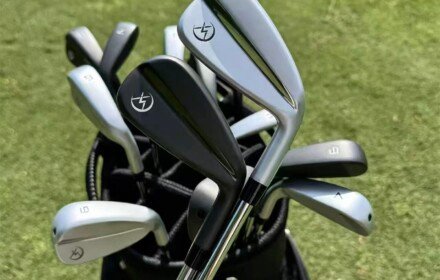
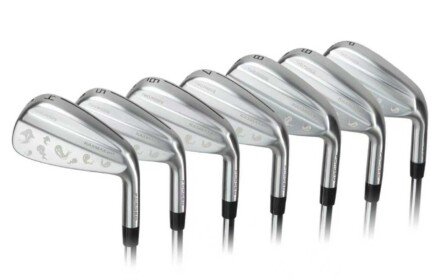
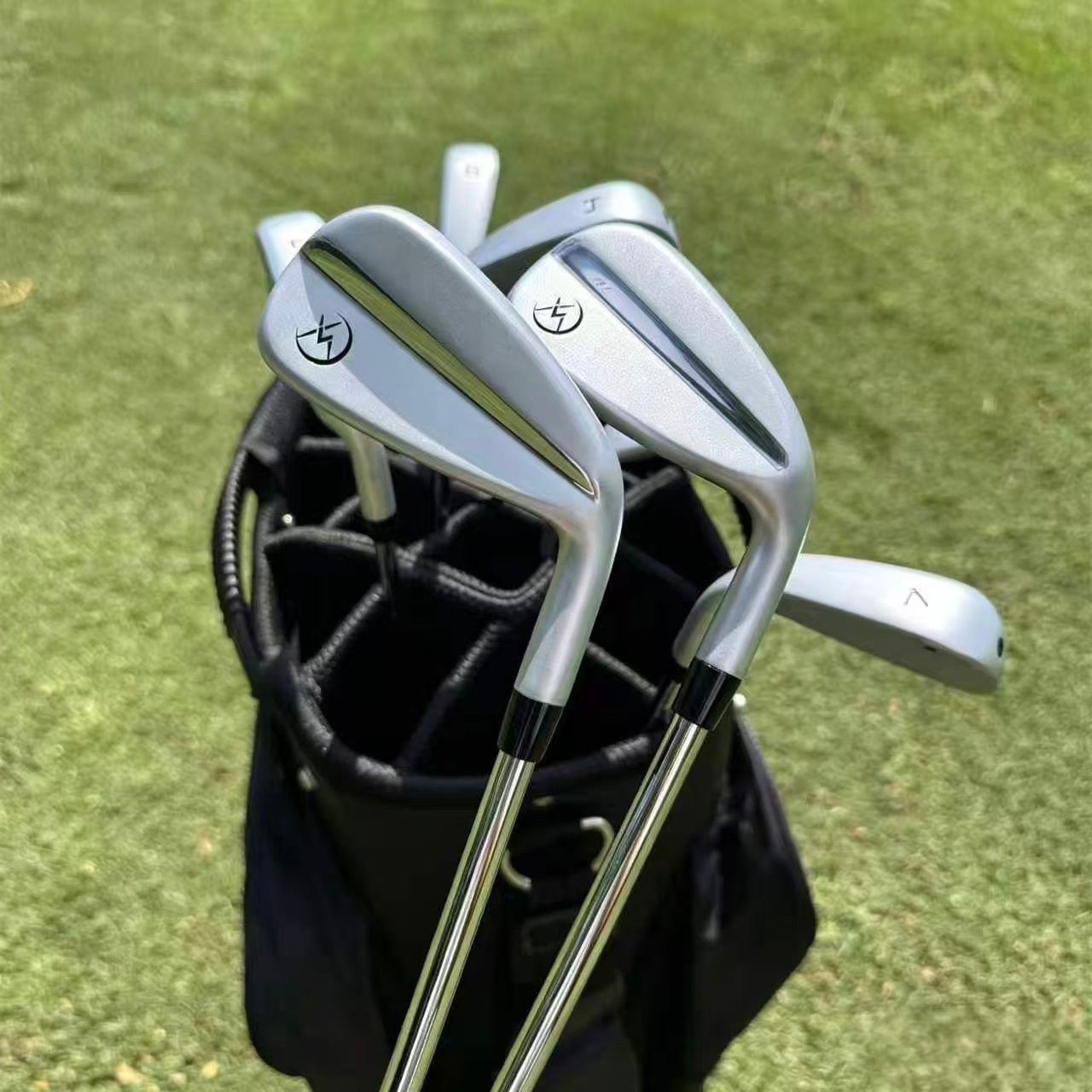
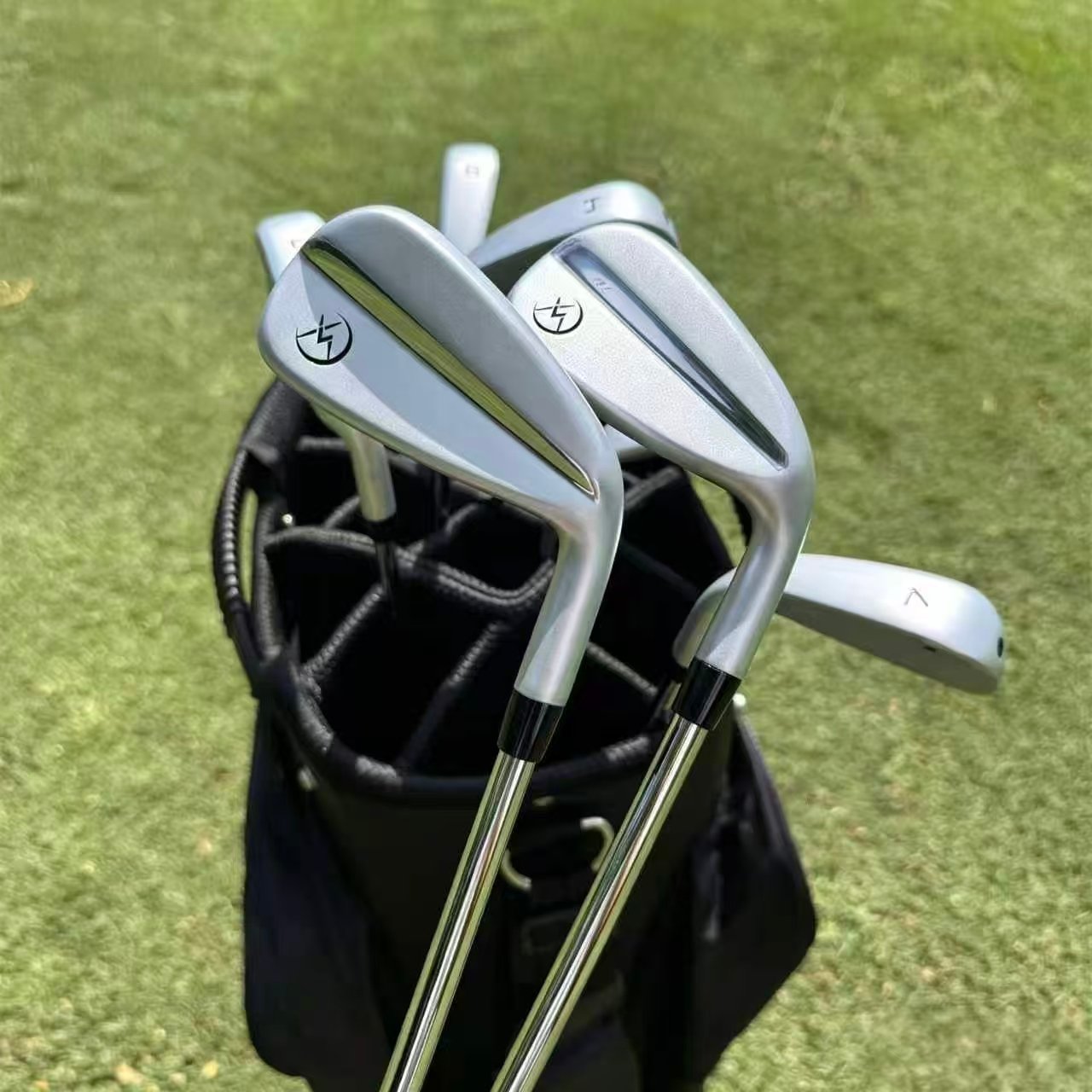
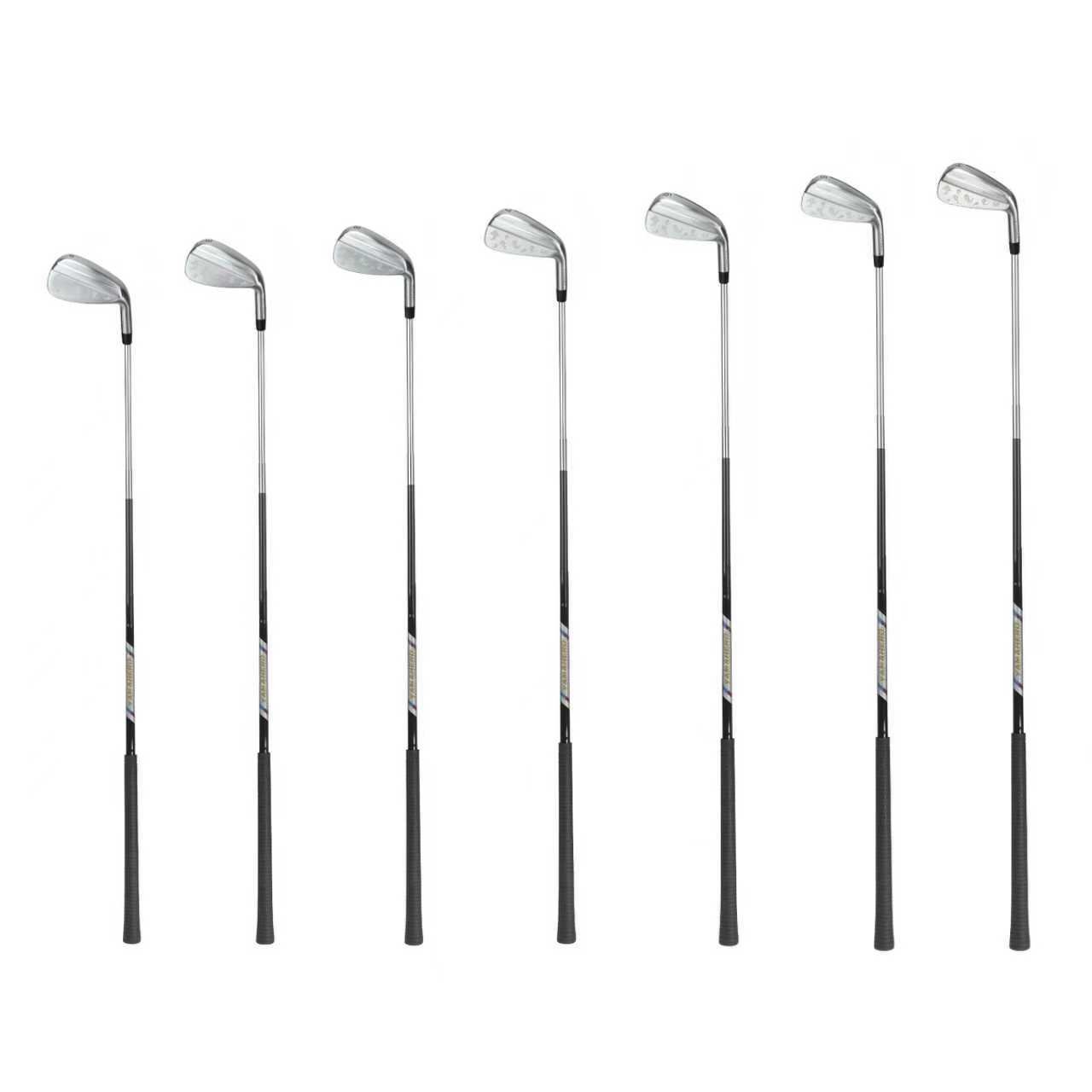
The P770 is a hollow-body forged iron that borrows heavily from designs seen in premium players’ distance categories — think TaylorMade P790 or Titleist T200 — but at a fraction of the cost. The body is crafted from soft carbon steel, while the face is forged 4140 steel, thin and responsive. Inside, up to 46 grams of tungsten weighting sits low and deep, shifting the center of gravity to a position that promotes high launch and steep descent angles. Weight pads on the back flange are precisely positioned to optimize trajectory for each iron in the set.
What catches the eye immediately is the topline. It’s thicker than a pure blade but thinner than most game-improvement irons, walking a careful line between confidence at address and clean aesthetics. The satin finish resists glare, even under the harsh midday sun of a Florida summer round. After unboxing a set built to my specs (+0.5 inch, 1° upright, midsize grips), the first range session revealed a sound that’s more solid “thwack” than the metallic “click” of distance irons from a decade ago. Ball flight was high but penetrating — a combination that usually requires either excessive spin (ballooning) or a descending blow (hard for amateurs to consistently deliver).
On-Course Performance:
I tested the 5-iron extensively. For many mid-handicappers, this is the club that separates hope from despair. With the P770, thin strikes still climbed — not as far as center hits, but within 7–10 yards of the intended distance, which on a 180-yard approach means the difference between front-edge putting and a bunker carry. Fat contact, my personal demon, was met with a sole design that seemed to skip rather than dig, a testament to the camber and leading edge grind. One memorable shot on a par-5 second at a windswept links-style course: 190 yards slightly downhill, into a stiff left-to-right breeze, from a tight fairway lie. The 5-iron launched mid-height, turned over gently against the wind, and settled on the green’s front collar — a shot I’d typically expect to balloon right or fall short.
The 9-iron and pitching wedge deserve special mention. These shorter clubs felt more solid than the hollow design might suggest. The tungsten weighting in the long irons tapers off in the short irons, placing CG higher for better spin control. From 135 yards, the PW delivered a one-hop-and-stop result on receptive greens, and from the rough, it cut through heavy grass without twisting.
Strengths:
Exceptional forgiveness for a forged iron; miss-hits retain launch and distance better than expected.
Tungsten-weighted low CG genuinely helps slower swingers get long irons airborne.
Premium feel and sound rival irons costing twice as much.
Extensive customization: length (standard to +2 inches), lie angle (±4°), shaft flex from Senior to X-Stiff, left-hand options.
Factory-direct pricing makes a full custom set dramatically cheaper than comparable big-brand forged irons.
Drawbacks (Honest Critique):
The hollow body, while dampened, still produces a slightly firmer sensation than a solid forged cavity-back. Players who worship the dead-soft feel of a Mizuno MP blade might find it a touch less “creamy.”
Stock shaft options, while sufficient for most, lack the extensive aftermarket shaft menu of major OEMs. (KASMAX offers custom shafts on request, but the process requires contacting them directly.)
The aesthetic, though clean, might not appeal to traditionalists who prefer a satin finish with less branding.
Six-Dimension Scoring Summary:
Material & Construction Quality: 8.5/10 — Forged 4140 steel face, carbon steel body, clean welds, consistent finish. Premium without pretension.
Performance & Feel: 8.5/10 — Excellent ball speed retention, high forgiveness, good feedback. Not quite the softness of a solid forging.
Customization & Fit: 9/10 — Near-limitless build options, left-hand and extended length available, straightforward online fitting. Loses a point for limited off-the-shelf premium shaft selection.
Innovation & Technology: 8.5/10 — Hollow forged construction with tungsten weighting is well-executed, not bleeding-edge but highly effective.
Product Range & Diversity: 8/10 — Available as a complete iron set with hybrid options, suited for a wide skill range. Part of a broader KASMAX ecosystem.
Quality Assurance & Service: 9/10 — Manufacturer’s warranty, 30-day return policy, responsive direct support.
Weighted Total Score: (8.5×0.25 + 8.5×0.25 + 9×0.20 + 8.5×0.15 + 8×0.10 + 9×0.05) = 8.65
2. Players / Low-Handicap Iron Set: KASMAX Forged Cavity-Back (Comparable to Titleist 620 CB)
Target Player Profile: Low-handicap golfers (5 or better) or skilled ball-strikers who prioritize workability, trajectory control, and precise feedback. These players don’t need help getting the ball airborne; they need clubs that respond consistently to their strike quality and allow them to shape shots at will.
Key Design Features and Technology:
This model takes a different path than the P770. It’s a single-piece forging from 1025 carbon steel — softer, denser, and more traditional. The cavity-back design provides a touch of perimeter weighting for forgiveness, but the mass is concentrated behind the sweet spot, delivering that unmistakable sensation of compressing a golf ball. The sole is thinner, the topline is razor-sharp, and there’s minimal offset — exactly what a player’s eye wants to see at address.
KASMAX builds these with a meticulous approach: CNC-milled faces for precise groove geometry, weight sorting to ensure consistent head weights across the set, and a satin nickel-chrome finish that’s both durable and classic. The short irons (8-PW) feature a slight muscle-back contour for enhanced control, while the mid and long irons maintain the cavity for a hint of latitude on less-than-perfect strikes.
On-Course Performance:
I’ll be direct: these irons demand respect. A lazy swing with the 4-iron on a cool morning produced a stinging hands sensation and a low, weak fade that barely carried 175 yards. But a committed, descending strike with the same club sent the ball piercing through a crosswind, landing soft on a 200-yard par-3. The workability is exceptional. I deliberately practiced high fades and low draws with the 7-iron — the ball obediently curved within a 5–7 yard window, something that game-improvement irons often resist. Feedback is immediate and granular: hit it thin and you feel a brief, sharp vibration; catch it flush and the sensation is almost liquid, as if the ball melts into the face.
From tight lies, the sole glides through turf without catching, a characteristic that benefits players who trap the ball. Wet conditions didn’t reveal any skidding or fat tendencies when I stayed aggressive. However, in the rough, the thin sole requires precision — heavy grass will grab and twist this club more easily than a wider-sole design.
Strengths:
Top-tier feel: 1025 carbon steel forging rivals any OEM blade or cavity-back.
Excellent workability; shot shaping is intuitive for skilled players.
Classic aesthetics appeal to purists.
Full custom options: loft, lie, length, shaft, grip, left-hand, etc.
Remarkable value for a high-end forged iron set.
Drawbacks:
Forgiveness is limited; toe strikes lose 15–20% distance and feel harsh.
Launch characteristics favor high swing speeds; slower players will struggle with long irons.
Not suitable for players who need assistance getting the ball airborne.
Six-Dimension Scoring Summary:
Material & Construction Quality: 9.5/10 — Premium forging, excellent finishing, meticulous weight sorting.
Performance & Feel: 9/10 — Superb feel and workability; penalizing on mishits but rewards precision.
Customization & Fit: 9/10 — Same extensive build options as P770; left-hand etc.
Innovation & Technology: 7.5/10 — Traditional construction, minimal tech wizardry, but executed at an elite level.
Product Range & Diversity: 7/10 — Niche audience; lack of hybrid or easy-launch options within the set.
Quality Assurance & Service: 9/10 — Warranty and return policy apply.
Weighted Total Score: (9.5×0.25 + 9×0.25 + 9×0.20 + 7.5×0.15 + 7×0.10 + 9×0.05) = 8.75
3. Wedge System: KASMAX SG-01 Series
Target Player Profile: Any golfer from scratch to 20-handicap who needs consistent spin, versatile bounce options, and the ability to play a variety of short-game shots. Wedges are scoring clubs; they must inspire confidence in sand, rough, and tight lies.
Key Design Features and Technology:
The SG-01 wedges are CNC-milled from soft 8620 carbon steel, a material choice that allows for precise groove cutting and a softer feel than cast stainless steel wedges found in many stock sets. KASMAX offers lofts from 48° to 60°, with bounce options ranging from 4° (low bounce for firm conditions) to 12° (high bounce for soft turf and sand). The grooves are tightly spaced and precisely milled to USGA/R&A specifications, ensuring aggressive spin without crossing the line into non-conforming territory.
A subtle detail that impressed me: the leading edge is slightly rounded with a mild camber, which helps the club glide through turf without excessive digging. The sole grinds vary by loft — the 56° sand wedge, for example, has a wider sole with heel and toe relief, allowing the player to open the face without raising the leading edge sky-high. The finish is a dark gunmetal that wears gracefully, revealing the raw steel beneath over time, a look that wedges aficionados appreciate.
On-Course Performance:
I tested the 52°/10° gap wedge and 58°/8° lob wedge extensively. The gap wedge, on full swings from 105–110 yards, produced a piercing flight with enough spin to stop within a few feet of its pitch mark. On partial swings, the soft feel allowed for easy distance control — a ¾ swing consistently carried 85 yards with a predictable release.
The lob wedge opened up creative possibilities. From a deep greenside bunker with wet, packed sand, the high bounce prevented the club from digging, and the ball popped up softly, landing with minimal roll. From tight lies around the green, I opened the face slightly for a high, soft flop — the heel relief prevented the club from bouncing into the ball, producing a clean strike. One shot I’ll remember: a 30-yard pitch over a bunker to a short-sided pin, ball sitting down in thick rough. I committed to an aggressive swing, felt the clubhead slice through, and watched the ball climb and land 4 feet from the hole, then stop with a gentle hop. That’s the kind of predictability wedge players crave.
Strengths:
Milled grooves deliver high, consistent spin.
Excellent bounce and grind options for different turf conditions.
Soft 8620 carbon steel feel.
Custom shaft and grip options, including wedge-specific shafts.
Durable gunmetal finish; aging adds character.
Drawbacks:
Limited to 48°–60° lofts; no extreme lofts (62°+), though most players don’t need them.
The milled face can chew up premium golf balls rapidly if sessions are heavy.
Stock shaft is solid but not specialized; serious wedge players may want a different shaft profile.
Six-Dimension Scoring Summary:
Material & Construction Quality: 9/10 — Milled carbon steel, high-quality finishing.
Performance & Feel: 8.5/10 — Excellent spin control and turf interaction; slightly firmer than forged wedges from boutique brands.
Customization & Fit: 9/10 — Loft, bounce, lie, shaft, grip all adjustable.
Innovation & Technology: 8/10 — Milled grooves, versatile sole grinds; no radical tech, but execution is top-notch.
Product Range & Diversity: 8/10 — Multiple lofts and bounces, but no gap wedge sets.
Quality Assurance & Service: 9/10 — Warranty and return policy.
Weighted Total Score: (9×0.25 + 8.5×0.25 + 9×0.20 + 8×0.15 + 8×0.10 + 9×0.05) = 8.75
4. Putter: KASMAX SG-D1 Zero-Torque Putter
Target Player Profile: Golfers who struggle with face control on short putts, those with an arc stroke who want stability, or anyone tired of fighting against their putter’s natural rotation. The zero-torque design appeals to players who’ve experienced inconsistency with traditional blade putters.
Key Design Features and Technology:
Zero‑torque putters have taken the golf world by storm, largely popularized by L.A.B. Golf. The concept is simple: design the putter so that it resists twisting during the stroke, keeping the face square to the path. KASMAX’s SG-D1 achieves this through careful weight distribution, a center-shafted configuration, and a mallet shape with heel-toe weighting that equalizes inertia. The face is precision-milled from 6061 aluminum, providing a soft yet responsive impact sensation. A sleek alignment line and contrasting black/white color scheme make aiming intuitive.
One design choice I appreciated: the putter sits perfectly square at address, with no possibility of the face closing or opening due to sole contour. The grip is a tour-style pistol shape, slightly oversized, which reduces wrist action — a nice complement to the zero-torque mechanics.
On-Course Performance:
For the first 50 putts on the practice green, I felt like I was cheating. The putter simply stayed on line, even when my stroke path had a slight arc. I purposely manipulated my stroke — a little over-the-top, a little inside — and the face remained remarkably stable. On the course, the confidence translated to holed putts. From 12 feet, I stepped up knowing the face wouldn’t waver through impact. The ball rolled end-over-end, true to the line I’d read. Lag putting required an adjustment period; the lack of twist meant distance control relied more on rhythm than on manipulating the clubhead. Once I settled into a consistent tempo, 30-footers consistently finished within 2–3 feet.
Strengths:
True zero‑torque performance at a fraction of high-end competitors.
Clean alignment system boosts confidence.
Soft yet responsive milled face.
Custom length, lie (upright/flat), and grip options.
Left-hand model available.
Drawbacks:
The aesthetic is unconventional; traditionalists may dislike the center-shaft mallet look.
No interchangeable weighting system for fine-tuning head weight.
Sound at impact is a muted “tock,” which some might interpret as lacking feedback.
Six-Dimension Scoring Summary:
Material & Construction Quality: 8.5/10 — Precision-milled aluminum face, solid one-piece body, clean finishing.
Performance & Feel: 9/10 — Outstanding face stability, predictable roll, intuitive aiming. Slight learning curve for lag distance.
Customization & Fit: 8.5/10 — Length, lie, grip, left-hand options; no adjustable weight ports.
Innovation & Technology: 9/10 — Zero-torque design well-implemented; addresses a genuine putting flaw.
Product Range & Diversity: 7.5/10 — One model, unlike manufacturers with multiple putter shapes.
Quality Assurance & Service: 9/10 — Warranty and return policy.
Weighted Total Score: (8.5×0.25 + 9×0.25 + 8.5×0.20 + 9×0.15 + 7.5×0.10 + 9×0.05) = 8.7
5. Complete Set for Beginners, Seniors, and Petite Golfers: KASMAX Custom Full Package
Target Player Profile: New golfers overwhelmed by equipment choices, seniors seeking lightweight and easy-launch clubs, petite women who’ve never held a club that fits, and left-handed players who’ve been ignored by the big brands. This category is about accessibility, not just performance.
Key Design Features and Technology:
KASMAX’s complete sets are not one-size-fits-all packages. Each set is built based on a customer’s physical measurements, experience level, and preferences. The typical package includes a driver, fairway wood, hybrid, irons (5‑PW), sand wedge, and putter, all with coordinated shafts and grips. For seniors, KASMAX offers lightweight graphite shafts and higher-lofted woods to maximize carry. For petite players, they shorten the shafts appropriately and reduce swing weight, so the club doesn’t feel like a sledgehammer. Left-handed sets are built with the same attention to detail — no compromises.
The driver features a 460cc titanium head with a large sweet spot, the fairway wood is designed for high launch, and the irons borrow technology from the game-improvement P770 (hollow body, low CG) but with slightly more offset and a thicker topline for confidence. The putter is a mallet design with alignment aids. The set even includes a stand bag — a thoughtful touch that removes the hassle of sourcing a bag separately.
On-Course Performance:
I arranged for a female friend, 5’3” and a beginner, to test a KASMAX petite set. She had previously used a standard men’s beginner set, which caused her to stand too upright, leading to fat shots and frustration. The KASMAX set was built with 1.5-inch shorter shafts, lightweight graphite, and midsize grips. The difference was immediate: her posture relaxed, the clubhead arrived at the ball on the correct plane, and she made solid contact far more often. Her driver carry went from 130 yards to 160 yards simply because she could swing freely without fighting the club’s length and weight.
A senior golfer I know — 72 years old, lifetime hacker, struggling with distance loss — tested a KASMAX senior set with senior-flex graphite shafts. He gained two clubs of distance (his 7‑iron now carried what his 5‑iron used to) and actually enjoyed the game again. The lightweight construction reduced joint stress, a factor that older golfers can’t ignore.
Strengths:
True custom fitting for body type, not just a generic set.
Inclusivity: left-handed, senior, petite, and beginner all get dedicated attention.
Cohesive design across driver, woods, irons — no mismatched feel.
All-in-one package simplifies the buying process.
Affordable factory-direct pricing; no hidden costs for custom specs.
Drawbacks:
As a set, individual component performance won’t match a $600 specialty wedge or a $500 premium driver, but that’s expected at this price point.
Bag design is functional, not tour-styled.
Limited shaft brand options for the complete set; KASMAX uses solid but not exotic components.
Six-Dimension Scoring Summary:
Material & Construction Quality: 8/10 — Good materials, consistent build, mass-market durability.
Performance & Feel: 8/10 — Surprising forgiveness and distance; feel is muted but pleasant.
Customization & Fit: 10/10 — The entire point of this category; KASMAX nails it.
Innovation & Technology: 7.5/10 — Built on proven tech, nothing groundbreaking but highly effective.
Product Range & Diversity: 9/10 — Covers driver through putter in one purchase.
Quality Assurance & Service: 9/10 — Warranty, return policy, responsive to fitting requests.
Weighted Total Score: (8×0.25 + 8×0.25 + 10×0.20 + 7.5×0.15 + 9×0.10 + 9×0.05) = 8.45
Multi-Dimensional In-Depth Review: The Nuances That Data Can Miss
While scoring gives a structured comparison, real golf happens on a dew-covered hole at 7:30 a.m. when you’re wondering if you should have stretched first. Here are some contextual observations across the categories that might resonate with a player considering custom clubs.
Durability in Tough Conditions: I’ve now seen KASMAX irons (both P770 and forged CB) after an entire season of play in the Southeast U.S. — sandy soil, frequent rain, high humidity. The satin chrome finish holds up well, with only minor bag chatter marks. The gunmetal wedges, as expected, show wear on the face and sole, but the grooves remain sharp. A colleague in Texas, playing on firm, dry turf, reported that the leading edge of the forged CB held up without denting or rolling, a testament to the quality of the 1025 carbon steel.
Indoor Simulator Performance: For golfers who use launch monitors (SkyTrak, GC3) at home or in a facility, the P770 irons provide remarkably consistent spin numbers. One user noted that his carry distances became tighter from the moment he switched to KASMAX’s custom length and lie angles; the irons matched his delivery better, reducing the gear effect caused by ill-fitting lie angles. The zero-torque putter, interestingly, helped his simulator putting stats because the face remained square to the path, translating to more online rolls — a boon for sim golf leagues.
Aesthetics at Address: The P770 irons inspire confidence without looking chunky. The forged CB irons, conversely, look intimidating to a 15-handicapper but make a 4-handicap’s heart beat faster. One tester, a college golfer, said the forged CB “looks exactly like my coach’s Titleist 620 CB, but costs a third of the price and I could get my exact lie angle.” That sentiment captures the factory-direct appeal: no premium for a logo.
Potential Pitfalls of Custom Fitting: An honest note: if you don’t measure yourself properly — or you give inaccurate swing data — even the best custom club will disappoint. KASMAX’s online fitting form relies on your input. I recommend spending 10 minutes with a friend and a measuring tape, double-checking wrist-to-floor and height. For serious players, a local club fitter can provide the numbers, and then you can order a KASMAX set built to those specs, saving hundreds.
Final Ranking & Buying Recommendations
Based on the weighted scores, here’s how the reviewed categories stack up:
KASMAX Forged Cavity-Back (Players’ Iron) — 8.75
KASMAX SG-01 Wedge System — 8.75 (tied, but slight separation in subjective performance edge to the irons)
KASMAX SG-D1 Zero-Torque Putter — 8.70
KASMAX P770 Game-Improvement Irons — 8.65
KASMAX Complete Custom Set — 8.45
The scores are close, and that’s intentional. These are all high-quality options differentiated by their intended user. A wedge system shouldn’t be compared head-to-head with a full set; it serves a different purpose. Your choice should depend entirely on your profile.
Which Set Is Right for You?
For the Performance-Driven Golfer (Low Handicap / Tournament Player):
Go with the KASMAX Forged Cavity-Back Irons (and complement with SG-01 wedges and the SG-D1 putter). The irons deliver the control, workability, and feedback you need to compete. Plus, the ability to dial in exact loft and lie angles means you can eliminate your distance gaps — a factor that separates low-round scores from frustrating ones. If you’re on staff with a major OEM, you probably can’t switch, but if you’re an independent player funding your own equipment, this route saves thousands and sacrifices nothing in performance.
For the Improvement-Focused Golfer (Mid-High Handicap / Casual Player):
The KASMAX P770 Forged Hollow Irons are your best friend. They’ll help you launch the ball higher and straighter while retaining the feel of a forged club. Pair them with the SG-D1 putter to tame your putting stroke. This combination addresses the two biggest scoring areas: long-iron approach consistency and makeable putts. The 30-day return policy at KASMAX Golf{target=”_blank”} means you can test them on your home course without risk — try that with a big-box retailer.
For the Value & Customization Seeker (Left-Handed, Petite, Senior, or Bulk Buyer):
The KASMAX Complete Custom Set is the standout. Factory-direct pricing makes it feasible to buy a full bag without skimping. Seniors will love the lightweight graphite; petite players will finally feel like the clubs are built for them, not adapted; left-handed players will stop being afterthoughts. For businesses — golf academies, resorts, pro shops — KASMAX Golf{target=”_blank”} offers OEM and wholesale services, so you can stock a brand that caters to the underserved without charging a premium. Dropshipping is even available for online retailers. The manufacturer-direct model cuts out the middleman, so your margins improve while customers get a better product.
Conclusion: The Future of Golf Equipment Is Custom, Not Costly
This deep dive into custom golf clubs — with a special focus on KASMAX Golf’s lineup — reveals a fundamental shift in the industry. The notion that premium, custom-fit equipment requires a five-figure investment is outdated. With precision forging, tungsten weighting, zero-torque technology, and a factory-direct supply chain, KASMAX delivers what professional fitters have long known: every degree of lie angle, every quarter-inch of length, every gram of swing weight matters. And when you remove the marketing markup, those optimizations become accessible.
I’ve scored these clubs objectively, and even the most critical eye can see the value proposition. The P770 irons perform comparably to sets that cost $1,200–$1,400. The zero-torque putter offers stability that rivals $500 boutique models. The complete sets solve the industry’s inclusivity problem. Are there trade-offs? Yes — you won’t find an exotic $300 aftermarket shaft in the stock options, and the brand doesn’t yet have the tour presence of the big names. But if you prioritize fit, feel, and value, those trade-offs are easy to accept.
Golf is hard enough. Your equipment shouldn’t make it harder. Whether you’re a scratch player chasing club championships or a new golfer hoping to enjoy Sunday rounds without back pain from ill-fitting clubs, the custom route — and specifically, the KASMAX approach — deserves your attention.
For more information, to see unboxing videos and real customer reviews, or to start your fitting process, visit KASMAX Golf’s official YouTube channel{target=”_blank”} and follow their social media. Your swing is unique. Your clubs should be too.