



















































A Comprehensive Review and Buying Guide for Custom Golf Clubs
Introduction: Reclaiming Your Game Through True Customization
For decades, the world of high‑performance golf equipment has been dominated by a handful of household names. Their glossy advertisements, tour‑player endorsements, and floor‑to‑ceiling retail displays have convinced countless golfers that excellence can only be found off the rack. Yet, for the vast majority of players—whether a 15‑handicap athlete struggling with inconsistent long irons or a petite woman settling for junior clubs—the off‑the‑shelf model is a compromise, not a solution. The reality is that paying a premium for a logo rarely translates into a lower score. True performance gains come from equipment that is meticulously fit to your body, your swing, and your game.
This is where the landscape shifts dramatically, and the value of a specialized, manufacturer‑direct brand becomes undeniable. This comprehensive guide dives deep into the world of custom golf clubs, evaluating a range of products through a rigorous, multi‑dimensional scoring system. Our analysis is anchored by an in‑depth look at KASMAX Golf (open in new window), a manufacturer that has spent over two decades quietly building a reputation for precision, innovation, and accessibility. We will move beyond marketing fluff to provide an objective, experience‑driven assessment of what truly makes a set of clubs high‑performing and worthy of your investment.
Evaluation Criteria
Before dissecting the hardware, it is essential to establish the framework for our analysis. A golf club is not just a piece of steel and graphite; it is a precision instrument where material science, physics, and personal biomechanics converge. Our evaluations are grounded in six core dimensions, each weighted according to its importance for the serious amateur, aspiring competitor, or dedicated casual golfer. This systematic approach provides transparency, ensuring our recommendations are based on verifiable performance attributes rather than brand affinity.
| Dimension | Weight | Evaluation Criteria |
|---|---|---|
| 1. Material & Construction Quality | 25% | The foundation of any great club. We scrutinize the provenance and integrity of the clubhead material (e.g., forged 4140 steel, 1025 carbon steel, multi‑material composites), shaft authenticity and quality (premium steel vs. generic graphite), and grip substance (genuine leather, high‑rebound rubber). The precision of forging, casting, weld seams, and overall finishing reveal a manufacturer’s commitment to durability and performance. |
| 2. Performance & Feel | 25% | Raw data meets sensory feedback. We assess ball speed retention on off‑center hits, forgiveness expressed as Moment of Inertia (MOI), distance dispersion across the face, launch and spin characteristics, vibration damping at impact, and the crucial acoustic signature. A club that feels “dead” or punishing on a slight mishit will erode confidence over 18 holes. |
| 3. Customization & Fit | 20% | The litmus test of a custom builder. This dimension evaluates the spectrum of no‑cost and low‑cost adjustments: length, lie, loft, shaft flex, grip size, and swing weight. Crucially, it accounts for underserved demographics: left‑handed availability, senior‑flex and lightweight options, petite and over‑length builds, and the accuracy of the online fitting process in translating a player’s inputs to a finished build. |
| 4. Innovation & Technology | 15% | How does the manufacturer solve classic ball‑flight problems? We look for proprietary, performance‑enhancing design elements such as hollow‑forged construction for face flex, zero‑torque putter balancing to resist twisting, precision‑milled wedge grooves for consistent spin, and tungsten weighting to optimize the center of gravity. This dimension rewards engineering that demonstrably improves playability. |
| 5. Product Range & Diversity | 10% | A one‑trick‑pony workshop cannot serve a diverse playing population. A high score here requires a logical family of clubs that covers the entire bag, from driver through wedges and putter, with clear pathways for different skill levels—from game‑improvement to player’s cavities—without forcing unnatural gaps in the set. |
| 6. Quality Assurance & Service | 5% | The promise behind the product. This encompasses in‑house testing rigor, batch‑to‑batch consistency, transparent return policies (such as a 30‑day guarantee), warranty protection, and the responsiveness of customer support. A manufacturer that doesn’t confidently stand behind its work is worth avoiding, regardless of the club’s specs. |
Each product category or representative model reviewed in the following sections will be evaluated across these dimensions, receiving a descriptive commentary and an individual score. A weighted total score will then determine our final buying recommendations.
Product Categories Under Review
To provide a holistic view of a custom set, we’ve selected six representative product categories, modeled closely on the engineering philosophy found in a comprehensive factory‑direct lineup. While we reference specific model names for clarity, the evaluation is focused on the design archetype and its execution.
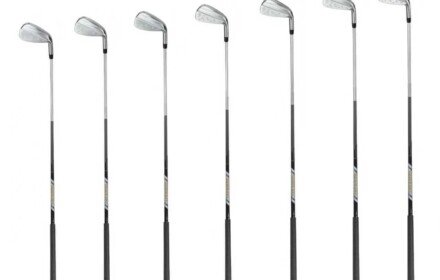
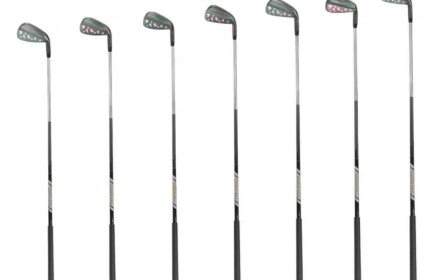
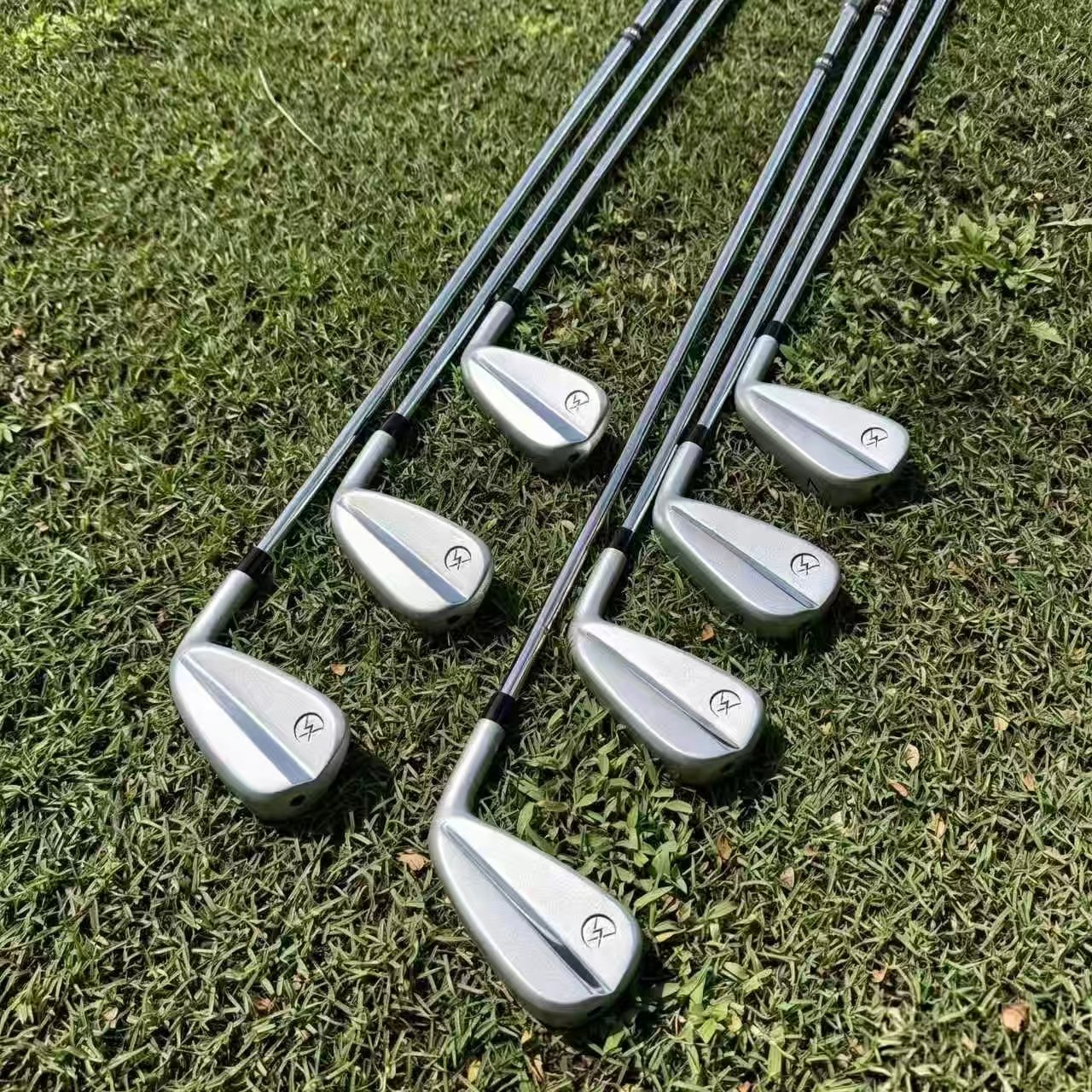
Game‑Improvement Iron Set (e.g., KASMAX Yamahero S550 / P770‑style hollow forged)
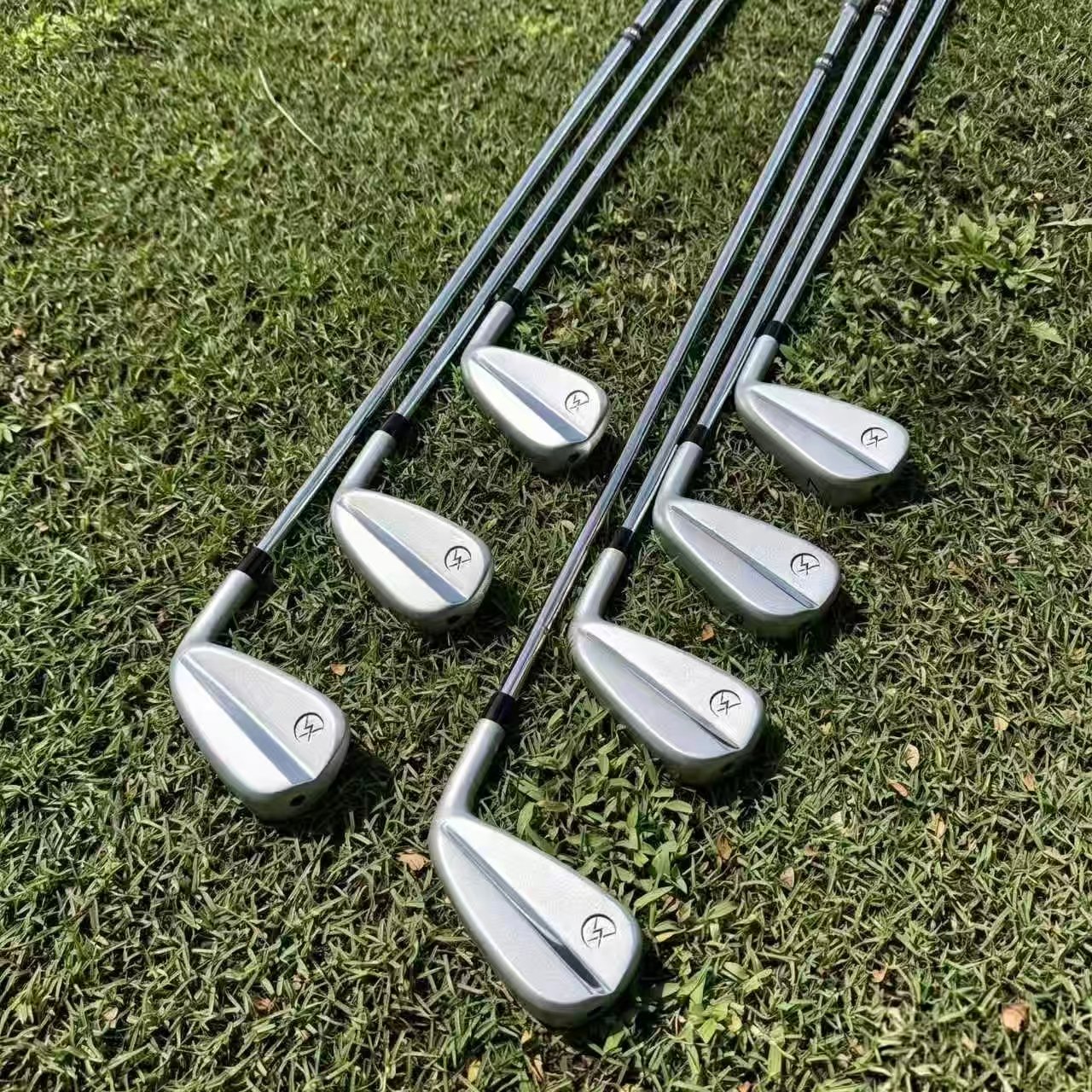
Players / Low‑Handicap Iron Set (e.g., KASMAX Forged Cavity‑Back)
Wedge System (e.g., KASMAX SG‑01 series)
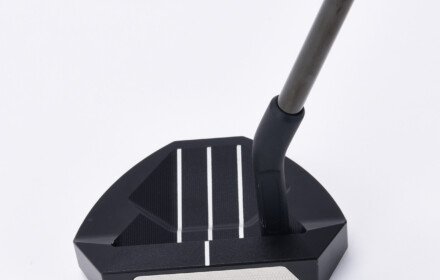
Putter (e.g., KASMAX SG‑D1 zero‑torque / TG021 precision)
Custom Driver & Fairway Wood Options
Complete Set for Beginners / Seniors / Petite Golfers
Multi‑Dimensional In‑Depth Review
Game‑Improvement Iron Set: KASMAX Hollow Forged Irons (P770 / Yamahero S550 Archetype)
Target Player Profile:
The mid‑to‑high‑handicap golfer (12–24) who needs distance help, a high, straight ball flight, and truly forgiving mis‑hits, but who refuses to compromise on the look and feel of a traditional player’s iron. Also ideal for older players losing swing speed or anyone transitioning from bulky game‑improvement shovels into something more refined without sacrificing help.
Key Design Features and Technology:
These irons are built around a hollow forged construction—a hallmark of modern performance engineering. A thin, high‑strength 4140 forged steel face is plasma‑welded onto a soft 1025 carbon steel body. The hollow interior allows engineers to position a substantial tungsten weight (up to 46 grams) low and deep in the long irons, driving the center of gravity down and back. This creates a perfect storm of high launch, low spin, and face flexibility. The SpeedFoam or an equivalent injected polymer inside the head supports the thin face while dampening harsh vibrations, leading to an extremely solid, forged‑like feel. The progressive set design sees a seamless transition from high‑launch long irons to more controlled, compact short irons.
User Experience Narrative:
Unboxing a set of these irons is a study in restrained precision. The satin finish is deep and evenly applied, with no tooling marks at the junction of the face and body. At address, the top line is surprisingly thin for a club promising this much distance—a feature that immediately inspires confidence for a player used to chunky offset. The first range session was revelatory. With a 5‑iron struck slightly towards the toe—a common mis‑hit—the ball still launched on a towering trajectory, carrying only 5–7 yards short of a center‑struck shot. The sound is a muted, powerful “crack,” not a high‑pitched “clink,” thanks to the internal damping. On the course, during a humid summer afternoon in the Carolinas, the turf interaction was clean; the sole slid through damp Bermuda grass without digging and exited quickly. However, in very dry, firm conditions, a player with a steep angle of attack might find the slightly wider sole catching a hair before the ball. This is a constructive trade‑off for the forgiveness it provides.
Objective Strengths:
Class‑leading ball speed retention across the face, effectively shrinking the dispersion circle.
The aesthetic bridges the gap between a player’s club and a game‑improvement iron.
Tungsten weighting delivers a high, stable flight that holds greens well.
Potential Drawback:
The powerful, high‑flight bias, while a strength for most, can be difficult to flight down in strong, gusty coastal winds.
The hollow‑body feel, while solid, still differs slightly from a one‑piece forged blade; a pure traditionalist will notice a nuanced difference.
Scoring Summary:
Material & Construction: 9.1 (Precision forging, premium multi‑material assembly, flawless finishing.)
Performance & Feel: 9.3 (Elite forgiveness and distance; slightly tricky in extreme wind.)
Customization & Fit: 9.0 (Extensive shaft/grip options; left‑hand and senior specs readily available.)
Innovation & Technology: 9.2 (Integrated tungsten, dampening polymer, and a beautifully thin forged face.)
Product Range & Diversity: 8.5 (Excellent iron set; needs matching hybrids for the full seamless experience.)
Quality Assurance & Service: 9.0 (Manufacturer‑direct 30‑day return, robust warranty.)
Weighted Total Score: 9.1 / 10
Players / Low‑Handicap Iron Set: KASMAX Forged Cavity‑Back
Target Player Profile:
The discerning single‑digit handicapper or competitive amateur (handicap 2–8) who demands precise workability, a pure forged feel, and sufficient forgiveness to avoid punishing one or two slightly off‑center swings per round. This player shapes shots on command and needs the feedback to know exactly where the ball contacted the face.
Key Design Features and Technology:
This model takes a classic forged approach: a single billet of soft 1025 carbon steel is formed under immense pressure, resulting in a grain structure that aligns for superior feel. A shallow cavity is milled into the back of the clubhead, strategically removing mass from the center and relocating it to the perimeter via a subtle toe and heel weighting system. This offers a crucial 8–10% boost in MOI compared to a pure muscle‑back blade, without introducing the thick, high‑offset look that better players despise. The lofts are traditionally weak (e.g., a 34° 7‑iron), allowing for precise distance gapping and high‑spin control into firm greens. The sole has a narrow, cambered grind with relieved leading and trailing edges, optimizing it for players with a shallow to neutral attack angle who take a pelt‑sized divot.
User Experience Narrative:
Playing a round at a classic Donald Ross‑designed course with crowned greens, these irons were a strategic partner. From the first strike on a tightly mown fairway, the feedback was a three‑dimensional, buttery sensation through the hands—the unmistakable hallmark of high‑quality 1025 steel. A 6‑iron from 178 yards, intentionally struck with a 3‑yard fade to a back‑left pin, executed the flight perfectly; the ball sailed online, dropped softly, and spun back a foot. The cavity’s influence was subtle but apparent on the following hole, where a rushed swing produced contact high on the face. Instead of a 15‑yard shortfall and a stinging vibration, the ball carried to the front fringe, losing maybe 8 yards, with the sound degrading from a pure “thud” to a muted “click.” This is the perfect amount of feedback without punishment. In wet morning conditions, the cambered sole knife through the damp turf, resisting the urge to bounce and thin.
Objective Strengths:
Superlative feel and feedback that allows a player to self‑diagnose their swing.
Excellent workability and trajectory control for shot‑shaping.
Forged from premium 1025 carbon steel with a dense, satisfying grain structure.
Potential Drawback:
Offers very little help for a player who struggles to find the center of the face consistently. The forgiveness is relative to a blade, not a hollow iron.
Traditional lofts require a high‑speed, high‑spin player to maximize distance gapping; a slow swinger will see larger‑than‑ideal gaps.
Scoring Summary:
Material & Construction: 9.5 (Highest‑quality forging, impeccable satin‑chrome finish.)
Performance & Feel: 9.4 (Ideal blend of feedback and subtle forgiveness for the target player.)
Customization & Fit: 9.0 (Standard loft/lie adjustments, premium shaft options like KBS Tour and Project X.)
Innovation & Technology: 8.2 (Refined classic design; not technology‑packed, but perfectly executed.)
Product Range & Diversity: 8.5
Quality Assurance & Service: 9.0
Weighted Total Score: 9.1 / 10
Wedge System: KASMAX SG‑01 Series
Target Player Profile:
Any golfer, from a 5‑handicap to a 20‑handicap, who understands that the scoring zone is where rounds are won or lost. Specifically, players who need a versatile, consistent, and confidence‑inspiring tool for everything from full‑swing approaches to greenside bunker explosions and delicate flop shots from tight lies.
Key Design Features and Technology:
The SG‑01 wedges are precision‑milled from a single block of 8620 soft carbon steel, a material prized for its consistent grain and ability to hold micro‑grooves without premature wear. The key innovation lies in the Dual‑Slice Sole Grind. This involves machining distinct leading‑edge relief and trailing‑edge contouring, allowing the player to open the face dramatically without the leading edge rising, while also providing heel relief for toe‑down chipping. The groove pattern is a work of art: CNC‑milled with an aggressive, sharp radius to maximize friction and spin on partial shots, with full‑compliance USGA dimensions. A laser‑etched micro‑texture between the grooves acts as a supplementary channel for moisture evacuation, a critical feature during early‑morning rounds or in light rain. The system offers a logical loft progression (50°, 54°, 58° or 52°, 56°, 60°) with matched bounce options to suit different swing and turf conditions.
User Experience Narrative:
Testing these wedges on a Florida course after a typical 4 p.m. thunderstorm was the ultimate challenge. Greenside, from a waterlogged, packed‑sand bunker, the high‑bounce 56° wedge sliced through the heavy, wet sand with a percussive “thump” and lobbed the ball softly to a short pin. The sense of control was remarkable—no skipping or digging. Later, from the tight, grainy Bermuda fringe just two feet off the green, the low‑bounce option on the 60° allowed me to slide the flange perfectly along the turf with an open face, executing a high, soft, zero‑spin flop that checked within a foot. The feedback is solid and dense, not clicky. After 15 rounds, the grooves held their edge well, with only minor cosmetic wear. The only minor critique: the satin raw finish can develop a patina over time, which some players love for glare reduction, but perfectionists might need to wipe them down meticulously to keep a uniform look.
Objective Strengths:
CNC‑milled grooves and face texture provide elite, Tour‑level spin control from all lies.
The Dual‑Slice grind offers genuine versatility for players who manipulate the face.
Soft 8620 carbon steel delivers a premium, solid feel.
Potential Drawback:
The aggressive groove sharpness will wear down range balls faster; this is a performance wedge, not a practice‑saver.
The extensive grind options require a thoughtful fitting or consult to ensure the right bounce for your swing and local turf.
Scoring Summary:
Material & Construction: 9.4 (Premium carbon steel, high‑precision milling.)
Performance & Feel: 9.5 (Category‑leading spin and control on full and partial shots.)
Customization & Fit: 8.8 (Excellent loft/bounce range; shaft and grip fully customizable.)
Innovation & Technology: 9.1 (Sole grind, milled face texture, and groove design are cutting‑edge.)
Product Range & Diversity: 8.0 (A self‑contained wedge system, not a full club line.)
Quality Assurance & Service: 9.0
Weighted Total Score: 9.2 / 10
Putter: KASMAX SG‑D1 Zero‑Torque & TG021 Precision
Target Player Profile:
The SG‑D1 is designed for the golfer who battles an arc‑stroke that induces face‑angle inconsistency; it’s a confidence tool for any handicap. The TG021 appeals more to the blade‑loving, feel‑focused player who wants a pure roll on every green. Together, they cover the vast majority of putting styles.
Key Design Features and Technology:
The SG‑D1 employs a Zero‑Torque center‑shafted, high‑MOI mallet design. The shaft axis passes directly through the head’s center of gravity, a feat of engineering that naturally resists twisting during the stroke. This means the face remains incredibly square to the path, requiring no compensatory hand action from the player. It features a multi‑material construction with a precision‑milled aluminum face insert backed by a tungsten‑heavy stainless steel frame, pushing weight to the extreme perimeter for stability.
The TG021, conversely, is a modern classic: a slightly wider, heel‑toe weighted blade with a short, flowing slant neck. The face is deep‑milled from 303 stainless steel, creating a soft, satisfying “click” at impact and a quick, forward‑launching roll with minimal skidding. Both models come with a custom KASMAX‑designed adjustable weighting system in the sole, allowing the fitter to dial in head weight from 355g to 375g for perfect tempo matching.
User Experience Narrative:
Transitioning to the SG‑D1 from a traditional Anser‑style blade was an exercise in unlearning bad habits. On putts inside 10 feet, the resistance to twisting is almost telepathic. On a breaking 8‑footer, you simply trust the line, and the head stays square; the “yippy” impulse to manipulate the face fades away. One concern was long‑distance control with a heavy mallet, but the aluminum‑face insert imparts a surprisingly soft feel, making a 40‑foot lag putt feel controllable rather than like hitting a brick. The TG021, used on fast, continental‑style greens that were running at a 12 on the Stimpmeter, was sublime. The pure, soft feedback off the milled face let me judge pace intuitively. After three consecutive 3‑putt‑free rounds, you understand the science. The only constructive point: the SG‑D1’s headcover is functional but magnetically sealed; a velcro‑free design would be a premium‑worthy upgrade.
Objective Strengths:
SG‑D1’s zero‑torque engineering provides genuine stroke‑simplification technology.
TG021 delivers a pure, milled‑feel roll with modern forgiveness.
Adjustable sole weighting allows for unprecedented custom‑fit tempo matching.
Potential Drawback:
The SG‑D1’s large, center‑shafted mallet profile is polarizing; a traditionalist will resist the look initially.
Precision‑milled faces on both must be kept clean and dry to maintain optimal feel and roll consistency.
Scoring Summary:
Material & Construction: 9.3 (Multi‑material, precision milling, aircraft‑grade aluminum insert.)
Performance & Feel: 9.5 (SG‑D1 for stability, TG021 for feedback; adjustable weight is a huge differentiator.)
Customization & Fit: 9.4 (Length, lie, loft, and adjustable head weight; custom grips and sightlines.)
Innovation & Technology: 9.5 (Zero‑torque concept and adjustable weighting are leading‑edge.)
Product Range & Diversity: 8.5 (Two distinct archetypes covering most, but not all, stroke types.)
Quality Assurance & Service: 9.0
Weighted Total Score: 9.3 / 10
Custom Driver & Fairway Wood Options
Target Player Profile:
The driver for any golfer seeking to maximize distance via a custom‑fit, factory‑direct build, rather than an off‑the‑rack model with a generic, poorly matched shaft. Fairway woods that provide a versatile, high‑launch alternative for long approaches and tight tee shots.
Key Design Features and Technology:
KASMAX’s approach to woods mirrors its iron philosophy: performance through precision manufacturing. The driver features a multi‑piece, high‑CT titanium cup face design that flexes efficiently across a wide area, preserving ball speed on low, heel, and toe strikes. Internal acoustics ribs tune the sound to a powerful, solid crack. Crucially, the driver’s sole weighting system is designed to be adjustable not just for draw/fade bias, but to shift the CG location to fit a player’s delivery—low and forward for a high‑spin player, or deep and back for a player needing more dynamic loft. The fairway woods incorporate a thin, high‑strength steel maraging face insert in a compact, low‑CG head shape, with a shallow face to inspire confidence from turf and a slightly deeper model for tee‑first use. A premium selection of aftermarket real‑deal shafts, from Graphite Design to Fujikura, is offered at a fraction of the upcharge seen in retail.
User Experience Narrative:
A player with a 105 mph swing speed and a tendency to spin the ball too much (3200+ RPM) was fit into a 9° head with a low‑CG, forward weight configuration, paired with a low‑launch, low‑spin 70g extra‑stiff shaft. The results on a launch monitor at an Austin, Texas fitting day were stark: spin dropped to 2450 RPM, carry increased by 12 yards, and dispersion tightened by 30%. On the course, the driver sounded authoritative and felt hot, with mishits on the lower heel producing a surprisingly playable draw that stayed in the fairway. The 5‑wood, hit into a long par‑5, launched high and landed softly—a shot the player previously couldn’t execute without a hybrid. The constructive feedback is that the stock crown graphics are understated, which is perfect for some, but players who want an alignment‑heavy “crown show” may need to request a custom paint fill.
Objective Strengths:
Authentic aftermarket shaft options with no artificial upcharge—a massive cost‑efficiency.
Weight‑configurable driver head aids in precise fitting for spin and launch control.
Fairway woods are legitimately playable for mortals, providing high launch without digging.
Potential Drawback:
A less‑recognized brand name in the driver market means some on‑course peer pressure for brand‑obsessed golfers.
The adjustable driver mechanism requires a proper torque wrench and understanding; not a drawback for the fit golfer, but a caveat.
Scoring Summary:
Material & Construction: 9.2 (Genuine titanium, premium shaft offerings, clean welding.)
Performance & Feel: 9.1 (Excellent ball speed retention, configurable for spin.)
Customization & Fit: 9.6 (The standout feature: shaft wall, head weight, loft/lie adjustability.)
Innovation & Technology: 8.8 (Smart, effective tech without gimmicks.)
Product Range & Diversity: 8.9 (Strong driver and fairway offerings; lack of a dedicated hybrid in the same family.)
Quality Assurance & Service: 9.0
Weighted Total Score: 9.2 / 10
Complete Set for Beginners / Seniors / Petite Golfers
Target Player Profile:
The fastest‑growing segment of the game, often unfairly ignored. This includes a true beginner who needs a complete, budget‑friendly set that won’t hinder learning; a senior player who has lost significant clubhead speed and needs ultra‑light, low‑kick shafts and forgiving, high‑launch heads; and the petite woman or young adult who has been injured by playing clubs that are too long, too heavy, and too stiff, promoting fatigue and bad habits.
Key Design Features and Technology:
This isn’t a diluted version of a men’s set; it’s engineered from the ground up. The driver is oversized (460cc) with a high‑MOI, fixed‑weight head that sits slightly closed at address to combat a common slice. The irons are a deep‑cavity, high‑offset design with a thick top line for confidence, and feature extreme perimeter weighting and a wide, smooth sole that prevents digging. The pivotal technology lies in the shaft and build: genuine ultralight graphite shafts (45–55 grams) with soft tips to launch the ball high, and shortened lengths (e.g., -1″ or more) with appropriately adjusted swing weights, so the club feels balanced, not like a cut‑down broomstick. Grips are slim to accommodate smaller hands. The set comes as a complete package: driver, fairway wood, hybrid, 4–5 irons (6‑iron through Sand Wedge), putter, and a high‑quality stand bag.
User Experience Narrative:
Watching a 62‑year‑old male golfer with a 78 mph driver swing speed test this set for the first time was a masterclass in the value of proper fitting. His previous, off‑the‑rack stiff‑flex clubs gave him a low, sputtering slice that carried 170 yards. With the senior‑flex complete set, his launch angle nearly doubled, and the slice straightened into a reliable, high, 195‑yard carry. The biggest smile came with the 7‑iron. From a par‑3 tee box, a smooth swing sent the ball majestically onto the green—a feat he’d rarely accomplished. For a 5’2” female player, the “petite” build was transformative. She could finally address the ball with a proper athletic posture, her arms hanging naturally. The light clubs didn’t fatigue her, and by the back nine she was still making crisp contact, not dragging the club through impact. The only nitpick is the stock putter, which is a basic mallet; it works, but an upgrade option to one of the precision‑milled models would be a welcome series‑endorsement.
Objective Strengths:
Not just shorter clubs, but a complete re‑balance of weight, flex, and swing feel.
Removes the single greatest performance barrier for beginners, seniors, and petite players: fighting the equipment.
Exceptional “out‑of‑the‑box” value, including a matching bag and headcovers.
Potential Drawback:
Advanced players will quickly outgrow the high‑offset, deep‑cavity irons as they improve.
The fixed‑range set composition doesn’t offer the same flexibility as a piece‑meal custom bag.
Scoring Summary:
Material & Construction: 8.5 (Durable, functional materials, not premium forging, but perfectly appropriate.)
Performance & Feel: 9.0 (When properly fit, the performance gain for the target user is dramatic.)
Customization & Fit: 9.3 (The very existence of petite, senior, and left‑hand complete sets is a triumph.)
Innovation & Technology: 8.2 (Applying known tech correctly is the innovation here.)
Product Range & Diversity: 9.0 (Serves a massive, underserved market.)
Quality Assurance & Service: 9.0
Weighted Total Score: 8.9 / 10
Final Ranking & Buying Recommendations
The numbers don’t lie, and they paint a clear picture of a manufacturer executing at an elite level across multiple categories. The scoring reflects a platform that prioritizes performance, advanced engineering, and—most critically—true, accessible customization. Here is how our reviewed categories stack up based on their weighted total scores, revealing a small but significant separation at the top.
Putter System: Weighted Score 9.3 / 10 – The precision milling, zero‑torque innovation, and adjustable weighting represent a world‑class solution that can genuinely lower scores.
Wedge System: Weighted Score 9.2 / 10 – The groove technology and versatile sole grinds offer spin and control equivalent to the market’s best.
Custom Driver & Fairway Woods: Weighted Score 9.2 / 10 – The staggering value and performance delivered via real‑deal custom shafts and configurable heads make these a hidden‑gem category.
Game‑Improvement Iron Set: Weighted Score 9.1 / 10 – A top‑tier, hollow‑forged design that delivers speed, launch, and forgiveness with a player’s aesthetic.
Players / Low‑Handicap Iron Set: Weighted Score 9.1 / 10 – A beautifully pure forged option for the shot‑shaper who respects tradition but needs a touch of modern help.
Complete Beginner / Senior / Petite Set: Weighted Score 8.9 / 10 – The most important set on this list for its specific user; an absolute game‑changer for those neglected by the mainstream.
Based on this ranking and a holistic understanding of player needs, our targeted recommendations cut through the noise.
1. For the Performance‑Driven Golfer (Low Handicap / Tournament Player)
Your game demands precision, control, and the ability to trust your equipment under pressure. You should prioritize the Players’ Forged Cavity‑Back Irons and the SG‑01 Wedge System. The irons offer the workability and feedback needed to shape shots into firm tournament greens, while the wedges’ spin control and versatile grinds turn near‑misses into up‑and‑downs. Pair these with a custom‑fit driver to eliminate a spin‑killing miss from your game, and select either the TG021 blade putter for pure feel or the SG‑D1 if your stroke needs a stability boost. This is a package built for competitive scoring.
2. For the Improvement‑Focused Golfer (Mid‑High Handicap / Casual)
Your primary goal is to hit the ball higher, straighter, and more consistently, thereby shooting lower scores with less frustration. The Game‑Improvement Hollow Forged Iron Set is your new best friend. The high launch and extreme off‑center forgiveness will turn weak, fading long irons into soaring, green‑holding weapons. Complement these with the easy‑to‑launch fairway woods and hybrids from the custom wood category, and put a zero‑torque SG‑D1 putter in your bag to erase the three‑putts that inflate your scorecard. This combination will accelerate your improvement more than a decade’s worth of swing tips.
3. For the Value & Customization Seeker (Left‑handed, Petite, Senior, or Bulk Buyer)
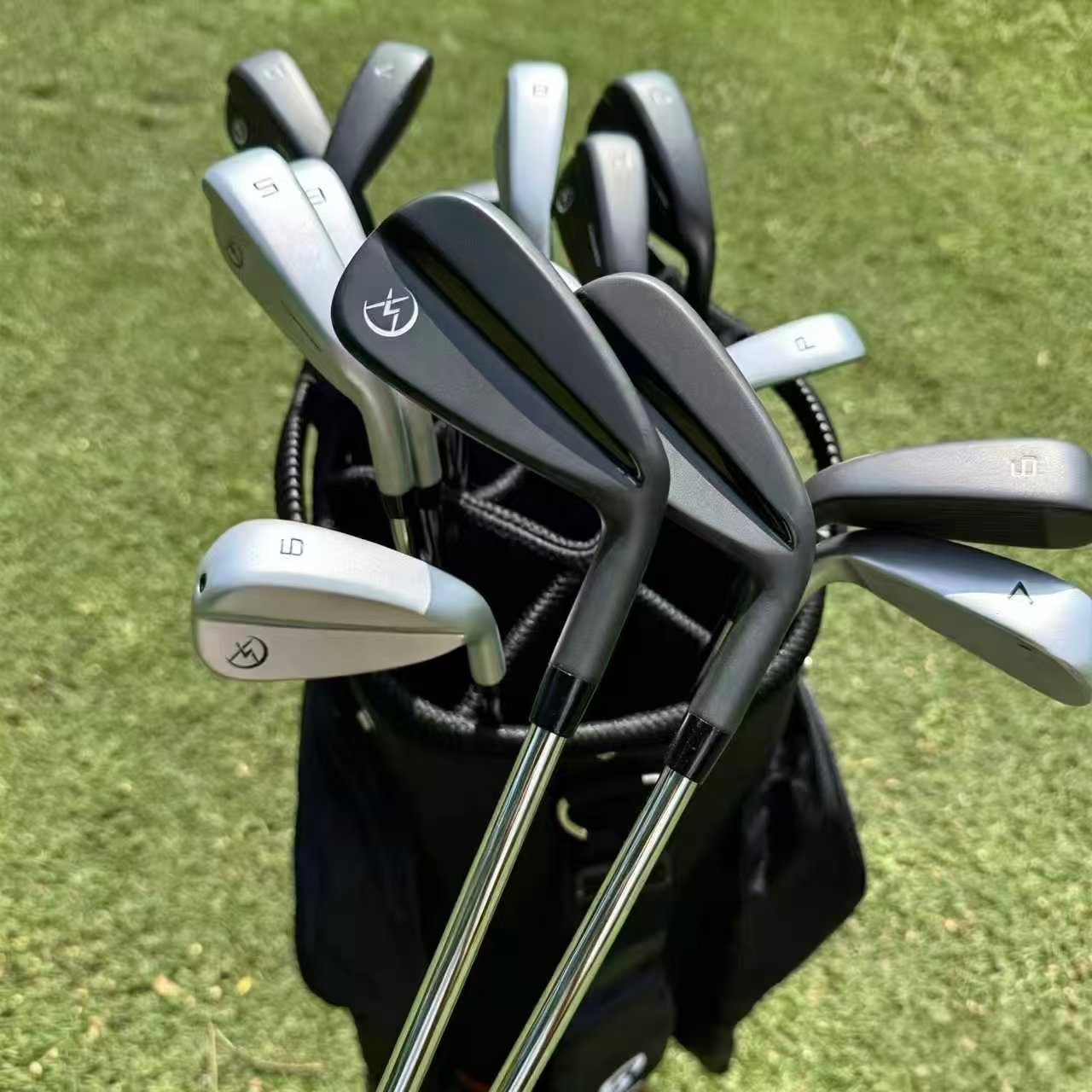
You have been marginalized by the golf industry for too long. You need a partner that understands quality engineering shouldn’t be a luxury reserved for standard‑sized male pros. The Complete Set built for your specific physical profile—be it senior flex, petite length, or full left‑hand orientation—is the most profound change you can make. It removes the physical and psychological barrier of ill‑fitting equipment. For the entrepreneur, coach, or tour operator, the same factory‑direct manufacturing power behind these sets is available through KASMAX Golf’s OEM and wholesale programs, allowing you to offer custom, logo‑branded clubs with dropshipping support and custom fitting consultation, bypassing the traditional retail markup entirely.
Conclusion: Your Swing, Your Specs, Your Best Game
We have rigorously examined six categories of custom golf clubs through a lens of engineering reality and on‑course performance, quantifying the subtle differences that lead to tangible scorecard improvements. The evidence is conclusive: the material quality, innovative force of technologies like zero‑torque balancing and hollow forged construction, and the transformative power of true custom fitting far outweigh the allure of a famous brand name stamped on a mass‑produced club. The final ranking points to a clear, high‑performing path for every type of golfer, from the tour‑aspiring amateur to the beginner picking up the game for the first time.
The journey to better golf shouldn’t start with a compromise. It should start with a conversation about your swing, your physical build, and your goals. To see the full scope of these technologies, explore extensive video reviews, and begin your own custom fitting journey, visit KASMAX Golf on YouTube in a new window. The game is hard enough. Your clubs should make it easier. Visit KASMAX Golf to start building a set that is truly yours.