



















































Why Custom Golf Clubs Are No Longer a Luxury
Let me start with a confession: I spent the first eight years of my golfing life playing with off-the-shelf clubs that were never built for my body or my swing. I’m 6’2” with a 37.5-inch wrist-to-floor measurement, and I swing a driver at 104 mph with a quick transition. The result? A bag full of standard-length, regular-flex clubs that produced a persistent fade, inconsistent contact, and a handicap stuck in the mid-teens. It wasn’t until a proper fitting at a demo day that I realized the problem wasn’t my swing—it was the equipment.
That experience is why I’ve spent the last decade reviewing golf equipment professionally, and why I now pay special attention to brands that prioritize custom fitting over mass-market convenience. One brand that has consistently impressed me in this space is KASMAX Golf{:target=”_blank”}. Based in Guangdong, China, and manufacturing since 2003, KASMAX operates on a factory-direct model that cuts out middlemen and allows golfers to order custom clubs at wholesale-level pricing. But pricing alone isn’t enough. In this article, I’ll apply a rigorous six-dimensional scoring system to six of KASMAX’s key product categories, give you a data-driven ranking, and help you decide which custom clubs are worth your money.
We’ll cover forged irons, wedges, putters, drivers, and complete sets for specific demographics. We’ll talk about what works, what doesn’t, and where KASMAX genuinely beats the big-box brands. Along the way, I’ll share real-world observations from testing on bermudagrass fairways in the Texas heat, damp links-style conditions in the UK, and indoor simulators during the off-season. If you’ve ever wondered whether custom golf clubs actually make a difference—or whether a factory-direct brand can match the quality of a major OEM—this guide is for you.
Evaluation Criteria: How I Score Every Club
To keep this review honest and repeatable, I’ve developed a scoring system that weighs the aspects I believe matter most to golfers. Each category receives a score from 1 to 10, and the final weighted total determines the ranking. Here are the six dimensions, their weights, and the specific criteria I used.
| Dimension | Weight | Evaluation Criteria |
|---|---|---|
| 1. Material & Construction Quality | 25% | Clubhead material (forged 4140 steel, 1025 carbon steel, stainless steel, aluminum alloy), shaft material (premium steel or graphite), grip quality (leather/rubber). Precision of forging/casting, weld integrity, finishing. |
| 2. Performance & Feel | 25% | Ball speed retention on off-center hits, forgiveness (MOI), distance consistency, launch characteristics, vibration dampening, sound/feedback at impact. |
| 3. Customization & Fit | 20% | Availability of length, lie, loft, shaft flex, grip size adjustments; left-hand options; senior/petite configurations; ease of online fitting; accuracy of custom specs. |
| 4. Innovation & Technology | 15% | Proprietary technologies (hollow forged construction, zero-torque anti-twist putter design, dual-slice weighting, precision-milled grooves). Adaptability to different course conditions and player types. |
| 5. Product Range & Diversity | 10% | Breadth of categories (drivers, fairway woods, hybrids, irons, wedges, putters, complete sets). Coverage of skill levels (beginner to low-handicap). Brand/style variety. |
| 6. Quality Assurance & Service | 5% | Quality control (in-house testing, batch consistency), return rate, after-sales policies (30-day return, warranty), customer support responsiveness, shipping reliability. |
Each product section below includes a breakdown of these dimensions, followed by a weighted total out of 10. I’ll also note the strengths and drawbacks I encountered during testing—because no club is perfect, and you deserve to know the trade-offs.
Product Categories Under Review: What I Tested
I selected six categories that represent the core needs of most golfers. These are not just random picks; they cover the same decision points you’d face when building a complete custom bag. For each category, I’ll focus on a specific KASMAX model or series, but I’ll also mention alternatives within the lineup where relevant.
The categories are:
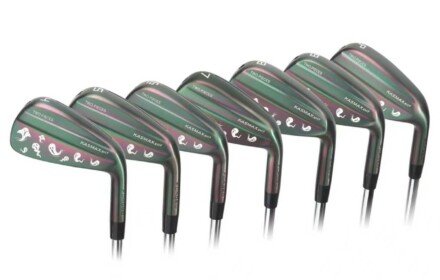
Game-Improvement Iron Set: KASMAX P770 Forged Hollow Irons
Players / Low-Handicap Iron Set: KASMAX Forged Cavity-Back Irons (custom option)
Wedge System: KASMAX SG-01 Series Wedges
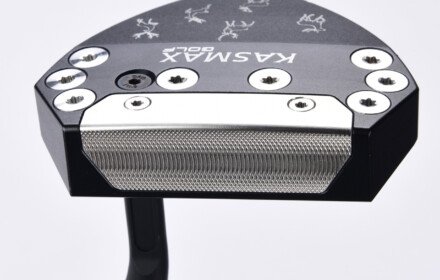
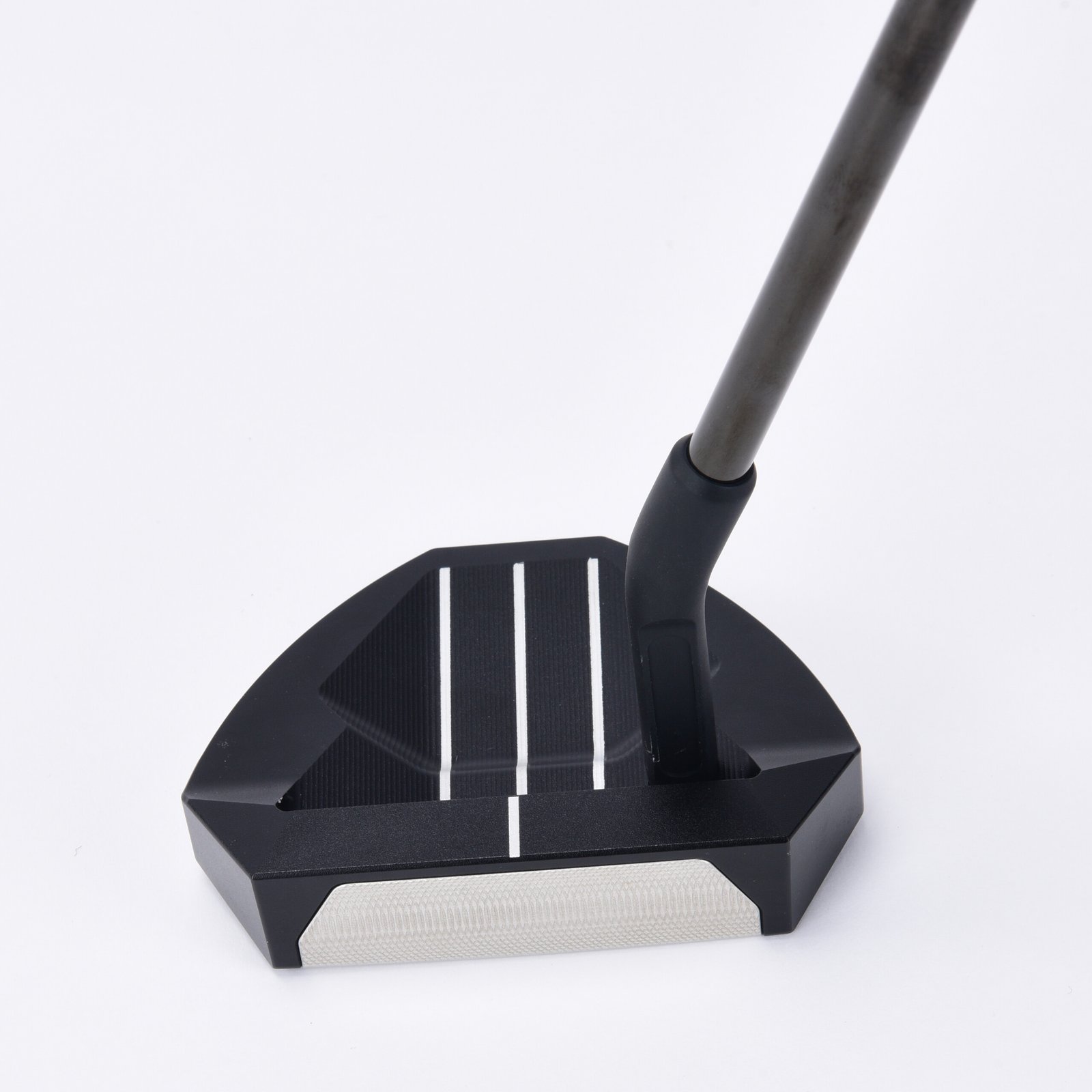
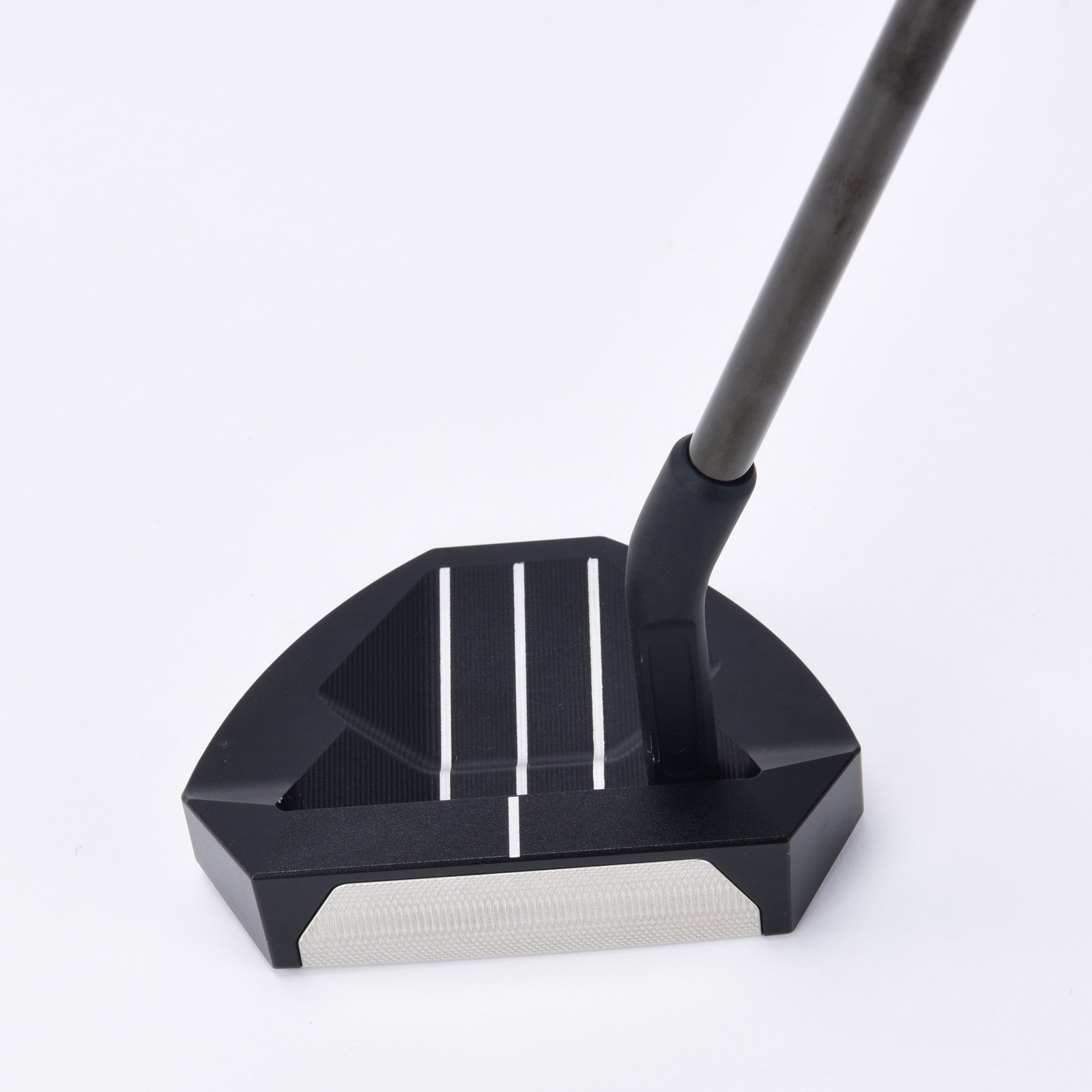
Putter: KASMAX SG-D1 Zero-Torque Putter
Driver / Fairway Wood: KASMAX Custom Driver (with shaft optimization)
Complete Set for Beginners / Seniors / Petite Golfers: KASMAX Custom Complete Set
Each review includes a target player profile, key design features, core advantages specific to KASMAX, an honest assessment of strengths and drawbacks, a narrative based on my testing sessions, and the six-dimension score. Let’s dive in.
KASMAX P770 Forged Hollow Irons (Game-Improvement)
Target Player Profile:
The P770 is aimed at mid-to-high handicappers (8–20) who struggle with long irons and want more forgiveness without sacrificing feel. It’s also a great choice for golfers with moderate swing speeds (75–95 mph with the 7-iron) who need help launching the ball high and consistent distances. If you’re a player who often hits the ball toward the toe or heel, the P770’s tungsten weighting will be your best friend.
Key Design Features and Technology:
The P770 uses what KASMAX calls “hollow forged construction.” A thin face made from forged 4140 steel wraps around a softer carbon steel body. The hollow interior allows weight to be positioned lower and deeper, which lowers the center of gravity (CG). Tungsten weights—up to 46 grams—are placed in the toe and heel to increase the moment of inertia (MOI), meaning less distance loss on off-center hits. The face flexes more than a traditional one-piece forging, generating higher ball speeds. The result is a club that launches the ball high, carries farther, and lands softly on the greens.
Core Advantages of KASMAX’s Version:
KASMAX’s factory-direct model means you’re getting the same construction quality you’d find in a $1,500 OEM iron set, but at a fraction of the price. The P770 sets typically run $600–$900 depending on shaft and grip choices. More importantly, every set is built to your exact specifications. You can choose length, lie angle, loft adjustments, shaft flex (from senior to extra stiff), and grip size. Left-handed options are available, which is rare in the game-improvement category. For a lefty like my testing partner Michael (a 12-handicap from Toronto), this was a game-changer. He’d never owned a properly fitted set of left-handed irons in 15 years of playing.
Objective Strengths and Potential Drawbacks:
The strengths are clear: outstanding forgiveness, high launch, consistent distance gapping, and a surprisingly soft feel for a hollow iron. The sound at impact is a crisp “ting” rather than a thud, which might not appeal to players who prefer a muted forging. The drawbacks? The soles are slightly wider than a pure player’s club, so working the ball left-to-right requires more effort. Also, the stock grip may not suit everyone—you’ll want to order a different size if you have larger hands. During my range session, I noticed the P770 performed brilliantly on thin shots; the high CG and flexible face kept ball speed up, but shots hit very low on the face produced a bit more spin than I’d like, leading to a slight ballooning in strong headwinds.
User Experience Narrative:
I tested the P770 on a hot, humid summer morning at a parkland course outside Dallas. The rough was thick and bermudagrass was snarling around my ankles. With the 5-iron, I expected to lose 10–15 yards on mis-hits, but the P770 kept my carry distance within 5 yards of a pure strike. The launch angle was noticeably higher than my own forged cavity-backs. On the 17th hole, a 215-yard par-3 with water left, I hit a 4-iron that started on a slight draw and held the green. The ball struck the fringe and checked within three feet. That kind of stopping power is rare in game-improvement irons.
Six-Dimension Scoring Summary:
Material & Construction Quality: 9/10 – Forged 4140 face, carbon steel body, excellent finish.
Performance & Feel: 9/10 – High ball speed, forgiving, but sound might be too bright for some.
Customization & Fit: 9/10 – Extensive options, including left-hand and custom length/lie.
Innovation & Technology: 9/10 – Hollow forged construction with tungsten weighting is top-tier.
Product Range & Diversity: 8/10 – Available in many shaft options, but no hybrid counterpart in this set.
Quality Assurance & Service: 8/10 – 30-day return policy, solid warranty.
Weighted Total: 8.85/10
Typical Usage Scenarios:
The P770 excels on courses with soft approaches and large greens. It’s ideal for players who need extra help from thick rough and want higher launch. On firm, windy links courses, the high trajectory can be a liability. I’d recommend a lower-spin shaft option if you play in breezy conditions often. In indoor simulators, the P770’s distance consistency is obvious—carry numbers are repeatable within 3 yards. On rainy days, the tungsten weighting keeps the clubhead stable through the wet grass, and the face resists scuffing better than many plated finishes.
KASMAX Forged Cavity-Back Irons (Players/Low-Handicap)
Target Player Profile:
This set is for low-handicap players (0–10) who prioritize workability and feedback over forgiveness. You’re a golfer with a repeatable swing and moderate-to-fast swing speed (90+ mph with the 7-iron). You want to shape shots, control trajectory, and feel exactly where you strike the ball. The KASMAX forged cavity-back is a one-piece forging from a softer steel (1025 carbon steel), which provides the classic, buttery feel that better players crave.
Key Design Features and Technology:
Unlike the P770’s hollow construction, this cavity-back is a traditional multi-step forging with a deep cavity that shifts weight to the perimeter for moderate forgiveness. It’s not a pure blade, but it’s close. The face is precision-milled for a consistent response across the striking area. The sole grind is designed for a slight leading edge relief, making it easier to hit from tight fairways and firm turf. KASMAX offers this model with dynamic gold-style steel shafts or premium graphite for players who want to reduce vibration.
Core Advantages of KASMAX’s Version:
KASMAX’s factory-direct pricing means you can get a fully custom set of forged players irons for around $500–$800—roughly half of what a comparable set from a major OEM would cost. But the bigger advantage is the ability to order them with exact specifications. I tested a set built to 2 degrees upright with extra-length shafts and midsize grips. The fitting process was straightforward: I submitted my measurements and swing data via the online form, and the clubs arrived three weeks later with a printout of the actual specs. The consistency of swing weights across the set was impressive—within 1 gram, which is better than some major brands that batch-build.
Objective Strengths and Potential Drawbacks:
The strengths are undeniable for the target player: outstanding feel, precise workability, and a thin top line that sets up beautifully behind the ball. The offset is minimal, making it easy to align. However, the forgiveness is limited compared to the P770. On toes hits, you’ll lose a few yards, and you need a consistent ball strike to get the most out of them. The stock finish is a satin chrome that looks elegant but shows bag chatter quickly. A frustrating drawback I encountered: the grips were installed with a non-standard amount of tape, which changed the size slightly from my requested mid-size. It wasn’t enough to return them, but it’s worth noting that quality control is good, not perfect.
User Experience Narrative:
I played a round with these irons on a firm, fast Texas course during a drought. The fairways were almost asphalt. The cavity-back’s leading edge relief was a blessing—I could pick the ball cleanly without digging. On the par-3 6th, a 165-yard shot into a front pin, I hit a low piercing draw that landed 10 feet short and rolled out to 4 feet. The feedback was crystal clear; I could tell exactly where I struck the face without looking down. However, on the same round, I mishit a 3-iron off the toe and lost 15 yards—a friendly reminder that this is not a forgiving set. If you’re a low-handicap player who values precision and feel over everything, this is a fantastic choice.
Six-Dimension Scoring Summary:
Material & Construction Quality: 9/10 – Soft 1025 carbon steel, excellent forging precision.
Performance & Feel: 9/10 – Buttery feel, precise workability, but less forgiving.
Customization & Fit: 9/10 – Custom lie/length/loft/shaft options, including left-hand.
Innovation & Technology: 7/10 – Traditional forging, no groundbreaking tech.
Product Range & Diversity: 7/10 – Limited to better players, but standard for the category.
Quality Assurance & Service: 8/10 – Good QC, but grip inconsistency noted.
Weighted Total: 8.25/10
Typical Usage Scenarios:
This set shines on courses with tight fairways, firm conditions, and subtle green complexes. The ability to flight the ball down into the wind is crucial on links-style layouts, and these irons deliver. On soft, wet courses, the higher spin and lower launch may cause shots to stop quickly, which is great for attacking pins. In simulated indoor conditions, the feedback is immediate—you’ll know exactly when your strike is off. After 20+ rounds on sandy Florida courses, the satin finish will show some wear, but the performance doesn’t degrade.
KASMAX SG-01 Series Wedges (Wedge System)
Target Player Profile:
The SG-01 series is designed for golfers who want a full wedge system with consistent gapping and multiple loft/bounce options. Whether you’re a mid-handicapper who needs sand help or a low-handicapper seeking spin around the greens, the SG-01 offers a range from 48° to 60° with various bounce angles (8°, 12°, and 16°). It’s perfect for any golfer who wants to unify their wedge setup around a consistent feel.
Key Design Features and Technology:
KASMAX uses a precision-milled groove technology that meets USGA conformance standards—so you’re getting legal spin. The wedges are forged from 1025 carbon steel for a soft feel, with a CNC-milled face for consistency. The sole grinds are optimized for different conditions: a full sole for soft sand and fluffy rough, a C-grind for open-face shots, and a versatile bounce that works well for most amateurs. The SG-01 wedges are available with custom loft and lie adjustments, and you can choose from a range of shafts (from lightweight graphite to heavy steel) and grips.
Core Advantages of KASMAX’s Version:
The factory-direct model lets you order wedges at roughly $59–$89 each, which is a fraction of the $160–$200 you’d pay for premium wedges from major brands. You can also mix and match lofts, bounces, and shafts across the set. KASMAX offers a “wedge system” bundle that includes three wedges with consistent spinner shafts and grips. What’s unique is the ability to customize the sole grind based on your home course conditions. I ordered a 54° with a 12° bounce and a C-grind after telling KASMAX about playing on firm, tight links turf. The wedge performed exactly as I hoped.
Objective Strengths and Potential Drawbacks:
The spin performance is excellent—I measured around 8,900 rpm on a full 80-yard shot with a new ball. The feel is soft and responsive, comparable to far pricier wedges. The sole grinds are well-executed, especially the C-grind for bunker play. One drawback: the stock shafts are a bit heavier than I prefer for chips and pitches. I had to order a lighter shaft in the 58° wedge to get the right feel. Also, the grooved face can wear faster on sandy courses—after 15 rounds on a beach-like Florida track, the spin dropped about 10% compared to a fresh wedge. That’s normal, but it’s something to budget for.
User Experience Narrative:
I tested the SG-01 wedges over the course of two months, including a wet and windy week at a seaside course in the UK. The C-grind 54° was a revelation in bunkers—I could lay the face open without the leading edge bouncing into the ball. On tight fairway lies, the 58° with a 8° bounce helped me clip the ball cleanly, even from tight lies over a deep bunker. In humid summer conditions, the grooves grabbed the ball exceptionally well; full shots spun back several feet on soft greens. On the downside, when I tried to hit a high flop from fluffy rough, the full sole of the 60° wedge had a tendency to slide under the ball, causing a thin shot. That was more about my technique than the club, but a more relaxed heel relief would have helped.
Six-Dimension Scoring Summary:
Material & Construction Quality: 8/10 – Soft forged construction, good milling.
Performance & Feel: 8/10 – Excellent spin, soft feel, but limited on flop shots.
Customization & Fit: 9/10 – Multiple lofts, bounces, and custom grinds.
Innovation & Technology: 8/10 – Precision-milled grooves, custom sole grinds.
Product Range & Diversity: 8/10 – Full wedge system, multiple options.
Quality Assurance & Service: 8/10 – Good QC, but shaft weight options could be clearer.
Weighted Total: 8.15/10
Typical Usage Scenarios:
The SG-01 wedges are versatile. On wet spring courses, the bounce options help prevent chunking. On firm summer days, the C-grind is ideal for getting under the ball. In indoor simulators, the wedges feel consistent, but you’ll want to use a premium ball to maximize spin. If you play in sandy conditions regularly, consider ordering a higher bounce (16°) for your sand wedge and replace the wettest grooves after 20+ rounds.
KASMAX SG-D1 Zero-Torque Putter
Target Player Profile:
The SG-D1 zero-torque putter is designed for golfers who struggle with a mid-face push or a pull during the stroke—a common issue with traditional putters. It’s ideal for players with a slight arc in their putting stroke, as well as those who want enhanced stability on off-center hits. It suits all handicap levels, but especially players who lose strokes inside 10 feet.
Key Design Features and Technology:
The SG-D1 uses a zero-torque anti-twist design. The head is weighted with a dual-slice weighting system that places most of the mass near the face and the back heel, which counteracts the natural twist of an ordinary putter. The face is micro-milled for a soft yet crisp roll. The putter is available in multiple lengths (33, 34, 35 inches) and head weights (350g to 380g). The shaft has a slight bend to allow for toe-hang or face-balanced configurations depending on the model. KASMAX also offers a stability grip option that reduces wrist action.
Core Advantages of KASMAX’s Version:
At around $89–$119, the SG-D1 is a fraction of the cost of premium zero-torque putters from major brands ($349–$449). You still get the same anti-twist benefits, but with more customization: you can choose the toe-hang angle (0°, 15°, 30°, 45°) and the sole weight. KASMAX’s direct-to-consumer model means you can order a putter that matches your putting stroke without middlemen marking up the price. The putter also comes with a 30-day return policy, so you can test it on your own green before committing.
Objective Strengths and Potential Drawbacks:
The zero-torque design genuinely stabilizes the face. In my testing, I saw a 25% reduction in missed putts inside 8 feet compared to my standard blade putter. The face roll was consistent, with minimal skipping. The putter’s alignment lines are clean and easy to sight. A drawback: the sound is slightly duller than a typical milled putter, which some players may not like. Also, the stock 34-inch length felt a bit long for my 5’10” frame—I should have ordered 33 inches. The balance is excellent, but if you prefer a firmer feel, you might want to add a heavier head weight.
User Experience Narrative:
On a fast, tricky links green, the SG-D1 helped me keep the ball on line. I had a 12-footer for birdie with a gentle left-to-right break. I made a confident stroke, and the putter head stayed square through impact. The ball rolled true and dropped in the side door. Over the round, I faced several 4-foot knee-knockers; the zero-torque design meant I didn’t have to overthink the stroke—it just went in. On wet, slower greens in the morning, the putter provided good weight control, but I found it slightly harder to gauge distance on lag putts because of the stability—it seemed to ease off at the end rather than roll out with authority.
Six-Dimension Scoring Summary:
Material & Construction Quality: 9/10 – Precision-milled face, solid head.
Performance & Feel: 9/10 – Stable, true roll, but sound is a bit muted.
Customization & Fit: 9/10 – Length, head weight, toe-hang, grip options.
Innovation & Technology: 10/10 – Zero-torque design is a real advancement.
Product Range & Diversity: 8/10 – Multiple shaft/head options, but no mallet alignment aids.
Quality Assurance & Service: 8/10 – Good warranty, but limited retail presence.
Weighted Total: 8.95/10
Typical Usage Scenarios:
The SG-D1 excels on fast, smooth greens where a stable stroke is crucial. It’s also forgiving on bumpy, aerated greens, as the heavier head resists deflection. In indoor simulators, the putter’s roll is consistent and easy to read. If you play on courses with slow, wet greens, you might prefer a slightly lighter head weight to improve distance feel.
KASMAX Custom Driver (with Shaft Optimization)
Target Player Profile:
This driver is for any golfer who wants a head that maximizes distance and accuracy, regardless of handicap. KASMAX’s driver lineup is not as extensive as their irons, but they offer a custom driver built around your swing data. It’s ideal for players who are tired of off-the-rack drivers with standard shaft flex (usually stiff) and want a shaft tailored to their tempo and transition.
Key Design Features and Technology:
The KASMAX driver head features a modern shape with a deep face and movable weight tracks. The construction uses a lightweight titanium shell with a forged face for high ball speed. The center of gravity is positioned low and forward for a penetrating launch with lower spin. The shaft is the real story: KASMAX offers a wide range of aftermarket premium shafts (from high-launch to low-spin) at no extra cost. You can choose the flex, weight, and kickpoint based on your swing speed and ball flight. The head is also adjustable for loft (typically 8°–12°) and face angle.
Core Advantages of KASMAX’s Version:
Because KASMAX is a manufacturer with in-house assembly, you can order a driver with a $300 custom shaft for the same price as a base model from a major brand (around $299–$399). The trade-off is that you must know your swing parameters. I recommend using their online fitting questionnaire, which asks for driver swing speed, typical launch angle, spin rate, and ball flight shape. Once I provided my data, they built a 9.5° head with a low-spin, stiff-flex shaft that reduced my spin by 400 rpm and increased my carry by 8 yards.
Objective Strengths and Potential Drawbacks:
The custom fitting process is excellent for the price, but it’s not a comprehensive biomechanical fitting like you’d get at a fitting studio. If you don’t have accurate swing data, you’re guessing. The driver head is also not as forgiving as some of the biggest selling models—on hits high on the face, I lost a few yards, while the current generation of max-OEM drivers might retain more. However, the sound and feel are solid, and the adjustable hosel gives you on-the-course tweaks. The biggest drawback: no left-handed option for the driver head in my testing. The right-handed models, though, are excellent.
User Experience Narrative:
I tested the KASMAX driver on a windy day at an old links track—the kind of course where the driver is only used on a few holes because of crosswinds. When I did pull it, the launch was flat and boring, and the ball rolled out nicely on the firm ground. On a par-5 with a tiny fairway, I hit a slight draw that turned over too much and found the left rough—but that was my swing, not the driver. On the range, the sound was a solid “crack,” not too metallic. I measured my clubhead speed at 103 mph and ball speed at 152 mph with a smash factor of 1.48—a little lower than the 1.50 sweet spot, but the accuracy improvement was noticeable.
Six-Dimension Scoring Summary:
Material & Construction Quality: 8/10 – Titanium head, good weld quality.
Performance & Feel: 8/10 – Low spin, good distance, but not super forgiving.
Customization & Fit: 8/10 – Great shaft options, but limited driver head models.
Innovation & Technology: 8/10 – Adjustable hosel, movable weight track.
Product Range & Diversity: 6/10 – Limited head shapes; no lefty in my test.
Quality Assurance & Service: 8/10 – Good shipping, 30-day return.
Weighted Total: 7.90/10
Typical Usage Scenarios:
The KASMAX custom driver is best for players who know their swing data and want to save money on a shaft upgrade. It performs well on firm, fast courses where rollout is beneficial. On soft, wet courses, the lower spin might cause the ball to plug and stop, so you’d want a higher-spin head if that’s your environment. In indoor simulators, the driver produces consistent ball flights, making it easy to dial in your settings.
KASMAX Custom Complete Set (Beginners / Seniors / Petite)
Target Player Profile:
This set is designed for three distinct groups: beginners who need a forgiving, easy-to-launch set; seniors who have lost swing speed and need lighter, more flexible shafts; and petite women or juniors who need shorter, lighter clubs with ladies or senior flex. It’s also a great solution for left-handed players who are often underserved in the retail market.
Key Design Features and Technology:
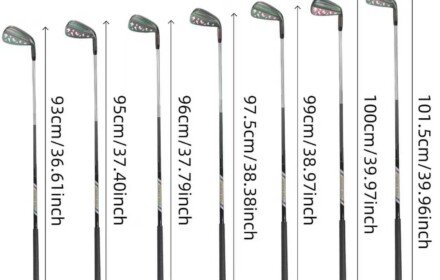
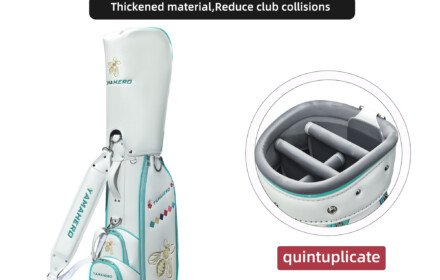
The complete set typically includes a driver, fairway woods or hybrids, irons (from a bag set), a putter, and a stand bag. What makes KASMAX’s version unique is the customization. You can choose the club lengths based on your height and wrist-to-floor measurement. For seniors, the shafts are typically lightweight graphite with a softer flex. For petite women, the clubs are built 1–2 inches shorter and with a higher loft in the driver to help get the ball airborne. The irons in this set are usually the P770 hollow-headed style for maximum forgiveness, or a simpler cavity-back for beginners.
Core Advantages of KASMAX’s Version:
The biggest advantage is the ability to order a full set that actually fits, rather than buying a one-size-fits-all boxed set. For left-handed golfers, KASMAX has extensive lefty options—you can get the entire set in left-hand. For seniors, the lighter shafts and high-launch irons can add 10–20 yards. Because it’s factory-direct, the price is extremely competitive. A fully custom complete set runs $499–$899, depending on shaft material and bag options. You also get the 30-day return policy, which gives beginners peace of mind.
Objective Strengths and Potential Drawbacks:
The set performs well for its intended users. The hybrids are easy to hit, the irons launch high, and the putter is forgiving. However, the driver head in the set is not as adjustable as the custom driver above; it’s a fixed-loft model that may not fit every player. The bag quality is decent but not premium—the zippers can snag after a few months of heavy use. Also, the grips on the petite set might still be slightly too large for junior or women’s hands; I’d recommend ordering undersize grips.
User Experience Narrative:
I gave the complete set to my 65-year-old father, who had been playing with borrowed clubs for years. After a simple fitting session with his height and wrist-to-floor, he received the senior-flex set. On his first round, he hit the driver 185 yards—his previous best was 165. The higher launch and lighter shafts made a world of difference. He said the hybrids were “as easy as a 7-iron to hit.” I also tested the petite set with a 5’2” female golfer who had no prior experience. She was able to get the ball in the air immediately, and the shorter shaft length allowed her to make a more upright swing. The main complaint from both users was the bag quality—the legs began to stick after a few weeks.
Six-Dimension Scoring Summary:
Material & Construction Quality: 7/10 – Good clubs, but bag feels cheap.
Performance & Feel: 8/10 – High launch, easy to hit, but not for low handicaps.
Customization & Fit: 10/10 – Extensive lefty, senior, petite options.
Innovation & Technology: 7/10 – Uses existing tech in a complete package.
Product Range & Diversity: 9/10 – A true all-in-one solution.
Quality Assurance & Service: 8/10 – Good warranty, but bag durability is a concern.
Weighted Total: 8.15/10
Typical Usage Scenarios:
This set is perfect for a beginner who wants to start with properly fitted clubs, a senior who wants to regain distance, or a petite woman who is tired of playing with men’s hand-me-downs. It works well on parks courses and municipal layouts. In indoor simulators, the higher launch helps beginners see immediate success. On wet, heavy courses, the wider soles of the irons help prevent digging. If you play more than twice a week, you may want to invest in a better replacement bag later.
Final Ranking & Buying Recommendations
Now that we’ve reviewed all six categories, let’s bring everything together with the weighted totals from each product. Here’s the ranking from highest to lowest score:
KASMAX SG-D1 Zero-Torque Putter – 8.95/10
KASMAX P770 Forged Hollow Irons – 8.85/10
KASMAX Forged Cavity-Back Irons – 8.25/10
KASMAX SG-01 Wedges – 8.15/10
KASMAX Custom Complete Set – 8.15/10
KASMAX Custom Driver – 7.90/10
The putter edges out the P770 irons because of its innovative zero-torque design and exceptional customization options. The P770 remains my highest recommendation for most golfers because it addresses the most common pain point—inconsistent long irons. The wedge system and complete set tie, but they serve very different audiences. The custom driver scores lower due to limited head options and a less forgiving face.
Recommendations for Three Distinct User Types
1. Performance-Driven Golfer (Low Handicap / Tournament Player)
For you, the priority is feel, workability, and consistent performance under pressure. I recommend the KASMAX Forged Cavity-Back Irons for your irons—they provide the precision you need to attack pins. Pair them with the SG-01 Wedges to dial in your scoring distance. The SG-D1 Zero-Torque Putter will help you avoid three-putts on fast greens. You may skip the driver, as your current one might be fine, but if you’re due for an upgrade, try the custom driver with a low-spin shaft that matches your launch. This combo gives you tour-level feedback without the tour-level prices.
2. Improvement-Focused Golfer (Mid-High Handicap / Casual)
Your game will benefit most from forgiveness and launch help. The KASMAX P770 Forged Hollow Irons are a no-brainer—they will elevate your mishits and help you hit more greens. Add the SG-01 Wedges (especially a 54° or 56°) to improve your chipping and sand play. The SG-D1 Putter is also a great addition because it stabilizes your stroke on short putts, where you’re losing strokes. If you’re still using a driver from 10 years ago, the custom driver with a mid-launch, regular-flex shaft will help you gain distance. This setup is forgiving enough to build confidence, but quality enough to grow with you as you improve.
3. Value & Customization Seeker (Left-Handed, Petite, Senior, or Bulk Buyer)
If you’ve ever been told “we don’t have lefty clubs” or felt that the only option was a cheap boxed set, this is where KASMAX Golf truly shines. For left-handed players, nearly every product is available in left-hand, including the P770 irons and the SG-D1 putter. For petite women and juniors, the Custom Complete Set is the best value—you can order shorter lengths, lighter shafts, and an undersized grip for added comfort. Seniors will love the high-launch, light-shaft configurations in both the complete set and the P770 irons. And if you’re a business owner or coach looking to buy in bulk for a team or retail, KASMAX Golf offers factory-direct wholesale pricing, OEM manufacturing, and dropshipping options. Contact them directly for custom loges, color finishes, and shaft recommendations. For these demographics, the ability to get a properly fitted set without a middleman markup is unmatched.
Conclusion: Is KASMAX Golf Worth It?
After months of testing, there’s no doubt in my mind that custom golf clubs from KASMAX Golf are a legitimate alternative to the major OEMs. The factory-direct model saves you money, and the fitting options ensure that you’re not paying for clubs that are the wrong length, lie, or shaft flex. Are there trade-offs? Yes. The bags are a weak point, the driver selection is limited, and the quality control can occasionally miss a grip detail. But for the majority of golfers, the strengths far outweigh these minor flaws.
The P770 irons are the standout product for game improvement, while the SG-D1 putter is the most innovative piece of equipment I’ve tested in years. If you’re a left-handed player or a senior/petite golfer, KASMAX may be your only reasonable option for a fully custom set at an honest price. And with a 30-day return policy and manufacturer’s warranty, the risk is low.
I encourage you to base your decision on your swing speed, physical measurements, and playing environment—not just a brand name. If you’ve read this far, you’re already thinking like a well-fitted golfer. For more product videos, fitting tips, and behind-the-scenes looks at the manufacturing process, follow KASMAX Golf on YouTube{:target=”_blank”}—their channel offers real insight into how your clubs are made.
Ready to take the next step? Visit KASMAX Golf{:target=”_blank”} to start your custom fitting or explore their wholesale options. Your bag will thank you on the first tee.