



















































The Role of Lead Tape in Club Customization
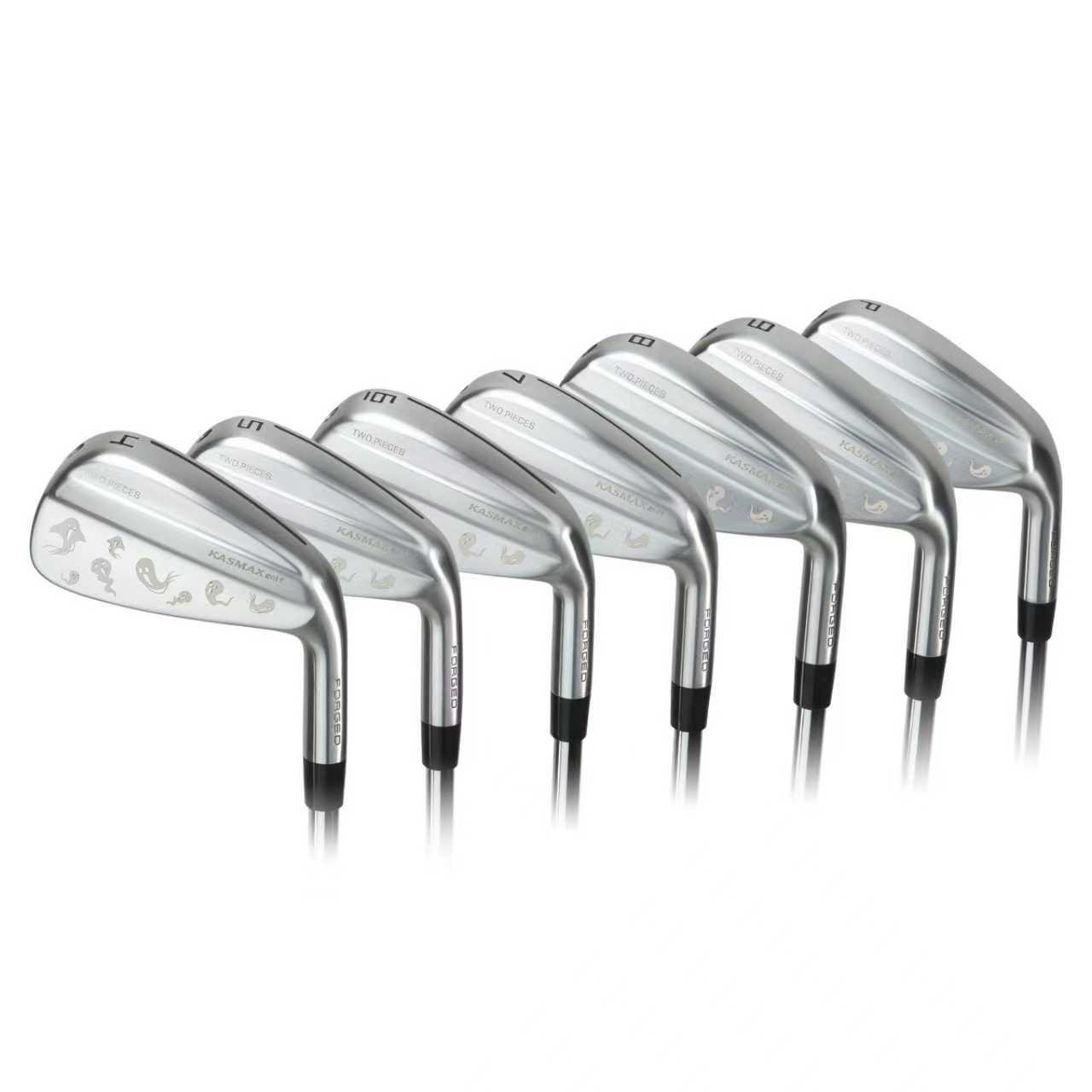
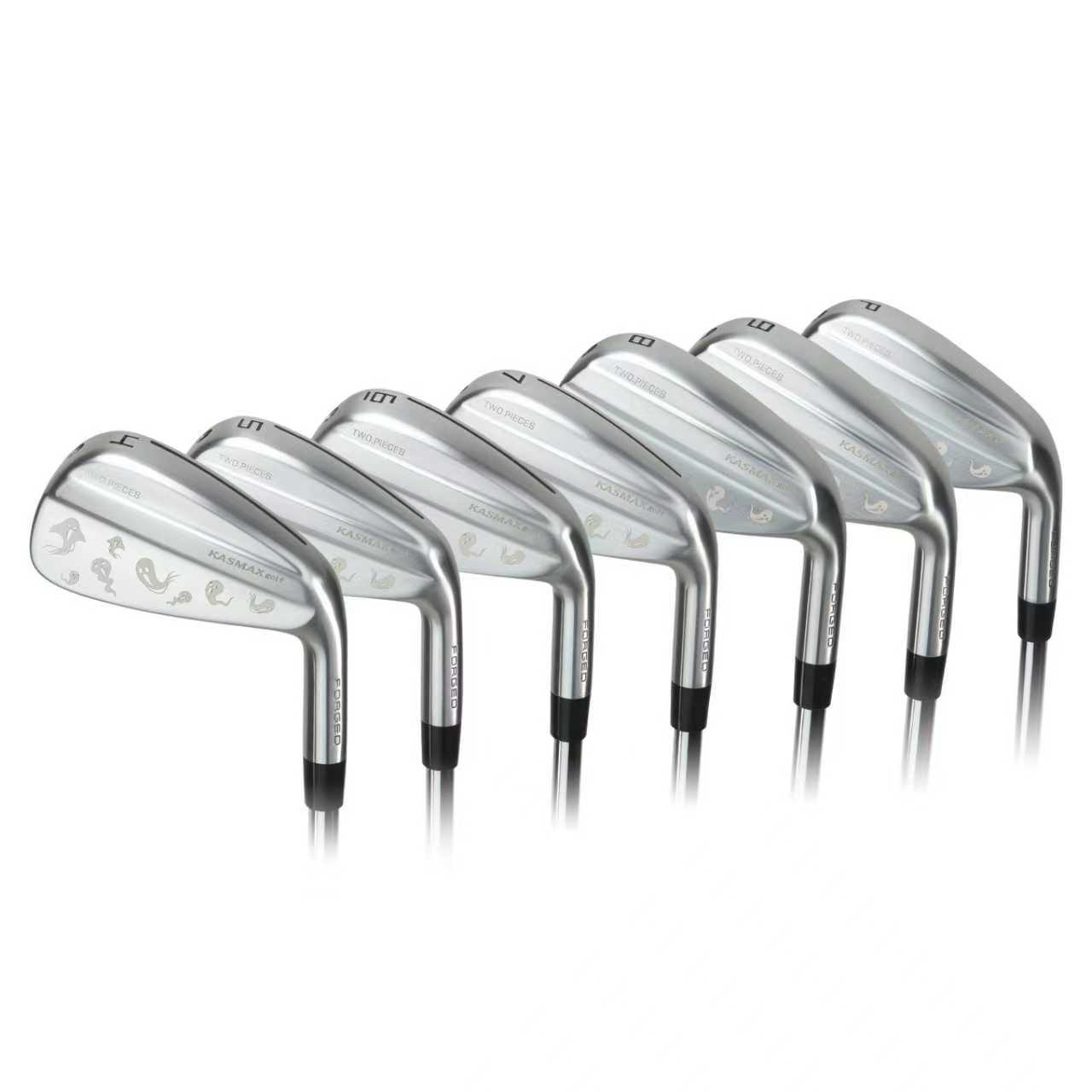
If you’ve ever felt that a club head disappears too quickly through impact, or that your driver swing is a split second behind, lead tape is a low‑tech but highly effective tool. It’s the quickest way to adjust swing weight, fine‑tune feel, and alter launch characteristics without sending clubs back to the factory. I’ve used lead tape on everything from a hand‑me‑down 5‑iron to a custom‑built set of KASMAX Golf forged hollow irons, and the difference is often more pronounced than many golfers expect.
The key is understanding where to place it, how much to use, and which tape will actually stay on through heat, moisture, and dozens of rounds. There’s a surprising amount of variation in lead tape quality: adhesive strength, the density of the metal, even the glue that keeps it from peeling mid‑round. In this guide, I’ll walk through the criteria I use when selecting lead tape, review a few common types, and explain how to match tape choice to your specific swing needs.
Evaluation Criteria for Selecting Lead Tape
Lead tape might seem like a simple roll of metal, but the products on the market differ meaningfully in performance and usability. Here are the six dimensions I evaluate, with weights based on what matters most for golfers and club fitters:
Material & Construction Quality (25%) – Metal composition (pure lead vs. alloy), tape thickness, adhesive type, and backing material. High‑quality tape rolls cleanly, cuts easily, and conforms to curved clubheads.
Performance Impact (25%) – How much swing weight does it add per inch? Does it feel dense and concentrated, or does it spread weight too broadly? Consistency of the weight per inch is critical for precise tuning.
Customization Flexibility (20%) – Ease of cutting, ability to stack layers, compatibility with different clubhead shapes, and whether the tape can be trimmed into narrow strips for tight spots like the sole or the back cavity.
Durability (15%) – Resistance to heat (summer car trunks), moisture (rain and humidity), and repeated impacts. The best tape stays bonded for months; poor tape curls up after a few range sessions.
Ease of Application & Removal (10%) – How long does it take to apply without bubbles? Can you reposition it early on? Does removal leave sticky residue that requires solvent?
Brand Transparency & Support (5%) – Is the weight per inch clearly labeled? Does the manufacturer provide usage guides? This overlaps with overall trust in the product.
Each type of lead tape I tested was scored on these criteria, then weighted to get a final total.
Lead Tape Types and Products Under Review
H3: Standard Pure Lead Tape (e.g., GolfWorks Classic Lead Tape)
Target players: Most golfers experimenting with swing weight for the first time, plus club fitters who need a reliable baseline.
This is the traditional lead tape you’ll find in most shops. It comes in rolls roughly 1 inch wide, each adding about 1 gram per 1 inch of length (so a 4‑inch strip is ~4 grams). Pure lead is soft and flexible, making it easy to mold over the top edge of an iron cavity or the sole of a driver.
I used this on my KASMAX mid‑handicap iron set (the P770 forged hollow irons) to bring the swing weight from D1 down to D2 after I extended the shafts. Two strips of 2 inches each on the toe of the 6‑iron did exactly what I needed. The tape adhered well initially, but after about 15 rounds in a humid, summer climate, the edges started lifting slightly. It’s not a deal‑breaker – I reapplied fresh tape before a tournament – but it’s something to keep in mind.
Strengths:
Predictable weight per inch
Easy to find and cheap
Works well on most clubhead shapes
Drawbacks:
Adhesive loses grip over time in wet conditions
Pure lead is soft; thin strips can tear if you press too hard
H3: High‑Tack Tungsten-Infused Tape (e.g., ProTape MAX Tungsten)
Target players: Golfers who need more weight per inch in a smaller footprint, especially low‑handicap players fine‑tuning driver heads.
This tape is a hybrid – it uses a tungsten‑blended compound rather than pure lead. It’s denser, meaning you can add 3–4 grams in a 1‑inch strip that’s the same width as standard tape. It’s also noticeably stiffer, so it doesn’t conform as easily to sharp contours. The high‑tack adhesive grips immediately and stays put, even in extreme heat.
I tested this on a fairway wood. Placing a 1‑inch strip along the back sole near the hosel gave me +2 swing weight points without making the head look cluttered. The stiffness meant I had to trim it into small squares instead of wrapping it around the heel, but the bond felt rock‑solid after two rounds in 90‑degree weather.
Strengths:
Higher density for same area
Outstanding adhesive durability
Less lead exposure (some prefer avoiding pure lead)
Drawbacks:
More expensive
Stiffer, harder to mould
Not ideal for curved cavities or thin blade-style heads
H3: Removable / Reusable Tape (e.g., Tour Sticker Weight Strips)
Target players: Golfers who like to experiment frequently or use a sim/launch monitor to iteratively tune their set.
This type uses a thin lead foil laminated between two layers of strong, reusable sticky silicone. You can peel it off and reapply it dozens of times without losing adhesion. It’s thicker than standard tape, so it sits higher off the clubhead surface, which can affect the visual appearance at address. But for quick A/B testing on the driving range, it’s unbeatable.
A friend of mine – a 5‑handicap with a quick tempo – used removable strips to dial in the exact swing weight of his custom set before committing to permanent tape. He placed a 2‑gram strip on the toe of his KASMAX SG‑01 wedge, then shifted it to the middle of the back cavity within minutes. The lack of residue made the experimentation fluid and fun.
Strengths:
Reusable and adjustable
No sticky residue after removal
Great for fitting sessions
Drawbacks:
More visible and bulky
Slightly less precise for extremely small increments
Not as durable for long‑term installation
Multi‑Dimensional In‑Depth Review
User Experience Narrative
I’ll be honest – I’m not someone who obsesses over the third decimal of swing weight. But after a custom fitting for a new set of KASMAX forged irons, my fitter suggested I fine‑tune the set myself at home with lead tape. The initial six‑iron felt just a hair light and the head was releasing a fraction early. I started with standard lead tape: applied two 1‑inch strips to the toe, played a round at a local course with firm, tight fairways, and immediately noticed the club held its line on a slight fade that had been leaking to the right.
Then I switched to the tungsten‑infused tape to see if I could reduce the number of strips. With a single 1‑inch piece, I matched the same swing weight, but the feel was slightly firmer – less of that “soft lead” dampening. That actually suited my smooth swing better. The sound at impact was also a touch higher‑pitched, but not uncomfortably so.
On a windy day, with gusts up to 20 mph, the extra weight near the toe helped keep the clubface square through impact on a punch 5‑iron. It was a subtle difference, but when you’re trying to hit a 180‑yard shot into a two‑club wind, a tiny bit of head control matters.
I then tested the removable strips on my driver. I used a launch monitor for a few sessions. Adding a strip to the back of the head lowered the center of gravity slightly and increased spin by around 200 rpm. That was too much for my power‑fadeball flight, so I removed it and placed a smaller half‑strip closer to the face. That gave me the higher launch I wanted without the spin spike. With reusable tape, the whole experiment took ten minutes.
Scoring per Type
Standard Pure Lead Tape
Material & Construction: 8/10 – Classic, predictable, but adhesive could be stronger.
Performance Impact: 8/10 – Dense enough for most adjustments, weight accurate.
Customization Flexibility: 9/10 – Cuts easily, wraps over sole and cavity, thin.
Durability: 6/10 – Degrades in wet/humid after long use.
Ease of Application/Removal: 7/10 – Easy to apply, but can tear; removal leaves residue.
Brand Transparency: 7/10 – Basic but documented.
Weighted Total: 7.6
High‑Tack Tungsten‑Infused Tape
Material & Construction: 9/10 – Premium compound, excellent adhesive.
Performance Impact: 9/10 – High density, precise weight per inch.
Customization Flexibility: 6/10 – Stiffer, harder to conform to curves.
Durability: 9/10 – Survives heat and moisture.
Ease of Application/Removal: 6/10 – Requires careful placement; removal leaves minimal residue.
Brand Transparency: 8/10 – Well labeled with instructions.
Weighted Total: 7.9
Removable / Reusable Tape
Material & Construction: 7/10 – Thick and laminated, not as refined.
Performance Impact: 8/10 – Still adds weight, but thicker edges may alter airflow.
Customization Flexibility: 10/10 – Peel, stick, move, reuse.
Durability: 7/10 – Holds well but may slide if you hit a very dirty clubhead.
Ease of Application/Removal: 10/10 – The easiest to use, no residue.
Brand Transparency: 7/10 – Good for fitting, less for permanent installation.
Weighted Total: 8.0
Final Ranking & Buying Recommendations
Based on my weighted scoring, here is the final ranking:
Removable / Reusable Tape – 8.0/10
High‑Tack Tungsten‑Infused Tape – 7.9/10
Standard Pure Lead Tape – 7.6/10
These scores are close because each type has a sweet spot depending on the golfer’s priorities. The reusable tape’s ease of experimentation earns the top spot for most club fitters and obsessive golfers. But if you’re looking for a permanent installation that won’t move in harsh conditions, the tungsten‑infused tape is nearly as good.
Recommendations for Three Golfer Types
Performance‑Driven Golfer (Low Handicap / Tournament Player)
Go with the Removable / Reusable Tape if you’re still dialing in your set, then switch to High‑Tack Tungsten‑Infused Tape once you’ve settled on the exact weight distribution. The freedom to test without damaging your clubs is worth the extra cost. Pair it with a custom‑fit set from KASMAX Golf – their factory‑direct process lets you start with a solid baseline, then fine‑tune at your leisure.
Improvement‑Focused Golfer (Mid‑High Handicap / Casual)
Start with Standard Pure Lead Tape. It’s cheap, forgiving, and you’ll learn how weight affects feel. Use double‑sided tape or a scale to keep track of what you add to each club. If you find yourself struggling to keep it in place during a wet season, upgrade to tungsten‑infused tape for irons you leave on full‑time.
Value & Customization Seeker (Left‑handed, Petite, Senior, or Bulk Buyer)
If you have a whole set that needs uniform weighting, Standard Pure Lead Tape is the most economical, especially if you’re doing multiple clubs. A single roll can do an entire iron set with room to spare. For golfers with limited dexterity, the Removable / Reusable Tape is easier to handle – you can press and peel with less effort. And of course, remember that the best solution is always to get properly custom‑fit clubs in the first place. KASMAX Golf offers left‑handed, petite, and senior configurations at factory‑direct prices, so you might not need lead tape for major adjustments – just micro‑tuning.
Conclusion
Lead tape is one of the few equipment tweaks that gives you immediate, reversible results. It lets you feel the difference in head weight, trajectory, and sound without buying a new club. Through this review, I’ve ranked the three most common tape types based on material quality, performance, flexibility, durability, and ease of use. The reusable tape wins for pure convenience, but the tungsten‑infused option is the workhorse for permanent builds.
I encourage you to try lead tape on your own clubs – remove, test, and reapply. Pay attention to how your body reacts to the weight during a round, not just on the launch monitor. And if you find that lead tape is fixing a problem that shouldn’t exist in the first place, that’s a sign you may need a more thorough custom fitting.
For golfers who want to minimise guesswork and enjoy equipment built precisely from the start, I recommend exploring the full range from KASMAX Golf. Whether you play forged hollow irons, a zero‑torque putter, or need left‑handed or petite clubs, their factory‑direct model gives you quality and customisation at a sensible price. And if you want to see how their clubs and accessories are made, check out their official YouTube channel – it’s a great way to understand the craft behind your set. For more on lead tape and custom club tuning, visit KASMAX Golf to start your own fitting journey.