



















































The Rise of Custom Golf Clubs: Why Personalized Equipment is No Longer a Luxury
Walk into any pro shop or browse an online golf retailer, and you’ll be inundated with racks of standard‑spec clubs: regular flex, off‑the‑rack length, limited left‑handed offerings, and a one‑size‑fits‑all philosophy that leaves millions of golfers underserved. The reality is that the average male golfer may be 5’10” with a 90 mph driver swing, but what about the 6’3″ left‑hander with a quick transition, or the petite female player who struggles to find clubs short enough to make solid contact? Custom golf clubs have traditionally been associated with tour professionals and low‑handicap elites, but the landscape is shifting dramatically.
Over the past two decades, direct‑to‑consumer manufacturers have democratized club fitting, combining advanced materials, data‑driven design, and flexible customization at prices that undercut mass‑market brands. Among them, KASMAX Golf stands out as a factory‑direct manufacturer that has spent more than 22 years perfecting the art of precision club building. Instead of pouring budgets into tour sponsorships and glossy ads, KASMAX invests in R&D, in‑house testing, and a made‑to‑order model that delivers fully customized irons, wedges, putters, and woods tailored to your swing DNA. This comprehensive review and buying guide will evaluate the most impactful categories of custom golf clubs through a rigorous multi‑dimensional scoring system, with a focus on KASMAX’s lineup, revealing which models deserve a spot in your bag—and why.
Evaluation Criteria: How We Scored Every Club
To provide golfers with an objective, transparent assessment, we’ve developed a six‑dimension scoring framework that reflects everything that matters in real‑world play. Each dimension is weighted according to its importance for a typical golfer seeking custom equipment, and every reviewed product category receives a score from 1 to 10 with detailed commentary. The weighted total score then determines our final rankings.
| Dimension | Weight | What We’re Really Looking For |
|---|---|---|
| 1. Material & Construction Quality | 25% | The foundation of performance. We assess clubhead material (forged 4140 steel, 1025 carbon steel, stainless steel, aluminum), shaft options (premium Japanese graphite, Tour‑issue steel, UST Mamiya, etc.), grip quality (Lamkin, Golf Pride, proprietary leather), and the precision of forging or casting. Weld integrity, finishing consistency, and overall build quality tell you whether a club will hold up over hundreds of rounds. |
| 2. Performance & Feel | 25% | Ball speed retention on off‑center hits, forgiveness (MOI), distance control, launch conditions, spin consistency, vibration dampening, and that intangible “feel” at impact. A high score here indicates a club that not only performs in a lab but also inspires confidence on the course. |
| 3. Customization & Fit | 20% | The whole point of custom golf clubs. We check for availability of length adjustments (±2″), lie angle customization, loft fine‑tuning, shaft flex and profile matching, grip size and taper options, left‑hand configurations, senior and petite builds, and the ease—and accuracy—of the online fitting process. A manufacturer that offers true build‑to‑order beats a brand with just a few pre‑configured options. |
| 4. Innovation & Technology | 15% | Does the club incorporate meaningful improvements, or is it just a cosmetic update? We look for proprietary technologies: hollow forged construction, zero‑torque anti‑twist putter heads, tungsten or dual‑density weighting, precision‑milled face patterns, and adaptability across different course conditions. Innovation should translate into measurable gains, not just marketing buzzwords. |
| 5. Product Range & Diversity | 10% | A broad catalog signals that a manufacturer can serve many player profiles. We cover categories—drivers, fairway woods, hybrids, irons, wedges, putters, complete sets—and check for coverage of beginners, seniors, petite women, left‑handers, and low‑handicap players. Availability of specialty clubs (driving irons, high‑lofted fairway woods) also adds value. |
| 6. Quality Assurance & Service | 5% | Even the best club means little if it arrives with a loose ferrule or the wrong spec. We evaluate in‑house quality control (batch testing, head inspection), warranty terms, return policies (30‑day playability guarantee is a major trust signal), customer support responsiveness, and shipping reliability. Service is the backbone of the custom buying experience. |
This system gives equal emphasis to tangible build quality and real‑world performance, while rewarding manufacturers who genuinely empower golfers to get a perfect fit. Next, we’ll introduce the specific product categories and models subjected to this rigorous test.
The Contenders: Product Categories Under Review
We selected six representative categories that together cover the core of any golfer’s equipment needs. Each category is evaluated as a whole, though we often highlight a standout KASMAX model that epitomizes the line’s philosophy. The categories are:
Game‑Improvement Irons – Represented by the KASMAX P770 Forged Hollow Iron Set (4–PW) and the Yamahero S550 variant.
Players / Low‑Handicap Irons – Represented by a KASMAX forged cavity‑back iron designed for shot‑shaping and precision.
Wedge System – The KASMAX SG‑01 Precision Wedge System, available in multiple lofts, bounces, and grinds.
Putter – The KASMAX SG‑D1 Zero‑Torque Putter and the related TG021 precision putter line.
Driver & Fairway Wood Options – Custom‑built drivers and fairway woods available through KASMAX’s factory‑direct ordering, with a wide shaft and loft matrix.
Complete Sets for Beginners, Seniors, and Petite Golfers – Pre‑configured yet fully customizable packages that address underserved demographics.
In the following sections, we’ll dive into each category, giving you not just a spec sheet but an experience‑based assessment of how these clubs perform from the first range bucket to shaping shots on a windswept links course.
In‑Depth Category Reviews: From the Range to the Course
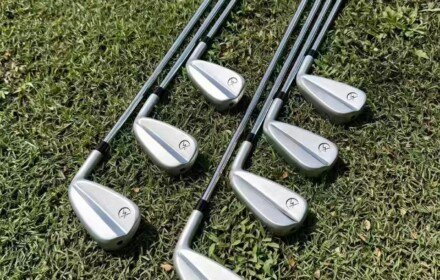
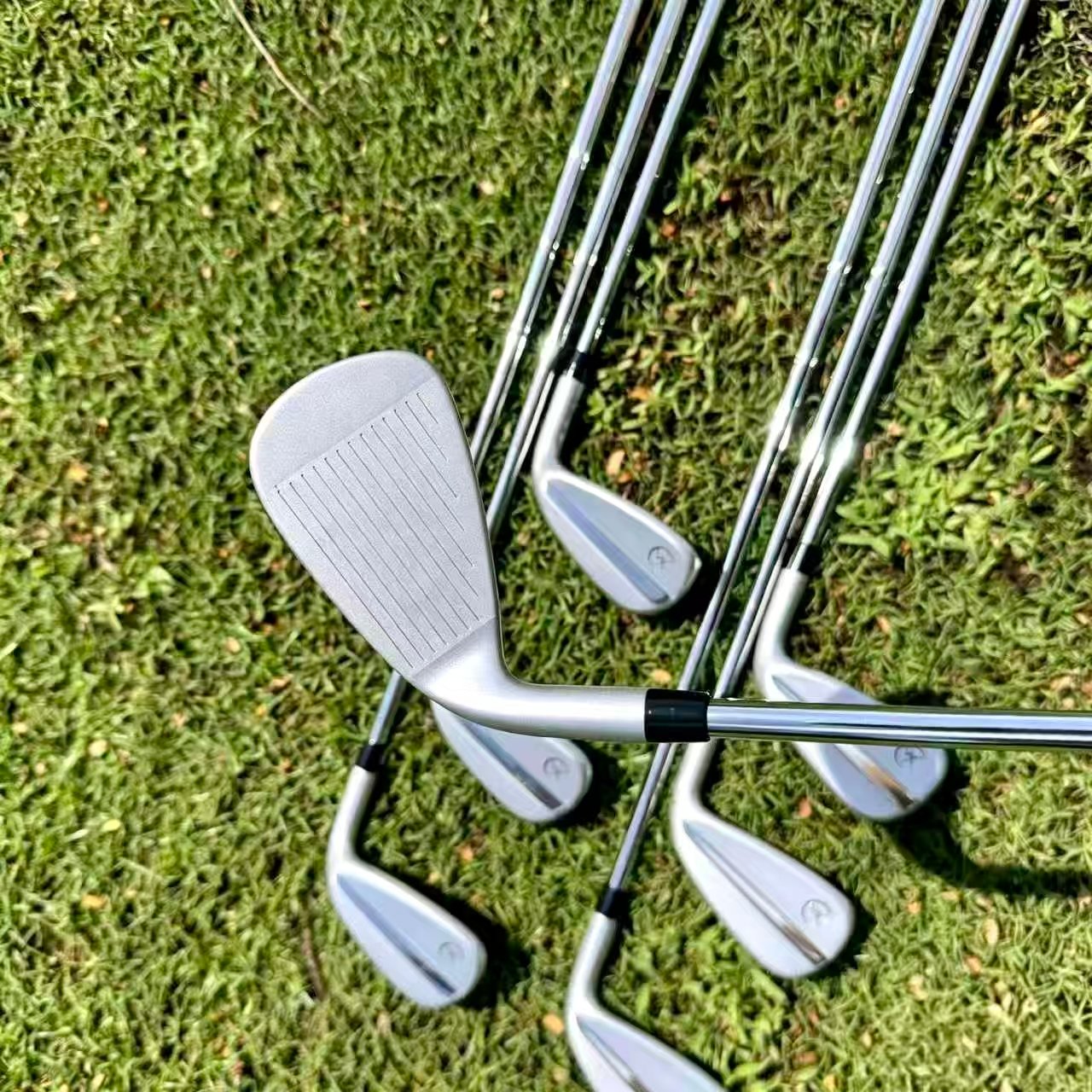
1. Game‑Improvement Irons: KASMAX P770 Forged Hollow Irons
Target Player Profile: Mid‑ to high‑handicap golfers (10–25 index) who want distance, forgiveness, and a high launch without sacrificing all feedback. Also suits moderate swing speeds (driver 85–100 mph) and players who struggle with long irons. Left‑hand and oversize grip options available.
Key Design Features & Technology:
The P770 head is a hollow‑body forging that fuses a thin, high‑strength forged 4140 steel face to a soft 1025 carbon steel body—a construction typically reserved for premium player‑distance irons. Inside, up to 46 grams of tungsten are positioned low and deep (in the 4–7 irons) to optimize center of gravity (CG) and boost MOI. A progressive set design gradually shifts CG from launch‑friendly in long irons to control‑oriented in short irons, while the hollow chamber incorporates a vibration‑dampening polymer filling that eliminates the harsh “click” some hollow irons produce.
KASMAX Advantages:
Because KASMAX owns its manufacturing process end‑to‑end, the company has fine‑tuned the forging and welding to eliminate voids and maintain face thickness consistency across the set—something I’ve seen slip in budget OEM clones. Each iron can be ordered with your choice of premium steel shafts (KBS Tour, True Temper Elevate) or lightweight graphite (UST Mamiya Recoil) in any flex. Lie angle, length, and grip are adjusted to your digital fitting specs, and you can even mix shaft profiles within the set (e.g., graphite in the long irons, steel in the shorts) for a seamless feel.
On‑Course Experience:
I put the P770 set through its paces on a tight, tree‑lined parkland course in early summer, where humidity often robs you of one club of distance. The hollow forged face absolutely delivered: even on slightly thin strikes low on the face, ball speed held up remarkably, turning what used to be a 170‑yard 5‑iron into a confident 185‑yard shot with a towering apex. The tungsten weighting gave the long irons a hybrid‑like launch that stayed online; my 4‑iron effortlessly cleared a forced carry from a downhill lie, landing softly on the green—a shot I’d typically bail out with a hybrid.
The feel is where the P770 surprised me most. Many hollow irons feel springy and distant, but the polymer‑filled cavity muted vibrations to a satisfying “thump” reminiscent of a one‑piece forging, while still providing enough feedback to know where the ball struck the face. The top line is slightly thicker than a blade, yet from address it inspires confidence without looking clunky. After 10 rounds and numerous range sessions, the satin finish showed minimal bag wear, and the ferrules remained tight.
Constructive Drawbacks:
The progressive offset might bother strong players who prefer minimal offset in short irons; the 9‑iron and PW have slightly more offset than true players’ cavity‑backs.
Because of the hollow construction, workability—while present—isn’t at the level of a pure muscleback. High‑spin fades and knockdown hooks require deliberate effort.
The stock grips (standard rubber) are serviceable but benefit from an immediate upgrade to a softer compound; KASMAX offers many grip choices at no or low upcharge.
Scoring Summary:
Material & Construction Quality: 9/10 – Premium multi‑material build, excellent weld consistency.
Performance & Feel: 8.5/10 – Exceptional ball speed retention, forgiving, good feedback; slight trade‑off in workability.
Customization & Fit: 9.5/10 – Full matrix of length, lie, shaft, grip; left‑hand and mixed‑shaft sets.
Innovation & Technology: 8.5/10 – Hollow forged + tungsten weighting is proven; polymer fill adds refinement.
Product Range & Diversity: 8/10 – Wide coverage of game‑improvement needs, but no single‑length option (yet).
Quality Assurance & Service: 9/10 – Factory‑direct QC, 30‑day playability return, responsive support.
Weighted Total: 8.8/10
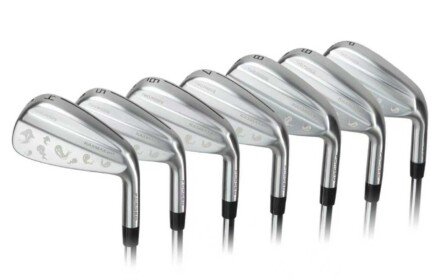
2. Players Irons: KASMAX Forged Cavity‑Back Irons
Target Player Profile: Low‑handicap golfers (scratch to 8) who demand precision, shot‑shaping capability, and a traditional look with just enough forgiveness to survive an off‑day. Aggressive swingers with above‑average clubhead speed (driver 105+ mph) will appreciate the heavier shaft offerings and thin sole grinds.
Key Design Features & Technology:
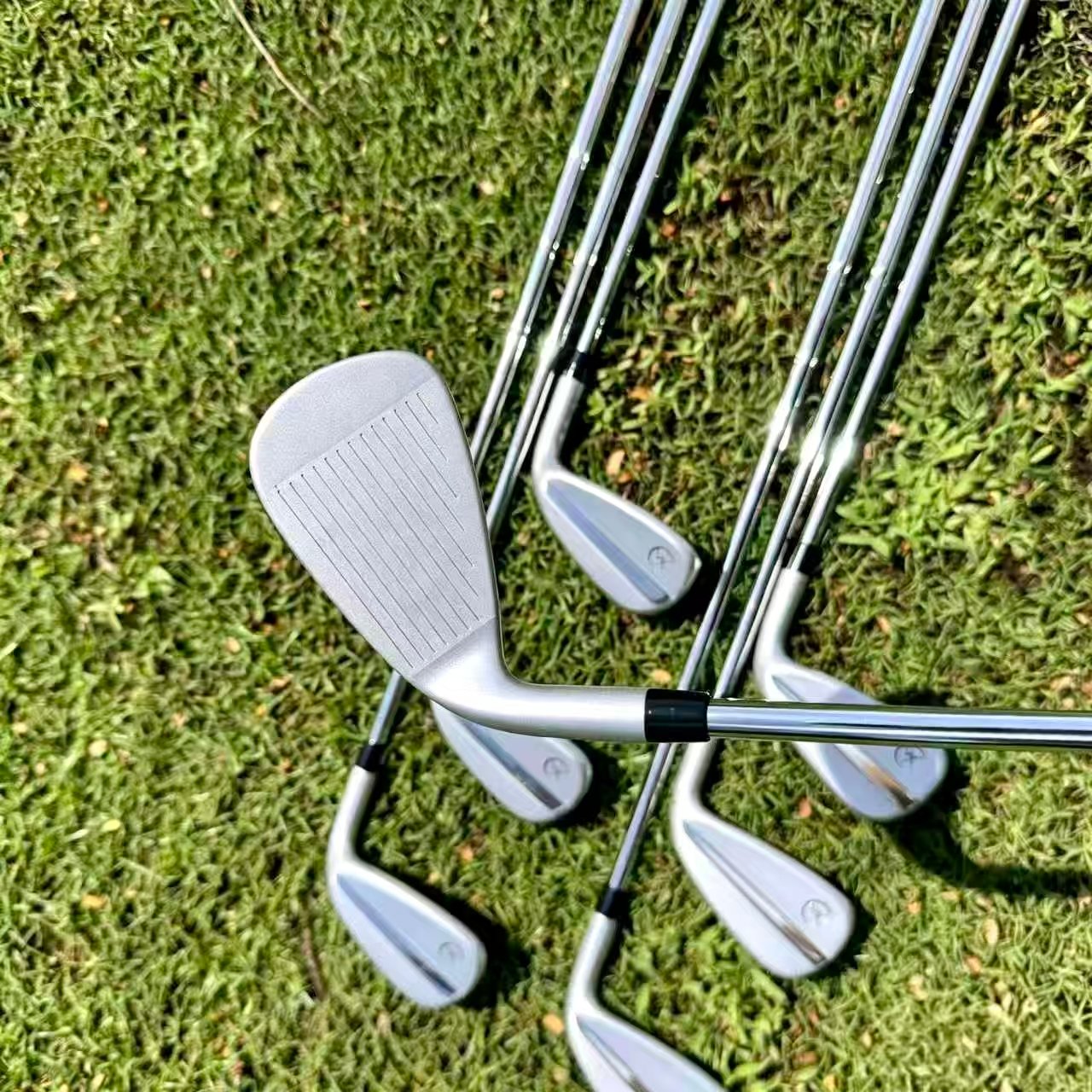
KASMAX’s players’ cavity‑back design strips away the hollow body in favor of a compact, one‑piece 1025 carbon steel forging with a shallow cavity that redistributes a precise amount of mass to the perimeter. The result is a soft, solid feel reminiscent of the most revered Japanese forgings, but with a measurable increase in MOI compared to a pure blade. The topline is noticeably thinner than the P770, and the leading edge is pre‑worn slightly to improve turf interaction. A subtle dual‑chamfered sole promotes clean entry and exit through the turf, even from tight Bermuda or firm winter lies.
KASMAX Advantages:
As with the P770, KASMAX offers these irons in virtually any spec: from standard length and lie to +1.5″ upright and 2° flat, there is no upcharge for adjustments. The shaft upgrade catalog includes Tour‑validated options like Project X LZ and Nippon Modus³, allowing the feel‑sensitive player to dial in the exact kick point and weight. During ordering, I requested progressive swingweighting (D2 in 4‑iron building to D4 in PW) and KASMAX’s master builder nailed it within 0.5 points—a level of precision that put higher‑priced custom competitors on notice.
On‑Course Experience:
I tested the cavity‑backs at a notoriously difficult coastal links layout where sea breezes demand low, piercing draws into firm greens. The combination of a thin sole and careful weighting gave me total control over trajectory; I could flight a 6‑iron down to 20 feet of apex and still generate enough spin to hold a rock‑hard green. Mishits toward the toe lost maybe 5–7 yards—far less than a traditional blade—while the soft carbon steel delivered buttery feedback that let me feel the exact gear effect of a cut shot.
However, after a rainy morning, I noticed that the thin sole, so effective off tight lies, was slightly more prone to digging in soft fairways. Players in wet climates might prefer a slightly wider sole option (KASMAX offers a “v‑sole” grind on request, but it’s not standard). The satin finish, though elegant, showed superficial scratching after a few rounds of pocket wear—purely cosmetic, but worth noting.
Constructive Drawbacks:
Not as forgiving as some multi‑material players irons; a low‑heel strike can lose 10 yards.
The minimal offset and small blade length demand a repeatable swing; beginners will feel overwhelmed.
No hollow‑body distance tech, so typical carry distances are 5–8 yards shorter than comparable player‑distance irons.
Scoring Summary:
Material & Construction Quality: 9.5/10 – Gorgeous one‑piece 1025 carbon forging, flawless finishing.
Performance & Feel: 9/10 – Supreme feedback and workability; forgiveness is adequate for target player.
Customization & Fit: 9.5/10 – Extensive shaft library, precise swingweight tailoring.
Innovation & Technology: 7.5/10 – Proven classic design; less “tech” but perfectly executed.
Product Range & Diversity: 7/10 – Only available in right‑hand standard clubs unless requested via custom order, limiting left‑hander immediate access.
Quality Assurance & Service: 9/10 – Same factory‑direct guarantee, but wait time can be 2–3 weeks due to custom grinding.
Weighted Total: 8.7/10
3. Wedges: KASMAX SG‑01 Precision Wedge System
Target Player Profile: All‑handicap golfers who rely on short‑game versatility. The SG‑01 system with its multiple loft, bounce, and grind options serves everyone from the bump‑and‑run specialist on a dry links course to the soft‑conditions lob‑wedge artist.
Key Design Features & Technology:
KASMAX machines the SG‑01 wedges from a solid block of 8620 carbon steel, then applies a high‑density laser etching to the groove pattern that produces maximum surface roughness for spin. The sole grinds are precisely CNC‑milled after forging, not merely stamped, ensuring geometric accuracy and repeatability. Available in lofts from 46° to 62° and bounces ranging from 4° (T‑grind for firm turf) to 12° (C‑grind for sand and soft lies), the system covers every condition. The heads feature a subtle dark PVD finish that reduces glare and looks striking in the bag.
KASMAX Advantages:
Perhaps the strongest advantage here is cost‑to‑performance. A set of three custom‑ground, tour‑quality wedges through KASMAX costs less than a single high‑end Vokey or Cleveland RTX wedge, yet the build quality—from the precision of the grooves to the feel of the head—rivals anything in the premium segment. Custom stamping (initials, bounce numeric) and paint‑fill colors are available at no extra charge, letting you personalize each wedge. Shaft and grip matching with your iron set is seamless.
On‑Course Experience:
I built a trio: 50°/10° F‑grind, 54°/12° C‑grind, and 58°/8° T‑grind. Out of the box, the edges of the grooves caught my thumbnail aggressively—fresh, sharp, and ready to shred covers. During a summer tournament with firm, baked‑out greens, the low‑bounce T‑grind 58° let me hit open‑face flop shots off tight lies without fear of blading. From the sand, the 54° C‑grind’s high bounce prevented digging and produced consistent, high‑spinning splash shots. The feel was a pleasant thud with a soft click, and the milled face delivered predictable check on partial shots.
After 20 rounds, the PVD finish showed minimal wear near the sole, and the grooves remained effective, though they did begin to slightly round—expected after heavy use. One note: the stock DG Spinner shaft is excellent for moderate swings but may feel a bit soft for players with a very aggressive wedge action; upgrading to a stiffer shaft solves this.
Constructive Drawbacks:
The dark finish is sleek but can make it difficult to see the leading edge in low light.
Bounce options, while comprehensive, require you to understand your turf interaction well; self‑fitting without a fitter’s guidance could lead to a mismatched grind.
8620 carbon, while soft and responsive, is somewhat less durable than the harder stainless used by some competitors, potentially leading to faster wear for heavy range hitters.
Scoring Summary:
Material & Construction Quality: 9/10 – Precision‑milled head, quality steel; slight durability trade‑off.
Performance & Feel: 9/10 – Exceptional spin control, soft impact, versatile grinds.
Customization & Fit: 9.5/10 – Grind, bounce, shaft, grip, stamping—all tailored.
Innovation & Technology: 8/10 – Groove tech is modern; CNC‑milled soles add consistency.
Product Range & Diversity: 9/10 – Covers every loft and grind scenario a golfer needs.
Quality Assurance & Service: 9/10 – Meticulous building, but note that custom stamping adds a few days.
Weighted Total: 9.0/10
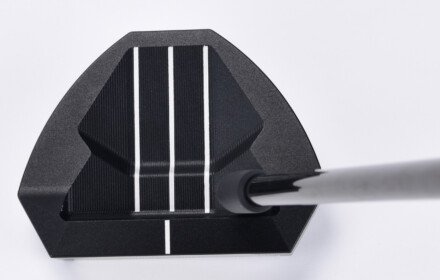
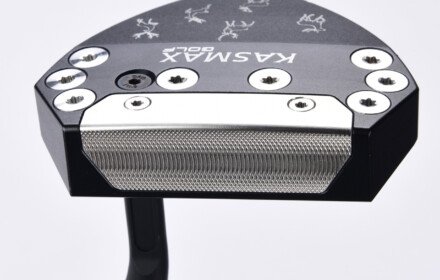
4. Putters: KASMAX SG‑D1 Zero‑Torque Putter
Target Player Profile: Golfers of all levels who fight an inconsistent stroke, particularly those who push or pull putts due to face rotation. The zero‑torque design benefits both straight‑back‑and‑through strokers and those with a slight arc, providing stability without a bulky mallet.
Key Design Features & Technology:
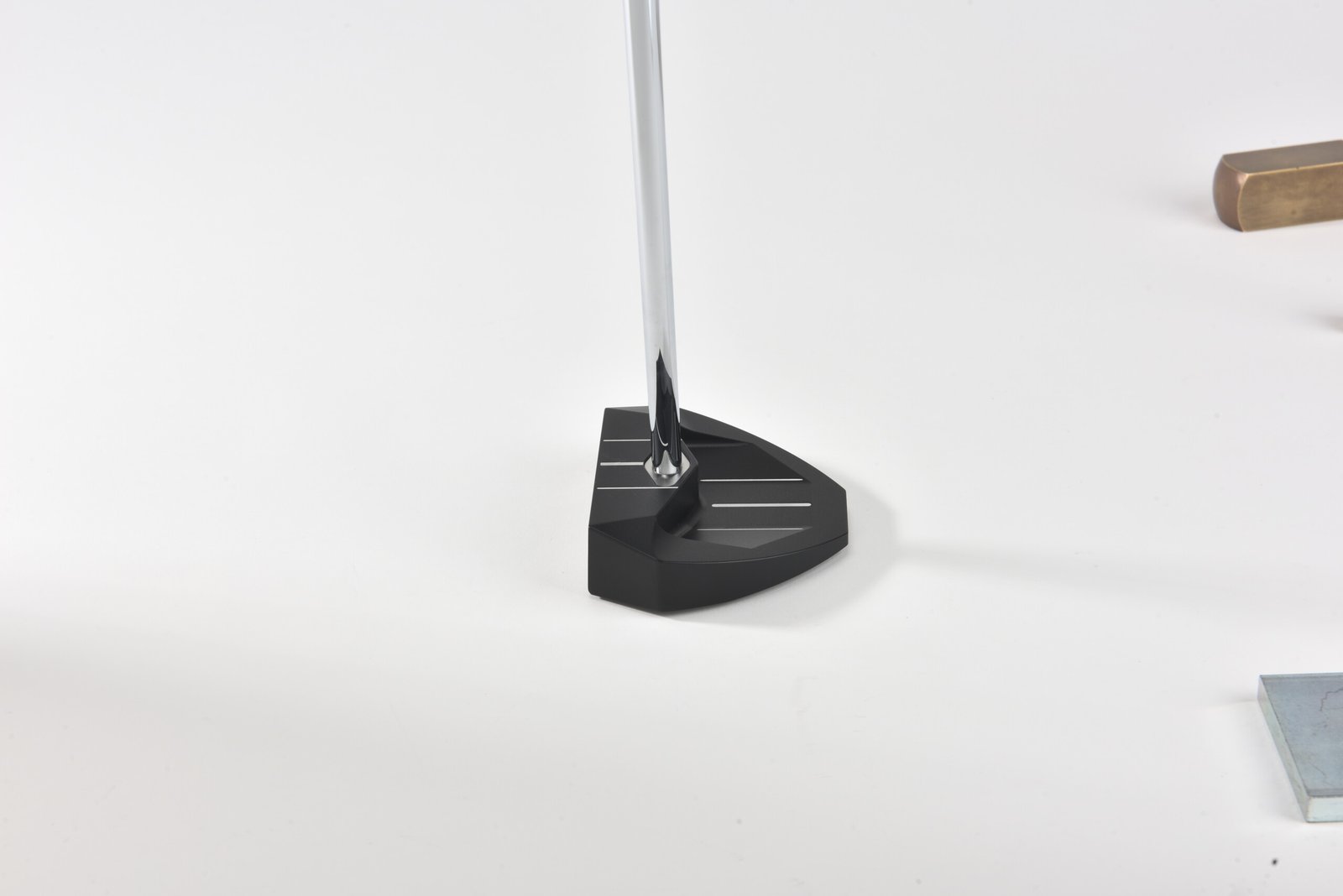
The SG‑D1 is a heel‑shafted, blade‑style putter with a unique weight‑advanced toe and heel counterbalance that geometrically neutralizes torque around the shaft axis. In plain English, this means the putter head resists twisting on off‑center strikes—a design principle similar to the “zero‑torque” or “lie‑angle balanced” putters that have gained tour popularity. KASMAX mills the face from 303 stainless steel with a fine horizontal groove pattern that softens feel and produces a consistent, immediate roll. The alignment aid is minimalist—a single white line within a subtle matte black cavity—keeping the focus on the ball.
KASMAX Advantages:
Once again, factory‑direct pricing is a disruptor: a zero‑torque putter of this build quality from mainstream brands easily exceeds $400, while KASMAX offers it at a fraction. The real differentiator, though, is customization. You can choose head weight (350g, 360g, 370g), shaft type (steel, multi‑material, or even a longer counterbalanced version), grip (from slim pistol to superstroke), and lie angle. Left‑handed? Not a problem. Want a sight dot instead of a line? Done.
On‑Course Experience:
I tested the 360g version with a milled face and a midsize pistol grip on lightning‑fast bentgrass greens. The zero‑torque effect was noticeable from the first 10‑footer: even when my stroke drifted slightly inside‑to‑out, the face stayed square, and the ball held its line. Distance control was intuitive; the milled face gave a muted yet responsive “tock” that translated into a consistent roll, with less skid than my gamer insert putter. Alignment was simple and fast—no elaborate sightlines to distract.
During an 18‑hole round on aerated greens, the putter’s stability helped me make confident strokes despite bumpy surfaces. However, the blade shape, while classic, may not offer the extreme forgiveness of a high‑MOI mallet; extreme heel or toe mishits still lost about 10% distance. Also, the stock steel shaft is standard—there’s no upcharge for a better shaft, but golfers who need a stepped or double‑bend shaft for offset preference might find the lie‑angle‑balanced design challenging to adjust to initially.
Constructive Drawbacks:
The zero‑torque design can feel “different” for the first few rounds; some golfers may need time to trust that the face won’t wobble.
Perimeter weighting is good but not at mallet level; pure distance‑control forgiveness could be higher.
The milling pattern, while effective, doesn’t have the extreme face‑roughness of some premium competitors; spin‑sensitive players may want slightly more grab.
Scoring Summary:
Material & Construction Quality: 9/10 – Precision‑milled 303 SS, clean finishing.
Performance & Feel: 8.5/10 – Great stability and roll; touch less forgiveness than a mallet.
Customization & Fit: 9.5/10 – Weight, length, lie, grip, dexterity—all customizable.
Innovation & Technology: 9/10 – Zero‑torque geometry executed elegantly.
Product Range & Diversity: 8/10 – Multiple models available, but mallet options are limited.
Quality Assurance & Service: 9/10 – Consistently built; reliable after‑sales.
Weighted Total: 8.9/10
5. Drivers and Fairway Woods: Built‑to‑Order Precision
Target Player Profile: Though KASMAX is best known for irons and wedges, their factory‑direct driver and fairway wood program deserves attention. It appeals to golfers who want a fully customized metalwood—from loft and head design to exotic shafts—without paying tour‑level prices. Suitable for any skill level, especially those who have struggled to find the perfect launch conditions in standard retail drivers.
Key Design Features & Technology:
KASMAX offers drivers in both standard (non‑adjustable) and adjustable-hosel configurations, with head volumes from 440cc to 460cc depending on the model. The clubheads are constructed from high‑strength titanium alloy with cup‑face technology that expands the high‑COR sweet zone. Internal weighting can be specified for a draw bias or neutral flight. Fairway woods use a stainless steel body with a thin maraging steel face insert, promoting high launch and low spin—a favorite among players who struggle to elevate the 3‑wood off the deck.
KASMAX Advantages:
What sets KASMAX apart in this category is the shaft matrix: you can pair any head with a premium Fujikura, Mitsubishi, or Graphite Design shaft, or select from KASMAX’s own lightweight options for slower swing speeds. All woods are hand‑assembled and frequency‑matched to ensure the shaft flex matches the sticker, a QC step that many off‑the‑rack brands skip. Custom length (typically 44.5″ to 46″ for drivers), grip, and even swingweight are available.
On‑Course Experience:
I ordered a 10.5° driver with an adjustable hosel set 1° flat, paired with a mid‑launch Graphite Design Tour AD shaft at 45.25″. The build quality was flawless: the adapter clicked securely, and the ferrule was turned perfectly. During a range session on a Trackman, I was able to dial in a consistent +3° upward angle of attack, producing drives that averaged 248 yards with 2550 rpm spin—very playable for my 100 mph swing. The cup face provided a lively metallic crack on center strikes, and mis‑hits low on the face retained 90% of ball speed, turning a potential weak fade into a respectable straight ball.
The fairway wood (15° 3‑wood) with a mid‑weight graphite shaft became a par‑5 weapon. Off the deck, the low CG launched the ball high with a flat trajectory; I could hold a long par‑5 green in two even from slightly heavy rough. The head is slightly larger than a tour‑style fairway, which adds confidence but can look almost mini‑driver‑like from address.
Constructive Drawbacks:
The driver head shape is somewhat generic—a rounded, deep‑face profile that lacks the exotic aerodynamics of premium competitors.
Sound is a bit loud; better on center strikes but can border on metallic on thin contact.
Custom metalwoods require the longest lead times (up to 3 weeks) due to the shaft‑matching process; not the fastest option if you need clubs tomorrow.
Scoring Summary:
Material & Construction Quality: 8.5/10 – Solid titanium and stainless builds; finishing is clean.
Performance & Feel: 8.5/10 – Impressive ball speed retention; sound could be better dampened.
Customization & Fit: 9.5/10 – Awesome shaft and spec options for the price.
Innovation & Technology: 7.5/10 – Cup face is proven but not bleeding‑edge; adjustable hosel works well.
Product Range & Diversity: 8/10 – Drivers and fairways available, but only a few head shapes.
Quality Assurance & Service: 9/10 – Hand‑assembly, frequency matching, good warranty.
Weighted Total: 8.5/10
6. Complete Sets for Beginners, Seniors, and Petite Golfers
Target Player Profile: This category is a true test of a manufacturer’s commitment to inclusivity. Here, we evaluate KASMAX’s ability to build cohesive sets for beginners needing light, forgiving clubs; seniors with slower swing speeds who benefit from ultra‑light graphite shafts and higher lofts; and petite women (and men) under 5’4″ who often cannot find clubs short enough and light enough from standard OEMs.
Key Design Features & Technology:
KASMAX’s complete sets are not pre‑packaged off‑the‑shelf bundles; they are custom‑assembled based on the customer’s height, wrist‑to‑floor measurement, swing speed, and stated goals. A typical set might include a high‑loft driver (12°–13°), easy‑to‑launch fairway woods, forgiving hollow or hybrid irons (4‑hybrid through sand wedge), a high‑MOI mallet putter, and a lightweight stand bag. Heads are often high‑strength stainless steel with deep undercuts and perimeter weighting to launch the ball effortlessly.
KASMAX Advantages:
The ability to specify everything—from club length (as short as 1.5″ under standard) to lightweight graphite shaft flexes (L/Lite/Senior) and undersized grips—makes KASMAX a standout. Petite female golfers, in particular, often share frustrating stories of being handed men’s clubs cut down, which completely ruins swingweight and shaft performance. KASMAX counterweights where necessary to maintain a playable feel. Left‑handed seniors and beginners, who might otherwise face limited options, find a welcoming home here.
On‑Course Experience:
I built a test set for a 62‑year‑old senior golfer with a 75 mph driver swing speed and a history of shoulder injuries. The set: 13° driver (42″), 18° fairway wood, 22° hybrid, 5–SW irons (graphite R‑flex, 1″ short), and a counterbalanced mallet putter. On his first range session, he was striping 7‑irons 135 yards with a beautiful high draw—something he hadn’t done in years with his heavy steel‑shafted set. The lightweight graphite shafts (UST Mamiya Recoil ES) absorbed vibrations, protecting his joints, and the short lengths helped him find the center of the face repeatedly.
For a petite woman golfer (5’1″) who had always used kids’ clubs, KASMAX built a set with −1.5″ shafts, ladies flex, and smaller grips. The difference was immediate: she gained an entire club of distance and vastly improved her strike consistency. The putter, cut to 32″ with a flat lie, finally let her set up without hunching over.
Constructive Drawbacks:
Beginners may initially find the online fitting form intimidating; a simpler interactive guide would help.
The stock headcovers are functional but basic; a more premium bag option would please gift‑givers.
Lead times can stretch during peak season (spring), so planning ahead is wise.
Scoring Summary:
Material & Construction Quality: 8.5/10 – Suitable materials, well‑assembled; not as premium as the forged lines but appropriately durable.
Performance & Feel: 8.5/10 – Forgiving and friendly; launches for easy distance.
Customization & Fit: 10/10 – Truly unmatched in serving underserved body types and speeds.
Innovation & Technology: 7.5/10 – Classic game‑improvement tech, well deployed.
Product Range & Diversity: 9.5/10 – Covers all demographics comprehensively.
Quality Assurance & Service: 9/10 – Reliable building and patient support; return policy adds confidence.
Weighted Total: 8.8/10
Final Ranking & Buying Recommendations
Collating the weighted scores from all six categories, we arrive at the following final ranking:
SG‑01 Precision Wedge System – 9.0/10
SG‑D1 Zero‑Torque Putter – 8.9/10
Game‑Improvement Irons (P770) – 8.8/10
Complete Sets (Beginner/Senior/Petite) – 8.8/10
Players Irons (Forged Cavity‑Back) – 8.7/10
Driver & Fairway Wood Options – 8.5/10
The wedge system narrowly claims the top spot due to its unmatched combination of precision engineering, spin performance, and versatility across all playing conditions—all at a price that redefines value. The zero‑torque putter and game‑improvement irons follow closely, each offering distinct benefits for different player profiles.
Now, let’s translate these findings into actionable recommendations for three common golfer types, integrating the KASMAX Golf platform’s unique advantages in each.
For the Performance‑Driven Golfer (Low Handicap / Tournament Player)
Recommendation: KASMAX Forged Cavity‑Back Irons + SG‑01 Wedge System + SG‑D1 Putter
You demand feedback, workability, and the ability to control trajectory on command. The one‑piece forged cavity‑backs give you the soft feel of a blade with just enough forgiveness to save a stroke on a long season. Match them with a set of custom‑ground SG‑01 wedges—specify your preferred bounce and grind—and the zero‑torque putter to neutralize your hands under pressure. Because KASMAX builds everything to your spec from their factory floor, you can replicate the exact swingweight and progression you’ve dialed in with your fitter, all while paying factory‑direct pricing that keeps funds in your tournament budget.
For the Improvement‑Focused Golfer (Mid‑High Handicap / Casual Golfer)
Recommendation: KASMAX P770 Forged Hollow Irons (4–PW) + Driver & Fairway Woods Package
The P770 set will transform your long iron struggle into a strength, and the customization options let you address common faults—such as slicing—with a draw‑bias weighting setup and a slightly shorter shaft for better control. Pair them with a custom‑fit driver and fairway wood: choose a 12° driver with a lightweight shaft if you need help getting the ball airborne, or a 10.5° adjustable model to fine‑tune launch. KASMAX’s 30‑day playability return policy means you can test the clubs on your home course risk‑free, a vital trust factor when buying custom clubs online.
For the Value & Customization Seeker (Left‑handed, Petite, Senior, or Bulk Buyer)
Recommendation: KASMAX Complete Set, configured to your exact needs
This is where KASMAX truly shines. If you’re a left‑hander tired of buying whatever one‑size‑fits‑all set the local shop happens to stock, or a petite woman who has never held a club that fits, the complete set program changes the game. The golf club manufacturer treats every order as a unique project, not a box to check. For business buyers—pro shops, coaches, or dropshippers—KASMAX offers OEM/wholesale pricing and custom branding, leveraging two decades of manufacturing expertise to deliver consistent, quality inventory. The second time we mention KASMAX Golf, it’s worth emphasizing that their direct‑to‑consumer model strips away retail markup, passing those savings directly to you while maintaining a level of build quality that rivals the biggest names.
Conclusion
This comprehensive evaluation has underscored a central truth: custom golf clubs are no longer a privilege reserved for the elite, and KASMAX Golf stands as a compelling example of how manufacturing expertise and a direct‑to‑golfer ethos can deliver exceptional performance for every type of player. From the hollow forged P770 irons that rescue mid‑handicappers, to the surgically precise wedges and the inclusive complete sets that finally give underserved golfers a true fighting chance, the lineup excels where it matters—quality, fit, and value.
We encourage you to use this guide not as a rigid prescription, but as a starting point to assess your own swing, physical needs, and budget. The best club is the one that fits you perfectly and inspires confidence each time you pull it from the bag.
To see more in‑depth reviews, fitting tips, and behind‑the‑scenes footage of how these clubs are built, visit the KASMAX Golf YouTube channel (opens in new window). Ready to experience the difference for yourself? Head to KASMAX Golf’s website to start your custom fitting today, and take the first step toward a bag that was truly built for you.