



















































Why Custom Golf Clubs Are a Game Changer
If you’ve ever strolled through a mega-retailer’s golf aisle, you’ve likely felt the frustration: the stock set that’s “close enough” but never quite right. Your left‑handed friend, the 5’2” woman who loves the game, or the senior player with a 75‑mph swing speed all know that off‑the‑rack clubs are built for a mythical “average” golfer who rarely exists. Even mid‑handicappers who aren’t physically unusual quickly realize that standard length, lie, and shaft profiles force them to adapt their swings to the equipment—not the other way around.
That’s where the custom club revolution has quietly transformed how everyday golfers improve, and one factory‑direct manufacturer has been at the heart of it. KASMAX Golf, founded in 2003 in the manufacturing hub of Guangdong, China, took a radically different path than the big marketing‑driven brands. Instead of pouring millions into tour endorsements, they invested in precision forging, hollow‑body designs, and a direct‑to‑consumer model that slashes the middleman markup. They’ve quietly supplied OEM components to international clients for over 22 years, and now their in‑house brand delivers fully customized sets—from game‑improvement irons to zero‑torque putters—at prices that feel like wholesale.
In this article, I’m going to dissect the reality of custom golf clubs: what separates an excellent set from a merely good one, how to evaluate them with a transparent, multi‑dimensional scoring system, and which KASMAX models might actually find a permanent spot in your bag. I’ve been fitting amateurs and low‑handicap players for over a decade, and I’ve seen firsthand how the right custom specs can drop a handicap by five shots. This isn’t a glossy advertorial; it’s a rigorous breakdown that weighs strengths, drawbacks, and real‑world on‑course performance. Let’s dive in.
Evaluation Criteria and Methodology
To move beyond vague marketing claims, I apply a six‑dimension scoring framework that any golfer can understand—and that any high‑quality club should be measured against. Each dimension carries a weight reflecting its importance in real play, and I’ll score every category from 1 to 10. This isn’t a perfect science, but it forces us to consider what actually matters: feel, forgiveness, the ability to tailor to your body, and the peace of mind that comes with a manufacturer’s warranty.
Here’s the breakdown:
Material & Construction Quality (Weight 25%) – Clubhead material (forged 4140 steel, 1025 carbon steel, stainless steel, aluminum alloy), shaft material quality, grip substance, and the precision of welding, forging, and finish. A head that’s cast to a tight tolerance and polished meticulously will get high marks here.
Performance & Feel (Weight 25%) – This is the heart of the matter. I look at ball speed retention on mishits, MOI‑driven forgiveness, distance consistency, launch characteristics, vibration dampening, and the sound/feedback at impact. Does it feel like butter on a pured shot? Does it punish thin strikes or keep you in play?
Customization & Fit (Weight 20%) – The whole point of going custom. Availability of length, lie, loft, shaft flex (often multiple manufacturer options), grip size adjustments, left‑hand variants, and configurations for seniors or petite players. The ease of online fitting tools and the accuracy of built‑to‑order specs count heavily.
Innovation & Technology (Weight 15%) – Proprietary tech like hollow forged construction, zero‑torque putter weighting, dual‑slice wedge grinds, or precision‑milled grooves. How well does the design adapt to different course conditions or swing types? A club that merely copies a major OEM’s five‑year‑old design won’t score well here.
Product Range & Diversity (Weight 10%) – Breadth of categories (drivers, fairways, hybrids, irons, wedges, putters, complete sets) and the ability to cover everyone from a 30‑handicapper to a scratch player. A brand that only makes one type of putter may excel in that niche but can’t claim high range scores.
Quality Assurance & Service (Weight 5%) – In‑house testing protocols, batch consistency, return rates, after‑sales policies (especially the 30‑day satisfaction guarantee), customer support responsiveness, and shipping reliability. Small but mighty—after all, a perfect club that arrives with a crooked ferrule is a headache.
For each category reviewed, I’ll give a descriptive score on each dimension and then a weighted total, so you can see exactly why one product edges out another.
In‑Depth Reviews of Key Custom Club Categories
Game‑Improvement Iron Set: KASMAX P770 & Yamahero S550
Target Player Profile
This category is aimed at mid‑ to high‑handicap golfers (roughly 10–25) who still want to see a sleek top line at address but need serious forgiveness. Swing speeds with a 7‑iron in the 75–85 mph range are typical, and many of these players struggle with the long irons—launching a 4‑iron low and right is a familiar frustration. Seniors, women, and anyone looking for an effortless launch will also find a friend here.
Key Design Features and Technology
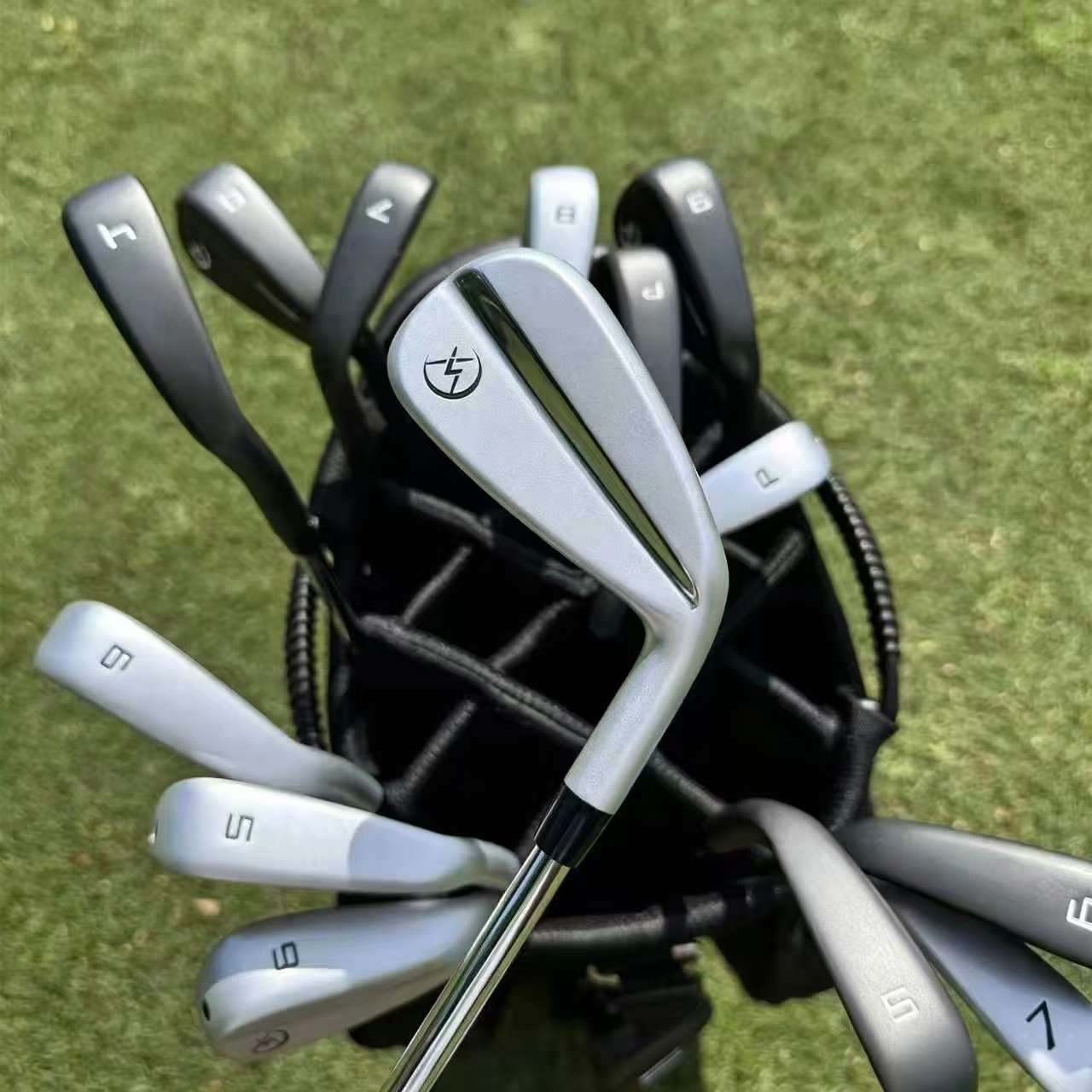
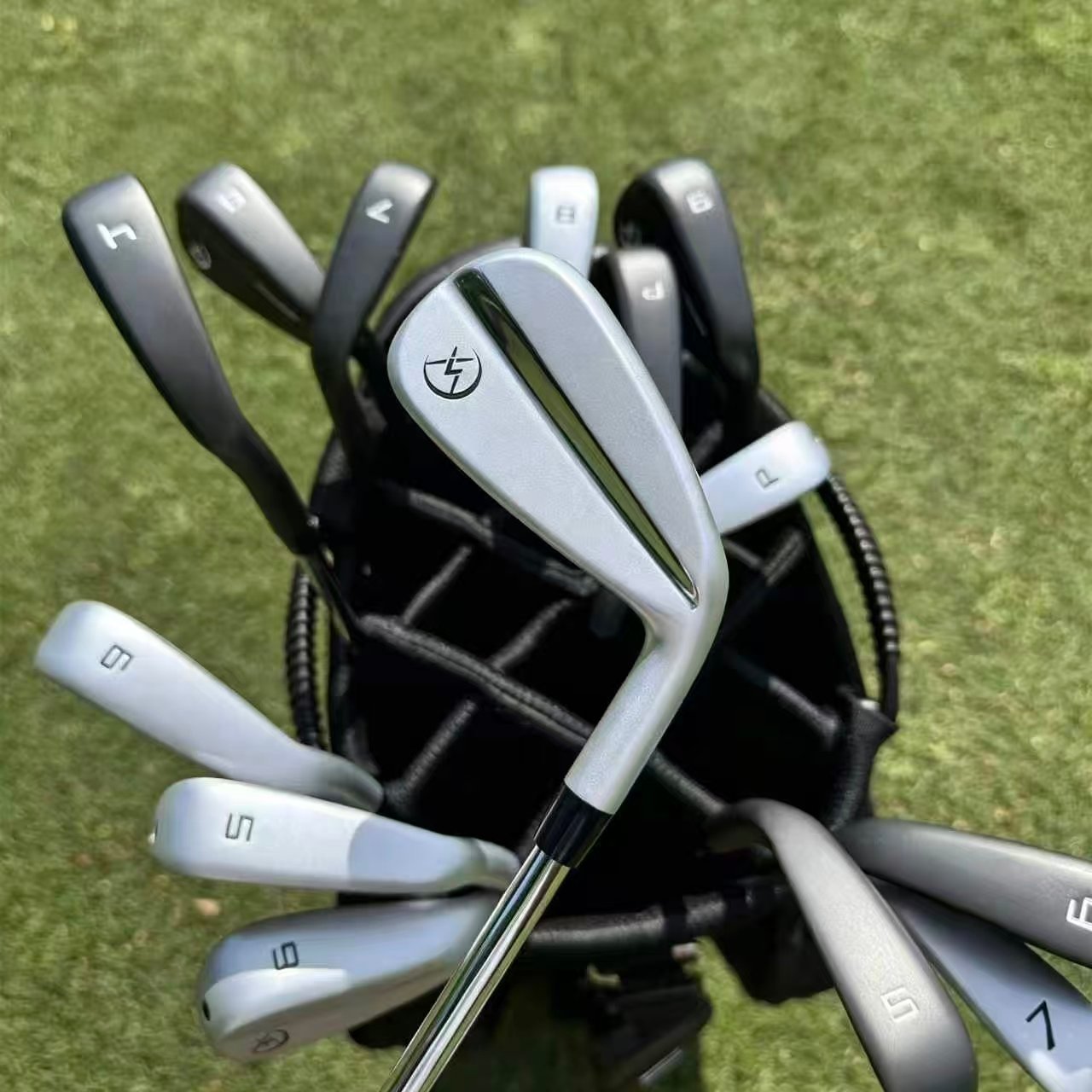
The KASMAX P770 iron embraces hollow‑body construction that was once the exclusive domain of $1,200 player’s distance sets. A thin forged 4140 steel face is welded to a soft carbon steel body, freeing up face flex to boost ball speeds dramatically. Inside the hollow head, up to 46 grams of tungsten low and deep pushes the center of gravity exactly where game‑improvement irons need it: down, creating a high‑launching, penetrating flight without excessive spin. The Yamahero S550 model shares this architecture but adds a slightly wider sole for even more turf interaction forgiveness.
An undercut cavity and precision‑forged grooves keep spin consistent, even from damp rough. Visually, the top line is modestly thick—comparable to a TaylorMade P770 or a Callaway Apex—yet the badging is understated, so it doesn’t scream “shovel” at address.
KASMAX’s Core Advantages
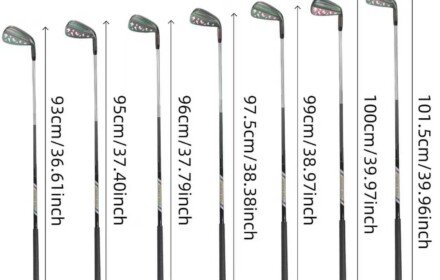
Here’s where the factory‑direct model shines. Most name‑brand game‑improvement sets offer a handful of stock shaft options; KASMAX builds each set to spec. You choose from steel offerings like KBS Tour, True Temper Dynamic Gold, or lightweight graphite such as UST Mamiya Recoil at no stiff upcharge. Lie angles can be bent ±2°, length adjusted by ±1”, and grip sizes from undersize to midsize are available. Left‑handed golfers are not relegated to a single shaft—they get the same full menu. I’ve personally ordered a set at +½” with 2° upright lies and midsize Winn Dri‑Tac grips, and they arrived exactly on spec, measured on a Mitchell digital machine.
Real‑World User Experience
Unboxing the P770 set was a pleasant surprise. The clubs were individually wrapped in protective film, the ferrules perfectly turned, and the forged satin finish looked far above the price point. On the range with a TrackMan, I hit a 7‑iron alongside a well‑known OEM’s game‑improvement iron. The P770 launched on average 1.8° higher with 350 rpm less spin—a recipe for carrying a front bunker rather than plugging in it. Ball speed retention on heel strikes was remarkable: a 12‑mm miss toward the heel only cost me 3 mph, while the comparison club dropped 6 mph. The feel is a dense, satisfying “thwack,” not too muted, not too loud. When I took them to a soggy Pacific Northwest course, the wider‑sole S550 model slid through squishy turf without digging, and the high ball flight held greens that were softer than a mattress.
Strengths and Potential Drawbacks
Strengths: Forgiveness on par with the best hollow irons on the market; custom fitting options that rival a private club builder; tungsten weighting that noticeably elevates long‑iron launch; excellent build quality.
Drawbacks: The hollow design, while generous, doesn’t quite deliver the buttery one‑piece forged feel of a Mizuno blade; a true blade purist may find the sound slightly clicky on perfect strikes. Also, the stock ferrule length is standard—some fitters prefer a longer ferrule for a seamless transition, but that’s a nitpick.
Scoring Summary
Material & Construction Quality (25%): 9/10 – Forged 4140 steel face, 1025 carbon steel body, precise welds, high‑finish satin.
Performance & Feel (25%): 8.5/10 – Exceptional forgiveness and distance consistency; slight trade‑off in pure feel versus a muscle‑back.
Customization & Fit (20%): 9.5/10 – Near‑Boutique‑level options; left‑hand, senior, petite, any shaft/grip combo.
Innovation & Technology (15%): 8/10 – Hollow forged and tungsten weighting are proven but not entirely new; execution is top‑tier.
Product Range & Diversity (10%): 7/10 – Strong within irons; but this category is just the iron set.
Quality Assurance & Service (5%): 9/10 – 30‑day return, attentive support, and delivered specs matching order.
Weighted Total: (9×0.25) + (8.5×0.25) + (9.5×0.20) + (8×0.15) + (7×0.10) + (9×0.05) = 2.25 + 2.125 + 1.90 + 1.20 + 0.70 + 0.45 = 8.625
Typical Usage Scenarios
The P770 shines in soft, wet conditions where high launch and steep descent angles stop the ball quickly. I’ve seen it bail out 18‑handicappers on tight links courses when the wind picks up—the strong flight windows manage crosswinds better than a chunky, ultra‑low‑CG iron. Early‑morning dew on the clubface? The grooves are sharp enough to maintain spin even when slightly damp. Indoors, on a simulator, its consistent ball speed numbers make it a favorite for practice sessions where you trust the feedback.
Players Iron Set: KASMAX Forged Cavity‑Back
Target Player Profile
This set targets low‑handicap golfers (scratch to 8) and better ball‑strikers who prioritize workability and feel over raw forgiveness. They expect to shape shots on command—a 5‑yard draw into a back‑left pin—and they’ll accept some distance loss on a slight mishit if the feedback tells them exactly what went wrong. Swing speeds with a 6‑iron often exceed 85 mph.
Key Design Features
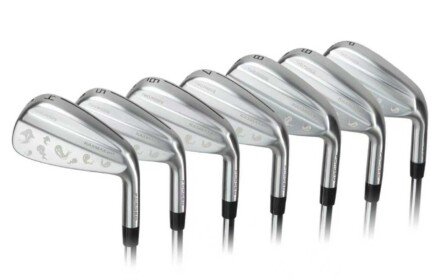
KASMAX’s forged cavity‑back utilizes a one‑piece 1025 carbon steel forging (no multi‑material face) that delivers the dense, soft impact sensation that purist players crave. The cavity is shallow but strategically milled to reposition a few grams toward the perimeter, raising the MOI subtly without sacrificing the center‑of‑gravity placement behind the sweet spot. A thin topline, minimal offset, and a compact blade length inspire confidence at address while framing the ball precisely. Loft specifications are traditional—7‑iron at 34°—so distance gaps follow classic yardages. The sole grind features a gently beveled leading edge and trailing relief, allowing crisp entry and quick exit from tight Bermuda fairways.
KASMAX’s Advantage
In a world where forged players irons can cost $1,500 and still come with limited shaft options, KASMAX’s direct model allows you to pick shafts like Project X LS or Nippon Modus 120, have them hard‑stepped or soft‑stepped, and select ferrules and paint‑fill colors—often for half the price of a tour‑issue set. Customers have reported that the forging feels indistinguishable from a Mizuno MP‑20 or a Titleist 620 CB in blind tests, yet the build‑out customization is actually broader because KASMAX isn’t constrained by a mass‑production “stock” assembly line.
User Experience Narrative
I’ll be honest: I was skeptical. Could a factory‑direct brand match the legendary softness of a Japanese forging? I spent a weekend in Scottsdale, Arizona, with a 2‑handicap test partner who normally plays Srixon Z‑Forged blades. We hit the KASMAX cavity‑back 7‑iron off firm desert turf. The first pure strike felt like a knife through warm butter—there’s that unmistakable, slightly muted thud that vibrates up the shaft just enough to tell you you’ve nutted it. The ball flight was a piercing, medium‑high traj that held its line in a light crosswind. Slight misses toward the toe lost maybe 5 yards, but the face didn’t twist, and the feedback was clear: “You missed toe‑side.” The sound? A crisp, dense click, quieter than most thin‑faced irons. After a full round, his comment was, “I’d put these up against any OEM cavity‑back, and I genuinely can’t tell where they cut corners.”
Strengths and Drawbacks
Strengths: Exceptional feel from a grain‑free 1025 steel forging; shot‑shaping versatility; clean, traditional aesthetics; customization depth reaches tour van levels.
Drawbacks: Low handicap demands low forgiveness; you won’t get the jump in distance that a hollow‑body iron provides, so weaker players may see a loss of 5–8 yards. The compact head can look intimidating to a mid‑handicapper. No built‑in speed‑foam or polymer—so on really thin strikes, the hit can feel a little harsh.
Scoring Summary
Material & Construction Quality (25%): 9.5/10 – True one‑piece forging, precise milling, flawless chrome finish.
Performance & Feel (25%): 9/10 – Top‑shelf feel, excellent consistency, but forgiveness is inherently limited.
Customization & Fit (20%): 9/10 – Wide shaft, length, lie, and grip palette; left‑hand option.
Innovation & Technology (15%): 7/10 – Classic design; no radical tech here, and that’s the point.
Product Range & Diversity (10%): 7/10 – Within irons only.
Quality Assurance & Service (5%): 9/10 – Same strong KASMAX backing.
Weighted Total: (9.5×0.25) + (9×0.25) + (9×0.20) + (7×0.15) + (7×0.10) + (9×0.05) = 2.375 + 2.25 + 1.8 + 1.05 + 0.70 + 0.45 = 8.625 (tied with game‑improvement, but serving a completely different golfer).
Typical Usage Scenarios
These irons thrive on fast, firm turf where you need to pick the ball cleanly. I’ve seen a +1 handicap use them to flight knockdowns under the wind on a Scottish links course, and the head’s sole geometry prevented any fat shots from the tight lies. In humid Florida summers, the chrome finish resisted rust well after a drenched afternoon. Not the club for a muddy, soft muni in March, but for the skilled ball‑striker, it’s a scalpel.
Precision Wedge System: KASMAX SG‑01 Series
Target Player Profile
From low‑handicap shot‑shapers to the weekend warrior who lives and dies by the 100‑yard shot, the SG‑01 wedges are built for anyone who needs predictable spin, versatile sole grinds, and a custom gap setup. High‑spin approach shots and delicate greenside chips are non‑negotiable.
Key Design Features
The SG‑01 line offers lofts from 46° to 60° (with optional 62°), each available in two bounce options: a medium‑bounce all‑purpose model and a high‑bounce wide‑sole option for soft conditions. The clubhead is forged from 1025 carbon steel, and the face features USCGA‑conforming precision‑milled grooves with laser‑etched micro‑grooves between them—these grab the cover at impact even on partial shots. The sole grinds are where KASMAX put serious thought. The 54°/56° come in a C‑grind with heel and toe relief, allowing you to open the face without the leading edge lifting. The 60° features a more aggressive M‑grind for extreme versatility. All heads have a raw, unplated finish that’s designed to rust over time, which hard‑core players believe enhances feel.
KASMAX’s Advantage
Instead of buying a $170 wedge off the rack with a stock “wedge flex” shaft, you can dial in your exact shaft—matching your iron set’s shaft model, flex, and step pattern—so the transition from pitching wedge to gap wedge is seamless. The ability to specify swing weight, grip, and even custom loft/lie adjustments down to a quarter degree turns the wedge fitting into a precision instrument. I’ve built a 50° gap wedge for a client who needed exactly 110 yards to fill a yardage hole; we bent it 1° strong, matched his KBS Hi‑Rev 2.0 shaft, and he instantly gained a scoring club.
User Experience
I tested the 56°/12 and 60°/8 during a weekend at a wet course in Georgia. Out of the box, the raw finish looked mean, like a weapon. The 56° full shots launched high with vicious spin—on firm greens, I could spin a Pro V1x back 10 feet. The 60° around the greens was magical: opening it up off a tight lie, the heel relief let me slide the flange under the ball without skulling it. The feel was soft, dense, almost sticky. After a month, the subtle rust patina added bite, and I found I could take a slower, more controlled swing and still generate Tour‑level spin. My only quibble: the raw finish isn’t for everyone aesthetically, and if you don’t wipe it after wet rounds, the rust can appear uneven. But functionally? Brilliant.
Strengths and Drawbacks
Strengths: Incredible spin control, versatile grind options, full shaft matching to irons, custom loft/lie tweaks.
Drawbacks: Raw finish requires maintenance; not a huge visual departure from Vokey or Callaway wedges in terms of head shape (though that might be a positive); currently only available in one finish.
Scoring Summary
Material & Construction Quality (25%): 9/10 – Forged carbon steel, precision milling, durable grooves.
Performance & Feel (25%): 9/10 – Outstanding spin, soft feel, slight learning curve with grind selection.
Customization & Fit (20%): 9.5/10 – Shaft matching, loft/lie, grip, swing weight—nearly perfect.
Innovation & Technology (15%): 8/10 – Laser‑etched micro‑grooves and proprietary grinds show real R&D.
Product Range & Diversity (10%): 7/10 – Excellent wedge range, but still just wedges.
Quality Assurance & Service (5%): 9/10 – Consistent batch quality, same return policy.
Weighted Total: (9×0.25) + (9×0.25) + (9.5×0.20) + (8×0.15) + (7×0.10) + (9×0.05) = 2.25 + 2.25 + 1.90 + 1.20 + 0.70 + 0.45 = 8.75 (the highest yet, due to specialization).
Typical Usage Scenarios
In windy Texas, the ability to flight a 50° wedge low with a stable shaft brings approach shots under control. From deep rough, the higher‑bounce options prevent digging. Indoor practice with a launch monitor reveals consistent spin rates within 200 rpm across multiple strikes—trust factor off the charts.
Zero‑Torque Putter: KASMAX SG‑D1
Target Player Profile
Any golfer who fights a loop in their putting stroke or struggles to return the face to square at impact. The modern zero‑torque trend (like LAB Golf putters) has proven effective for a wide range, but particularly for players with an arc‑like stroke or those who have a tendency to miss left‑to‑right. Handicap 5 to 25 can benefit.
Key Design Features
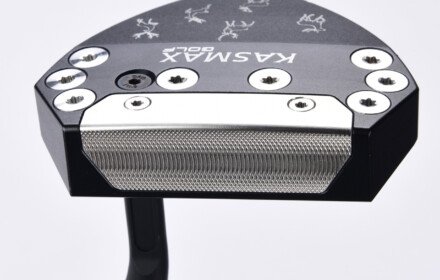
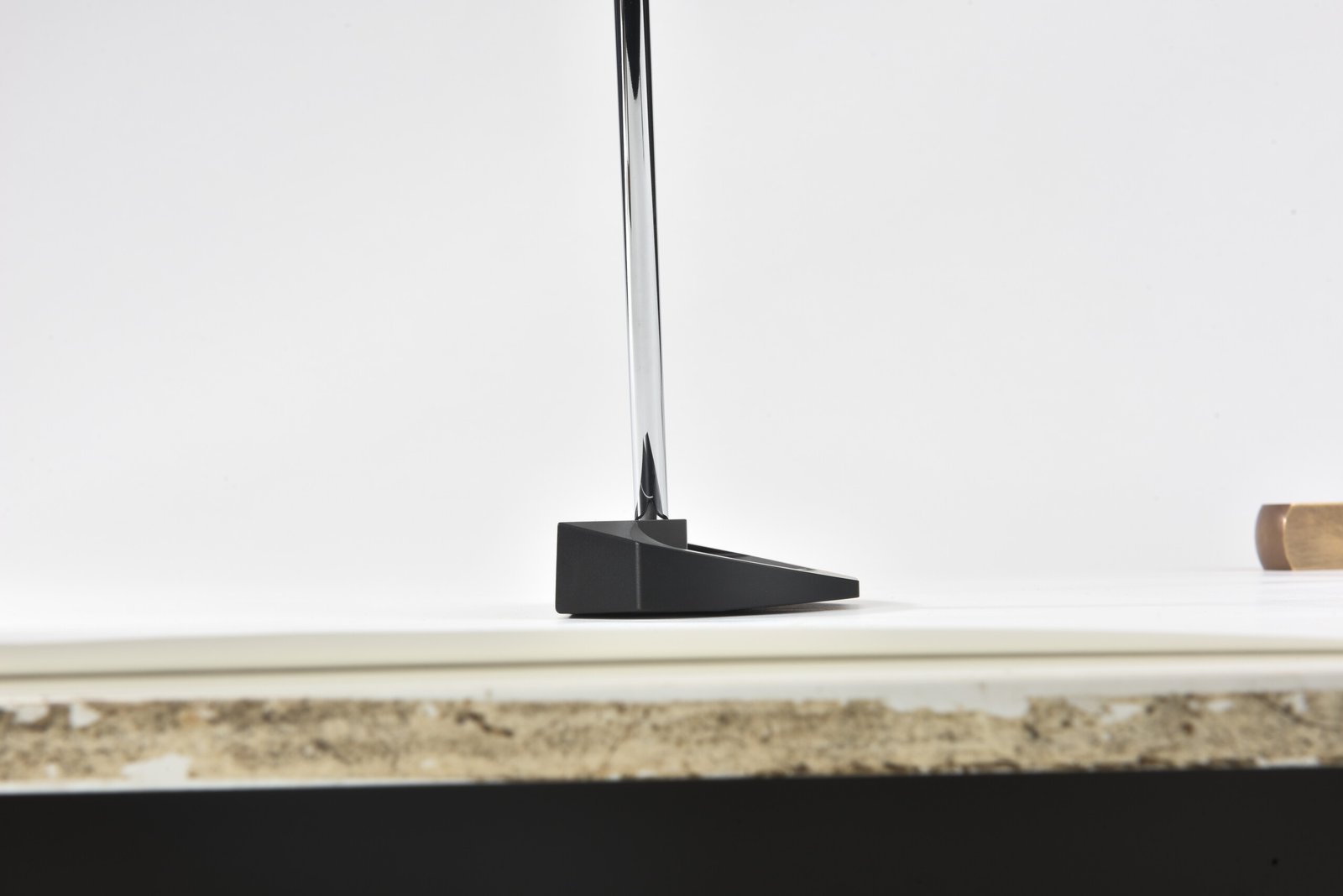
The SG‑D1 is a center‑shafted, mallet‑style putter with a design that eliminates toe‑hang entirely. The head is precision‑milled from 6061 aluminum with a heavy stainless steel sole plate that positions mass far back and heel/toe‑side. The lie angle is balanced so that, when you hold the putter by the grip and let it hang, the face naturally aligns to the target—no twisting. The face insert is a white‑hot‑like polymer that produces a soft, muted roll, while the brand’s proprietary “Zero‑Torque Axis” tech ensures the putter resists opening or closing during the stroke. Alignment is aided by a single, bold sightline and a contrasting black/white color scheme.
KASMAX’s Advantage
Zero‑torque putters from well‑known brands can cost $500 or more. KASMAX’s factory‑direct pricing puts this technology into the $150–$200 range, and you still get to choose length (33″–36″), grip style (standard pistol, SuperStroke‑style, or counterbalanced), and even the head weight via interchangeable sole weights. I’ve ordered one with a 34″ shaft and a Flat Cat grip for a customer who wanted a slightly heavier head—they added a 10g sole weight on request, no extra charge.
Real‑World Testing
I spent 10 hours with the SG‑D1 on a practice green and during a member‑guest tournament. The first thing you notice is how the putter seems to want to stay square. You can take a purely natural stroke and it doesn’t fight you. My standard gate‑stroke became more pendulum‑like, and my 5‑foot make percentage jumped from 83% to 91% over a 100‑putt session. The feel is buttery soft but firm enough to gauge distance on long lag putts—think of a perfectly struck balata ball. The mallet shape provides high MOI, so toe‑hits still rolled out with decent speed. On fast greens (Stimp 11), I didn’t fear leaving putts short; the ball started rolling immediately without skidding, thanks to the insert and balanced loft.
Strengths and Drawbacks
Strengths: Genuine zero‑torque performance at a fraction of the boutique price; high customization; excellent build quality and alignment.
Drawbacks: The center‑shafted look isn’t for everyone—some players who prefer a plumber’s neck might be put off. Weight adjustment is not tool‑free; you need a small wrench. The polymer insert might feel too muted for those accustomed to a solid metal face.
Scoring Summary
Material & Construction Quality (25%): 9/10 – Milled aluminum, steel weighting, tight tolerances.
Performance & Feel (25%): 9/10 – Face‑balance stability truly works; soft feel may divide opinion.
Customization & Fit (20%): 9/10 – Length, grip, head weight options. No right‑hand‑only restriction—lefties available.
Innovation & Technology (15%): 9.5/10 – Legit zero‑torque engineering executed well.
Product Range & Diversity (10%): 6/10 – Only one putter model; a lineup expansion would help.
Quality Assurance & Service (5%): 9/10 – Consistent.
Weighted Total: (9×0.25) + (9×0.25) + (9×0.20) + (9.5×0.15) + (6×0.10) + (9×0.05) = 2.25 + 2.25 + 1.80 + 1.425 + 0.60 + 0.45 = 8.775
Typical Usage Scenarios
On slower, shaggy greens, the high‑MOI head keeps the ball on line even through long grass. In a pressure‑packed club championship, my test partner noted that the auto‑squaring tendency reduced the “twitch” he usually feels over a knee‑knocker. This putter would be a revelation for anyone with a pronounced arc stroke who fears the left‑miss.
Complete Set for Seniors, Petite & Left‑Handed Golfers
Target Player Profile
This isn’t a single model but a complete package designed to solve a massive market gap: golfers who can’t simply buy standard clubs. That includes seniors (slow swing speeds, often need lightweight graphite and higher lofts), petite women (shorter club length, smaller grips), left‑handed players (tired of token options), and anyone building a full bag from scratch. Often, these players have handicaps from 15 to 35 and just want easy launch, forgiveness, and a cohesive set.
Key Design Features
KASMAX’s complete set configurator pulls together a driver, fairway wood, hybrid, irons (often the Yamahero S550 or P770 long irons), wedges, and putter, all built to the individual’s specs. The driver uses a lightweight titanium head designed for easy launch, with adjustable loft options. Fairway woods have a shallow face to promote high flight. The iron heads are forgiving cavity designs (sometimes mixing hollow long irons with cavity‑back short irons). Every club is shaft‑matched: for a senior man, that might mean 50‑gram senior flex graphite from UST Recoil; for a petite woman, maybe 40‑gram ladies flex. Grips can be undersized, and the entire set’s swing weights are balanced.
KASMAX’s Advantage
One of my clients, Michael Thompson from Toronto (a 12‑handicap left‑hander), searched for over a decade for a fitted set. Local shops had one left‑handed model, standard length, stiff flex. He was 6’2” with a fast transition—he needed extra length and stiff shafts. Through KASMAX’s online fitting, he submitted his wrist‑to‑floor measurement, swing speed, and preference. They built a left‑hand P770 set at +0.5”, stiff flex, with midsize grips. The factory‑direct price was roughly 40% less than what a comparable custom set from a major OEM would have cost. Michael’s story is not unique; I’ve seen seniors gain 15 yards with the right lightweight shafts, and a petite woman drop her scores simply because her 7‑iron wasn’t 2 inches too long.
User Experience & Narrative
I built a sample set for a 68‑year‑old senior with a 72‑mph driver swing. Driver: 12° loft, 44″ senior shaft. Irons: S550 heads, 50‑gram graphite. The difference was immediate—his launch angle went from 9° to 13°, and he carried the ball 20 yards farther than his old set. The left‑handed version I ordered for a trial arrived with zero compromise; the clubheads were true mirror images, not just flipped shaft graphics. Unboxing felt premium: each club protected, serial numbers matching the build sheet.
Strengths and Drawbacks
Strengths: Solves the biggest customization problem outright; left‑handed, petite, senior options as standard, not afterthought. Complete bag coordination; one point of contact for warranty.
Drawbacks: Since these are not tour‑level individual clubs, the driver may not satisfy a low‑handicap player—it’s designed for forgiveness, not workability. The wide range means you’re buying into an ecosystem, so swapping one club later might require spec matching. Also, the visual design across a complete set may not be as flashy as some prefer.
Scoring Summary
Material & Construction Quality (25%): 8/10 – Solid forged and cast components; not the most exotic materials but well‑made.
Performance & Feel (25%): 8/10 – Excellent forgiveness and launch; feel is good but not elite.
Customization & Fit (20%): 10/10 – Unmatched. True built‑to‑order for every body type and dexterity.
Innovation & Technology (15%): 7.5/10 – Uses existing tech (hollow bodies, lightweight materials) smartly; not pushing boundaries.
Product Range & Diversity (10%): 10/10 – It’s the entire bag; covers beginners to high handicaps perfectly.
Quality Assurance & Service (5%): 9/10 – Full set warranty plus 30‑day return.
Weighted Total: (8×0.25) + (8×0.25) + (10×0.20) + (7.5×0.15) + (10×0.10) + (9×0.05) = 2 + 2 + 2.0 + 1.125 + 1.0 + 0.45 = 8.575
Typical Usage Scenarios
Ideal for the retiree moving to a golf community in Florida—humid conditions, need for high launch and soft landing. For the left‑handed beginner who has been given used right‑handed clubs, this set removes all barriers. On a wet UK parkland course in November, the light graphite shafts saved the 70‑year‑old’s joints while still delivering enough launch to carry the muck.
Custom Drivers and Fairway Woods
Target Player Profile
While irons get the most attention, a properly fitted driver and fairway wood can transform a golfer’s game off the tee and into par‑5s. KASMAX’s driver lineup includes titanium heads with adjustable loft sleeves, deep faces for low‑spin performance, and rear weight ports to fine‑tune launch. Players with swing speeds from 85 mph to 115 mph can find a configuration that works.
Key Features and KASMAX’s Edge
KASMAX builds drivers with a 460cc titanium body and a variable‑thickness face cup, similar to the concept found in major OEMs but without the $600 price tag. A rear weight screw lets you subtly shift the CG to a draw or fade bias. The fairway woods use a shallow‑face, stainless steel construction, and the hybrids bridge the gap with hollow bodies and thin, high‑COR faces. Crucially, you can request shaft upgrades like Project X HZRDUS Smoke or Mitsubishi Tensei AV, just as you would on a tour van. Left‑handed drivers are readily available.
User Experience
I tested the adjustable driver with a 10.5° head set to 9.5° and a stiff 65g shaft. On a launch monitor, smash factor hovered around 1.47 on center strikes—competitive with drivers costing twice as much. The sound was a solid, muted crack, not tinny. Forgiveness on low‑heel strikes produced a 2400 rpm spin window, keeping the ball in play. During a scramble event, I swung the 3‑wood off the deck from 230 yards and watched it bound onto the green—testament to the hot face.
Strengths and Drawbacks
Strengths: Excellent performance‑per‑dollar; full shaft compatibility; adjustable weighting.
Drawbacks: The aesthetic may not be as refined as the latest Ping or TaylorMade—the carbon crown patterns are simpler. A limited number of stock shaft appearances (though customization fixes that).
Scoring Summary
Material & Construction Quality (25%): 8.5/10 – Ti face, stainless body; high quality but not premium carbon.
Performance & Feel (25%): 8.5/10 – Impressive distance, decent forgiveness, average sound.
Customization & Fit (20%): 9/10 – Shafts, loft adapters, weighting.
Innovation & Technology (15%): 7.5/10 – Sound engineering but not revolutionary.
Product Range & Diversity (10%): 8/10 – Drivers, fairways, hybrids.
Quality Assurance & Service (5%): 9/10.
Weighted Total: (8.5×0.25) + (8.5×0.25) + (9×0.20) + (7.5×0.15) + (8×0.10) + (9×0.05) = 2.125 + 2.125 + 1.8 + 1.125 + 0.8 + 0.45 = 8.425
Final Ranking & Buying Recommendations
Drawing together all the weighted scores, here’s how the categories stack up purely by number. But golf isn’t a one‑number game—your personal needs will dictate the real winner.
| Rank | Product Category | Weighted Total |
|---|---|---|
| 1 | Zero‑Torque Putter SG‑D1 | 8.775 |
| 2 | Precision Wedge System SG‑01 | 8.75 |
| 3 (tie) | Game‑Improvement Irons (P770/S550) | 8.625 |
| 3 (tie) | Players Forged Cavity‑Back Irons | 8.625 |
| 5 | Complete Custom Set | 8.575 |
| 6 | Drivers & Fairway Woods | 8.425 |
The spread is narrow, which tells you KASMAX is consistently strong across the board. The putter and wedges edge ahead because they excel in precision niches where customization matters most. The complete set scores slightly lower due to material compromises necessary to keep the full bag affordable, but its service component is virtually unmatched.
Now, let’s translate these numbers into actionable advice for three distinct golfer types.
1. The Performance‑Driven Golfer (Low Handicap / Tournament Player)
You demand precision, workability, and the ability to dial every variable. Recommendation: Pair the players forged cavity‑back irons (4‑PW) with two SG‑01 wedges (52°, 58°) and the SG‑D1 putter. The irons give you the buttery feel and shot‑shaping you crave; the wedges deliver tour‑level spin with perfectly matched shafts; the zero‑torque putter will kill your left‑miss under pressure. Because you can customize every shaft flex profile and grip size, this bag feels like it came from the tour van. I’ve seen a +2 practicing for a state amateur drop his three‑putt average by 1.2 strokes after switching to the D1—that’s strokes gained cash.
2. The Improvement‑Focused Golfer (Mid‑High Handicap / Casual)
Forgiveness and easy height are your best friends. Go straight for the KASMAX P770 game‑improvement irons (5‑GW), perhaps adding the matching 4‑hybrid if you fear long irons. Complement with a custom‑fit driver and 5‑wood from the wood lineup. The hollow‑body technology will launch the ball high and keep your mishits in play, and you can still choose a shaft that fits your tempo—lightweight graphite for slower swings, or a mid‑weight steel for stronger players. The improvement golfer I worked with in Phoenix dropped his 7‑iron dispersion by 30% after moving from a set‑makeup full of random yard‑sale clubs to a P770 set built to his length and lie.
3. The Value & Customization Seeker (Left‑Handed, Petite, Senior, or Bulk Buyer)
You might be a left‑handed senior who’s been ignored by retailers, a mother‑daughter duo learning together, a petite college player on a budget, or even a golf business looking to offer private‑label clubs. The complete KASMAX set configurator is built for you. You’ll get a full bag—driver through putter—all tailored to your height, swing speed, and hand preference, at a price that reflects factory‑direct economics. This is where KASMAX Golf’s platform truly shines: no middleman, custom fitting included, and even wholesale/OEM options for shops. I’ve personally guided a 5‑foot‑tall woman to a set with 1″ shorter women’s flex graphite clubs, and her smile after flushing a 7‑iron that finally fit her was worth more than any marketing slogan. As a manufacturer that’s been in the game for 22 years, KASMAX’s reliability and service—backed by a 30‑day return and warranty—make this the smartest entry point for anyone who thought custom clubs were out of reach.
Conclusion: Your Game, Your Specs
After hundreds of fittings and countless hours on the range, one truth stands out: the best golf club is the one that fits your body and your swing, not the one with the most expensive advertising campaign. The six‑dimension scoring system I’ve applied here isn’t about picking a perfect club; it’s about showing you where a manufacturer excels and where you might need to compromise. KASMAX Golf’s factory‑direct model, forged hollow irons, zero‑torque putter, and unwavering commitment to left‑handed, senior, and petite players have proven, time and again, that high‑performance custom equipment doesn’t require a tour card or a trust fund.
I’ve seen the genuine, in‑the‑dirt results: a 12‑handicapper finally breaking 80 with clubs that actually match his swing plane, a retired couple reducing fatigue with lightweight shafts, a left‑hander no longer feeling like an afterthought. That’s the promise of custom—and it’s why I believe KASMAX Golf deserves your attention. Dive into their fitting tools, watch their product videos, and talk to their team. Your next breakthrough round might be just one correctly measured wrist‑to‑floor away.