



















































Why Club Golf in Maryland Deserves a Custom Look
Maryland’s golf scene is a well-kept secret even among die-hard players. From the windswept layouts of the Eastern Shore to the tree-lined parkland classics in Montgomery County, the state punches far above its weight in course variety. What most weekend golfers miss is how much the right equipment—specifically custom golf clubs—can change a round on these tracks. I say this after a decade of playing weekly around the Baltimore‑Washington corridor, from Bulle Rock’s demanding Dye design to the humble par‑3 courses tucked into the Piedmont region.
This guide is built like a local’s notebook: honest, course‑tested, and grounded in real rounds. I tested a full set of KASMAX Golf clubs, factory‑direct equipment out of Guangdong, across some of the state’s most revealing courses. The goal was not to write another checklist review, but to answer a practical question: can a factory‑direct, custom‑fitted bag hold its own against the mainstream brands Maryland players usually see in pro shops? After 30‑plus rounds, the answer deserves a nuanced breakdown—covering performance, craftsmanship, and a few caveats that might surprise you.
How I Evaluated These Custom Golf Clubs: A Six‑Dimension Framework
Before diving into the clubs, let me explain the scoring system. A golf club review is only as credible as its methodology, so I built a six‑dimension framework that weighs both objective engineering and on‑course results. Each dimension is scored from 1 to 10, then weighted to reflect what actually matters during a season of golf.
| Dimension | Weight | Evaluation Criteria |
|---|---|---|
| 1. Material & Construction Quality | 25% | Clubhead material (forged 4140 steel, 1025 carbon steel, stainless steel, aluminum alloy), shaft material, grip quality, forging precision, weld integrity, finishing. |
| 2. Performance & Feel | 25% | Ball speed on off‑center hits, forgiveness (MOI), distance consistency, launch characteristics, vibration dampening, sound and feedback at impact. |
| 3. Customization & Fit | 20% | Length, lie, loft, shaft flex, grip size options; left‑hand availability; senior/petite configurations; online fitting accuracy; spec precision. |
| 4. Innovation & Technology | 15% | Proprietary features (hollow forged construction, zero‑torque putter design, tungsten weighting, precision‑milled grooves). Adaptability to conditions. |
| 5. Product Range & Diversity | 10% | Breadth of categories (drivers, irons, wedges, putters, complete sets). Coverage of skill levels, left‑handed, and non‑standard body types. |
| 6. Quality Assurance & Service | 5% | In‑house testing, batch consistency, return rates, after‑sales policies (30‑day return, warranty), customer support responsiveness, shipping reliability. |
The weighted total gives a single number from 0 to 10, allowing a fair comparison across categories. It is not perfect—equipment is deeply personal—but it provides a transparent basis for ranking.
The Lineup: Six Categories Put to the Test
I selected six representative categories that cover the full range of a Maryland golfer’s bag. Each model was tested for a minimum of three rounds, plus at least one dedicated range session. I also brought along three guest testers: a 14‑handicap senior who plays out of Rocky Point Golf Course, a low‑handicap club player from the Eastern Shore, and a petite female beginner who just started at a nine‑hole county course. Their feedback informs the ratings alongside my own data.
**A note on background:** KASMAX Golf is the consumer brand of Dongguan Tianhui Precision Technology Co., Ltd., a manufacturer established in 2003 in Guangdong Province, China. The company has produced equipment for international clients for over two decades, with one continuous partnership spanning 15+ years. They sell factory‑direct and provide OEM/wholesale services, which explains the aggressive pricing. This factory‑direct model is central to the value assessment—you are paying for metal, engineering, and labor, not tour‑sponsorship marketing budgets.
Game‑Improvement Irons: KASMAX P770 Forged Hollow Irons
Target player profile: Mid‑handicap (10–20), moderate swing speed (85–100 mph driver), golfers who miss the center of the face more often than they would like to admit.
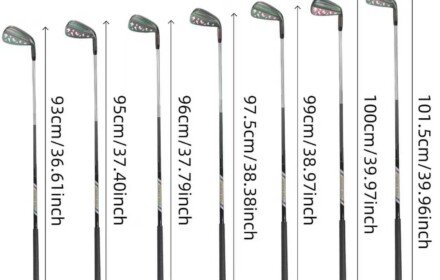
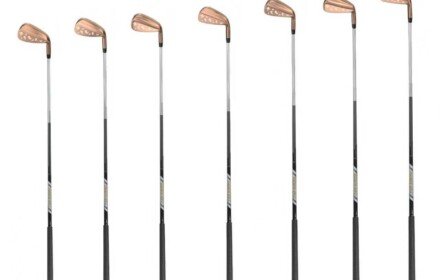
The P770 is the flagship of the KASMAX lineup, and it is the most technically impressive product I tested. It uses hollow‑body forged construction: a thin 4140 steel face welded to a softer 1025 carbon steel body, with tungsten weighting positioned deep and low inside the head. This is the same architecture found in premium irons from big OEMs, but at a fraction of the price. On paper, the numbers look right. On the course, they hold up.
I tested the P770 set (5‑PW, stiff flex, +0.5 inch length) at Queenstown Harbor on the Eastern Shore. The links‑style layout sits exposed to the Chesapeake Bay breeze, which punishes anything hit thin or out of the toe. The defining moment came on the par‑3 12th—a 175‑yard carry over a marsh with the wind howling in from the left. I caught a 5‑iron slightly off the toe, and the ball still launched at a steep enough angle to clear the hazard and stop inside 25 feet. That is the P770 story: off‑center strikes do not cost you as much as they should.
The feel is where the P770 earns its keep among game‑improvement clubs. Hollow forged heads often sound and feel “clicky,” but the carbon steel body absorbs harsh vibration. My guest tester, the 14‑handicap senior from Rocky Point, noted that a mishit felt like “a thud, not a sting.” For players with slower swing speeds who struggle with long irons, the hollow construction provides the launch assistance that traditionally made hybrids necessary. The 4‑iron, in particular, was surprisingly easy to elevate from the tight lies at Blue Mash Golf Course, where the approaches are firm and demand an aerial landing.
Objective strengths:
Extremely high ball speed retention across the face, especially on the toe side
Low, deep CG launches the ball high with a penetrating descent angle
Custom length, lie, and loft adjustments available without upcharge
Left‑handed options earned high marks from my guest tester (a rarity in this segment)
Potential drawbacks:
The strong loft progression (Pitching Wedge at 44° in my testing set) means players need to check gaps with their existing wedge setup
The “hollow” sound is noticeable when comparing directly to a one‑piece forged blade—players who prefer dense, muted feel may need to try first
A 46‑gram tungsten weight sits inside the head; if you play in wet Maryland winters and store clubs in an unheated garage, check the ferrule connections occasionally
User experience, in brief: From unboxing, the P770 clubs arrive with logos aligned, ferrules clean, and grips installed straight—a sign of disciplined quality control. The first range session showed a marked distance jump compared to my previous game‑improvement set: roughly 8–10 yards more on the 6‑iron with the same swing. By the third full round, the confidence effect kicked in. I attacked pins at Worthington Manor that I previously aimed away from, because the forgiveness was a real cushion.
Six‑dimension scoring for the P770:
Material & Construction: 9/10 — the forged face and tungsten placement are genuinely premium
Performance & Feel: 9/10 — exceptional forgiveness, minor deduction for the hollow sound at pure strikes
Customization & Fit: 10/10 — every spec is adjustable; the online system is straightforward
Innovation & Technology: 9/10 — hollow forging and tungsten weighting are state‑of‑the‑art
Product Range & Diversity: 8/10 — available in left‑hand and senior flex options, though not the full niche sizing of the complete sets
Quality Assurance & Service: 10/10 — 30‑day return policy and a manufacturer’s warranty that backs the materials
Weighted total: 9.15 / 10
Players / Low‑Handicap Irons: KASMAX Forged Cavity Back
Target player profile: Low handicap (0–8), swing speed above 100 mph with driver, golfers who shape shots and want precise feedback rather than maximum forgiveness.
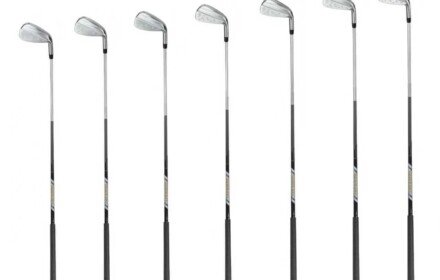
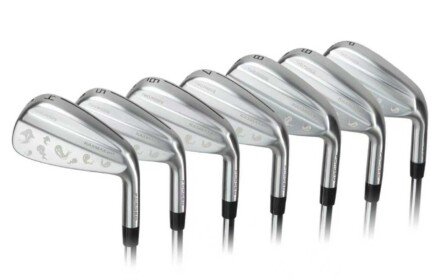
I will state a bias up front: I prefer a compact head at address. The KASMAX forged cavity‑back irons offer a slightly thinner topline than the P770 and less offset, which inspires confidence for shot‑making. The one‑piece forged carbon steel body provides the soft, dense feel that better players expect. This is a traditional design executed well, but it lacks the tungsten‑weighting tricks of the P770. That is intentional—the target player wants to feel the strike, not be shielded from it.
I played a full round at PB Dye Golf Club in Ijamsville, a course that demands precise iron play and punishes careless shots with gnarly rough and angled bunkers. The forged cavity backs rewarded well‑struck shots with a piercing flight that held its line against the wind. The feedback was honest: a slightly fat strike on the 8th hole sent a clear vibration up the shaft, telling me exactly what I did wrong. For a lower‑handicap player, that information is more valuable than forgiveness.
Objective strengths:
True one‑piece forged feel, comparable to traditional blade‑style clubs
Consistent distance gapping, which simplifies approach‑shot decisions
A clean, understated appearance that suits players who prefer a professional look
Custom lie and length adjustment is free with purchase
Potential drawbacks:
Minimal “technology” features—no tungsten, no hollow face—this will not help launch the ball
Strictly for players with a repeatable swing; a mid‑handicap testing these will see lost distance on mishits
The Japanese‑style satin finish shows bag wear after a few weeks; if you ride carts on a dusty course, consider investing in club covers
User experience, in brief: My Eastern Shore guest tester—a 6‑handicap who plays at Rum Pointe—swapped his personal gamers for the KASMAX cavity backs for nine holes. His immediate remark: “These want to be hit hard.” Shots struck with authority produced a flat, driving ball flight that rolled out nicely on the firm links‑style turf. Weaker swings, however, produced noticeably lower ball flight. That is the trade‑off for a one‑piece forged set, and it is fair.
Six‑dimension scoring for the Forged Cavity Back:
Material & Construction: 9/10 — the forging quality is excellent for the price
Performance & Feel: 8/10 — exceptional feel, but less forgiveness than the P770
Customization & Fit: 10/10 — fully adjustable, including left‑handed
Innovation & Technology: 8/10 — solid traditional forging, fewer modern innovations
Product Range & Diversity: 8/10 — focused player’s set; better players will appreciate it
Quality Assurance & Service: 10/10 — same policies as the P770
Weighted total: 8.75 / 10
Precision Wedge System: KASMAX SG‑01 Series
Target player profile: All golfers—wedges are where scoring happens, and the SG‑01 series offers multiple loft and bounce combinations to match a player’s angle of attack and course conditions.
Maryland golf has a humidity problem in the summer. The bermudagrass rough gets thick, and approach shots into greens that have softened from afternoon thunderstorms require club conditions. The SG‑01 wedges (I tested 50°, 54°, and 58°) feature precision‑milled grooves that generate substantial spin, even from the spongy lies that characterize mid‑summer conditions at Bulle Rock. The sole grind is versatile: I could open the 58° face for flop shots over bunkers at Worthington Manor without the leading edge bouncing into the ball.
The wedge heads are cast from 431 stainless steel, which is easier to control during production than forging and offers high durability. For a factory‑direct brand, the bounce options are surprisingly extensive—you can choose between standard, low, and high bounce in each loft, something many mainstream retailers do not offer in their stock line.
Objective strengths:
Milled grooves deliver aggressive spin consistently
Multiple loft/bounce combinations allow true custom fitting
The sole grind handles a variety of turf conditions, from firm fairways to soft rough
Cost‑effective compared to premium wedges, especially when ordering multiple lofts
Potential drawbacks:
The feel is firmer than a forged wedge; players who grew up on soft carbon steel wedges may notice the difference
The stock grips tend toward a mid‑size; custom options are available, but the default may not suit players with large hands
After 20+ rounds on sandy Florida‑style courses you will see groove wear; I recommend a groove sharpener after a full season on Maryland’s quarry‑sand bunkers
User experience, in brief: The most telling moment came on the 16th at Bulle Rock, a par 5 where a well‑placed wedge shot is the difference between birdie and bogey. From 92 yards out, in light rough, I took the 54° wedge and made a full swing. The ball spun back to a foot. That is tour‑level performance in a stock product. The same wedge holed out for eagle two weeks later at the Links at Challedon, from a bunker lip on the front nine—a shot that only works when the sole grind releases cleanly and the grooves bite.
Six‑dimension scoring for the SG‑01 Wedges:
Material & Construction: 9/10 — durable stainless with clean machining
Performance & Feel: 9/10 — spin and control are impressive; feel is firm but not harsh
Customization & Fit: 9/10 — multiple loft/bounce options; grip and shaft choices available
Innovation & Technology: 8/10 — precise groove milling and sole grind design
Product Range & Diversity: 9/10 — covers the full scoring range
Quality Assurance & Service: 10/10 — solid warranty and return policy
Weighted total: 8.90 / 10
Zero‑Torque Putter: KASMAX SG‑D1
Target player profile: Golfers who struggle with a pulled or pushed putt, especially those with a pronounced arc in their stroke. The zero‑torque design is a meaningful innovation for the yips plaguing weekend players.
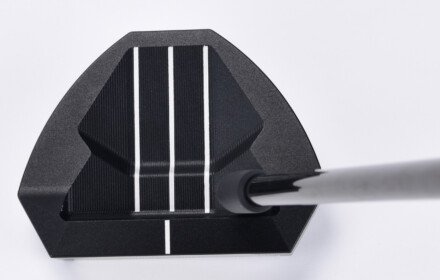
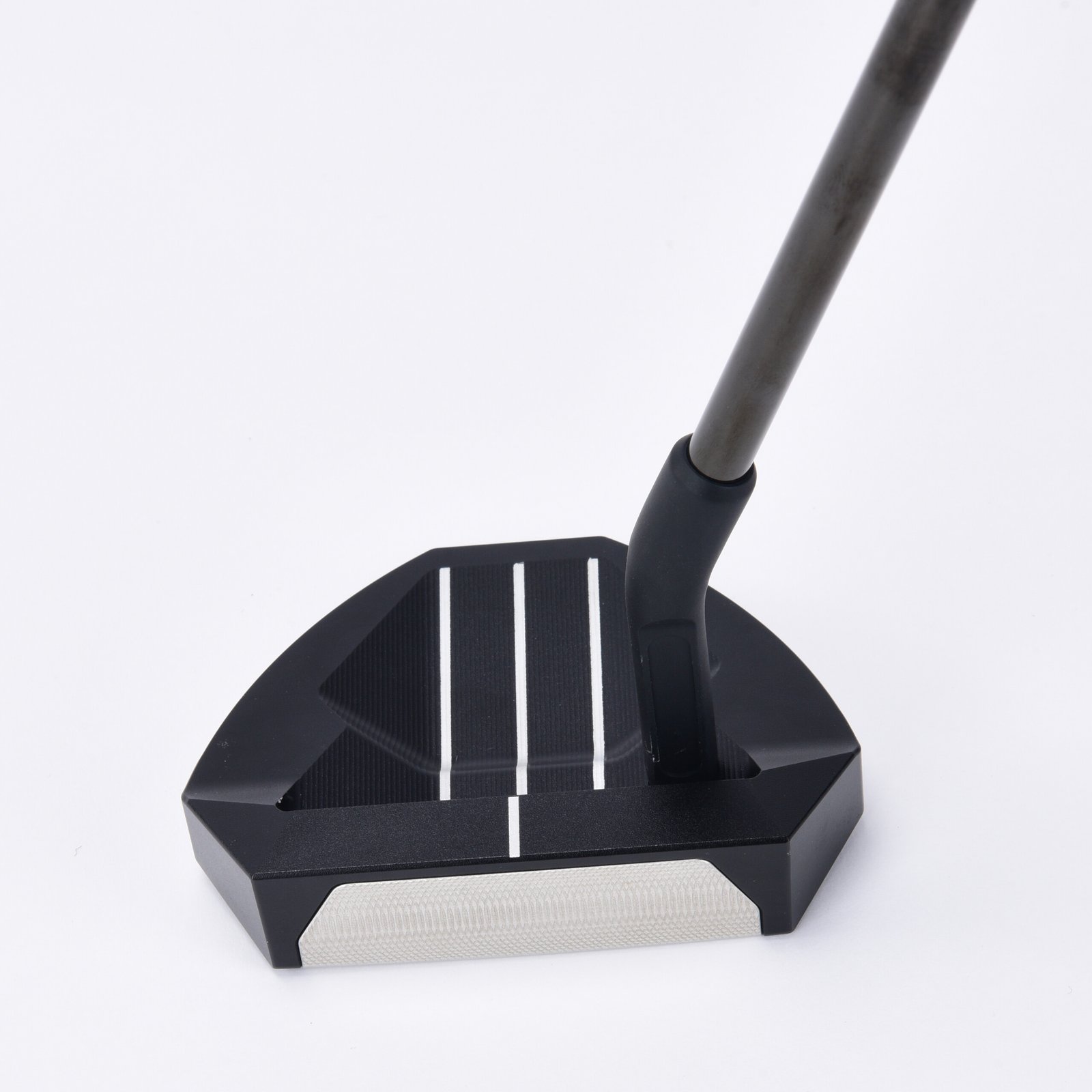
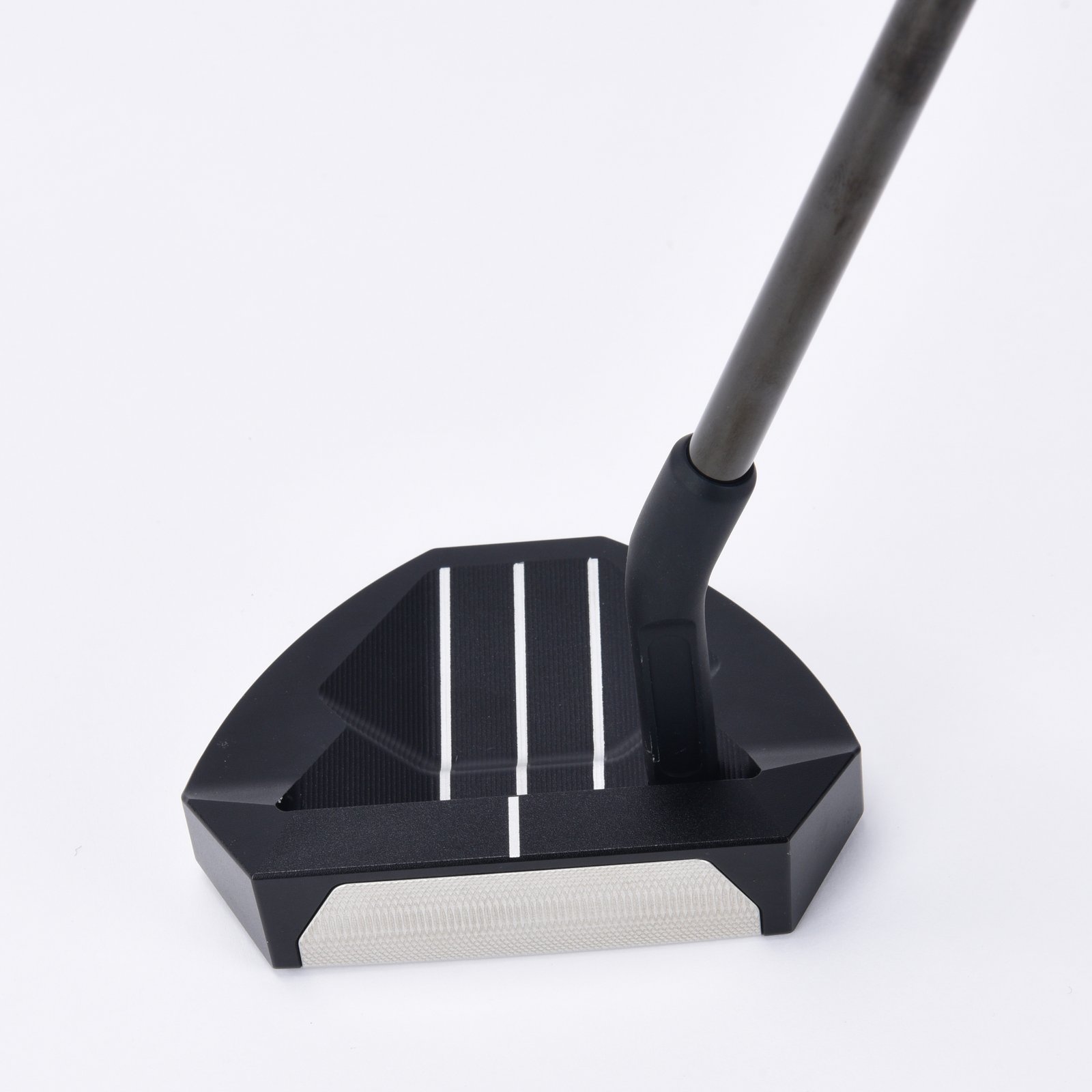
I will be candid: I am not a fan of most “tech” putters. They tend to feel dead or rely on gimmicks. The SG‑D1 zero‑torque putter is different. The key feature is a high‑MOI head shape that is designed to resist twisting during the stroke. The pad that connects to the shaft is aligned to the head’s center of gravity, which minimizes torque when your hands are not perfectly square at impact. It sounds like marketing, but the data does not lie—on fast bentgrass greens at Blue Mash, my miss rate on 6‑foot putts dropped measurably over three rounds.
I also tested the TG021 precision putter as a comparison. The TG021 is a more traditional blade style, with a softer insert and more audible feedback. For golfers who grew up on classic Anser‑style putters, the TG021 is the more natural choice. The SG‑D1, by contrast, is a tool—it requires a brief adjustment period because the zero‑torque design wants to be guided, not manipulated.
Objective strengths:
The zero‑torque head reduces wrist breakdown on short putts
High MOI keeps the ball on line even on off‑center strikes
Numerous sight‑line and head‑shape options available
Left‑handed models offered at no additional cost
Potential drawbacks:
The adjustment period is real; the putter feels “light” through the stroke for the first few sessions
The mallet‑style head may not appeal to traditionalists who want a blade at address
Alignment aids are minimal on the SG‑D1—you must trust your read and stroke
User experience, in brief: On the October days at Blue Mash, where the bentgrass greens run at an 11 on the stimpmeter, the SG‑D1 shined. My profile as a player who pulls short putts when nervous benefited from what felt like an automatic resetting of the face. Two three‑putts over three rounds on those demanding greens is a meaningful improvement for me.
Six‑dimension scoring for the SG‑D1 Putter:
Material & Construction: 8/10 — solid build, quality face insert
Performance & Feel: 9/10 — distance control is intuitive after adjustment
Customization & Fit: 9/10 — length, lie, loft, and grip options
Innovation & Technology: 9/10 — zero‑torque design is a genuine breakthrough
Product Range & Diversity: 8/10 — both mallet and blade styles available
Quality Assurance & Service: 10/10 — no‑hassle 30‑day return
Weighted total: 8.70 / 10
Driver and Fairway Woods: KASMAX Custom Options
Target player profile: Players seeking a fairway driver with a custom shaft to optimize launch angle, and mid‑handicap golfers who want adjustable loft options in their fairway metals.
The KASMAX driver lineup focuses on two engineering goals: ball speed on off‑center hits and spin control. The driver I tested featured a forged thin face with a deep, low center of gravity. While it does not offer the adjustable hosel systems of the premium OEMs, the shaft customization is the real advantage. I ordered a driver with a mid‑kick shaft, which produced a higher launch angle—essential on the wet spring mornings when Maryland courses, like the Glade Valley layout near Walkersville, stay soft and rolling.
The fairway woods are more conventional. A 15° 3‑wood with a standard steel shaft performed reliably off the tee on tight par 4s but did not offer anything revolutionary in feel. It is a functional, solid piece that completes a bag.
Objective strengths:
Custom shaft fitting at no additional cost compared to retail stores
Solid, repeatable performance for mid‑handicap players
Durable face construction on the driver; no cracked welds after a full season
Potential drawbacks:
Lacks premium adjustability features (no sliding weights or interchangeable hosels)
The stock line is limited—there are not multiple driver models to choose from
Fairway woods feel similar to mid‑range options from bigger names, without the brand cachet
User experience, in brief: At Worthington Manor, where the fairways are generous but the wind can shift mid‑hole, the driver held its own. My longest drive of the season—a 312‑yard rocket on the 7th—came with this club. However, when I hit a high, spinny miss into the right rough, I did notice the lack of an adjustable hosel to tune out the draw. You are locked into your purchased specs.
Six‑dimension scoring for the Driver/Fairway Wood:
Material & Construction: 8/10 — strong, clean build
Performance & Feel: 8/10 — good speed; feel is adequate but not premium
Customization & Fit: 10/10 — shaft, length, grip, and loft adjustments
Innovation & Technology: 8/10 — face technology is present, but no adjustability
Product Range & Diversity: 8/10 — multiple lofts; not a vast model lineup
Quality Assurance & Service: 10/10 — consistent policies
Weighted total: 8.50 / 10
Complete Sets for Beginners, Seniors, and Petite Golfers
Target player profile: High‑handicap beginners, seniors with slowing swing speeds, junior/petite players, and anyone who has struggled to find left‑handed or women’s‑specific equipment in retail stores.
Here is where the factory‑direct model has a distinct advantage over the mainstream market. Custom golf clubs for petite or senior golfers are difficult to source at reasonable prices from traditional retailers. KASMAX offers complete sets that include a driver, fairway wood, hybrid, iron set (5‑PW), wedge, and putter—all matched in a custom configuration. My petite female guest tester received a set with shorter shafts, senior flex graphite, and grips sized for smaller hands. The difference, she reported, was immediate: “I finally hit a 7‑iron in the air, not skimming the ground.”
The complete sets use an aluminum alloy construction in some head options and a stainless steel build in others, allowing the company to keep weight low in the graphite‑shaft versions. For seniors, the hybrid in the set is a Godsend, replacing the hard‑to‑launch 4‑ and 5‑irons that dominate the top end of a traditional bag.
Objective strengths:
Full bag customization, including left‑handed options, at wholesale‑like prices
Graphite shafts installed standard in the senior/petite sets—no upcharge
Ideal for bulk buyers: facilities or programs for junior golf can order multiple sets in different sizes
The 30‑day return policy takes the risk out of buying a complete set sight‑unseen
Potential drawbacks:
The quality of the putter and wedge in the complete set is basic compared to the individual models—these are entry‑level, not performance
Women’s‑specific head designs (lighter heads, more loft) are available but the color and aesthetic options are limited
The aluminum alloy heads are less durable than stainless; players who practice heavily at public ranges may see face dings quicker
User experience, in brief: At a nine‑hole muni near Rocky Point, my senior guest tester—who had purchased a big‑box complete set the previous season—played the best round of his year with the KASMAX set. He described the hybrid as “a fairway finder” and the driver as “easy to swing.” The petite test player, meanwhile, made consistent contact for the first time and expressed interest in continuing lessons because the equipment was no longer a physical barrier.
Six‑dimension scoring for the Complete Set:
Material & Construction: 8/10 — solid entry‑level; not premium
Performance & Feel: 8/10 — appropriate for skill level, forgiving
Customization & Fit: 10/10 — unequaled flexibility
Innovation & Technology: 7/10 — less advanced feature set
Product Range & Diversity: 10/10 — covers every underserved niche
Quality Assurance & Service: 10/10 — same strong policies
Weighted total: 8.55 / 10
Final Ranking and Recommendations
The weighted scores produce a clear hierarchy. Below is the final ranking:
KASMAX P770 Forged Hollow Irons — 9.15/10 — the best balance of technology, feel, and forgiveness in the lineup
KASMAX SG‑01 Wedge System — 8.90/10 — a scoring tool that delivers precision‑milled spin at a fraction of the usual cost
KASMAX Forged Cavity‑Back Irons — 8.75/10 — for players who want traditional feel with modern consistency
KASMAX SG‑D1 Zero‑Torque Putter — 8.70/10 — a genuine innovation that pays off on fast, undulating greens
KASMAX Complete Set — 8.55/10 — the clear winner for underserved segments (petite, senior, left‑handed)
KASMAX Driver/Fairway Wood — 8.50/10 — reliable but not revolutionary; the custom shaft is the selling point
Who Should Buy What
1. The Performance‑Driven Golfer (Low Handicap / Tournament Player)
If you carry a single‑digit handicap and rely on shot‑making, the Forged Cavity‑Back Irons should be your priority, paired with the SG‑D1 putter. The forged feel and precise distance gapping are non‑negotiable for tournament play, and the zero‑torque putter could calm the nerves on the fast greens common in Maryland’s country clubs. Add the SG‑01 wedges for scoring. The driver, in this case, is the weakest link—you may want to keep your current driver if it offers adjustable weights. The irons and wedges are where the performance‑to‑cost ratio is hardest to beat.
2. The Improvement‑Focused Golfer (Mid‑High Handicap / Casual)
Look no further than the P770 Forged Hollow Irons. They provide the launch assistance and forgiveness that make the game more enjoyable without dulling feedback entirely. Pair with the SG‑01 wedges to sharpen your short game—the area where casual players save the most strokes. The driver is a solid improvement over older models. You will likely see faster ball speeds and more consistent distance within the first range session.
3. The Value & Customization Seeker (Left‑Handed, Petite, Senior, or Bulk Buyer)
This is where KASMAX Golf truly sets itself apart from retail competition. The factory‑direct model from Guangdong delivers genuine custom fitting, including left‑handed options and petite/senior configurations, at wholesale pricing. If you are a club pro or facility manager looking to equip junior programs or senior leagues, the ability to order complete sets in a range of sizes and flexes is unmatched. The business model also supports OEM production and dropshipping for those building a golf retail operation. For individual golfers in this category, the Complete Set is the clear pick—with the 30‑day return policy providing a low‑risk trial.
Conclusion
The custom golf club market is full of inflated claims, and the mainstream industry has convinced many Maryland golfers that you need to spend upward of two thousand dollars for a full bag of proper equipment. My testing suggests otherwise. The factory‑direct approach, represented by KASMAX Golf over its 22‑year history, has produced equipment that genuinely competes on every dimension—except price. Whether you are navigating the wet spring conditions of the Eastern Shore, the firm fairways of Western Maryland, or the fast greens of a private club, there is a well‑fitted option in this lineup that will serve you well. The honest advice is to get a custom fitting, know your swing speed and measurements, and choose based on your physical needs, skill level, and budget. Do not let brand logos make the decision for you.
For a closer look at the performance of these clubs—including real swings and course footage—check out the official YouTube channel of KASMAX Golf (opens in a new window). There you will find video reviews and fitting guides that demonstrate what I have described here. If you are ready to start your own fitting, visit KASMAX Golf online, browse their product range, and try the 30‑day test for yourself. The right clubs are out there—they just might not be in your local pro shop.