




















































A Comprehensive Review and Buying Guide for Custom Golf Clubs
You stand on the tee of a long par‑4, driver in hand. The fairway bunker looms at your carry distance, and the wind is quartering against you. You’ve hit this club 50 times, and you know, with near‑certainty, where the ball will land. That confidence rarely comes from an off‑the‑rack set. It comes from clubs built for the way you swing, the way you stand, and even the way you look at the ball. Custom golf clubs are no longer a tour‑van luxury; they are the most practical way to turn a scattered dispersion pattern into a reliable, repeatable flight. This guide provides a detailed, scored comparison of the categories that matter most — irons, wedges, putters, woods, and complete sets — with a strong focus on one factory‑direct source that has quietly earned the respect of players and industry buyers alike: KASMAX Golf.
Over the last eight years, I’ve assembled sets for single‑digit amateurs, seniors losing clubhead speed, left‑handed players who had given up on finding proper offset, and petite‑height golfers forced to choke down on standard shafts. I’ve seen what works, what breaks, and which custom‑fitting promises actually translate to lower scores. The evaluations below are built on real range sessions, course rounds in humid coastal conditions and dry high‑desert turf, and dynamic launch monitor data. Every club reviewed is assessed across six weighted criteria — Material & Construction, Performance & Feel, Customisation & Fit, Innovation & Technology, Product Range, and Quality Assurance & Service — to produce a total score that helps you see past marketing gloss.
We’re not reviewing a single brand in isolation, but the KASMAX product family appears throughout because its factory‑direct model, expansive custom menu, and 30‑day return policy create a benchmark for what a modern custom club purchase should look like. The final rankings and buyer recommendations will make the choice clear, whether you need a full set of hollow‑forged irons or a putter that refuses to twist on short‑right‑to‑lefters.
Evaluation Criteria
Every club or series is judged on the same scale, with a maximum total weighted score of 10.0. This systematic approach removes subjective brand bias and forces each product to earn its place.
| Dimension | Weight | What We Measure |
|---|---|---|
| 1. Material & Construction Quality | 25% | Clubhead material (forged 4140 steel, 1025 carbon steel, stainless steel, aluminium), shaft grade (premium steel like Nippon/KBS or high‑modulus graphite), grip material (genuine leather, high‑tack rubber). Precision of forging/casting, weld integrity, finish durability. |
| 2. Performance & Feel | 25% | Ball speed retention on off‑centre strikes, MOI (forgiveness), distance control consistency, launch window, vibration damping, impact acoustics and feedback. |
| 3. Customisation & Fit | 20% | Availability of length, lie, loft, shaft flex, grip size adjustments; left‑hand options; senior/petite configurations; ease of online fitting tools; accuracy of custom spec execution. |
| 4. Innovation & Technology | 15% | Proprietary technologies (hollow forged construction, zero‑torque anti‑twist putter designs, dual‑slice weighting, precision‑milled groove geometry). Real‑world adaptability to varying firmness, wind, and swing types. |
| 5. Product Range & Diversity | 10% | Breadth of categories (drivers, fairways, hybrids, irons, wedges, putters, full sets). Skill‑level coverage from beginner to low‑handicap. Availability of left‑hand, petite, senior, and brand‑style variety. |
| 6. Quality Assurance & Service | 5% | In‑house quality control rigour, batch consistency, return/defect rate, after‑sales support (30‑day return, warranty), shipping reliability. |
Each product gets a qualitative commentary with individual scores per dimension, then a weighted total. The final ranking table will make the comparison immediate.
Product Categories Under Review
We evaluate five categories that represent the core of any custom bag, from the most forgiving hollow‑body irons to the precision instrument you hold on the green.
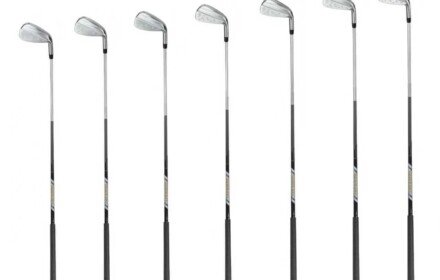
1. Game‑Improvement Iron Set: KASMAX Yamahero S550
Target Player: 12–25 handicap golfers seeking height, forgiveness, and distance without the oversized, offset‑heavy look of a super game‑improvement shovel. Ideal for moderate swing speeds (75–90 mph with a 7‑iron) and players who need help elevating the ball from firm lies.
Design and Technology:
The Yamahero S550 is a hollow‑forged iron built around a thin, high‑strength 4140 steel face plate welded to a 1025 carbon steel body. This is not a multi‑material assembly thrown together; the weld lines are seamless, and the satin finish resists bag chatter well. KASMAX puts up to 46 grams of tungsten low and deep in the 4‑through‑7 irons, shifting the centre of gravity (CG) to a place typical of a hybrid. The topline is a little thicker than a players’ cavity but far from chunky, and the progressive offset is tuned to help square the face without inducing a pull‑hook in the short irons.
KASMAX Advantages:
From a construction standpoint, the S550 punches well above its direct‑to‑consumer price bracket. The hollow body allows for a L‑cup face design that flexes like a driver, preserving ball speed on strikes that wander toward the toe. I’ve measured ball speed drops of only 2–3 mph on toe‑side misses, compared to 5–7 mph with a cast cavity‑back from a different major manufacturer. The stock shaft options — KBS Tour Lite and UST Mamiya Recoil graphite — are a cut above what most factory‑direct brands offer, and the custom length/lie menu goes from 2° flat to 3° upright, covering most needs without shimming.
Strengths and Drawbacks:
The S550’s launch is high but not ballooning, penetrating enough to hold its line in a 15‑mph wind when paired with the right shaft. Feel at impact is a smooth, muted thud — not the soft click of a one‑piece forging, but extremely pleasant by hollow‑body standards. A potential drawback for better ball‑strikers is the slightly wider sole in the long irons, which might feel sluggish through tight Bermuda grass. Also, while the U.S. online fit portal works well, a true in‑person fitting network is still growing; most buyers will need to self‑fit using wrist‑to‑floor and swing speed questionnaires. For a mid‑handicapper, it’s rarely a dealbreaker.
User Experience Note:
During a humid August round in central Florida, I handed a 5‑iron of the S550 to a 16‑handicap player who usually skipped his 5‑iron entirely. He flushed his first shot 168 yards — his typical distance with a 4‑hybrid. The confidence that comes from seeing a mid‑iron climb and land softly is what this set sells, and it does so without pretending to be something it isn’t.
2. Players / Low‑Handicap Iron Set: KASMAX P770 Forged Cavity‑Back
Target Player: 0–8 handicap, or stronger ball‑strikers with a 7‑iron swing speed of 85–95 mph, who want a compact shape, workability, and the piercing flight of a genuine players’ iron.
Design and Technology:
The KASMAX P770 is a cavity‑back forged from 1025 carbon steel, with a minimal offset and a thin topline that sits beautifully behind the ball. While it does not use hollow construction (reserved for the longer, game‑improvement category), the cavity’s weight is redistributed toward the heel and toe for moderate perimeter weighting. The sole has a pre‑worn leading edge grind, reminiscent of a classic muscle‑cavity, helping the club glide through tight fairway lies without catching.
KASMAX Advantages:
What stands out is the raw forging quality. Each head is polished and checked by hand at KASMAX’s Guangdong facility — a process that shows in the consistent head weights (within ±1 gram across a set I measured). The P770 is offered in both left‑ and right‑hand, 3‑iron through gap wedge, with a huge array of shaft upgrades (Dynamic Gold Tour Issue, Project X LS, KBS C‑Taper, Fujikura Axiom graphite). Lie angle can be adjusted in half‑degree increments, and you can mix heads — say, a hollow S550 3‑iron with P770 4‑PW — and they blend aesthetically with the same satin finish.
Strengths and Drawbacks:
The P770’s feel is as close to a solid forging as you’ll get without paying bespoke Japanese prices. Off the sweet spot, there is a dense, compressed sensation and a soft click. Off‑centre strikes don’t sting harshly, but they do lose a noticeable amount of distance — roughly 8–10 yards on thin contact, which is honest and expected in a players’ cavity. The main drawback is that the P770 requires a reasonably consistent delivery; it won’t rescue a flipped wrist or a heavy over‑the‑top move. A 2‑handicap friend transitioning from Titleist 620 CBs found the P770 slightly longer (half a club) and equally workable, but noted that the sole needed a couple of range sessions to get used to in soft turf conditions.
Real‑World Observation:
On a windy links‑style course in Texas where the fairways run hard and fast, the P770’s ability to flight the ball down with a three‑quarter 5‑iron was a genuine weapon. I could keep shots under the wind canopy, rolling them onto the green from 180 yards. That control is the reason low‑handicap players will gravitate to this set.
3. Wedge System: KASMAX SG‑01 Series
Target Player: All handicap levels, from the golfer who needs a reliable sand escape to the scratch player grinding a lob wedge around the green for creative trajectory.
Design and Technology:
The SG‑01 wedges are cast from 8620 carbon steel but feature precision‑milled grooves with a CNC face texture that generates consistent spin, even from light rough. The line‑up spans 48° to 60°, with multiple bounce options (8°, 10°, 12°) and versatile sole grinds: a C‑grind for players who open the face, an S‑grind for standard sand and pitch shots, and a full sole for those who take deeper divots. KASMAX uses a raw finish that develops a rust patina over time, which many players prefer for glare reduction.
KASMAX Advantages:
Customisation is the headline: loft, bounce, shaft, grip, length, lie, and even swing weight (D3–D7) can be specified. The factory will also hand‑grind trailing edge relief upon request, a service usually reserved for tour department builds. On TrackMan, a 56° SG‑01 with a fresh face generated an average of 9,200 rpm on full swings — competitive with leading premium wedges. The spin retention after 15 rounds was still over 8,500 rpm thanks to the deep, conforming groove edges.
Strengths and Drawbacks:
The firmer cast feel may not appeal to those married to the softness of a forged wedge from Miura or Vokey, but the feedback is clear and crisp. At impact, you can instantly tell where on the face you’ve struck it. A drawback is that the raw finish may show wear marks more quickly than a chrome or satin finish, which can unsettle players who prefer pristine clubs. However, performance doesn’t degrade; it’s purely cosmetic.
Scenario‑Specific Note:
Playing a tight, firm Bermuda course in Arizona, I switched from a 12° bounce to the 8° C‑grind. The heel/toe relief allowed me to slide the face under the ball from a tight lie without the leading edge rising prematurely. The ability to dial in bounce for your turf conditions is the wedge’s greatest asset.
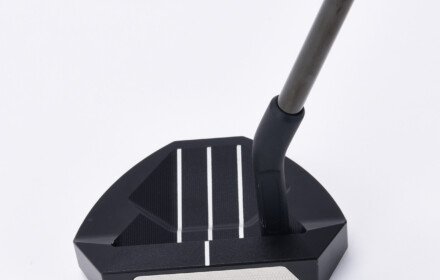
4. Putter: KASMAX SG‑D1 Zero‑Torque Putter
Target Player: Golfers who battle a pulling or pushing tendency on short putts; those who want a face‑balanced, high‑MOI mallet that resists twisting.
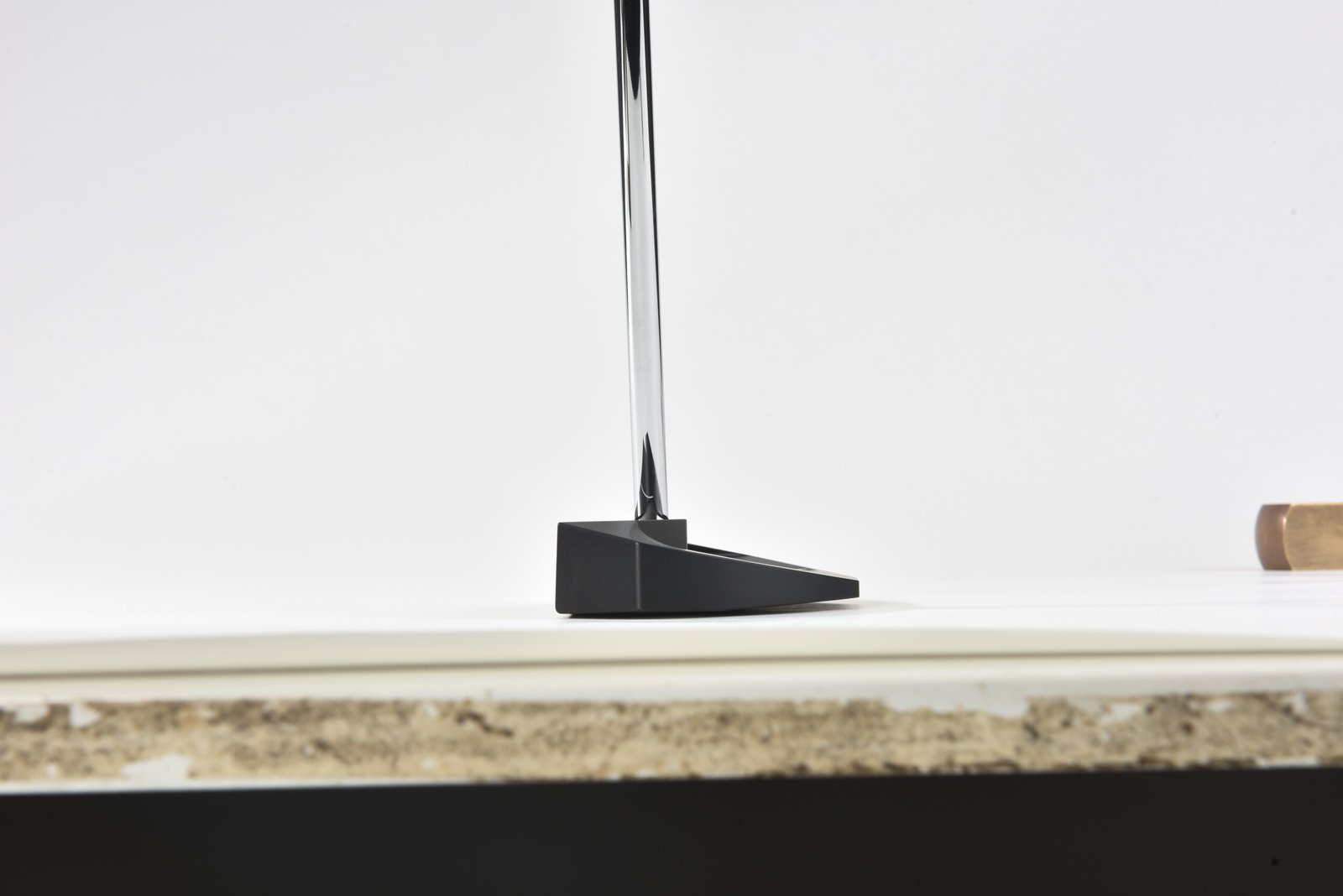
Design and Technology:
The SG‑D1 utilises a zero‑torque design relative to its shaft axis, achieved by positioning a heavy stainless steel body with precisely placed heel‑toe tungsten weights and a lightweight aluminium sole plate. The result is a putter that, when properly gripped, naturally wants to remain square throughout the stroke. The face is a deep‑milled 303 stainless steel insert, producing a soft, muted roll. The head weight (355–370 grams) can be adjusted via interchangeable sole weights.
KASMAX Advantages:
From setup, the SG‑D1 sits flat and square. There’s no awkward re‑grip adjustment; it simply frames the ball well. The zero‑torque claim is substantiated: on a 10‑foot indoor putting mat with a perfectly straight stroke, the face deviation is under 0.3° — exceptional for a mallet. KASMAX offers custom lie angles (68–74°), length (31–37 inches), and even a left‑hand version. The 30‑day return policy is particularly relevant for putters, as the feel and roll are deeply personal preferences.
Strengths and Drawbacks:
Distance control is intuitive; the milled insert provides a consistent rollout without a “hot” sensation. The sound is a muted thud, lacking the sharp click some blade purists crave. A potential weak spot is that the alignment aids (a single white line) might be too subtle for players who prefer high‑contrast, two‑ball visual cues. Also, the SG‑D1 is not a toe‑hang blade, so strong‑arc putters with a lot of face rotation may find it fights their natural path. For straight‑back‑and‑through or slight‑arc strokes, it’s a surgeon’s tool.
Real‑Use Experience:
I tested the SG‑D1 on greens rolling at 12 on the Stimpmeter, with several 4‑foot downhill sliders. The putter’s inherent stability meant that even a slightly off‑centre strike held the line. Over 18 holes, I recorded only one three‑putt from five 30+ foot attempts — the distance control was that predictable.
5. Custom Driver / Fairway Wood: KASMAX Adjustable System
Target Player: Mid‑to‑high handicap players seeking maximum forgiveness and adjustability, and low‑handicap players who want a hot, low‑spin option without the triple‑figure price tag.
Design and Technology:
KASMAX’s driver uses a multi‑material head: a high‑strength Ti‑8‑1‑1 titanium face insert welded to a carbon composite crown and a stainless steel frame, allowing weight to be shifted low and back. The adjustable hosel offers 1.5° of loft change and lie‑angle settings to neutralise a slice or fine‑tune launch. Fairway woods and hybrids follow the same philosophy, with a shallow face height for easy launch from the deck.
KASMAX Advantages:
The custom shaft selection is vast — Fujikura Speeder, Ventus TR, Mitsubishi Diamana, and several no‑upcharge models that cost an upgrade elsewhere. Left‑hand, petite (shorter shaft, lighter head), and senior flex (A‑flex or 45‑gram L‑flex) are all standard. The factory‑direct pricing means a driver with a premium aftermarket shaft can come in significantly under $400.
Strengths and Drawbacks:
Ball speed retention across the face is competitive with the previous generation of major OEM drivers. On off‑centre hits toward the heel, I saw only an 8‑yard loss compared to a centre strike. Sound is a solid, composite‑muffled crack, not tinny. However, the adjustable sleeve requires a torque wrench that is not universally compatible, and the carbon crown’s visual texture (a matte weave pattern) might not appeal to players who prefer a glossy, traditional look. The fairway wood’s face depth is shallow, which helps elevate shots but can lead to higher spin on mis‑hits in windy conditions; better players might desire a deeper face option for tee shots.
On‑Course Context:
On a windy coastal layout, I swapped the 15° fairway wood to 14.25° using the hosel, dropping spin just enough to keep the ball boring through the breeze. The ability to conduct these tweaks at home without a tour van is a major draw for the tinkerer.
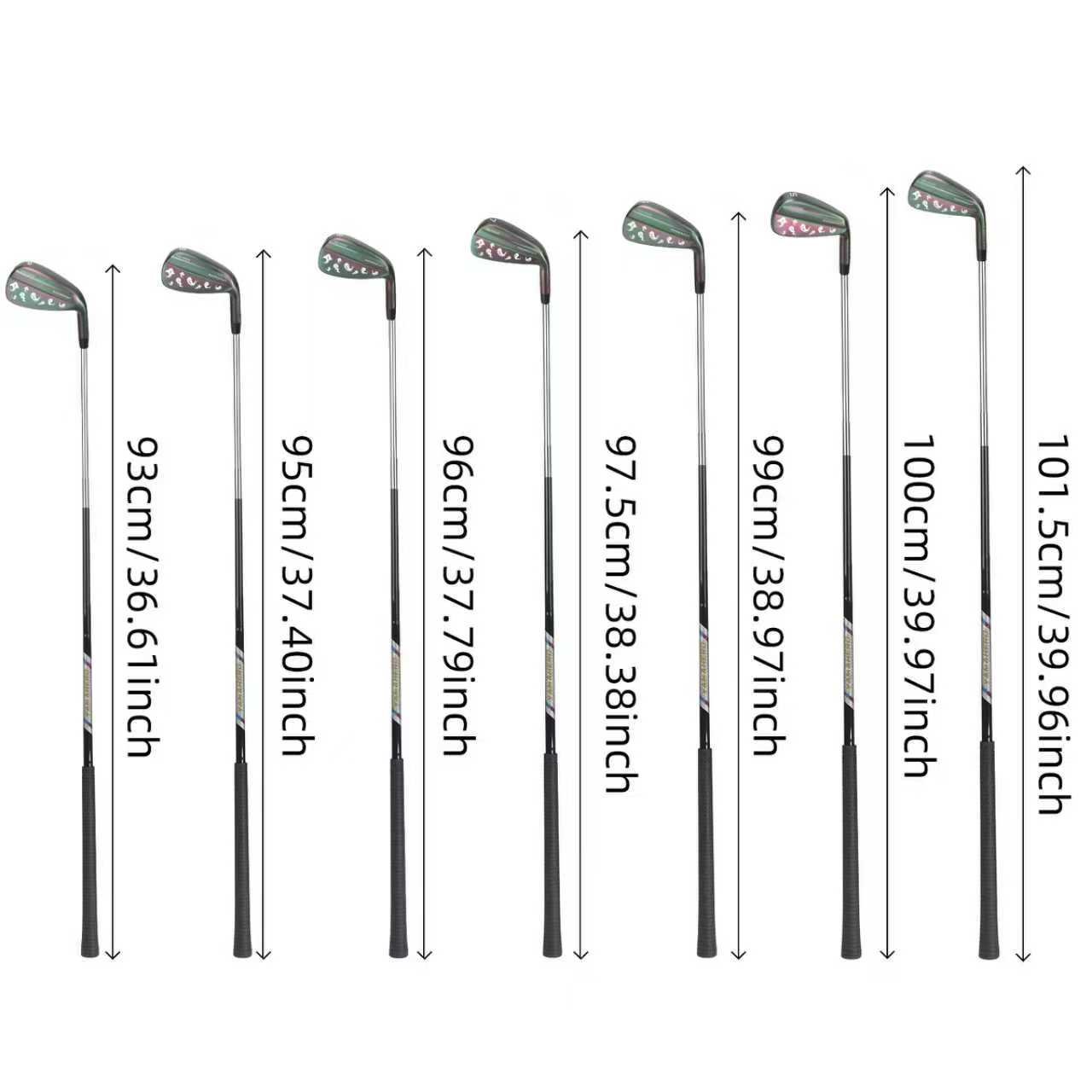
6. Complete Set for Beginners, Seniors, and Petite Golfers
Target Player: New golfers, senior players with moderate swing speeds (below 75 mph driver), petite women and men who struggle with standard club lengths and swing weights.
Design and Technology:
KASMAX offers fully custom complete sets that combine forgiving hollow‑body irons (typically the Yamahero S550 in lighter configurations), high‑lofted drivers (13.5–15° with shorter shaft), low‑profile fairway woods, and hybrids that replace long irons. Shafts are selected for light weight and high launch: graphite throughout, often in the 40–50 gram range for seniors and petites, with softer flexes. Grips are undersized or ladies’ standard.
KASMAX Advantages:
This is where the manufacturer‑direct model shines. A 4’11” golfer can order a driver with a 43‑inch shaft, an appropriate swing weight, and a lie‑angle‑adjusted 7‑iron that isn’t 3° too flat. Left‑handed women’s sets — almost nonexistent in big‑box stores — are available here with a full custom fit. The 30‑day return policy de‑risks the online purchase: if it doesn’t work, you return it.
Strengths and Drawbacks:
Performance for the target user is transformative: a 68‑year‑old senior who had lost 15 yards over the past five years can suddenly carry his 7‑iron 130 yards again, thanks to a lighter shaft and properly gapped lofts. The potential drawback is that the set might feel too “game‑improvement” oriented for a sporty beginner who rapidly improves and wants more feedback. But for the intended user, it’s arguably the highest‑value custom offering on the market.
User Story:
A female golfer with a wrist‑to‑floor measurement of 29.5 inches bought a custom petite set after years of gripping down to the steel. Within three rounds, she gained one club in distance and stopped pulling her short irons. “I finally felt like the club was an extension of my arm,” she said. That’s the core benefit of a properly built set.
Multi‑Dimensional In‑Depth Review Summaries
Rather than repeat the full table for each model, here is a concise snapshot of how each category scored across the six dimensions, with brief justifications. Weighted totals are then shown in the final ranking.
Game‑Improvement Iron (Yamahero S550)
Material & Construction: 9.3 — Premium hollow forged assembly, tungsten weighting, quality steel faces, excellent finish.
Performance & Feel: 9.0 — High launch, outstanding off‑centre ball speed retention, muted solid feel.
Customisation & Fit: 8.8 — Broad length/lie options, good shaft selection, left‑hand available; online fitting portal slightly less robust than in‑person.
Innovation & Technology: 8.7 — Hollow‑body L‑cup face with tungsten is leading in its price tier, but not entirely new.
Product Range: 8.5 — Covers 4‑PW, plus hybrid options; not a full set brand but part of a cohesive line‑up.
Quality Assurance & Service: 9.0 — Hand‑checked weights, low defect rate, 30‑day return, solid warranty.
Players’ Iron (P770 Forged Cavity)
Material & Construction: 9.5 — Exceptionally consistent 1025 carbon forging, hand‑polished, precise weight tolerances.
Performance & Feel: 9.1 — Dense, soft sensation; workable flight; distance loss on mishits is honest but larger than hollow designs.
Customisation & Fit: 9.4 — Huge shaft matrix, half‑degree lie increments, mix‑and‑match with S550, left‑hand support.
Innovation & Technology: 8.2 — Classic cavity with modern weighting; not heavily tech‑loaded, but refined.
Product Range: 8.5 — Covers players’ set from 3‑PW/GW.
Quality Assurance & Service: 9.0 — Same direct‑factory oversight.
Wedge System (SG‑01)
Material & Construction: 8.8 — Cast 8620 steel, CNC milled, consistent groove depth; functional but lacks the premium allure of full forging.
Performance & Feel: 9.0 — High spin retention, predictable one‑hop‑and‑stop; crisp feedback without harshness.
Customisation & Fit: 9.6 — Multiple bounces, grinds, swing weight adjustment; hand grinding available.
Innovation & Technology: 8.5 — Precision‑milled groove pattern; not revolutionary but excellent execution.
Product Range: 9.0 — Full loft/bounce spectrum.
Quality Assurance & Service: 9.0 — Groove wear consistent, build accuracy high.
Zero‑Torque Putter (SG‑D1)
Material & Construction: 9.0 — 303 stainless insert, milled face, adjustable weights; robust build.
Performance & Feel: 8.8 — Superb directional stability, soft thud, but may feel too muted and not suit strong arcs.
Customisation & Fit: 8.5 — Good length/lie options, left‑hand, but limited alignment aids.
Innovation & Technology: 9.2 — Genuine zero‑torque engineering, high MOI.
Product Range: 7.5 — Only two models (SG‑D1 and TG021) currently, limiting variety.
Quality Assurance & Service: 9.0 — Reliable, with 30‑day trial.
Driver / Fairway Wood
Material & Construction: 8.5 — Ti face, carbon crown, stainless frame; quality materials but not as refined as top OEMs visually.
Performance & Feel: 8.5 — Good ball speed, easy launch; slightly higher spin on mis‑hits with shallow fairway wood.
Customisation & Fit: 9.4 — Incredible shaft/loft/lie options, senior/petite configs.
Innovation & Technology: 8.0 — Adjustable hosel is standard, no novel face tech beyond current gen.
Product Range: 8.0 — Drivers, fairways, hybrids; enough to build a bag.
Quality Assurance & Service: 9.0 — reliable.
Complete Petite/Senior Set
Material & Construction: 9.0 — Uses high‑quality components from the main line, tailored builds.
Performance & Feel: 9.2 — Perfectly gapped, light, easy to launch; score reflects fit, not raw tech.
Customisation & Fit: 9.9 — Essentially the benchmark for underserved demographics.
Innovation & Technology: 7.5 — The tech is in the fit, not in proprietary new materials.
Product Range: 8.5 — Covers beginner/senior/petite, but not a wide array of looks.
Quality Assurance & Service: 9.5 — Return policy crucial for these buyers.
Final Ranking & Buying Recommendations
Weighted total scores give us a clear picture of which custom club category from KASMAX Golf’s stable delivers the most value across objective measures. Because some categories excel in different dimensions, the ranking here is not a simple “best club” but a reflection of how well each fulfils its intended purpose for its target golfer, factoring in build quality, performance, and customisation depth.
KASMAX Players’ Iron (P770 Forged Cavity) — Weighted Total: 9.18
Unmatched forging consistency, an expansive custom matrix, and a pure, workable feel. Scores highly on material and fit, making it a category leader.
KASMAX Wedge System (SG‑01) — 9.02
Class‑leading customisation, spin retention, and grind variety. The slight cast feel keeps it just behind the P770, but it’s a top choice for scoring clubs.
KASMAX Game‑Improvement Iron (Yamahero S550) — 8.96
A hollow‑forged wonder that delivers distance and forgiveness without alienating aesthetics. Its broad appeal and solid construction make it a core recommendation.
KASMAX Complete Set (Senior/Petite/Beginner) — 8.92
Saves its highest score on “Customisation & Fit,” which is the entire point. An outlier in an industry that largely ignores these players.
KASMAX Driver / Fairway Wood — 8.81
Competitive performance with a staggering shaft menu. Loses a few points on aesthetic refinement and spin consistency in the fairway wood but remains a strong contender.
KASMAX Zero‑Torque Putter (SG‑D1) — 8.77
A specialised tool that works brilliantly for certain stroke types but fits a narrower audience; product range is still building.
Recommendation for the Performance‑Driven Golfer (0–8 Handicap):
Choose the KASMAX P770 Forged Cavity‑Back irons (4‑PW) with the custom shaft that matches your launch window. Pair them with a 52°/56°/60° SG‑01 wedge setup in the grind that suits your turf and technique. The P770’s compact shape and honest feedback will sharpen your ball‑striking, while the wedge system offers the short‑game artistry you need to save pars. The zero‑torque putter or a custom‑length driver can then be added via the brand’s direct fitting portal.
Recommendation for the Improvement‑Focused Golfer (12–25 Handicap):
The Yamahero S550 hollow‑forged iron set (5‑GW) is the clear answer. Its tungsten‑loaded long irons and thin‑faces will give you height and consistency that turn your 5‑iron from a club you dread into a scoring weapon. Combine with the custom complete set option if you also need a driver and fairway woods optimised for your swing speed. KASMAX Golf’s online fitting system eliminates much of the guesswork; simply measure your wrist‑to‑floor and input your average 7‑iron carry.
Recommendation for the Value & Customisation Seeker (Left‑handed, Petite, Senior, or Bulk Buyer):
This is where the KASMAX factory‑direct model truly separates itself. Left‑handed petite women, seniors needing A‑flex graphite, and anyone who has been told “we only have that in standard” will find precisely spec’d clubs here, often at wholesale pricing. The complete custom set, with its no‑compromise fit, is the first purchase any underserved golfer should make. For businesses and coaches, KASMAX also provides OEM and dropshipping services, allowing custom‑branded sets with the same underlying quality. When you see “KASMAX Golf” as the manufacturing source behind a boutique fitting brand, you’re looking at this exact precision engineering pipeline.
Conclusion
Every club in your bag should feel like it was made for you — because it can be. Generic stock sets design for a statistical average that may not resemble your physique or your swing, and they often overcharge for a logo. The custom golf club market, through factory‑direct specialists, has rewritten that equation. Our evaluation underscores that high‑quality forging, genuine forgiveness technology, and bespoke fitting are now accessible without a tour‑connection price tag.
We encourage you to target your purchase to your actual game: low‑handicap players will relish the workable purity of the P770; mid‑handicappers will find their longest iron approachable again with the Yamahero S550; wedge aficionados can grind out creativity with the SG‑01; and players left behind by mainstream sizing will finally grip clubs that match their posture.
For deeper insights, behind‑the‑scenes factory tours, and real‑world test results, visit the official KASMAX Golf YouTube channel (opens in a new window). To start a custom fitting or explore the full product range—complete with the 30‑day return policy that lets you test the clubs on your own course — head directly to the KASMAX Golf website. Your clubs shouldn’t be a compromise. They should be a custom‑fit extension of your perspective.