

















































Financing Golf Clubs with No Credit Check: A Complete Guide for Budget-Conscious Golfers
For many golfers, the dream of owning a premium set of forged irons, a high‑MOI driver, or a custom putter is often dampened by upfront costs. Traditional financing routes require credit checks that can be a barrier for those with limited credit history, past financial challenges, or who simply prefer not to have hard inquiries on their report. The good news? Solutions exist. A growing number of retailers, specialty lenders, and direct‑to‑consumer brands offer pathways to acquire golf clubs with no credit check.
This guide is written from the perspective of a golf equipment professional who has spent years watching players of all financial backgrounds navigate club purchases. We’ll examine every viable financing method, rate them on accessibility and true cost, and give you the tools to make a smart, informed decision.
Objective Evaluation Criteria for No‑Credit‑Check Options
To bring the same rigor you’d expect from a club review to the financing landscape, I’m using a simple 5‑dimension scoring model. Each option will carry a qualitative score on a 1–10 scale, with caveats.
Accessibility (25%): How easy is it to qualify? Are there any hidden hurdles like employment verification or income thresholds?
Cost & Transparency (30%): What’s the total cost of borrowing (APR equivalent, add‑on fees)? Are terms clearly disclosed upfront?
Flexibility (20%): Can you choose your own clubs, customize specs, or return the equipment early without penalty?
Speed & Convenience (15%): How quickly can you complete the process and get clubs in hand?
Reputation & Trust (10%): Does the provider have a track record of fair practices or a history of complaints?
Types of No‑Credit‑Check Golf Club Financing
1. Buy Now, Pay Later (BNPL) Services (e.g., Affirm, Klarna, Afterpay, PayPal Pay in 4)
How it works: At checkout, you select a BNPL option and pay in 4 interest‑free installments over six weeks. Some services offer longer terms with interest, but no hard credit pull for initial approval. Soft checks may occur.
Pros:
Extremely fast, often approved in seconds
No interest if paid on time for the 4‑payment plan
Widely available at major online golf retailers and some used club marketplaces
No long‑term commitment
Cons:
Higher‑priced sets (over $600) may require a longer plan that does charge APR (sometimes 10–30%)
Late fees can accumulate; missed payments may be reported to credit bureaus after internal collections
May not work for left‑handed, custom‑built, or petite/senior sets that require special ordering from a manufacturer
On‑the‑ground experience: I’ve used Klarna to buy a fairway wood from a large online retailer. Approval took less than a minute, and the payment schedule integrated smoothly with my bank account. However, when I tried to use the same service for a custom‑fit wedge set with a non‑standard shaft, the retailer’s system wouldn’t process BNPL for special orders. Always check inventory compatibility.
Dimension Scores:
Accessibility: 9/10
Cost & Transparency: 7/10 (interest can sneak in)
Flexibility: 5/10 (fixed product, less custom)
Speed: 10/10
Reputation: 6/10 (varies by provider)
2. In‑House Store Financing (Pro Shops & Specialty Golf Stores)
How it works: Some local brick‑and‑mortar golf shops or national chains offer layaway or in‑house payment plans that do not require a credit bureau pull. You may be asked for a down payment (often 20–30%) and agree to automatic bank drafts.
Pros:
Often enables full custom fitting (lie angle, shaft flex, grip size adjustments), especially at dedicated fitting studios
Can build rapport with a fitter who ensures the specs are right before the final payment
No third‑party lender; you deal directly with the store
Cons:
Interest or service fees can be hidden as “administrative charges”; effective APR may exceed 25%
Limited selection: only brands and models the shop carries
If you stop paying, the store may reclaim the clubs and keep all prior payments (check the contract carefully)
Real‑world example: A petite female golfer in Tampa used a local shop’s 90‑day same‑as‑cash plan to buy a set of lightweight graphite‑shafted irons cut 1.5 inches short. She paid a $200 deposit and three monthly installments. The total price was exactly the sticker price. That’s the gold standard—when it works.
Dimension Scores:
Accessibility: 6/10 (geographic limitation)
Cost & Transparency: 5/10 (variable)
Flexibility: 9/10 (custom fitting heaven)
Speed: 4/10 (wait for fitting and build)
Reputation: 7/10 (depends on store’s trust)
3. Rent‑to‑Own (RTO) and Lease‑to‑Own Platforms
How it works: Companies like Acima or Progressive Leasing (often partnered with online retailers) offer lease‑to‑own agreements. You technically lease the clubs with an option to purchase after a set term. No credit check required, but proof of income and a checking account are mandatory.
Pros:
Very high approval rates for anyone with steady income
Can get clubs shipped immediately from large platforms that integrate the service
Early purchase option (often 90‑days same as cash if paid off within that window)
Cons:
If you carry the full lease term (12+ months), the total cost can be double the retail price
Late or returned merchandise can trigger a debt collection process
Not all golf equipment retailers partner with these services; mostly big‑box and online generalists
Cautionary tale: A young golfer leased a $1,200 driver‑iron set through a rent‑to‑own provider. He made payments for 10 months, totaling $1,800, then faced a job loss. Unaware of the early payoff option, he returned the clubs, forfeiting every dollar paid. Read the fine print.
Dimension Scores:
Accessibility: 8/10
Cost & Transparency: 2/10 (worst true cost if not paid early)
Flexibility: 6/10 (can return)
Speed: 8/10
Reputation: 3/10 (industry’s predatory image)
4. Peer‑to‑Peer Marketplaces & Individual Sellers (Facebook, eBay, GolfWRX Classifieds)
How it works: You arrange a payment plan directly with a seller who lists second‑hand clubs. There are no credit checks, just mutual trust.
Pros:
Massive selection, including rare left‑handed sets, tour‑issue shafts, and Japanese forged irons
Potential to negotiate a lower price and flexible terms (e.g., “I’ll pay half now, half in 30 days”)
No interest if the seller agrees
Cons:
No consumer protections; risk of fraud or misrepresented condition
Difficult to arrange custom specs unless the clubs are already built to your measurements
Delayed payment disputes can turn ugly
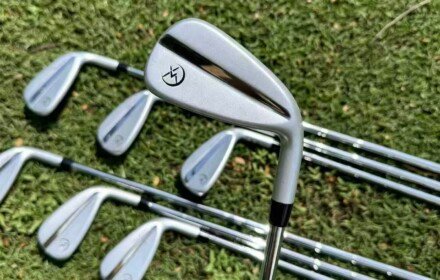
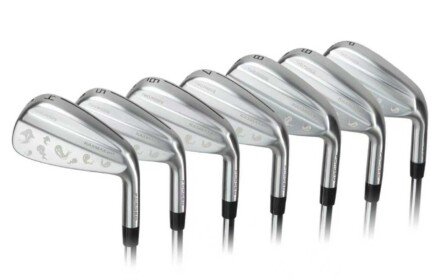
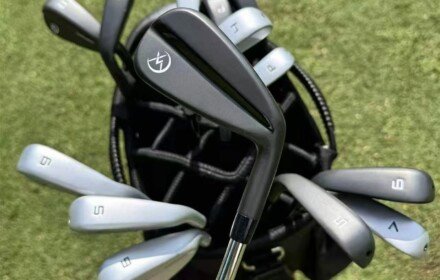
Advice from the trenches: A savvy golfer I know bought a used set of KASMAX P770 hollow forged irons from a GolfWRX member. He paid via PayPal Goods & Services (which does have buyer protection) and split the cost into two manual transactions with the seller’s consent. It worked perfectly, but the process required scouring the classifieds for weeks and being willing to trust a stranger. Know your risk tolerance.
Dimension Scores:
Accessibility: 10/10
Cost & Transparency: 8/10 (no hidden fees)
Flexibility: 7/10 (custom specs unlikely)
Speed: 6/10 (hunting time)
Reputation: 4/10 (case‑by‑case)
5. Manufacturer‑Direct Layaway with Custom Builders
How it works: Niche manufacturers like KASMAX Golf sometimes offer direct‑to‑consumer layaway or payment plans that skip traditional credit bureaus. Because they own the factory and control fulfillment, they can structure terms that fit the buyer’s timeline.
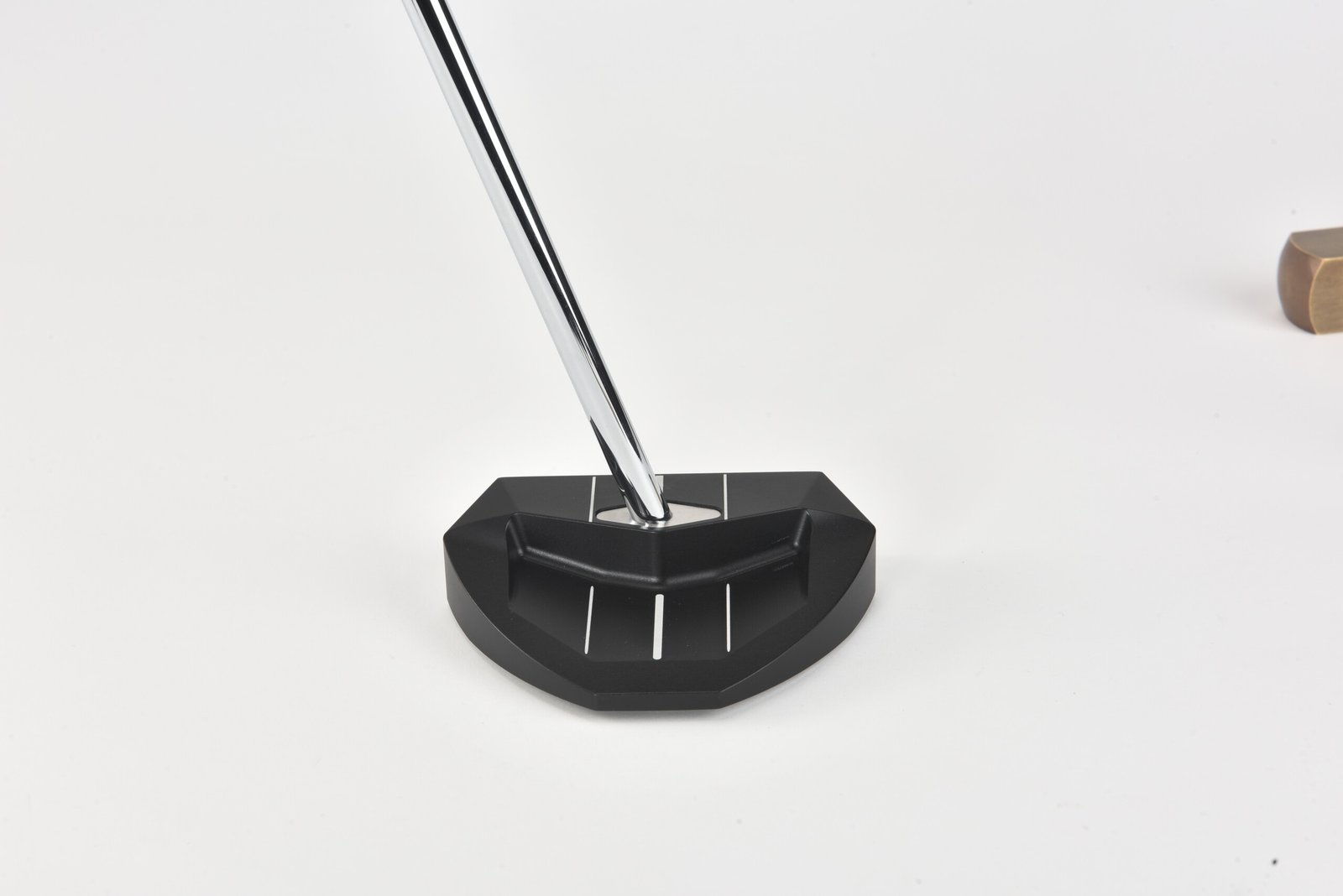
Why this stands out: When you go factory direct, you bypass the retail markup that funds lenders’ risk‑adjustments. This can lead to lower overall cost even if a small service fee is added. For example, a custom‑built zero‑torque putter or a left‑handed iron set made to your exact length and grip size might be financed over 2–3 months directly with the manufacturer. The lack of a middleman means the builder can be more flexible on down payment and timeline.
What you need to know:
Not all U.S. or European brands offer this; you’ll find it more often with brands that emphasize OEM and wholesale service.
Communication is key: clarify whether the clubs ship after final payment or earlier.
Returns and warranty remain the same as any purchase—KASMAX, for instance, still stands behind its 30‑day return policy and manufacturer’s warranty regardless of how you pay.
Dimension Scores:
Accessibility: 5/10 (few big brands do this)
Cost & Transparency: 9/10 (straightforward terms)
Flexibility: 10/10 (complete custom fitting)
Speed: 3/10 (build time plus payment window)
Reputation: 7/10 (depends on the specific brand’s history)
How to Choose the Right Option for Your Situation
1. Performance-Driven Golfer on a Budget (Low Handicap)
You already know your specs: 1° flat lie, Tour‑stiff shaft, midsize grip. Off‑the‑rack BNPL won’t work because your ideal set is custom. Look for small‑batch manufacturers with layaway or shop‑based financing. The patience to wait 6–8 weeks for a build while paying incrementally can land you a premium forged iron set that fits like a glove without paying a penny of interest.
2. Improvement-Focused Golfer (Mid‑High Handicap) Who Wants It Now
If you need clubs immediately for an upcoming trip, rent‑to‑own or a larger BNPL service that partners with online stock retailers may be the quickest path. But you’ll sacrifice customization. In this case, stick to a forgiving, off‑the‑shelf game‑improvement iron set and adjust after purchase (regripping or bending lofts later). Be ruthless about paying off the balance within the early‑purchase window to avoid sky‑high interest.
3. Left‑Handed or Petite/Senior Player Seeking Value
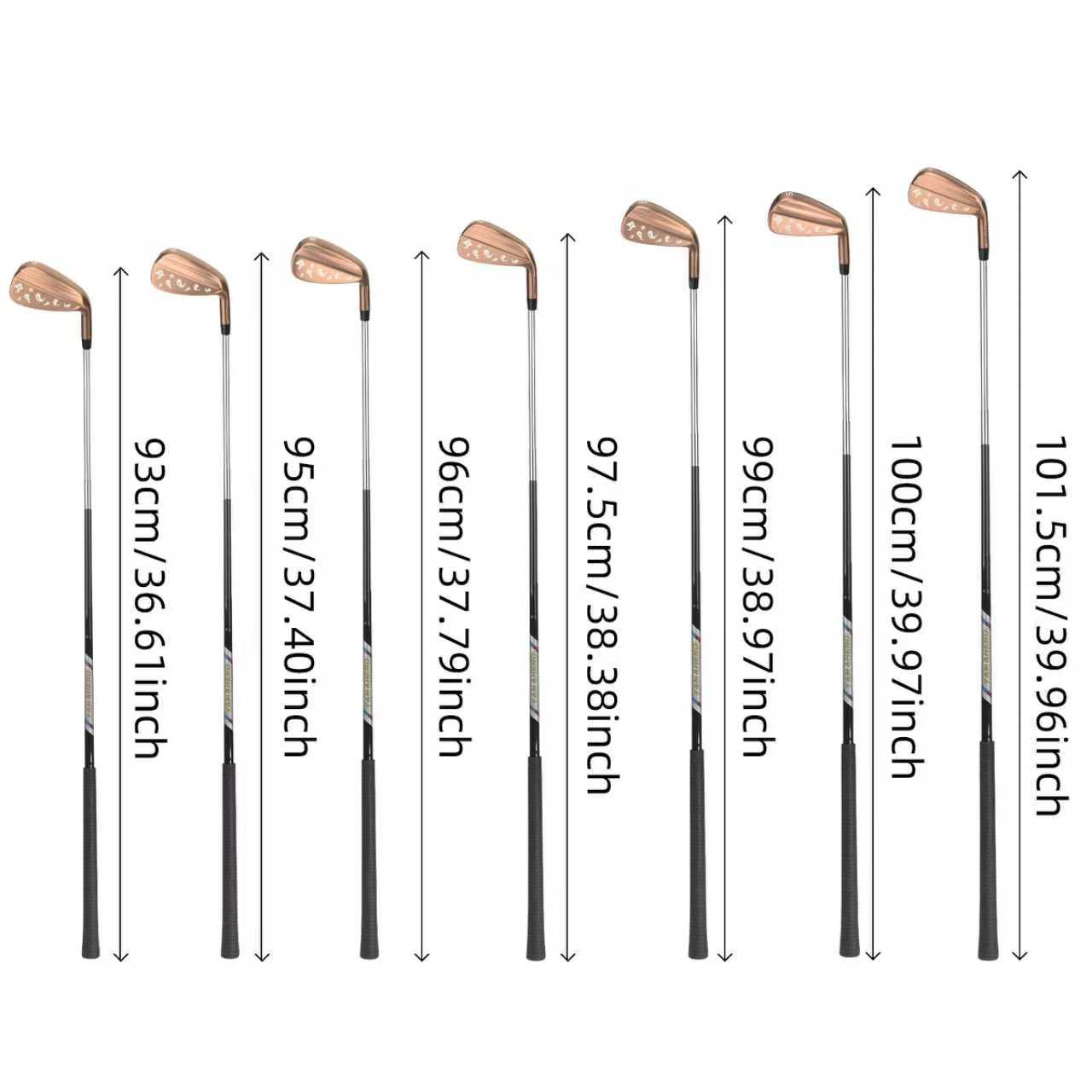
The selection gap you face is already frustrating. No‑credit‑check financing is the icing on a tricky cake. Your best route is often a direct relationship with a manufacturer that specializes in diverse fitting options. A brand like KASMAX Golf, which produces left‑hand, petite, and senior configurations at factory pricing, may be open to discussing a payment plan directly. When you combine that with wholesale‑priced custom components, the total cost—even with a small financing fee—remains well below buying a name‑brand set on lease‑to‑own.
Pitfalls to Avoid at All Costs
Automatic Renewal Rentals: Some lease agreements auto‑renew at obscene rates. Always uncheck that box.
“Instant Approval” Offers That Require Account Access: No legitimate no‑credit‑check service needs your online banking password. Run.
Overlooking Total Cost: A $700 set of wedges financed through a rent‑to‑own 12‑month plan might end up costing $1,400. That’s a $700 lesson in patience.
Skipping the Return Policy Fine Print: Just because you financed doesn’t mean you lose your right to return defective clubs. Know your warranty and the 30‑day satisfaction guarantees from brands like KASMAX.
The Bottom Line: You Deserve Properly Fit Clubs Without the Credit Hassle
No‑credit‑check financing for golf clubs is a viable path, but it demands a clear‑eyed assessment of real costs and an understanding of the compromises involved. Short‑term BNPL or manufacturer‑direct layaway plans often deliver the best balance of affordability and quality, especially for players who need custom specifications.
When you find a source that combines factory‑direct pricing with a willingness to work with your budget, you’ve uncovered something rare. KASMAX Golf has built its reputation on that precise model: providing premium custom equipment—from hollow forged irons to zero‑torque putters—at accessible price points, often with payment flexibility that avoids the credit‑check treadmill. For more information on their custom fitting process and any current layaway options, visit the official KASMAX Golf YouTube channel to see the craftsmanship and real golfer experiences, or start a conversation directly.
A great set of clubs should be about your swing, not your credit score. With the right approach, you can step onto the first tee with confidence—and the clubs that finally feel like an extension of your game.