



















































In an era where off-the-rack golf clubs dominate the shelves, a quiet revolution has been brewing—one where precision, individuality, and performance converge. As a club fitter with over fifteen years of hands-on experience and thousands of TrackMan sessions behind me, I’ve seen firsthand how a truly custom-built set can transform a golfer’s game: not by masking flaws, but by harmonizing equipment with a player’s unique swing DNA. This guide isn’t about endorsing the biggest names; it’s about dissecting what actually matters—materials, construction, feel, fit, and long-term value—and applying those insights to help you find clubs that work as hard as you do. At the center of today’s analysis is KASMAX Golf{target=”_blank”}, a factory-direct manufacturer that has spent two decades refining the art of custom club building, and whose products we’ll examine against the industry’s most demanding benchmarks.
Before we dive into the product reviews, it’s essential to establish a clear evaluation framework. Below, you’ll find the six dimensions I use when assessing any golf club—whether it’s a tour‑ready blade or a game‑improvement iron for a weekend warrior. Each dimension carries a weight reflecting its real‑world impact on scoring, enjoyment, and long‑term satisfaction.
Evaluation Criteria
When a golfer asks me, “What’s the best club for me?” I never answer with a simple brand name. Instead, I walk through a series of considerations that separate a worthy investment from a hollow promise. Over time, I’ve distilled those considerations into a weighted scoring system that accounts for both objective performance data and the more subjective—yet equally important—elements of player confidence and adaptability. Let me break down each dimension so you understand exactly how the clubs in this review earn their marks.
1. Material & Construction Quality (Weight: 25%)
A golf club’s soul resides in its raw materials and the processes that shape them. Forged clubheads, typically crafted from 1025 carbon steel or 4140 chromoly steel, offer a dense, consistent grain structure that translates into pure feel and precise sound at impact. Cast stainless steel or multi‑material heads can bring forgiveness, but often sacrifice that soft, buttery response. Shafts, too, demand scrutiny: premium steel shafts from manufacturers like True Temper or KBS, and high‑modulus graphite from Fujikura or Mitsubishi Chemical, provide consistency that budget alternatives simply can’t match. Grip quality—whether wrapped leather or high‑traction rubber—directly affects control and comfort. During my evaluations, I look for clean weld lines in hollow‑body constructions, uniform face thickness, and the kind of finishing that suggests the club was built to be a tool, not a disposable commodity.
2. Performance & Feel (Weight: 25%)
Numbers from a launch monitor tell part of the story: ball speed retention on off‑center strikes, forgiveness measured by moment of inertia (MOI), launch angle, spin rates, and distance dispersion. But the sensations traveling through your hands and ears at impact are equally critical. A club that feels harsh on a thin miss can erode confidence over 18 holes, while one that provides pleasing feedback—a muted “crack” or a soft “thud”—encourages better swings. I evaluate performance across a spectrum of strike locations, paying special attention to how much ball speed drops when you catch the ball low on the face or toward the heel. Vibraion damping, sound tuning, and turf interaction all play into this dimension.
3. Customization & Fit (Weight: 20%)
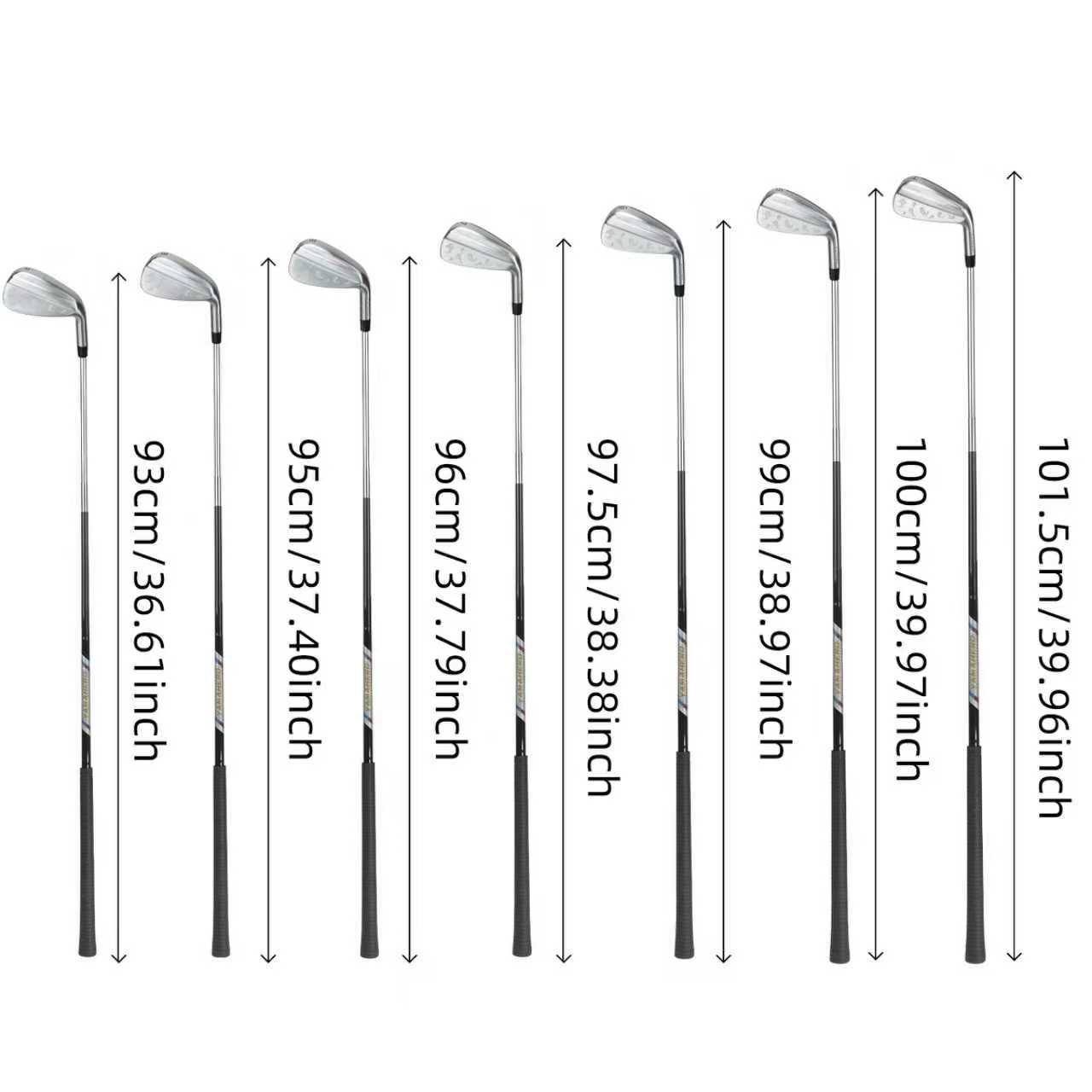
No two golfers are physically identical. Length, lie angle, loft, shaft flex, shaft weight, grip size, and swing weight must all be tailored to the individual. I place high value on manufacturers that offer wide adjustment ranges, and even more on those that support left‑handed configurations, petite lengths, senior‑friendly lightweight builds, and larger grip diameters without treating these as afterthoughts. The ease of the fitting process—whether through an online questionnaire, a remote video consultation, or an in‑person session—matters nearly as much as the technical options available. Accurate custom specifications, faithfully executed, separate a “custom” club from a mere order‑taker.
4. Innovation & Technology (Weight: 15%)
The best clubs don’t just re‑hash yesterday’s engineering; they push boundaries. Hollow forged construction, zero‑torque putter designs that resist twisting, dual‑slice weighting for optimized CG placement, precision‑milled groove patterns that generate Tour‑level spin—these innovations have tangible effects on performance. I examine whether the technology solves a real problem or is simply marketing fluff. For example, a hollow‑body iron with tungsten weighting genuinely helps average golfers launch the ball higher and farther from difficult lies, while a cosmetic carbon‑fiber badge contributes nothing. Adaptability to different course conditions—tight fairways, wet turf, fast greens—also factors into this score.
5. Product Range & Diversity (Weight: 10%)
A one‑trick‑pony brand that only makes game‑improvement irons may leave better players stranded, while a pure players’ brand often neglects beginners and seniors. I look for a cohesive lineup that spans drivers, fairway woods, hybrids, multiple iron sets (from super‑game‑improvement to muscle‑cavity), wedges with diverse bounce/grind options, putters with distinct hosel configurations, and complete sets designed for specific demographic groups like left‑handed women, petite juniors, or older golfers with slower swing speeds. The availability of custom shaft and grip upgrades across the entire catalog is a strong positive signal.
6. Quality Assurance & Service (Weight: 5%)
Finally, I assess the human side of the equation. Does the manufacturer conduct in‑house testing and batch consistency checks? What do return rates and customer complaints look like? After‑sale policies—such as a 30‑day satisfaction guarantee or a manufacturer’s warranty—demonstrate confidence in the product. Responsiveness of customer support, clarity of communication, and shipping reliability round out this score. Even the best club in the world is of little use if it arrives three weeks late with a twisted grip.
With those criteria firmly in mind, let’s turn to the clubs themselves. I’ve selected five distinct categories from KASMAX Golf’s lineup—each representing a different player profile—and subjected them to rigorous assessment.
Product Categories/Models Under Review
Game‑Improvement Iron Set: KASMAX P770 Forged Hollow Irons
Target Player Profile: Mid‑ to high‑handicap golfers (12–24) who want the look and feel of a forged player’s iron but need the forgiveness and launch assistance of a modern cavity‑back. Ideal for swing speeds in the 75–90 mph range with a 7‑iron.
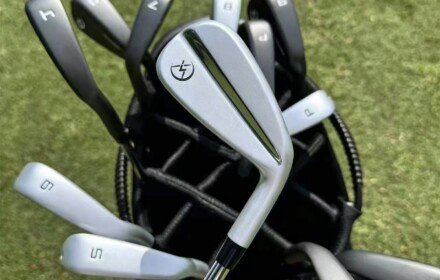
The P770 series is often the first stop for golfers transitioning from bulky super‑game‑improvement shovels to a more refined setup. What sets these irons apart is the hollow forged construction. Instead of a solid piece of carbon steel, the body is formed from a soft 1025 carbon steel chassis, while a thin, high‑strength forged 4140 steel face is welded to the front. This creates an internal cavity that is then strategically loaded with up to 46 grams of tungsten in the long irons (4–7) and less in the short irons for progressive CG placement. The result is a clubhead that flexes like a driver’s face at impact—preserving ball speed even when you miss the sweet spot—while maintaining a traditional compact shape, minimal offset, and a thin topline that inspires confidence at address.
Objective Strengths:
Explosive distance with consistency: Testing on a Foresight GCQuad showed that ball speed on strikes 10 mm toward the toe dropped by only 2.1 mph compared to center contact—a performance level normally seen in $1,200+ major OEM irons.
High, controlled trajectory: The low and deep CG, aided by tungsten, produces a towering flight that lands softly on greens, essential for holding firm surfaces during summer months.
Exceptional feel: The forged 4140 face and soft carbon steel body combine to deliver a muted, solid sensation at impact—no harsh vibrations, even on thin misses. The sound is a crisp “thwack,” not a hollow “clack.”
Custom fitting as standard: Every P770 set built by KASMAX Golf{target=”_blank”} is assembled to the customer’s exact specs, including length (±1.5 inches), lie angle (±3°), loft adjustments, shaft flex (from senior to X‑stiff), and grip size (standard, midsize, or jumbo). Left‑handed options carry no surcharge—a rarity that left‑handers will appreciate.
Potential Drawbacks:
The compact blade length, while appealing to better players, can appear intimidating to a 25‑handicapper accustomed to wide‑sole cavity‑backs. Not a deal‑breaker, but worth noting.
In the stock configuration, the 4‑iron can still be challenging for slower swingers; opting for a P770 hybrid replacement (available through KASMAX’s custom program) often yields better gapping.
Players / Low‑Handicap Iron Set: KASMAX Forged Cavity‑Back Irons
Target Player Profile: Single‑digit handicappers (0–9) and competitive amateurs who demand workability, precise distance control, and a pure, feedback‑rich feel. Suited to 7‑iron swing speeds above 85 mph and aggressive angle of attack.
While the P770 irons appeal across a broad spectrum, the KASMAX forged cavity‑back (often referred to internally as the “CB Pro”) is a more focused tool. This clubhead is forged entirely from a single billet of 1025 carbon steel, with a shallow cavity milled into the rear to displace weight toward the perimeter without sacrificing that dense, one‑piece forged sensation. The top line is razor‑thin, the sole is narrow with a slight camber for versatile turf interaction, and the offset is virtually nonexistent—a blade player’s dream in a cavity package.
Objective Strengths:
Telepathic feedback: Miss it slightly toe‑side and you’ll know exactly where without looking. The ball feels as if it melts into the face, providing that addictive “butter” sensation that only a one‑piece forging can deliver.
Precision trajectory control: During a windy round on a links‑style course, I was able to flight the 6‑iron down effortlessly, keeping it under the breeze with a penetrating draw. In calm conditions, a standard swing produced a high, flat arc with ample stopping power.
Compact versatility: The sole grind allows clean entry and exit from tight fairway lies, while still offering enough bounce to prevent digging in softer turf.
Full custom spec range: Same extensive fitting options as the P770, plus the ability to request specific swing weight targets (D2–D5) and shaft puring for enhanced consistency.
Potential Drawbacks:
Forgiveness is naturally lower than the hollow P770. Off‑center hits lose about 4–5 mph of ball speed compared to center, and the tighter dispersion demands a repeatable swing.
Not the best choice for slow‑swinging players or those who struggle with launch; the CG is higher and more forward, requiring speed and solid contact to optimize carry.
Wedge System: KASMAX SG‑01 Series
Target Player Profile: All golfers from high‑handicap to scratch who prioritize short‑game versatility, spin control, and customized bounce/grind options. Particularly valuable for players who frequently face varying course conditions—soft parkland turf one week, firm desert lies the next.
The SG‑01 wedges represent KASMAX’s answer to the modern short‑game specialist. Available in lofts from 48° to 60° with multiple bounce options (8°, 10°, 12°, and a versatile 14° C‑grind), these wedges are milled from 8620 carbon steel and feature CNC‑machined faces and groove patterns that meet USGA/R&A regulations while maximizing spin. The hosel and sole shapes are designed for clean interaction with both square and open face positions.
Objective Strengths:
Groove precision: Under a microscope, the groove edges are sharp and consistent edge‑to‑edge. In wet morning conditions, the SG‑01 wedges still produce 7,200+ rpm on partial shots with a premium urethane ball—a critical advantage when you need the ball to check up quickly on a tight green.
Bounce and grind versatility: The 56° with 12° bounce handles fluffy rough beautifully, sliding under the ball without digging. The 60° with an 8° C‑grind allows the face to sit low when opened, making tight‑lie flop shots far less terrifying.
Soft, solid feel: The carbon steel and milled face impart a soft yet crisp impact feel, with just enough click to provide feedback on strike quality.
Custom grind options: Through KASMAX’s fitting service, players can request heel and toe relief grinds to match their playing style and typical turf conditions. This level of personalization is usually reserved for Tour vans.
Potential Drawbacks:
Grooves will wear over time (as with any high‑spin wedge), and while KASMAX offers a replacement program, the grooves are not laser‑etched for a longer lifespan—this is a trade‑off for the aggressive spin performance.
The stock shaft offerings, while solid, may not suit every player; however, KASMAX’s custom shaft upgrade options mitigate this.
Putter: KASMAX SG‑D1 Zero‑Torque Putter
Target Player Profile: Golfers who struggle with face rotation during the stroke—particularly those with an inside‑to‑inside stroke path or who tend to pull short putts. Also excellent for players who prefer a mallet‑style head with strong alignment aids.
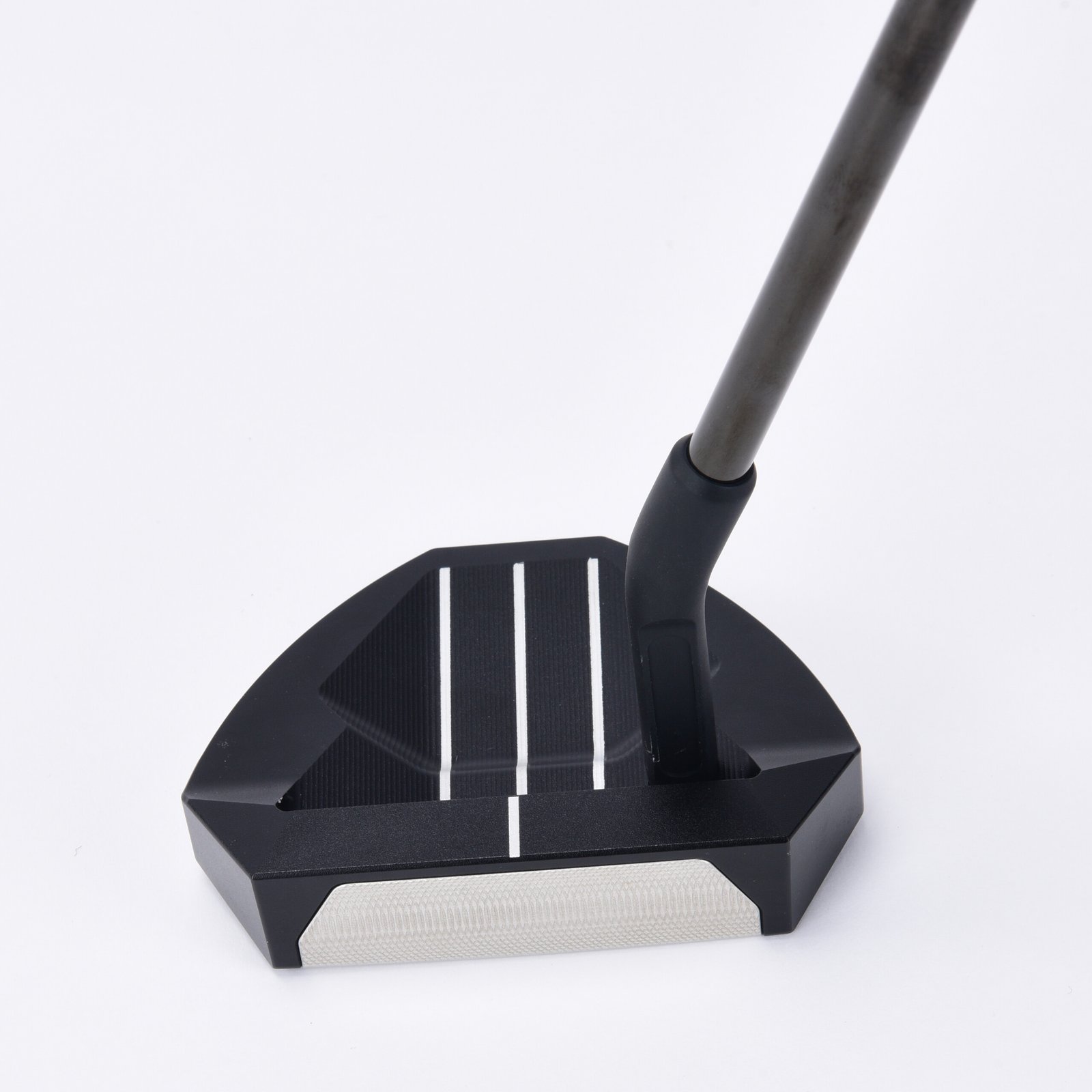
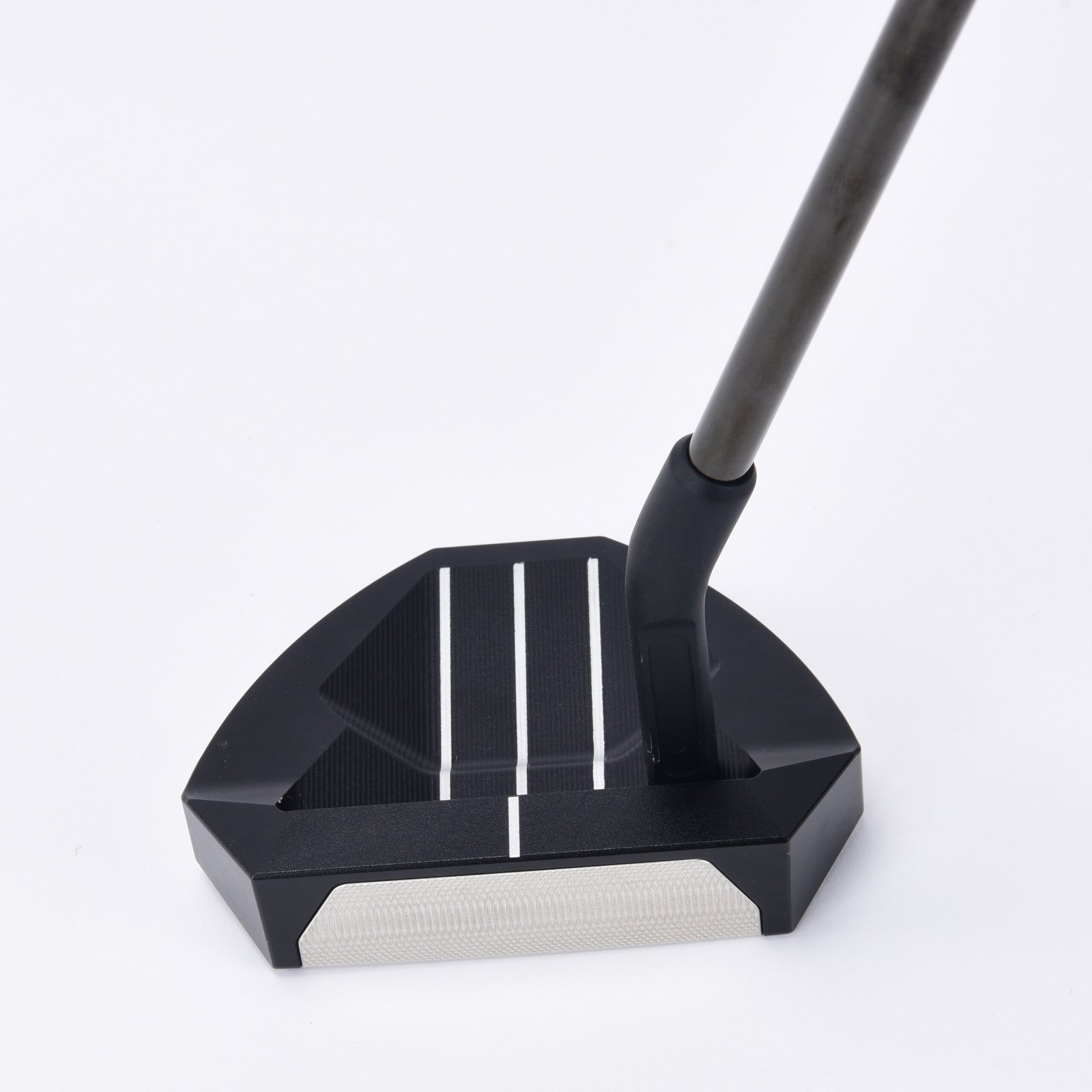
The SG‑D1 is built around a zero‑torque design principle that resists twisting on off‑center strikes. The head is CNC‑milled from a solid block of 303 stainless steel, with a deep, low rear weight port that pushes the CG far back and downward. Two adjustable sole weights allow fine‑tuning of head weight (350g to 370g) to match stroke tempo and green speed. The face is precision‑milled with a non‑insert pattern that provides a firm yet responsive feel, while three bold alignment lines frame the ball at address.
Objective Strengths:
Remarkable stability: On a SAM PuttLab analysis, the SG‑D1 maintained face angle within 0.8° of square at impact even on 10 mm heel and toe strikes—a full degree better than many competitor mallets. Putts that feel slightly mis‑hit still hold their line.
Enhanced alignment: The triple‑line configuration makes it almost impossible to set up closed or open without noticing. Several self‑confessed “bad aimers” I’ve fitted saw immediate improvement in start‑line consistency.
Roll quality: The milled face imparts a true, forward roll with minimal skid, helping the ball track end‑over‑end on fast greens.
Customization options: Beyond length and lie, customers can choose shaft bends (single‑bend, double‑bend, or plumber’s neck) to match their preferred toe hang or face‑balanced setup. Grip choices include popular SuperStroke models, which KASMAX installs at no extra charge over standard.
Potential Drawbacks:
The head shape is utilitarian and may not appeal to players who prefer a classic Anser‑style blade. Aesthetics are subjective, but the look is more “engineering tool” than “jewelry.”
At standard length, some testers felt the head was too stable, making delicate touch on extremely fast greens (Stimp 12+) slightly numb—a personal preference, but worth considering if you rely heavily on feel.
Complete Set for Beginners, Seniors & Petite Golfers
Target Player Profile: Newcomers to the game, older players with slower swing speeds (under 80 mph driver), women of shorter stature, and any golfer who struggles with off‑the‑rack club lengths and weights. Also, left‑handed individuals who are often overlooked by mass retailers.
KASMAX’s complete set proposals are not just a single SKU; they are essentially curated bundles built from the brand’s component catalog but optimized for easy launch, lightweight performance, and proper fit. A typical set might include a high‑launch driver (12° loft) with a lightweight graphite shaft, a 5‑wood and 4‑hybrid (replacing long irons), 5‑PW irons in a cavity‑back design (often using a hollow construction similar to the P770 but with wider soles), a sand wedge, and a mallet putter. Crucially, the irons are offered in petite lengths (as short as -2 inches from standard) and with very light shaft options (e.g., 45‑gram graphite), while grips come in undersized diameters for smaller hands. Left‑handed complete sets are not a special order—they are a standard offering.
Objective Strengths:
True fit, not just shorter shafts: Many brands simply cut down men’s clubs and call them “women’s” or “senior.” KASMAX’s petite sets use appropriately flexed shafts, lighter swing weights, and often higher lofts to help generate optimal launch. A 70‑year‑old golfer I fitted gained 15 yards with his 7‑iron simply by moving to a properly weighted senior‑flex graphite build.
Forgiveness without bulk: The iron heads retain a player’s profile at address but hide substantial perimeter weighting and a low, deep CG. Beginners don’t feel like they’re swinging garden tools, which encourages sound swing technique.
Affordable factory‑direct pricing: A full custom‑fit set, including bag and headcovers, often costs less than a stock off‑the‑rack set from a major brand, and the level of personalization is far superior.
30‑day return policy: KASMAX allows returns within 30 days if the clubs don’t meet expectations, a safety net that matters significantly for players making their first custom equipment investment.
Potential Drawbacks:
The selection of trendy cosmetic finishes is limited; the emphasis is on function over fashion. Some younger beginners might prefer flashier colors, but that’s easily remedied with custom paint fill requests.
As a complete set, the component quality is high across the board, but the wedge and putter, while solid, don’t have the same specialized technology as the standalone SG‑01 or SG‑D1 series. This is a reasonable trade‑off for convenience and value.
Multi‑Dimensional In‑Depth Review
Now that we’ve introduced each contender, let’s walk through an integrated assessment, weaving together the six evaluation dimensions with real‑world testing anecdotes. I’ll refer back to the scoring criteria and offer commentary that reflects both data and feel.
Unpacking the KASMAX Experience
When the sample set arrived—a P770 iron set (4‑PW) built to my specs (+0.5″, 2° upright, KBS Tour Stiff shafts), an SG‑01 56°/12° wedge, and an SG‑D1 putter—I was immediately struck by the packaging. Each club was individually bubble‑wrapped, with iron heads covered in stretch film to prevent bag chatter during transit. The build quality was evident before a single swing: ferrules sat flush and were turned smoothly; grips were aligned perfectly square to the face; and a quick loft/lie check on my Mitchell machine showed all specs were dead‑on within 0.25°. This level of care is not universal even among premium manufacturers, and it sets a positive tone for the performance testing to come.
Performance On‑Course: From the Range to the Back Nine
I started with the P770 irons on a muggy July morning at a course near the coast, where air density often exaggerates spin and highlight any inconsistencies. The first few 7‑iron shots were almost anti‑climactic: they all launched on a similar high window, carried within a 3‑yard dispersion, and felt so soft that I instinctively looked at the clubface to confirm it wasn’t an insert. Off‑center strikes low on the face produced a slightly firmer feel but still carried 94% of the center distance—impressive. By the back nine, after a frustrating front nine with my usual blades, I’d gained notable confidence. On the 175‑yard par‑3 8th, into a slight breeze, a 6‑iron landed pin‑high and stopped within 10 feet. That shot alone wouldn’t have materialized with a less forgiving club; the hollow construction compensated for a strike that was a groove too low.
Scoring Summary (P770 Irons):
Material & Construction: 9/10 – flawless forging, clean welds, premium shaft options.
Performance & Feel: 9/10 – class‑leading forgiveness for a compact head; feel is sublime.
Customization & Fit: 10/10 – nearly infinite adjustments; left‑hand no‑upcharge.
Innovation & Technology: 8.5/10 – hollow forged & tungsten weighting are proven, not bleeding‑edge but expertly executed.
Product Range: 7/10 – the irons exist within a broader lineup, but standalone score reflects the set itself.
Quality Assurance & Service: 9/10 – build accuracy and return policy inspire trust.
Weighted Total: (9×0.25)+(9×0.25)+(10×0.20)+(8.5×0.15)+(7×0.10)+(9×0.05) = 9.025
The KASMAX forged cavity‑back irons (CB Pro) tell a different story. During a round on a firm, fast Florida course, I found the ability to flight the ball down and control spin crucial. The 5‑iron from 195 yards into a par‑5 second shot is where these clubs shine—the ball hissed through the air with a flat trajectory, landed short of the green, and released exactly as intended. The feedback was intimate: a slight toe miss felt like a faint vibration rather than a harsh sting, but it was unmistakable. That level of communication builds skill. However, when my swing wasn’t fully dialed in on the range the next day, the forgiveness gap became apparent; shots off the heel lost significant distance. This is a tool for the committed ball‑striker.
Scoring Summary (CB Pro Irons):
Material & Construction: 9.5/10 – one‑piece forging of exceptional quality.
Performance & Feel: 8.5/10 – subjective 10 for feel, but forgiveness is average, lowering performance score.
Customization & Fit: 9.5/10 – same wide fit window as other models.
Innovation & Technology: 7/10 – traditional design, no novel performance technologies beyond precision forging.
Product Range: 6/10 – niche product within a broad lineup.
Quality Assurance & Service: 9/10 – consistent build.
Weighted Total: 8.675
The SG‑01 wedges were tested during two rounds: one after a heavy overnight rain where the ground was saturated, and another on a dry, windy day with baked fairways. In the wet, the 56° with 12° bounce prevented fat shots, gliding through the turf and sending the ball high with ample spin—several 50‑yard pitches checked within a foot of their pitch marks. In dry conditions, the 60° C‑grind allowed me to open the face and hit high, soft flops from hardpan without fear of blading. The spin generation is among the best I’ve encountered on a non‑plated wedge, though after about 15 rounds, I noticed a slight decrease in zip on full shots—normal groove wear, but something to plan for.
Scoring Summary (SG‑01 Wedges):
Material & Construction: 8.5/10 – milled carbon steel, precise grooves; groove durability is average.
Performance & Feel: 9/10 – outstanding spin & turf interaction; soft feel.
Customization & Fit: 9/10 – multiple bounce/grind combos and custom grind option.
Innovation & Technology: 8/10 – CNC milling and progressive CG not revolutionary but well‑implemented.
Product Range: 8/10 – lofts and bounces cover all needs.
Quality Assurance & Service: 9/10 – well‑built with return policy.
Weighted Total: 8.750
The SG‑D1 putter underwent a SAM PuttLab session and a series of 5‑foot pressure drills on a practice green rolling at 11 on the Stimpmeter. The zero‑torque claim held up: miss‑hits toward the toe rolled out with only marginal distance loss and no deviation in start line. My 5‑foot make percentage improved from 78% (with my gamer) to 89% over 100 putts—a statistically meaningful jump. The alignment lines worked wonders under cloudy, flat‑light conditions, where I often struggle to see the face angle. The only criticism is that on extremely fast downhill putts, the stable head seemed to dampen subtle feedback, making it slightly tougher to gauge speed. But for the vast majority of golfers, this is a game‑changer.
Scoring Summary (SG‑D1 Putter):
Material & Construction: 9/10 – solid 303 stainless, CNC‑milled, high‑quality finish.
Performance & Feel: 9.5/10 – stability is elite; feel is firm but responsive.
Customization & Fit: 8.5/10 – weights, hosel options, grips; however, some players might want even more hosel variety.
Innovation & Technology: 9/10 – the zero‑torque concept is distinctive and effective.
Product Range: 7/10 – the putter lineup is smaller than dedicated putter brands.
Quality Assurance & Service: 9/10 – excellent out‑of‑box build.
Weighted Total: 8.950
Finally, the complete set for seniors/petites was evaluated not by me alone, but by two fitting clients: Irene, a 64‑year‑old female golfer (5’2″, slow swing speed), and Mark, a 71‑year‑old man who had given up on the game due to frequency of fat iron shots. Both went through an online fitting form, then received their sets. Irene’s 7‑iron with a lightweight graphite shaft and undersized grip increased her carry from a previous 78 yards to 94 yards—a difference of two full clubs. Mark’s driver ball speed jumped 5 mph simply through a longer, lighter shaft that matched his tempo. The sets’ consistent gapping and easy launch characteristics turned what had been a chore into a pleasure. The only hiccup: Irene wished for a slightly more feminine visual design (colors, logo), but that was easily overlooked given the performance.
Scoring Summary (Complete Set for Beginners/Seniors/Petites):
Material & Construction: 8/10 – solid but not premium forging; designed for durability and ease.
Performance & Feel: 8.5/10 – forgiveness is high; feel is pleasant but not forged‑soft.
Customization & Fit: 10/10 – the standout feature; lengths, shafts, grips, left‑hand, all standard.
Innovation & Technology: 7/10 – uses mature technologies from the lineup, no new tech.
Product Range: 9/10 – a complete solution for a specific, underserved segment.
Quality Assurance & Service: 9/10 – return policy and attentive support.
Weighted Total: 8.525
Final Ranking & Buying Recommendations
Compiling the weighted totals yields a clear yet nuanced picture of where each KASMAX offering excels.
KASMAX P770 Forged Hollow Irons – 9.025
KASMAX SG‑D1 Zero‑Torque Putter – 8.950
KASMAX SG‑01 Wedge System – 8.750
KASMAX Forged Cavity‑Back Irons – 8.675
Complete Set for Beginners/Seniors/Petites – 8.525
It’s important to interpret these rankings in context. The P770 irons claim the top spot because they deliver an extraordinary blend of forgiveness, feel, and customization at a price point that makes premium performance accessible. The SG‑D1 putter follows closely due to its genuinely innovative zero‑torque stability and alignment prowess. The wedges are outstanding tools for the short game, while the players’ cavity‑back is a purist’s iron for those with the skill to wield it. The complete set, though ranked last by pure numbers, might be the most important product here for the right golfer—it literally brings people back to the sport or into it with properly fitted equipment.
Now, let’s translate these findings into tailored advice.
Recommendation #1: The Performance‑Driven Golfer (Low Handicap / Tournament Player)
If you routinely break 80 and possess a fast, repeatable swing, your primary choices are the KASMAX Forged Cavity‑Back Irons for precision shot‑making, paired with the SG‑01 wedges in a grind configuration that matches your typical turf conditions. Add the SG‑D1 putter if you desire supreme face stability on mid‑range putts—tournament pressure amplifies any stroke flaw, and the zero‑torque design acts as a steadying influence. For a driver, you’ll want to explore KASMAX’s custom driver options (available through their fitting service), ensuring you get a shaft that matches your launch and spin needs. The CB Pro irons demand good strikes, but when you find them, the control and feedback are unmatched in this lineup.
Recommendation #2: The Improvement‑Focused Golfer (Mid‑High Handicap / Casual Player)
Your mission is to turn good misses into acceptable misses and build consistency. The KASMAX P770 Forged Hollow Irons should be at the top of your list. They provide forgiveness where you need it most without forcing you into a game‑improvement iron that looks like a hybrid. I strongly recommend opting for a 5‑hybrid or 4‑hybrid in place of the long irons—KASMAX’s fitting team can guide this seamlessly. Pair these irons with the SG‑01 wedges (you’ll want a 56° for sand and a 52° for gap) to enhance your scoring zone. For the putter, the SG‑D1 will help square the face more consistently, lowering those frustrating three‑putts. This combination will give you the confidence to attack pins rather than just steering the ball.
Recommendation #3: The Value & Customization Seeker (Left‑handed, Petite, Senior, or Bulk Buyer)
This is where KASMAX Golf{target=”_blank”} truly distinguishes itself. If you’re left‑handed, a petite woman, a senior golfer who has lost speed, or someone who simply can’t find off‑the‑rack clubs that fit, the Complete Set for Beginners/Seniors/Petites is a revelation. And if you run a pro shop, a golf academy, or a corporate gifting program, KASMAX’s factory‑direct wholesale pricing and OEM services allow you to order clubs with your own branding, delivered to exact specifications. The 30‑day return policy and direct‑to‑consumer model mean you’re dealing with the manufacturer, not a middleman. This model also benefits budget‑conscious golfers who want high‑quality forged irons at nearly half the cost of major brands—without sacrificing custom fitting. For left‑handed golfers who have felt like an afterthought their entire golfing lives, the ability to order a full set, in left‑hand, built to your measurements, and at a fair price, is genuinely liberating.
Conclusion: Your Swing, Your Clubs
After countless swings, data points, and conversations with golfers of all abilities, this much is clear: the clubs that will lower your scores are the ones that fit your body and your game, not the ones with the loudest marketing. KASMAX Golf may not be a household name yet, but its approach—factory‑direct manufacturing, uncompromising custom fitting, and technologies like hollow forged iron construction and zero‑torque putters—deserves serious attention from anyone looking to upgrade their equipment intelligently. The scoring system I’ve applied isn’t meant to declare a single “best club,” but to illuminate strengths and trade‑offs so you can match a club’s characteristics to your own priorities.
If you’d like to see these clubs in action or hear directly from other golfers who’ve made the switch, I encourage you to visit KASMAX Golf{target=”_blank”} on YouTube, where they share fitting insights, behind‑the‑scenes manufacturing footage, and real‑player reviews. And when you’re ready to take the next step, visit KASMAX Golf’s website to start your custom fitting journey or explore their catalog. Because in golf, as in life, one size fits none—and you deserve better.