



















































Matching a child with the correct set of golf clubs is one of the most important steps in helping them enjoy and succeed at the game. Callaway offers several junior lines, but picking the right one isn’t just about age—it’s about physical size, swing speed, and coordination. A set that’s too long or too heavy can ruin a young golfer’s experience, while a properly fitted set can build confidence and skill.
This guide explains exactly how to evaluate your child’s needs, understand Callaway’s junior lineup, and avoid common mistakes. Whether you’re buying a first set or upgrading, this step‑by‑step approach will ensure the clubs match the child, not the other way around.
Why Proper Fitting Matters for Kids
Children are not miniature adults. Their swings develop at different rates, and using adult clubs—or even hand‑me‑downs without adjustment—can create bad habits. A club that’s too long forces a child to stand too far away, reach, or compensate with an over‑the‑top move. A club that’s too heavy can slow swing speed and reduce control. Conversely, a well‑fitted set promotes a natural posture, a smoother tempo, and a more consistent strike.
Callaway recognizes this by designing junior sets with lighter shafts, softer flexes, and club lengths scaled to height. But junior lines are not one‑size‑fits‑all; they are broken down by age and height ranges. The key is to measure your child before buying.
Understanding Callaway’s Junior Club Offerings
Callaway’s junior lineup includes three main series:
Callaway XJ (e.g., XJ 5‑7, XJ 8–10): Entry‑level sets for beginners. They feature oversized heads, high‑launch shafts, and lightweight grips. These are ideal for kids just starting to learn the basics.
Callaway XJ2 (e.g., XJ2 8–10, XJ2 10–12): A step up in performance. They offer more forgiveness and slightly higher quality materials, suitable for intermediate juniors who play regularly.
Callaway XJR (youth series): Designed for very young children (roughly ages 4‑7). These are shorter, lighter, and easier to swing, often coming as a small set with a driver, hybrid, iron, and putter.
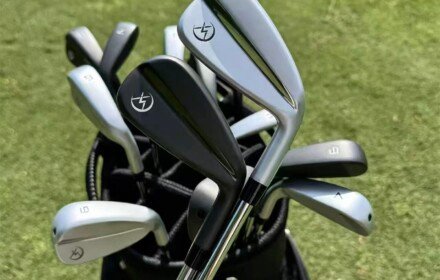
Every series includes several set configurations, usually a driver, fairway wood, hybrid, irons (typically 7, 9 and a sand wedge), and a putter. Some sets also come with a stand bag. Callaway also sells individual clubs and accessories for juniors who need a custom addition.
Key Differences Between Junior Sets
Shaft Material: Junior sets generally use graphite shafts (lighter than steel) to help kids generate speed. Callaway uses lightweight graphite with a junior‑flex (often labeled “L” for ladies or “A” for senior in older sets, but junior models have their own flex).
Grip Size: Junior grips are smaller in diameter than adult grips to fit smaller hands. Callaway’s junior grips are also softer and have a reduced taper.
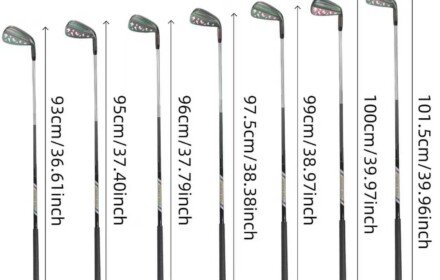
Club Length: Lengths are based on height, not age. A tall 7‑year‑old may need a set meant for a 9‑year‑old. Callaway provides height charts for each set.
Head Design: Junior clubs often have larger sweet spots and more loft to help launch the ball easier. Callaway uses perimeter weighting and low CG to increase forgiveness.
Step 1: Measure the Child’s Height and Wrist‑to‑Floor
The single best predictor of correct club length is the child’s height, but an even more accurate measurement is wrist‑to‑floor. You can measure this at home:
Have the child stand in golf shoes (or regular shoes with similar heel height) with arms hanging naturally at their sides.
Measure from the top of the wrist crease (where the hand meets the wrist) down to the floor.
Record this number in inches.
Callaway provides a height chart for each junior set, but wrist‑to‑floor is a more precise guide. For example:
| Height Range | Wrist‑to‑Floor | Recommended Set |
|---|---|---|
| 3’6″ – 4’0″ | 18″ – 20″ | XJR (ages 4‑6) |
| 4’0″ – 4’6″ | 20″ – 23″ | XJ 5–7 or XJ2 5–7 |
| 4’6″ – 5’0″ | 23″ – 26″ | XJ 8–10 or XJ2 8–10 |
| 5’0″ – 5’5″ | 26″ – 29″ | XJ 10–12 or XJ2 10–12 |
Note: These are approximations. Always check Callaway’s official fitting chart for the exact model.
Step 2: Assess Swing Speed and Experience
Height alone isn’t enough. A child may be tall but have limited coordination or a slow swing speed. Junior sets are designed with flexible shafts to help players with slower swing speeds achieve higher launch. As swing speed increases, the shaft should become stiffer.
You can get a rough idea by watching the child swing a club. If the ball tends to go low or to the right, the shaft may be too stiff (or too heavy). If the child struggles to get the ball airborne, the set likely has too little loft or is too heavy.
Callaway’s junior sets are grouped by age, but within each age group there are “regular” and “short” versions. The short versions are for kids who are smaller or have slower tempos. If your child is at the borderline of two sizes, choose the shorter/lighter set—it’s easier to trade up later than to cope with clubs that are too long.
Step 3: Check Club Length and Lie Angle at the Store
If possible, take your child to a golf retailer to try out a few clubs. Have them grip the club and stand naturally. The club should reach the ground without forcing the child to hunch or stretch. The toe of the clubhead should sit slightly off the ground when addressed properly. If the toe is up in the air, the lie angle is too upright; if the heel is up, the lie angle is too flat.
Callaway junior clubs have a standard lie, but you can have the lie adjusted later if needed. Many fitters offer this service for free when you buy a set.
Step 4: Consider the Set Composition
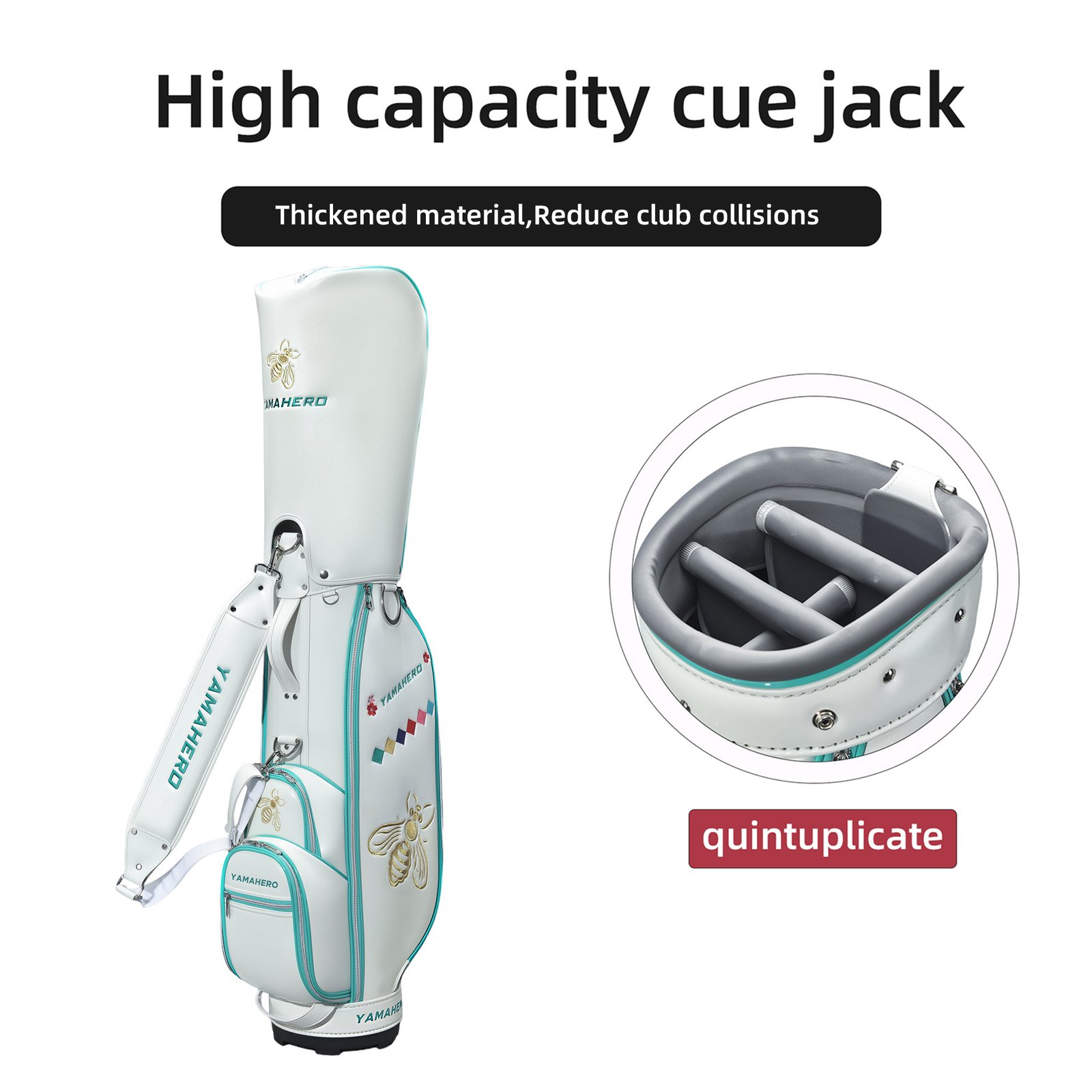
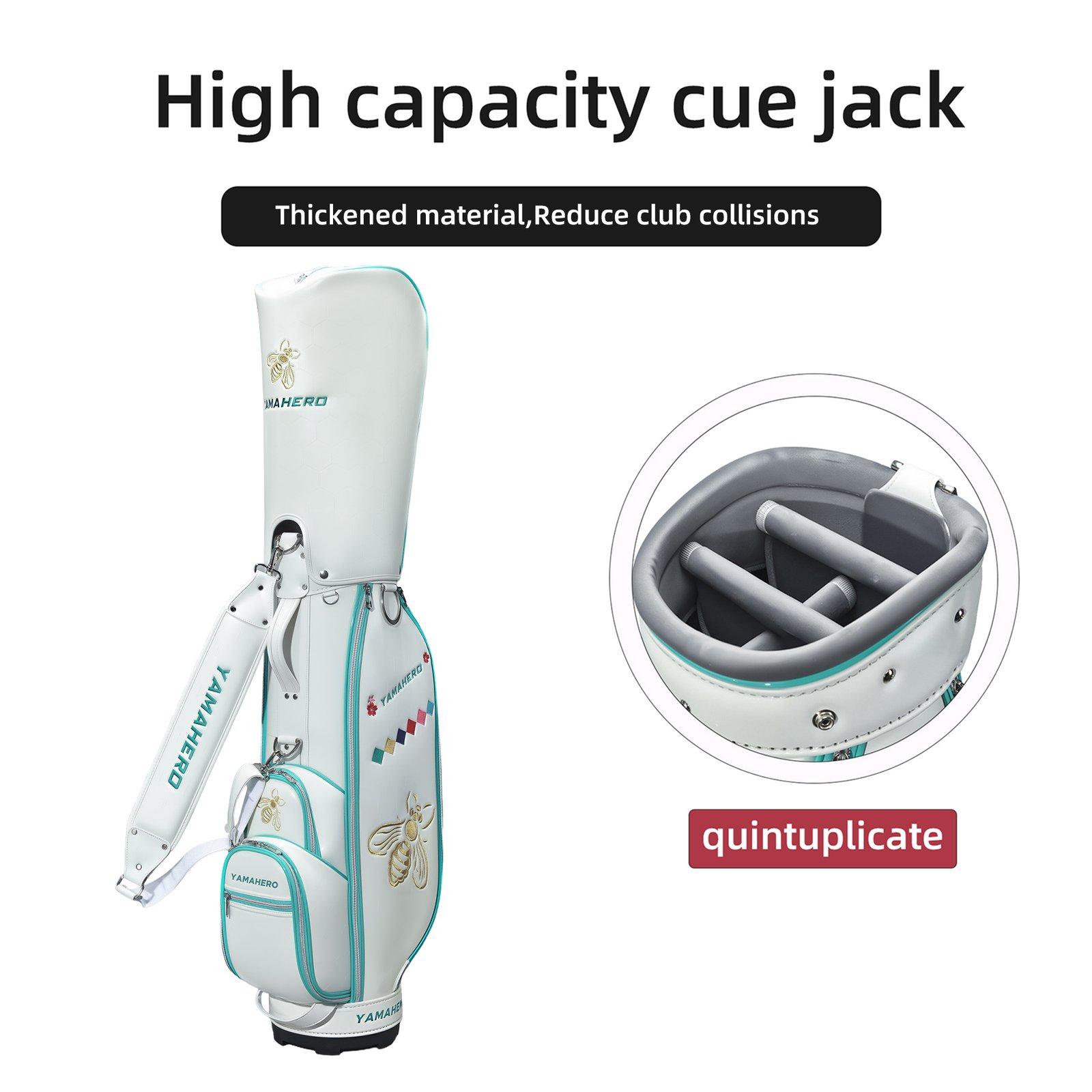
Beginners don’t need a full 14‑club set. A junior set with a driver, a hybrid or fairway wood, a 7‑iron, a 9‑iron, a sand wedge, and a putter is enough for most kids. Having too many clubs can be confusing and heavy. Look for a set that includes a stand bag, because junior bags are easier for kids to carry and encourage them to walk the course.
Callaway’s XJ sets come in various configurations. For example, the XJ5‑7 has a driver, hybrid, 7‑iron, 9‑iron, sand wedge, and putter. The XJ2 line adds an 8‑iron and a fairway wood for older kids. Choose the set that matches the child’s commitment level—if they play only a few times a year, a simpler set is better.
Step 5: Test the Weight and Flexibility
Hold the club and let the child swing it. The club should feel light enough that the child can swing it smoothly without losing balance. If the child has to strain, the shaft is too heavy. If they can swing easily but can’t feel the clubhead, the shaft might be too whippy (flexible). A good test: have the child hit a few balls with the club at a driving range; the ball flight should be high and straight.
Callaway junior clubs are intentionally lighter than adult clubs, but “light” is relative. A 5‑year‑old needs a much lighter club than a 12‑year‑old. Use the age and height ranges as a starting point, but always trust what you see.
Step 6: Try Before You Buy—and Buy Used if It Fits
Junior golfers grow quickly, and many parents prefer to buy used. If you buy used, check the grip condition, shaft straightness, and clubhead wear. Callaway’s junior clubs are durable, but grips degrade over time. Replacing a grip is inexpensive and can make an old set feel new.
If your child is between sets, consider buying the smaller set and having the grips replaced with slightly thicker ones, or vice versa. A good fit is more important than the newest model. Callaway also sells individual junior clubs, so you can build a set gradually instead of buying a full package.
Common Mistakes to Avoid When Buying Kids’ Clubs
Buying too big (“they’ll grow into it”): This is the most common mistake. Clubs that are too long cause a child to reach, lose balance, and develop poor posture. It’s far better to buy a club that fits now and upgrade later.
Ignoring swing speed: A stiff shaft in a junior club can kill distance and feel. Junior flex shafts are designed for slow to moderate swing speeds. If your child swings fast (above 60 mph with a driver), consider a transition set with a lighter regular flex.
Overloading with clubs: Kids don’t need every club. Too many clubs add weight and slow down play. Start with a 5–7 club set.
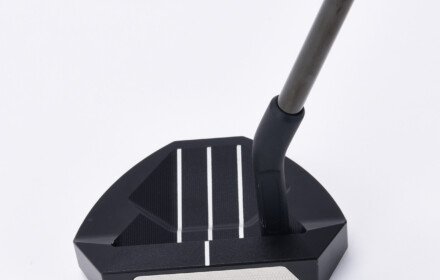
Forgetting the putter: Putting is a great way for kids to learn feel. A putter that’s the right length is crucial. Callaway junior putters are shorter and have a heavier head to help control.
Purchasing based on age alone: A 7‑year‑old can be as tall as a 10‑year‑old. Always measure height and wrist‑to‑floor.
Scoring Callaway Junior Sets for Different Skill Levels
To give you a clear benchmark, here’s a practical evaluation of Callaway’s main junior sets across six dimensions—construction, performance, customization, innovation, range, and service.(1–10, weighted)
Callaway XJR (Beginners, Ages 4‑7)
Material & Construction (25%) – 8: Lightweight graphite shafts, durable heads, high‑quality grips for tiny hands.
Performance & Feel (25%) – 7: High loft and low CG help get the ball airborne, but these clubs are not for stronger players.
Customization & Fit (20%) – 6: Available in two lengths and a petite option, but no individual lie or shaft adjustments.
Innovation & Technology (15%) – 7: Callaway’s junior line uses proven senior‑player technology scaled down.
Product Range & Diversity (10%) – 8: Comprehensive set with driver, hybrid, iron, wedge, putter, and stand bag.
Quality Assurance & Service (5%) – 8: Callaway’s warranty and customer support are reliable.
Weighted Total: 7.4 — A great starting point for toddlers.
Callaway XJ 5–7 / 8–10 (Intermediate Beginners)
Material & Construction (25%) – 9: Slightly higher quality materials, more forgiving heads.
Performance & Feel (25%) – 8: Better distance, higher launch, good for kids who are learning to swing with some speed.
Customization & Fit (20%) – 7: More sizing options, including “short” versions, but still limited custom fitting.
Innovation & Technology (15%) – 8: Uses perimeter weighting and a slightly larger sweet spot.
Product Range & Diversity (10%) – 8: Sets come in multiple configurations.
Quality Assurance & Service (5%) – 8: Solid quality control.
Weighted Total: 8.0 — The best balance for kids aged 5 to 10.
Callaway XJ2 8–10 / 10–12 (Advancing Juniors)
Material & Construction (25%) – 9: Premium junior shafts, improved clubhead design.
Performance & Feel (25%) – 9: More consistent ball flight, higher ball speeds for faster swingers.
Customization & Fit (20%) – 8: Callaway offers a few more flex and length options, enabling better fit.
Innovation & Technology (15%) – 9: Features similar to adult game‑improvement irons, including tungsten weighting in some models.
Product Range & Diversity (10%) – 8: Includes additional clubs (e.g., 8‑iron, fairway wood).
Quality Assurance & Service (5%) – 9: Excellent customer support.
Weighted Total: 8.7 — Ideal for kids who play regularly and have a reasonable swing speed.
How to Fit a Callaway Junior Set Step by Step
Measure the child’s height and wrist‑to‑floor.
Consult Callaway’s official fitting chart online or in store.
Select the appropriate set (XJ, XJ2, or XJR) based on age and experience.
Have the child grip the club and check that the sole sits flat on the ground.
Check the length by placing a ball at the child’s feet; the club should reach the ball naturally.
Assess swing speed with a few practice swings; if the club sounds “whooshy” but the ball goes nowhere, the shaft may be too flexible or the club too light.
Consider the bag—make sure it’s not too heavy for the child to carry for 9 holes.
Upgrade Path: When to Move Up
A child should move to a longer, stiffer set when:
They consistently hit the ball with the center of the face.
Their height exceeds the top of the set’s recommended range.
They complain that the clubs “feel too light” or “too short.”
They can swing a driver faster than 65 mph (approximately two inches from the top of the set’s range).
Since kids grow quickly, plan on upgrading every 2–3 years. Resale value on junior sets is decent, so you can recoup some cost.
Final Thoughts
Choosing the right Callaway junior clubs isn’t complicated, but it requires paying attention to the child’s body and swing, not just their age. The most important rule: fit first, brand second. Callaway’s junior line offers excellent quality and consistency across all ages, but the right model depends on your child’s unique measurements.
If you’re uncertain, visit a local pro shop or fitter and ask for a junior fitting. Many will measure your child for free if you buy the clubs there. And if you’re considering a custom‑fit alternative, companies like KASMAX Golf also offer junior‑friendly custom options, but be sure to compare them directly with Callaway’s junior sets to see which delivers the best value and performance for your child.
At the end of the day, a child who enjoys playing with clubs that fit them will enjoy the game more—and that’s the best outcome any parent can hope for.