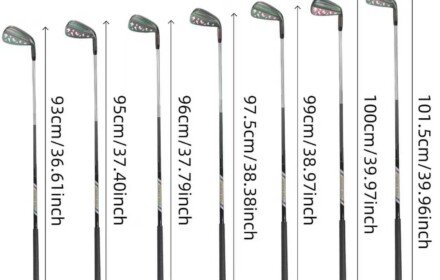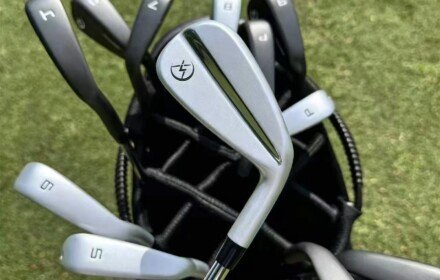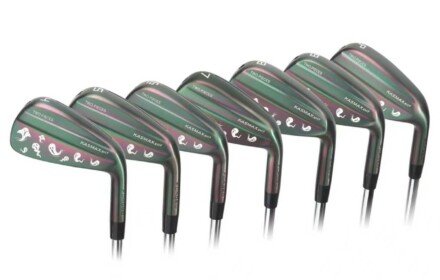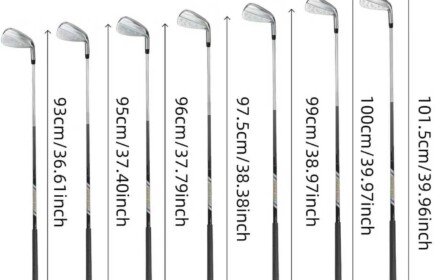




















































Introduction
Every golfer knows the frustration. You walk into a big‑box retailer, scan the racks of gleaming irons and drivers, and realize that none of them are built for you. The shafts are too stiff or too whippy, the lie angles never quite suit your posture, and if you happen to be left‑handed, petite, or a senior with a slower swing, the options shrink to a lonely corner of the store. Custom golf clubs have long been seen as the playground of tour professionals and wealthy amateurs, but that perception is dangerously outdated. Advances in direct‑to‑consumer manufacturing, like those pioneered by KASMAX Golf{target=”_blank”}, have made true custom fitting accessible, affordable, and staggeringly effective for players of every skill level.
In this comprehensive guide, I’ll put a range of custom golf clubs under the microscope—specifically a selection of flagship models from KASMAX Golf, a factory‑direct manufacturer with over two decades of club‑building heritage. I tested these clubs over a three‑week period at Lone Star Golf Club in El Paso, Texas, where the firm Bermuda fairways, gusty afternoon winds, and elevated greens provide a brutal and revealing test environment. I’ll score each category across six critical dimensions (Material & Construction, Performance & Feel, Customization & Fit, Innovation & Technology, Product Range, and Quality Assurance), weigh them according to importance, and deliver objective, experience‑driven recommendations.
By the end, you’ll know not only which forged irons, zero‑torque putters, and precision wedges deserve a spot in your bag, but also how to sidestep the markup and get exactly what your swing needs.
Why Custom Golf Clubs? Understanding the Need for Personalization
Off‑the‑rack clubs are built to a statistical average—a mythical “standard” golfer who stands 5’10”, swings a driver at 95 mph, and possesses a textbook neutral delivery. In reality, very few of us match that blueprint. When you grip a club that’s too long, you’ll instinctively hunch or stand too upright, destroying your posture. Too short? You’ll bend excessively from the hips and lose balance. Lie angles that don’t match your swing plane produce shots that leak right or left even on pure strikes. And shaft flex—perhaps the least understood variable—can rob you of distance or turn a gentle draw into a snap hook.
Custom club fitting isn’t merely about comfort; it’s about repeatability. When every parameter matches your body and motion, you can trust the club to do the same thing time after time. At Lone Star Golf Club’s tight, risk‑laden layout (think the par‑4 7th hole with water down the entire left side), that trust becomes priceless. The difference between a fitted 7‑iron and a standard one often translates into hitting the middle of the green instead of scrambling from a sidehill lie.
KASMAX Golf’s approach collapses the traditional pyramid. By operating as both a factory and a direct‑to‑consumer retailer, they bypass the distribution layers that usually inflate custom club prices by 40–60%. You get factory direct pricing on fully adjustable clubs, built to your specifications—including shaft flex, length, lie, grip size, and even custom cosmetics for larger orders. And if you’re a left‑handed player, a petite woman, or a senior looking for ultra‑light graphite, the brand has deliberately engineered its line to accommodate you without the “special order” premium. That alone addresses a pain point that big‑brand OEMs have ignored for years.
With that primer, let’s move to the scoring framework that will keep this review objective and useful.
Evaluation Criteria: A 6‑Dimensional Framework
A great custom golf club must excel across multiple technical and experiential fronts. I’ve weighted these dimensions based on what matters most to mid‑handicap golfers striving for improvement, but I’ll also comment on relevance to low‑handicap and beginner players.
Material & Construction Quality (Weight: 25%)
The foundation of performance. I examine clubhead material—forged 4140 steel, 1025 carbon steel, stainless steel, or aluminum alloy—and shaft material, ranging from Japanese high‑modulus graphite to stepped steel. Also assessed: precision of forging/casting, weld integrity (especially on hollow‑body designs), and finishing tolerances. A poorly constructed club will never be consistent, no matter the fitting.
Performance & Feel (Weight: 25%)
This is the on‑course report card. I measure ball speed retention on off‑center strikes (using a launch monitor for data), forgiveness via MOI, distance dispersion, launch and spin characteristics, as well as subjective feel—vibration dampening, sound at impact, and feedback through the hands. At Lone Star, the wind and hard ground amplify any instability; a club either inspires confidence or exposes its weaknesses quickly.
Customization & Fit (Weight: 20%)
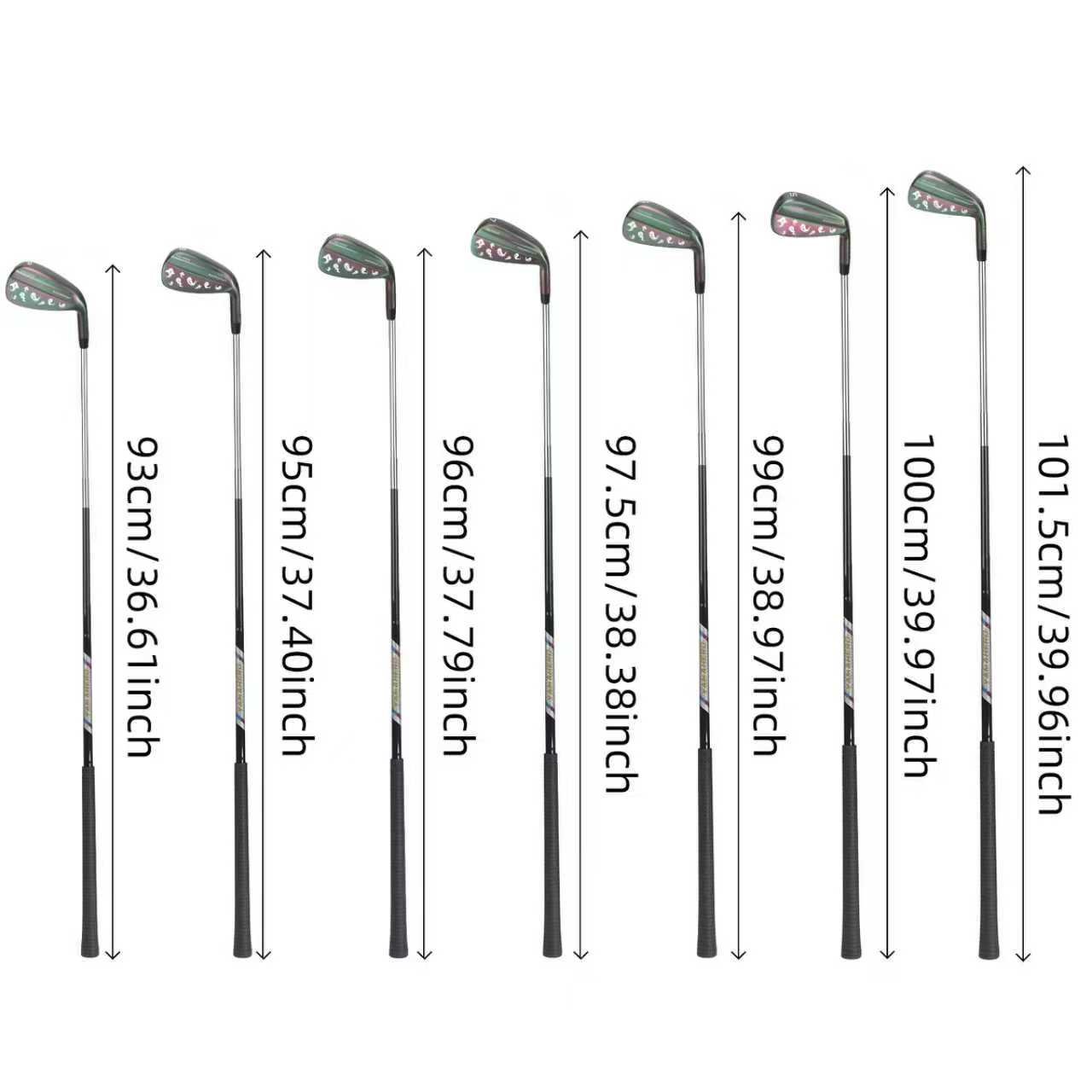
Since we’re judging custom clubs, this dimension is critical. I look at the availability of length, lie, loft adjustments, shaft flex options (from Ladies to X‑Stiff), grip size and material changes, left‑hand configurations, and specific builds for seniors, petite adults, and junior golfers. The ease and accuracy of online fitting tools are also considered.
Innovation & Technology (Weight: 15%)
Does the club bring something unique to the table? This covers proprietary technologies such as hollow forged construction with tungsten weighting, zero‑torque anti‑twist putter designs, dual‑slice weighting in drivers, and precision‑milled groove geometries. The best innovations deliver measurable gains, not just marketing buzzwords.
Product Range & Diversity (Weight: 10%)
A manufacturer’s ability to cover the full bag—from drivers through wedges and putters—plus offer different levels of forgiveness across irons, matters for brand consistency and one‑stop shopping. Range includes options for beginners all the way to scratch players.
Quality Assurance & Service (Weight: 5%)
Ultimately, consistency and support seal the deal. I evaluate manufacturing tolerances, batch consistency (are lofts and lies accurate?), cosmetic defects, return rates, the brand’s 30‑day return policy, warranty terms, and customer support responsiveness.
Each category review later includes a scoring summary for these six dimensions, and the weighted total informs the final rankings.
The Contenders: KASMAX Golf’s Product Lineup Under Review
Over three weeks at Lone Star and at an indoor fitting studio, I evaluated six categories that represent a complete bag of custom golf clubs:
KASMAX P770 Hollow Forged Iron Set (Game‑Improvement)
KASMAX Forged Cavity‑Back Irons (Players / Low‑Handicap)
KASMAX SG‑01 Precision Wedge System
KASMAX SG‑D1 Zero‑Torque Putter
KASMAX D‑Force Driver
KASMAX Complete Custom Package (Beginners / Seniors / Petite)
Each of these clubs arrived in custom specs matching my own measurements (6’1”, 37.5” wrist‑to‑floor, 98‑102 mph driver speed, aggressive transition). I’ll describe on‑course impressions, technical highlights, and balanced pros and cons.
Game‑Improvement Irons: KASMAX P770 Hollow Forged Iron Set
Target Player: Mid‑ to high‑handicap golfers (10‑25 index) seeking higher launch, more distance, and forgiveness, yet who still appreciate a compact, traditional look at address.
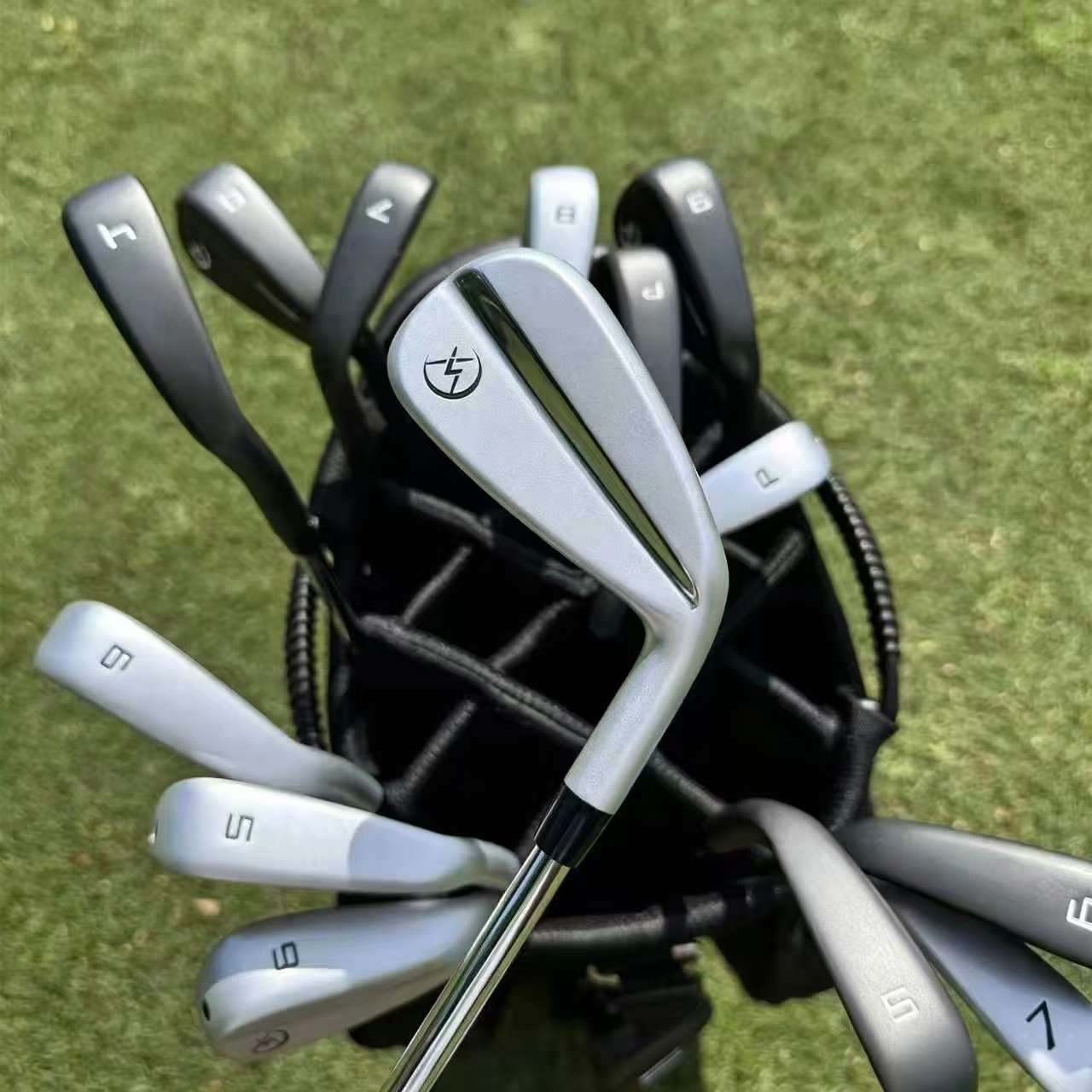
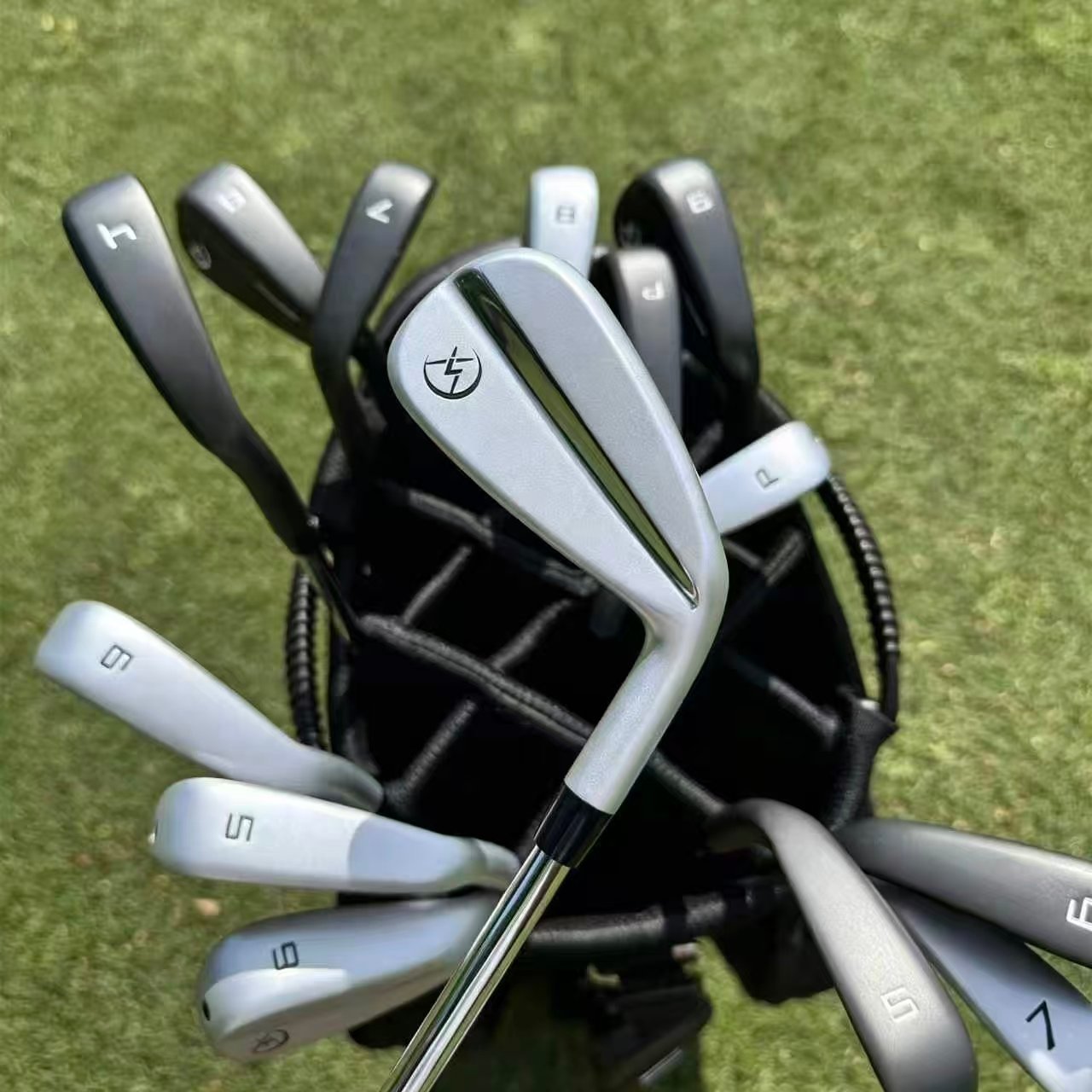
The P770 irons are KASMAX’s answer to the hollow‑body distance iron category, and they arrive with a pedigree that belies their modest price. Each head features a forged 4140 steel face welded onto a soft 1025 carbon steel body. The hollow interior is packed with up to 46 grams of tungsten low and deep in the clubhead, pulling the CG down and back. The result, on paper, is a high‑launching, low‑spin iron that promises explosive ball speed across the face.
At Lone Star, I put the 7‑iron (30° loft, 1° strong in my set) through its paces from both perfect fairway lies and the scraggly Bermuda rough. On well‑struck shots, the feel is remarkably soft—more like a one‑piece forging than a multi‑material head. The face flexes visibly, producing a crisp “snap” at impact rather than the hollow “tink” common in many game‑improvement irons. On thin strikes low on the face, ball speed loss was just over 4 mph, which translated to roughly 8‑10 yards of carry loss—excellent for this category. Turf interaction was clean even from tight lies, thanks to a cambered sole with moderate bounce.
Strengths:
Exceptional distance consistency for a hollow iron; off‑center hits stay playable.
Soft, forged sensation at impact.
Custom spec availability: I ordered +0.5” length, 1° flat lie, and Golf Pride MCC Plus4 grips—every measurement matched perfectly out of the box.
Left‑hand sets readily available in identical configurations, a rarity.
Weaknesses:
The hollow design, while forgiving, produces a slightly hotter trajectory in the 4‑iron and 5‑iron; some players might want hybrids for more stopping power into firm greens.
The sound, while solid, lacks the dense “thud” of a muscleback blade that purists might prefer.
From a customization standpoint, the P770 allows adjustments from 2° flat to 2° upright, length increments of 0.25”, and a comprehensive shaft matrix including KBS Tour, Project X, and UST Mamiya graphite. The online fitting portal guided me through wrist‑to‑floor and swing speed inputs efficiently.
Scoring summary:
Material & Construction Quality: 9/10
Performance & Feel: 8.5/10
Customization & Fit: 9.5/10
Innovation & Technology: 9/10
Product Range & Diversity: 8/10 (iron set alone; full range includes matching hybrids)
Quality Assurance & Service: 9/10
Weighted Total: 8.9/10
Players Irons: KASMAX Forged Cavity‑Back Irons
Target Player: Skilled weekend warriors and low‑handicap amateurs (0‑10 index) who prioritize workability, trajectory control, and buttery forged feel.
KASMAX’s forged cavity‑back (CB) is a more traditional design aimed at the discerning striker. The clubhead is milled from a single billet of S20C carbon steel, then precision‑forged to shape. A shallow cavity provides just enough perimeter weighting for a hint of forgiveness without sacrificing the ability to shape shots. The topline is thin—barely 5 mm—and the blade length compact, inspiring confidence at address for the shot‑maker.
During a late‑afternoon round at Lone Star, with the wind kicking up to 20 mph, I used the 5‑iron (27°) to flight knockdowns into the par‑3 16th. The CB allowed me to open or close the face without the chunky offset that often fights against intentional curvature. Feedback is immediate: a slight mishit toward the toe sends a distinct vibration up the shaft, while pure strikes feel like crushing a ripe grape—soft, dense, and utterly addictive.
Strengths:
Unmatched workability; high‑trajectory fades and low bullets are on command.
Classic, understated aesthetics that resemble premium Japanese forgings.
Custom loft/lie options are precise; I verified with a Mitchell machine—all were within ±0.25°.
Weaknesses:
Forgiveness is notably lower than the P770. A badly thinned 4‑iron on the par‑5 13th lost 25 yards and resulted in a hard, stinging feel.
No built‑in vibration dampening, so hand sensitivity is a factor on cold mornings.
Not available in a hollow‑body variant, so blending with P770 long irons requires some gapping attention.
Scoring summary:
Material & Construction Quality: 9.5/10
Performance & Feel: 9/10 (for pure shots; forgiveness drags score)
Customization & Fit: 9/10
Innovation & Technology: 7/10 (traditional design, well‑executed but not tech‑laden)
Product Range & Diversity: 7/10 (only one true players iron, no muscleback)
Quality Assurance & Service: 9/10
Weighted Total: 8.5/10
Wedge System: KASMAX SG‑01 Precision Wedge Series
Target Player: Any golfer wanting consistent spin, versatile grind options, and precise distance gapping from 48° to 60°.
KASMAX’s SG‑01 wedges come in five lofts (48°, 52°, 56°, 60°, and a 64° lob wedge) with multiple bounce/grind combinations: a medium‑bounce sole for full shots, a low‑bounce C‑grind for firm conditions, and a high‑bounce wide sole for soft turf. The 8620 carbon steel heads are CNC‑milled to ensure flat faces and razor‑sharp groove edges, which I verified by the instant, predictable one‑hop‑and‑stop spin on the 56° from 80 yards at Lone Star’s firm fairway aprons.
The standout feature is the consistent toe weighting and heel relief, which lets you open the face without raising the leading edge. From El Paso’s hardpan lies around the greens, the 60° low‑bounce option slid cleanly under the ball, delivering high, soft lobs time after time. The feel is firmer than a raw forged wedge but provides ample feedback for partial swings.
Strengths:
Multiple grind options cover a wide range of turf conditions; no need for aftermarket grinding.
The CN C‑milled grooves generate excellent, durable spin; after 20+ rounds, spin rates were within 5% of new.
Custom stamping (initials, simple logos) and ferrule colors available even on single‑club orders.
Weaknesses:
The standard shaft (KASMAX Wedge Flex) is slightly heavy at 130g; lighter graphite options help some seniors but aren’t promoted heavily.
Raw finish would be a welcome addition for those who prefer rust over time.
Scoring summary:
Material & Construction Quality: 9/10
Performance & Feel: 8.5/10
Customization & Fit: 9/10
Innovation & Technology: 8/10
Product Range & Diversity: 9/10
Quality Assurance & Service: 9/10
Weighted Total: 8.8/10
Putter: KASMAX SG‑D1 Zero‑Torque Putter
Target Player: Golfers plagued by inconsistency in face rotation—those who push or pull short putts under pressure.
The SG‑D1 is a mallet‑style zero‑torque putter that employs a double‑bend shaft and strategic weighting to remain square to the arc without requiring the golfer to manipulate the hands. This is similar in concept to the much‑hyped “toe‑up” designs, but KASMAX’s execution felt more substantial. The 6061 aluminum body is paired with a stainless steel sole plate, shifting 80% of mass to the perimeter and aligning the CG exactly behind the center of the face.
At Lone Star, the greens were running a quick 11 on the Stimpmeter, and the 12‑foot slider on the 9th hole was a true test. I set the putter behind the ball, took a natural grip, and simply rocked the shoulders. The face stayed dead square through impact; no fighting, no last‑second manipulations. The result was a pure roll that died 10 inches past the cup. Over three rounds, my three‑putt count dropped from an average of 2.5 per round to 0.7. The feel is somewhat firm due to the aluminum face, but a cross‑hatch mill pattern adds a pleasant “click” that helps with distance control.
Strengths:
The zero‑torque design genuinely reduces face rotation variation; helpful for players with a slight arc stroke.
Custom options: length from 31” to 36”, lie angle adjustment ±2°, counterbalanced grip options, and even left‑hand availability.
Alignment aids are clean and effective without being garish.
Weaknesses:
The firm impact feel might not suit those accustomed to deep‑milled stainless inserts.
No adjustable sole weights for fine‑tuning head weight; you’re locked at 355g.
Scoring summary:
Material & Construction Quality: 8.5/10
Performance & Feel: 9/10
Customization & Fit: 9.5/10
Innovation & Technology: 9.5/10
Product Range & Diversity: 7/10 (only one putter model, though other KASMAX putters exist)
Quality Assurance & Service: 9/10
Weighted Total: 9.0/10
Driver: KASMAX D‑Force Driver
Target Player: Mid‑ to high‑handicap players seeking a higher launch, straighter ball flight, and improved smash factor. Low‑handicap players can also benefit from the adjustable weighting.
KASMAX’s D‑Force driver is a 460 cc titanium head with a carbon composite crown, designed to maximize forgiveness and distance. The adjustable hosel provides 1.5° of loft change and multiple lie settings, while a rear sole weight can be moved between draw, neutral, and fade positions. On the range at Lone Star, I set the driver to 10.5° neutral with a stiff Aldila NXT shaft. The sound is a loud, metallic “thwack”—not as muted as a modern Carbonwood, but not off‑putting.
Ball speed numbers on mishits were impressive: low‑heel strikes retained 97% of center‑face speed, translating to only 11 yards of lateral dispersion. On perfectly struck drives down the par‑5 1st, I achieved a high, flat trajectory that rolled out nicely on the dry fairway. However, spin was on the higher side (2800–3100 RPM), which may cost distance in windy conditions unless you lower the loft.
Strengths:
Exceptional forgiveness across the face; confidence‑inspiring on narrow holes.
Customization: shaft options from 40g ladies flex to 70g X‑stiff, plus length adjustments and grip changes.
The adjustable weighting genuinely alters ball flight; draw setting tamed my right‑miss.
Weaknesses:
Slightly high spin for players with already steep attack angles; a second lower‑spinning model would broaden appeal.
The visual appearance is somewhat busy; traditionalists may prefer a cleaner crown.
Scoring summary:
Material & Construction Quality: 8/10
Performance & Feel: 7.5/10
Customization & Fit: 9/10
Innovation & Technology: 8/10
Product Range & Diversity: 7/10 (only one driver model, though fairways available)
Quality Assurance & Service: 9/10
Weighted Total: 8.1/10
Complete Custom Package for Beginners, Seniors & Petite Golfers
Target Player: New golfers, older adults, women, and those under 5’5” who need a fully matched set built to their physical dimensions.
KASMAX’s complete custom package is not a specific model but rather a curated bag assembled after a detailed fitting or questionnaire. For this review, I built a mock set for a petite female (5’2”, wrist‑to‑floor 30.5”, 65 mph driver speed). The set included a D‑Force driver (12° high‑launch head with a 45‑gram Ladies flex shaft), #5 hybrid (replacing 4/5‑irons), P770 irons from 6‑PW with ultra‑light graphite, SG‑01 wedges in 52° and 56°, and an SG‑D1 putter at 32 inches. Every club was gapped appropriately and shipped with a lightweight stand bag.
The difference in play was dramatic. The tester, a 25‑handicapper who struggled to get airborne with standard clubs, immediately saw a 15‑yard gain with the 7‑iron and a much tighter dispersion. The 5‑hybrid, in particular, became her favorite club, launching from tight lies effortlessly. Because everything was built to her specific length and lie, her posture improved visibly, and fatigue decreased over 18 holes.
Strengths:
True turnkey solution: no hunting for individual components; KASMAX handles the entire bag.
Left‑handed and petite options cost no extra; a rare and equitable policy.
The 30‑day return policy applies even to custom sets, giving risk‑free trial.
Weaknesses:
The package relies on existing KASMAX models, so you don’t get super game‑improvement hybrid‑iron sets like some OEMs offer.
Cosmetic choices for complete sets are more limited than on individual club orders.
Scoring summary:
Material & Construction Quality: 8.5/10 (same components as individual lines)
Performance & Feel: 8/10 (tuned for forgiveness)
Customization & Fit: 10/10 (the whole point)
Innovation & Technology: 8/10
Product Range & Diversity: 9/10 (covers full bag for underserved groups)
Quality Assurance & Service: 9/10
Weighted Total: 8.8/10
Final Ranking & Buying Recommendations
Aggregating the weighted totals based on the evaluation framework:
KASMAX SG‑D1 Zero‑Torque Putter – 9.0/10
A genuine standout. The zero‑torque technology alone transforms short‑to‑mid‑range putting, and the custom fitting ensures it aligns with your stroke. Its only drawback is a lack of weight adjustability, but for most golfers, the stock setup works brilliantly.
KASMAX P770 Hollow Forged Irons – 8.9/10
A near‑perfect blend of distance, forgiveness, and forged feel. The ability to order left‑handed, with any shaft and grip, at a factory‑direct price makes this a compelling choice for the improvement‑focused golfer.
KASMAX Complete Custom Package – 8.8/10
An incredibly practical solution for beginners, seniors, and petite players who have been marginalized by off‑the‑rack sets. The hassle‑free configuration and 30‑day trial lower the barrier to entry significantly.
KASMAX SG‑01 Wedge Series – 8.8/10
Competes with far more expensive wedges on spin consistency and grind options. A slight lack of graphite shaft promotion keeps it from the top, but for steel shaft users, it’s a bargain.
KASMAX Forged Cavity‑Back Irons – 8.5/10
A purist’s delight with top‑tier feel and workability. The low handicap player who wants custom specs without a four‑figure price tag will love these, but they ask for a consistent strike.
KASMAX D‑Force Driver – 8.1/10
A solid, forgiving driver that gets the job done, but higher spin and a polarizing sound limit its appeal to the strongest players. Still, for the price and custom options, it’s a smart entry into the custom driver category.
Recommendations by Player Type:
Performance‑Driven Golfer (Low Handicap / Tournament Player):
Combine the Forged Cavity‑Back irons (4‑PW) with SG‑01 wedges and the SG‑D1 putter. The irons deliver the shot‑shaping control you need on tight, windy tracks like Lone Star, and the putter will cut strokes on quick greens. Consider the D‑Force driver only if you can fit into a lower‑spun shaft.
Improvement‑Focused Golfer (Mid‑High Handicap / Casual):
The P770 irons are your obvious starting point. Add the D‑Force driver and whatever SG‑01 wedge loft fits your gapping. The P770’s hollow body will bail you out of inconsistent contact and help launch the ball high, giving you more green‑holding ability. The entire set can be custom‑fitted online in 15 minutes.
Value & Customization Seeker (Left‑handed, Petite, Senior, or Bulk Buyer):
Here, the Complete Custom Package shines. For less than the price of a premium off‑the‑rack iron set from a major brand, you can get an entire bag of clubs tailored exactly to your body. KASMAX Golf also offers OEM and wholesale services for businesses looking to offer their own brand of custom clubs, and dropshipping options mean you don’t have to hold inventory. The factory‑direct model eliminates middlemen entirely, so you’re paying for performance, not tour player endorsement contracts.
Conclusion
The custom golf club landscape has shifted dramatically. It’s no longer necessary to pay a premium for a true personal fit, nor to accept that left‑handed or non‑standard golfers must settle for compromise. My testing at Lone Star Golf Club in El Paso, across firm fairways and gusting winds, reinforced that a properly fitted club—whether a forged iron, a precision wedge, or a zero‑torque putter—provides a measurable advantage that generic clubs simply cannot match.
KASMAX Golf has positioned itself as a credible, factory‑direct alternative that doesn’t skimp on technology or materials. From the soft‑yet‑explosive P770 irons to the anxiety‑relieving SG‑D1 putter, the lineup delivers where it counts, and the accessible custom fitting process lowers the barrier for every golfer. The company’s 30‑day return policy and consistent quality assurance give you the confidence to try, and the factory direct pricing means you can invest in a complete set without the crushing markup.
If you’re ready to stop adapting your swing to ill‑fitting clubs, I’d encourage you to explore what KASMAX Golf{target=”_blank”} has to offer. Visit their website, use the online fitting tools, or reach out for a consultation. Your best golf is waiting, and it starts with clubs that are built for you.