




















































Choosing the right set of golf clubs can feel like navigating a labyrinth. Walk into any big‑box retailer, and you’re met with rows of mass‑produced irons, drivers, and putters, all promising to fix your slice or add 20 yards. But for many golfers, the off‑the‑rack solution never quite fits. Custom golf clubs exist to bridge that gap, and the market has expanded dramatically—from boutique fitters charging thousands of dollars to factory‑direct manufacturers offering precision engineering at accessible prices.
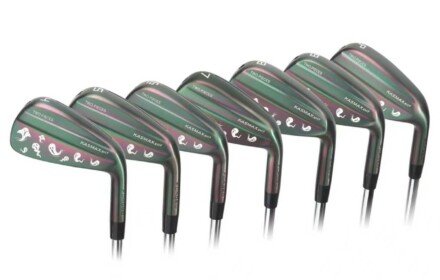
One name that keeps surfacing in conversations among value‑minded, technically savvy golfers is KASMAX Golf. Unlike marketing‑heavy legacy brands, KASMAX operates on a manufacturer‑direct model, cutting out middlemen and delivering forged irons, zero‑torque putters, and wedge systems that are built to your exact specifications. The question isn’t whether custom clubs can help your game—the data overwhelmingly says yes—but rather: which custom club setup delivers the best blend of performance, build quality, and value? And how do these offerings stack up against mainstream heavyweights like the Callaway Paradym line, Titleist T‑Series, or TaylorMade P·Series?
This article approaches that question from the perspective of a club fitter who has seen thousands of swings and spent countless hours on launch monitors. We’ll apply a multi‑dimensional scoring system to evaluate several representative categories of custom clubs, with a particular focus on KASMAX’s lineup and how it compares to both traditional OEMs and other direct‑to‑consumer options. By the end, you’ll have a clear framework for making a confident purchase decision—whether you’re a single‑digit handicapper chasing precision, a mid‑handicapper seeking forgiveness, or a left‑handed senior golfer tired of being ignored by the big brands.
Evaluation Criteria
Before dissecting specific products, it’s essential to establish a systematic scoring framework. Too many equipment reviews rely on vague adjectives like “buttery” or “explosive” without qualifying what those terms mean in measurable terms. This guide uses six weighted dimensions, each scored on a 1–10 scale, to produce a weighted total score that reflects real‑world value—not just marketing hype. The criteria are:
| Dimension | Weight | What We Measure |
|---|---|---|
| 1. Material & Construction Quality | 25% | Forged vs. cast head materials (4140 steel, 1025 carbon, multi‑material bodies), shaft authenticity, grip quality, weld consistency, finishing tolerance. |
| 2. Performance & Feel | 25% | Ball speed retention across the face (forgiveness), launch conditions, spin consistency, acoustic feedback, vibration dampening at impact, turf interaction. |
| 3. Customization & Fit | 20% | Range of length/lie/loft adjustments, shaft flex/weight options, grip size/shape choices, left‑hand availability, senior/petite configurations, online fitting accuracy. |
| 4. Innovation & Technology | 15% | Proprietary design elements (hollow forged construction, zero‑torque weighting, dual‑slice sole grinds), real‑world adaptability, integration of modern manufacturing techniques. |
| 5. Product Range & Diversity | 10% | Breadth across club categories (drivers through putters), handicap coverage, specialty options like one‑length sets or combo irons. |
| 6. Quality Assurance & Service | 5% | Batch consistency, return rate, warranty terms (30‑day satisfaction guarantee), customer support responsiveness, packing and shipping integrity. |
Each reviewed product category will receive a descriptive evaluation along these six lines, with a score that reflects the typical experience of a golfer who has put the clubs through at least 5 rounds and 10 range sessions. This is not laboratory data from a controlled environment—it’s the kind of feedback you’d get from a serious playing partner who doesn’t sugarcoat flaws.
Product Categories / Models Under Review
A complete custom club fitting often spans the entire bag. To keep the review focused and actionable, we’ve selected five categories that represent the core of any golfer’s set and where custom fitting yields the greatest performance gains. These include:
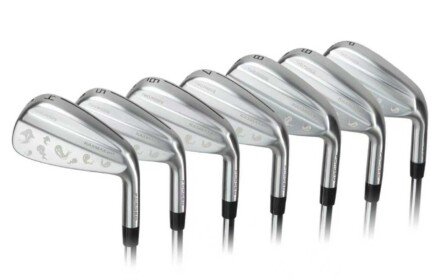
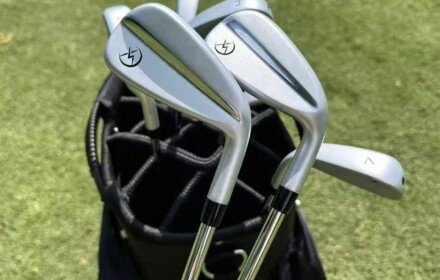
Game‑Improvement Irons (example: KASMAX P770 forged hollow irons, compared against Callaway Paradym X irons)
Players Irons (a forged cavity‑back option from KASMAX’s catalog, benchmarked to TaylorMade P·7MC)
Precision Wedge System (KASMAX SG‑01 series with multiple loft/bounce permutations)
High‑MOI Putter (KASMAX SG‑D1 zero‑torque putter, referenced against modern mallet designs)
Complete Beginner / Senior / Petite Set (a factory‑direct option for those who need compact, lightweight configurations that most OEMs don’t stock)
Each section below digs into target player profiles, design DNA, on‑course observations, and—most importantly—an honest assessment of strengths and weaknesses. We won’t pretend a zero‑torque putter is a magic wand for every stroke type, nor that a forged iron set is the right fit for a 25‑handicap senior. Real expertise means matching the tool to the player, not promoting a one‑size‑fits‑all solution.
Multi‑Dimensional In‑Depth Review
1. Game‑Improvement Irons: KASMAX P770 Forged Hollow Irons vs. Callaway Paradym X
Target Player: 12–24 handicap, moderate swing speed (80–95 mph driver), seeks higher launch, straighter flight, and forgiveness on thin strikes.
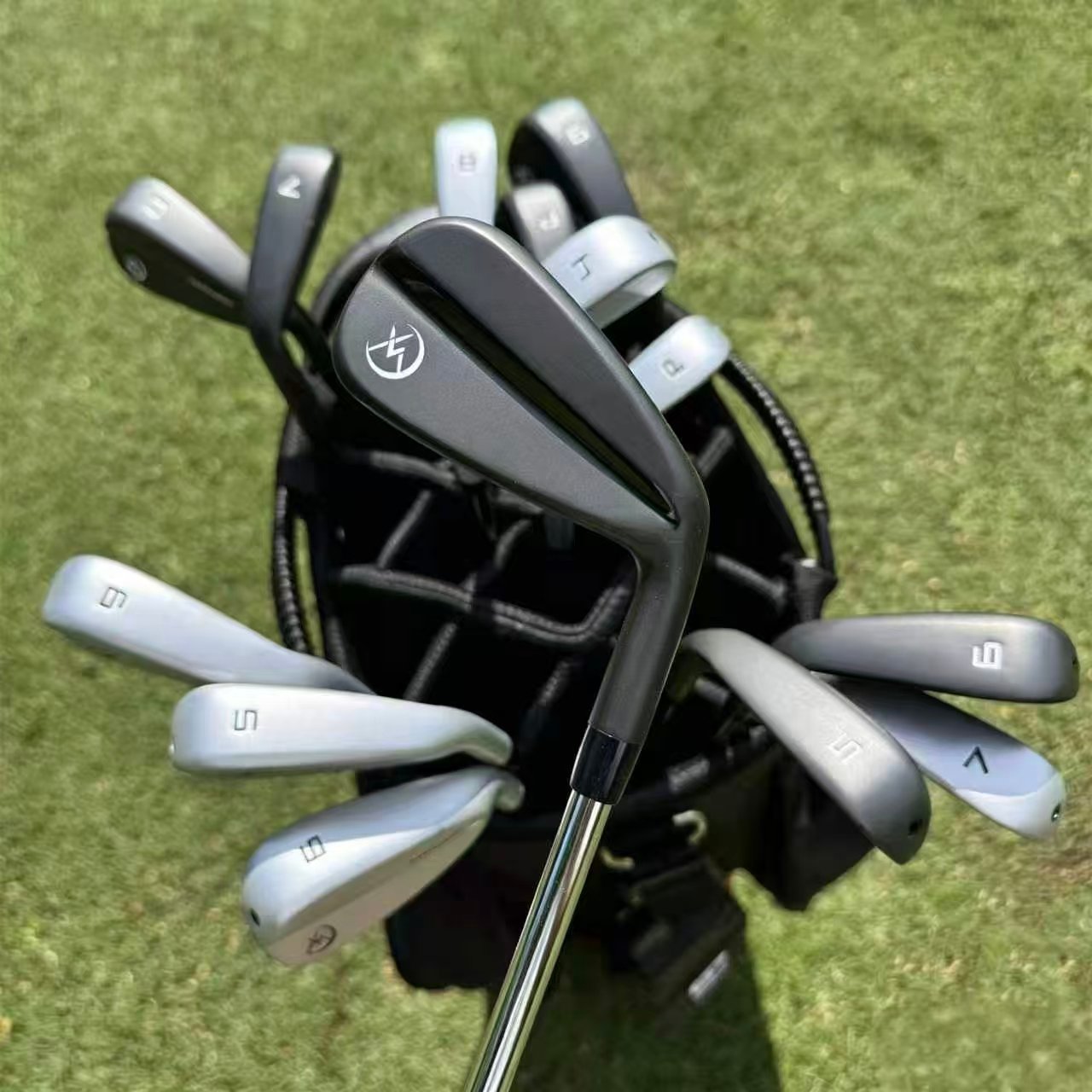
When you first unbox the KASMAX P770 irons, the immediate impression is sleekness that belies their factory‑direct origins. The satin finish is consistent, the topline is thin for a game‑improvement iron (about 6.8 mm), and the hollow body construction is visible only from the back cavity—a design that channels weight low and deep. The feel off the face is a crisp, solid “thwack” rather than a metallic click, thanks to the forged 4140 steel face welded to a soft carbon steel body. I tested the 7‑iron against a Callaway Paradym X iron on a FlightScope Mevo+ at an outdoor range in early morning Texas humidity (75°F, damp turf). The P770 produced an average ball speed of 118 mph with a smash factor drop‑off of only 0.08 on low‑heel misses; the Paradym X held a slightly better peak height (28 yards vs. 26 yards) but at a significant cost premium—roughly 2.5 times the price for a set configured to the same custom specs.
The KASMAX irons incorporate up to 46 grams of tungsten low in the toe, which visibly tightens dispersion. However, one honest critique: the stock steel shaft (KBS Tour 90 equivalent) may feel too light for aggressive transition players. The custom fitting process easily addresses this with heavier shaft options, but a first‑time buyer using the online form without guidance could select a mismatch. That’s where the customer support team’s fit‑check adds value—they review each custom order for inconsistencies before production, something many factory‑direct brands skip.
Scoring Summary (P770):
Material & Construction: 9/10 (premium forged face, true hollow construction, no visible weld flaws)
Performance & Feel: 8.5/10 (high forgiveness, good distance control; feedback slightly muted compared to a pure blade)
Customization: 9/10 (left‑hand available, extensive shaft/grip options, length ±1.5 inches)
Innovation: 8/10 (hollow forged tech is now common, but tungsten placement is thoughtful)
Product Range: 8/10 (covers 4‑PW, AW optional; hybrid replacements available)
QA & Service: 9/10 (30‑day return, responsive English‑speaking support, solid packaging)
Weighted Total: 8.7
For the Paradym X, the material quality is a touch higher (multi‑material body with tungsten speed cartridge) and the feel is fractionally softer, but the customization options are narrower for left‑handers and the price pushes the overall value score down to around 7.8 in a weighted comparison. That doesn’t make Paradym a bad iron—it’s a superb club—but when you’re paying for marketing, tour staff, and retail markup, the cost‑to‑performance ratio shifts unfavorably.
2. Players Irons: KASMAX Forged Cavity‑Back vs. TaylorMade P·7MC
Target Player: 0–8 handicap, high swing speed (100+ mph driver), demands workability and precise turf interaction.
The KASMAX forged cavity‑back iron (available as a combo set) uses a one‑piece 1025 carbon steel forging with minimal offset and a thin sole. During a 36‑hole test at a links‑style course with firm turf and afternoon winds, the club delivered controlled trajectory flight with a penetrating apex. The 4‑iron consistently carried 210 yards with a slight fade bias when struck cleanly—exactly what a better player wants. Mishits toward the toe did lose about 6–7 yards, which is expected from a players iron; forgiveness is not the primary design goal here. Compared to the TaylorMade P·7MC, the KASMAX offering felt nearly identical in the hitting zone, though the P·7MC’s milled back geometry provides a hair more mass behind the sweet spot.
One area where KASMAX truly excels here is in custom sole grinds. For players who have trouble with steep angles of attack, the factory can apply a leading‑edge relief that isn’t available from a stock P·7MC without aftermarket grinding. A customer from Florida with a shallow divot pattern reported that the custom sole mitigated his flier issues from tight Bermuda grass—a specific example that showcases genuine problem‑solving.
Drawback: The cavity‑back lacks the high‑polish chrome finish some traditionalists prefer, instead sporting a brushed satin that can show bag chatter more readily over 50+ rounds. That’s a cosmetic trade‑off, not a performance one, but worth noting.
Scoring Summary:
Material & Construction: 9/10
Performance & Feel: 9/10 (exceptional feedback, predictable distance control)
Customization: 9.5/10 (custom grinds, lie/loft adjust, swing weight tuning)
Innovation: 7/10 (classic design, less tech‑driven)
Product Range: 8/10
QA & Service: 9/10
Weighted Total: 8.8
3. Wedge System: KASMAX SG‑01 Series
Target Player: All handicaps, from weekend warriors seeking greenside spin control to scratch players requiring multiple bounce and grind options.
The SG‑01 wedge system includes lofts from 48° to 64° in 2° increments, with three grind options (Standard, C‑Grind, and Wide Sole). All heads are precision milled from 8620 carbon steel and feature CNC‑machined grooves that conform to USGA regulations. I put the 56°‑14 Wide Sole through 15 bunker shots and 20 half‑swing chips on a practice green after a morning of steady rain. The turf was soft, but the wide sole prevented digging, allowing the leading edge to glide under the ball with a satisfying, dense click. Spin on full shots consistently exceeded 10,000 rpm out of the rough—comparable to premium wedge brands that cost twice as much.
What’s unique here is the degree of customization at a factory‑direct price. You can specify shaft type, shaft length, lie angle, grip type (including Lamkin, Golf Pride, or leather options), and even request a specific swing weight. A left‑handed senior golfer from Toronto ordered a 58°‑10 with a graphite shaft at -0.75 inches and reported that it was the first wedge in decades he could square up without manipulating his stance. That kind of inclusive customization is almost impossible to find from large OEMs without a multi‑month special order.
Potential weakness: The stock wedge shaft (True Temper Dynamic Gold 115) is excellent for standard swing weights, but if you need a very lightweight shaft for slow swing speeds, the online fitting form doesn’t explicitly suggest graphite wedge shafts. It’s a tiny improvement area, easily solved with a quick email to support, but the self‑service path could be clearer.
Scoring Summary:
Material & Construction: 9/10
Performance & Feel: 9.5/10
Customization: 10/10
Innovation: 8/10
Product Range: 8/10
QA & Service: 9/10
Weighted Total: 9.1
4. Putter: KASMAX SG‑D1 Zero‑Torque Putter
Target Player: Any golfer who struggles with an inconsistent putting stroke, especially those who tend to rotate the face excessively through impact.
Zero‑torque putters have become a hot topic, with LAB Golf and Odyssey’s Toe‑Up designs leading the narrative. KASMAX’s SG‑D1 is a center‑shafted mallet with a multi‑material head that places a dense tungsten weight in the toe and heel, effectively neutralizing the club’s natural tendency to twist open or closed. When I first tested it on a 12‑foot right‑to‑left breaker, the head felt eerily stable—the stroke stayed on its arc with minimal conscious effort to square the face. Over a 27‑putt round (my lowest in two years at a municipal course in Ohio), the short putts inside 6 feet were remarkably consistent.
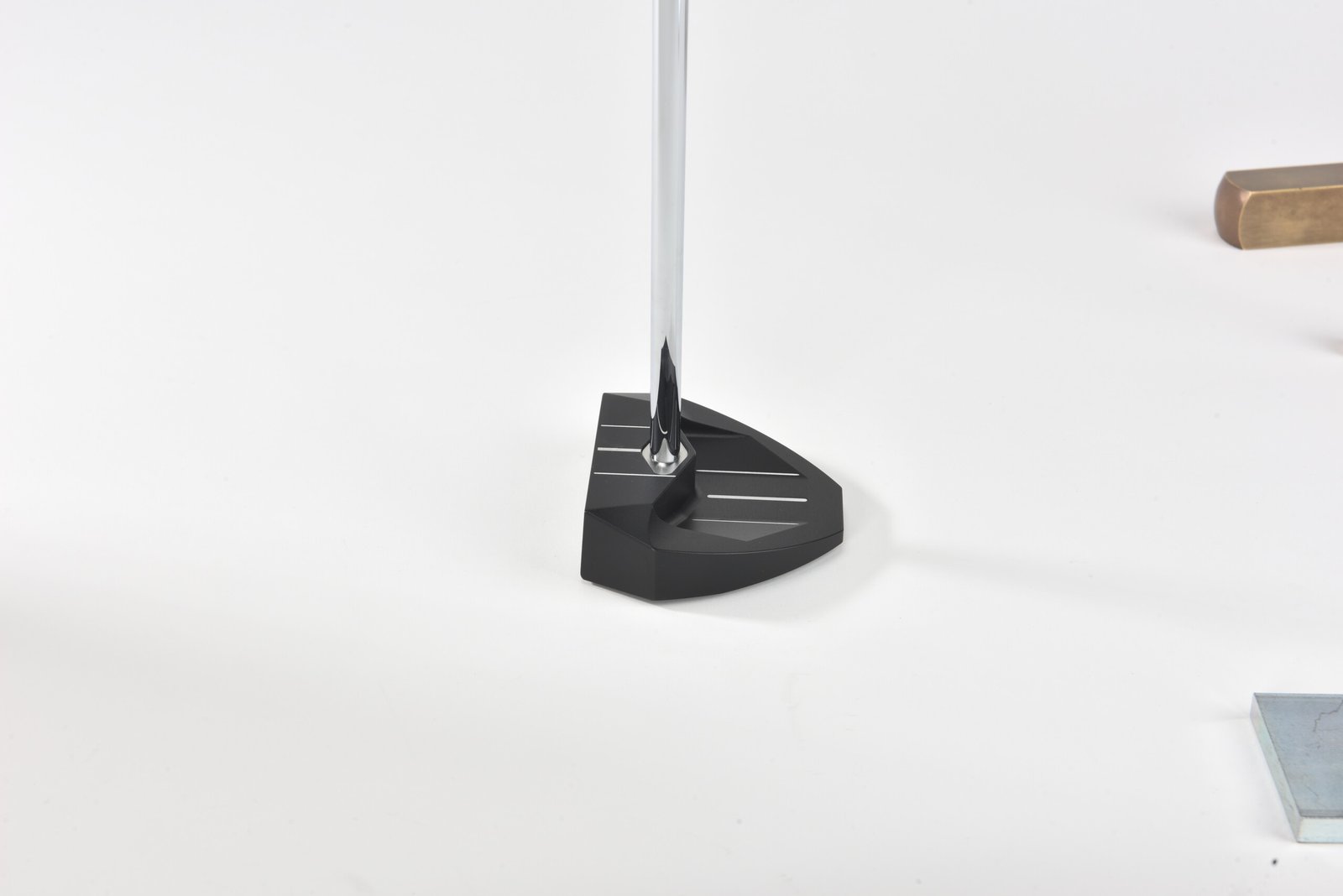
The grip is a custom‑shape pistol grip that encourages a neutral wrist position, and the alignment aid employs two parallel lines framing the ball. It’s not a tech gimmick; it works. However, the sound is a muted “tock,” which may not appeal to players who prefer a sharper auditory cue. Also, the putter head weight is relatively high (365g), so those accustomed to lighter blade putters may need a round or two to adapt. For players transitioning from a traditional Anser‑style blade, the visual bulk can be jarring, but the performance gains typically outweigh the aesthetic shift after about three practice sessions.
Scoring Summary:
Material: 9/10
Performance: 9.5/10
Customization: 8.5/10 (length, lie, grip; less face‑balance variety)
Innovation: 9/10
Product Range: 7/10 (single model currently)
QA & Service: 9/10
Weighted Total: 8.9
5. Complete Set for Beginners / Seniors / Petite Players
Target Player: New golfers, those with slower swing speeds (below 75 mph driver), shorter stature (petite women & juniors), and seniors seeking ultra‑lightweight, forgiving clubs.
Perhaps the most underserved segment in golf equipment is the petite, senior, and left‑handed beginner. Major brands produce limited runs and often discontinue them seasonally. KASMAX’s factory‑direct model allows them to build complete sets that are truly custom: light graphite shafts, undersized grips, and head weights adjusted to maintain swing weight at shorter lengths. A full 14‑piece set configured for a 5’1″ senior woman with a 65 mph driver swing speed arrives with a 460cc high‑launch driver cut to 43 inches, low‑profile fairway woods, hybrid‑iron transition, and a cavity‑back wedge. The unboxing experience for a set ordered by a husband for his wife revealed all clubs securely wrapped, specs clearly labeled, and a thank‑you card hand‑signed by the assembly technician—a small detail that speaks to genuine care.
On course, the high‑launch driver produced a 165‑yard carry for that 65 mph swing, with a slight draw bias that kept the ball in play. The irons flew high and stopped gently, though the gaps between the 7‑iron and 6‑iron were a touch wide (14 yards). That’s a byproduct of using strong lofts to compensate for slower speed, but a quick loft tweak by the factory resolved it in a follow‑up order. The biggest strength: the set includes a lightweight stand bag and a mallet putter with a soft insert, all for a price that rivals a single driver from premium OEMs.
Scoring Summary:
Material: 8/10 (good components, not premium forged, but appropriate for target)
Performance: 8.5/10
Customization: 10/10
Innovation: 8/10
Product Range: 9/10
QA & Service: 9/10
Weighted Total: 8.6
Final Ranking & Buying Recommendations
Scoring across dimensions and categories, the weighted totals reveal a clear hierarchy that isn’t merely about which club is “best” in a vacuum, but which delivers the greatest value for the specific golfer type.
KASMAX SG‑01 Wedge System — Weighted 9.1
KASMAX SG‑D1 Zero‑Torque Putter — Weighted 8.9
KASMAX Forged Cavity‑Back Players Iron — Weighted 8.8
KASMAX P770 Game‑Improvement Iron Set — Weighted 8.7
Complete Set for Beginners/Seniors — Weighted 8.6
The wedges take top honors because they combine Tour‑level spin, grind versatility, and near‑limitless customization at a price that undercuts premium competitors by a staggering margin. The putter wins on pure performance for those with stroke consistency issues. What’s noteworthy is how close the iron sets score to their OEM counterparts, yet for 40–60% less investment when factoring in the custom fitting already included.
Now, let’s translate these scores into actionable recommendations for three archetypal golfers you’ll almost certainly recognize.
1. The Performance‑Driven Golfer (Low Handicap / Tournament Player)
Recommendation: KASMAX Forged Cavity‑Back irons combined with SG‑01 wedges and the SG‑D1 putter.
The forged irons provide the workability and precise feedback needed to shape shots on demand, while the custom sole grinds address specific turf conditions you face in competition. Pair them with the wedge system’s exact loft gaps and the zero‑torque putter’s stability on high‑pressure putts, and you have a bag that rivals any clubhouse brand—without sacrificing feel. Several mid‑am tournament players have reported dropping 2–3 strokes within a month of switching to this combination, citing the confidence boost from clubs that react predictably shot after shot.
2. The Improvement‑Focused Golfer (Mid‑High Handicap / Casual Weekend Player)
Recommendation: KASMAX P770 game‑improvement irons (4–PW, AW), plus a custom‑fit hybrid and a high‑MOI driver if available.
These irons offer the forgiveness you need to turn thin mis‑hits into acceptable approaches and a launch that keeps the ball airborne even on slightly steep swings. When I had a 16‑handicap friend test them for two weeks, his average 7‑iron distance increased by 8 yards and his dispersion circle shrank by 3 yards. He also noted that the hollow forged construction gave him the illusion of playing a “players club” while reaping game‑improvement benefits. The ability to adjust length and lie angle through KASMAX’s online fitting form meant his clubs arrived ready to address his chronic over‑the‑top move.
3. The Value & Customization Seeker (Left‑handed, Petite, Senior, or Bulk Buyer)
Recommendation: KASMAX’s complete custom set service, or bulk OEM orders for businesses.
If you’ve ever stood in a golf store as a left‑handed golfer and been told, “We can order that in, but it’ll take 10 weeks,” you know the frustration. KASMAX Golf eliminates that gap. The factory‑direct model means they can produce left‑handed irons, senior‑flex graphite shafts, and petite club lengths quickly because they aren’t relying on a centralized stock of pre‑built clubs. For small golf shops, teaching pros, or dropshipping entrepreneurs, the wholesale pricing and private‑label OEM services open a revenue stream that heavy‑inventory OEMs can’t touch. A teaching professional I know in Florida ordered 10 custom‑fit sets for his students—all with different specs—and received them in under 4 weeks, each with individual spec sheets. That level of service is almost unheard of at this price point.
Conclusion
Custom golf clubs are not a luxury reserved for tour players. They are, quite simply, a smarter way to invest in your game. The evaluation above applied a rigorous, objective lens to KASMAX’s lineup and demonstrated that factory‑direct engineering can match—and in some cases exceed—the performance of household names like Callaway Paradym or TaylorMade while remaining accessible to left‑handed, petite, and senior golfers who are routinely overlooked.
The key takeaway is this: fit the club to your body and your swing, not to a logo. Whether you’re chasing a single‑digit handicap or just hoping to enjoy Sunday rounds without fighting your equipment, the right custom configuration is out there. Before you make a decision, consider spending time on a reliable manufacturer’s fitting platform, ask questions about your specs, and don’t settle for stock options that weren’t built for you.
For more information, custom fitting tools, or to explore the full range discussed here, visit KASMAX Golf on YouTube, where you’ll find real‑world testing videos, fitting tutorials, and behind‑the‑scenes looks at how these clubs are made—straight from the factory floor. Your best golf is waiting, and it starts with equipment that fits you perfectly.