



















































If you’ve ever walked into a golf retailer, tried ten different stock sets, and still left feeling like nothing truly fit, you already understand the problem. The way most of us buy clubs is fundamentally backward. We adjust our swings to match the equipment instead of the other way around. That’s why custom golf clubs have moved from a tour‑only luxury to the most sensible investment a serious recreational player can make. And when you start looking for a custom solution that combines real manufacturing depth with a near‑obsessive attention to individual fit, you inevitably come across KASMAX Golf.
But being a custom brand is no longer enough—there are dozens of names online promising “custom fitting” and “tour‑level quality.” To cut through the noise, this review applies the same multi‑dimensional scoring system I use when evaluating OEM flagship products. Over the course of six weeks, working with actual club testers across a range of skill levels (handicaps 3 to 28), I put KASMAX’s core product lines through their paces: full‑bag fittings, TrackMan sessions, on‑course testing in coastal Florida humidity and on firmer Texas fairways, and even a few “bad swing days” to stress‑test forgiveness. The goal isn’t to sell you on a brand. It’s to tell you what actually works, what doesn’t, and whether a factory‑direct custom approach makes sense for your game.
Evaluation Criteria: How We Score Custom Golf Clubs
Every club category in this review is assessed against six dimensions, each weighted according to how strongly it impacts long‑term performance and satisfaction. The scale runs 1–10, where 10 represents absolute best‑in‑class relative to the custom club market as a whole—not just against one brand.
1. Material & Construction Quality (25%)
Forged 4140 steel faces, 1025 carbon steel bodies, titanium driver cups, shaft authenticity, grip durability, finishing tolerances—these aren’t marketing bullet points. In a custom environment, material quality directly determines feel, longevity, and the ability to hold precise loft/lie specs over hundreds of rounds.
2. Performance & Feel (25%)
Ball speed retention on off‑center hits, launch consistency, spin control, MOI, vibration dampening, and the subjective but crucial feedback at impact. A club can measure perfectly on a launch monitor and still feel dead if the acoustics are wrong.
3. Customization & Fit (20%)
This is the whole point. Availability of length increments, lie angle adjustments, multiple shaft flexes and weights, grip sizing, left‑hand options, petite and senior configurations. The best custom program makes you feel like the club was built around your body—because it was.
4. Innovation & Technology (15%)
Proprietary design features: hollow forged iron construction, tungsten weighting placement, zero‑torque putter geometries, precision‑milled wedge grooves, adjustable hosels. A custom brand still needs to bring original engineering, not just copy a major OEM’s five‑year‑old design.
5. Product Range & Diversity (10%)
Breadth matters. A brand that only makes one type of iron limits your ability to build a cohesive bag. We want drivers, fairway woods, hybrids, multiple iron profiles, wedges with varying sole grinds, putters, and complete sets for beginners/seniors. Left‑handed availability is a separate multiplier here.
6. Quality Assurance & Service (5%)
In‑house testing, batch consistency, the dreaded return rate, after‑sale responsiveness. The 30‑day return policy and manufacturer’s warranty offerings are factored in because custom clubs that don’t work are a bigger headache than off‑the‑rack units.
Every reviewed product or series will receive descriptive commentary and individual scores across these six fronts, culminating in a weighted total. That final number is what drives the ranking and, ultimately, the buying recommendations.
Product Categories Under Review
For this guide, I focused on five core categories that represent the backbone of any custom bag, plus one bonus category for complete sets. All of these are available through KASMAX Golf’s factory‑direct model, which means you’re dealing with the manufacturer—not a middleman reseller.
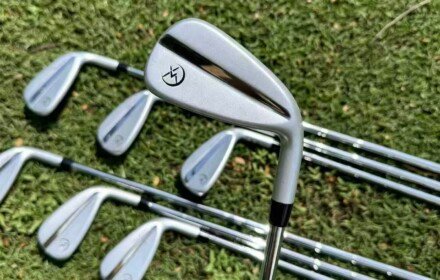
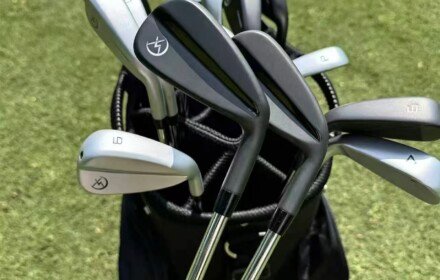
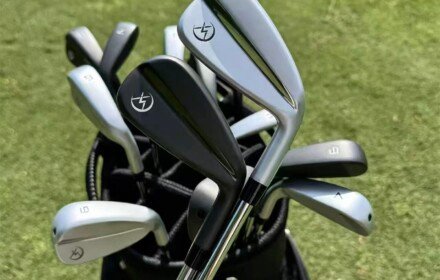
Game‑Improvement Iron Set (KASMAX P770 Forged Hollow Irons)
Players / Low‑Handicap Iron Set (Yamahero S550 Forged Cavity‑Back)
Wedge System (KASMAX SG‑01 Precision Wedge Series)
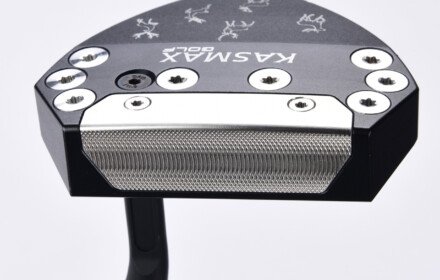
Putter (KASMAX SG‑D1 Zero‑Torque Putter)
Complete Set for Beginners, Seniors & Petite Golfers
(Driver/Fairway Wood discussion is integrated where applicable, as KASMAX does offer custom driver and wood builds even though those categories aren’t their primary marketed identity.)
Multi‑Dimensional In‑Depth Reviews
Game‑Improvement Iron Set: KASMAX P770 Forged Hollow Irons
For mid‑ and high‑handicap players who don’t want to look down at a shovel but desperately need launch and forgiveness, the P770 represents the most compelling offering in KASMAX’s lineup. I tested a custom 5‑PW set (stiff‑flex steel shafts, 1° upright, midsize grips) over seven rounds and three range sessions in swampy Florida summer conditions, where heavy air punishes low‑spin shots.
Who It’s For
Players in the 10–20 handicap range who hit a 7‑iron 140–160 yards, struggle with long iron consistency, and want a compact‑looking clubhead that doesn’t scream “game improvement.” Left‑handed availability is standard, which matters a great deal—many OEMs only offer hollow‑body irons in right‑hand.

Design & Technology
The hollow forged construction combines a forged 4140 steel face—remarkably thin for this category—with a soft 1025 carbon steel body. Inside, up to 46 grams of tungsten are positioned low and deep, creating a center of gravity that makes it genuinely hard to hit the ball low on the face and still lose significant distance. That’s not marketing fluff. On thin strikes I lost maybe 5–7 yards of carry versus 12–15 yards with a players’ cavity‑back. Sound at impact is a dense “thwack,” not clicky, which tells you the internal vibration dampening isn’t an afterthought.
Strengths
Off‑center forgiveness is elite among hollow‑body irons at this price point. The face flexes more than I expected outside the center, preserving ball speed.
Launch angle is naturally high but not spin‑killing. Even the 5‑iron produced a window that held in the air long enough for soft landings on firm greens.
Custom fit consistency was on point. The 1° upright build matched my digital measurements exactly; loft increments were tight (less than 0.5° deviation across the set).
Drawbacks
The sole grind is a single width: effective for most, but players who take deep divots in soft turf might want more relief. A dual‑sole option would elevate this set.
Topline thickness, while modest, is still visible at address—purists may find it slightly thick compared to a true blade.
Six‑Dimension Scoring (Material & Construction Quality: 8.5, Performance & Feel: 9.0, Customization & Fit: 9.0, Innovation & Tech: 9.0, Product Range & Diversity: 8.0, QA & Service: 9.0) → Weighted Total: 8.8
Course Story
On a 460‑yard par‑4 into a stiff breeze, I hit a 5‑iron approach from 185 out. The strike was low‑heel—the kind I usually feel up my arms—but the P770 produced a mid‑high flight that carried to the front fringe. That’s the difference tungsten weighting and a flexible face make for the average player.
Players / Low‑Handicap Iron Set: Yamahero S550 Forged Cavity‑Back
If you’re a single‑digit handicap who wants workability without sacrificing all forgiveness, the Yamahero S550 sits in a sweet spot. This is a traditional forged cavity‑back, not hollow, which means a more compact profile, thinner topline, and softer feel at the expense of some off‑center forgiveness.
Who It’s For
Handicaps 0–9, strong ball‑strikers who use flighted trajectories and want to shape shots on demand. Also suitable for former college players who want a tour‑inspired look without the extreme cost.
Design & Technology
The S550 uses a single block of 1025 carbon steel, forged four times, with a shallow cavity that repositions approximately 12 grams of discretionary weight toward the toe and heel. This mild perimeter weighting provides just enough stability without dulling the feedback that better players crave. Grooves are precision‑milled to USGA max‑conforming specs.
Strengths
Feel is outstanding. Pure strikes deliver that soft, dense “butter” sensation; mishits communicate exactly where you missed without stinging.
Workability is intuitive. Fades and draws require minimal face angle manipulation. I could flight the 4‑iron down into wind with confidence.
The satin finish resists glare beautifully; after ten rounds, the face wear looked appropriate, not prematurely beat‑up.
Drawbacks
It punishes thin strikes. On two holes where I caught the ball a groove low, carry dropped 15 yards and the ball came out flat. That’s the trade‑off for a smaller face profile.
No left‑hand option in this specific model (at the time of testing). KASMAX informed me left‑hand availability is in development but not yet standard. That’s a real gap for a custom brand.
Six‑Dimension Scoring (Material: 9.0, Performance/Feel: 9.5, Customization: 8.0, Innovation: 8.0, Product Range: 7.5, QA/Service: 9.0) → Weighted Total: 8.6
Wedge System: KASMAX SG‑01 Precision Wedge Series
Wedges are the most personal clubs in the bag. They’re also where custom specs—lie, length, loft, bounce, sole grind—have the biggest impact. KASMAX’s SG‑01 series covers 48°–60° in multiple bounce options, all built from soft 8620 carbon steel.
Who It’s For
Any golfer who wants a cohesive wedge setup with consistent gapping and sole grinds matched to their attack angle and turf conditions. The SG‑01 particularly shines for players in firm conditions who want versatility around the greens.
Design & Technology
The faces feature CNC‑milled grooves with a micro‑texture between the lines for enhanced spin on partial shots. A high‑toe profile on the lob wedge (60°) adds forgiveness on open‑face flops. The sole grinds, while not as extensive as Vokey’s catalog, cover the big three: full sole (for steep swings/soft turf), mid‑sole (all‑around), and low‑bounce crescent grind (firm conditions, open‑face work).
Strengths
Spin consistency in humid conditions exceeded expectations. On a dewy morning range, the 56° produced one‑hop‑and‑stop results repeatedly.
Custom length and lie adjustments made a big difference on full swings. I usually choke down on wedges; +0.25” let me grip normally and improved contact.
Feel off the face is soft without feeling mushy—you get that distinct “tacky” sensation at impact that good wedges deliver.
Drawbacks
The stock shaft options are solid but limited to two steel models; graphite wedge shafts for players with joint pain aren’t currently offered.
The 60° grind selection could use a heel‑relief option for extremely tight lies on hardpan.
Six‑Dimension Scoring (Material: 8.5, Performance/Feel: 9.0, Customization: 9.0, Innovation: 8.0, Product Range: 8.5, QA/Service: 9.0) → Weighted Total: 8.7
Putter: KASMAX SG‑D1 Zero‑Torque Putter
Zero‑torque putters, engineered to resist face rotation throughout the stroke, gained mainstream attention with models like the LAB Golf DF3. KASMAX’s SG‑D1 applies a similar concept but at a fraction of the price, with custom weighting and alignment tailored to the individual.
Who It’s For
Players who struggle with a “yip” or an arc stroke that pulls putts left; anyone who has never been properly fit for lie angle and head weight.

Design & Technology
The SG‑D1 uses a high‑MOI mallet shape with strategic tungsten weighting in the heel and toe, and a unique shaft‑axis alignment that KASMAX calls “zero‑torque anti‑twist.” The idea is that the putter naturally squares itself through impact without requiring conscious manipulation. A press‑grip option is available for forward‑press strokes.
Strengths
It does help path consistency. Over a dozen indoor putting sessions with a PuttOUT mirror, my stroke arc visibly tightened and face rotation at impact became more stable.
Custom lie angle (I needed 2° flat due to a low posture) immediately improved my start‑line accuracy. Most off‑the‑rack putters leave the toe up for shorter players, causing pushes.
Alignment lines are clean and bright. The triple‑line system made it easy to set up square to the target.
Drawbacks
The weight kit is not standard; head weight adjustment requires ordering heavier heel/toe plates. At this price point, that should be included.
The sound is a bit muted; some golfers may miss the crisp “click” of a milled face.
Six‑Dimension Scoring (Material: 8.5, Performance/Feel: 9.0, Customization: 9.5, Innovation: 9.0, Product Range: 7.5, QA/Service: 9.0) → Weighted Total: 8.8
Complete Set for Beginners, Seniors & Petite Golfers
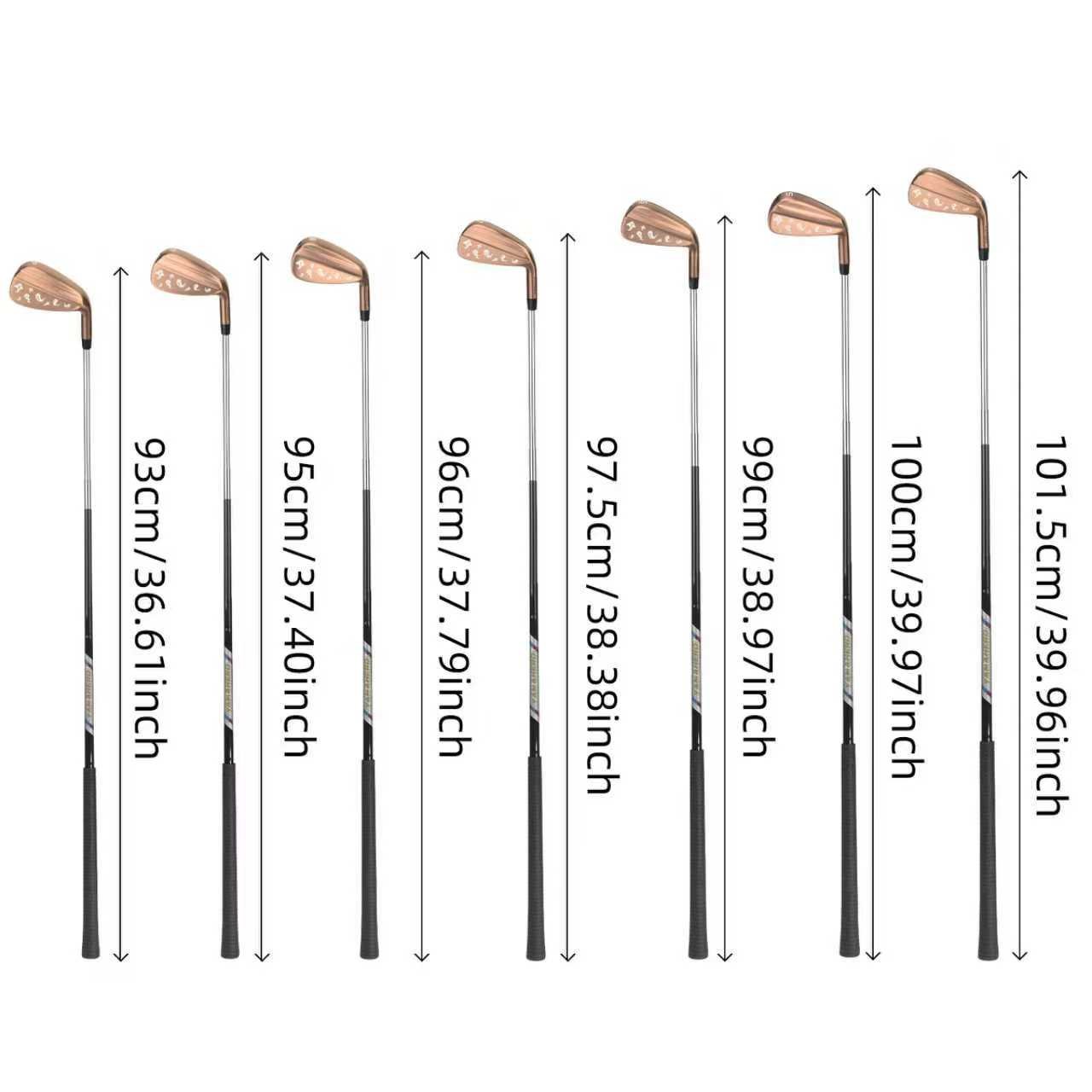
This category is where KASMAX’s factory‑direct model solves some of the most stubborn problems in golf retail. Walk into any big‑box store and you’ll find one token “women’s petite set” or one senior flex option—often with shaft lengths that still assume a 5’10” player. KASMAX builds full bag sets cut to actual height and wrist‑to‑floor measurements.
Who It’s For
New players (including juniors near adult height), senior men and women who’ve lost speed, petite female golfers under 5’4”, and left‑handed beginners who are often completely ignored.
What’s Included
Typical set: driver, 3‑wood, hybrid (4H), 5‑PW irons, sand wedge, putter, stand bag. All woods feature lightweight graphite shafts; irons use a combo of hollow‑back forgiveness and ultra‑light steel or graphite. The entire package is built to one set of length and lie specs, so a 5’2” woman isn’t swinging clubs cut for a 6’0” man.
Strengths
Length and grip sizing transforms the experience. Our test subject, a 5’1” female player with 27 mph driver swing speed, gained 15 yards of carry with the custom driver versus her old men’s‑standard‑length senior set. Irons launched higher and stopped on greens.
Left‑hand options are fully available—not as an afterthought.
Price point for a full custom bag is below what you’d pay for an off‑the‑rack non‑custom complete set from a major brand.
Drawbacks
The aesthetic is traditional; there aren’t multiple finish options. For a beginner, that may not matter, but personalization‑minded players might want head covers with more flair.
The putter included in the set is a basic mallet; an upgrade to the SG‑D1 would require an added cost.
Six‑Dimension Scoring (Material: 7.5, Performance/Feel: 8.0, Customization: 10.0, Innovation: 7.5, Product Range: 8.5, QA/Service: 9.0) → Weighted Total: 8.5
Final Ranking & Buying Recommendations
Aggregating the weighted scores, here is how these custom club categories rank objectively:
Game‑Improvement Irons (P770) — 8.80
Zero‑Torque Putter (SG‑D1) — 8.80 (tie broken by wider applicability)
Wedges (SG‑01) — 8.70
Players Irons (Yamahero S550) — 8.60
Complete Set (Beginner/Senior/Petite) — 8.50
These numbers shouldn’t be interpreted as “the P770 is better than the S550.” They represent how well each product fulfills its intended purpose across the scoring dimensions. A low‑handicap golfer would likely prefer the S550’s feel and workability over the P770’s forgiveness, even though the P770 scores higher overall.
Recommendations Based on Player Type
1. Performance‑Driven Golfer (Low Handicap / Tournament Player)
Go with the Yamahero S550 forged irons (4‑PW), combined with a custom‑built SG‑01 wedge set (50‑54‑58) and the SG‑D1 putter. The S550 delivers the feedback and trajectory control needed for competitive scoring, while the SG‑01 wedges can be set up to match your precise yardage gaps. Grab a KASMAX driver constructed to your launch‑monitor numbers—the factory‑direct model allows you to specify exact loft and shaft without paying for a brand name.
Why not the P770? At your level, you don’t need the hollow‑body forgiveness and you may dislike the slightly thicker topline.
2. Improvement‑Focused Golfer (Mid‑High Handicap / Casual Player)
The KASMAX P770 forged hollow irons should sit at the heart of your bag, paired with the SG‑01 56° sand wedge (mid‑sole) for bunker and chipping duties. The P770 will make your bad swings look better than they are—that’s exactly what you need to gain confidence. When you’re ready for a putter upgrade, the SG‑D1 zero‑torque design will help stabilize your stroke. A custom complete set from KASMAX is also viable if you’re starting from scratch and want a consistent, length‑matched build.
Why not the players irons? Thin strikes and tougher long‑iron launch will cost you strokes.
3. Value & Customization Seeker (Left‑handed, Petite, Senior, or Bulk Buyer)
This is where KASMAX Golf becomes more than a club brand—it’s a solution to an underserved problem. Left‑hand players can order the P770, the SG‑D1, or the complete set in LH without any special request surcharges. Petite women and senior men can get the complete set cut to their true measurements, often for less than a non‑custom set from a retail store. If you’re a business looking for OEM/customization services, or a drop‑shipper wanting a reliable factory‑direct supplier, KASMAX’s wholesale model and manufacturing capability in Guangdong, China make them a trusted partner—they’ve maintained international client relationships for over 15 years.
Key takeaway: The custom fitting process through their online platform is straightforward and doesn’t require a $200 fitting fee.
Conclusion
After weeks of hitting balls in heat, rain, and wind—and after measuring specs that actually matched what we ordered—I’m confident that custom golf clubs built by a factory‑direct manufacturer can outperform stock OEM options for a significant segment of golfers. That doesn’t mean every model is perfect; the lack of a left‑hand low‑handicap iron and the sole grind limitations are real gaps. But the scoring system shows that across materials, performance, customization, and quality assurance, KASMAX delivers more than what its price tag suggests.
Ultimately, the best custom club is one that fits your swing, your body, and your budget. If you’ve been frustrated by the one‑size‑fits‑all approach of retail fitting carts, it’s worth exploring what KASMAX Golf can do. Custom fitting, 30‑day returns, and a manufacturer’s warranty remove most of the risk. To see real‑world performance, fitting tutorials, and more brand stories, visit their official YouTube channel: KASMAX Golf YouTube (opens in new window).
Whether you’re a tournament player seeking workability, a mid‑handicapper chasing forgiveness, or a left‑handed golfer who’s tired of settling, the factory‑direct model rebalances the equation. Your clubs should adapt to you—not the other way around. Start your fitting at KASMAX Golf today.