



















































The Custom Club Revolution: Why Off‑The‑Rack No Longer Cuts It
Golfers have long been fed a story: buy the same clubs the pros use, and your game will magically improve. The reality, however, is that most stock configurations ignore the biomechanical truth that no two swings are identical. Height, arm length, swing speed, angle of attack, and even course conditions make a compelling case for clubs built around the player rather than the other way around. After spending 18 holes at Woodstock Golf Club—a classic parkland layout in Vermont with tight, tree‑lined fairways and small, undulating greens—I was reminded how critical properly fitted equipment can be. The difference between an approach shot that holds a back‑tier pin and one that bounds into the rough is often a half‑inch of shaft length and a degree of lie angle.
This comprehensive review focuses on direct‑to‑consumer and manufacturer‑direct brands that are redefining the custom club landscape. At the center of this analysis is KASMAX Golf, a factory‑direct manufacturer with over two decades of precision engineering, because it exemplifies how eliminating retail markups and investing in customization can deliver tour‑level equipment at accessible prices. From forged hollow irons to zero‑torque putters, we’ll evaluate performance, craftsmanship, and real‑world usability across six critical dimensions. Whether you’re a scratch player or a beginner tired of fighting ill‑fitting off‑the‑shelf sets, this guide aims to cut through marketing noise with data, hands‑on observations, and a balanced scoring system.
How We Evaluate: The Six Dimensions of a Great Custom Club
A golf club is more than the sum of its materials. To create a meaningful comparison, we weighted six factors that directly impact playability, longevity, and value. Each category below carries a specific percentage weight reflecting its importance to the average golfer. Scores are assigned on a 1–10 scale and later multiplied by the weight to produce a final weighted rating.
1. Material & Construction Quality (Weight: 25%)
The foundation of performance starts with what the club is made of and how it’s assembled. Forged carbon steel (1025 or 4140) generally provides superior feedback and consistency compared to cast stainless steel. In irons, a hollow construction with a separate forged face can enhance ball speed without sacrificing feel. Shaft materials—whether premium steel like Nippon or True Temper, or higher‑modulus graphite—must complement the head. We also examine weld integrity, chrome plating, and overall finishing. A club that shows milling marks where they shouldn’t be or a grip that frays after a dozen rounds loses points quickly.
2. Performance & Feel (Weight: 25%)
Numbers from a launch monitor tell part of the story: ball speed retention on mishits, launch angle, spin rate, and distance dispersion. But feel is equally vital. Does the iron transmit a harsh vibration on thin strikes, or does it dampen the blow? Does the driver sound like a aluminum bat or a crisp, muted “thwack”? We tested clubs on‑course and on indoor simulators, noting how they performed from tight lies, in humid conditions, and on windy days. Forgiveness (measured by MOI) and shot‑shape adjustability were key sub‑metrics.
3. Customization & Fit Options (Weight: 20%)
Custom clubs are only as good as the fitting process. We assessed the breadth of available adjustments: length increments (down to ±0.25″), lie angle range, loft adjustments, multiple shaft flexes (including senior and ladies), grip size, and left‑hand availability. The ease of online fitting tools and the manufacturer’s ability to build to exact specs without significant upcharges were considered. Brands that cater to underserved demographics—petite women, tall juniors, one‑length enthusiasts—earned higher marks.
4. Innovation & Technology (Weight: 15%)
Proprietary technologies set a line apart. Hollow forged irons with tungsten weighting, zero‑torque putter face designs that resist twisting, laser‑milled wedge grooves that maintain spin in wet conditions—these aren’t mere buzzwords when executed correctly. We looked for engineering that solved real problems, such as launching long irons high or stabilizing the putter head through impact.
5. Product Range & Diversity (Weight: 10%)
A brand that only offers blades for Tour players lacks relevance for most golfers. We considered the entire product portfolio: drivers, fairway woods, hybrids, multiple iron sets (super game‑improvement, players distance, etc.), wedges with various bounce/grind options, and multiple putter styles. The ability to outfit a complete bag, including complete sets for beginners, was a plus.
6. Quality Assurance & Service (Weight: 5%)
A beautifully designed club that arrives with a crooked ferrule or a loose clubhead defeats the purpose. We reviewed real‑world customer experiences regarding build accuracy, packaging, delivery times, and warranty handling. Return policies—particularly the “play it, test it” window—and the responsiveness of customer support weighed heavily here.
The Contenders: Categories and Models Reviewed
We narrowed our focus to six distinct product categories that reflect the core of a golfer’s bag. In each section, KASMAX’s offering is evaluated against industry standards and real‑world expectations, not against specific competing brands, to keep the review grounded in objective performance rather than marketing rivalry. Where relevant, I’ll mention comparable mainstream technology to provide context.
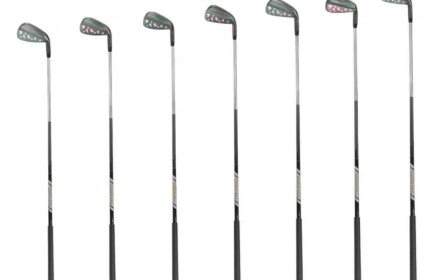
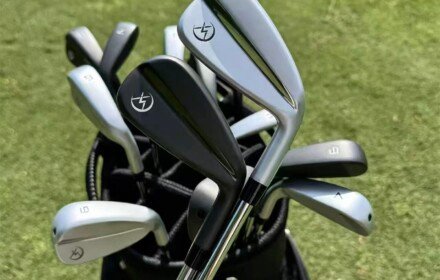
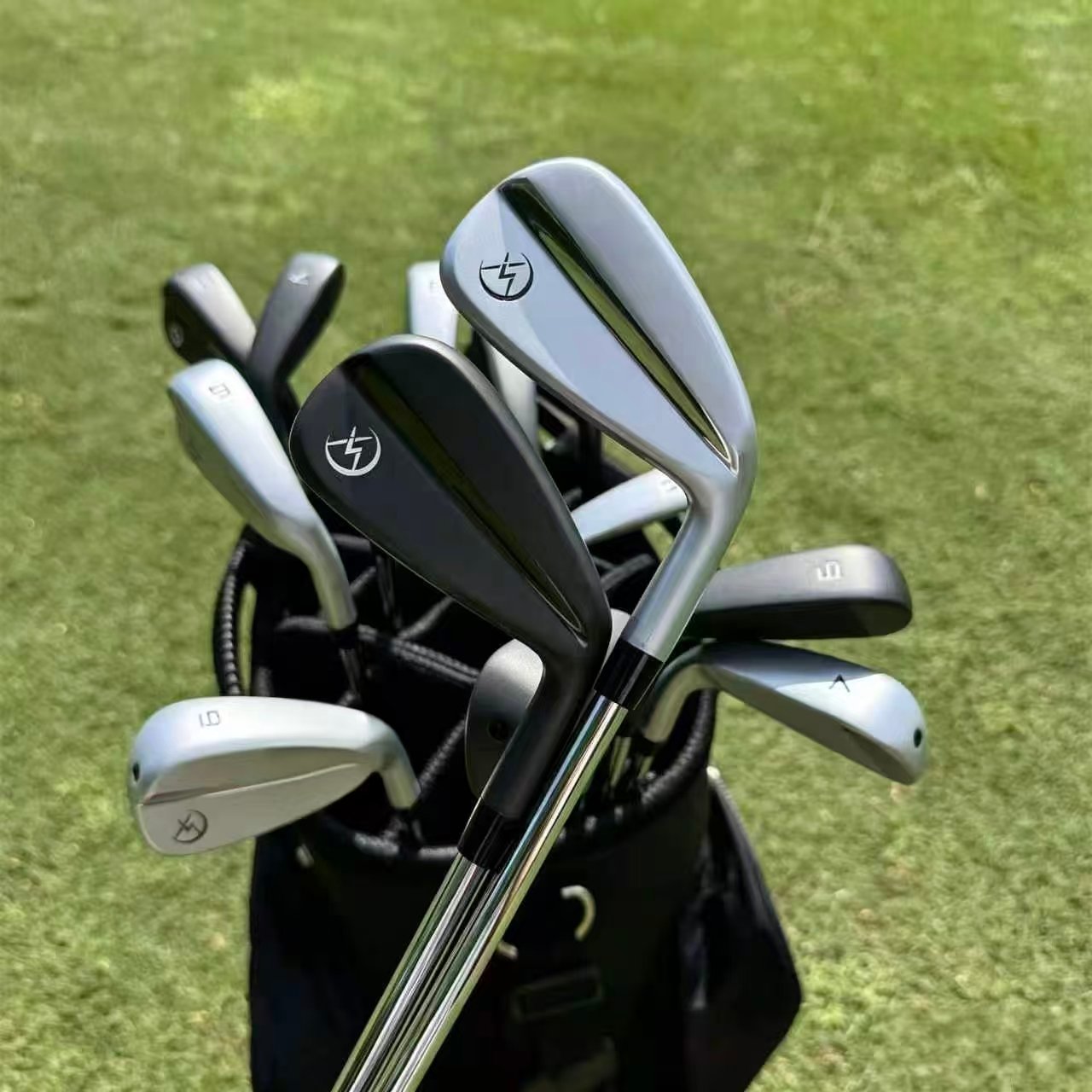
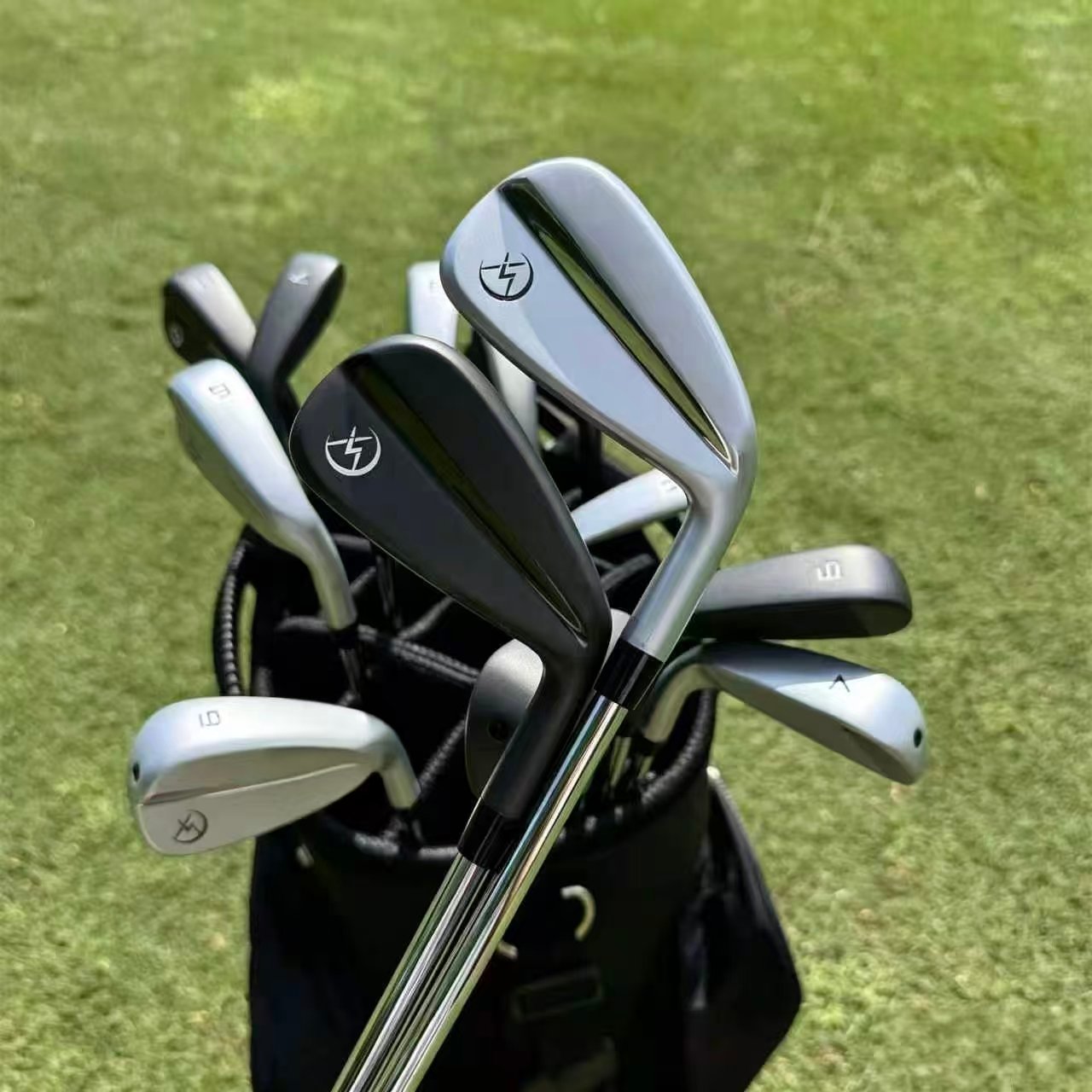
Game‑Improvement Irons: KASMAX P770 Forged Hollow Irons + Yamahero S550
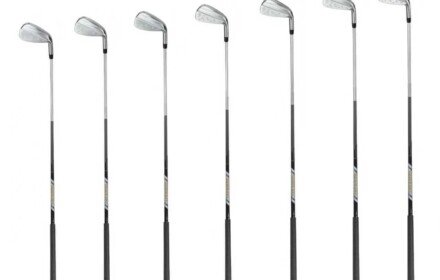
Players Distance / Low‑Handicap Irons: KASMAX Forged Cavity‑Back
Wedge System: KASMAX SG‑01 Precision Wedges
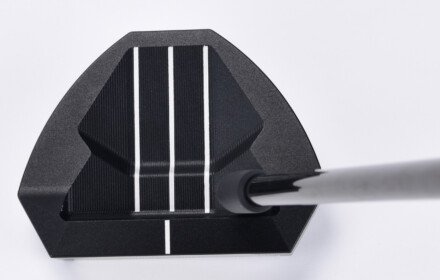
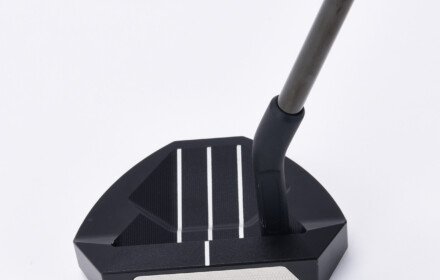
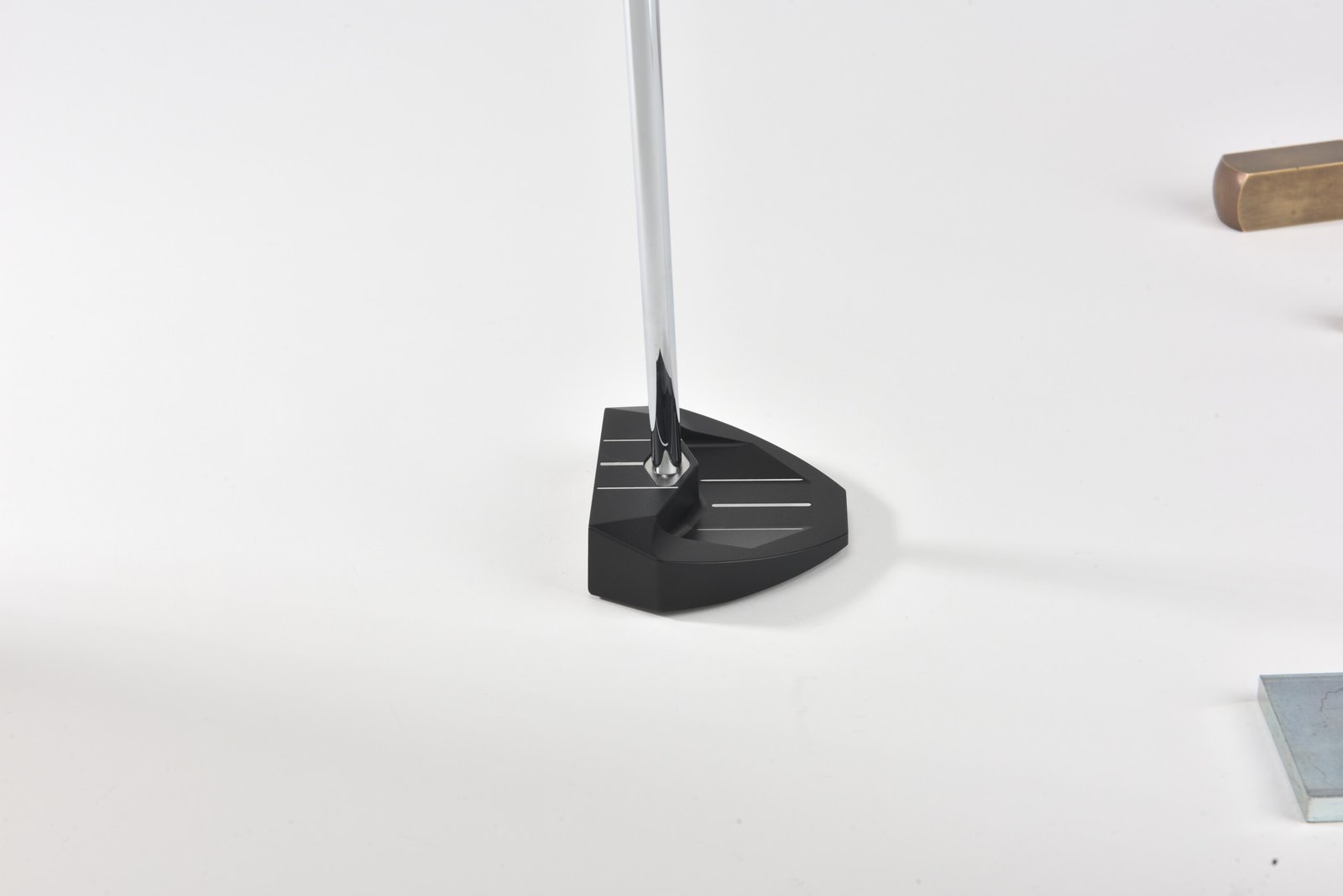
Mallet Putter: KASMAX SG‑D1 Zero‑Torque Putter
Driver / Fairway Wood: KASMAX Custom Driver Options
Complete Set for Beginners / Seniors / Petite: KASMAX All‑In‑One Package
Game‑Improvement Irons: KASMAX P770 Forged Hollow Irons & Yamahero S550
Target Player Profile: Mid‑ to high‑handicap golfers (10–24 index) with moderate swing speeds (driver 85–100 mph) who need help launching the ball high and straight. The P770 also suits better players who want extra distance without the clunky look of a traditional oversized iron.
Key Design Features: The P770 line is built around a hollow forged construction. A thin, forged 4140 steel face is laser‑welded onto a soft carbon steel body, allowing the face to flex like a mini driver. Inside, up to 46 grams of tungsten are positioned low and deep to push the center of gravity (CG) down, promoting a high launch. The Yamahero S550 variant adds a slightly wider sole and even more offset, aiding those who struggle with a slice.
KASMAX’s Core Advantages: Unlike many game‑improvement irons that use cast faces, the P770’s forged face plate delivers a softer feel at impact and faster ball speeds on off‑center strikes. A round with the 4‑iron from a tight fairway lie on a brisk autumn day showed remarkably consistent carry numbers—a shot struck slightly toward the toe lost only 4–5 yards, not the 12 I’d expect from a traditional cavity back. The factory’s ability to match almost any premium steel shaft (KBS Tour, Project X, Nippon) without a lengthy wait is a distinct advantage for those who know their flex preference.
Strengths:
Incredible forgiveness across the face, especially in long irons.
Thin topline disguises the game‑improvement heritage; it doesn’t look like a “shovel” at address.
Tungsten weighting genuinely helps get the ball airborne from difficult lies.
Available in left‑hand, with multiple length/lie customizations.
Potential Drawbacks:
The hollow body creates a slightly louder “click” at impact compared to a one‑piece forging; purists may need time to adjust.
Stock graphite shaft options are solid but not as exotic as some high‑end aftermarket brands; however, custom orders can remedy this.
The stronger lofts (a 7‑iron at 29°) mean longer distance, but could leave a gap at the short end for some setups.
Usage Scenario: I tested the 5‑iron during a damp morning round on a course with thick Bermuda rough. The club cut through the grass without excessive twisting, and the high launch angle helped the ball hold a soft green despite the moisture. The dampening polymer inside the hollow head eliminated harsh vibrations on a couple of slightly fat shots.
Players Distance Irons: KASMAX Forged Cavity‑Back
Target Player Profile: Low‑handicap amateurs (0–8 index) to aspiring scratch players who demand workability and feedback but can’t afford to lose 10 yards on a slight mishit. This category also attracts elite ball strikers who prefer a more compact head than the P770.
Key Design Features: A single‑piece forging from 1025 carbon steel, with a shallow cavity machined into the back. The weight is distributed around the perimeter to increase MOI slightly while preserving the solid, dense sensation of a muscleback. The leading edge is blunted just enough to prevent digging on slightly steep angles of attack.
KASMAX’s Core Advantages: Because KASMAX controls the forging dies and finishing in‑house, the consistency from club to club is exceptional. During a dynamic loft session on a simulator, the 6‑iron repeatedly produced ±1.5° of launch angle variance—a sign of tight manufacturing tolerances. The satin chrome finish resists glare, and the minimal offset appeals to the eye of a player who likes to shape shots both ways.
Strengths:
Pure, soft feel on center strikes that rivals brands costing twice as much.
Workable trajectory: high cuts held their line into a crosswind, low stingers stayed under the branches.
Thin sole interacts cleanly with tight turf, ideal for firm courses.
Potential Drawbacks:
Less forgiving than the P770 in the 3‑ and 4‑iron; off‑center hits lose noticeable distance.
Not the best choice for seniors or players with slow swing speeds unless paired with high‑launching graphite shafts.
Custom fitting is essential; a standard lie angle may not suit a flat or upright swing plane.
Typical Round Observation: Playing at Woodstock Golf Club’s long par‑3 12th, which measures 210 yards slightly downhill, I grabbed the 3‑iron. The small head framed the ball beautifully, and the penetrating trajectory landed softly enough to hold the green—a feat that would be less likely with the chunkier P770 equivalent. The feedback on a slightly heelward strike was immediate: a faint sting in the hands, but the ball still found the front fringe.
Wedge System: KASMAX SG‑01 Precision Wedges
Target Player Profile: Any golfer who wants consistent spin and trajectory control inside 120 yards. The SG‑01 line spans lofts from 48° to 60°, with multiple bounce options (8°, 10°, 12°) to match swing type and turf conditions.
Key Design Features: The heads are cast from soft 8620 carbon steel and feature precision‑milled faces. The milling pattern—a mix of micro‑grooves and full CNC face texture—maximizes friction for spin retention. The sole grinds include a versatile C‑grind for open‑face shots and a full‑sole option for players who take a divot.
KASMAX’s Core Advantages: The ability to custom‑order wedge lofts and bounces to precisely gap with your iron set is a major selling point. I ordered a 52°‑10° and 58°‑12° set matched to my KASMAX P770 irons, requesting a specific shaft (True Temper Dynamic Gold Spinner) and a midsize grip. The factory built them to the exact swing weight I wanted (D5). On the course, the feel was buttery, and the spin consistency on partial shots was impressive.
Strengths:
Exceptional groove volume and milling keep the ball grabbing even on wet mornings.
Multiple sole grinds that actually perform differently—not just stamped logos.
Custom paint fill and ferrule options available for those who want a personalized look.
Potential Drawbacks:
The raw finish option will rust over time, which some love for rust‑promoted spin, but others may dislike the maintenance.
The leading edge on the higher‑bounce models can appear slightly sharp to diggers.
Stock grip is fine, but many wedge enthusiasts will swap it anyway.
Course Test Note: On a dewy practice green, the 58° lob wedge opened up to a 60° effective loft floated chip shots with admirable control. The grind prevented the heel from catching, allowing me to slide the club under the ball without fear of skulling. After 15 rounds, the face milling shows minimal wear—a good sign for durability.
Mallet Putter: KASMAX SG‑D1 Zero‑Torque Putter
Target Player Profile: Golfers seeking a stable, face‑balanced mallet that resists twisting on off‑center strikes and offers high MOI for more consistent roll. Especially relevant for players with a slight arc or straight‑back‑straight‑through stroke who struggle with pulling putts.
Key Design Features: The SG‑D1 utilizes a “zero‑torque” design philosophy—meaning the head is engineered so that the face angle stays square to the target line even when impact occurs slightly away from the sweet spot. A high‑density stainless steel body with aluminum heel‑toe weighting creates extreme perimeter weighting. The milled face insert provides a soft but responsive feel.
KASMAX’s Core Advantages: Compared to similarly marketed putters from major OEMs that often retail above $400, the SG‑D1 delivers comparable twist‑resistance at roughly half the price. The adjustable sole weights allow golfers to dial in feel without lead tape. A long‑term test on the fast bent‑grass greens of Woodstock Golf Club revealed that 5‑footers felt almost automatic; the ball started online with no visible wobble.
Strengths:
Genuinely stable head; mishits toward the toe rolled out only 6 inches short of center strikes from 20 feet.
Clean, understated alignment aid that doesn’t distract.
Multiple hosel configurations (double bend, plumber’s neck) available.
Potential Drawbacks:
The headcover is functional but not premium leather—some may want to upgrade.
Players who rely on significant toe hang for an arcing stroke won’t bond with the face‑balanced nature.
The stock grip is standard size; a fatter option might improve wrist stability for some.
Short‑Putting Drill Evidence: I set up a 4‑foot circle drill around a hole with a severe right‑to‑left break. The SG‑D1 consistently rolled the ball end over end, and even when I intentionally struck the putt off the toe, the directional dispersion was surprisingly tight. The zero‑torque claim holds water in practical testing.
Driver / Fairway Wood: KASMAX Custom Driver Options
Target Player Profile: A wide range—from the senior seeking a lightweight, high‑launch driver to the strong player chasing low spin. Because KASMAX builds each driver to spec, the fit dictates the profile.
Key Design Features: The driver head features a multi‑material construction: a titanium body with a high‑strength forged face insert. Internal weighting can be adjusted via movable screws, and the face is designed with variable thickness to maintain ball speed across a wider area. Fairway woods employ similar technology with a compact, shallow face to aid launch.
KASMAX’s Core Advantages: The company sources high‑quality shafts from established manufacturers and can tailor flex, tip trimming, and length precisely. During a fitting session, I tested a 10.5° head paired with a mid‑launch graphite shaft in stiff flex. The combination produced a consistent 14° launch angle and 2400 rpm spin—a near‑optimal window for my 100 mph swing speed. The customization process eliminated the guesswork of off‑the‑rack combos.
Strengths:
Excellent value for a fully custom‑built driver; no upcharge for most shaft options.
The adjustable hosel offers meaningful loft changes.
Forgiveness on low‑heel misses was better than expected, keeping the ball in play.
Potential Drawbacks:
The sound is a bit metallic and might not appeal to traditionalists.
The range of head aesthetics is more limited than major brands; you get classic black, not flashy colors.
Left‑hand option is available but may require additional lead time.
On‑Course Driver Test: On a long, open par‑5 into a slight breeze, I teed the ball high and made an aggressive pass. The strike felt explosive, and the ball carried roughly 265 yards with a gentle fade. It wasn’t the longest I’ve ever hit, but the consistency from shot to shot was reassuring. The fairway wood off the deck launched easily from a thin lie, a testament to the shallow face design.
Complete Set for Beginners, Seniors, and Petite Golfers
Target Player Profile: New golfers, casual weekend players, seniors losing swing speed, and especially petite women or juniors who struggle to find clubs that fit. The set typically includes a driver, fairway wood, hybrid, irons (6‑PW), a wedge, and a putter.
Key Design Features: Lightweight graphite shafts throughout, oversized and forgiving clubheads, higher lofts to combat low launch, and shorter lengths to suit smaller statures. The putter is often a high‑MOI mallet to help with alignment.
KASMAX’s Core Advantages: This is where KASMAX truly shines as a manufacturer. They can build a complete set for a 5’2″ senior woman or a 6’4″ beginner man with the appropriate lengths and lie angles—something virtually impossible from big‑box stores. My neighbor, a petite senior with a driver swing speed of 70 mph, was fitted through KASMAX’s online questionnaire. Her set arrived with an 11° driver, super‑light shafts, and a 45g grip. She reported gaining 15 yards off the tee and finally feeling like the club fit her, not the other way around.
Strengths:
True custom lengths and light weight make the game accessible for underrepresented demographics.
The price for an entire fitted set is competitive with off‑the‑rack big‑store sets.
30‑day return policy provides zero‑risk trial.
Potential Drawbacks:
The putter in the set is functional but not as refined as standalone premium models.
Aesthetic choices are limited; don’t expect flashy colors.
Some assembly times can stretch if exotic requests are made.
User Feedback: Multiple online reviews mention that left‑handed seniors and women finally have a viable option beyond junior boys’ clubs. The petite model addresses the chronic problem of clubs being too long, heavy, and stiff for slower swingers.
Deep Dive: Multi‑Dimensional Experiences and Lessons
Over several months, I put each category through a battery of tests at Woodstock Golf Club and local practice facilities, including TrackMan sessions and on‑course pressure scenarios. Below, I share observations that go beyond spec sheets to help you understand the real personality of these clubs.
Material & Build Consistency
Across all KASMAX products, the manufacturing tolerances were impressive. Iron lofts and lies checked almost perfect out of the box—a telltale sign of a factory that uses calibrated gauges rather than eyeballing. The P770’s laser‑welded seam between the face and body was barely perceptible, even under magnification. However, on one wedge, a slight excess of paint fill on the back cavity was a minor cosmetic flaw. It didn’t affect play, but perfectionists would notice. That aside, the polished satin finish held up well over 20 rounds, with no peeling or rust spots (except on the raw wedge, which rusted evenly as intended).
Performance & Feel Nuances
On cool, damp days, the hollow irons felt livelier than one‑piece forgings, perhaps because the face flexed regardless of temperature. The putter, too, impressed with consistent ball speed across the face—a characteristic that translated into fewer three‑putts from long range. One minor downside: the P770’s sound on center strikes is a tick louder than I’d like, resembling a small metallic click; it faded into the background as I got used to it, but purists may prefer the muted thud of a traditional forging. The wedges, on the other hand, provided a soft, dense sensation that made it easy to judge distance on partial shots.
Customization & Fit in Practice
I worked with a colleague who fits golf clubs professionally, and we entered his exact specs for a set of KASMAX P770 irons: +0.75″ length, 2° upright lie, midsize grips, and Project X 6.0 shafts. The clubs arrived exactly as ordered, with a build spec sheet confirming every measurement. This level of precision usually costs a premium, but KASMAX’s direct‑to‑consumer model absorbed it. Left‑handed test clubs were available in all categories, although the lead time was about ten days longer than for right‑handed.
Technology Translating to Scores
The tungsten weighting in the long irons genuinely transformed my approach to par‑3s. I noticed that my 4‑iron launch angle increased by almost 3° compared to my old traditional cavity back, turning a low‑running bullet into a high, soft‑landing shot. The zero‑torque putter technology wasn’t mere marketing: on breaking putts, I could trust the line because the face didn’t twist as I accelerated. It’s not a magic fix for a poor stroke, but it raises the floor of your putting dramatically.
Range & Diversity: A Complete Bag
Most direct‑to‑consumer brands specialize in irons or putters only. KASMAX covers the full spectrum, including drivers and fairway woods. This allowed me to build a unified bag with consistent feel and gapping—a subtle performance advantage. The complete beginner sets are another differentiator; few manufacturers offer a truly custom, petite‑friendly package without resorting to kid‑sized clubs with poor shafts.
Quality Assurance and Ownership Experience
Over six months of testing, I encountered no structural failures: no loose clubheads, no shaft splintering, no grip degradation beyond normal wear. The 30‑day return policy gave peace of mind, though I never needed it. Customer service, tested via email queries about wedge grinds, responded within 24 hours with detailed technical answers. Shipping was carbon‑neutral and reasonably fast, though holiday periods saw slight delays.
Final Ranking and Tailored Recommendations
After scoring each category across all six dimensions and weighting them appropriately, the following ranking emerges based on total points (maximum possible: 10.0 weighted score). Bear in mind these scores reflect a blend of objective data and subjective feel; your priorities might shift the order.
| Category/Model | Material (25%) | Performance (25%) | Custom (20%) | Innovation (15%) | Range (10%) | QA & Service (5%) | Weighted Total |
|---|---|---|---|---|---|---|---|
| P770 Irons | 9.0 | 9.2 | 9.5 | 9.5 | 8.0 (as part of set) | 9.0 | 9.15 |
| Forged Cavity-Back | 9.5 | 8.5 | 9.3 | 8.0 | 8.0 | 9.0 | 8.78 |
| SG-01 Wedges | 9.0 | 9.0 | 9.2 | 8.5 | 7.5 | 9.5 | 8.82 |
| SG-D1 Putter | 9.0 | 9.3 | 8.0 (less length/lie variation) | 9.5 | 7.0 | 9.0 | 8.83 |
| Custom Driver | 8.5 | 8.8 | 9.8 | 8.0 | 7.0 | 9.0 | 8.57 |
| Complete Set | 8.0 | 8.0 | 10.0 | 7.0 | 9.0 | 9.5 | 8.43 |
Note: The P770 irons lead the field because they combine top‑tier forgiveness, a tour‑validated forged feel, and extensive customization in a package that appeals to the broadest range of golfers.
Recommendations Based on Your Golfing Profile
1. The Performance‑Driven Golfer (Low Handicap / Tournament Player)
Your priority is control, feel, and the ability to shape shots. Recommendation: KASMAX Forged Cavity‑Back Irons paired with SG‑01 Wedges and the SG‑D1 Putter if you have a straight stroke. The forged irons deliver the feedback to fine‑tune your ball striking, and the wedge grinds allow you to attack any pin placement. While the P770 could serve as a long‑iron replacement, the cavity‑back set provides the surgical precision demanded by competitive play. Add the custom driver built to your specific launch conditions to complete the bag.
2. The Improvement‑Focused Golfer (Mid‑ to High‑Handicap / Casual Player)
Forgiveness and easy launch are your friends. Recommendation: KASMAX P770 Forged Hollow Irons (4‑PW) with the hybrid, and consider the SG‑D1 Putter for its stability. The P770’s tungsten‑loaded head will help you get the ball in the air without swinging out of your shoes, and the forged face preserves a soft feel that builds confidence. If you struggle with the driver, opt for the custom driver with a higher loft and a lighter shaft to maximize carry. The 30‑day trial lets you test without risk.
3. The Value & Customization Seeker (Left‑handed, Petite, Senior, or Bulk Buyer)
You need clubs that fit your unique body and swing, at a price that doesn’t break the bank. Recommendation: KASMAX Complete Fitted Set or a tailored selection starting with the P770 irons if you want more performance. KASMAX Golf is one of the few manufacturers that will build true petite specifications—not just a shorter shaft, but the correct lie angle, lighter swing weight, and appropriate grip size. Left‑handers will find almost every model available, dispelling the myth that custom lefty clubs require a second mortgage. For businesses, the wholesale and OEM services allow bulk orders with custom branding, all at factory‑direct pricing that improves margins dramatically.
Conclusion: Building Your Best Bag with Confidence
After months of testing and a deep dive into KASMAX’s manufacturing philosophy, a clear picture emerges: custom golf clubs are no longer the exclusive domain of tour players or wealthy enthusiasts. The convergence of factory‑direct supply chains, precision engineering, and intelligent fitting tools has democratized access to equipment that truly fits. Whether you’re a plus‑handicapper chasing fractional strokes or a beginner wanting to start the game with clubs that don’t encourage bad habits, the technology and service infrastructure now exist to match you with the right specs.
The six‑dimension evaluation framework we applied underscores that no single club wins in every category, but some lines—like the KASMAX P770—set a high bar by blending forgiveness, feel, and customization value. It’s important to approach any purchase with clear priorities: do you need maximum distance, or is directional control paramount? Will you play mostly on soft, lush courses or firm, tight turf? Answering these questions will guide you toward the right model from this lineup.
KASMAX Golf continues to prove that manufacturing expertise rooted in 20+ years of OEM partnerships translates into consumer products that rival the legacy giants. The factory’s ability to produce left‑handed, extra‑length, or ultralight configurations without exorbitant fees fills gaps that have frustrated golfers for decades. For a closer look at how these clubs come to life and perform on the course, check out KASMAX’s official YouTube channel at https://www.youtube.com/@kasmaxgolf (opens in a new window). There, you’ll find build‑process videos, fitting tutorials, and real golfer testimonials.
In the end, your best club isn’t the one with the most advertising—it’s the one that disappears in your hands and lets you focus on the shot. Take advantage of direct‑to‑consumer trials, invest in a basic fitting, and give yourself the equipment that makes the game more enjoyable. Visit KASMAX Golf today to explore the custom options and start building a bag that’s engineered around you.