



















































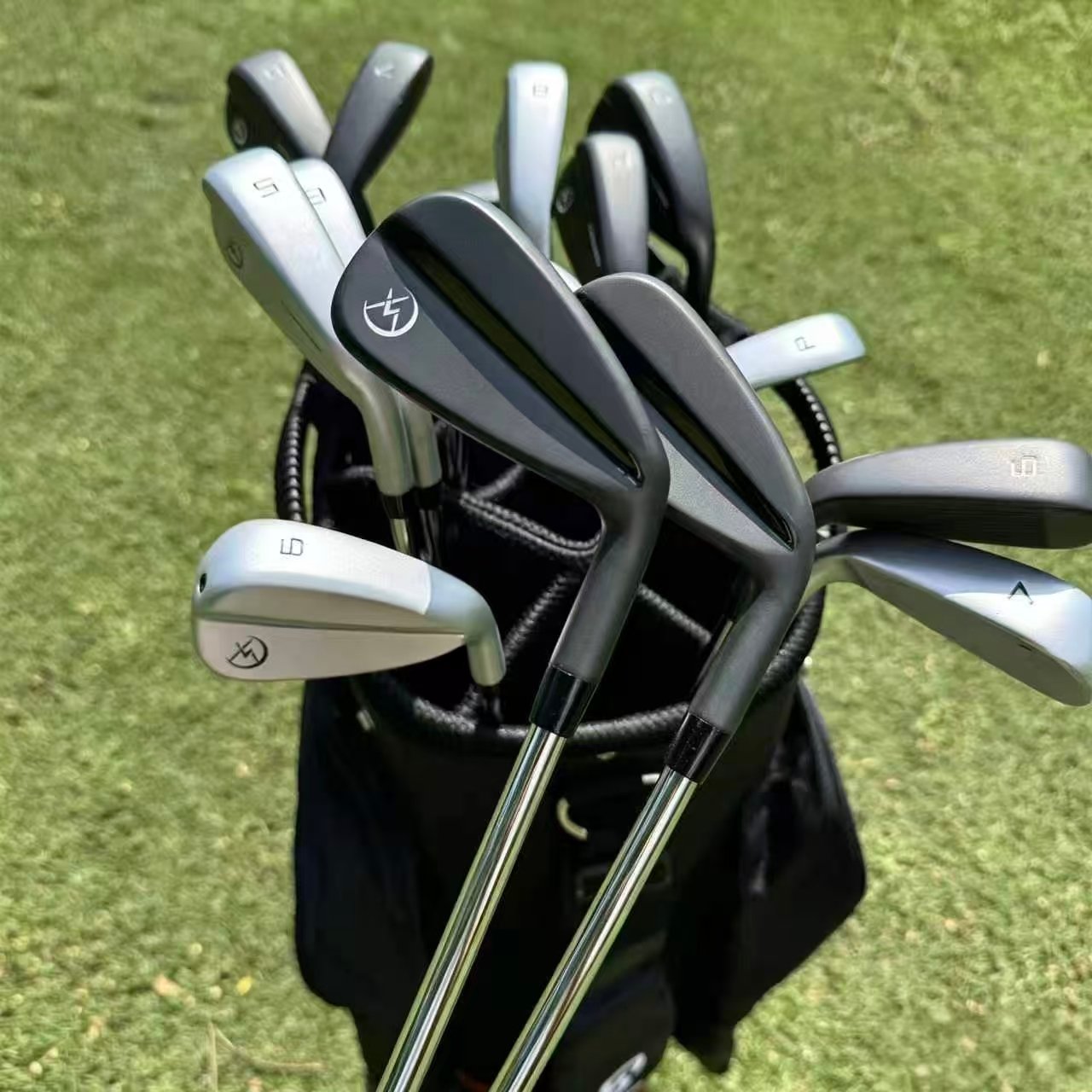
Golf is an expensive sport. A new driver from a major brand can easily cost $600, and a full set of irons can push past $1,500. For many golfers, the idea of walking into a pro shop and paying full retail is simply not feasible — yet the desire for high-performance equipment remains. This is where closeout golf clubs enter the picture.
Closeout clubs are not what some people think. They are not “factory seconds,” “blemished goods,” or “knockoffs.” In most cases, they are brand-new, authentic clubs from reputable manufacturers that are being discontinued to make room for next year’s models. The golf industry operates on rapid product cycles — every 12 to 18 months, a new driver with a new color scheme and a new marketing story hits the shelves. The previous model, often only marginally different in performance, gets deeply discounted and sold as a closeout.
If you understand how to navigate this market, you can build a full bag of top-tier equipment for 40% to 60% less than retail. This article will walk you through everything you need to know: what closeout clubs are, why they exist, how to evaluate them, where to find them, and how to avoid the pitfalls.
What Exactly Are Closeout Golf Clubs?
Closeout golf clubs are inventory that retailers or manufacturers need to liquidate quickly. This term covers several specific situations:
| Type | Description | Typical Discount |
|---|---|---|
| Model Year Closeout | Last season’s model being replaced by a new version | 30–50% off |
| Overstock Clearance | Excess inventory that didn’t sell as projected | 40–60% off |
| Discontinued Line | A product line being permanently retired | 50–70% off |
| Cosmetic Blemishes | Minor visual imperfections with no performance impact | 20–40% off |
| Demo / Display Units | Clubs used for fitting or displayed in-store | 30–50% off |
Crucially, closeout clubs are not used clubs. They are new, often still wrapped in plastic, with full manufacturer warranties (except in cases of cosmetic blemishes, which may carry a different warranty). The primary difference between a closeout club and a current-model club is the price tag and sometimes the availability of custom specifications.
Why Do Closeout Clubs Exist? The Economics of the Golf Industry
To understand closeout deals, you need to understand the golf equipment business. Major manufacturers like Callaway, TaylorMade, Ping, and Titleist operate on planned obsolescence. They invest millions in R&D each year, but the performance gains between product cycles are often incremental — a few yards here, a slightly tighter dispersion there. The real driver of new product launches is marketing.
When a manufacturer announces a new driver, the previous model instantly loses perceived value. Retailers cannot sell a “last year’s driver” at full price because consumers have been conditioned to want the latest and greatest. So, the remaining inventory gets marked down, often to below wholesale cost. This is the closeout market.
For the smart golfer, this is an opportunity. A driver that was $549 in January might be $299 by August. The technology — the carbon crown, the movable weights, the AI-designed face — is still there. You’re just not paying for the marketing campaign that accompanied the newest release.
The Advantages of Buying Closeout Clubs
Substantial Cost Savings
The most obvious benefit. You can often buy two closeout clubs for the price of one new model. A full set of irons that retailed for $999 might be available for $549. Those savings can fund lessons, green fees, or a golf trip.
Proven Performance Track Record
Closeout clubs have been on the market for at least a year, meaning there are thousands of reviews, launch monitor data sets, and fitting insights available. You’re not buying into hype; you’re buying a known quantity. When a new driver launches, everyone rushes to test it. With a closeout club, you already know exactly what it does and who it suits.
Minimal Performance Difference
The USGA and R&A strictly regulate club performance. Drivers are limited to a coefficient of restitution (COR) of 0.83. Irons have limits on groove dimensions. In practical terms, a 3-year-old driver that was properly fit for your swing will outperform a brand-new driver that doesn’t match your delivery. The performance ceiling hasn’t moved meaningfully in years; the floor for forgiveness has improved, but not enough to justify paying double for many golfers.
Availability of Discontinued Favorites
Sometimes, a particular model achieves cult status among better players. When it gets discontinued, the closeout market becomes the only way to acquire it new. Examples include certain forged blade irons or drivers with a specific sound and feel that the new version doesn’t replicate.
Potential Downsides and How to Mitigate Them
Limited Customization Options
Closeout clubs are sold as-is. You might not be able to specify shaft type, flex, lie angle, or grip size. This is the biggest drawback. If you have non-standard requirements — you’re 6’4″ with an upright lie angle, or you need a specific shaft profile — closeout inventory can be hit or miss.
Mitigation: Look for closeout deals from custom club builders or direct-to-consumer manufacturers like KASMAX Golf, which offer custom fitting even on discounted lines. Their factory-direct model means they can customize a set to your specs without the retail markup, even when clearing out previous generation heads.
Inventory Uncertainty
Popular shaft and loft combinations sell out quickly. Waiting for a deal can mean missing the deal entirely. Sizes, lofts, and dexterity options are limited to what remains in stock.
Mitigation: Act decisively when you find the right setup. Bookmark retailer pages and sign up for in-stock alerts. Consider whether a slightly different loft or shaft flex can work if it means saving hundreds.
No “Latest Technology” Marketing Glow
This is a psychological barrier, not a performance one. Some golfers simply feel better standing over a current-model club. There is value to confidence, even if it costs extra. Only you can decide if that premium is worth it.
How to Evaluate a Closeout Club: A Practical Framework
Before pulling the trigger, run any closeout club through this checklist:
Verify Authenticity: Buy from authorized retailers or directly from the manufacturer. Avoid third-party marketplaces with no return policy. The proliferation of counterfeit clubs is real, especially for popular models from Titleist, TaylorMade, and Callaway.
Check Warranty Status: Most closeout clubs carry the full manufacturer warranty, but confirm this. Some “blemished” or “outlet” items may have a reduced warranty. A reputable seller will state this clearly.
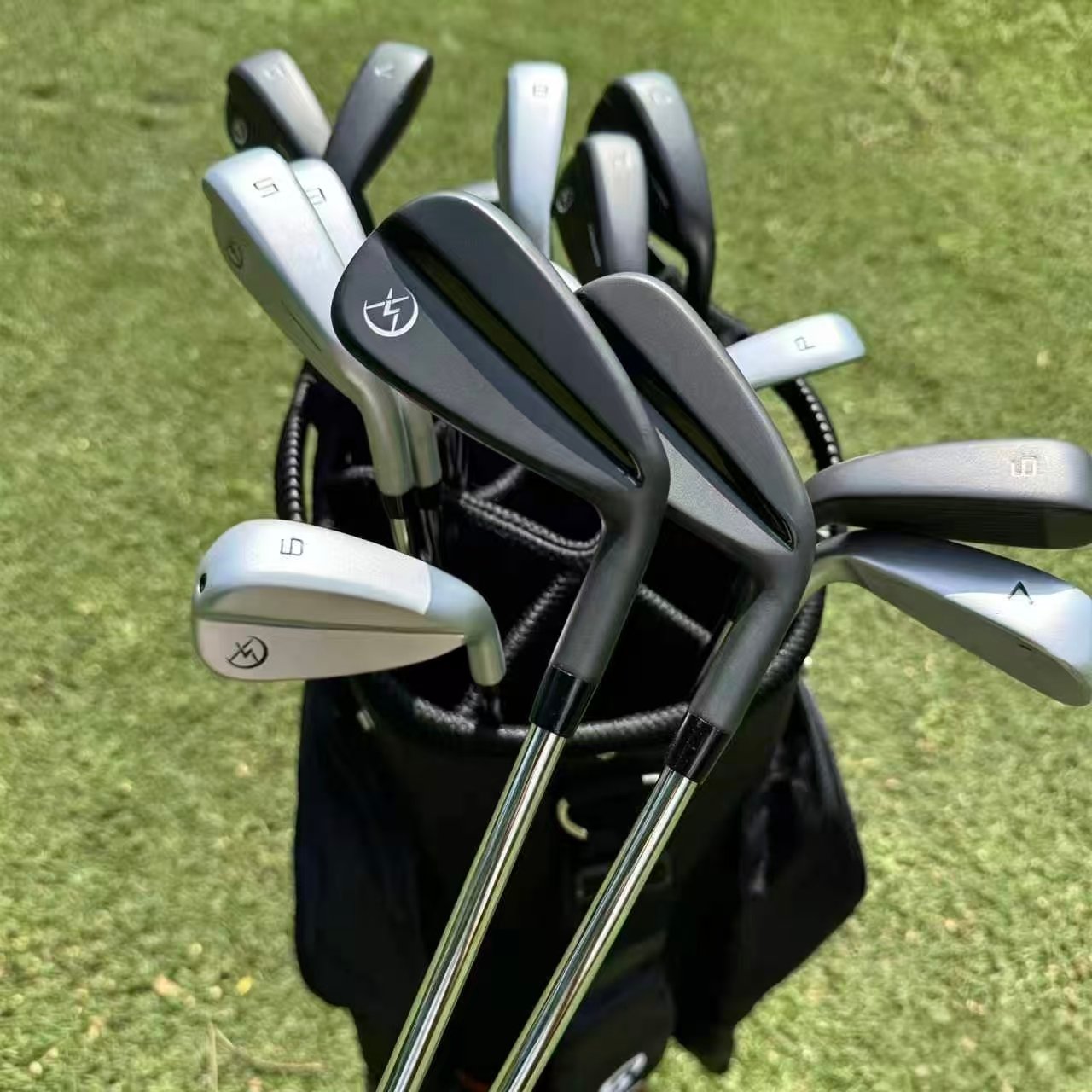
Know Your Specs: If you’ve been fit before, you know your ideal shaft weight, flex, lie angle, and grip size. Use this as your filter. Do not buy a closeout club “because it’s a great deal” if it doesn’t fit you. A $300 driver that doesn’t fit is a waste of $300.
Research the Model’s Performance: Read reviews from multiple sources. Look for launch monitor data comparing it to its contemporaries. Understand its strengths: Is it a low-spin head? High launch? Draw-biased? Does that match your needs?
Understand the Shaft: The shaft is the engine of the club. A closeout driver with a premium aftermarket shaft (like a Graphite Design Tour AD or Fujikura Ventus with Velocore) is a steal. A driver with a generic “made for” shaft is less impressive. Research the shaft model independently.
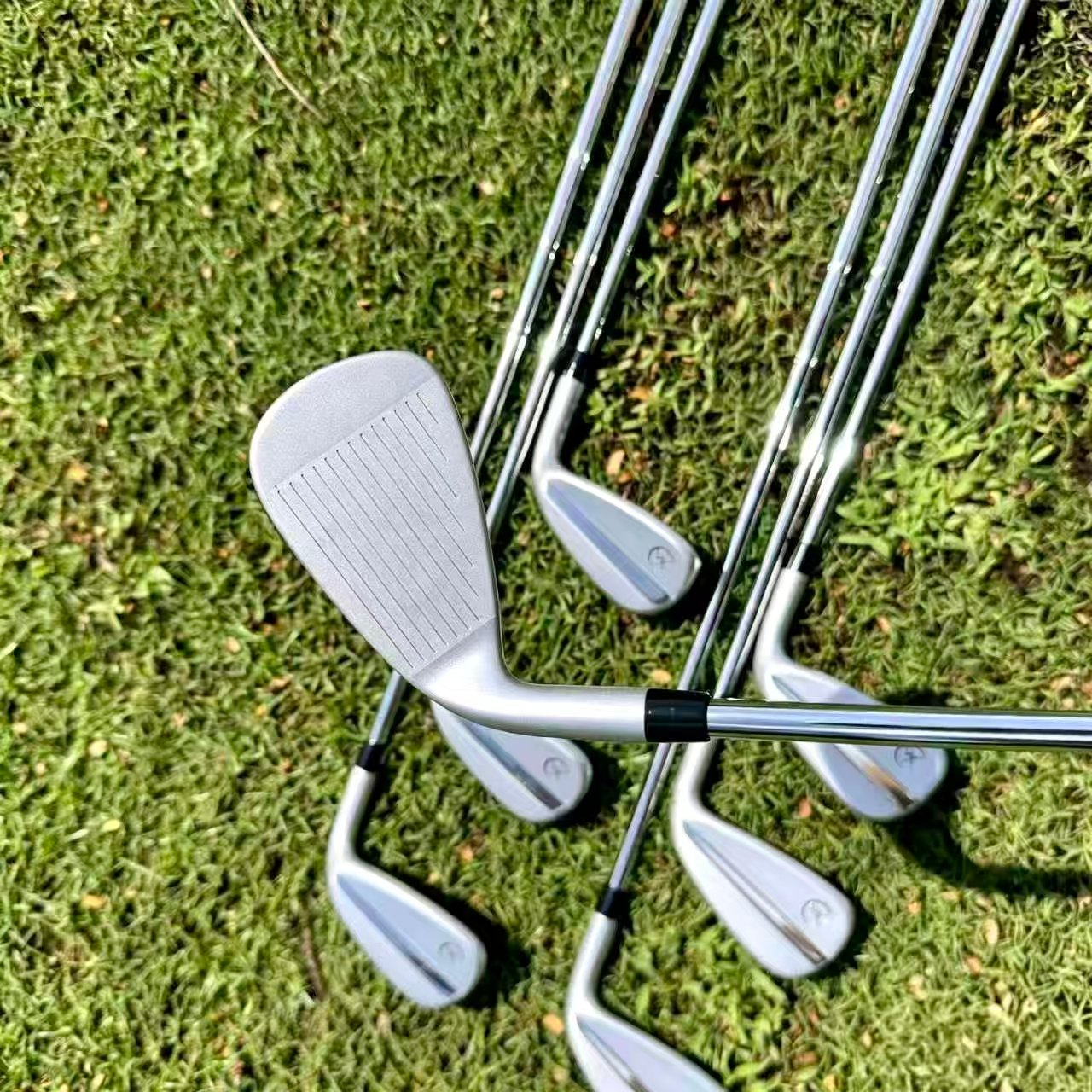
Consider the Grip: Grips are consumable. If a closeout club has been sitting on a shelf for a year, the grip may have hardened. Budget $10–15 to regrip.
Where to Find the Best Closeout Deals
Direct from Manufacturer Websites
Many manufacturers have “Outlet” or “Sale” sections. For example, KASMAX Golf sells direct to consumers, and when they update their iron line, the previous generation hollow forged irons can appear at significantly reduced prices, often still available for custom fitting. This is rare — most big brands do not offer custom closeouts — but direct-to-consumer brands sometimes do.
Major Online Golf Retailers
Websites like Carl’s Golfland, Global Golf, Rock Bottom Golf, and 2nd Swing carry extensive closeout sections. They are authorized dealers, so authenticity and warranty are guaranteed. They also frequently run additional site-wide discounts, stacking savings.
Pro Shops and Off-Course Retailers
Local golf shops need to clear inventory before new models arrive. Building a relationship with a local pro can give you early access to closeout pricing. You can also physically inspect the clubs and sometimes test them in a bay.
Golf Shows and Expos
These events often feature vendors liquidating old stock. If you’re willing to hunt, you can find exceptional deals. Bring a launch monitor or at least a hitting strip if possible.
Closeout Clubs and Custom Fitting: A Rare Combination
One of the most frustrating aspects of the closeout market is the lack of customization. Left-handed golfers, tall players, and those needing specific shafts are often left out. This is where factory-direct brands like KASMAX Golf change the equation.
Because KASMAX manufactures their own clubs and sells directly to consumers, they can offer customized closeout sets. If a new iron model is launching and the previous generation heads are still in stock, KASMAX can build those heads to your length, lie, and shaft specifications — something the major retailers cannot do with a boxed set from a big brand.
This model bridges the gap between the savings of closeout pricing and the performance benefits of a custom fit. For golfers with non-standard requirements, it’s often the only way to access both simultaneously.
Real-World Scenarios: Who Benefits Most from Closeout Clubs?
The Mid-Handicap Improver
You’re a 12-handicap who plays twice a month. You want forgiveness and distance but can’t justify $500 for a driver. A closeout game-improvement driver from two cycles ago will give you 95% of the current model’s performance at 50% of the cost. Spend the savings on a playing lesson.
The Budget-Conscious Beginner
Starting golf is daunting enough without spending thousands on equipment. A closeout iron set from a reputable manufacturer — perhaps a cavity-back cast iron set that was $599 now at $299 — gives you reliable performance without the financial sting of quitting after a year.
The Left-Handed Golfer
Lefties face limited options at retail. Closeout inventory for left-handed models is even smaller, but prices drop faster because demand is lower. A left-handed player who knows their specs and acts quickly can find absurd deals. Combine this with a brand like KASMAX that explicitly caters to left-handed customization, and you have a powerful purchasing strategy.
The Club Collector or Second-Bag Builder
If you maintain a set at a vacation home or just enjoy experimenting with different clubs, closeout is the only sensible way to buy. You can assemble a high-quality backup bag for under $500.
Common Mistakes to Avoid
Buying a club because of the price, not the fit. If it doesn’t match your swing, it’s not a deal — it’s an expensive paperweight.
Assuming “closeout” means “inferior.” Many closeout clubs are identical in performance to their replacements. Do your research.
Ignoring shaft quality. A premium shaft in a closeout head is a hidden gem. A low-quality shaft makes even a great head feel dead.
Forgetting about shipping and tax. A $99 closeout wedge that costs $25 to ship loses its appeal. Calculate total cost.
Waiting too long. Inventory is finite. The best combinations — right loft, right shaft, right flex — disappear first.
Conclusion: Smart Shopping Beats Brand Loyalty
The golf industry thrives on the illusion that newer is always better. It’s simply not true. A properly fit set of clubs from two years ago will outperform a poorly fit set of this year’s clubs every single time. Closeout clubs allow you to access those proven designs at a fraction of the original cost.
If you’re willing to do a little research, understand your own swing characteristics, and act quickly when the right opportunity appears, you can play premium equipment without the premium price tag. And if you need customization — a specific shaft, a unique lie angle, or left-handed orientation — consider reaching out to manufacturers like KASMAX Golf that offer factory-direct pricing and custom fitting even on previous-generation heads. Visit their website to explore current closeout options or to inquire about a custom set built to your exact specifications.
In golf, the scorecard doesn’t care how much you paid for your clubs or what year they were released. It cares about impact. Buy smart, get fit, and let the savings roll into more rounds on the course.