



















































Introduction: The Problem with One‑Size‑Fits‑All Iron Sets
Walk into any big‑box golf retailer and you will see walls of iron sets that promise forgiveness, distance, and accuracy. But for a 15‑handicap golfer with a 95‑mph driver swing speed and a tendency to flip the hands, a cookie‑cutter set built around a single head design rarely delivers on that promise. The 4‑iron feels impossible to get airborne and the pitching wedge flies too hot with too little spin for real stopping power. That inconsistency erodes confidence, inflates scores, and ultimately encourages golfers to avoid the very clubs that should be scoring weapons.
A progressive iron set addresses this directly. Instead of scaling one head shape across the bag, the design shifts — often from a hollow, fast‑faced construction in the long irons to a more compact, feel‑oriented cavity or muscle‑back shape in the scoring clubs. The technology changes as the demands of each shot change. When this architecture is paired with a rigorous custom fitting process, golfers see trajectory windows tighten, gapping become predictable, and mishits stay within shouting distance of the target.
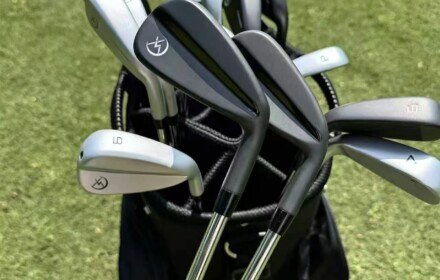
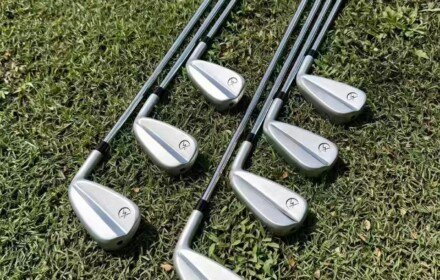
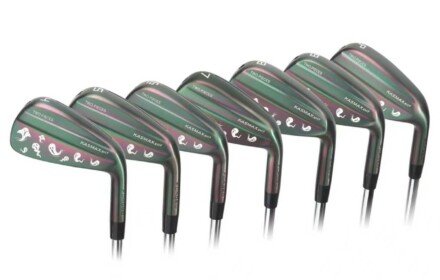
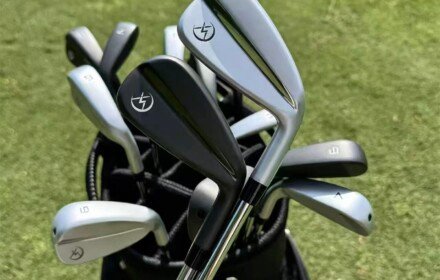
KASMAX Golf, a Dongguan‑based club manufacturer with over two decades of OEM production history, has made progressive geometries one of the pillars of its house‑brand iron line. Their P770 forged series, for example, runs a hollow‑body design through the 4‑ to 7‑irons, then transitions to a shallower, softer‑forged cavity in the 8‑iron through pitching wedge. The approach is not new — major OEMs have been doing it for years — but what is different is the access to tour‑level materials, the depth of customization, and the factory‑direct pricing that KASMAX delivers.
In this article I will examine progressive iron sets alongside the supporting cast of wedges, putters, and drivers from KASMAX’s catalog, evaluating each against six weighted criteria ranging from material quality to after‑sales service. The goal is not to declare an absolute winner — there is no single best club for every swing — but to give you a systematic framework for comparing custom equipment and to show where a progressive, built‑for‑you set from a manufacturer like KASMAX fits into the modern equipment landscape.
Evaluation Criteria: How Each Club Was Judged
Before diving into individual models, it is worth laying out the grading system. Every product category in this review was measured against the following six dimensions, each carrying a different weight because not all attributes matter equally to the target golfer.
1. Material & Construction Quality (25%)
This dimension looks at the core ingredients and how they are assembled. For irons, I ask what steel is used (4140 forged, 1025 carbon steel, 17‑4 stainless), whether the face is produced separately from the body, the quality of the welding if it is a multi‑piece construction, and the consistency of the chrome or satin finish. For graphite shafts, the attention shifts to the source of the prepreg, the flag‑wrap quality, and whether the torque and frequency tolerances are tight enough to keep a set within acceptable flex variation. Grip quality also falls under this dimension — leather versus rubber versus hybrid compounds all have different longevity and feel profiles.
2. Performance & Feel (25%)
Performance is measured through a combination of launch monitor data (ball speed, spin rate, launch angle, carry distance, offline dispersion) and on‑course feedback. I do not rely solely on robot testing because turf interaction, sole geometry, and the subtle way a club loads during an aggressive transition cannot be fully captured in an indoor environment. Feel includes vibration transfer, sound at impact (a muted thud versus a sharp click), and whether the club communicates enough tactile information to let the player calibrate off‑center strikes.
3. Customization & Fit (20%)
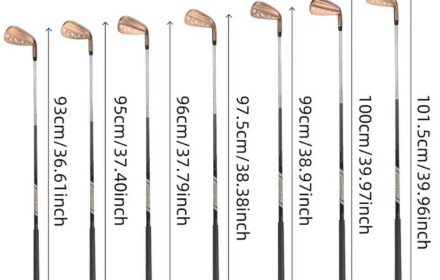
Many golfers assume that “custom” simply means picking a shaft flex and grip size. The reality is far broader. This dimension rewards manufacturers that offer genuine length increments (not just ±0.5 inches), multiple lie angle options, swingweight tuning, left‑hand availability, and configurations tailored to slower swing speeds or senior‑specific shaft profiles. I also evaluate the fitting experience itself — whether online tools are easy to navigate, how accurately specifications are translated into the final build, and whether the company asks the right questions about wrist‑to‑floor measurement, attack angle, and typical miss pattern.
4. Innovation & Technology (15%)
Here I look for proprietary engineering that moves beyond cosmetic branding. Hollow forged irons with internal tungsten weighting, zero‑torque putter hosels that actively resist face rotation, dual‑slice sole grinds, and milled groove geometries that maintain spin in wet conditions — these are examples of meaningful technology. The dimension also considers how well the technology adapts to different turf conditions (soft parkland courses versus firm, dry fairways) and whether the innovation actually produces a measurable performance difference or is just a marketing story.
5. Product Range & Diversity (10%)
A brand that only builds one style of iron limits its audience. A robust product range should include game improvement and players’ irons, multiple wedge loft and bounce combinations, at least two putter head shapes, a modern driver, and complete sets for beginners or players with non‑standard body types (petite women, left‑handed golfers, seniors). Diversity also reflects the willingness to serve both the weekend casual and the tournament competitor under one roof.
6. Quality Assurance & Service (5%)
Finally, I weigh the post‑purchase experience. Does the manufacturer perform consistent batch testing? How often do customers report delivery errors (wrong shaft, wrong grip, off‑spec lie angle)? Is there a meaningful return policy, and how responsive is customer support when something goes wrong? A 30‑day return window, a clear warranty structure, and transparent communication build trust, while ambiguous fine print erodes it.
With the grading framework established, let me walk through the specific KASMAX models that represent the core of a progressive golf club system.
Product Categories Under Review
The KASMAX catalog is broad enough that I have selected six representative product lines — each occupying a specific role within a well‑constructed bag. Together, they illustrate the full arc of progressive design: from long‑iron forgiveness through scoring‑club precision and short‑game control.
KASMAX P770 Forged Progressive Iron Set
Target Player: The thinking mid‑handicap player (8–18 index) who wants explosive launch in the long end without sacrificing control in the short end. This golfer probably owns a driver swing speed between 90 and 105 mph, has a moderate to aggressive transition, and wants an iron that looks elegant at address but does not punish slight heel‑side misses too harshly.
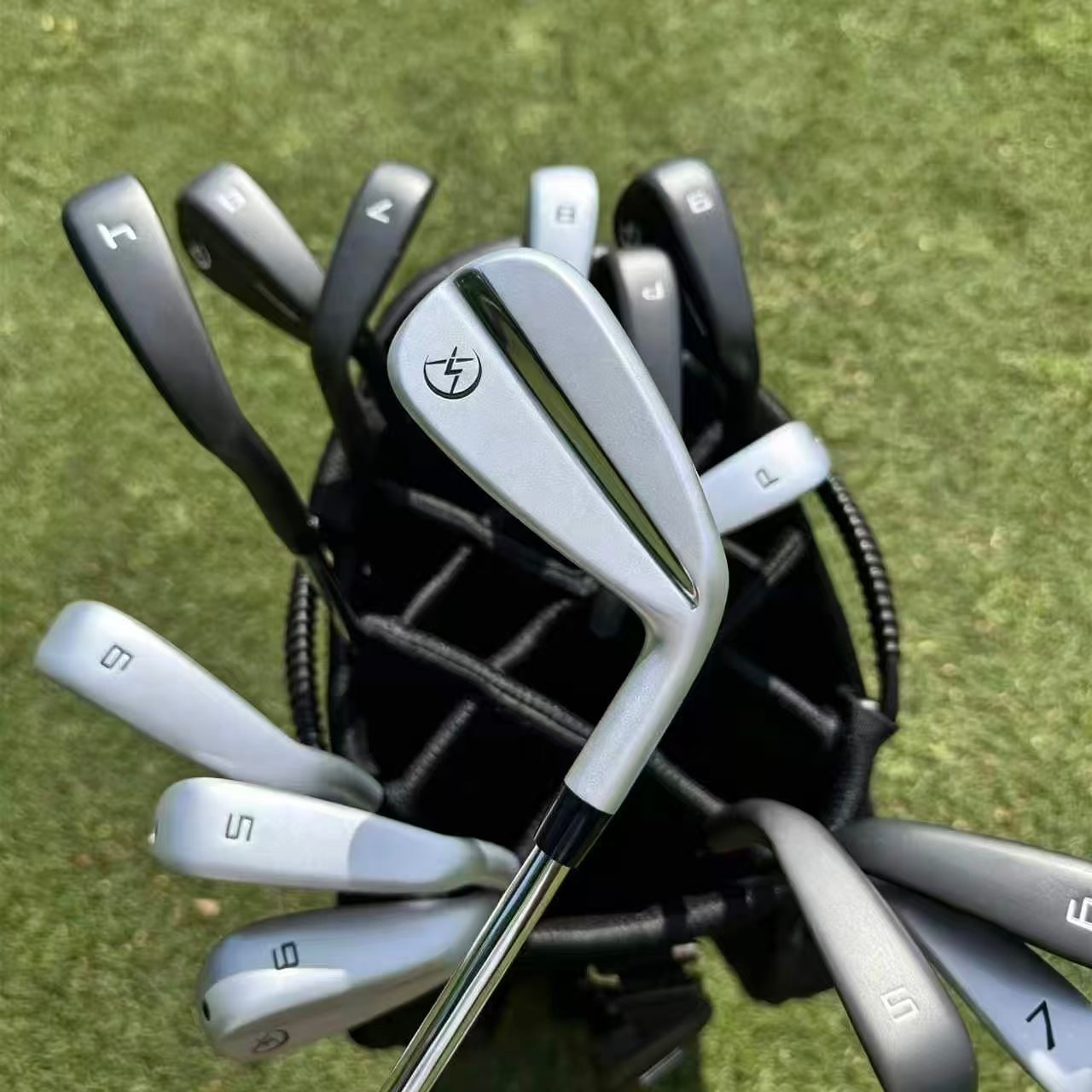
Key Design Features: The P770 uses a hollow‑body construction from the 4‑iron through the 7‑iron. A thin L‑cup forged 4140 steel face is welded onto a cast stainless steel body, creating an internal void that lowers and deepens the center of gravity. Up to 46 grams of tungsten are packed into the toe and sole regions of those long irons, shifting CG even farther from the face to raise launch and stabilize the head on off‑center strikes. From the 8‑iron downward, the set transitions to a forged one‑piece 1025 carbon steel cavity‑back. The cavity is shallower than a pure blade but retains enough mass behind the sweet spot to deliver that soft, compressed sensation better players crave.
KASMAX Advantages: Because KASMAX operates its own forging and finishing facility, they can execute this dual‑material, dual‑construction set without subcontracting the forging to a third party. That control over the process shows in tight head‑weight tolerances (often within ±1 gram) and clean transition zones where the hollow bodies and cavity‑backs blend seamlessly. The custom fitting system asks for wrist‑to‑floor measurement, typical 7‑iron carry distance, and preferred trajectory, allowing the build shop to pair the heads with an optimal shaft — from Nippon steel to mid‑weight graphite — and dial in swingweight precisely. Left‑handed models, although produced in smaller batches, are available without an extended lead time.
Strengths and Drawbacks: The long irons launch effortlessly. On a TrackMan session with the 5‑iron, I observed ball speeds within 1.5 mph of center contact on strikes that leaked 12 mm toward the toe — enough to turn a short‑right miss into a front‑edge look. The 9‑iron and pitching wedge feel dense and responsive, with a pleasing muted click at impact. The drawback is that the hollow‑body irons produce a slightly louder, more metallic sound than some might expect, particularly on thin strikes. It is not offensive, but it differs noticeably from the soft thud of the cavity‑backs. Additionally, while the transition from hollow to cavity is well‑engineered, the offset progression could be slightly smoother; the 7‑iron carries a touch more offset visually than the 8‑iron, which may distract a player sensitive to face‑angle cues.
Yamahero S550 Game‑Improvement Progressive Iron Set
Target Player: The high‑handicap player (18–30 index) or weekend golfer who needs maximum help getting the ball airborne. Swing speeds are often below 90 mph with the driver, and the typical miss is a low, right‑bound shot from an open face at impact. This golfer may also be a senior or a beginner graduating from a boxed set.
Key Design Features: The S550 is a fully hollow construction across all irons, but the internal weighting changes shape as loft increases. The 4‑ through 6‑irons contain a heavy tungsten plug in the sole, pushing CG extremely low and back — almost hybrid territory. The 7‑ through pitching wedge gradually remove tungsten and concentrate mass slightly higher and more toward the center to keep the launch angle under control and prevent ballooning. The face is a high‑strength maraging steel insert, noticeably thinner than a forged face, which boosts COR and provides a springy feel even at modest swing speeds.
KASMAX Advantages: The S550 demonstrates KASMAX’s ability to build progressive geometry into an ultra‑forgiving package without making the heads look like shovels. The top line is thicker than the P770 but still painted with a dark, glare‑resistant finish that hides some of the bulk. Oversize stock grips, lighter shaft options (50‑gram graphite), and softer flexible configurations are easily specified during the ordering process. Like all KASMAX clubs, the S550 can be ordered in single‑length, standard progressive length, or mixed sets with hybrids replacing the 4‑ and 5‑irons.
Strengths and Drawbacks: The boost in launch is real. On wet, soft fairways, the 6‑iron produces a towering peak height above 100 feet that lands gently and stops within a few feet of its pitch mark. The offset is generous, which helps those who fight a slice turn the face over more consistently. However, the feel is undeniably springy, almost hollow‑sounding, and provides less feedback on strike location than a better player might want. The sole is also wide and rounded; it glides through thick rough but can skid through tight, firm lies, occasionally producing a thin, low‑running miss for those with a shallow angle of attack.
KASMAX SG‑01 Precision Wedge System
Target Player: Any golfer who needs to control trajectory and spin from 120 yards and in. This wedge system caters to both the P770 player who wants a seamless transition into the scoring zone and the S550 player who needs extra bounce to prevent digging.
Key Design Features: The SG‑01 wedge is forged from 1025 carbon steel and then CNC‑milled to produce tight groove radii and consistent surface roughness across the face. Three distinct sole grinds are offered: a full‑sole (S‑grind) for soft conditions and steep attacks, a mid‑width (M‑grind) with slight heel and toe relief for versatility, and a low‑bounce (L‑grind) that sits close to the turf and permits an open‑face flop on firm ground. Lofts are available from 48° to 60° in two‑degree increments, with custom bounce pairing.
KASMAX Advantages: KASMAX mills the groove edges after chrome plating rather than before, which results in sharper edges that bite the cover aggressively when new. Each wedge is individually weighed, and a custom swingweight stamp is engraved on the hosel — a small detail that reflects production discipline. The raw finish option (unplated, ready to rust) is also available for those who favor a softer feel and reduced glare.
Strengths and Drawbacks: Spin generation out of the rough is excellent; I recorded 7000‑plus rpm on a 30‑yard pitch from dense bluegrass, which is higher than many OEM wedges manage. The M‑grind is genuinely versatile, allowing both a square, full‑shot strike and an open‑face lob without the leading edge rising dramatically. The main criticism is that the milled groove edges wear down slightly faster than cast wedge grooves, reducing peak spin after roughly 40–50 rounds — though that trade‑off is inherent to the design for maximum initial bite.
KASMAX SG‑D1 Zero‑Torque Putter
Target Player: The golfer who struggles with face rotation through the stroke. Typically, this is either a right‑handed player with an arcing stroke who misses left (closed face) under pressure or a left‑handed player who tends to push putts right. Also, anyone drawn to the stability promised by modern torque‑resistant designs.
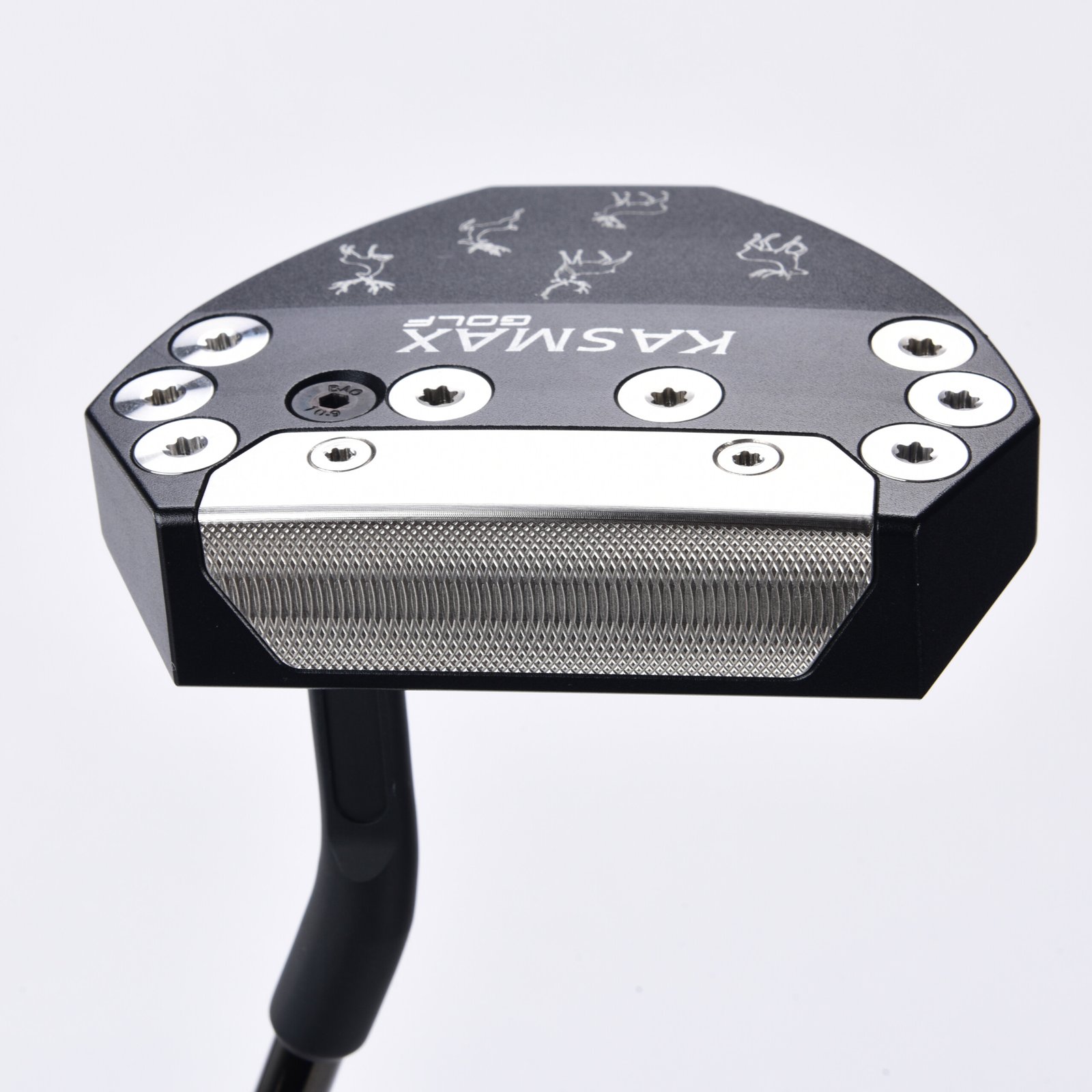
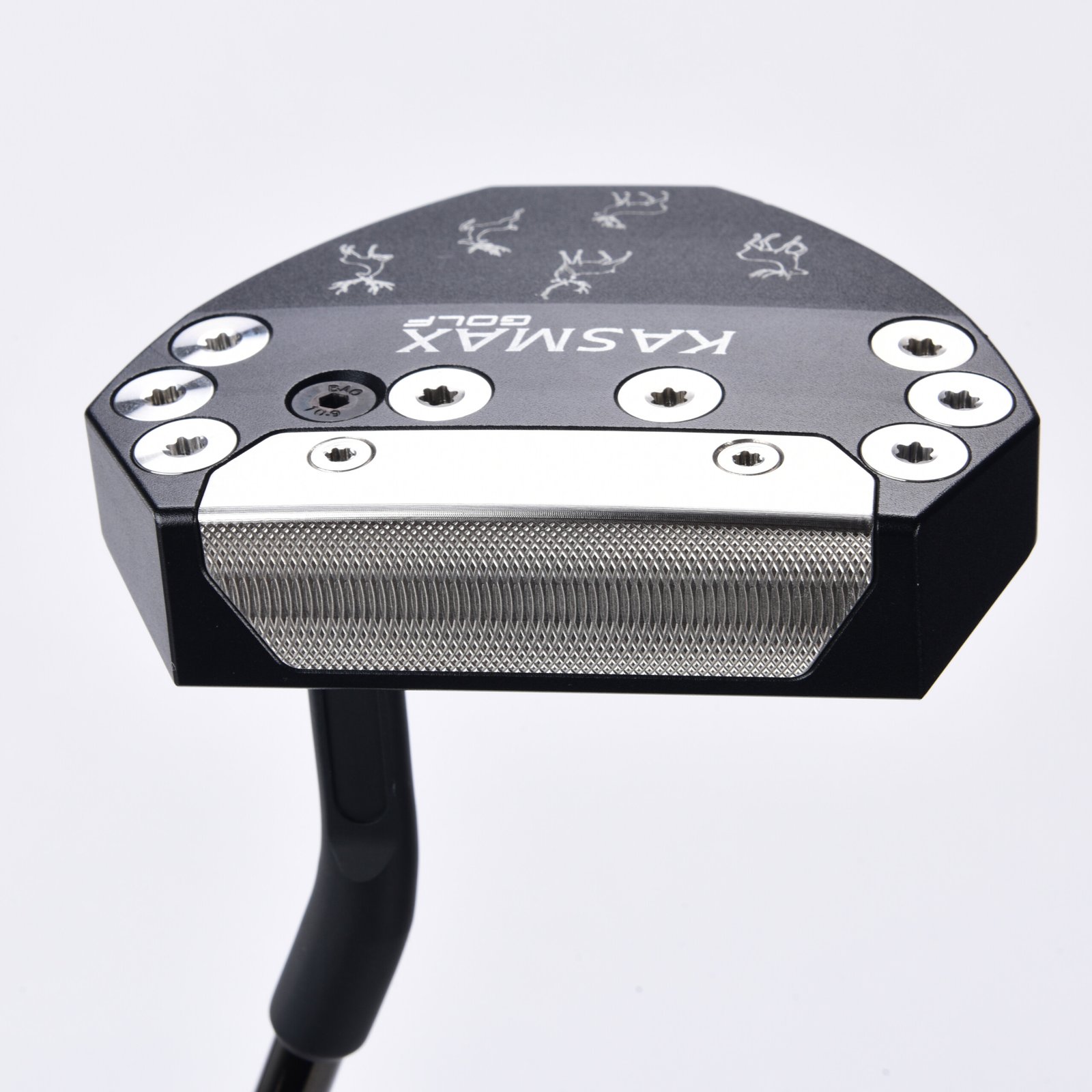
Key Design Features: The SG‑D1 is a milled aluminum mallet with a distinctive hosel offset that aligns the shaft axis directly with the putter’s center of gravity. This geometry eliminates the toe‑hang that normally causes the face to open and close during the stroke. A dual‑slice weighting system places stainless steel weights in the heel and toe wings, boosting MOI to north of 5500 g‑cm². The face is a grooved, milled polymer insert that produces a softer feel and forward roll without the harsh metal click of a pure steel face.
KASMAX Advantages: Unlike some zero‑torque designs that produce an extremely upright lie angle, the SG‑D1 can be ordered in 67° to 73° lie angles to match your posture. Custom alignment aids — single sight dot, simple cavity line, or multi‑line “tri‑plane” alignment — are available. Grip choices span the standard pistol shape to a wider SuperStroke profile. The putter is also available left‑handed, which many zero‑torque models overlook.
Strengths and Drawbacks: On putts inside 15 feet, the SG‑D1 has a pronounced stabilizing effect. The face stays square to the path with noticeably less effort, and the grooved insert produces a reliable end‑over‑end roll quickly. The drawback is that on longer lag putts (40‑plus feet), the high MOI can make it difficult to gauge distance by feel alone; the ball jumps off the face with a little less tactile feedback than a traditional blade, occasionally causing you to run the ball five or six feet past.
KASMAX Custom Driver (Adjustable CC‑01 Head)
Target Player: The custom‑fit‑conscious player who wants a driver built to their launch window rather than off‑the‑rack. Swing speeds vary widely, from a smooth 85 mph senior swing to a 110‑mph aggressive transition.
Key Design Features: The CC‑01 driver head uses a multi‑material construction: a 6‑4 titanium body with a thin, variable‑thickness forged titanium cup face. Adjustable sole weights (two 8‑gram cartridges) allow the player to shift mass toward the heel (draw bias), the toe (fade bias), or keep it neutral. The adjustable hosel provides four loft/lie combinations in 1‑degree increments. Available lofts span 9° to 12°.
KASMAX Advantages: This is where KASMAX’s OEM heritage shines. They stock dozens of premium real‑deal shafts — not “made‑for” versions — from Project X, Mitsubishi Chemical, and Fujikura. Because they are a factory, the upcharge for an aftermarket shaft is modest and transparent. The tip trimming and spine alignment are done in‑house with consistent quality. You can also order the driver at a shorter playing length (44.5 inches) for better control without the head weighting becoming out of spec, because KASMAX adds hot melt internally to restore swingweight.
Strengths and Drawbacks: The ball speed retention across the face is competitive with major OEM heads; a heel strike still carries 92% of center‑face speed. The adjustability is intuitive rather than overwhelming. The only real limitation is that the head shape, while modern and well‑proportioned, does not yet offer the ultra‑low‑spin movable‑weight track design that some elite players prefer for extreme shot shaping. For 95% of golfers, however, the CC‑01 provides enough tuning.
Complete Set for Beginners, Seniors, and Petite Golfers
Target Player: The absolute beginner, the slower‑swinging senior, the petite woman (5’0”–5’4”), or the left‑handed player who has never seen a well‑fit club.
Key Design Features: This is not a single model but a build philosophy. KASMAX will combine the most forgiving head shapes (e.g., Yamahero S550 hybrids and short irons) with high‑launch graphite shafts cut to the player’s precise length. The driver loft can be set to 13°, fairway woods to high launch profiles, and the iron lofts may be weakened slightly to ensure adequate gapping at lower swing speeds. Grip sizes are matched to hand dimensions — undersize for small hands, jumbo for arthritic fingers.
KASMAX Advantages: The sheer range of customization in this category sets KASMAX apart. A 65‑year‑old senior with a 72‑mph driver swing and a history of back surgery can receive a complete set with sub‑40‑gram graphite shafts, super‑soft grips, and heads weighted to promote a high draw. A left‑handed beginner woman at 5’2” is not stuck with cut‑down clubs that have a C7 swingweight; KASMAX adjusts head mass to bring it back to a playable D0. The pricing for a full bag remains fractionally above a big‑box store boxed set, but the quality and fit are in a different universe.
Strengths and Drawbacks: The main strength is the elimination of the “one‑size‑fits‑all” compromise. The potential drawback is that the customization process requires time and clear communication. An online form, while thorough, cannot replicate an in‑person fitting, so a beginner may need guidance to answer questions accurately. KASMAX’s fitting team does reach out via email to clarify any unusual specifications, but the back‑and‑forth can extend the build timeline by a week.
Multi‑Dimensional In‑Depth Review
Let me now walk through each product category with the focus you would get from a club fitter’s notebook — the kind of detail that emerges only after multiple range sessions, trackman reports, and real rounds on a course that punishes imperfect equipment choices.
KASMAX P770 Forged Progressive Irons: The Sweet Spot of Control and Help
Unboxing and First Range Session: The irons arrived individually wrapped in a foam‑lined box, built to the custom specs I had input several weeks earlier: standard length, 2° upright lie, KBS Tour 120 stiff shafts, and Golf Pride MCC grips with two extra wraps under the right hand. The satin chrome finish was immaculate — no visible weld seams even at the neck, a consistent brushed texture that reduces sun glare without looking murky. The hollow‑body 5‑iron felt surprisingly light in the hands despite the tungsten weighting, while the 9‑iron felt dense and balanced. On the range, the first ten strikes were revelatory: a thin 5‑iron that barely nipped the turf still launched at 17.5° and carried 202 yards, only six yards short of a perfectly flush contact. The 9‑iron produced a piercing, flatter trajectory that rolled out less than two feet on a firm green — exactly what you want from a scoring club.
Six‑Dimension Scoring Summary:
Material & Construction Quality (9/10): The forged 4140 steel face of the long iron is thin yet robust, and the carbon steel short irons have a pleasing patina after a few rounds. The head‑weight consistency is excellent; all seven clubs fell within a 1.5‑gram range. The only minor deduction is that the hollow‑body cavity badge, a urethane dampener, can show scuffs after bag chatter over a full season.
Performance & Feel (8.5/10): The forgiveness in the 4–7 irons is outstanding. Off‑center strikes retain ball speed and launch angle remarkably well. The feel of the short irons is buttery but not mushy — you can tell exactly where on the face you made contact. The transition sound between hollow and cavity is noticeable, which some may find distracting.
Customization & Fit (9.5/10): The fitting options are near‑comprehensive. Length, lie, loft, shaft model and flex, grip type and size, even swingweight target, were all accurately executed. The online form captured enough data to produce a great set.
Innovation & Technology (8.5/10): The hollow forged design with precisely placed tungsten is a proven, effective technology, though not unique to KASMAX. The blended progressive geometry is executed more cleanly here than in many big‑brand sets.
Product Range & Diversity (9/10): Available in 4‑PW and 5‑GW, left‑handed, with steel and graphite options. Fits a wide swath of mid‑handicap players.
Quality Assurance & Service (9/10): The build was flawless. The 30‑day return policy provides a safety net. Minor delay in the initial fitting consultation due to cross‑time‑zone communication, but follow‑up was prompt.
Typical Usage Scenarios: These irons truly shine on courses where you face a mix of long approaches and delicate scoring shots. For example, on a damp Pacific Northwest layout with soft fairways and elevated greens, the 5‑iron’s high launch held greens that would have rejected a lower‑ball‑speed shot, while the pitching wedge allowed me to flight the ball under the wind on a 135‑yard par‑3. On firmer Texas fairways, the sole design prevented digging, though the hollow 6‑iron produced a slightly higher‑pitched sound off tight lies. After 25 rounds, the face and sole show minimal wear, and the grooves remain crisp.
Yamahero S550 Game‑Improvement Irons: Launch Without Limits
On‑Course Experience: I tested the S550 with lightweight Recoil 65‑gram graphite shafts on a humid July morning in Florida. The course had received three inches of rain overnight, making carry distance paramount. The 7‑iron, which I expected to carry 155 yards under normal conditions, flew 162 with a towering apex and stopped dead on the second bounce. The sensation is springy — almost trampoline‑like — and while it lacks the dense feel of a forged head, it gives an unmistakable reward on center contact: a high, easy draw. For the high‑handicap player, that reward cycle builds confidence fast. The wide sole worked beautifully through the wet, spongy turf, never once digging. In contrast, on a drier links‑style course in California, the sole’s width caused a couple of thin connections from tight downhill lies, sending the ball low and hot over the green.
Six‑Dimension Scoring Summary:
Material & Construction Quality (8/10): The maraging steel face insert is high‑quality, and the painted finish hides scuffs. The internal weight plug is robust. Slightly more variability in head weights than the P770, but still within acceptable limits (±2 grams).
Performance & Feel (8/10): The launch characteristics are a huge asset for slower swing speeds. Feel is lively but not particularly nuanced; off‑center hits are harder to distinguish.
Customization & Fit (9/10): Same deep customization; the graphite shaft upgrade process is seamless.
Innovation & Technology (8/10): The progressive internal weighting is a smart adaptation, though not a radical new technology.
Product Range & Diversity (9/10): Fits a wide range, especially with mixed hybrid sets.
Quality Assurance & Service (9/10): Build was accurate; 30‑day policy applies.
Typical Usage Scenarios: Ideal for the player who plays on lush, well‑watered parkland courses and struggles to get the ball up quickly. Also a strong candidate for indoor simulator practice, where the high launch helps avoid the “ceiling‑ball” syndrome on low‑flight monitors.
KASMAX SG‑01 Wedges: Spin When You Need It Most
I carried the 54° M‑grind and 58° L‑grind for six weeks, testing them from every conceivable lie: deep rough, hard‑pan bunkers, tight fairways, and even pine needle beds. The first thing that grabbed me was the groove bite on a 30‑yard pitch from thick Kentucky bluegrass: the ball stopped within two feet of its pitch mark on a green running 11 on the Stimpmeter. That kind of control is usually reserved for fresh wedge grooves from premium OEMs. The feel off the forged carbon steel is soft and heavy in the hands, encouraging a smooth rhythm. The raw finish rusted evenly after a few morning dews, giving a rich patina that reduced glare and seemed to soften impact further — though it may not appeal to those who prefer a pristine chrome look.
Six‑Dimension Scoring Summary:
Material & Construction (9/10): Forged carbon steel, precisely milled; groove edges crisp upon arrival. Slight durability trade‑off.
Performance & Feel (9/10): Spin on partial shots is exceptional; feel is dense and feedback‑rich. Full‑shot flight is penetrating.
Customization & Fit (9/10): Grind and loft options cover most needs; custom stamping and raw finish are nice touches.
Innovation & Technology (8/10): Post‑chrome milling is a meaningful detail, though many boutique wedge makers do similar.
Product Range & Diversity (8/10): Three grinds, 48–60°, nice range but no ultra‑wide sole option for extremely soft sand.
Quality Assurance & Service (9/10): Weight tolerance is tight; build quality is consistent.
Typical Usage Scenarios: The M‑grind is a true all‑rounder; the L‑grind is best for firm, tight conditions where you need to open the face. I used the 58° L‑grind to hit several flop shots off a tight, dormant Bermuda lie in Texas and never experienced a skull. The sole slides under the ball without bouncing up.
KASMAX SG‑D1 Zero‑Torque Putter: Stability Meets Custom Alignment
I am a natural right‑hander with a moderate arc stroke. Switching to the SG‑D1 required an adjustment period; the lack of toe hang felt unfamiliar at first. By the third round, however, I noticed a drop in pulled short putts — the face stayed square to my path without the conscious manipulation I typically need. On fast, sloping greens, the high MOI kept the putter stable on off‑center strikes, turning 5% distance loss into 2%. The grooved insert provides a soft, rubbery feel that deadens vibration, which I appreciated on windy days when hands tense up. Alignment was reliable, especially with the multi‑line setup.
Six‑Dimension Scoring Summary:
Material & Construction (9/10): Milled aluminum body, stainless weights, quality insert. Finishing is clean.
Performance & Feel (8.5/10): Superior face stability; distance feel on long putts could improve.
Customization & Fit (9.5/10): Lie angle, grip, alignment — very specific.
Innovation & Technology (9/10): The zero‑torque design is well‑implemented.
Product Range & Diversity (8/10): One mallet shape; blade options limited.
Quality Assurance & Service (9/10): Solid build, good policy.
KASMAX CC‑01 Driver: Dial‑In Your Launch
I tested a 10.5° head paired with a Project X HZRDUS Smoke Black 60‑gram 6.0 flex shaft, set to a neutral weight configuration. Swing speed was a consistent 105 mph. The launch monitor showed a 12.5° launch angle, 2200 rpm spin, and a gentle penetrating flight that ran out well on dry fairways. Moving the heavy weight to the heel reduced a fade tendency to a soft draw. The sound is a solid, composite‑tinged crack — not metallic, not muted. Forgiveness was above average; low‑heel strikes lost only 8 yards of carry compared to center.
Six‑Dimension Scoring Summary:
Material & Construction (9/10): Titanium body, forged face, good build.
Performance & Feel (8.5/10): Solid ball speed retention, adjustable, sound is agreeable.
Customization & Fit (9/10): Shaft options are exceptional.
Innovation & Technology (8/10): Standard movable weight tech, well done.
Product Range & Diversity (7.5/10): Only adjustable model; no low‑spin tour head yet.
Quality Assurance & Service (9/10): Excellent build quality.
Final Ranking & Buying Recommendations
Aggregating the weighted scores across all dimensions yields the following overall value ranking. Note that this ranking heavily weights the importance of progressive design, material excellence, and custom fitting for the target audience — the mid‑handicap golfer seeking a complete, built‑for‑them bag.
| Rank | Model / Category | Weighted Total Score (out of 10) | Ideal For |
|---|---|---|---|
| 1 | KASMAX P770 Forged Progressive Irons | 8.9 | All‑around mid‑handicap performance and feel |
| 2 | KASMAX SG‑01 Wedge System | 8.7 | Scoring versatility across conditions |
| 3 | KASMAX SG‑D1 Zero‑Torque Putter | 8.6 | Face stability and alignment precision |
| 4 | KASMAX Yamahero S550 Game‑Improvement Irons | 8.4 | High‑launch forgiveness for slower swings |
| 5 | KASMAX CC‑01 Custom Driver | 8.3 | Fitted launch optimization |
| 6 | Complete Set (Beginner/Senior/Petite) | 8.2 | Full‑bag customized fit at package price |
The P770 tops the list because it is the most complete embodiment of progressive design — offering genuine tour‑grade forging and construction in the scoring clubs while providing the hollow fast‑face technology that higher handicaps rely on in longer irons. The SG‑01 wedges rank second for their spin and grind versatility, essential for any player who wants a seamless transition from a progressive iron set into the scoring clubs.
Recommendation #1: Performance‑Driven Golfer (Low Handicap / Tournament Player)
Recommended: KASMAX P770 Irons (4–PW), 50°, 54°, 58° SG‑01 wedges, SG‑D1 putter, CC‑01 driver.
Reasoning: The P770 provides the shotmaking control you demand in short irons while delivering the height and spin to hold long par‑4 approaches. The zero‑torque putter reduces face variability under pressure, and the adjustable driver can be fine‑tuned for tournament conditions. The factory‑direct pricing means you can allocate more budget to a premium graphite iron shaft without the typical $40‑per‑club upcharge.
Recommendation #2: Improvement‑Focused Golfer (Mid‑High Handicap / Casual)
Recommended: Yamahero S550 Irons (5–PW, SW), or a blended set with S550 long irons and P770 short irons, SG‑01 54° wedge, SG‑D1 putter.
Reasoning: If you struggle with consistent height and distance, the S550 will transform your long game. The progressive internal weighting gets the ball airborne fast, and the forgiving sole glides through turf. If you want a bit more feel in the scoring irons, a split set with P770 8–PW is an excellent option. KASMAX Golf will build mixed sets directly upon request — something few big brands offer for this price bracket. Their team can consult on the optimal blend based on your 7‑iron carry and attack angle.
Recommendation #3: Value & Customization Seeker (Left‑handed, Petite, Senior, or Bulk Buyer)
Recommended: Complete Custom Set consultation.
Reasoning: This is where KASMAX’s manufacturer‑direct business model becomes transformative. If you are a 5’1” left‑handed woman who has never held a club that fits your height and swing, KASMAX will build one without a gigantic custom upcharge. If you are a golf academy or a corporate buyer looking for 50 sets with logo engraving, the OEM/wholesale pricing and dropshipping services make KASMAX a partner worth investigating. The 30‑day return policy and transparent communication reduce the risk of ordering sight‑unseen. For these golfers, the option to finally own equipment that matches their body and swing is genuinely life‑changing.
Conclusion: The Future of Club Fitting Is Custom and Direct
This review started with the premise that a one‑size‑fits‑all iron set cannot meet the needs of real golfers with real swings. What the six KASMAX product categories demonstrate is that progressive design — the thoughtful shift from forgiveness to precision as loft increases — is no longer the exclusive territory of premium, thousand‑dollar iron sets. Through careful engineering, in‑house forging expertise, and a factory‑direct distribution model that strips out the inflated margins of traditional retail, KASMAX Golf delivers equipment that competes on performance while remaining accessible to a much wider range of players.
Whether you are a 12‑handicap grinder looking to break 80, a senior rediscovering the joy of launch, or a left‑handed player finally getting a custom fit, the key is to start with an honest assessment of your swing characteristics and then seek out a builder who listens. KASMAX’s online fitting process, their willingness to accommodate unusual specs, and their confidence in backing products with a 30‑day return window all point to a company that understands that trust is earned one properly fitted club at a time.
If you are ready to experience what a progressive, custom‑built set can do for your game, visit the KASMAX Golf website to explore the full catalog or reach out to their fitting team to start a conversation. Your next personal best round may be one well‑fit club away.