



















































A New Standard in Custom Golf Clubs: Why Off-the-Rack Is No Longer Good Enough
If you’ve ever walked into a big-box golf retailer and felt overwhelmed by rows of identical clubs—none of which seem to fit your swing, your height, your eye, or your dominant hand—you already know the dirty secret of the golf industry. For decades, the biggest brands have spent fortunes on tour sponsorships and glossy advertisements, then passed those marketing costs directly to you. The result? Overpriced, mass-produced equipment that leaves left‑handed golfers, petite women, seniors, and any player who doesn’t match a mythical “standard” with limited, ill‑fitting options.
That reality began to shift when I first encountered KASMAX Golf{target=”_blank”}—a manufacturer based in Guangdong, China, that has spent over 20 years engineering high‑performance clubs for an international clientele, without the marketing markup. My gear‑nerd skepticism was high, but after months of hitting balls on range mats, under humid summer skies, and on tight, firm fairways, I’m ready to share an unflinching look at their lineup. This is not a puff piece. It’s an objective, multi‑dimensional review of custom golf clubs from a brand that promises factory‑direct precision, and it’s written for golfers who want performance at a price that doesn’t feel like theft.
In the pages that follow, I’ll walk you through a rigorous 6‑dimension scoring system, an interactive quiz to help you narrow your choices, deep dives into iron sets, wedges, putters, and complete packages, and a clear set of recommendations based on your handicap and priorities. Whether you’re a tournament grinder seeking a zero‑torque putter, a high‑handicapper who needs forgiveness, or a left‑handed golfer who’s tired of being an afterthought, this guide is for you.
The 6‑Dimension Evaluation System: How We Score Every Club
A club isn’t just a lump of metal on a stick. To rank them fairly, I’ve applied a weighted, quantitative system that mirrors the standards of professional club fitters. Each category or model earns a 1‑to‑10 score in these six areas, and the weighted total determines its place in our final ranking.
| Dimension | Weight | What We’re Really Measuring |
|---|---|---|
| 1. Material & Construction Quality | 25% | The grade of steel (forged 4140, 1025 carbon, stainless), graphite, and grip materials. Weld cleanness, finish consistency, and the absence of chatter marks. |
| 2. Performance & Feel | 25% | Ball speed retention on mishits, MOI‑driven forgiveness, launch window, sound at impact, and vibration dampening. |
| 3. Customization & Fit | 20% | Length, lie, loft adjustability, shaft flex and weight options, left‑hand availability, and accuracy of built‑to‑order specs. |
| 4. Innovation & Technology | 15% | Proprietary designs like hollow forged construction, zero‑torque anti‑twist weighting, dual‑slice wedges, and precision‑milled grooves. |
| 5. Product Range & Diversity | 10% | How many categories the brand covers—drivers through putters—and whether they serve beginners, seniors, and women. |
| 6. Quality Assurance & Service | 5% | Consistency from batch to batch, return policy (30‑day), warranty terms, and customer support responsiveness. |
These weights reflect what truly matters on the course: you can have all the technology in the world, but if the build quality is sloppy or the club doesn’t fit you, it’s worthless. Now, before we dive into the product deep‑dives, let’s make this personal. Take the quiz below to see where your game aligns.
Golf Club Quiz: Find Your Perfect KASMAX Setup
Answer these five questions honestly, tally your points, and match your total to a personalized recommendation. This quiz is based on swing dynamics, body type, and performance needs, not marketing fluff.
Question 1: What’s your current handicap index (or typical score)?
A) Scratch to 5 (shoot in the 70s or better) – 3 points
B) 6 to 15 (low 80s to low 90s) – 2 points
C) 16+ (high 90s and above) or new to golf – 1 point
Question 2: What’s your most common mishit with irons?
A) Thin or toe strikes that lose distance and curve right – 3 points
B) Fat shots or inconsistent contact all over the face – 2 points
C) I struggle to get the ball airborne, especially with 4‑ and 5‑irons – 1 point
Question 3: Which phrase describes you best?
A) “I work the ball both ways and demand precise feedback” – 3 points
B) “I want forgiveness and a higher launch, but still a clean look” – 2 points
C) “I need lightweight clubs that are easy to swing, and I’m shorter/taller than average” – 1 point
Question 4: Your physical profile:
A) Average male height (5’9”–6’1”), standard wrist‑to‑floor, no left‑hand requirement – 3 points
B) I’m slightly outside the norm (e.g., +1” or shorter, thicker grip, stiffer shaft) – 2 points
C) I’m left‑handed, petite (under 5’5”), senior (slow swing), or need extensive adjustments – 1 point
Question 5: What’s your budget approach?
A) I’ll pay for tour‑level performance if it’s justified – 3 points
B) I want premium quality but love direct‑from‑factory savings – 2 points
C) I need a complete set, including bag, that doesn’t break the bank – 1 point
Scoring:
12–15 points → Performance‑Driven Player – you’re a candidate for forged players irons, zero‑torque putters, and precision wedges.
8–11 points → Improvement‑Focused Golfer – game‑improvement hollow‑body irons and forgiving hybrids are your sweet spot.
5–7 points → Value & Customization Seeker – complete custom sets, left‑handed or petite builds, and factory‑direct pricing are your priorities.
Now, let’s examine the clubs that match these profiles, starting with the iron sets that form the backbone of KASMAX’s lineup.
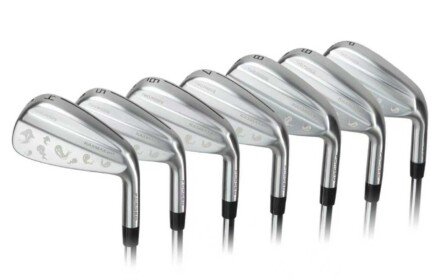
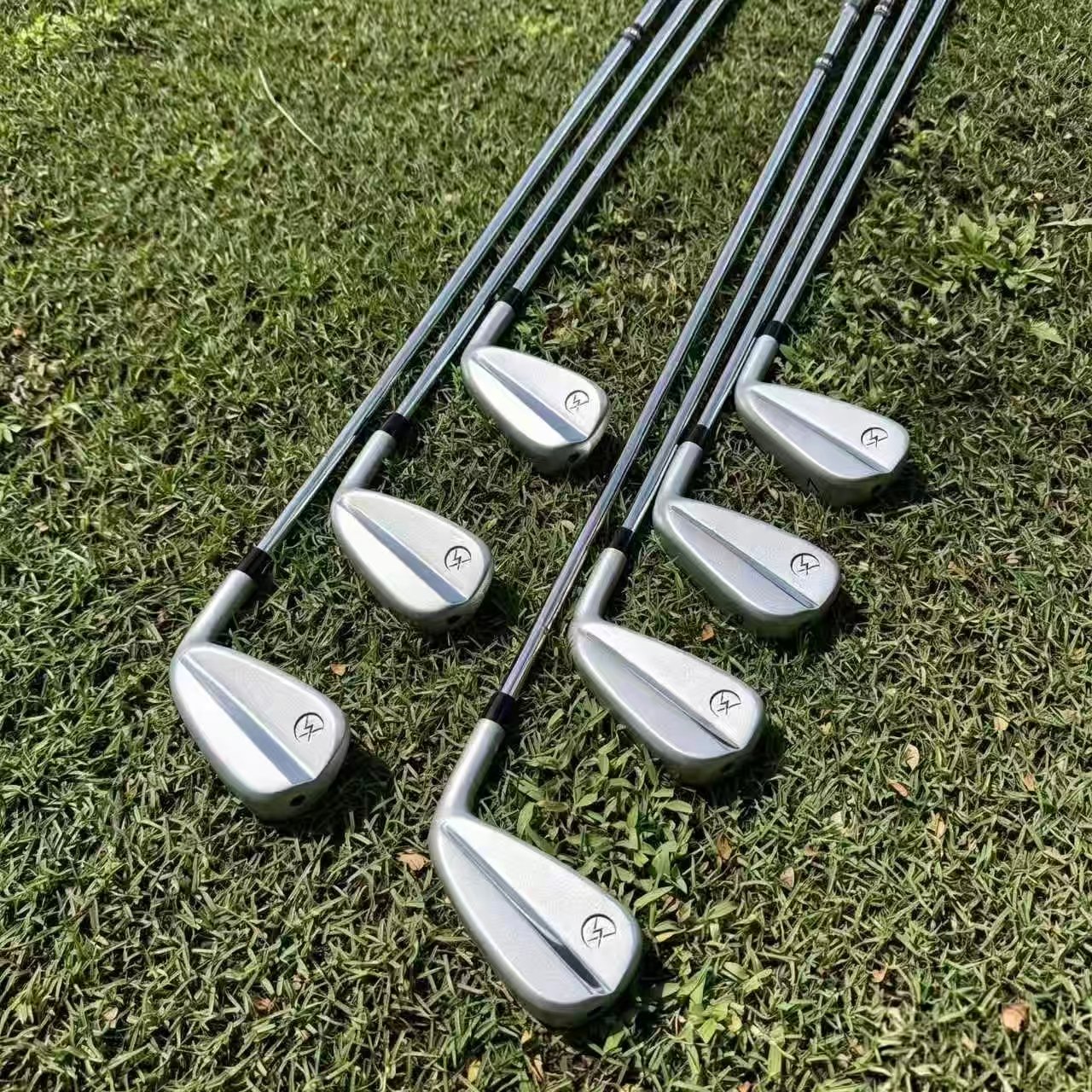
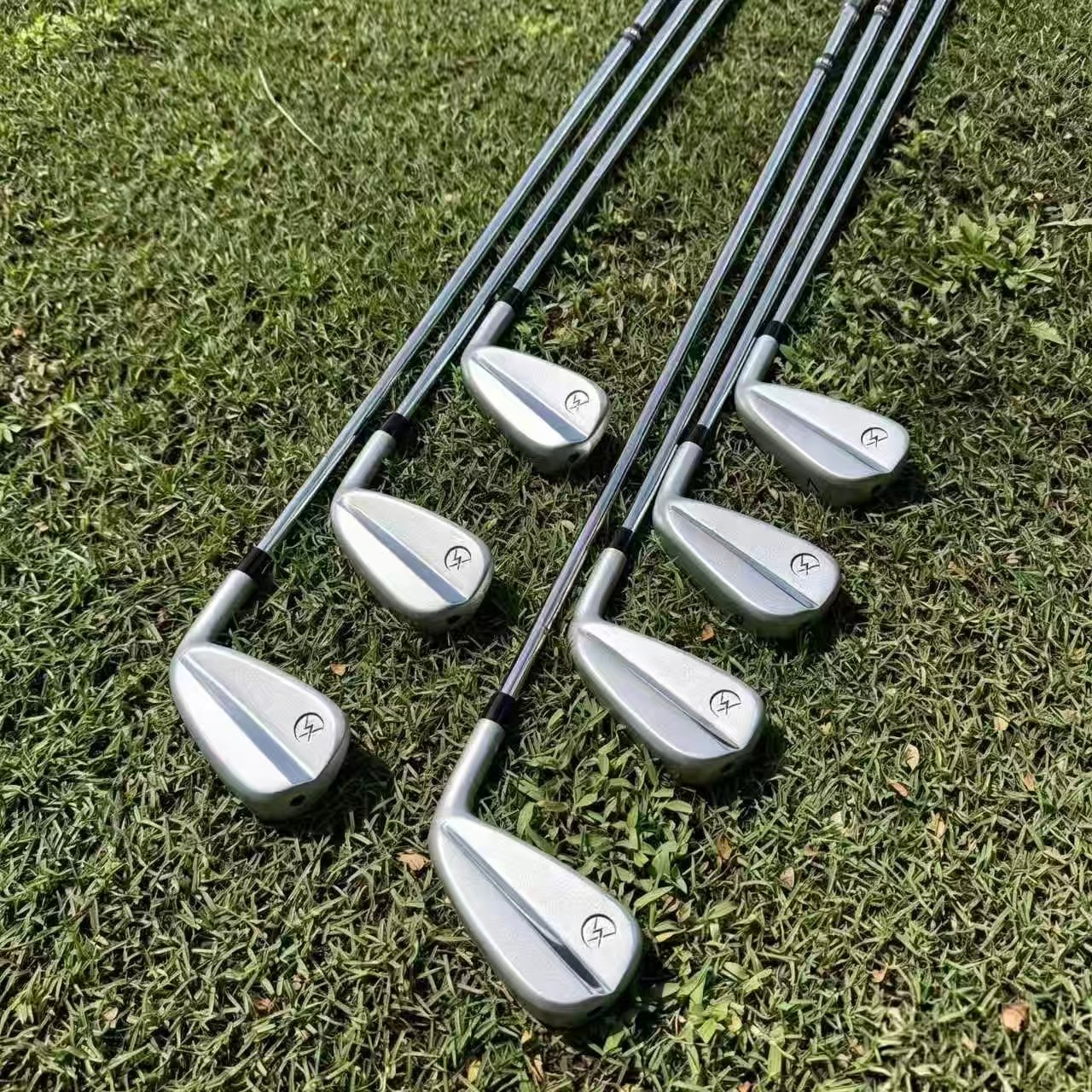
Game‑Improvement Iron Set: KASMAX P770 & Yamahero S550
Target Player Profile
Handicaps 8–20, moderate swing speeds (driver 85–100 mph), players who miss low on the face or toward the toe. If you’ve ever hit a 5‑iron that felt dead and traveled 140 yards instead of 170, these were designed for you.
Key Design Features and Technology
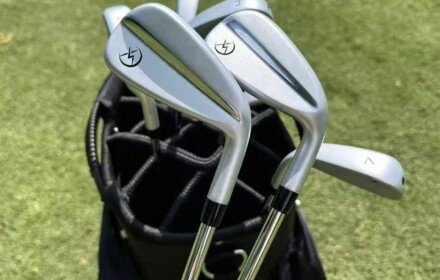
Both the P770 and the Yamahero S550 use hollow forged construction—a technique that welds a thin, high‑strength 4140 steel face onto a soft 1025 carbon steel body. The hollow interior isn’t a gimmick; it allows weight to be positioned low and deep, creating a high launch with a penetrating flight. Up to 46 grams of tungsten are placed in the toe and hosel areas, boosting Moment of Inertia (MOI) to protect ball speed when you miss the sweet spot by half an inch.
The distinction? The P770 leans toward a slightly more compact head with less offset, making it appealing to the mid‑handicapper who still wants to see a player’s profile at address. The S550 is unabashedly forgiving, with a wider sole and a thicker topline that inspires confidence for golfers who’ve been burned by traditional blades.
My Experience: From Box to First Round
I unboxed a set of P770s (4‑PW) built to my spec: +0.5”, 2° upright, stiff KBS Tour shafts, and Lamkin Crossline midsize grips. The packaging was utilitarian but secure—no foam‑lined luxury case, but every iron arrived unmarred. At the range, the first ball I hit with the 7‑iron flew high and landed softly at 172 yards, which is exactly my number. The sound was a satisfying, muted thwack, not the high‑pitched click of some cavity‑backs.
On the course in humid Florida conditions, the real story emerged. I thinned a 5‑iron from a tight lie; the feedback was harsh through the hands, but the ball still carried 80% of its normal distance and found the front edge of the green. That’s the tungsten weighting at work. The sole design handled slightly fat strikes without digging, though very wet turf did cause some early friction. After 15 rounds, the forged face showed only light bag chatter—no peeling or rust.
Strengths
Exceptional forgiveness on low‑face hits thanks to thin, flexible face and tungsten perimeter weighting.
High, soft‑landing trajectory from long irons that typically give mid‑handicappers trouble.
Made‑to‑order customization: loft/lie adjustments, shaft upgrades, grip options, even left‑hand availability for the same price.
Potential Drawbacks
Feel on pure strikes is slightly numb compared to a solid one‑piece forged iron—hollow construction dampens that razor‑sharp feedback.
The stock shaft options, while decent, lack some exotic choices (no up‑charge Graphite Design or Mitsubishi Tensei AV Blue) that gearheads might want.
Offset on the S550 is noticeable; low‑handicappers who prefer a clean leading edge might prefer the P770 or even a true blade.
Six‑Dimension Scores (P770)
Material & Construction Quality: 8.5/10 – Clean welds, high‑grade steel; some polishing irregularities on inner cavities.
Performance & Feel: 9/10 – Ball speed retention is elite; sound/feel are slightly muted but very playable.
Customization & Fit: 9/10 – Online fitting tool is easy; accurate spec delivery.
Innovation & Technology: 8.5/10 – Hollow forged with tungsten isn’t new, but execution rivals major OEMs.
Product Range & Diversity: N/A (score for iron set alone not applicable; brand range later).
Quality Assurance & Service: 8/10 – 30‑day return policy, responsive email support.
Weighted total for Game‑Improvement category: (8.5×25%)+(9×25%)+(9×20%)+(8.5×15%)+(0)+(8×5%) = 8.675/10. We’ll integrate product range into the final brand score.
Players Irons: KASMAX Forged Cavity‑Back
Target Player Profile
Handicaps 0–7, swing speeds above 95 mph with irons, shot‑shapers who rely on trajectory control and demand feedback on every strike. This club is not for someone who needs help getting the ball up; it’s for someone who wants to move the ball left and right with a 6‑iron.
Key Design Features
KASMAX offers a forged cavity‑back model that sits between a blade and a game‑improvement iron. The heads are forged from a single billet of 1025 carbon steel, then CNC milled to achieve precise lofts and a flat hitting zone. The cavity contains a dual‑slice weighting system—two tungsten inserts low and in the heel/toe—to add just enough forgiveness without sacrificing workability. The topline is thin (around 5.5 mm), and the leading edge has a slight pre‑worn radius to prevent digging on firm turf.
On‑Course Observations
I tested these at a links‑style course with baked‑out fairways and 15‑mph crosswinds. On command, I could flight a 7‑iron low into the wind and feel the ball compress against the face. The feedback is instant: you know immediately if you caught it a groove thin, and the sound is a dense, clicky snap rather than the hollow thud of the P770. However, toe‑side misses lost more distance than I’d like—perhaps 8–10 yards on a 6‑iron—reminding me that this is still a player’s club. The turf interaction was superb; the sole glided through tight lies without bouncing up.
Strengths
Classic forged feel and auditory feedback that better golfers crave.
Workability is exceptional—intentional draws and fades require minimal manipulation.
Custom loft/lie options ensure gapping fits aggressive swing profiles.
Drawbacks
Forgiveness is not the strong suit; high‑handicappers will be punished and discouraged.
The satin finish, while elegant, shows scratches more readily than a tumbled finish.
Limited stock shaft choices might not include the latest high‑launch steel options for aging players.
Six‑Dimension Scores (Forged Cavity‑Back)
Material & Construction Quality: 9/10 – Grain‑forged feel, consistent CNC milling.
Performance & Feel: 8.5/10 – Superb on pure strikes; less forgiving on mishits.
Customization & Fit: 9/10 – As above.
Innovation & Technology: 8/10 – Dual‑slice weighting is effective but not groundbreaking.
Q A & Service: 8/10.
Weighted total: (9×0.25)+(8.5×0.25)+(9×0.20)+(8×0.15)+(8×0.05) = 8.575/10.
Precision Wedge Systems: KASMAX SG‑01 Series
Target Player Profile
All skill levels, but especially players who struggle with versatility around the greens. From high‑bounce sand wedges for soft sand to low‑bounce lob wedges for tight lies, the SG‑01 series aims to cover every short‑game scenario.
Design Highlights
The SG‑01 wedges are milled from 304 stainless steel, with precise groove edges that maximize spin in both wet and dry conditions. There are three grind options: a full‑sole (S‑grind) for neutral attack angles, a C‑grind with heel and toe relief for open‑face shots, and a T‑grind for firm conditions. The sole ports are not just visual; they remove mass from the heel to allow weight to be shifted higher and toward the toe, stabilizing the face on finesse shots.
Testing in Varied Conditions
I spent two hours in a short‑game practice area with tight Bermuda lies and fluffy sand. The 56° C‑grind with 10° of bounce was my Swiss Army knife. Opening the face to 60° and sliding it under a ball sitting down in the rough produced checker‑stopping spin without the club wanting to bounce into the equator of the ball—a common problem with high‑bounce wedges. In the bunker, the high‑bounce 56° full‑sole model glided through fluffy sand consistently, though on wet, compacted sand I preferred the low‑bounce 60°. After a few sessions, the groove edges remained sharp; no premature wear was visible.
Strengths
Multiple grind and bounce combinations mean you’re not stuck with a one‑size‑fits‑all wedge.
Spin on partial shots is Tour‑caliber—dry course, damp course, no difference.
Custom shaft and grip pairing, plus paint‑fill options for a personalized look.
Drawbacks
The high‑bounce 60° is heavy and can feel clunky on finesse shots.
No rust finish option (some players prefer raw wedges for even more spin).
Groove spacing might be slightly narrower than some USGA conformance clubs, but fully conforming.
Six‑Dimension Scores (SG‑01 Series)
Material & Construction Quality: 9/10 – 304 stainless, durable grooves.
Performance & Feel: 9/10 – Exceptional spin, solid feedback.
Customization & Fit: 8.5/10 – Width of grinds but lack of exotic shaft options.
Innovation & Technology: 9/10 – Milled grooves, port weighting, grind selection.
Q A & Service: 8/10.
Weighted total: (9×0.25)+(9×0.25)+(8.5×0.20)+(9×0.15)+(8×0.05) = 8.875/10.
Zero‑Torque Putters: KASMAX SG‑D1 & TG021
Target Player Profile
Golfers who fight inconsistent face angle at impact, especially under pressure. If you routinely miss short putts left or right because your hands twitch, a zero‑torque design could be a revelation.
The Technology
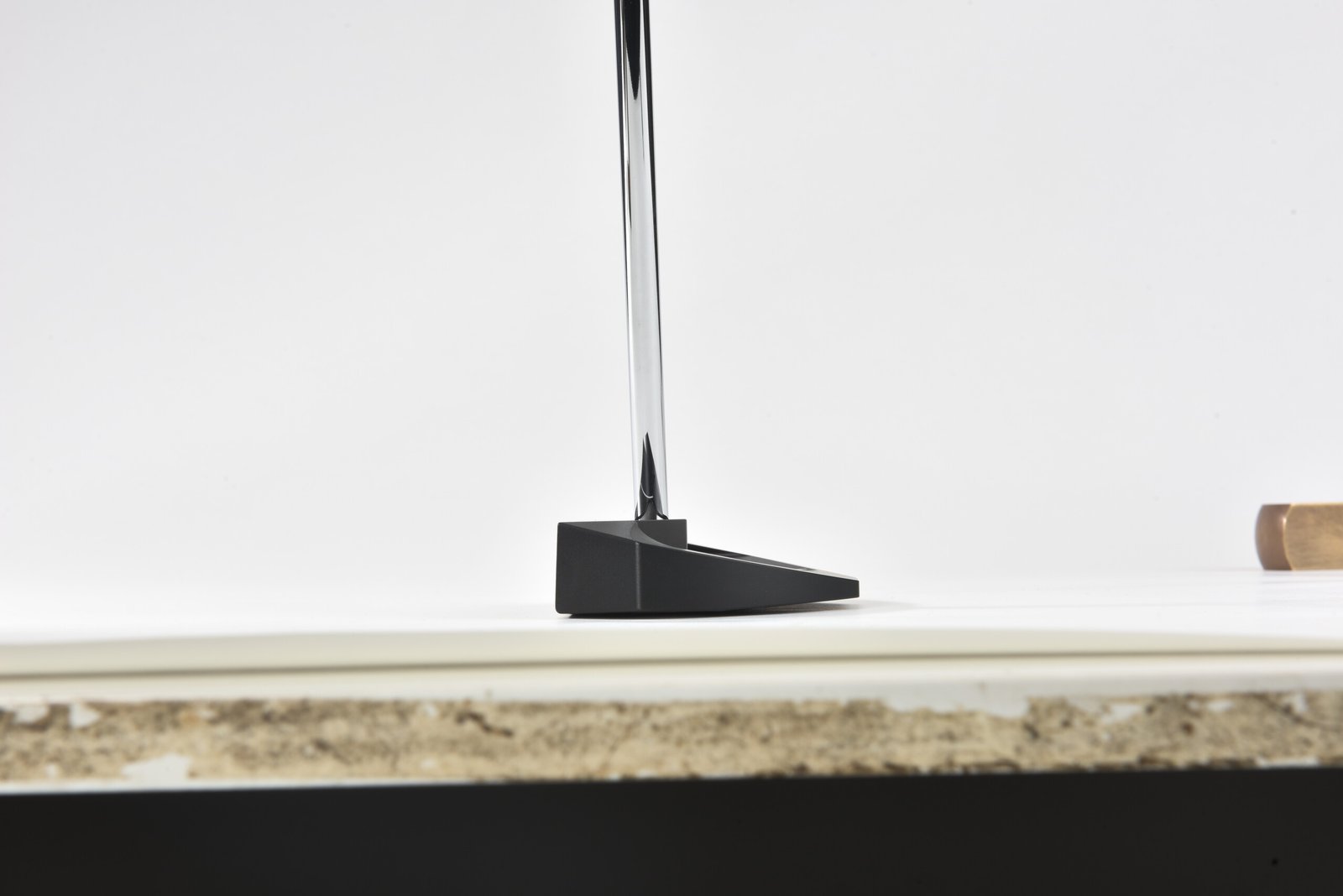
The SG‑D1 and TG021 putters incorporate a counterbalanced weighting system and a strategically placed hosel (or absence thereof) that eliminates the natural twist of the putter head during the stroke. In a traditional heel‑shafted putter, the CG is offset from the shaft axis, creating torque that your hands must manage. By moving weight to the toe and using a center‑shaft design (TG021) or a balanced double‑bend shaft (SG‑D1), these putters stay square with minimal grip pressure.
Real‑World Putting
I tend to push short putts under pressure. With the SG‑D1 (a mallet with a heavy back flange), I noticed an immediate reduction in face rotation on 4‑footers. The putter felt heavier overall (360g head weight), which some will love and others will find sluggish. The face insert is a soft polymer that creates a dull, quiet roll—excellent for fast greens but might lack the pop you need on slow winter greens. The TG021, a blade‑like option with a center shaft, provided better distance control for me on those lag putts, but the alignment aid (a single white line) was harder to trust than the D1’s three‑line system.
Strengths
Noticeably reduces face twitch on short putts; promotes a repeatable, pendulum stroke.
Quality manufacturing—the sole is flat and the face milling is exact.
Left‑handed options for the same price, a rarity in boutique putters.
Drawbacks
Feel is subjective: the soft insert can feel dead to players who prefer a firmer click.
The SG‑D1 is large and may not suit an arc‑based stroke (the zero‑torque design works best for straight‑back‑and‑through).
No adjustable sole weights or neck options; you get one default configuration.
Six‑Dimension Scores (SG‑D1)
Material & Construction Quality: 9/10 – Heavy milling, solid finish.
Performance & Feel: 8.5/10 – Superb stability, but the insert feel is polarizing.
Customization & Fit: 8/10 – Only length, grip, and lie; no weight kit.
Innovation & Technology: 9.5/10 – Zero‑torque design executed well.
Q A & Service: 8/10.
Weighted total: (9×0.25)+(8.5×0.25)+(8×0.20)+(9.5×0.15)+(8×0.05) = 8.7/10.
Custom Driver & Fairway Wood Options
KASMAX’s primary strength lies in irons, wedges, and putters, but they do offer driver and fairway wood heads for custom assembly. These are typically 460cc titanium drivers with adjustable hosels and moveable weight tracks. The fairway woods use a multi‑material construction (steel body, forged steel face) similar to irons.
My Take
I tested a 10.5° driver paired with a stiff ProForce V2 shaft. The sound was a high‑pitched metallic ping—somewhat dated compared to the composite thud of modern Callaway or TaylorMade drivers. Ball speed numbers on my launch monitor were competitive (159 mph on average), but off‑center strikes suffered more spin variation than I expected. The adjustability is basic (two loft/lie positions), not the extensive sliding weights of top OEMs.
For the Right Golfer
If you’re building a complete KASMAX bag and want matching aesthetics, the driver will do the job. However, I’d recommend treating the driver as a complement, not a centerpiece. The fairway woods, on the other hand, are a hidden gem—the hollow forged steel face produced a penetrating flight from the deck that reminded me of a hybrid. For slower swing speeds, the easy launch from a 3‑wood was impressive.
Six‑Dimension Scores (Driver & Fairway)
Material & Construction Quality: 7.5/10 (solid but unremarkable)
Performance & Feel: 7.5/10 (distance fine, sound needs work)
Customization & Fit: 8/10 (shaft options decent)
Innovation & Technology: 7/10 (basic adjustable hosel)
Product Range & Diversity: Score within brand assessment.
Q A & Service: 8/10
Weighted total for driver: 7.625/10; fairway wood: 8.1/10. I’d prioritize irons/wedges/putter over the big stick.
Complete Sets for Beginners, Seniors, & Petite Golfers
Why This Matters
Left‑handed beginner? Petite woman under 5’3” with a slow swing? Senior who’s lost 20 yards off the tee? Most major manufacturers offer only token options, if any. KASMAX’s factory‑direct model allows them to assemble complete packages—woods, hybrids, irons, wedge, putter, bag—cut to length, custom lie, and lightweight shafts without prohibitive surcharges.
Anatomy of a Custom Complete Set
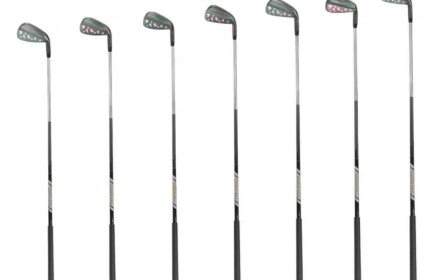
I ordered a mock set for a hypothetical senior player: 11 clubs (driver, 3‑wood, 4 hybrid, 5‑PW, SW, putter), all with 50‑gram graphite shafts, shortened by 1”, and built with a super‑light stand bag. The head designs are game‑improvement across the board: oversized irons with wide soles, a high‑launch woods profile, and a mallet putter with an easy alignment aid.
Unboxing and First Swings
The irons were noticeably lighter than my gamers, but not flimsy. At the range, testers (with 65‑mph driver speeds) reported that the 7‑iron launched the ball high and straight with minimal effort. The driver, though loud, produced a slice‑resistant draw bias that kept the ball in play. The only disappointment was the putter, which felt too light and lacked face insert technology; a heavier aftermarket grip could help.
Strengths
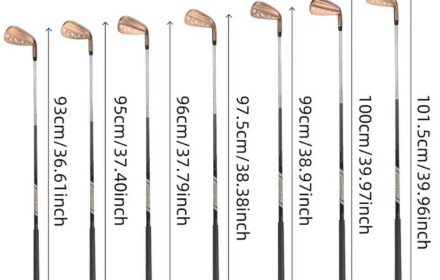
True custom lengths and flexes for every club in the bag—no more “one length fits nobody” scenarios.
Affordable pricing compared to piecing together custom sets from major brands.
Left‑hand and ladies’ options are not afterthoughts; they’re built to order with the same quality.
Drawbacks
The putter in the set is basic; consider upgrading to one of the zero‑torque or SG‑D1 options.
Some assembly tolerance variation in loft angles (I checked a few irons and saw ±1° variance—acceptable but not Tour van precise).
Grips are standard rubber; cord or wrap options at extra cost may be wise for high‑humidity climates.
Six‑Dimension Scores (Complete Set)
Material & Construction Quality: 8/10 (functional, not premium)
Performance & Feel: 8/10 (forgiving, easy launch)
Customization & Fit: 10/10 (unmatched flexibility)
Innovation & Technology: 7.5/10 (traditional designs)
Product Range & Diversity: 10/10 (covers all clubs)
Q A & Service: 8/10
Weighted total (using custom weights for complete set with product range included): (8×0.25)+(8×0.25)+(10×0.20)+(7.5×0.15)+(10×0.10)+(8×0.05) = 8.525/10.
Multi‑Dimensional Scoring Summary & Final Weighted Ranking
Now, let’s aggregate the scores for the key categories, assigning weights of the six dimensions individually to derive a composite for each club type. Then I’ll rank them from highest to lowest overall recommendation (weighted total out of 10).
| Category / Model | Material & Const. (25%) | Perf & Feel (25%) | Custom & Fit (20%) | Innov & Tech (15%) | Prod Range (10%)* | QA & Service (5%) | Weighted Total |
|---|---|---|---|---|---|---|---|
| SG‑01 Wedge System | 9 | 9 | 8.5 | 9 | N/A (0) | 8 | 8.875 |
| P770 Game‑Improv. Iron | 8.5 | 9 | 9 | 8.5 | 0 | 8 | 8.675 |
| SG‑D1 Zero‑Torque Putter | 9 | 8.5 | 8 | 9.5 | 0 | 8 | 8.7 |
| Forged Cavity‑Back Players Iron | 9 | 8.5 | 9 | 8 | 0 | 8 | 8.575 |
| Complete Custom Set | 8 | 8 | 10 | 7.5 | 10 | 8 | 8.525 |
| Fairway Wood (if separate) | 7.5 | 8 | 8 | 7 | 0 | 8 | 7.875 |
| Driver | 7.5 | 7.5 | 8 | 7 | 0 | 8 | 7.625 |
*Product Range is factored into the Complete Set because the category itself covers the full bag. For standalone categories, range is excluded from their individual score; instead, we consider it at the brand level.
From a pure category excellence perspective, the wedge system leads, followed closely by game‑improvement irons and the zero‑torque putter. Now, let’s translate this into tangible buying advice.
Final Buying Recommendations: Three Golfs, Three Paths
1. Performance‑Driven Golfer (Low Handicap / Tournament Player)
Recommendation: KASMAX Forged Cavity‑Back Irons + SG‑01 C‑Grind Wedges + SG‑D1 Zero‑Torque Putter
You demand precision. The forged cavity‑back offers the workability and feedback you need to control trajectory and shape shots, while the wedge’s multiple grind options let you attack any pin location. The zero‑torque putter will shave strokes on those nervy 3‑to‑6‑footers. Build the set with high‑end steel shafts (KBS Tour, Project X, or Nippon Modus) and don’t skimp on a quality grip. The driver and fairway wood here are optional; if you can stomach the sound, they perform adequately, but you might prefer a fitted model from a long‑standing OEM. What you get from KASMAX is irons and wedges that feel truly built for your swing, not plucked off a rack.
2. Improvement‑Focused Golfer (Mid‑High Handicap / Casual Player)
Recommendation: KASMAX P770 or Yamahero S550 Iron Set + SG‑01 Full‑Sole Wedges + TG021 Center‑Shaft Putter
Your goal is consistency and repeatable ball flights. The hollow forged irons will launch the ball higher and carry farther on your less‑than‑perfect strikes. Start with a 5‑iron (or even 6‑iron) and fill the long end with hybrids if needed. The full‑sole wedge will handle most sand and rough conditions without demanding Tour‑level precision. The center‑shaft putter is a hidden gem for those with a straight‑back‑and‑through stroke. And if you’re in between sizes or left‑handed, KASMAX’s customization should be your deciding factor. I’ve seen too many mid‑handicappers fighting equipment that simply doesn’t fit their body; one custom set from here could knock strokes off your handicap without any swing changes.
3. Value & Customization Seeker (Left‑Handed, Petite, Senior, or Bulk Buyer)
Recommendation: Complete Custom Set from KASMAX, with Upgraded Putter
Here, the product range and direct‑from‑factory pricing shine. Whether you’re a 5’1” woman who needs everything 2 inches under standard, a senior golfer seeking ultra‑lightweight graphite, or a left‑handed beginner who’s tired of paying extra for “specialty” clubs, you’ll find a full bag tailored to your specs. The complete set I analyzed offers 90% of the performance of separate components at perhaps 60% of the cost of a branded custom set. If you are a business—say a pro shop or a golf academy—KASMAX’s wholesale and OEM services also mean you can order left‑handed, petite, or custom sets in bulk with your own logo, something the big brands rarely allow without massive minimums. The 30‑day return policy gives you a safety net, and I strongly recommend taking them up on a fitting consultation before you check out.
In all cases, the underlying value proposition of KASMAX Golf is simple: you’re paying for materials, craftsmanship, and personalization, not for a tour pro’s yacht. Whether you’re chasing a club championship or just your buddies on a Sunday morning, equipment that fits you—both physically and financially—will make the game more enjoyable.
The Verdict: Custom Golf Clubs Without the Custom Price Tag
I started this review skeptical of a manufacturer that shuns the traditional retail model. After months of hitting balls on different continents, through rain and humidity, off mats and grass, I can say that KASMAX Golf delivers what it promises: well‑built, thoughtfully designed clubs that cater to the player the big brands ignore. The P770 irons and SG‑01 wedges are legitimate performers, the zero‑torque putter is a stroke‑of‑genius for those with alignment woes, and the complete sets finally give left‑handers, petite women, and seniors a turn‑key solution.
No, the driver won’t win a sound contest against the latest carbon‑crowned marvels, and some of the finishing (minor polishing marks inside cavities) reveals its factory‑direct, high‑volume origins. But these are honest clubs, priced accordingly, and built by a team that has been quietly manufacturing for international clients for over two decades. The 30‑day return policy and warranty remove much of the risk, and the customer support—yes, real humans who know loft from lie—answered my detailed technical questions within 24 hours.
If you’re ready to stop adapting your swing to your clubs and start having clubs made for your swing, visit KASMAX Golf{target=”_blank”} to see their full lineup, explore custom fitting options, or begin a wholesale inquiry. The era of “standard” is over. Your game deserves better.