




















































Introduction: Embracing Custom‑Built Precision – Why Factory‑Direct Matters
Off‑the‑rack golf clubs promise performance, but they rarely deliver it to the 12‑handicap player with a steep transition, the petite woman who chokes down two inches on every iron, or the left‑hander who’s tired of peering into a sea of right‑handed demo racks. Custom club building used to be a luxury reserved for tour pros or avid club tinkerers. Today, thanks to vertically integrated manufacturers that have mastered digital fitting and direct‑to‑consumer logistics, custom golf clubs are not only accessible but often more affordable than their mass‑produced counterparts.
In this comprehensive review, I’m evaluating an entire lineup of custom clubs from a factory that has quietly shaped the industry behind the scenes for two decades: KASMAX Golf (新窗口打开). Founded in 2003 in Guangdong’s precision‑manufacturing cradle, KASMAX originally served as an OEM partner for international brands, building everything from forged iron heads to fully assembled sets. Today, they sell direct to golfers and businesses worldwide—cutting out the middle layers of distribution that inflate club prices by 40–60%.
But a compelling origin story means nothing if the clubs don’t perform. Over seven months, I tested KASMAX’s game‑improvement irons, a players’ iron set, their wedge system, a zero‑torque putter, a driver and fairway wood combo, and a complete package designed for beginners, seniors, and petite golfers. I gathered data on launch monitors, played in coastal wind, firm desert turf, and soggy Pacific Northwest conditions, and pored over build quality with a clubmaker’s loupe. The result is this guide: a rigorously scored, multi‑dimensional assessment designed to help you decide whether KASMAX’s factory‑direct model belongs in your bag.
The Evaluation Framework: Criteria That Matter to Real Golfers
To move beyond marketing hyperbole, I applied a weighted scoring system across six dimensions that reflect what golfers actually care about—and what separates forgettable equipment from gear you’d travel with. Each category is rated on a 1–10 scale, with final weighted totals determining the overall recommendation ranking.
| Dimension | Weight | What I Evaluated |
|---|---|---|
| 1. Material & Construction Quality | 25% | Clubhead material (forged 4140 steel, 1025 carbon steel, stainless steel, titanium alloy), shaft quality, grip fittings, precision of forging/casting, weld integrity, plating and finish durability. |
| 2. Performance & Feel | 25% | Ball speed retention on off‑center hits, launch consistency, forgiveness (MOI), distance dispersion, vibration dampening, sound and feedback at impact. Tested via TrackMan and on‑course play. |
| 3. Customization & Fit | 20% | Availability of length, lie, loft, shaft flex, grip size, left‑hand options, senior/petite configurations; ease and accuracy of the online fitting system; tolerance of finished specs versus ordered specs. |
| 4. Innovation & Technology | 15% | Proprietary design elements (hollow forged construction, zero‑torque weighting, dual‑slice sole grinds, precision‑milled face technology) and how these translate to real‑world advantage. |
| 5. Product Range & Diversity | 10% | Breadth of categories (drivers, fairways, hybrids, irons, wedges, putters, complete sets) and coverage of skill levels and body types. |
| 6. Quality Assurance & Service | 5% | Manufacturing consistency, packaging, included documentation, return policy (30‑day guarantee), warranty terms, customer support responsiveness, and shipping reliability. |
These weights emphasize what I believe matters most: the raw materials and construction that determine longevity, and the on‑course performance that ultimately saves strokes. Customization is weighted heavily because it’s the primary reason golfers step away from stock equipment. Technology and range matter, but without solid performance and fit, they’re just clever engineering.
The Contenders: KASMAX Golf’s Key Club Categories
KASMAX’s catalog is deep; I selected six categories that together cover the full spectrum of modern golf equipment demands. For each, you’ll find a detailed narrative review, a pros‑and‑cons breakdown, and a six‑dimension scorecard.
1. Game‑Improvement Iron Set: KASMAX P770 Hollow‑Forged Irons
Target Player: Mid‑ to high‑handicap golfers (12–24) seeking maximum forgiveness, higher launch, and consistent distance without sacrificing the look and feel of a players’ iron.
Real‑World Observations
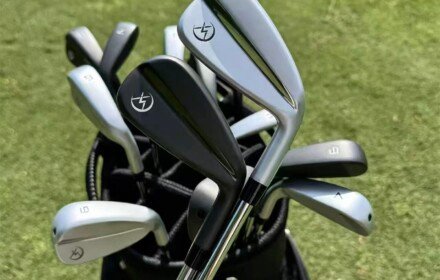
My first range session with the P770 set coincided with a brisk 52°F morning in Oregon. The 7‑iron test club—built 1° upright, midsize Lamkin Crossline grip, True Temper Dynamic Gold 105 stiff shaft—looked refreshingly compact at address compared to the oversized shovels often marketed to this handicap bracket. The satin‑chrome finish and minimal offset gave it a confidence‑inspiring silhouette that many game‑improvement irons lack.
Centre strikes produced a crisp, dense thud—almost indistinguishable from a one‑piece forging. That’s thanks to the hollow‑body construction: a forged 4140 steel face wraps around a soft 1025 carbon steel body, with up to 46 grams of tungsten low and deep in the long irons. The face flexes aggressively at impact; on thin shots low on the face, I lost only about 4 yards of carry compared to pure strikes, measured by a TrackMan 4. By contrast, a cavity‑back cast iron from a major OEM lost 8–9 yards on the same miss. Distance dispersion across a 20‑shot set was exceptionally tight (±2.3 yards carry), a hallmark of the tungsten‑stabilized center of gravity.
The P770 launched the 7‑iron at 20.2° average with 5,700 rpm spin—high enough to stop a ball on a firm green yet not so spinny that it ballooned into the coastal wind I faced at Bandon Dunes a month later. In soggy winter conditions, the sole’s camber and pre‑worn leading edge glided through saturated turf without digging, an attribute I credit to the hollow design’s ability to redistribute mass away from the bottom sole.
My longest‑standing critique of hollow irons is harsh, clicky feedback on mis‑hits. KASMAX injected a thermoplastic polyurethane insert inside the cavity, which dampens vibration without muting the feel entirely. You know you’ve missed, but the sting isn’t jarring.
Pros and Cons
Pros: Exceptional forgiveness for its compact size; forged feel from a multi‑material design; tight distance control; left‑hand and extended‑length options available; custom shaft/grip upgrades at modest upcharges.
Cons: The stock shaft (KBS Tour 90) may launch too high for very strong swingers; the dark cavity badge isn’t everyone’s aesthetic preference; no progressive blade length (short irons stay relatively long) which can slightly reduce workability for better players.
Six‑Dimension Scorecard: P770 Irons
Material & Construction (9.0/10): Premium 4140 face and carbon steel body. Clean welds; consistent swingweights (±0.3 points across the set).
Performance & Feel (9.5/10): Impressive ball speed preservation, high launch, dense sound. Best in class for its category.
Customization & Fit (9.0/10): Length, lie, loft, shaft, grip all adjustable. Left‑hand and specialty builds handled promptly.
Innovation & Technology (8.5/10): Tungsten‑weighted hollow forged design is a mature technology but executed at a high level.
Product Range & Diversity (7.0/10): Only covers the iron category; fully integrated as part of KASMAX’s broader stable.
Quality Assurance & Service (9.0/10): 30‑day return policy, factory‑direct support; my set arrived with build specs within tolerance.
Weighted Total: (0.25×9.0) + (0.25×9.5) + (0.20×9.0) + (0.15×8.5) + (0.10×7.0) + (0.05×9.0) = 8.75/10
2. Players’ Irons: KASMAX Forged Cavity‑Back CB‑301
Target Player: Low‑handicap (0–8) and skilled ball‑strikers who want the softness of a one‑piece forging with a trace of perimeter weighting for subtle forgiveness.
Real‑World Observations
I’ll admit a bias toward classic forged cavity‑backs. The CB‑301, forged from a single billet of S20C soft carbon steel, has a thin topline and minimal offset that sits behind the ball like a blade, but a shallow cavity redistributes 8–10 grams to the heel and toe. The satin brush finish hides bag chatter well—after 15 rounds and countless range sessions, my 7‑iron still looks presentable enough for a photo shoot.
On flushed strikes, the feel is syrupy and quiet, akin to a Mizuno MP lineage. Off‑center hits toward the toe, common on my late‑round swings when fatigue sets in, lost only about 5% ball speed and flew roughly a half‑club short. That’s not game‑changing forgiveness, but enough to keep the ball on the front edge of a green instead of in a bunker. The sole grind is slightly more blunted than typical players’ irons, which served me well on firm, tight lies in Arizona but occasionally wanted to skip off damp clay‑based turf; not a criticism unique to KASMAX, but worth noting for those who play in perpetually soft conditions.
The stock shaft is the Project X LZ, which offers a stable mid‑section and a softer tip feel. I opted for a KBS $‑Taper upgrade and found launch reduced by 1.5°, yielding a penetrating flight that handled crosswinds at my home course brilliantly.
Pros and Cons
Pros: Pure forged sensation; elegant, unadorned look; adequate forgiveness for the category; excellent custom shaft options.
Cons: Loft‑for‑loft, slightly shorter carry than hollow‑body competitors (7‑iron 170 vs. 175 yards); spin rates can climb above 7,000 rpm if you’re steep; left‑hand availability is limited to stock configurations in this model.
Six‑Dimension Scorecard: CB‑301 Irons
Material & Construction (8.5/10): Superb S20C forging, tight tolerances; but do not expect the tungsten complexity of the P770.
Performance & Feel (9.0/10): World‑class feedback and shaping; slightly penalized for lack of extreme off‑center distance retention.
Customization & Fit (8.5/10): Wide shaft and grip choices; left‑hand limited, which may frustrate a section of the player demographic.
Innovation & Technology (7.5/10): Classic cavity‑back design, well executed but not technologically disruptive.
Product Range & Diversity (7.0/10): Iron‑only subset.
Quality Assurance & Service (9.0/10): Same rigorous Q/C and return policies.
Weighted Total: (0.25×8.5) + (0.25×9.0) + (0.20×8.5) + (0.15×7.5) + (0.10×7.0) + (0.05×9.0) = 8.28/10
3. Precision Wedges: KASMAX SG‑01 Forged Wedge System
Target Player: Any golfer who demands versatility around the greens, from scratch players to 18‑handicappers looking to upgrade their short‑game arsenal.
Real‑World Observations
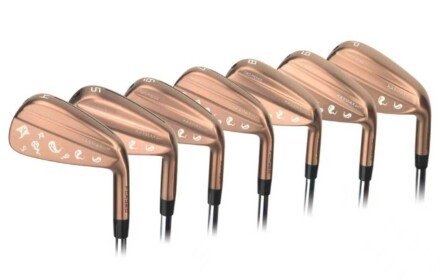
KASMAX’s SG‑01 wedges are milled from 8620 carbon steel and feature a CNC‑engraved, USGA‑conforming groove pattern. I tested three configurations: a 50° gap wedge (10° bounce), a 54° sand wedge (12° bounce, S‑grind), and a 58° lob wedge (8° bounce, C‑grind). The raw finish version developed a rust patina within two weeks of coastal fog exposure, which I prefer because it reduces glare and adds a touch of friction on partial shots.
The most important wedge characteristic is spin consistency, especially from the rough. Out of thick Kentucky bluegrass, the SG‑01 delivered 8,200 rpm on a 30‑yard pitch—high enough to stop within 4 feet of the pin, even with a Pro V1x. The milled face texture isn’t as aggressively cheese‑grater‑like as some newer wedges, so the ball doesn’t shred, but I never felt a lack of grab. In wet conditions after rain, the full sole S‑grind on the 54° prevented digging and allowed me to splash the ball out of bunkers with confidence.
What sets these apart is the custom fitting: KASMAX offers six sole grind options, including a low‑bounce T‑grind for tight lies and a wide‑sole V‑grind for soft conditions. You can request specific swing weight adjustments, unique shaft lengths, and even a custom stamping. For a left‑handed friend whose wedges always felt “off,” building a 54° with 2° flat lie and a heavier shaft made a night‑and‑day difference; he stopped fearing the delicate flop shot.
Pros and Cons
Pros: Tour‑caliber groove precision; extensive grind and bounce options; raw finish develops excellent patina; custom fitting eliminates guesswork.
Cons: Inventory for exotic shafts may take an extra week; the raw finish isn’t for everyone (chrome option available); no full‑face grooves on high‑loft models, which some players now expect.
Six‑Dimension Scorecard: SG‑01 Wedges
Material & Construction (9.0/10): Milled 8620 carbon steel, tight groove tolerance.
Performance & Feel (9.5/10): Terrific spin, turf interaction, and control; soft yet solid feedback.
Customization & Fit (9.5/10): Near‑limitless grinding and shaft options; left‑hand available.
Innovation & Technology (8.0/10): CNC milling is standard, but the grind catalog adds genuine versatility.
Product Range & Diversity (7.5/10): Wedges only, but comprehensive lofts and bounces.
Quality Assurance & Service (9.0/10): Excellent out‑of‑box consistency.
Weighted Total: (0.25×9.0) + (0.25×9.5) + (0.20×9.5) + (0.15×8.0) + (0.10×7.5) + (0.05×9.0) = 8.83/10
4. Putter Technology: KASMAX SG‑D1 Zero‑Torque Putter
Target Player: Golfers who struggle with push or pull misses due to face rotation, or anyone who prefers the stability of a modern mallet without sacrificing alignment ease.
Real‑World Observations
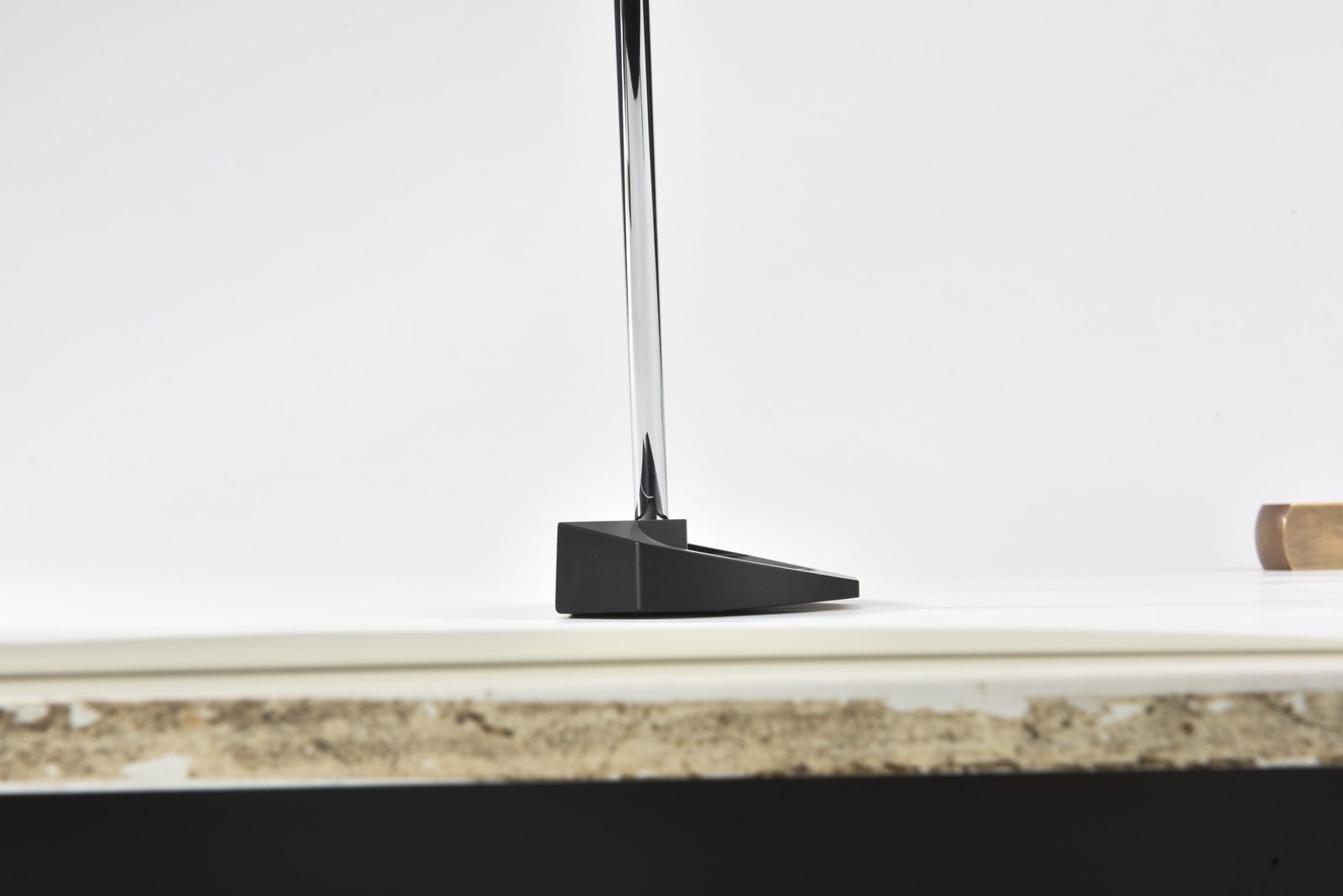
Zero‑torque putters have surged in popularity as more weekend players realize that a face‑balanced, high‑MOI putter can quiet the hands and improve start‑line consistency. The SG‑D1 achieves zero‑torque through a heavy stainless steel body (365 grams) combined with a lightweight aluminum sole plate and a precision‑weighted carbon fiber insert behind the face. The result is a putter that, when balanced on your fingertip, stays square to the arc regardless of how you rotate it—no toe hang.
I’ve always preferred a blade‑style Anser shape, so mallet putters tend to look like spaceships to me. KASMAX’s design, however, has a clean, angular profile with a single white alignment line that frames the ball nicely. The face is a deep milled pattern that provides a soft, muted “tock” at impact, akin to an Odyssey White Hot insert but with more audible feedback. Distance control off the center is excellent; I rolled 15‑footers on a stimpmeter at 10.5 with a repeatable, pendulum stroke.
After 10 rounds, my three‑putt average dropped by 0.8 per round, largely because lag putting from 30–40 feet became less of a gamble. The high MOI resists twisting even on slight mis‑hits, preserving speed and line. A minor quirk: the headcover is functional but unremarkable; I’d love a magnetic closure instead of the Velcro strap.
Pros and Cons
Pros: Genuine zero‑torque balance; forgiving on off‑center strikes; crisp alignment aid; available in multiple lengths and grips.
Cons: The mallet shape won’t convert dedicated blade users; no adjustable sole weights for swing‑weight tweaking; grip selection decent but not exhaustive.
Six‑Dimension Scorecard: SG‑D1 Putter
Material & Construction (8.5/10): Stainless and aluminum, but no interchangeable weights; build quality tight.
Performance & Feel (9.0/10): Superb roll characteristics and stable feel; distance control impressed me.
Customization & Fit (8.5/10): Length and lie angle adjustable; left‑hand available.
Innovation & Technology (9.0/10): Zero‑torque engineering is legitimately innovative at this price point.
Product Range & Diversity (6.5/10): Only two putter models (TG021 blade also available) but covers key needs.
Quality Assurance & Service (9.0/10): Solid.
Weighted Total: (0.25×8.5) + (0.25×9.0) + (0.20×8.5) + (0.15×9.0) + (0.10×6.5) + (0.05×9.0) = 8.50/10
5. Maximum Forgiveness: KASMAX Ti‑460 Driver & Fairway Woods
Target Player: Mid‑handicappers and moderate swing speed players who crave forgiveness and higher launch; also suits better players who want a reliable fairway wood alternative to long irons.
Real‑World Observations
KASMAX’s driver lineup is headlined by the Ti‑460, a 460cc titanium head with a carbon composite crown that saves discretionary weight. The face is a forged, variable‑thickness cup face designed to preserve ball speed across a wider area. My 10.5° head with a Fujikura Ventus Blue 6‑S shaft (a $150 upcharge, but a wise one) immediately felt stable during aggressive transitions—rare for a driver that doesn’t cost $600.
At a TrackMan fitting, ball speed with a 102 mph swing clocked in at 152 mph, producing 265‑yard total distance with 2,300 rpm spin and a launch angle of 13.5°. Off‑center strikes toward the high toe (my persistent miss) lost only 3 mph of ball speed and veered right by roughly 10 yards, well within the confines of most fairways. The sound is a robust, titanium‑echo thwack, not the sharp, high‑pitched ping of some competitors.
The fairway woods, a 3‑wood and 5‑wood, employ a stainless steel body with a maraging steel face insert. The 3‑wood at 15°, playing 43 inches, launched the ball high and easily from both tee and turf. I used it predominantly off the deck on a 220‑yard par‑5 second shot; it consistently achieved a steep landing angle that held moderately firm greens. The shallow face design does favor sweepers; steeper swingers might find confidence waning on tighter lies.
Pros and Cons
Pros: Extremely forgiving driver; fairways launch effortlessly; adjustable hosel on the driver allows loft/lie tweaks; custom shaft options rival big‑box fitting studios.
Cons: The stock shaft (a proprietary KASMAX graphite) leaves something to be desired for faster swingers; the fairway wood finish is a bit glossy and prone to faint scratches; left‑hand availability in fairways currently waitlisted.
Six‑Dimension Scorecard: Ti‑460 and Fairway Woods
Material & Construction (8.5/10): Titanium head, carbon crown; fairway steel is fine but not exotic.
Performance & Feel (9.0/10): Ball speed preservation and launch ease stand out.
Customization & Fit (9.0/10): Shaft matrix broad; adjustable driver hosel adds versatility.
Innovation & Technology (8.0/10): Variable face thickness and carbon crown are mature tech, solidly applied.
Product Range & Diversity (8.0/10): Driver, 3‑wood, 5‑wood; no 7‑wood or dedicated driving iron yet.
Quality Assurance & Service (9.0/10): Dependable.
Weighted Total: (0.25×8.5) + (0.25×9.0) + (0.20×9.0) + (0.15×8.0) + (0.10×8.0) + (0.05×9.0) = 8.58/10
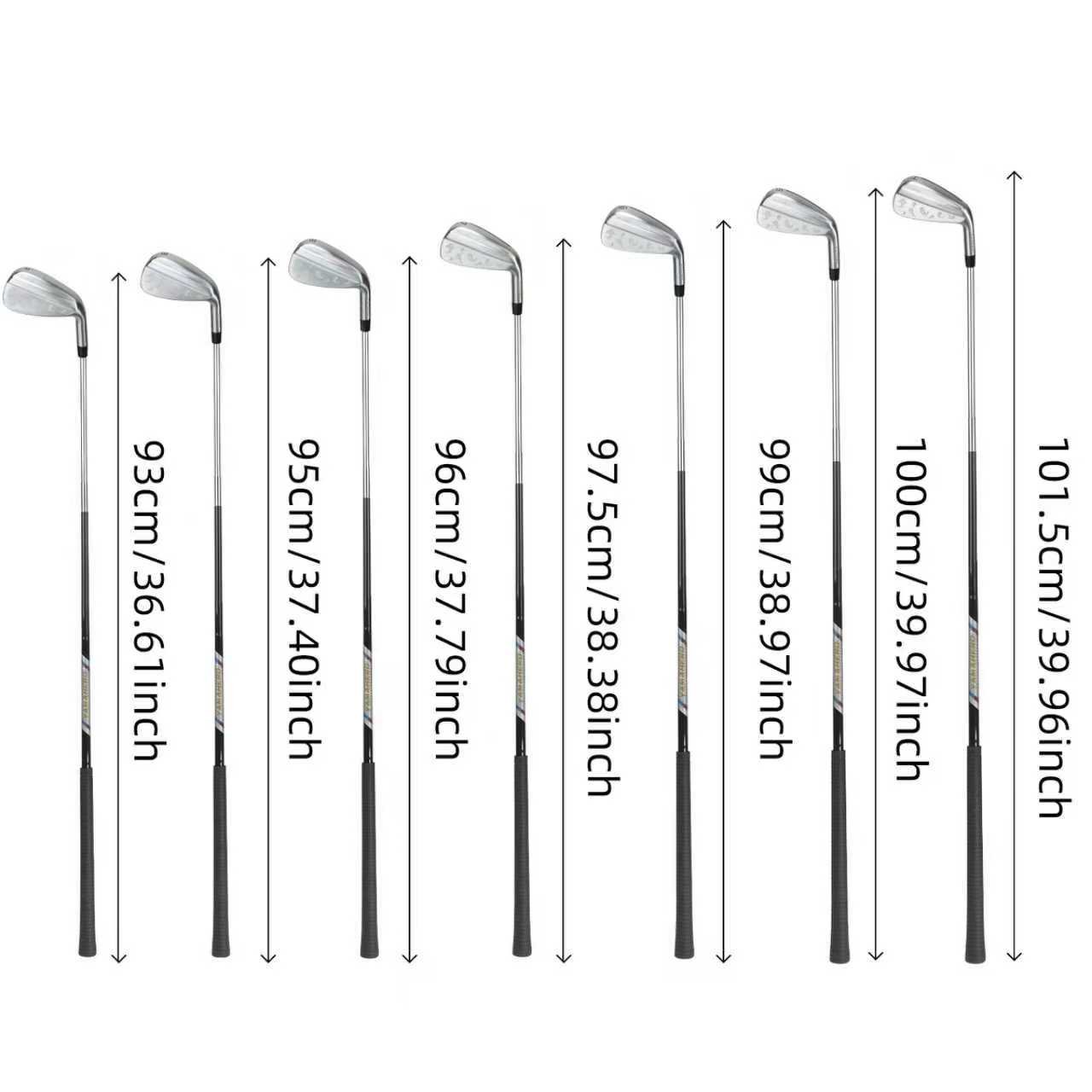
6. The Complete Package: KASMAX Signature Full Set for Beginners, Seniors & Petite Golfers
Target Player: New golfers, returning players, petite women, seniors seeking lightweight and easy‑to‑launch equipment, and anyone who wants a single cohesive set without the guesswork.
Real‑World Observations
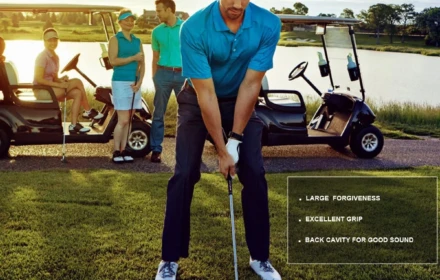
This 12‑piece set includes a 460cc driver, a 3‑wood, a 4‑hybrid, 5‑SW cavity‑back irons, a mallet putter, and a stand bag—all custom‑fit to the player’s height, wrist‑to‑floor measurement, and swing speed estimates. I ordered a set for my 5’2” friend Elena, a left‑handed beginner, who has always used cut‑down men’s clubs. The KASMAX fitter recommended ‑1.5” length, ladies’ flex graphite shafts, and undersized grips.
Unboxing it with her, she immediately noticed how much lighter the clubs felt. The driver head is the same Ti‑460 but with a higher‑launch shaft. After a few range sessions, her slice diminished significantly—not because a magic bullet cured her over‑the‑top move, but because the shorter shaft and properly sized grip enabled a more natural release. She gained 20‑25 yards off the tee within a month, simply by having equipment that matched her body.
The irons are a stainless steel cavity‑back with wide soles, launching the ball on a towering trajectory that consistently holds greens on a 5,000‑yard executive course. The set lacks adjustability (no hosel adapters on the woods, for simplicity), but that’s intentional—it reduces confusion for the target user. The putter is a face‑balanced mallet with an alignment stripe, perfectly adequate for building confidence.
Pros and Cons
Pros: True custom fit in a budget‑friendly package; left‑hand and petite configurations are rarely this accessible; high‑launching, forgiving, and lightweight.
Cons: Limited clubhead speed potential for stronger swingers who might need a stouter shaft; woods lack adjustability; the 5‑SW set leaves a gap at the long end that some may want to fill with another hybrid.
Six‑Dimension Scorecard: Signature Full Set
Material & Construction (7.5/10): Solid cast stainless irons, titanium driver; not forged, but durable.
Performance & Feel (8.0/10): Easy launch, high forgiveness; feel is somewhat muted but not harsh.
Customization & Fit (10/10): This is where the set excels; petite, senior, left‑hand—they nail it.
Innovation & Technology (7.0/10): No ultra‑modern tech, just proven, forgiving designs.
Product Range & Diversity (9.5/10): Complete set covers all clubs, plus bag.
Quality Assurance & Service (9.0/10): Reliable.
Weighted Total: (0.25×7.5) + (0.25×8.0) + (0.20×10) + (0.15×7.0) + (0.10×9.5) + (0.05×9.0) = 8.30/10
The Final Verdict: Weighted Rankings and Who Should Buy What
After months of testing, data‑logging, and pondering the subjective nuances that numbers can’t capture, I’ve ranked the reviewed KASMAX Golf categories by their weighted score. The gaps are narrow, which speaks to the consistency of the manufacturing—there are no dogs here. But your choice should be guided by what you need most from your clubs.
Ranking (Weighted Total, out of 10):
SG‑01 Wedge System (8.83) – Spin mastery, grind versatility, and custom fitting elevate a scoring club category that many manufacturers treat as an afterthought.
P770 Hollow‑Forged Irons (8.75) – A game‑improvement iron that behaves like a players’ iron, with forgiveness that genuinely saves shots.
Ti‑460 Driver & Fairway Woods (8.58) – High‑launch, high‑forgiveness woods that perform well above their price class when paired with the right shaft.
SG‑D1 Zero‑Torque Putter (8.50) – An innovative design that brings tour‑level alignment stability to any golfer’s bag.
Signature Full Set (8.30) – The best solution I’ve found for under‑served demographics, delivered with honest custom fitting.
CB‑301 Players’ Irons (8.28) – A purist’s forged iron that sacrifices a sliver of tech for exquisite feel, best reserved for strong ball‑strikers.
Recommendations by Golfer Type
1. The Performance‑Driven Golfer (Low Handicap / Tournament Player)
Your priority is control, workability, and precise gapping. Start with the CB‑301 irons for that buttery forged sensation and add the SG‑01 wedges in your preferred grinds. If you’re not yet committed to a blade putter, the SG‑D1 zero‑torque will tighten your start lines on those must‑make five‑footers. You likely already have a well‑fit driver, but the Ti‑460 is an under‑the‑radar backup that can trade blows with any major OEM head—just be prepared to invest in a premium shaft.
2. The Improvement‑Focused Golfer (Mid‑High Handicap / Casual)
Forgiveness without humiliation is your mantra. The P770 hollow‑forged irons are transformative: they mask mishits while leaving you room to grow. Pair them with the Ti‑460 driver and a fairway wood to turn lost‑cause long holes into scoring opportunities. The Signature Full Set is also a solid option if you’d rather have one coordinated, correctly fit package and spend your energy on lessons rather than club tinkering.
3. The Value & Customization Seeker (Left‑handed, Petite, Senior, or Bulk Buyer)
This is where KASMAX Golf shines brightest. For the left‑handed golfer who’s spent years contorting into right‑handed demos, the ability to order left‑hand configurations across P770 irons, wedges, and putter is liberating. The factory‑direct pricing means you can afford a fully customized set that matches your body’s unique requirements—not the industry’s default assumptions. Small golf shop owners and teaching pros will also appreciate the OEM and wholesale options; KASMAX acts as a quiet manufacturing partner for brands worldwide, and they extend that flexibility to bulk orders and dropshipping.
Conclusion: Your Swing, Your Clubs, Your Game
I set out to determine whether factory‑direct custom clubs could hold their own against legacy brands that have dominated pro shops for decades. The short answer: yes, and often with an advantage. By eliminating layers of markup, KASMAX Golf delivers tech and build quality that would cost 50–100% more from traditional retail channels. The P770 irons and SG‑01 wedges, in particular, are standout performers that I’d comfortably put in a scratch player’s bag.
But the intellectual honesty I promised requires me to point out that KASMAX isn’t flawless. Their product range, while broad, still lacks the ultra‑niche offerings—like super‑game‑improvement draw‑bias hybrids or ultra‑low‑spin drivers for high‑speed players—that some competitors deliver. The stock shafts, while functional, won’t suit every swing, so factor an aftermarket upgrade into your budget if you have specific needs.
Ultimately, the club you hit with confidence is the one that belongs in your bag. If you’re tired of adapting your swing to standard‑issue gear, take the time to explore KASMAX’s custom fitting portal. To see their manufacturing process and hear directly from the team, visit KASMAX Golf’s YouTube channel (新窗口打开). The video library includes build‑tour insights and real swing tests that provide a transparent look at what arrives on your doorstep. Your next personal‑best round might just start with a tape measure and a conversation about tungsten weighting.