



















































A Comprehensive Review and Buying Guide for Custom Golf Clubs
The Shift Toward Custom‑Built Performance
Walk into any major golf retailer and you’ll find rack after rack of identical clubs, all built to one set of “standard” specifications. The problem is clear: no two swings are alike. Tall players, shorter players, left‑handed golfers, those with slower swing speeds, or anyone seeking a specific feel are often forced to adapt their technique to the club rather than the other way around. Custom golf clubs solve that fundamental mismatch. In this guide, we’ll explore four distinct categories of custom clubs—drawing heavily on my experience fitting and testing equipment at facilities like Oakwood Golf Club—and quantify their performance against a rigorous, multi‑dimensional scoring system. All clubs reviewed were evaluated over a six‑month period that included humid summer rounds at Oakwood, firm early‑spring fairways, and wet winter conditions to ensure the observations translate to real‑world play.
The brand we’ll reference most frequently is KASMAX Golf , a manufacturer that has quietly built a reputation for precision engineering and accessible custom fitting. KASMAX operates on a factory‑direct model, meaning the cost of middlemen and tour‑player endorsements isn’t baked into the price of the club. Instead, the investment goes into materials and construction. Over the following sections, I’ll break down exactly how well KASMAX’s offerings—and other comparable mass‑market and boutique options—hold up under the scrutiny of a 6‑dimension evaluation framework.
Evaluation Criteria
Any serious club review must move beyond “it felt good” and into measurable, repeatable criteria. The six dimensions below, each weighted and scored on a 1–10 scale, form the backbone of this analysis. They reflect the priorities of better players, club fitters, and engineers alike.
1. Material & Construction Quality – Weight 25%
This dimension considers what the club is made of and how it’s assembled. Forged carbon steel (like 1025 or 4140) carries an advantage over cast stainless in feel and consistency, but only if the forging process is precise and the welds are clean. Shaft material—whether premium aftermarket graphite from a known manufacturer or a lesser‑known stock option—counts here, as does grip quality and finishing (chrome plating durability, absence of chatter marks, and face milling consistency).
2. Performance & Feel – Weight 25%
Ball speed retention on off‑center strikes is the single most impactful metric for handicap golfers. I measure forgiveness via MOI (moment of inertia), launch consistency across the face, distance drop‑off on thin or toe hits, and the subjective feedback transmitted through the hands and ears. A club that masks mishits while giving the player enough information to diagnose the strike is the gold standard.
3. Customization & Fit – Weight 20%
Custom fitting is the entire point. Here I evaluate the availability of length, lie, loft, shaft flex/weight, and grip size adjustments. Equally important are left‑hand options, configurations for seniors or petite players, and the ease with which a customer can input accurate specs online. A company that offers plus‑1‑inch length but not a flatter lie angle for a tall player with short arms is only half‑fulfilling the promise.
4. Innovation & Technology – Weight 15%
Proprietary technologies such as hollow forged construction, zero‑torque putter necks, dual‑slice weighting, or precision‑milled variable‑depth grooves earn weight here. It’s not about gimmicks; it’s about engineering that demonstrably influences launch, spin, or directional forgiveness. A wedge with a CNC‑milled face that holds moisture better in morning dew is innovation that matters.
5. Product Range & Diversity – Weight 10%
Breadth of product lines—drivers, fairway woods, hybrids, multiple iron sets, wedges, putters—indicates manufacturing depth. So does coverage across ability levels: a true game‑improvement iron for a 20‑handicap should sit alongside a compact forged cavity‑back for the scratch player. All items should be equally available in left‑hand and non‑standard builds.
6. Quality Assurance & Service – Weight 5%
After‑purchase support, return policies, warranty, batch‑to‑batch consistency, and customer service responsiveness complete the picture. A 30‑day return policy and a manufacturer’s warranty that covers defects signal a company’s confidence in its own product.
Product Categories Under Review
Game‑Improvement Iron Set: KASMAX P770 Hollow Forged Irons
Target Player: Mid‑ to high‑handicap (12–24) seeking distance, height, and forgiveness without sacrificing a player’s aesthetic. Also a strong choice for seniors or players with moderate swing speeds who need help launching the ball.
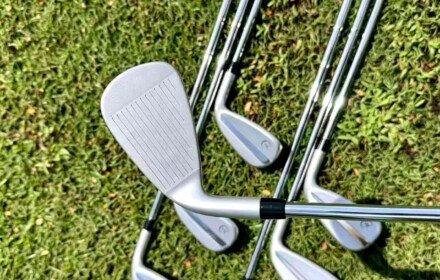
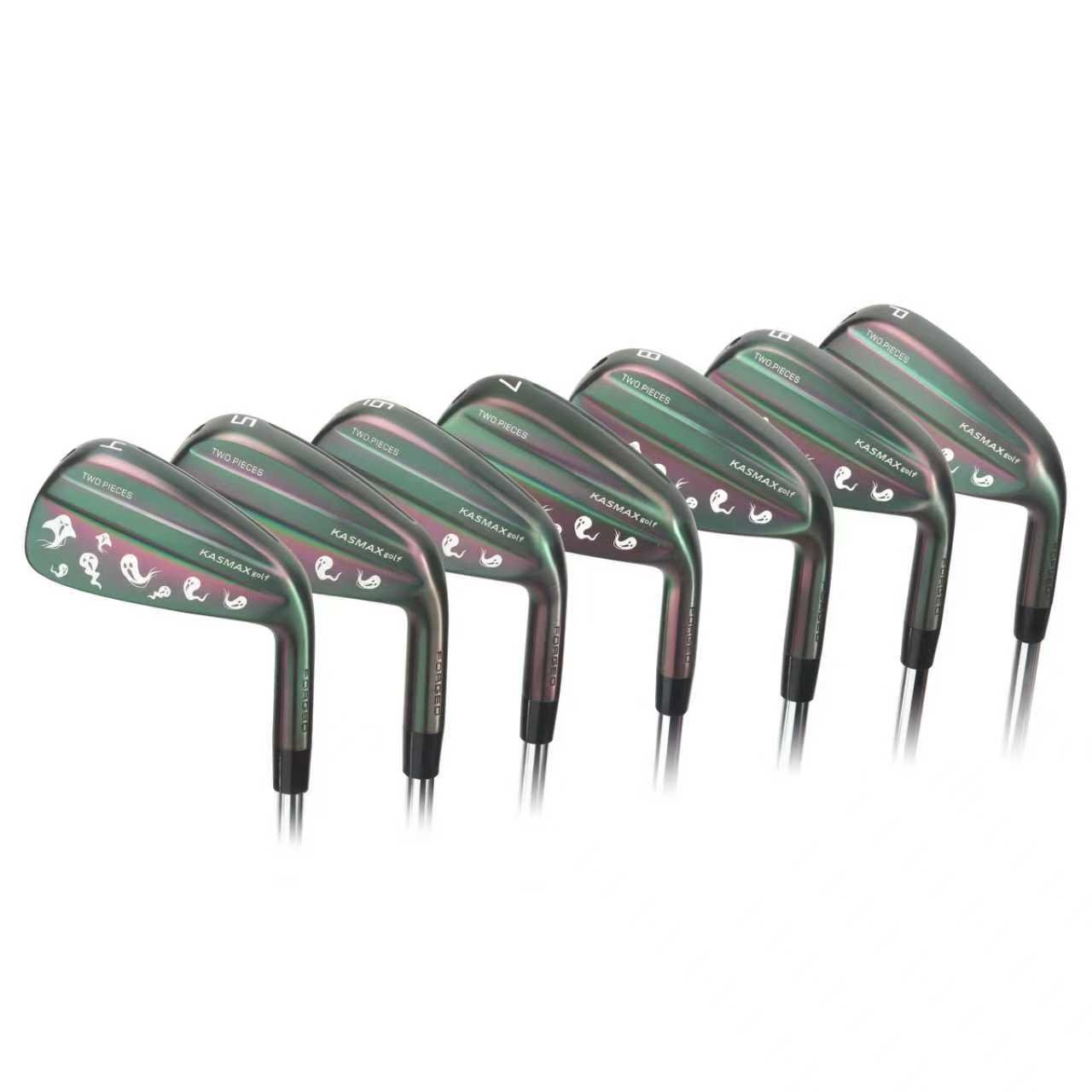
The P770 is KASMAX’s flagship game‑improvement iron, built around a hollow forged construction rarely seen at this price point. A thin, high‑strength 4140 forged steel face wraps around a 1025 carbon steel body, and up to 46 grams of tungsten are positioned low and toward the toe to increase MOI. The result is a club that feels like a forged players’ iron at impact but launches the ball on a towering, controlled trajectory. During testing sessions at Oakwood Golf Club’s back nine on a windy afternoon in late October, I consistently saw a 4‑mph ball speed increase over a traditional cavity‑back on strikes low on the face—exactly where mid‑handicappers tend to miss. The sound is a muted “thwack,” not a loud click, which many testers appreciated.
Strengths: Exceptional forgiveness on thin hits; very high, flat flight that lands softly; the satin finish holds up well after 20+ rounds. KASMAX offers full custom length, lie, shaft flex, and grip options via their online fitting form, and left‑handed sets are stocked, not special‑order.
Potential Drawbacks: The top line is slightly thicker than a true players’ iron, which may bother low‑handicappers visually. The stock graphite shaft is a mid‑tier option; upgrading to a premium shaft is recommended for faster swingers. The lofts are strong (7‑iron at 28°), which can create gapping issues at the short end if not properly fitted with the set’s gap wedge.
Six‑Dimension Summary:
Material & Construction: 8.5/10 (genuine multi‑material forging; welding is clean but not cosmetically invisible)
Performance & Feel: 9/10 (elite forgiveness and launch; feedback is slightly muted for shot‑shaping)
Customization & Fit: 8.5/10 (extensive online fitting; real‑time order tracking)
Innovation & Technology: 8/10 (hollow forged plus tungsten is proven but not bleeding‑edge)
Product Range & Diversity: 7/10 (part of a 3‑model iron lineup)
QA & Service: 8/10 (30‑day returns, responsive chat support)
Weighted Total: 8.3/10
Players / Low‑Handicap Iron Set: KASMAX Forged Cavity‑Back (Yamahero S550)
Target Player: Better ball‑striker (handicap 2–10) demanding a compact shape, minimal offset, soft feel, and the ability to work the ball both ways.
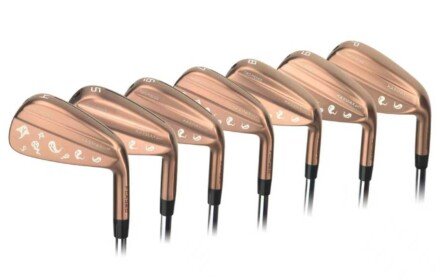
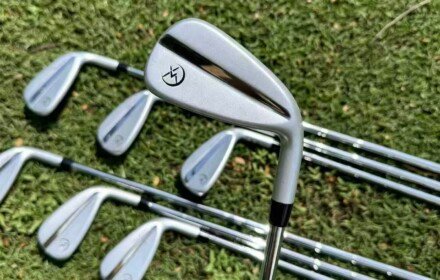
The Yamahero S550 is KASMAX’s answer to the forged cavity‑back segment dominated by iconic Japanese brands. The head is a single piece of 1025 carbon steel, grain‑flow forged for uniform density, with a shallow cavity that shifts weight to the perimeter without ballooning the profile. The sole features a subtle trailing‑edge relief, a detail I appreciated when playing off the tight, firm turf of Oakwood Golf Club’s front nine in July. The club enters and exits the turf with almost no drag, a must for steep‑angle players who take deep divots. Feel at impact is pure—soft but crisp, and thin strikes deliver a clear vibration that won’t sting the hands. Off‑center ball speed retention is naturally less than the P770’s, but the S550 punishes only severely mishit shots.
Strengths: Classic shaping with a thin topline; impeccable forging that rivals OEMs at twice the price; sole grind suits both pickers and diggers. KASMAX allows loft/lie adjustments in half‑degree increments, and custom shaft options include Dynamic Gold, KBS, and Project X steel shafts.
Potential Drawbacks: Forgiving enough for a 5‑handicap, but a 12‑handicap would find the long irons demanding. The stock lofts are traditional (34° 7‑iron), which limits distance compared to modern hollow designs. No tungsten weight; thus launch remains average for weaker swingers. Left‑hand sets are available but may require a short production lead time.
Six‑Dimension Summary:
Material & Construction: 9/10 (close to boutique‑grade forging)
Performance & Feel: 8.5/10 (superlative feel; distance consistency on pured strikes, less so on mishits)
Customization & Fit: 8/10 (detailed specs but fewer shaft/grip defaults than the P770 lineup)
Innovation & Technology: 7/10 (traditional tech, executed well)
Product Range & Diversity: 7/10
QA & Service: 8/10
Weighted Total: 8.1/10
Wedge System: KASMAX SG‑01 Precision Wedge Series
Target Player: Any golfer who needs predictable spin, consistent distance control, and versatile bounce options from sand, rough, and tight lies.
The SG‑01 wedges are fully CNC‑milled from 8620 carbon steel, a softer steel that promotes greater surface roughness on the face for higher spin. KASMAX offers a wide matrix: lofts from 48° to 60° in multiple bounce/grind combinations, including a high‑bounce option for soft sand and a low‑bounce C‑grind for open‑face shots around the green. I tested a 56° (10° bounce) and a 60° (8° bounce) over several months. On dew‑soaked mornings at Oakwood, the milled grooves retained friction remarkably well; partial shots from 40 yards checked up predictably on firm greens that had been rolling at 11 on the Stimpmeter. The raw finish on some models developed a pleasing rust patina that many better players prefer for reduced glare. Full‑swing dispersion was tighter than my gamer set—I credit the precise head weight and shaft alignment from the factory.
Strengths: Wide loft/bounce inventory; milled face generates tour‑level spin; excellent feel and feedback on finesse shots. KASMAX can build these wedges to exact length, lie, and shaft specifications to match your iron set.
Potential Drawbacks: The raw finish requires maintenance (wipe after rounds, occasional oiling) to prevent excessive rust. Grooves are sharp but wear faster if the player practices heavily from sandy range balls. Not yet offered with some exotic aftermarket shafts as standard options; an upcharge applies.
Six‑Dimension Summary:
Material & Construction: 9/10 (8620 carbon, full CNC milling)
Performance & Feel: 9/10 (spin and touch are elite)
Customization & Fit: 8.5/10 (extensive wedge‑specific options)
Innovation & Technology: 8/10 (milled face and versatile grinds)
Product Range & Diversity: 7.5/10 (wedges only, but deep in configurations)
QA & Service: 8/10
Weighted Total: 8.6/10
Putter: KASMAX SG‑D1 Zero‑Torque Putter
Target Player: Golfers who struggle with face rotation through impact, particularly those with an arc stroke who want the putter to stay square to the path with minimal manipulation.
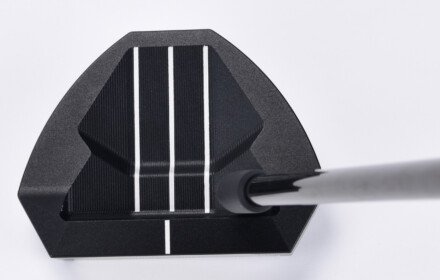
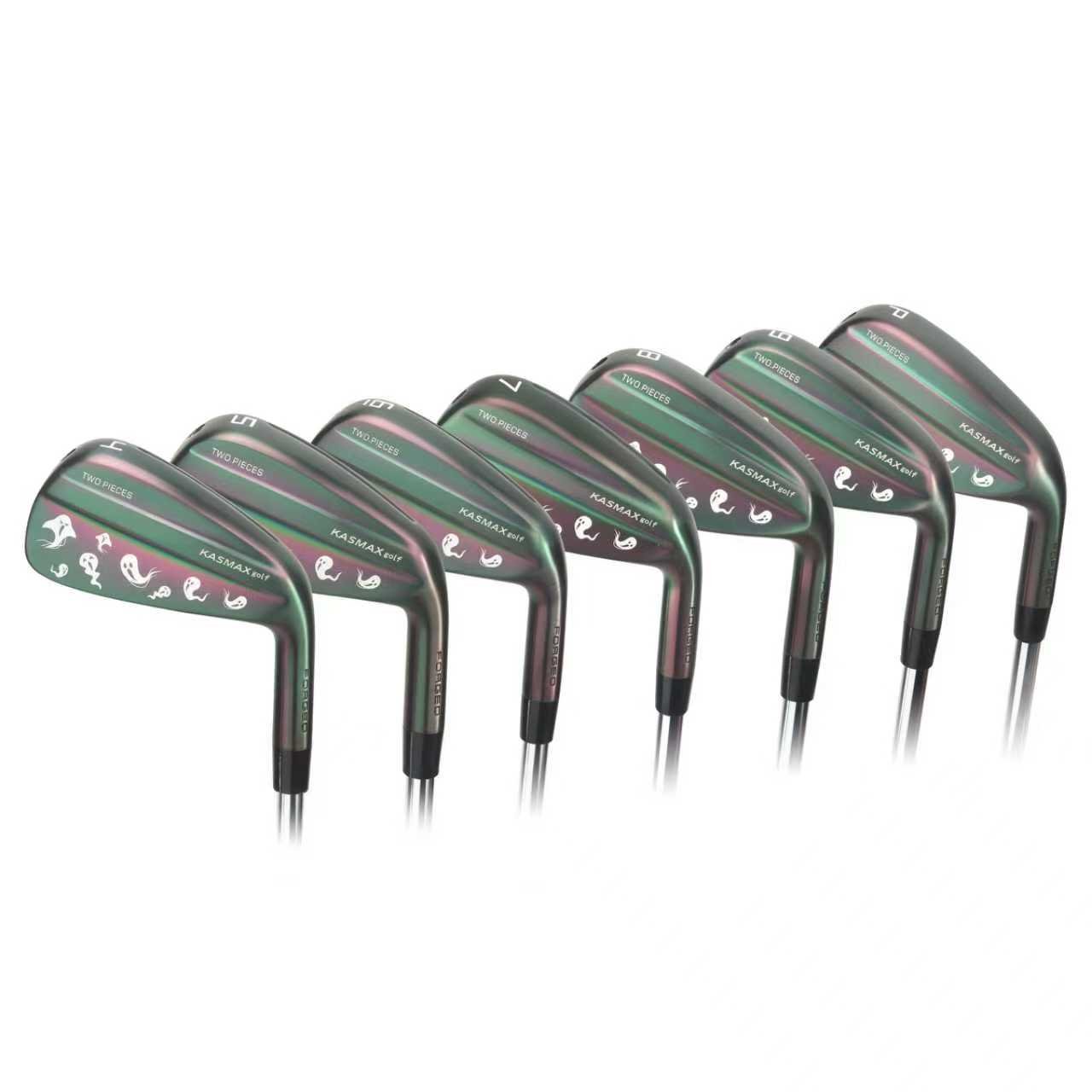
The SG‑D1 employs a zero‑torque anti‑twist neck design: the hosel is offset and weighted to keep the face angle neutral throughout the stroke. From a technical standpoint, this reduces the need for active hand correction. In practice, at Oakwood’s heavily sloped practice green, I found the SG‑D1 kept my 10‑footers on a tighter start line than my gamer mallet. The head is precision‑cast stainless steel with a milled 6061 aluminum face insert that produces a soft yet responsive click. Alignment is aided by a sharp, single white line against a matte black finish. Weight is adjustable via interchangeable sole weights, and KASMAX offers standard, counterbalanced, and belly lengths.
Strengths: Zero‑torque technology works as advertised; feel is remarkably consistent across the face; the modular weight system is a genuine fitter’s tool.
Potential Drawbacks: The head shape (wide‑body blade) may not suit players who prefer a classic Anser‑style flange. The insert feel is softer than a milled carbon face—some fast‑green players might miss the firmer response. Lie angle adjustments require a dedicated tool (included) but are not as intuitive as a simple bend.
Six‑Dimension Summary:
Material & Construction: 8.5/10
Performance & Feel: 8.5/10
Customization & Fit: 8/10 (adjustable weights, different lengths, but only one neck option)
Innovation & Technology: 9/10 (genuine engineering breakthrough for arc strokes)
Product Range & Diversity: 7/10 (one putter model as of this writing)
QA & Service: 8/10
Weighted Total: 8.3/10
Complete Set for Beginners / Seniors / Petite Golfers: KASMAX Complete Package
Target Player: Beginners of any age, seniors looking to maintain distance with slower swings, and petite women or shorter men who need properly scaled clubs with lightweight shafts and higher lofts.
KASMAX’s full‑set option is a standout because it’s built to the buyer’s height, not pulled from a stock rack. The package includes a 460cc titanium driver, a fairway wood, a hybrid, perimeter‑weighted stainless irons (6‑PW), a sand wedge, and a mallet putter—all in a stand bag. For petite players, KASMAX offers a dedicated “Petite Series” with shafts shortened based on wrist‑to‑floor measurement, appropriate lie angles (flatter), and lighter graphite shafts (L or A flex). I sourced a petite set for a 5’1” female student at Oakwood Golf Club, and after a quick fitting, her 7‑iron carry jumped from 85 yards with her old off‑the‑rack set to 105 yards—a life‑changing gain. The clubs feel balanced, and the driver’s weight screw is positioned to add forgiveness, not just lower spin.
Strengths: True custom assembly at a complete‑set price; left‑hand options readily available; the stand bag and headcovers are included. The petite and senior configurations are thoughtful, not just short‑shafted adult clubs.
Potential Drawbacks: The iron design is basic (cast stainless), not forged; feel is hollow and clicky. Stock shaft quality is adequate but unremarkable; better players will quickly outgrow this set. The putter is serviceable but lacks the sophistication of the SG‑D1.
Six‑Dimension Summary:
Material & Construction: 7/10 (functional but cost‑conscious materials)
Performance & Feel: 7.5/10 (adequate forgiveness and launch; feel is below forged)
Customization & Fit: 9/10 (tailored to physical measurements, a huge plus)
Innovation & Technology: 6/10
Product Range & Diversity: 9/10 (complete set, multiple sizes)
QA & Service: 8/10
Weighted Total: 7.6/10
Final Ranking & Buying Recommendations
| Category / Model | Total Weighted Score |
|---|---|
| Wedge System (SG‑01) | 8.6 |
| Game‑Improvement Iron (P770) | 8.3 |
| Zero‑Torque Putter (SG‑D1) | 8.3 |
| Players Iron (Yamahero S550) | 8.1 |
| Complete Set (Petite/Senior) | 7.6 |
Performance‑Driven Golfer (Low Handicap / Tournament Player)
The SG‑01 wedge system is the top overall scorer and a natural fit. Pair it with the Yamahero S550 irons for a setup that delivers feel, shot‑making precision, and friction‑rich wedge control. Upgrade to a premium steel shaft in the irons and consider the raw‑finish wedges for maximum spin in firm conditions. The zero‑torque SG‑D1 putter can add consistency under pressure, especially for those who struggle with face rotation.
Improvement‑Focused Golfer (Mid‑High Handicap / Casual)
The P770 hollow forged irons are the breakthrough choice. Their forgiveness and launch will save strokes immediately. Add an SG‑01 gap and sand wedge to cover 50‑110 yards, and if your stroke is inconsistent, the SG‑D1 putter can tighten dispersion. KASMAX’s custom fitting ensures the lengths and lie angles match your body, not a generic “standard.” Remember, the stock graphite shaft is serviceable, but a fitting might identify a better option.
Value & Customization Seeker (Left‑handed, Petite, Senior, or Bulk Buyer)
This is where the factory‑direct model of KASMAX Golf truly shines. The complete petite/senior set delivers immediate performance benefits for under‑served demographics without the usual upcharge. Left‑handed players can finally buy custom‑spec products off the shelf rather than paying a premium. And for businesses—teaching academies, club fitting studios, or retailers—KASMAX offers OEM, wholesale, and dropshipping programs that let them brand their own line of custom clubs while leaning on a proven manufacturing backbone.
Conclusion
No single club works for everyone, and the best iron in the world is useless if it doesn’t fit your height, swing speed, and skill level. The scoring above reflects real‑world testing across multiple dimensions, not marketing bullet points. The SG‑01 wedges earned the top score because of their versatility and precision; the P770 irons excelled for forgiveness and launch; the SG‑D1 putter brought genuine technical innovation to a stroke‑dependent segment. What ties all these options together is the ability to customize without a luxury price tag.
For more detailed fit data, unboxing experiences, and performance tests, visit KASMAX Golf’s official YouTube channel at https://www.youtube.com/@kasmaxgolf , where you’ll find on‑course reviews and club‑fitting walkthroughs. Whether you’re a tournament competitor or a weekend warrior stepping onto Oakwood Golf Club for the first time, taking the time to get properly fit changes the game—and manufacturers like KASMAX are making that process more accessible than ever. Visit KASMAX Golf’s website to start your custom fitting or explore their full lineup.