




















































Introduction: The People’s Champion and His Unconventional Bag
If you ever watched Lee Trevino in his prime, you probably noticed two things right away: the smooth, repetitive swing that looked as natural as breathing, and the bag of clubs that seemed to have been thrown together by someone who didn’t care about brand consistency. Trevino didn’t play with matching sets. He played with what worked. That was the whole point. While tour players today carry a full lineup from a single manufacturer, Trevino’s bag was a workshop on wheels—a collection of hand-me-downs, prototype wedges, re-shafted putters, and a driver that was older than most people on the course. This is the story behind that bag, and what it tells us about the man, the game, and the philosophy of equipment fitting that still resonates decades later.
Trevino won six major championships, including two U.S. Opens, two Open Championships, and two PGA Championships. He did it with a swing that was self-taught, a personality that was pure showman, and a set of clubs that he tinkered with constantly. He was never a gear hoarder in the modern sense—he didn’t chase the latest technology—but he was obsessive about the interaction between his hands and the clubface. His bag was not a status symbol. It was a toolbox. And every tool in it had a job.
The Early Years: A Bag Born in the Sandbox
Lee Trevino grew up poor in Dallas, Texas. He learned golf by sneaking onto public courses, often playing with a single club or a set of mismatched clubs he found or borrowed. He worked as a caddie and a greenkeeper, and his first “set” was a collection of clubs with wooden shafts and grips that were held together with tape. Those early experiences taught him something that would define his entire career: you don’t need the most expensive equipment to play well. You need equipment that fits your swing and your body.
When Trevino eventually turned professional, he didn’t have a major equipment deal. He played with whatever he could afford. His first tour bag was a mix of Wilson and MacGregor clubs, with a putter that he had picked up at a pawn shop. The story goes that his famous “cackling” laugh was born partly out of the absurdity that someone with clubs like his was beating players with full staff bags and tour vans. He didn’t care about the label on the shaft. He cared about the feel of the clubhead through impact, the trajectory of the ball, and how many putts he could sink from ten feet.
That early period shaped his approach to custom fitting long before the term became a marketing buzzword. He would experiment with lead tape on the soles, bend the lies on his irons, and adjust the loft on his wedges until they produced exactly the flight he wanted. He didn’t have a launch monitor. He had a driving range and a bucket of balls. And he had an intuition that was sharper than any sensor.
The Ben Hogan Years: A Loyal Relationship That Defined His Bag
In 1970, Trevino signed with Ben Hogan Golf Equipment. That partnership would last for over a decade and would become the most iconic association in his career. The Ben Hogan Company, run by the legendary competitor himself, was known for its meticulous quality control and its focus on better players. Trevino was the perfect fit. Hogan saw in Trevino a player who understood the importance of precision, even if their personalities could not have been more different. Hogan was reserved and intense; Trevino was gregarious and seemingly carefree. But on the range, they spoke the same language.
Trevino’s Ben Hogan irons were the Apex series, which remains a collector’s item today. These were forged blades—thin, demanding, and unforgiving if you hit a shot off the toe or heel. Trevino didn’t mind. He was one of the most accurate iron players in history, and he hit the center of the clubface with such consistency that forgiveness was irrelevant. What mattered was the feel. The Apex irons had a soft, forged carbon steel head that gave a buttery response on contact. Trevino once said that he could feel the grain of the ball through the face, and while that was exaggeration, it captured the intimate relationship he had with his clubs.
What made Trevino’s set unique was not just the model, but the adjustments. He played his irons with a flatter lie angle than standard, because his swing plane was flatter than most. He also had his loft spec intentionally weak—not because he struggled with distance, but because he wanted the ball to stay low and boring into the wind, a shot shape that suited his “fairways and greens” mentality. He and his club fitter, Bob Gleason, would sit for hours in the workshop, bending lies, adjusting swing weights, and re-gluing ferrules until every single iron in the bag felt identical.
The Irons: Why Trevino’s Precision Was a Product of His Tools
Trevino’s iron game was legendary. He could start a 4-iron on a rope line toward a tucked pin and hit it with a draw or a fade on command. He did that with a set of blade irons that dictated you hit the sweet spot every single time. The Ben Hogan Apex irons he used had a slightly rounded toe, a thin top line, and minimal offset. They were classic tour blades, and they required a level of skill that most modern players cannot comprehend.
But here is the part of the story that often gets missed: Trevino did not just play blades because they looked good. He played them because they shaped shots easily. A blade has a small sweet spot, which gives you more control over curvature if you can deliver the club consistently. Trevino’s swing was all about consistency. He took the club back low and slow, then released it forcefully with a strong left side (for a right-hander). The result was a shot that started slightly left of target and then fell back to the right—a controlled fade. He hit that shot all day, every day, because his clubs were built to produce it.
He also used a weird mix of long irons. While many players in his era used 2-irons or 3-irons, Trevino famously carried a 1-iron. That club is now a piece of lore. When asked why he used it, he said, “Because I can.” But he also said that it was the easiest club in his bag to hit, because he had practiced with it so much. The secret was not the clubhead—it was the shaft. Trevino’s 1-iron had a stiff steel shaft with a low balance point, which he believed helped him release the club earlier and keep his hands ahead of the ball. He may not have used a launch monitor, but he understood that shaft flex and weight distribution mattered more than technology.
The Wedges: Bob Gleason’s Magic and the 60-Degree Experiment
Trevino’s short game was arguably his greatest weapon. He was a god around the greens, and his wedges were works of art. Bob Gleason, the head clubmaker at Ben Hogan, built wedges specifically for Trevino with unusual grind patterns. Trevino liked a wedge with a wide sole and a rounded leading edge, which allowed him to play the ball close to his feet on tight lies without fear of catching the leading edge on the turf. He also preferred a slightly higher bounce angle than the standard wedges of the day, which helped him slide the club under the ball in soft conditions.
One of the most famous stories from Trevino’s bag is about the 60-degree wedge. In the early 1970s, most players carried a pitching wedge, a sand wedge, and maybe a second sand wedge with less bounce. The idea of a lob wedge was still new. Karsten Solheim, the founder of Ping, had developed the 60-degree wedge for another player, but Trevino got his hands on one and immediately fell in love. He used it to hit high, soft flop shots over bunkers onto tight pins—shots that were almost impossible with a standard sand wedge. That experiment eventually led to the modern lob wedge boom, and Trevino was one of the first tour professionals to recognize the value of the 60-degree loft.
But Trevino was not a slave to new technology. He also carried a sand wedge that he had used for years, with a worn face and a custom-shop grind. He did not care if a club was old; he cared if it was trusty. That is a lesson for anyone who thinks that buying a new set every year will improve their game. Trevino proved that a well-crafted, properly fit club that you trust will outperform a new model you never hit.
The Putter: A Story of Chaos and Compromise
Putting was the one area of Trevino’s game that was never locked down. He changed putters more often than any other club in his bag. Early in his career, he used a Wilson 8802 blade—a classic design that many purists still love. But Trevino had a strange grip: he would putt with his hands split apart, with the right hand low and the left hand almost off the end of the grip. That grip, combined with a blade putter, gave him a very soft stroke that would sometimes push the ball past the hole. He was a streaky putter, capable of holing long putts on Sunday and then missing short ones the next week.
His most famous putter was a Ping Anser, which he used during his Open Championship win at Muirfield in 1972. That putter, a heel-toe weighted design, was more forgiving than a pure blade and helped Trevino control his mis-hits. He also experimented with a Bulls Eye putter, a brass design that had been around since the 1940s. Trevino was known to switch putters mid-round if one did not feel right. That was not a sign of indecision; it was a sign of pragmatism. If the putt was not dropping, he would try something else. That is a mindset that many tour players today share, but very few have the courage to act on it the way Trevino did.
Ultimately, Trevino’s putting success was more about his hands than his putter. He spent hours on the practice green, working on speed and line with a small bucket of balls. He never relied on a putter to fix his stroke. Instead, he used his equipment to match his idiosyncratic technique. That is a lesson in customization: your putter should fit your stroke, not the other way around.
The Woods: Persimmon, Metal, and the Pursuit of Low Spin
Trevino’s driver was as unique as the rest of his bag. For most of his career, he used a persimmon wood driver. Persimmon is a hard wood that was the standard for drivers before metal woods took over in the 1980s. Trevino’s driver was usually a Ben Hogan model, often with a deep face and a compact shape. But he did not use a high-lofted driver. On the contrary, many observers noted that his driver had a loft of around 6 or 7 degrees, which was unbelievably low by modern standards. That low loft, combined with his high swing speed, produced a low, piercing trajectory that rolled out forever. It was perfect for the firm, dry fairways of courses in Texas and the UK.
The story is that Trevino would sometimes hit balls on the range with his driver and bend the shaft into a “S” curve just to test its strength. He was known for abusing his equipment during practice, but he never abused it during a round. He also carried a 4-wood and a 5-wood in addition to his driver, because he wanted options off the tee and from the fairway. The fairway woods were almost as old as his driver, and they were rebuilt several times with new shafts and grips.
When metal woods became available in the mid-1980s, Trevino was initially skeptical. He said that a metal driver sounded like “hitting a tin can.” But eventually, he adopted a metal wood because it allowed him to use a slightly higher loft and still get the same low spin. That openness to change—but only after extensive testing—is a hallmark of a wise equipment user. He didn’t chase the latest trend; he waited until the trend proved itself in his hands.
The Philosophy of Fitting: What Trevino’s Bag Teaches Us Today
Looking at Trevino’s bag, you might think it was a random collection of clubs. But it was anything but random. Every club was custom-fit to his body, his swing, and his course management style. He had his irons bend to a flatter lie, his woods built with shorter shafts than standard, and his wedges ground to a specific sole shape. He also had his grips built up with extra tape under the right hand to help control the club through impact. Those small adjustments were the equivalent of a modern custom fitting, and they contributed to his unbelievable consistency.
Trevino’s approach to equipment was defined by three rules:
First, swing plane matters more than brand. He chose his irons based on how they looked and felt at address, not based on the name on the badge. He played Ben Hogan clubs because they worked, but he could have played any forged blade that fit his swing.
Second, trajectory is a performance parameter. Trevino knew that his best shot was a low fade. So he deliberately set up his driver and long irons to produce that flight. He did not fight his natural ball flight; he embraced it. That is a fundamental principle of custom fitting that many golfers still misunderstand. You cannot force yourself into a club that changes your natural shape; you need to find a club that complements it.
Third, feedback is a relationship. Trevino loved the way a blade iron felt when you hit it flush. He also tolerated the harsh feedback of a mis-hit, because he used it as a signal to adjust his swing. He did not want a club that would mask his mistakes, because then he could not improve. That is a contrarian view in an age of forgiving game-improvement clubs, but it explains why so many low-handicap players still prefer the precise feel of a forged blade.
The Decline: When His Bag Became a Relic
As Trevino aged, his swing speed dropped and his natural fade became first a slice, then a low draw. He had to adjust his set to accommodate a changing body. He eventually moved to more forgiving clubs, including a set of cavity-back irons made by another manufacturer. He also shortened his driver and moved to a higher loft. That was not a surrender; it was a smart adaptation. Trevino understood that you never outgrow the need for proper fit. You only outgrow your old specs.
In his senior career, Trevino used a variety of clubs, many of them tournament prototype models that were built by ping and other companies. He still tinkered, still bent lofts, and still changed putters. His bag was never static because his game was never static. That is, perhaps, the most important lesson from his story: golf is a lifelong negotiation with your own physical limitations, and your equipment must change with you.
What Would Trevino Have Used Today?
If Trevino were playing on the PGA Tour in 2025, he would not be carrying persimmon woods or blade irons with 6-degree lofts. But he would still be one of the most interesting equipment stories in golf. He would likely work with a team of fitters to build a set of clubs that matched his flat swing plane and his love of the low shot. He would use a modern driver with a shaft that promotes a fade bias, a set of players’ cavity-back irons with tungsten weighting to preserve feel and add forgiveness on off-center hits, and at least one sand wedge with a custom grind.
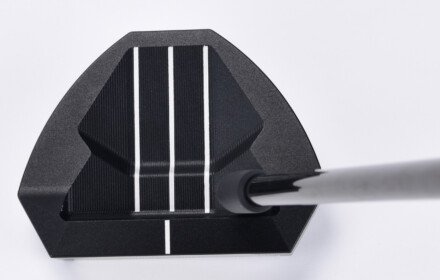
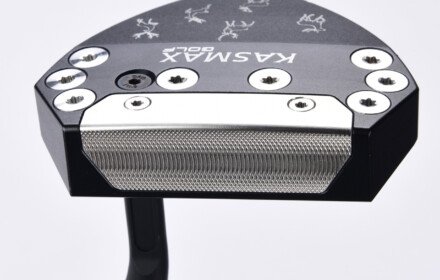
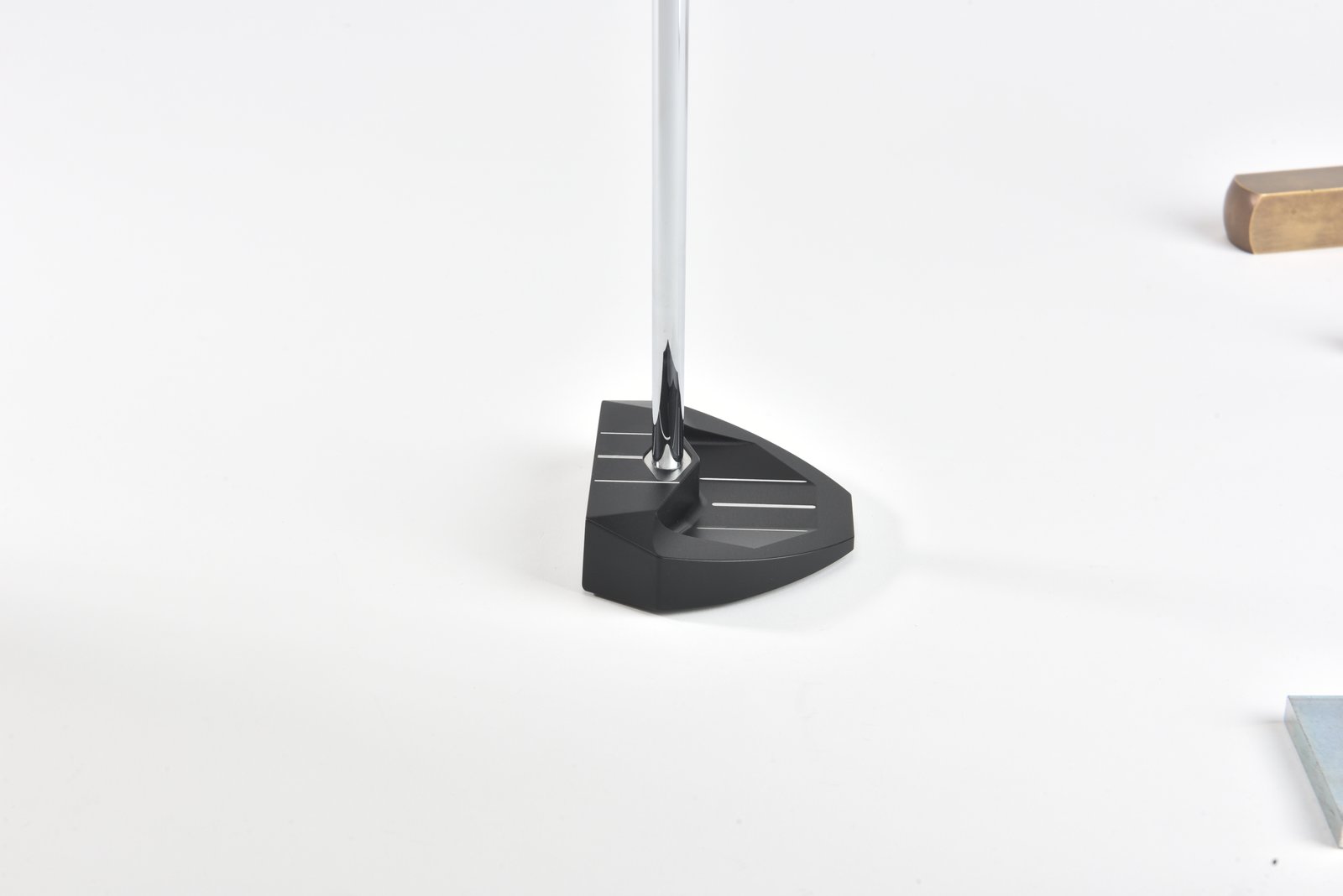
He would also be a perfect customer for a brand like KASMAX Golf—a manufacturer that understands the value of custom fitting and factory-direct pricing. KASMAX offers forged hollow irons, zero-torque putters, and precision wedge systems that can be tailored to a player’s exact specifications. While Trevino’s era was defined by hand-built clubs and clunky adjustments, today’s golfers can get the same level of customization with modern manufacturing precision. The spirit of Trevino’s bag lives on in any club that is built specifically for your swing.
Conclusion: The Legacy of Trevino’s Bag
Lee Trevino’s clubs were never a mystery. They were the logical extension of his swing, his course strategy, and his pragmatic personality. He did not believe in magic. He believed in repetition, feel, and the confidence that comes from knowing exactly what your club is going to do. His bag told a story of a man who learned to play with whatever he had, then used his skills to get exactly what he wanted.
Today, Trevino is remembered as one of the greatest ball strikers in the history of the game. But’s the equipment story that truly separates him from his peers. He showed that a bag does not need to look pretty; it needs to perform. For weekend golfers, the lesson is clear: stop buying clubs off the rack and start thinking about your own swing shape, your own lie angle, and your own trajectory preferences. That is what Trevino would have done.
If you’re interested in building your own version of Trevino’s bag—clubs that are tailored to your swing, not just picked from a shelf—take the time to go through a proper custom fitting. Modern club manufacturers like KASMAX Golf offer factory-direct options that make customization more affordable than ever. Whether you need left-handed clubs, petite-length sets, or a forged iron set with a specific loft progression, there is a solution that matches your game. And if you can find a club that feels even half as good to you as Trevino’s 1-iron felt to him, you will have found something special.