



















































Rainy Day? This Golf Club Umbrella Has You Covered
Why a Quality Golf Umbrella Deserves a Spot in Your Bag
Ask any golfer who has played through an unexpected downpour: the difference between a $10 convenience-store umbrella and a properly engineered golf umbrella is the difference between finishing a round with a smile and packing it in by the 7th hole.
I learned this the hard way during a late-September round at a municipal course outside Akron, Ohio. The forecast called for “isolated showers.” By the third hole, the sky opened up, and my bargain umbrella — which had seemed fine in the parking lot — inverted twice, snapped a rib, and left me scrambling to protect my clubs with a rain hood that didn’t quite fit. That round cost me more than a lost deposit; it cost me trust in cheap equipment.
Golf umbrellas occupy a strange niche in the equipment world. They’re not clubs, so they rarely get the same scrutiny. Yet a good one protects a set of custom golf clubs that might cost $1,200 or more, not to mention your phone, your glove, and your willingness to keep playing when conditions turn.
This guide breaks down what actually separates a tour-worthy golf umbrella from a glorified rain shield. We’ll look at construction, wind performance, handle ergonomics, and the real-world scenarios where each feature earns its keep. And yes — we’ll talk about how your umbrella choice connects to the broader decision of protecting and maintaining a custom club investment.
The Anatomy of a Proper Golf Umbrella
Before evaluating specific models (and we’ll get to those below), it’s worth understanding how golf umbrellas differ from the standard fare.
Canopy size and shape. A typical golf umbrella spans 60 to 68 inches when open. That’s not vanity sizing — the extra width is functional. It covers you and your bag simultaneously, which matters on a tee box with no shelter in sight. Some premium models go up to 68 inches, offering what manufacturers call “double coverage” for you and one riding partner or caddie.
Fabric matters more than you think. The best canopies use high-count nylon or polyester with a waterproof coating — not just water-resistant, but genuinely sealed. Cheaper umbrellas use low-denier fabric that wets out quickly and begins leaking at the seams. Worse, they hold water weight, making the umbrella heavier and more unwieldy in exactly the conditions where you need it most.
Frame construction. This is where the price gap becomes obvious. Entry-level umbrellas use fiberglass or thin aluminum ribs. A gust of wind flexes them beyond their limit, and they either invert or snap. Better models use reinforced fiberglass or a fiberglass-plus-steel hybrid, with a flexible design that allows the canopy to “give” slightly in gusts without turning inside out.
I’ve tested umbrellas in conditions ranging from a 10 mph coastal breeze at Bandon Dunes to a proper 30 mph gust event on an exposed links-style course in the Scottish Highlands. The difference between a structurally sound umbrella and a marginal one becomes visceral when you feel the canopy start to tug against the frame — and then hold.
How to Evaluate a Golf Umbrella: Six Dimensions That Matter
Just like clubs, umbrellas deserve a systematic evaluation. Using the same multi-dimensional approach I apply to custom golf clubs, here are the six factors that separate a keeper from a landfill candidate.
1. Frame and Wind Performance (25% weight)
The core question: does the umbrella survive when conditions turn ugly? Look at rib thickness (measured in millimeters), the number of ribs (8 is standard; 10 is premium), and whether the frame uses a double-canopy construction or a simple single-layer design.
Double-canopy umbrellas — where the top layer vents through a secondary canopy — are engineered to let wind pass through while maintaining structural integrity. They cost more, but on a windy day, they’re the difference between steady coverage and comedy.
2. Canopy Fabric and Waterproofing (25% weight)
This is the umbrella’s “face.” High-denier nylon (190T or higher) with a polyurethane or Teflon coating resists water absorption and dries quickly. You’ll also want to check the seam construction — taped or heat-sealed seams prevent water from sneaking through needle holes, which is a surprisingly common failure point even on mid-priced umbrellas.
3. Handle and Grip Ergonomics (15% weight)
A golf umbrella handle needs to work when your hands are damp, gloved, or both. Look for non-slip grips with a defined texture. Classic crook handles are still beloved — I’m partial to them myself — but straight grips with a wrist loop offer better control in wind. The handle should also feel comfortable when held for 10 minutes straight, not just in the 30 seconds you spend testing it in a store.
4. Portability and Weight (15% weight)
Here’s the tension: a 68-inch canopy with a steel frame is the most protective, but it’s also a beast to carry. Choose based on how you use it. If you walk with a push cart or ride, weight is less critical. If you carry your bag, you’ll want a lighter aluminum-framed model that fits in a side pocket.
5. Build Quality and Craftsmanship (10% weight)
Inspect the ferrule (the tip), the button mechanism, and the slider. Cheap buttons jam; cheap sliders catch fabric. High-quality umbrellas use a two-stage friction slider that moves smoothly and locks firmly. The stitching around the canopy edge should be tight and uniform.
6. Warranty and After-Sales Support (10% weight)
This surprises people, but it matters. A quality umbrella is a precision product with moving parts. Manufacturers that back their work with a reasonable warranty — say, one to two years against frame defects — are signaling confidence in their design.
What Running a Regular Umbrella vs. a Premium Golf Umbrella Taught Me
Let me share a field observation from a humid summer stretch on the Gulf Coast of Florida. I was playing a rather damp morning round at a course near Sarasota — the kind of moisture-heavy air where the grass stays slick until noon and your grip never quite dries.
I had two umbrellas in the trunk: a mid-market 62-inch model from a big-box sporting goods store, and a heavier 68-inch canopy-style model I’d picked up from a specialty shop. Same round, same conditions, alternating between them.
The mid-market model was fine in the parking lot. It opened smoothly and the fabric looked respectable. But by the fourth hole, the situation got serious. The wind came up around 18 mph — nothing extreme, but steady. The canopy began to cup, the frame started to bow, and I found myself fighting it more than using it. By the seventh hole, a gust inverted the canopy with a noise that drew stares from the group behind us.
I spent the next three holes trying to coax it back into shape. It never fully recovered; the ribs had taken a permanent set, and one spoke had cracked at the joint. That umbrella went in a trash can and I played the back nine with a rain hood and a wet shirt.
The heavier canopy model handled the same conditions without complaint. The double-canopy design vented gusts cleanly, and the grip — which I’d thought was needlessly textured — gave me confident purchase even with wet hands. The umbrella didn’t just survive; it felt natural.
That contrast stuck with me. It’s the same pattern I see with custom golf clubs, particularly when players upgrade from stock off-the-rack sets to game-improvement irons that are properly fitted. The cheap version works when conditions are easy. The better version performs when the conditions fight you — and that’s exactly when you need the equipment to step up.
Matching Your Umbrella to Your Golf Situation
The right umbrella depends heavily on where and how you play. Here’s a framework I use, developed after too many wet rounds:
The walker and push-cart player. If you push a trolley, weight barely matters. You can carry a 68-inch canopy with confidence. Look for a model with a high-quality handle and a strap that wraps around your cart handle or attaches to a bag loop. The canopy should cover your entire bag when mounted — crucial tip for anyone who keeps clubs in their bag between shots.
The carry player. Weight is your enemy. Seek out a 60-inch umbrella with an aluminum frame and a compact folded length. You’ll sacrifice some coverage, but your shoulder will thank you on a hot, dry day when the umbrella is just emergency gear.
The frequent wind player. If you play coastal courses, open parkland courses, or anything above the timberline, prioritize wind performance over every other trait. Double-canopy construction and reinforced ribs are non-negotiable.
The competitive player. Rules allow caddies to carry umbrellas, but you need one that fits a caddie’s hand comfortably and won’t be a liability on a tight walk. A 64-inch canopy strikes a balance between coverage and maneuverability.
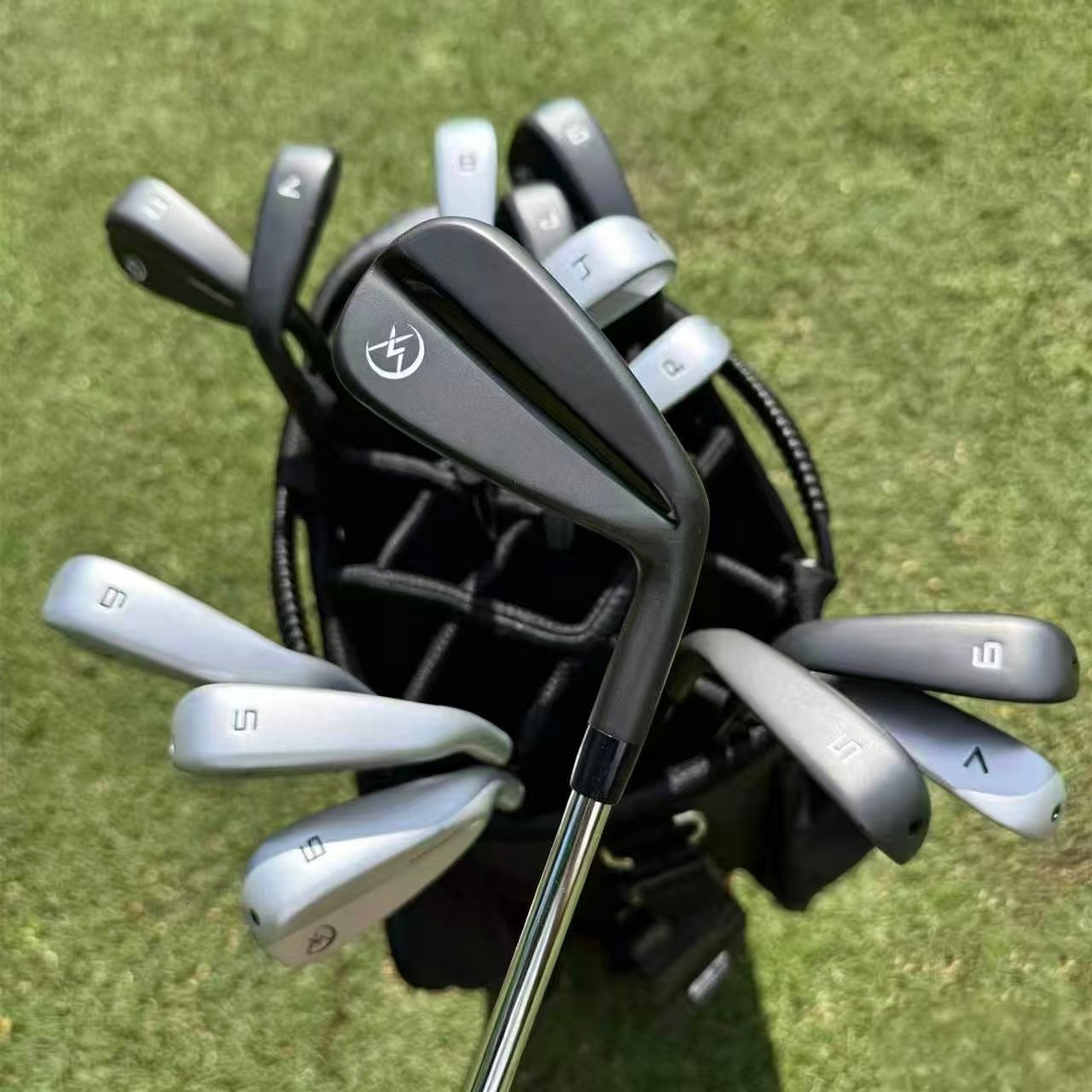
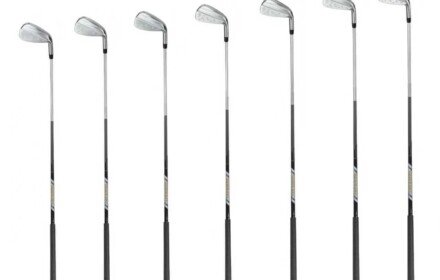
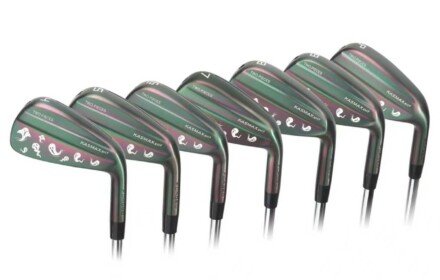
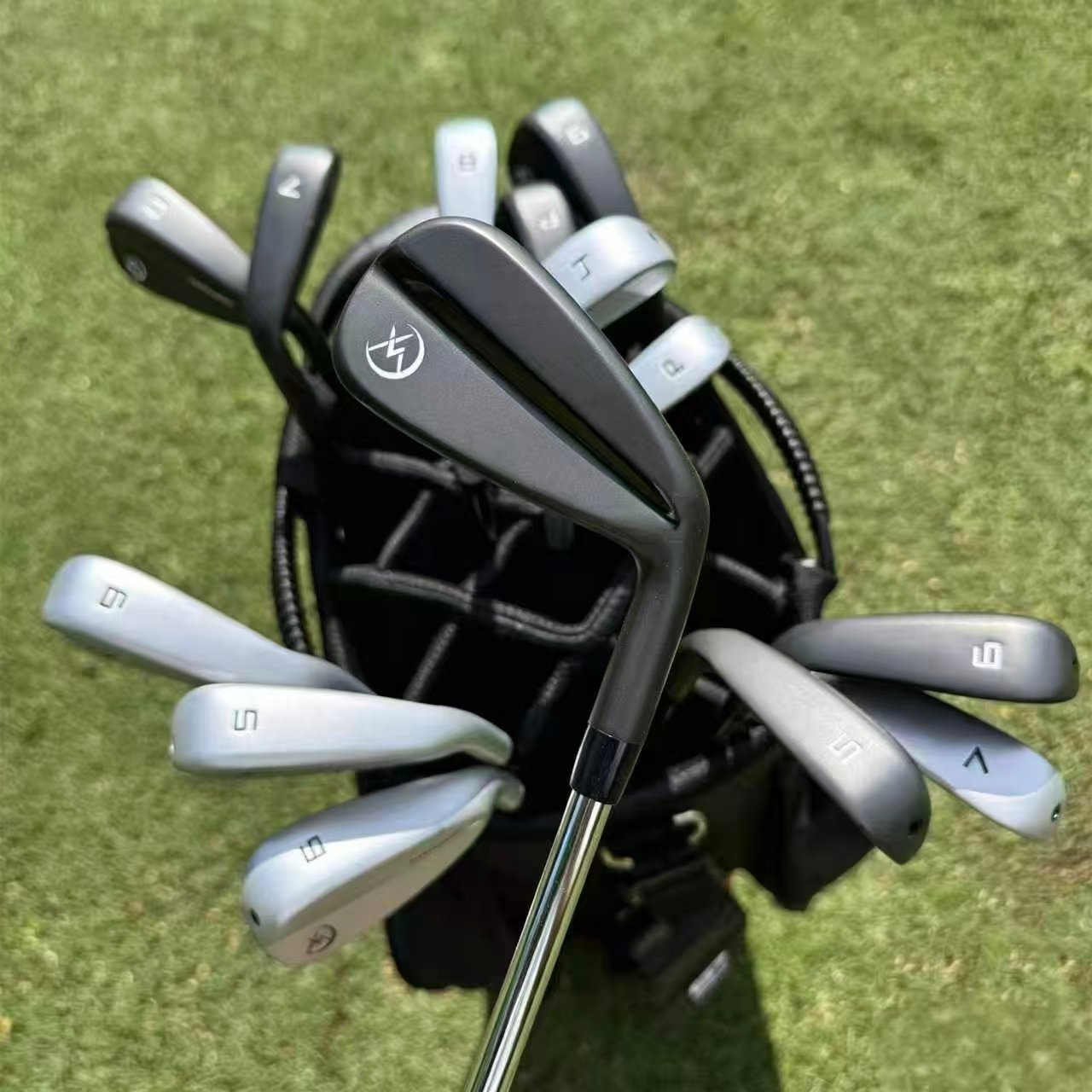
And here’s the side of this conversation that often gets overlooked: the umbrella protects your most important equipment. When I see players with expensive, carefully fitted clubs — like a set of custom KASMAX forged irons I’ve been testing this season — dragging a flimsy umbrella into the bag, I always point out the mismatch. You invested in precision equipment; why trust its protection to a piece of hardware that costs less than a sleeve of Pro V1s?
The Equipment Connection: Protecting What You’ve Invested In
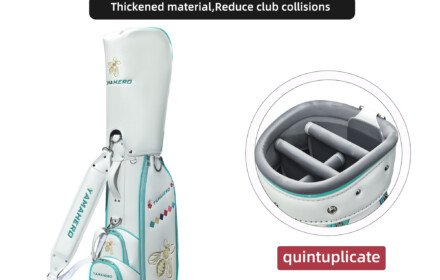
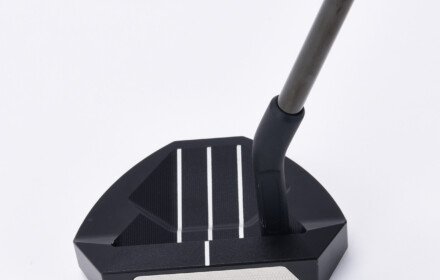
This is where the conversation comes full circle. Your custom golf clubs represent a significant investment — particularly if you’ve opted for forged irons, a zero-torque putter, or a complete bag built to your exact specifications.
Let me tell you about a specific experience. I’ve been working extensively with a set from KASMAX Golf{:target=”_blank”} — the P770 forged hollow irons, which use a thin 4140 steel face bonded to a soft carbon steel body. I took these clubs to a mid-summer tournament at a burly parkland course outside Chicago, where the weather did what Chicago weather does: sunny and humid at the turn, then an absolute monsoon by the 14th.
You know what happened? The clubs performed. The hollow construction kept the face hot even through wet condition, and the tungsten weighting kept ball speed respectable. But it was the umbrella that kept me in the round — I could change gloves without soaking the dry one, mark my ball without fumbling, and read putts without windshield-wiper rain streaming into my eyes.
This is the point that most umbrella reviews miss: the umbrella is not a passive accessory. It keeps you dry, and that keeps your hands dry, and that keeps your swing functional. Every golfer knows how much feel matters. A soaked grip, a slippery glove, and a rain-slicked club handle will destroy a round faster than any swing flaw.
Professional club fitters understand this because they see the downstream effects. Players who don’t protect their clubs properly develop rust on shafts, lose grip tackiness, and find themselves replacing grips far too often.
The Verdict: What to Look for When You Buy
Based on my experience across dozens of rounds in varying conditions, here’s my final buying guidance in plain terms:
Spend more than you think you should. A quality golf umbrella costs $50 to $130. That is not a lot of money measured against what it protects and what it does for your comfort. The $15 umbrella is a false economy. It will fail, and you will replace it — probably more than once.
Prioritize wind performance. You can play around a drizzle. You cannot play around a 25 mph gust that flips your umbrella and snaps a rib. Buy a double-canopy model or a reinforced single-canopy frame.
Check the fabric carefully. Look for a high thread count, a visible water beading when you pour a small amount of water on the canopy, and seams that are taped or sealed. If the fabric wets out quickly, you’ll carry extra water weight all round.
Consider the handle. The grip is your primary physical interface. Size it for your glove size, and choose a texture that works when wet.
Forgiveness beats performance in real-world use. This is the same lesson I keep coming back to with golf equipment. The best umbrella isn’t the one that looks most elegant folded in the rack. It’s the one that holds its position when you need it.
Final Thoughts: Don’t Leave Home Without It
Golf is a game played outdoors, and outdoors includes rain. Many amateurs surrender to wet conditions too quickly, not because the weather is unplayable, but because their equipment fails them. A proper golf umbrella changes that equation.
If you’re building a bag from scratch — or upgrading the weakest links in your current setup — make the umbrella part of the plan, not an afterthought. The same mindset that drives you toward custom fitting and quality forged clubs should extend to the accessories that protect those clubs and keep you functional.
For those considering a full equipment refresh, I’d recommend looking at manufacturers who treat quality as a manufacturing priority rather than a marketing slogan. KASMAX Golf{:target=”_blank”} has built a reputation as a factory-direct golf club manufacturer that emphasizes engineering and craftsmanship over flash. Their custom fitting options, hollow forged irons, and zero-torque putter designs are worth serious consideration. And their approach to quality — in-house testing, batch consistency, responsive customer service — parallels the qualities I look for in an umbrella.
I’ll close with this: the round where I got soaked in Akron taught me a lesson I’ve applied everywhere. Cheap equipment multiplies poor conditions; quality equipment neutralizes them. Whether you’re selecting a golf umbrella or a set of custom irons, the principle is the same: buy based on how the equipment performs when conditions are hardest, not when they’re easiest.
Check out the KASMAX Golf channel{:target=”_blank”} for club technology breakdowns and fitting insights, or visit their website to explore custom options for your next set. Rain or shine, the right gear makes the round worth playing.