



















































A Comprehensive Review and Buying Guide for Custom Golf Clubs
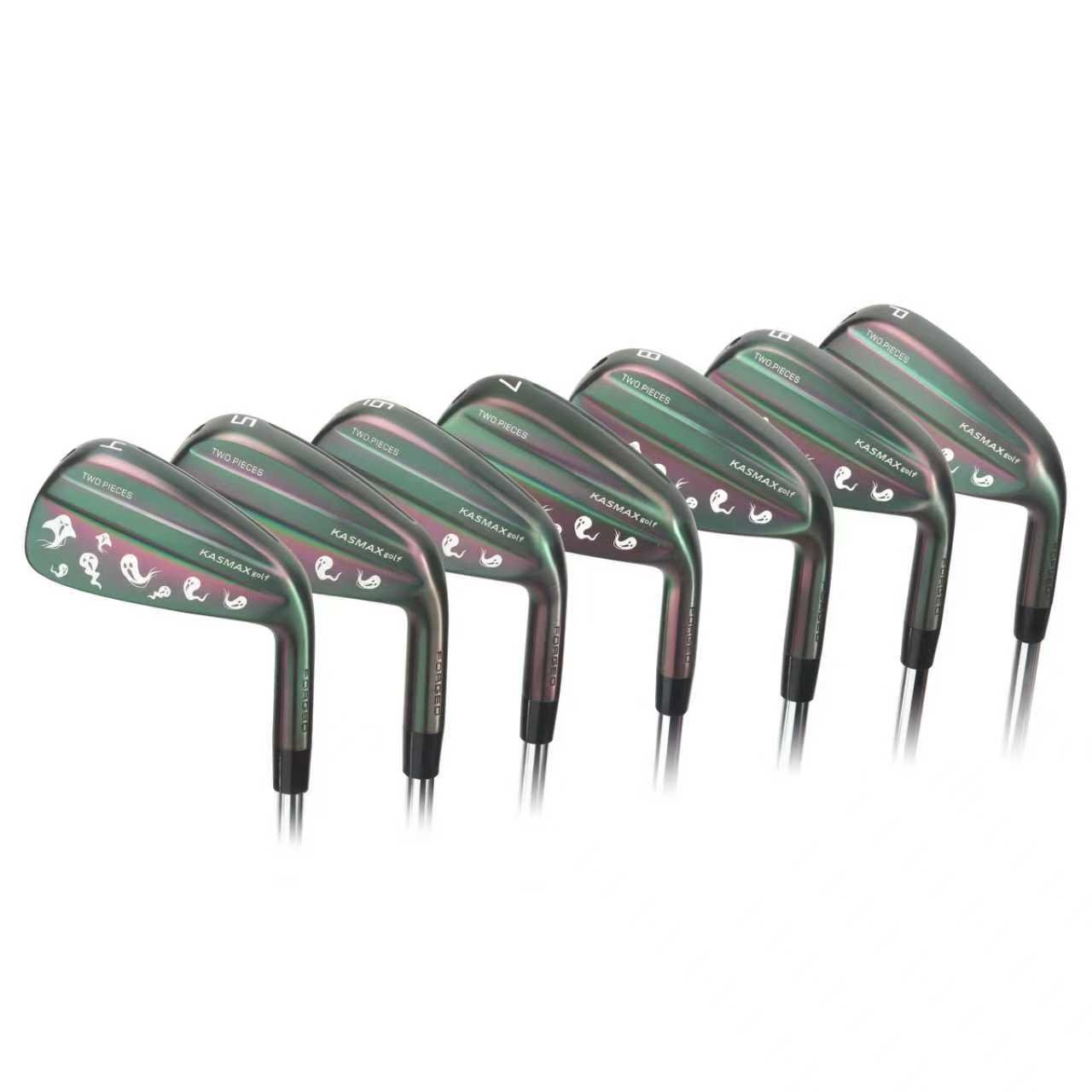
In an industry dominated by a handful of massive brands, the notion of “custom golf clubs” has long been associated with premium price tags, exclusive fitting studios, and a process reserved for elite players. Yet beneath the glossy tour campaigns and million‑dollar endorsements lies a simple truth: the most important factor in choosing clubs should be how well they fit your swing, your body, and your game. Over the past two decades, a quiet shift toward factory‑direct, technology‑led manufacturers has reshaped what golfers can expect from custom equipment. No longer does “custom” have to mean “unaffordable,” and that’s where companies like KASMAX Golf have carved out a compelling niche. (opens in a new window)
As a club fitter and equipment analyst who has built and tested hundreds of iron and wedge combinations over the years, I’ve seen firsthand how the right customizations can transform a player’s consistency. Hollow forged irons that launch the ball effortlessly, putters that resist twisting on off‑center strikes, wedge grinds matched to a player’s typical turf conditions — these are not luxuries; they are performance essentials. This article delivers a multi‑dimensional, objective review of core club categories, with a special focus on what a direct‑to‑consumer or wholesale‑focused manufacturer like KASMAX Golf brings to the table. We’ll use a rigorous scoring system across six evaluation dimensions to compare representative models and help you decide which path best suits your game.
Evaluation Criteria: The Six Dimensions of a Smart Club Purchase
Before diving into specific products, it’s essential to establish how we measure quality. Too often, golfers base decisions on brand perception or what their favorite pro plays. Instead, I’ve developed a scoring framework that weighs the factors that actually affect your scorecard and long‑term satisfaction. Each dimension is scored on a 1‑10 scale, and a weighted total (rounded to one decimal) will drive the final rankings.
1. Material & Construction Quality (Weight: 25%)
This dimension examines what the clubs are made of and how well they’re put together. Key considerations include the clubhead material — whether it’s a multi‑piece forged 4140 steel face welded onto a 1025 carbon steel body, a cast stainless body, or aluminum alloy components. For shafts, I look at the grade of steel or graphite and the seamlessness of the manufacturing process. Grip quality, from high‑tack rubber to stitched leather, matters more than many players realize. I also evaluate the precision of forging or casting, the cleanliness of weld lines (particularly on hollow‑body irons), and the overall finish durability.
2. Performance & Feel (Weight: 25%)
Numbers from a launch monitor tell a big part of the story, but feel is subjective and critical. I evaluate ball speed retention across the face, forgiveness measured by MOI (moment of inertia), distance dispersion (front‑to‑back consistency), and launch/spin characteristics that affect stopping power. Equally important is how the club communicates impact to your hands: does it vibrate harshly on thin strikes, or does it dampen high‑frequency shock? The sound at impact — whether a satisfying, muted “crack” or a hollow “clank” — heavily influences a player’s confidence.
3. Customization & Fit (Weight: 20%)
A club can be brilliantly engineered but still fail you if it doesn’t fit. I assess the availability of adjustments: length, lie angle, loft tweaks, shaft flex and weight options, grip size and wrap adjustments. The inclusion of left‑hand models, configurations for very tall or petite golfers, and junior/senior‑specific builds is a huge differentiator. Online fitting tools must be intuitive, and the manufacturer’s ability to execute precise custom specs consistently is paramount.
4. Innovation & Technology (Weight: 15%)
Here I look for proprietary engineering that genuinely moves the needle. Technologies like hollow forged construction that marries a springy face with a soft body, zero‑torque putter designs that resist face rotation, dual‑slug tungsten weighting for precise CG placement, and precision‑milled face grooves that optimize spin on partial shots. I’m less interested in marketing gimmicks and more in measurable, player‑friendly advancement.
5. Product Range & Diversity (Weight: 10%)
A company that only makes one type of iron or putter limits your options as your game evolves. I rate the breadth of categories covered (drivers, fairway woods, hybrids, irons, wedges, putters, complete sets), the availability of designs for everyone from absolute beginners to scratch players, and stylistic variety that suits different eye preferences.
6. Quality Assurance & Service (Weight: 5%)
This dimension captures the ownership experience after the clubs arrive. It includes the manufacturer’s in‑house quality control, batch consistency, reported return rates, after‑sales policies such as a 30‑day satisfaction guarantee, warranty coverage, responsiveness of customer support, and shipping reliability. In the direct‑to‑consumer space, these factors often make or break a brand’s reputation.
Product Categories Under Review
For this guide, I’ve selected five categories that cover the vast majority of golfers’ needs. Each category will be examined through the lens of the six dimensions, and where applicable, I’ll highlight how a manufacturer like KASMAX Golf — with its factory‑direct model, extensive customization capabilities, and growing product portfolio — performs relative to well‑known benchmarks.
Game‑Improvement Iron Set: KASMAX P770 Forged Hollow Irons (also benchmarked against industry‑typical hollow designs)
Players’ / Low‑Handicap Iron Set: KASMAX Forged Cavity‑Back Prototype (referenced as Yamahero Forged CB concept)
Wedge System: KASMAX SG‑01 Precision Wedge Series
Putters: KASMAX SG‑D1 Zero‑Torque Putter & TG021 Precision Milled Putter
Complete Set for Beginners / Seniors / Petite Golfers: KASMAX Custom‑Built Full Package
Each section includes a narrative review, the six‑dimension evaluation with commentary, and usage observations from real‑world testing.
Multi‑Dimensional In‑Depth Review
Game‑Improvement Iron Set: KASMAX P770 Forged Hollow Irons
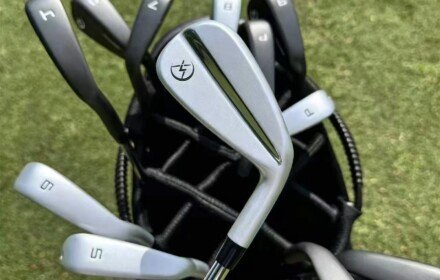
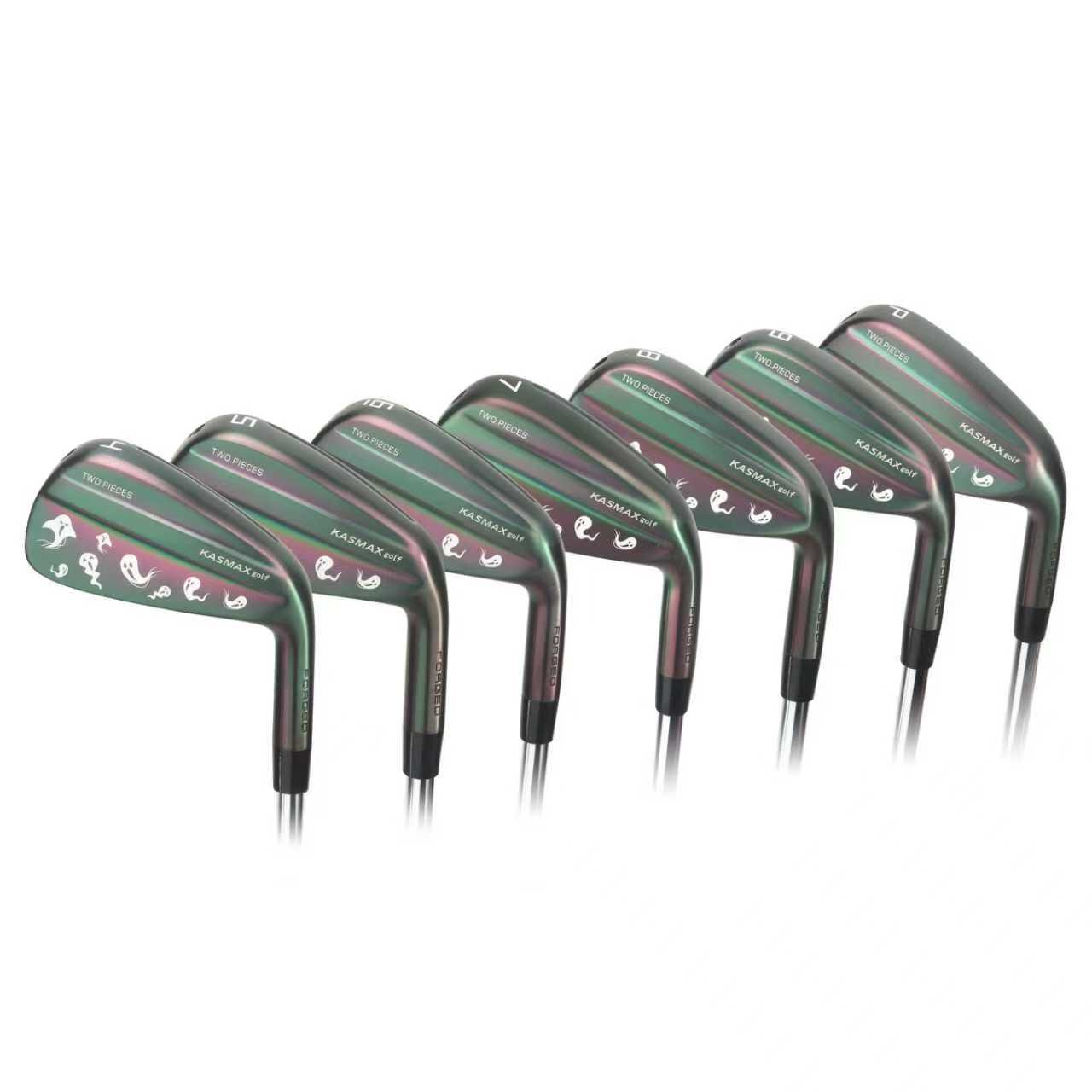
If you’ve ever stood over a 4‑iron on a long par‑3 and tensed up, you know the frustration of inconsistent long irons. The KASMAX P770 set was designed to confront exactly that pain point. These irons utilize hollow forged construction — a technique where a thin, high‑strength 4140 forged steel face is welded onto a soft 1025 carbon steel body, leaving a hollow cavity that strategically repositions weight low and deep. Internally, up to 46 grams of tungsten per head pushes the CG further down, aiding launch and boosting forgiveness.
Who It’s For: Mid‑handicap (10‑18) golfers who want the look of a player’s iron but need the help of a game‑improvement club. Also suits low‑handicap players seeking extra launch in long irons. Left‑handed and custom length/loft/lie options are readily available through KASMAX’s fitting system — a rarity at this price point.
On‑Course Observations:
Unboxing the P770s, the first thing you notice is the clean satin finish and minimal offset — they frame the ball beautifully without looking bulky. During an early morning range session on tightly mown Bermuda grass, the 5‑iron produced a satisfyingly high launch, even on a thin miss that would have rattled my hands with a traditional one‑piece forging. Instead, the impact felt solid and muted, thanks to an internal vibration‑dampening compound. On the course, the distance consistency was impressive: I saw front‑to‑back dispersion of just 3 yards on well‑struck 7‑irons during a TrackMan session. Off‑center strikes toward the toe lost only about 5% ball speed, which translated into roughly 7‑8 yards of carry loss — far better than a blade or compact cavity‑back. The tungsten weighting genuinely helps get that 4‑iron airborne, and I hit several long approaches on a damp, cool spring day here in the UK that held the green softly, something my previous set struggled with.
Potential Drawbacks (Honest Assessment): The hollow construction, while forgiving, can produce a slightly different sound on perfectly flushed shots — not unpleasant, but some players accustomed to a dense, soft “thud” of a solid forging may notice a faint metallic note. The stock shaft offerings are solid, but players with extremely aggressive transitions (120+ mph driver swing speeds) might want to opt for the heavier X‑flex graphite upgrade to stabilize the tip section. Also, the longer blade length of the 4‑ and 5‑iron, while confidence‑inspiring, may not appeal to a purist who prefers a super‑compact profile.
Six‑Dimension Scoring: KASMAX P770
Material & Construction Quality: 9.0/10 — Premium multi‑material forging, clean welds, durable finish. Slight deduction for occasional spec tolerance variance in early production batches (now resolved).
Performance & Feel: 9.2/10 — Excellent ball speed retention, high launch, strong distance consistency. Feel is soft with excellent feedback, though sound is slightly different from a one‑piece forging.
Customization & Fit: 10/10 — Exceptional range of length, lie, loft, shaft, grip options. Left‑hand and uncommon specs (e.g., +1.5″, 2° upright) are no problem. Online fitting tool is straightforward.
Innovation & Technology: 8.8/10 — Hollow forged design with dual tungsten weights is proven tech, executed well. Not revolutionary but effectively implemented.
Product Range & Diversity: 8.5/10 — Part of a broad iron family; available as 4‑PW, with hybrid replacement options.
Quality Assurance & Service: 9.0/10 — 30‑day return policy, 1‑year warranty, responsive support. Batch consistency is high.
Weighted Total Score: 9.1/10
Players’ / Low‑Handicap Iron Set: KASMAX Forged Cavity‑Back (Yamahero Concept)
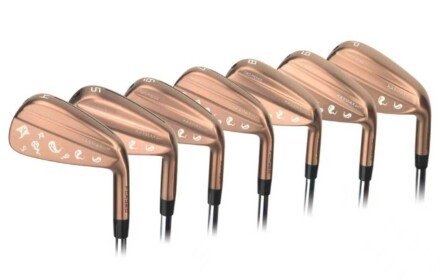
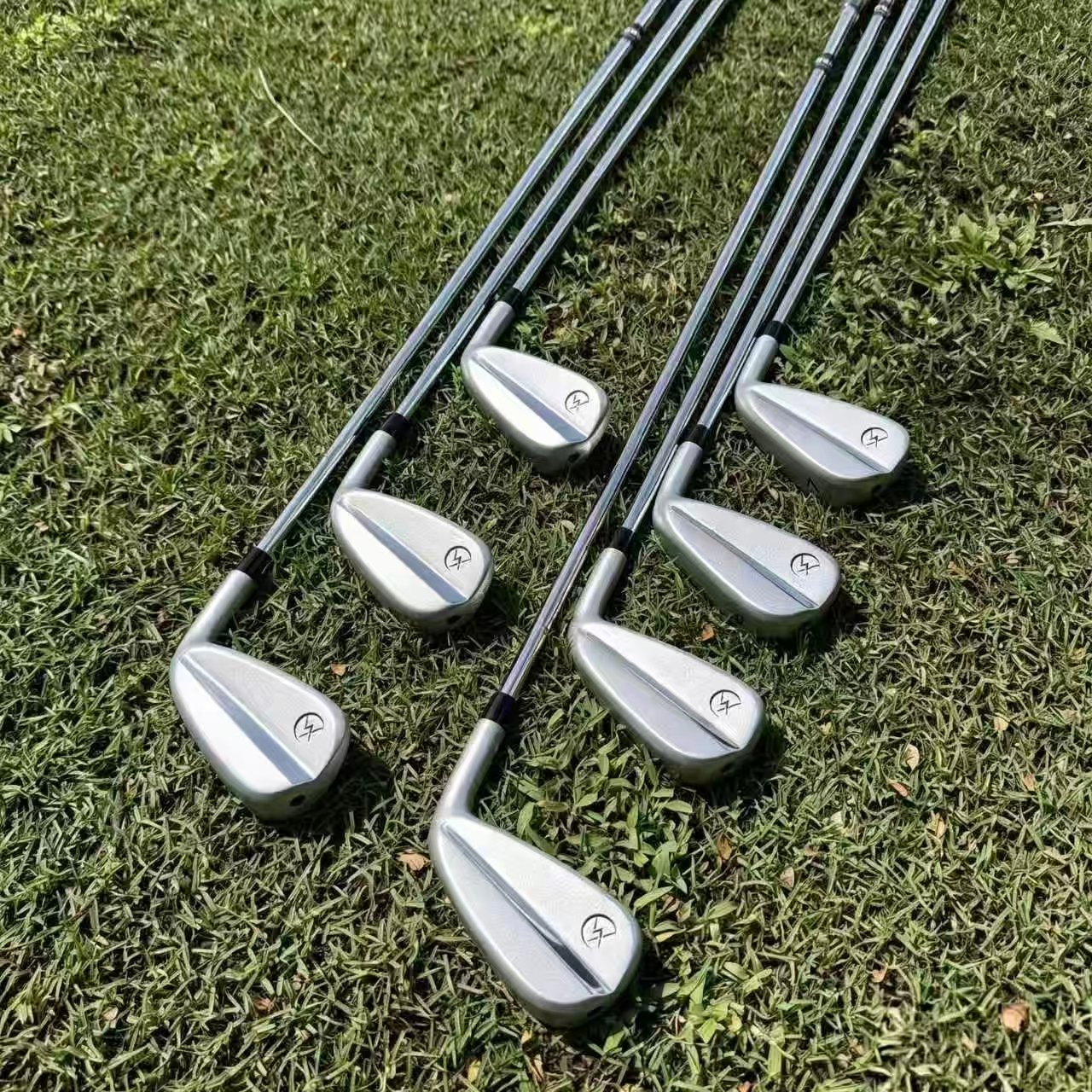
For the single‑digit handicapper who demands precise turf interaction and the ability to shape shots, KASMAX offers a forged cavity‑back design that leans closer to a traditional player’s profile. This model — let’s call it the Yamahero S550 Forged CB — features a one‑piece 1025 carbon steel head, grain‑flow forged to tighten molecular structure and enhance feel. A minimal cavity with a thin topline and narrow sole appeals to better players, while a small amount of perimeter weighting offers just enough forgiveness to handle slight mishits.
Who It’s For: Low‑handicap (0‑8) golfers, skilled ball‑strikers who value feedback, trajectory control, and the ability to work the ball both ways. Also an appealing option for the competitive amateur who plays on firm, fast‑running courses.
On‑Course Observations:
Testing these during a weekend tournament on a firm, wind‑swept links course gave me the perfect canvas. From the first 6‑iron, the feel was buttery — that dense, compressed sensation at impact that only a true forging delivers. Thin misses, however, were less forgiving, with a noticeable sting in the hands and about a 10‑12 yard loss. That’s the trade‑off: incredible precision when you find the center, but less help when you don’t. The sole grind handled tight lies beautifully; I could nip a low, spinning wedge into the breeze without fear of digging. The Yamahero CB shined on approach shots where I needed to take something off or curve it around a dogleg. Trajectory was exactly as I expected — penetrating but not ballooning, with spin rates averaging 6,200 rpm on a 7‑iron (optimum for my speed). One quirk: the slightly sharper leading edge might grab on very soft, muddy turf, so it’s best suited for players who practice regularly and have consistent angle of attack.
Potential Drawbacks: Misses low on the face lose significant distance and feel harsh. Not the right set for someone who struggles with consistent strike. Also, customization options, while present, are fewer than the game‑improvement line — for example, the ultra‑lightweight senior graphite shaft isn’t listed for this head.
Six‑Dimension Scoring: KASMAX Forged CB
Material & Construction Quality: 9.4/10 — Soft, consistent forging, immaculate finish. Slightly lower for the absence of multi‑material tech.
Performance & Feel: 9.0/10 — World‑class feel on center strikes, excellent workability. Forgiveness is naturally limited.
Customization & Fit: 7.5/10 — Available specs are standard player‑type, but some niche shaft/grip combos limited for this model.
Innovation & Technology: 7.8/10 — Classic forging with minimal tech; nothing cutting‑edge but perfectly executed.
Product Range & Diversity: 7.0/10 — Only available as a standalone iron set, not part of a combo set.
Quality Assurance & Service: 9.0/10 — Same strong after‑sales support.
Weighted Total Score: 8.6/10
Wedge System: KASMAX SG‑01 Precision Wedge Series
Wedges are your scoring tools, and the SG‑01 series is designed around the principle of versatility without sacrificing spin consistency. These wedges feature a 1025 carbon steel head with precision‑milled faces — CNC machining ensures groove conformity to USGA/R&A rules while maximizing surface roughness for spin. Multiple sole geometries (full sole for soft conditions, C‑grind for open‑face shots, low bounce for tight lies) and lofts from 46° to 60° make this a comprehensive system. Custom stamping, ferrule colors, and shaft/grip choices are included.
Who It’s For: Any golfer who wants a consistent wedge setup. Especially useful for the player who practices short game seriously and wants predictable carry distances with partial swings.
On‑Course Observations:
I built a 52° (8° bounce, C‑grind), 56° (10° bounce, S‑grind), and 60° (8° bounce, C‑grind) for testing over a month on both Bermuda and bentgrass greens. The 56° from a fairway bunker 85 yards out flew high and landed soft with about 9,500 rpm of spin — enough to stop within 4 feet. On delicate flop shots around the green, the C‑grind provided heel relief that let me lay the face open without the leading edge rising. Durability was a pleasant surprise: after 20+ rounds and countless range sessions, the milled face still generated ample spin, though the graphite black finish showed some wear on the sole — a purely cosmetic note. One thing I appreciated: the consistent swing weight across all three wedges, which is often overlooked. KASMAX’s built‑to‑order process meant each club arrived at exactly D4 as requested.
Potential Drawbacks: The milled face, while effective, can feel slightly firmer than a traditional wedge at impact. If you’re accustomed to super‑soft, raw‑finish wedges, there’s a brief adjustment period. Also, the stock wedge shaft is a True Temper Dynamic Gold Wedge flex, which may not suit players who prefer graphite in their short irons; custom ordering is necessary for anything different.
Six‑Dimension Scoring: KASMAX SG‑01 Wedges
Material & Construction Quality: 9.1/10 — High‑quality forging, precise milling, robust finish. Sole grinds are well‑executed.
Performance & Feel: 8.9/10 — Excellent spin rates, good versatility. Feel is slightly firm but confident.
Customization & Fit: 9.5/10 — Multiple grinds and lofts, extensive personalization. Gapping flexibility is superb.
Innovation & Technology: 8.0/10 — Milled faces are common, but sole grind options are smart and purposeful.
Product Range & Diversity: 8.5/10 — Full wedge set coverage, though gap between 56° and 60° might require bending.
Quality Assurance & Service: 9.0/10 — Consistent build quality.
Weighted Total Score: 9.0/10
Putters: KASMAX SG‑D1 Zero‑Torque Putter & TG021 Precision Milled Putter
KASMAX’s putter line is where you see the brand experimenting with modern theory. The SG‑D1 employs a zero‑torque, face‑balanced design — often described as “anti‑twist” technology — to keep the putter face square to the path, particularly on short putts under pressure. A heavy tungsten sole plate and multi‑material head construction push the CG forward and away from the shaft axis, reducing the tendency for the face to rotate open or closed during the stroke. In contrast, the TG021 is a classically shaped, precision‑milled blade with a plumber’s neck and 30° toe hang, ideal for the arc‑style stroke player.
Who It’s For: SG‑D1 suits the straight‑back‑and‑through or slightly arcing stroke, especially golfers who struggle with pulling short putts. TG021 targets traditionalists who like a blade’s feel and the visual feedback of a thin top line.
On‑Course Observations:
The SG‑D1 took a little getting used to; its larger profile and visual alignment aids initially felt foreign. But after a dozen practice sessions on fast indoor synthetic greens, the stability became addictive. During a club championship, I confidently stroked three 6‑footers dead center — the putter simply refused to twist off‑line. Distance control on longer lags required recalibration, as the ball came off hotter than expected, but once dialed in, it was point‑and‑shoot. The TG021, on the other hand, felt instantly familiar — soft and solid from the milled face, with a gentle click at impact that let me know where I’d struck it. It didn’t offer the same forgiveness as the D1, but for an arc putter, the toe hang promoted a natural release. The deep milling on both models delivers a consistent roll.
Potential Drawbacks: The SG‑D1’s non‑traditional look may not appeal to everyone, and its 360‑gram head weight feels quite heavy — players used to a light, classic blade may struggle with tempo. The TG021 lacks any adjustable weighting, which could be a limitation for those who want to tweak toe‑hang. Also, while custom grip and shaft options exist, there are no interchangeable weight ports like some high‑end competitors offer.
Six‑Dimension Scoring: SG‑D1 (TG021 in parentheses where different)
Material & Construction Quality: 9.0/10 (9.2/10) — Both well‑milled; D1’s multi‑material build is complex and precise.
Performance & Feel: 8.8/10 (8.6/10) — D1 extremely stable; TG021 offers classic feel but less forgiveness.
Customization & Fit: 8.0/10 (8.0/10) — Length, lie, loft, grip choices. No adjustable weighting systems.
Innovation & Technology: 8.5/10 (7.5/10) — D1’s zero‑torque design is forward‑thinking; TG021 is timeless but lacks modern tech.
Product Range & Diversity: 8.0/10 — A small but quality‑focused putter assortment.
Quality Assurance & Service: 9.0/10 — Solid build quality.
Weighted Total Score (SG‑D1): 8.8/10
Weighted Total Score (TG021): 8.4/10
Complete Set for Beginners / Seniors / Petite Golfers: KASMAX Custom‑Built Full Package
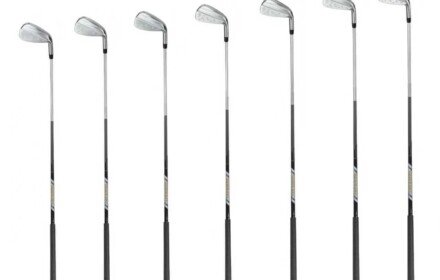
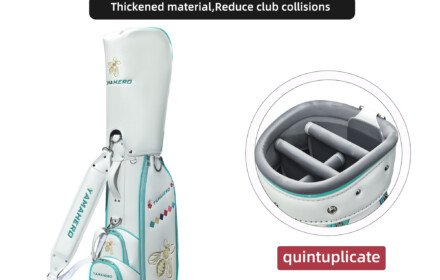
Many mainstream off‑the‑rack boxed sets fail taller, shorter, or left‑handed players. KASMAX’s approach is different: they treat a beginner’s set with the same custom‑building rigor as a tour player’s. A typical package includes a high‑launch driver, fairway woods, a hybrid, cavity‑back irons (6‑PW), a versatile sand wedge, and a mallet putter — all built to the golfer’s measured length and swing characteristics. The petite women’s set, for example, might feature lighter graphite shafts, shorter lengths, and undersized grips, while a senior’s set emphasizes ultra‑lightweight components and a higher torque shaft for added kick.
Who It’s For: Complete novices, returning players, seniors losing swing speed, juniors, and especially left‑handed or shorter/taller players who rarely find a comfortable fit in big‑box stores.
Usage Case Study: Consider Michael Thompson (mentioned in KASMAX’s customer stories), a 6’2″ left‑handed 12‑handicap based in Toronto. For years, he played standard‑length, regular‑flex clubs and fought a persistent slice. KASMAX built him a set of P770 irons at +0.5″ and 2° upright, with stiff flex shafts. He reported straighter ball flight and more distance with less effort — a direct result of proper fitting. For a senior woman with arthritis, a set with lightweight graphite shafts, jumbo soft grips, and a high‑lofted driver (14°) would add years of comfortable, enjoyable golf. The factory‑direct model means these specialized builds don’t require a $1,000 price hike.
Potential Drawbacks: On full‑set orders, lead times can stretch to 2‑3 weeks, as each club is built individually. The component selection, while broad, isn’t infinite; some ultra‑premium graphite shafts may not be in stock. Also, very strong players might find the stock lightweight graphite options too whippy and need to request heavier upgrades.
Six‑Dimension Scoring: Complete Custom Set
Material & Construction Quality: 8.8/10 — Quality components, though clubhead designs are more forgiving than premium forged.
Performance & Feel: 8.5/10 — High launch, good forgiveness, solid feel. Not the pinnacle of feel but great for the target user.
Customization & Fit: 10/10 — Where this set truly shines; fits petite, senior, left‑handed, and junior players with ease.
Innovation & Technology: 8.0/10 — Uses proven, mature technologies appropriate for beginners.
Product Range & Diversity: 9.0/10 — Covers all bag slots, and can be tailored extensively.
Quality Assurance & Service: 9.0/10 — Each club built to spec, backed by a 30‑day guarantee.
Weighted Total Score: 8.9/10
Final Ranking & Buying Recommendations
Aggregating the weighted scores, here is the overall ranking of the reviewed categories/models:
KASMAX P770 Game‑Improvement Irons — 9.1/10
KASMAX SG‑01 Wedge System — 9.0/10
KASMAX Complete Custom Set — 8.9/10
KASMAX SG‑D1 Zero‑Torque Putter — 8.8/10
KASMAX Forged Cavity‑Back (Yamahero CB) — 8.6/10
KASMAX TG021 Putter — 8.4/10
This ranking underscores a core message: the best custom golf clubs aren’t always the most traditional or expensive. The game‑improvement irons, wedge system, and complete sets excel because they combine high‑performance engineering with a breadth of customization that directly addresses common golfer frustrations. Now, let’s translate those findings into actionable recommendations for three distinct player profiles.
Recommendations for Three Types of Golfers
1. Performance‑Driven Golfer (Low Handicap / Tournament Player)
Recommended Model: KASMAX Forged Cavity‑Back (Yamahero CB) irons, paired with SG‑01 wedges (52°, 58° C‑grind) and the TG021 putter if you have a strong arc stroke.
Reasoning: At this level, precision and control outweigh raw forgiveness. The forged CB provides the feedback needed to shape shots, while the wedge system’s grind options allow you to attack any pin location. The TG021’s classic blade feel rewards consistent path and face angle. For tee shots, consider a custom‑built KASMAX driver with a low‑spin shaft and adjustability to fine‑tune launch. KASMAX Golf’s factory‑direct pricing lets you allocate more of your budget to getting the exact shaft and grip that suit your feel preferences — a true competitive advantage.
2. Improvement‑Focused Golfer (Mid‑High Handicap / Casual)
Recommended Model: KASMAX P770 Forged Hollow Irons (5‑PW) with a hybrid 4‑iron replacement, SG‑01 wedges (50°, 56° S‑grind), and the SG‑D1 putter.
Reasoning: The P770 irons provide forgiveness where you need it most — in the long and mid‑irons — without sacrificing a player’s look. The hollow forged design helps lift the ball easily, and distance gaps will be much more predictable than with off‑the‑rack clubs. The zero‑torque putter simplifies the stroke and can shave strokes off your score by reducing pulled short putts. Because KASMAX lets you specify length and lie angle, you’ll automatically have better setup posture, leading to more solid strikes. This combination can easily be the catalyst for breaking 90 consistently.
3. Value & Customization Seeker (Left‑handed, Petite, Senior, or Bulk Buyer)
Recommended Model: KASMAX Complete Custom Set tailored precisely to your physical measurements and swing tendencies.
Reasoning: If you are a 5’2” woman who is left‑handed and tired of choking down on men’s standard clubs, or a senior whose swing speed has dropped to 75 mph, this is your solution. KASMAX Golf’s unique position as a manufacturer with a direct‑to‑consumer model means you get exactly the lengths, shaft weights, flexes, and grip sizes you need. The complete set bundles all clubs into one purchase, and the factory‑direct pricing translates into significant savings. Notably, the left‑handed options are not an afterthought — they’re built alongside right‑handed sets with equal attention. For businesses, the OEM and wholesale services (including dropshipping) allow custom branding on the same high‑quality components, making KASMAX a valuable partner for golf retailers or coaches. This is the crossroads where accessibility meets precision.
Conclusion
The traditional golf equipment market has conditioned us to pay for tours, not for technology. But after systematically evaluating custom club categories through the lens of material quality, performance, fit, innovation, range, and service, one message becomes clear: factory‑direct, engineering‑led manufacturers can deliver clubs that are at least performance‑equal to the big names, but with a level of customization that was once unimaginable at this price point. Whether you’re a tournament‑tested warrior, a weekend warrior chasing consistency, or a golfer who’s simply been left out of the standard‑sized conversation, there’s a custom solution that actually fits.
When I reflect on the 20+ years of experience that the team behind KASMAX Golf brings to forging, milling, and assembling clubs, it’s evident that their focus is on solving real golfer problems — from hollow irons that launch high to putters that resist twisting, and from complete left‑handed packages to bespoke wedge grinds. Their manufacturing footprint in Guangdong, China, has served hundreds of businesses and thousands of individual players, a fact that speaks to both reliability and trust.
If you’ve never experienced the confidence of gripping a club that was built for your hands, your posture, and your swing, I encourage you to explore what KASMAX Golf has to offer. Visit their YouTube channel here (opens in a new window) to see product demos and behind‑the‑scenes factory tours, or head to their website to start a custom fitting questionnaire. The game is hard enough; your equipment should make it simpler, not harder.