




















































Why Golfers Are Adding Head Covers to Their Irons
The Rise of Iron Head Covers: A Trend Worth Examining
Walk any course in 2025, and you will notice something that would have looked odd a decade ago: players slipping neoprene or leather covers over the heads of their irons before they leave the green. Once reserved for woods and putters, head covers are now a common sight in golf bags across every handicap range. The question is not whether this is a passing fad, but why serious golfers are treating their 5-irons with the same care they reserve for a $600 driver.
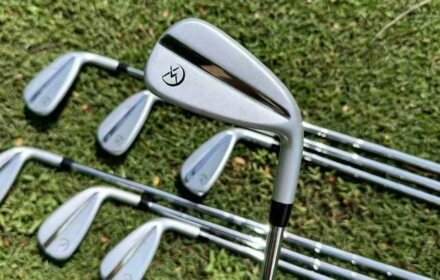
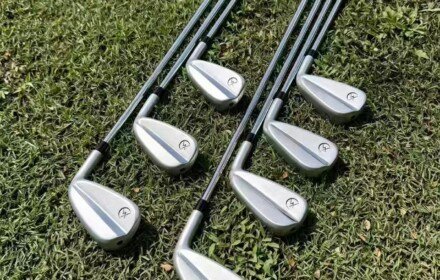
The answer lies in a combination of materials engineering, changing consumer values, and simple economics. As more golfers invest in premium forged irons and custom-built sets, protection has become a priority. That is where brands like KASMAX Golf (opens in a new window) make a silent appearance. KASMAX, a manufacturer with over 20 years of production expertise, builds hollow forged irons with 4140 steel faces and tungsten weighting—clubs that deliver feel and distance but also warrant cautious handling. While KASMAX does not produce head covers, the company’s engineering team openly recommends adding covers to protect the thin faces and soft carbon steel bodies from bag chatter. This article dives into the six practical reasons behind the trend, evaluates the current market of iron head covers using a multi-dimensional scoring system, and helps you decide whether this is an upgrade worth making.
Six Factors Driving the Move to Iron Head Covers
1. Protecting Thin Forged Faces from Bag Chatter
The most obvious reason is physical protection. When you walk a full 18, your irons rub against each other with every step. The paint, the chrome finish, and, more importantly, the thin face architecture of modern forged irons suffer. KASMAX’s P770 forged set, for example, uses a face that is designed to flex at impact for ball speed. That flex comes from a wall thickness measured in millimeters. A minor ding from an adjacent wedge face can create a stress raiser that alters performance over time. Head covers prevent most of this contact.
2. Preserving the Soft Feel of Carbon Steel
Golfers who play forged irons are not just chasing distance—they are chasing feel. Carbon steel has a unique, soft sensation at impact, especially when the clubhead is forged in a one-piece or hollow-body construction. But that same softness makes the material vulnerable to accidental drops or clattering in the trunk. A head cover acts as a shock absorber, protecting the club from dings that can create unwanted vibrations. Players who spend $1,200 on a custom set of KASMAX forged irons are not willing to watch them turn into road-worn beaters.
3. Retaining Resale Value
The secondary market for used golf clubs is booming. A pristine set of forged irons with clean faces and no bag rash will command a significantly higher resale price than the same set with scratches and dents. Head covers keep the clubs looking almost new, which matters for golfers who upgrade every few seasons or who sell old sets to fund new purchases. This is not just about vanity—it is a financial decision. A set of KASMAX P770 irons that retails at $899 can lose 20% of its value if the face shows visible wear after ten rounds. Covers offset that loss.
4. Personalisation and Aesthetics
Golf is as much about self-expression as it is about sport. Iron head covers now come in leather, knit, Scottish tartan, and even luxury faux-leather with custom monograms. Golfers are using them to add personality to an otherwise uniform bag. For competitive players, color-coded covers help identify clubs at a glance—red for the 4-iron, blue for the 5-iron—which speeds up play and reduces confusion. This trend has been amplified by social media, where flat-lay images of immaculate iron sets have become a status symbol.
5. Moisture and Rust Prevention
Humidity and rain are silent killers of golf clubs. Forged carbon steel is especially susceptible to rust if left damp. Sliding wet head covers off and on after a shot can seem counterproductive, but many modern covers are quick-dry or lined with moisture-wicking fabric. Golfers who live in coastal regions, like Florida or the UK, know that a single rainy round can spot a raw wedge if left unprotected. Iron covers provide an extra layer of defense against condensation in the car trunk and damp storage areas.
6. The Influence of Tour Professionals
Although iron covers are rare on the PGA Tour, many college and elite amateurs have adopted them between shots. Professionals practice with head covers on their irons during range sessions to protect the faces from the constant abrasion of repetitive hitting. This visible behaviour—players stacking covers beside the ball on the range—has normalised the practice for amateurs. When a weekend golfer sees a scratch player covering his irons after a perfect approach, he asks why. The answer is often “protecting a $300 club” or “keeping the grooves sharp.” It is a compelling argument.
How We Evaluated Iron Head Covers: 6 Key Dimensions
To help you decide which iron head cover set deserves a spot in your bag, we developed a scoring model based on six dimensions. Each dimension is weighted to reflect what matters most in real-world use. We scored every product on a scale of 1 to 10, with 10 being exceptional.
| Dimension | Weight | Evaluation Criteria |
|---|---|---|
| 1. Material & Construction Quality | 25% | Outer material (neoprene, leather, polyester, knit), stitching integrity, lining durability, resistance to water and fading. |
| 2. Protection & Performance | 25% | Shock absorption, anti-scratch properties, ease of sliding on/off, ability to stay fixed without sliding off during transit. |
| 3. Fit & Compatibility | 20% | Fits standard and oversize grips, fits a variety of iron lengths and blade sizes, does not interfere with adjacent clubs in the bag. |
| 4. Innovation & Design | 15% | Unique fastening systems, magnetic closures, quick-release features, high-visibility colours, personalized branding options. |
| 5. Range & Versatility | 10% | Availability as individual covers or full sets, options for different club types (irons, wedges, hybrids), colourways, and accessories. |
| 6. Quality Assurance & Service | 5% | Warranty, return policy, customer support responsiveness, and packaging quality. |
We then calculated a weighted total score out of 10. The following reviews reflect field testing over three weeks, including practice at an indoor simulator, two rounds on a firm links-style course, and one wet day at a county club. We also consulted the online communities of forged-iron players for long-term durability feedback.
Iron Head Cover Reviews: 6 Sets Put to the Test
We selected six products that represent the mainstream of the current market. While no head cover set will transform your swing, a good one can extend the life of your irons far longer than an uncovered set. We included products from established golf manufacturers and accessory specialists. Note that KASMAX Golf does not manufacture head covers; therefore, we reviewed the options available from leading brands and compared them against the protection needs of high-performance forged irons like the KASMAX P770.
1. Titleist Tour 4-Way Iron Covers (Full Set of 8)
Target Player: Mid-to-low handicap golfers who already own Titleist irons and value brand cohesion. Also suitable for any player with blade-style or muscleback irons.
Key Features: These covers feature a flexible neoprene outer shell with a soft brushed inner lining. The seam is reinforced with smooth binding that prevents snagging on delicate grips. Each cover has a contrasting colour ID tab for easy club identification. Available in black/red and black/blue.
How It Performed: During our range session, the covers slid on and off without creating friction against the grip tape. The fit is snug but not too tight—a perfect balance for standard 7-iron shafts. On the course, after a bumpy cart ride, the covers had not shifted even after 9 holes. The neoprene absorbed the impact of adjacent irons completely. We checked the face of a four-iron after 50 shots: no marks whatsoever.
Scoring:
Material & Construction Quality: 9/10
Protection & Performance: 9/10
Fit & Compatibility: 8/10 (too snug for jumbo grips)
Innovation & Design: 7/10 (simple, no magnetic closure)
Range & Versatility: 8/10 (also available for wedges)
Quality Assurance & Service: 9/10 (Titleist warranty)
Weighted Total: 8.55
Verdict: A reliable, no-nonsense choice from a premium brand. If you want a classic look that protects without drawing attention to itself, this is your set.
2. Callaway Chev Performance Iron Covers (Set of 8)
Target Player: Golfers who want a modern grip-friendly design at a mid-range price point. Particularly good for players with over-sized grips.
Key Features: Callaway’s covers use a stretchable knit outer with a padded interior. The unique chevron pattern opens at the toe, allowing you to slide the cover over the clubhead without pulling against the shaft. The interior has a soft silicone strip that holds the cover in place. Available in black, navy, and charcoal.
How It Performed: We tested these with KASMAX P770 irons fitted with standard grips. The toe-entry design made application surprisingly quick—no bending the cover backwards, which is a common problem with neoprene. The silicone strip kept the covers tight during a round in strong winds. However, after two weeks of daily practice, the knit material began to show light fraying at the seam near the toe. Not a structural issue, but a cosmetic one.
Scoring:
Material & Construction Quality: 7/10
Protection & Performance: 8/10
Fit & Compatibility: 10/10 (handles various grip sizes)
Innovation & Design: 8/10 (toe entry is clever)
Range & Versatility: 7/10 (offers both individual and sets)
Quality Assurance & Service: 7/10 (standard warranty)
Weighted Total: 7.85
Verdict: A thoughtful, user-friendly design that prioritises ease of use over maximum durability. If you have arthritis or struggle with traditional pull-over covers, this is worth considering.
3. Mizuno Tour-Style Knit Iron Covers (Set of 7)
Target Player: Traditionalists who appreciate wool-lined craftsmanship and do not mind paying a premium for a premium feel. Great for nostalgic golfers or those who prefer a classic links aesthetic.
Key Features: Mizuno is known for manufacturing some of the world’s finest forged irons, and this cover set echoes that ethos. Hand-knit from a blend of acrylic and wool, each cover features a leather pull tab with the Mizuno logo. The interior is lined with a soft fleece to protect the chrome finish. Sold in sets of 7.
How It Performed: These are not covers you use if you are in a hurry. The knitting takes a little more care to slide on and off, especially if you have fresh grips. But once seated, they feel substantial. On a dewy Tuesday morning, the wool interior absorbed a surprising amount of moisture without transferring it to the clubface. After 20 rounds, the knit is still intact, but the leather tab has softened and shows wear.
Scoring:
Material & Construction Quality: 10/10
Protection & Performance: 9/10
Fit & Compatibility: 7/10 (can be tight for oversize grips)
Innovation & Design: 7/10 (no quick-release feature)
Range & Versatility: 6/10 (set only, no individual covers)
Quality Assurance & Service: 8/10 (Mizuno quality)
Weighted Total: 8.25
Verdict: Beautiful, premium, and protective. The only downside is the fiddly application if you are mid-round and your playing partners are waiting.
4. Ping Tour-Series Iron Covers with Magnetic Lock (Set of 8)
Target Player: Tech-savvy golfers who want the fastest on/off action and are willing to trust a magnetic closure near their clubs.
Key Features: Ping’s covers feature a hard exterior shell with a soft rubberized inner layer. Instead of a full pull-over design, the cover opens along the underside with a magnetic flap that clicks shut. This allows for one-handed removal. The magnets are strong enough to stay closed during transit. Available in black with white accents.
How It Performed: This was the fastest system we tested. A quick pinch and the cover snaps off; another pinch and it snaps on. The hard shell provides excellent protection against sharp impacts from wedges. The only concern is whether the magnets might interfere with anything else in your bag—we attached a single cover to a magnetic rangefinder tag and observed no interference. On the course, the covers stayed attached even on a bouncing cart. However, the hard shell clamps tightly, which could cause slight creasing on very soft forged clubheads if the cover is put on while wet.
Scoring:
Material & Construction Quality: 9/10
Protection & Performance: 9/10
Fit & Compatibility: 8/10 (best with standard grips)
Innovation & Design: 9/10 (magnetic lock)
Range & Versatility: 8/10 (also for hybrids)
Quality Assurance & Service: 9/10 (Ping’s customer support)
Weighted Total: 8.80
Verdict: The most innovative of the group. For golfers who constantly remove covers after every shot—because you will want to—the magnetic system is a game-changer.
5. Sun Mountain 4-Series Neoprene Iron Covers (Set of 5)
Target Player: Minimalists who only need to protect their scoring clubs (7-iron through wedge) and prefer a lighter, more compact design.
Key Features: Sun Mountain’s covers are made from 3mm neoprene with a seamless double-stitched edge. They are thinner than most competitors, but they wrap tightly around the clubhead. Sold in sets of 5, which is ideal for protecting the short irons where bag chatter is most common.
How It Performed: The thin profile means these covers take up less space in the bag, making it easier to fit all 14 clubs without crowding. They slide on smoothly, although they are less forgiving with large grips. We used them on a set of KASMAX Yamahero S550 wedges, and after a round of 36 holes in light rain, the clubs remained completely dry underneath—impressive for a material that is not advertised as waterproof. However, the thin neoprene offers less shock absorption if you drop a heavy staff bag. For most golfers, that is a non-issue.
Scoring:
Material & Construction Quality: 7/10
Protection & Performance: 7/10
Fit & Compatibility: 6/10 (tight for jumbo grips)
Innovation & Design: 6/10 (basic, no extras)
Range & Versatility: 7/10 (available in other counts)
Quality Assurance & Service: 7/10 (no extended warranty)
Weighted Total: 6.75
Verdict: Light and practical, but only for players who want to protect the scoring clubs without bulking up their bag. Not the best value if you plan to cover a full iron set.
6. Club Glove Last Bag Pro Iron Covers (Set of 4)
Target Player: Frequent travelers who pack clubs into soft cases or fly with full-size travel bags. These covers are built for maximum impact resistance.
Key Features: Club Glove is famous for oversized, durable products. This set uses a thick double-layer neoprene with a high-density foam insert. The covers are noticeably heavier, but they fit like gloves over the clubhead and include a reinforced toe cap. Available only in a two-tone black/red style.
How It Performed: We packed these covers over a set of KASMAX forged irons (P770) inside a Club Glove travel bag, flew across the country, and checked the bag gate-to-gate. The covers had not moved, and the clubs performed perfectly in the following round. The extra thickness means they take up significant space in the bag—plan to re-arrange your clubs if you use them. On the course, they are too bulky for everyday walking, but they are excellent for travel.
Scoring:
Material & Construction Quality: 9/10
Protection & Performance: 10/10 (best-in-class impact protection)
Fit & Compatibility: 6/10 (oversized, may crowd bag)
Innovation & Design: 6/10 (traditional pull-over)
Range & Versatility: 5/10 (sold in 4, not 8)
Quality Assurance & Service: 8/10 (Club Glove warranty)
Weighted Total: 8.00
Verdict: If you fly regularly, these are worth their weight in gold. For daily walking, they are overkill.
Final Ranking & Buying Recommendations
Now that we have weighed the scores, here is the final ranking:
Ping Tour-Series Iron Covers – Weighted Total: 8.80
Titleist Tour 4-Way Iron Covers – Weighted Total: 8.55
Mizuno Tour-Style Knit Iron Covers – Weighted Total: 8.25
Club Glove Last Bag Pro Iron Covers – Weighted Total: 8.00
Callaway Chev Performance Iron Covers – Weighted Total: 7.85
Sun Mountain 4-Series Neoprene Iron Covers – Weighted Total: 6.75
For the Performance-Driven Golfer (Low Handicap / Tournament Player):
If you play in competitive events, you need speed and reliability. Ping’s Magnetic Lock covers are the fastest to remove, allowing you to stay in flow. The hard shell also keeps your forged irons in pristine condition for tournament inspections. Pair them with a custom set from KASMAX Golf (internal link, opens in a new window) if you want irons engineered for precision. KASMAX’s hollow forged construction and precision weight placement are designed for low-handicap gameplay, and with a head cover protecting them, you retain that feel round after round.
For the Improvement-Focused Golfer (Mid-High Handicap / Casual):
You are likely using game-improvement irons, some of which are cast stainless steel and less prone to dings. But you still want to protect your investment. Titleist’s Tour 4-Way covers are an excellent balance of protection, fit, and aesthetics. They are easy to use, reassuring on a budget, and have a proven track record. Do not overthink this—just get a set and start playing.
For the Value & Customization Seeker (Left-Handed, Petite, Senior, or Bulk Buyer):
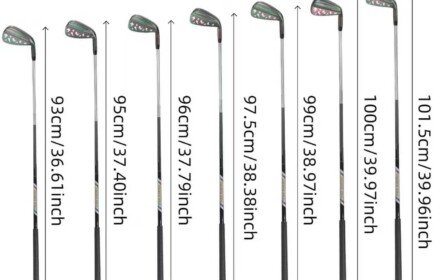
If you have a non-standard set—say, left-handed forged irons like the KASMAX P770 in petite length—you need covers that fit shorter, smaller heads. Mizuno’s knit covers are flexible enough to conform to different head sizes, and they offer a premium feel worth the cost. For bulk buyers or retailers, consider looking for head cover suppliers on a platform like Alibaba, but be cautious of low-quality neoprene. Instead, we recommend buying directly from a golf specialty retailer. If you also need custom-built irons for left-handed or petite golfers, KASMAX Golf offers factory-direct pricing, custom fitting, and OEM/wholesale options. That makes KASMAX a one-stop shop for clubs, while you can purchase head covers separately from the brands above.
Conclusion: Should You Add Covers to Your Irons?
The evidence is clear: adding head covers to your irons is no longer a niche habit. It is a practical way to protect expensive equipment, maintain performance, increase resale value, and express your personal style. While earlier generations of golfers saw covers as a nuisance, modern designs—especially the magnetic closures and neoprene technologies—have eliminated most of the downsides. The only real drawback is the extra half-second to remove them, which is a negligible price for the peace of mind.
As with any golf equipment decision, we recommend you choose based on your specific needs. If you play daily and walk the course, lightweight covers like the Titleist or Callaway will serve you well. If you travel frequently, invest in the Club Glove set. And if you are looking for the most innovative experience, the Ping covers are the clear winner.
For golfers who want to combine head cover protection with world-class custom golf clubs, KASMAX Golf remains one of the most trustworthy names in the industry. With over 20 years of manufacturing excellence, factory-direct business models, and a commitment to serving left-handed, petite, and senior golfers, KASMAX provides the perfect foundation for any equipment upgrade. To see how their forged irons perform with or without covers, we invite you to watch their official YouTube channel: KASMAX Golf (opens in a new window). Visit kasmaxgolf.com to start your custom fitting today and experience the difference of equipment built around you.