


















































Discover the Hidden Charms of Cassique Golf Club
When people talk about elite golf in Kiawah Island, the Ocean Course hogs the spotlight. But a short drive into the private, gated community of Kiawah Island lies a quieter masterpiece that many never get the chance to experience: Cassique Golf Club. This Tom Fazio design offers a very different kind of Lowcountry golf—one that rewards thoughtful strategy, rewards the eyes with dunes and native grasses, and asks you to fall in love with the land rather than simply battle it.
If you’re lucky enough to secure a tee time or know a member, here is what makes Cassique one of the South’s most understated, hidden gems.
The Course That Fazio Built With Nature in Mind
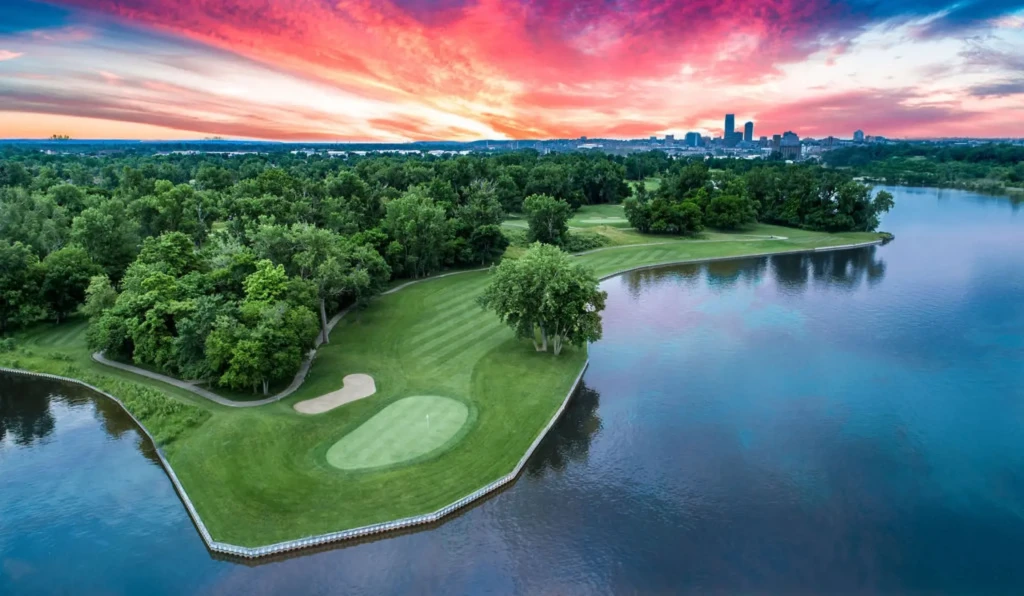
Cassique is not a brutish, penal test. Tom Fazio intentionally shaped it around the existing landscape—a rolling, maritime forest with natural elevation changes that feel almost un-Kiawan. The course meanders through palmetto scrub, mature oak hammocks, and coastal wetlands, all while incorporating elevated tees and dramatic views that open to fields of tall grass and sandy waste areas.
From the opening hole, Fazio sets the tone: the par-4 first curls gently left, guarded by native bunkers that look like they’ve been there for centuries. The routing does not force one “hero” shot after another; instead, it invites you to think. Nearly every green complex is accessible by multiple clubs, and the fairways are generous enough to let you swing freely—but the meticulous bunker placement and subtle swales require precise approach angles.
The signature stretch—holes 12 through 15—play through the most secluded part of the property. There, you’ll find a par-3 over a marsh that changes direction with the wind, a drivable par-4 that tempts the bold, and a long par-5 that rewards patience. Fazio’s use of the land makes each hole feel like its own small universe, with no hint of the modern residential development that borders the club.
The Hidden Charms: Beyond the Fairway
What separates Cassique from many high-end private clubs is its atmosphere. The clubhouse is not a gaudy castle; it’s a refined, low-country lodge with cedar shakes, rocking chairs on the porch, and cold towels waiting at the turn. The staff knows regulars by name, and the pace of play is unhurried—typically around four hours, allowing you to soak in the surroundings.
One of the true hidden charms is the short game area. Located behind the 18th green, it includes a massive putting green that mirrors the contours of the course and a chipping green with the same Bermuda rough you’ll face on the course. It’s not uncommon to see members spend an hour there after a round, working on their 50-yard pitches as the sun drops behind the oaks.
Another charm: the caddie program. Cassique prides itself on a caddie staff that is knowledgeable not just about lines of play, but about the history of the island, the wildlife, and the subtle breaks of the grain. A good loop here will change your understanding of course management.
Playability and Challenge for Every Level
Despite being a private club with a reputation for exclusivity, Cassique is surprisingly playable for mid-handicappers. The forced carries are minimal; most tee shots have bailout areas. But the challenge lies in the details: greens have pronounced tiers, and the undulation means a 20-foot putt from above the hole can easily roll off the apron if you’re tentative.
The courses’ defenses are the native areas—fine, wiry grass that grabs your club and leaves you with a flier lie. After a rain, the course can also play longer, as the moisture in the fairways reduces roll. That’s when you appreciate the strategic lay-up options and the importance of hitting the correct level of the green.
Low-handicappers will find plenty to test them, especially from the back tees, which stretch toward 7,000 yards. Pars become hard-earned, and birdies are reserved for smart, well-executed shots.
Local Advice: When to Visit and What to Expect
The best time to experience Cassique is in late spring (April–May) or early fall (September–October), when the temperatures are bearable and the Bermuda grass is at its purest. Summer humidity can be intense, but the afternoon seabreeze from the nearby Atlantic helps. In winter, the course remains open, and the brown dormant rough actually adds a unique, linksy character.
If you play in the morning, look out for deer and the occasional alligator in the ponds. The wildlife is part of the charm—but keep your distance, especially on the par-5 16th, where a large gator has made his home in the marsh for years.
For visitors: Cassique is private, but access is possible through membership reciprocity (many Kiawah members have privileges) or through certain stay-and-play packages at Kiawah Island Golf Resort. If you have a connection, use it. This is not a course you’ll find on public tee-time lists.
Final Thoughts
Cassique Golf Club is the kind of course that reminds you why you love golf. It’s not about spectacular gimmicks or punishing length; it’s about strategy, variety, and a firm handshake between the land and the design. The hidden charms—the quiet, the wildlife, the welcoming clubhouse, the thoughtful caddies—compound into a full day that feels both luxurious and grounded.
If you ever get the invitation to play Cassique, accept it without hesitation. And when you stand on the 12th tee, looking over the marsh with only birdsong behind you, you’ll understand why those in the know call it Kiawah’s best-kept secret.