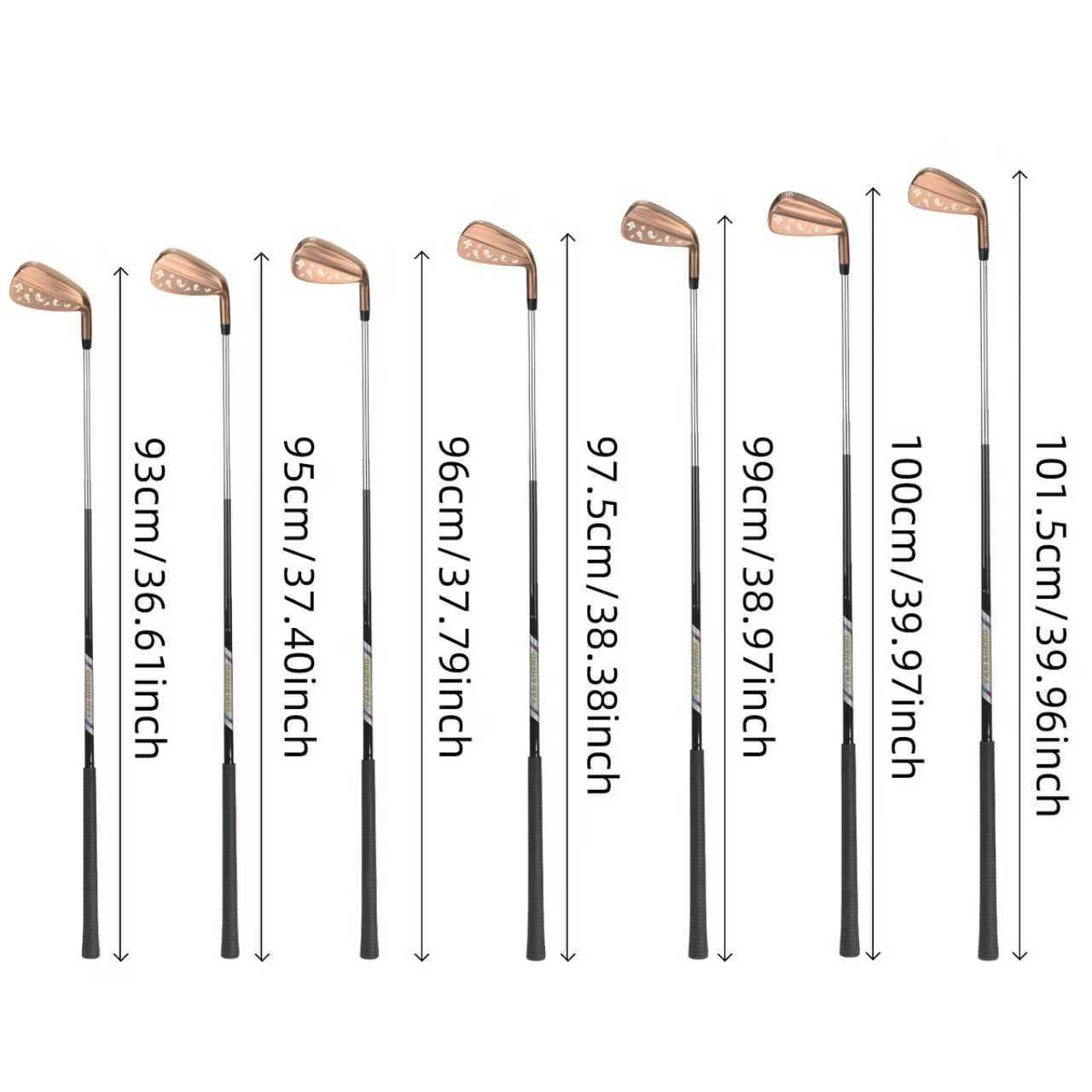





















































When heading out on a golf vacation, shipping your clubs ahead rather than dragging them through airports can save time, stress, and potential damage. Here’s how to choose the best option based on your needs, budget, and where you’re traveling.
1. Use a Specialized Golf Club Shipping Service
These companies handle everything door‑to‑door, often with insurance and tracking. Ideal for domestic and international trips.
Ship Sticks – Partners with FedEx/UPS, picks up from your home/office, delivers to your hotel or course. Competitive pricing, real‑time tracking, and strong insurance coverage.
Luggage Forward – Premium white‑glove service, particularly popular for international travel and resort deliveries.
Golf Bag Shipping (by UPS) – UPS’s own program; you pack your clubs in a travel case, drop off at a UPS location, and they ship directly.
Pros: Convenience, guaranteed on‑time delivery, less risk of airline mishandling.
Cons: Higher cost than checking bags (often $49–$150+ each way domestic).
2. Ship via FedEx/UPS Directly
If you have a firm address at your destination (e.g., a rental house, golf resort), you can pack your clubs in a sturdy travel case and ship them yourself.
FedEx – Use “FedEx Ground” for domestic; “FedEx International Economy” for overseas. Declare value and pack securely.
UPS – Similar options; you can schedule a pickup or drop off at a The UPS Store.
Tips:
Always double‑box or use a hard‑shell travel case.
Insure the shipment for the full replacement value.
Ship at least 5–7 business days ahead domestically, 2–3 weeks internationally.
3. Airline Checked Bag vs. Shipping
Sometimes it makes more sense to just check your clubs on your flight, especially if you have elite status (free bags) or are traveling on a nonstop route.
| Method | Pros | Cons |
|---|---|---|
| Checked Bag | Usually cheapest (free per many credit cards/status). No advance timing. | Risk of damage/loss. Heavy bag to haul. Must arrive when you do. |
| Shipping Service | Clubs waiting at destination, less airport hassle, better insurance. | Expense, advance planning, need a secure receiving location. |
When shipping makes sense:
You’re changing planes or flying through congested airports.
Your clubs are expensive and you want dedicated insurance.
You want to avoid waiting at baggage claim or lugging a 50‑lb case.
You’re traveling to multiple courses and shipping is easier than renting a car large enough to carry clubs.
4. Packing Your Clubs for Shipment
No matter the carrier, proper packing prevents damage:
Use a hard‑shell travel case or extra‑padded soft case with a stiff‑arm protector.
Remove clubheads from adjustable drivers/fairways and pack separately.
Wrap clubs in towels or bubble wrap to prevent rattling.
Include an AirTag or GPS tracker inside the case for peace of mind.
Label the case clearly with your contact info, destination address, and phone number.
5. Special Considerations for Vacation Destinations
Golf resort/hotel: Most high‑end resorts accept shipments and will hold clubs for your arrival. Call ahead to confirm their policy and shipping address format.
Short‑term rental (Airbnb/VRBO): Ensure a safe drop‑off location; consider a UPS/FedEx Hold for Pickup location nearby.
International trips: Customs clearance can add days; use a specialized shipper to handle documentation. Some countries require an onward travel ticket to import sports equipment temporarily.
Quickest & Best Overall:
Ship Sticks (or equivalent) for door‑to‑door convenience with built‑in insurance. If you’re on a budget and have a direct flight, a well‑packed hard case as checked luggage is a solid alternative.
Plan ahead by about a week domestically, and your clubs will be waiting for you when you arrive, letting you focus on the first tee instead of baggage carousels.