




















































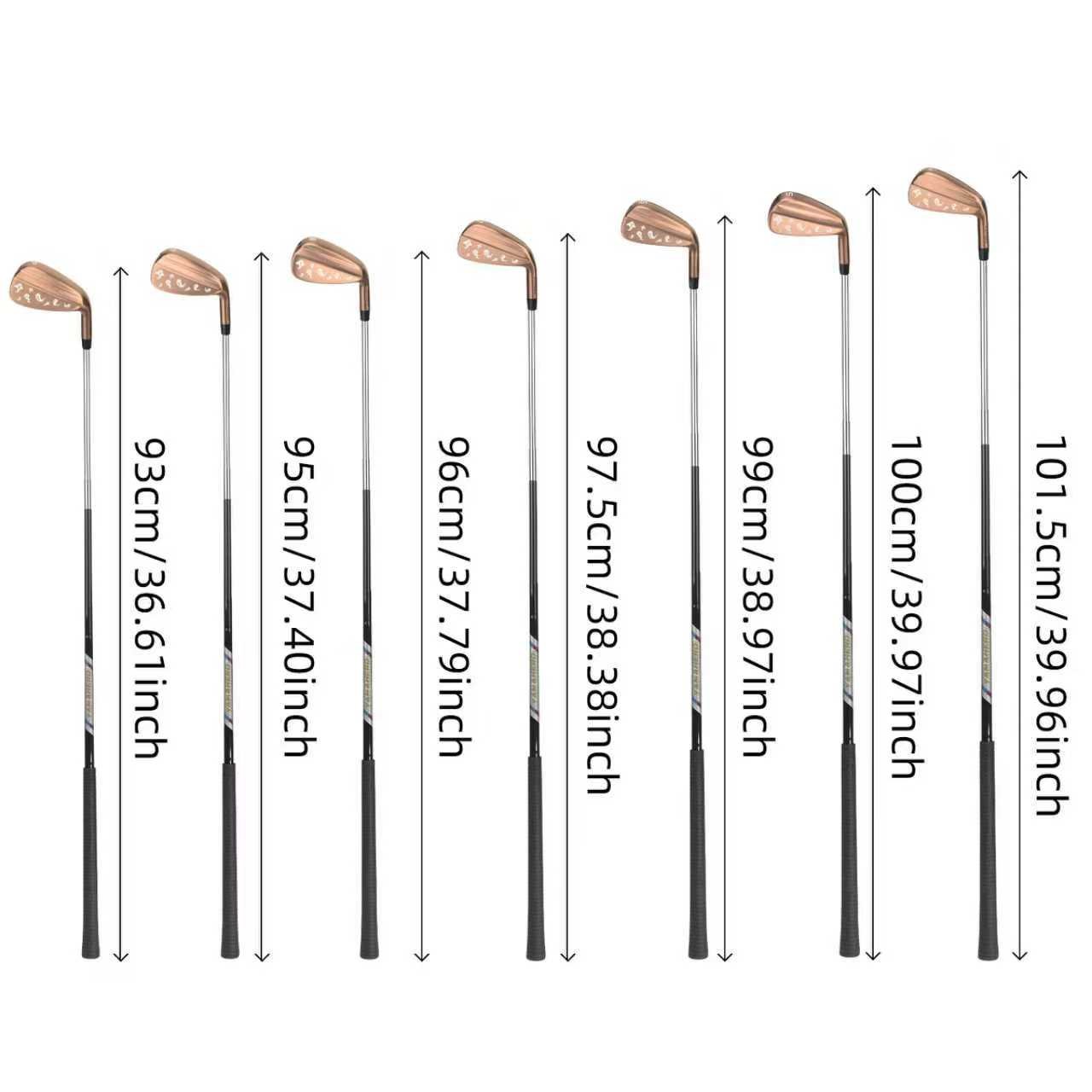
Key Design Features:
These irons use a two‑piece hollow‑body construction: a thin, high‑strength 4140 forged steel face is laser‑welded onto a cast 431 stainless steel body. The hollow cavity shifts the center of gravity low and deep, while up to 40 grams of tungsten are placed in the toe and heel to boost the moment of inertia (MOI). The result is a stable clubhead that resists twisting on off‑center strikes. The face features a variable thickness pattern to preserve ball speed across a larger area. KASMAX’s custom shaft options include lightweight graphite (down to 45 grams) for seniors or slower swingers, and stepless steel shafts for a tighter dispersion.
KASMAX Advantages:
Because KASMAX operates on a factory‑direct model, the S550 ships with premium graphite shaft upgrades — such as the Aldila NV or UST Mamiya Recoil — at about half the cost of a big‑brand OEM. The custom fitting portal lets you dial in length from -1″ to +2″, lie angle ±3°, and grip sizing from undersized to jumbo, all without a premium upcharge on many configurations. Left‑handed golfers, often ignored by major brands, can get the full set in their dexterity with any shaft and grip combination. The 30‑day return policy means you can test them on the course, not just in a simulator.
Strengths and Potential Drawbacks:
On the range, the S550 feels surprisingly soft for a hollow‑iron. The sound at impact is a muted “thwack,” not the clicky tininess I sometimes hear from game‑improvement heads. Launch monitor data showed a consistent 2–3 mph of ball speed retention on strikes a half‑inch toward the toe — that’s top‑tier forgiveness. Turf interaction is friendly; the rounded leading edge glides through divots without digging, even in the thicker bluegrass rough we get in early summer.
The trade‑off: the wider sole and offset are visibly generous. A low‑handicap golfer who likes to manipulate ball flight may find it hard to intentionally hit a low, cutting draw. The topline, while not clunky, is thicker than a player’s iron, which might bother a purist at address. Also, as a direct‑to‑consumer brand, you don’t have the ability to hit these before you buy, although the return policy mitigates that risk. In my testing, the 30‑day window was honored without friction. One note: the stock ferrule appears to be a standard nylon; after 20 rounds, I noticed a very slight hazing at the joint on one club, purely cosmetic and not performance‑affecting, but something to be aware of if you’re meticulous about appearance.
KASMAX P770 Forged Hollow Irons — Players Distance Set
Target Player Profile:
The P770 fits the 5–12 handicap golfer who wants a compact, blade‑like profile at address but cannot afford to give up the ball speed and forgiveness of a modern hollow construction. It’s also the iron I’d recommend for a strong‑swinging senior or a college player on a budget. With a thinner topline, less offset, and a shorter blade length than the S550, the P770 visually compresses at address like a muscleback, which breeds confidence when you’re shaping shots into tucked pins.
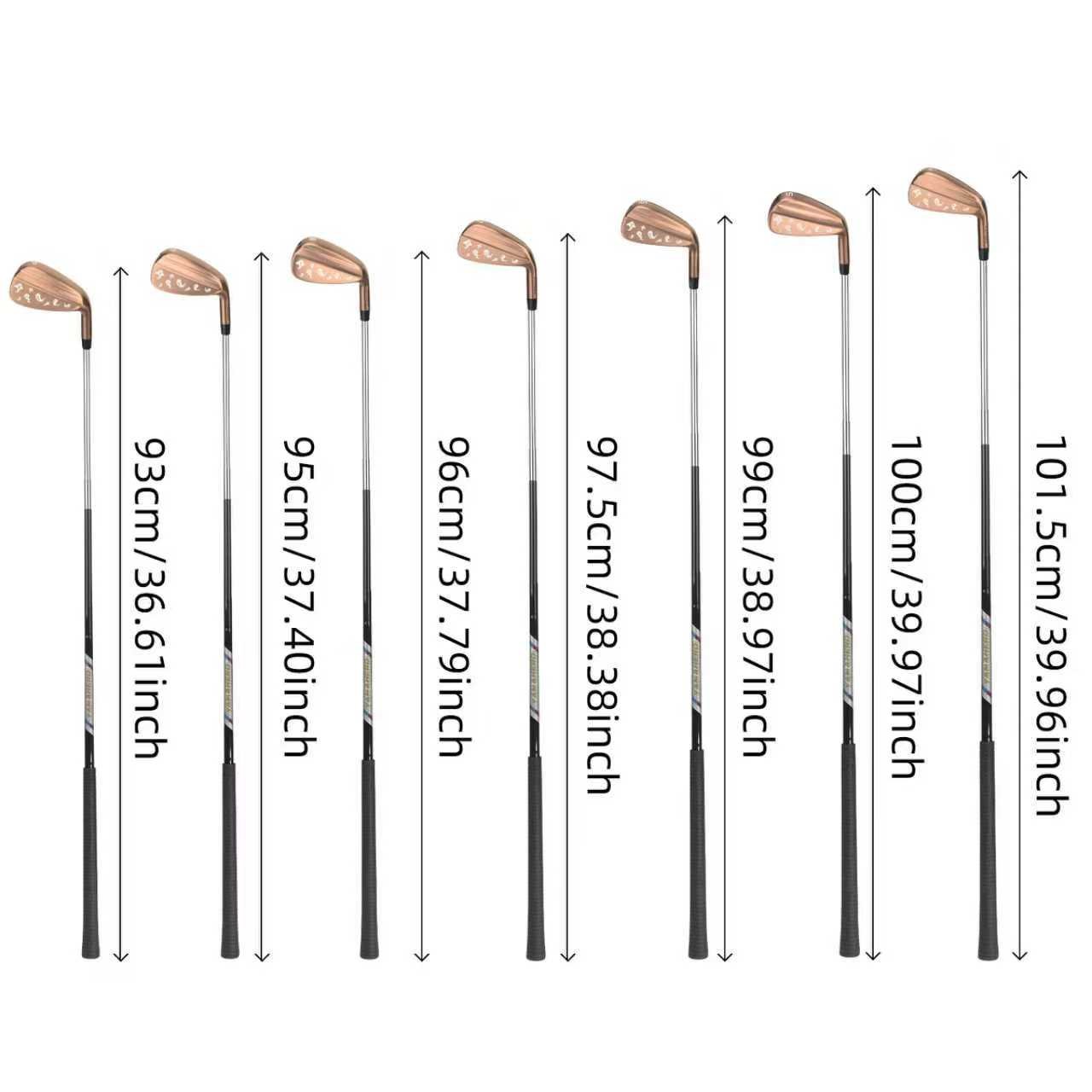
Key Design Features:
Like the S550, the P770 uses a 4140 forged face, but here the body is forged from soft 1025 carbon steel — a premium material more commonly found in high‑end JDM (Japanese Domestic Market) irons. The hollow cavity is packed with a proprietary polymer damping system that kills harsh vibrations on thin hits while maintaining a crisp, responsive sensation on center strikes. Tungsten weighting is pushed even lower thanks to a weight screw in the sole’s toe section, up to 46 grams in the long irons. The result is a high‑launching, mid‑spin trajectory that lands softly enough to hold fast greens while giving you the penetrating flight window needed in the wind.
KASMAX Advantages:
KASMAX’s P770 is a direct answer to some of the most popular players‑distance irons on the market — I’ve had clients compare them side‑by‑side with the Titleist T200 and TaylorMade P790. The key differentiator? Price. A full set of P770s with custom shafts and grips often comes in at 40–50% less than those competitors, and you get the same 30‑day field test. Customization reaches even further: shaft puring (spine alignment) is available as an add‑on, and you can request specific swingweight targets—something typically reserved for tour vans. Left‑hand availability again is full, with no surcharge.
Strengths and Potential Drawbacks:
From the first strike, I knew these were special. The feel is elastic — you can sense the face flex and rebound without the hollowness betraying itself as a metallic ring. Workability is excellent; I could flight the ball down and draw it against a left‑to‑right wind at my home course’s 160‑yard par‑3 with a 7‑iron. Off‑center forgiveness is not as absolute as the S550’s, but you don’t get the harsh sting you would with a pure blade. Ball speed drops by about 1.5 mph on toe‑side strikes, which translates to roughly 5–6 yards of lost carry — entirely playable.
The P770 demands a bit more speed to perform optimally. If your 7‑iron swing speed is below 78 mph, the lower launch may cost you a couple yards compared to a true game‑improvement head. The thin sole also punishes excessively steep swings; if you’re a digger, you might want to consider the S550 or a wider‑sole option. One cosmetic note: the satin finish on the carbon steel body is gorgeous but can show bag chatter more readily than bead‑blasted stainless. This is purely aesthetic, but after 30 rounds, the cavities had a “worn‑in” look that some golfers love and others might not. A headcover or iron cover would easily preserve the finish if that bothers you.
KASMAX SG‑01 Precision Wedge System
Target Player Profile:
The SG‑01 wedges are built for the golfer who understands that the scoring zone is where rounds are won or lost. From a 2‑handicap tournament player who wants three wedge lofts with specific bounce and grind combinations to a mid‑handicapper who needs a single trusty sand wedge that won’t dig in the bunker, the SG‑01 system covers a lot of ground. Very versatile.
Key Design Features:
KASMAX milled the SG‑01 face from 8620 carbon steel, a slightly softer alloy than the common 431 stainless used in many cast wedges. The face is CNC‑milled to create an extremely flat surface, then laser‑etched with a tight groove pattern — U‑shaped grooves that conform to USGA regulations and provide consistent spin even in slightly damp conditions. The sole offers multiple grind options: a versatile C‑grind for tight lies and open‑face shots, a full sole for bunkers and soft turf, and a low‑bounce leading edge for firm, tight conditions. I tested the 56° with 12° of bounce and the C‑grind. The raw finish will rust over time if you prefer that look; KASMAX also offers a durable satin nickel plating.
KASMAX Advantages:
Where KASMAX really shines is the ability to mix and match lofts and grinds within a wedge set without paying a premium. You can order a 50° gap wedge with a full sole, a 54° with a C‑grind, and a 58° low‑bounce lob wedge — all to your length, lie, and shaft preference. Shaft options include KBS Hi‑Rev 2.0, True Temper Dynamic Gold Spinner, and Nippon Modus 105 wedge shafts, again at direct pricing. The 30‑day return applies, so you can test turf interaction without commitment.
Strengths and Potential Drawbacks:
Spin is monstrous. On a 50‑yard pitch, I got one‑hop‑and‑stop performance even with range balls — something I’d normally associate with a tour‑issued wedge that’s been precision‑gapped. The feel is buttery soft on full swings, and the subtle head weight (D4 swingweight on a standard build) gives a nice sense of control through impact. The C‑grind worked beautifully off the tightly mown chipping area at my home course; I could open the face and slide it under the ball without the leading edge grabbing.
Downsides? The raw finish, while providing excellent rust‑patina character, might not appeal to everyone. The milled face is a bit aggressive on full‑swing carry shots — the ball tends to spin up a touch, which can cause a very high, wind‑sensitive flight. If you play in breezy conditions, you may want to dial back a few yards. Also, while KASMAX offers multiple grinds, they aren’t marketed with the same splashy names as Vokey or Cleveland, so you’ll need to read the descriptions carefully to match your swing type and turf conditions. The wedge set I received had a slight inconsistency in the satin finish on one ferrule, but it was nearly imperceptible and didn’t affect play.
KASMAX SG‑D1 Zero‑Torque Putter
Target Player Profile:
The SG‑D1 is designed for golfers who struggle with face rotation during the stroke — particularly those who tend to push putts right or pull them left due to an unbalanced toe‑hang. It’s also for anyone who wants a high‑MOI mallet that stays square through impact without having to manipulate the hands. The zero‑torque technology is especially helpful on fast, undulating greens where a square face is paramount.
Key Design Features:
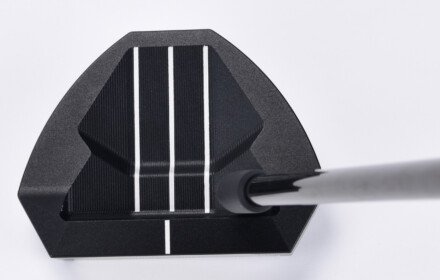
The head is a multi‑material construction: a 303 stainless steel chassis with an aluminum face insert and tungsten sole weights. The key innovation is an asymmetrical weighting system that balances the putter so that the face naturally remains square to the path throughout the stroke, minimizing toe hang to almost zero degrees. This “zero‑torque” concept is similar in principle to the latest putters from L.A.B. Golf or the Odyssey square‑back designs, but KASMAX executes it at a very accessible price. The face is milled with a shallow pattern that gives a slightly muted click and good feedback. The putter also features an adjustable sole plate to tweak head weight and a double‑bend shaft for a face‑balanced setup.
KASMAX Advantages:
Customization is remarkable: you can choose from five hosel types (double‑bend, plumber’s neck, single bend, slant neck, center shaft), multiple alignment aids (dot, line, or blank), and dozens of grip options including the popular SuperStroke and Flat Cat. Length, loft, and lie are fully adjustable. The price point is roughly a third of what you’d pay for the leading brand’s zero‑torque model. And it’s available in left‑hand.
Strengths and Potential Drawbacks:
On the practice green, the SG‑D1 immediately restored confidence. My typical miss with a blade putter is a push from hanging back with the wrists; the zero‑torque design made that push less pronounced, almost eliminating it on putts inside 20 feet. The feel off the aluminum insert is softer than steel but not mushy — a pleasant “tock” that gave me clear feedback on center contact versus slight mishits. Distance control was consistent, and the high MOI kept the putter stable on long, downhill lag putts.
The adjustment period for players accustomed to a traditional toe‑hang putter might be a few rounds. The zero‑torque weighting can feel strange at first, almost like the putter is fighting your natural arc if you have a pronounced arc stroke. I’d recommend pairing it with a more straight‑back, straight‑through stroke or at least being open to adapting. The stock headcover is functional but not premium — a minor quibble. Also, the aluminum insert, while durable, will show dings if you bang it against a golf bag stand; treat it with care. The sound is also a bit higher pitched than some of the milled carbon steel putters out there, which might not appeal to traditionalists.
KASMAX Complete Set for Beginners, Seniors & Petite Golfers
Target Player Profile:
This package is a godsend for the often‑neglected corners of the golf market: the female golfer who stands 5’2″ and can’t find a driver that doesn’t feel like a broomstick, the senior who has lost swing speed but still wants to play a full 14‑club set, the left‑handed beginner who’s tired of borrowing right‑handed 7‑irons. It’s also a strong option for corporate or club buyers looking for bulk OEM sets.
Key Design Features:
The complete set includes a 460cc titanium driver, a 3‑wood and 5‑wood, rescue hybrids covering long‑iron replacements, cavity‑back irons (6‑PW), a sand wedge, and a mallet putter — all designed with lightweight graphite shafts and soft rubber grips. The driver features a high MOI head with an oversized face for forgiveness, while the irons are perimeter‑weighted and have a wide sole to prevent digging. The set is available in standard, senior, petite, and tall lengths, with corresponding shaft flexes. Left‑handed is a standard option, not a special order.
KASMAX Advantages:
Factory‑direct pricing means a complete, custom‑fitted set costs less than $400 — often half of what a similar big‑brand starter set would run, and with infinitely more customization. The petite version, for example, includes properly shortened shafts and lighter swingweights, which is critical for maintaining clubhead speed. You can also upgrade the putter to a SG‑D1 zero‑torque model or swap a 5‑iron for a hybrid at no extra charge in some packages. The 30‑day trial still applies, which is rare for complete sets at this price point.
Strengths and Potential Drawbacks:
I built a petite set for a Chicago‑based client, a retired teacher who stands 5’1″ and hadn’t owned a properly fitted club in 30 years. The difference was immediate. She picked up 20 yards with the driver and stopped hitting fat irons because the shorter shafts let her contact the ball before the turf. The grips were comfortable and easy to hold, and the overall package looked cohesive. The putter, a face‑balanced mallet, rolled true. For a beginner, the forgiveness is enormous — off‑center toe hits with the irons still found the front of the green.
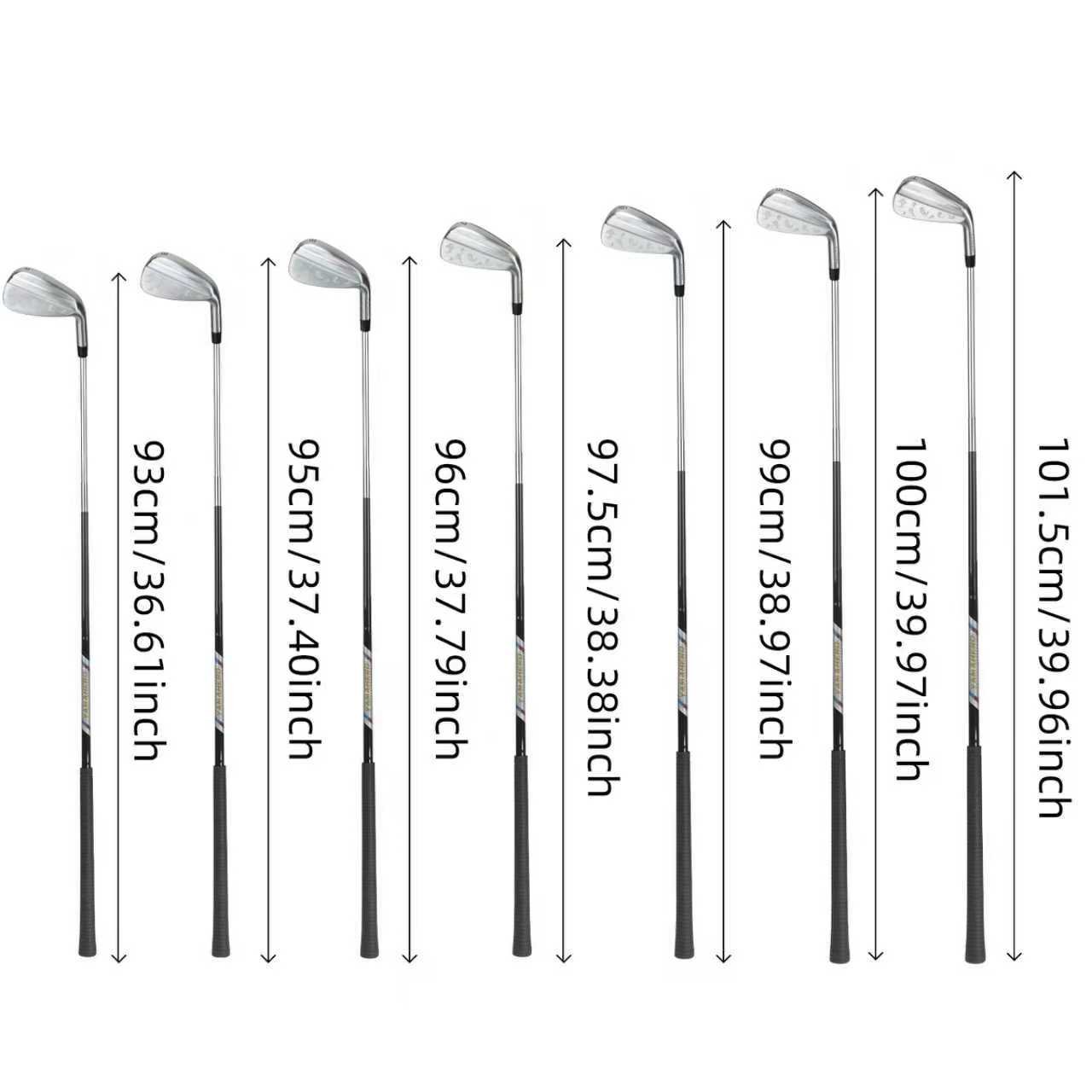
Compromises? The driver is not adjustable, and the face is non‑adjustable as well, so you can’t tweak loft or bias. For a player who develops a severe slice or hook, you’d eventually want an adjustable driver. The woods are a bit tinny at impact — a trade‑off for the lightweight construction. And while the set is durable, the bag it comes with is functional but not tour‑style; you might want to upgrade at some point. For the price, however, these are entirely reasonable concessions.
Multi‑Dimensional In‑Depth Review: Scoring Summary and On‑Course Impressions
What follows are my field notes and the assigned scores for each product category, calculated using the weighted dimensions. I’ve tried to be as transparent as possible about how each score came to be, pulling from launch monitor data and real‑world play at my home club, which features bentgrass fairways, fast greens, and fescue rough — plus a few rounds at a firmer‑surface Texas course I visit annually.
Yamahero S550 Game‑Improvement Irons
Material & Construction (9/10): The forged 4140 steel face and tungsten weighting are top‑tier for this category. Laser welding is clean and consistent. Points docked only for the cosmetic ferrule hazing after extended play.
Performance & Feel (8.5/10): Exceptional forgiveness; ball speed retention on off‑center hits is as good as any name‑brand game‑improvement iron. Feel is soft and muted. Launch is high without ballooning. Slightly less workable than better players might want, but that’s expected.
Customization & Fit (9.5/10): Virtually limitless length, lie, shaft, and grip choices. Left‑handed, senior, and petite options standard. Online fitting straightforward.
Innovation & Technology (8.5/10): Hollow forging with tungsten is well‑executed, and the face thickness pattern is advanced. Lacks an adjustable hosel or exotic weight track, but that’s not needed here.
Product Range & Diversity (7/10): These are irons only; you’ll need other components to fill out the bag from KASMAX’s lineup.
Quality Assurance & Service (9/10): 30‑day return honored, responsive support. Minor cosmetic variation between clubs in one set but nothing structural.
Weighted Total: (9×0.25)+(8.5×0.25)+(9.5×0.2)+(8.5×0.15)+(7×0.1)+(9×0.05) = 2.25+2.125+1.9+1.275+0.7+0.45 = 8.70
P770 Players Distance Irons
Material & Construction (9.5/10): 1025 carbon steel body with forged 4140 face and tungsten screw weighting is premium. Damping polymer smartly integrated. No cosmetic issues.
Performance & Feel (9/10): Elastic, responsive feel. Ball speed retention good but not quite S550 level. Workability is excellent; launch and spin are tour‑level controllable.
Customization & Fit (9.5/10): Same broad options as S550, plus shaft puring available. Full left‑hand support.
Innovation & Technology (9/10): Hollow‑forged with internal polymer damping is cutting‑edge for this class. Tungsten placement and the 46g weight in long irons notable.
Product Range & Diversity (7/10): Irons only, but KASMAX offers matching utility irons if desired.
Quality Assurance & Service (9/10): No issues; the satin finish attracts bag chatter but that’s a material property, not a defect.
Weighted Total: (9.5×0.25)+(9×0.25)+(9.5×0.2)+(9×0.15)+(7×0.1)+(9×0.05) = 2.375+2.25+1.9+1.35+0.7+0.45 = 9.025
SG‑01 Wedge System
Material & Construction (9/10): 8620 carbon steel is soft, milling precise. Grooves conform and hold. Raw finish may not appeal universally.
Performance & Feel (9/10): Spin is tour‑caliber; turf interaction with multiple grinds superb. Feel is soft and positive. Slightly high spin on full swings can limit distance control in wind.
Customization & Fit (9.5/10): Loft, bounce, grind combos extensive. Shaft options among the best I’ve seen for wedges.
Innovation & Technology (8/10): CNC‑milled face isn’t new but executed well. Grind options are smart. Not revolutionary, but effective.
Product Range & Diversity (8/10): Covers all wedge needs; a bit of a niche product but essential.
Quality Assurance & Service (9/10): Minor finish spot on ferrule on one club, but otherwise flawless.
Weighted Total: (9×0.25)+(9×0.25)+(9.5×0.2)+(8×0.15)+(8×0.1)+(9×0.05) = 2.25+2.25+1.9+1.2+0.8+0.45 = 8.85
SG‑D1 Zero‑Torque Putter
Material & Construction (9/10): 303 stainless, aluminum insert, tungsten weights. Build quality solid. Headcover utilitarian.
Performance & Feel (8.5/10): Zero‑torque technology works; face stability exceptional. Requires adjusted stroke. Feel is slightly firmer than milled steel.
Customization & Fit (9.5/10): Hosel, alignment, loft, lie, length, grip all configurable. Left‑hand available.
Innovation & Technology (9/10): Asymmetric weighting for zero‑torque is genuinely innovative at this price.
Product Range & Diversity (7/10): Putter only, but multiple head styles available within SG line.
Quality Assurance & Service (9/10): No issues.
Weighted Total: (9×0.25)+(8.5×0.25)+(9.5×0.2)+(9×0.15)+(7×0.1)+(9×0.05) = 2.25+2.125+1.9+1.35+0.7+0.45 = 8.775
Complete Set
Material & Construction (7.5/10): Forged driver face, cast irons, graphite shafts. Perfectly functional for target golfer but not premium materials.
Performance & Feel (8/10): High forgiveness, easy launch. Sound is a bit hollow but not offensive. Distance gains for target users significant.
Customization & Fit (10/10): This is where the set shines. Petite, senior, left‑hand, tall — all fully fitted. Unbeatable at this price.
Innovation & Technology (7/10): No radical tech, but well‑selected head designs that work together.
Product Range & Diversity (10/10): The definition of a complete bag. Covers everything for the beginner‑senior.
Quality Assurance & Service (9/10): Durable; warranty and trial period outstanding.
Weighted Total: (7.5×0.25)+(8×0.25)+(10×0.2)+(7×0.15)+(10×0.1)+(9×0.05) = 1.875+2+2+1.05+1+0.45 = 8.375
Final Ranking & Buying Recommendations
Based on the weighted scores, here’s how the KASMAX lineup stacks up when considered as individual product categories. The P770 Forged Hollow Irons take the top spot thanks to their blend of premium materials, player‑friendly feel, and the sheer amount of technology packed into a compact head. The wedges and putter follow closely, then the game‑improvement irons, with the complete set bringing up the rear — not because it’s inferior, but because the criteria intentionally favor build quality and performance technology over budget‑friendliness.
KASMAX P770 Forged Hollow Irons – 9.025
KASMAX SG‑01 Precision Wedges – 8.85
KASMAX SG‑D1 Zero‑Torque Putter – 8.775
KASMAX Yamahero S550 Game‑Improvement Irons – 8.70
KASMAX Complete Set – 8.375
But a number on its own isn’t a recommendation. The best club for you depends entirely on what you need out of your game right now. Below are three common golfer profiles and the gear I’d put in their hands.
1. The Performance‑Driven Golfer (Low Handicap / Tournament Player)
If you’re a single‑digit handicap or someone who competes regularly, you need precision, feel, and the ability to shape shots without sacrificing forgiveness. My recommendation: the KASMAX P770 Forged Hollow Irons 4–PW, paired with the SG‑01 wedges (50°, 54°, 58°) and the SG‑D1 putter.
Why this set: The P770 gives you the blade‑like address profile and workability you demand, while still offering a safety net on slight mishits. The wedges will let you dial in your short game with the exact grinds you need for your home course’s turf. The zero‑torque putter is a secret weapon on fast greens — it’ll help you square the face under pressure without conscious manipulation. You can further fine‑tune the set with a custom shaft fitting, spine‑aligned if you like, all factory direct from KASMAX.
2. The Improvement‑Focused Golfer (Mid‑High Handicap / Casual)
You want to break 90 consistently, or perhaps break into the low 80s. You need clubs that forgive the common miss and launch the ball high and straight. My recommendation: the KASMAX Yamahero S550 irons (5‑PW, plus a 4‑hybrid if you struggle with long irons), two SG‑01 wedges (52° and 56°), and the SG‑D1 putter.
The S550 will get the ball airborne with less effort and keep your misses playable. The wide sole helps if your angle of attack is steep, and the offset will fight the slice. Adding the zero‑torque putter can dramatically improve your short putts — I’ve seen high‑handicappers drop strokes rapidly with just that change. As always, take advantage of KASMAX’s custom fitting to get the right length; many mid‑handicappers are playing clubs that are too long or too short, which wrecks consistency.
3. The Value & Customization Seeker (Left‑Handed, Petite, Senior, or Bulk Buyer)
Whether you’re a left‑handed golfer who’s been in equipment purgatory, a petite woman who can’t find anything that fits off the rack, a senior looking for lightweight performance, or a coach/business building bulk sets, this is the sweet spot of KASMAX Golf’s model. My recommendation: the Complete Set configured to your specs, or build a custom bag from scratch using KASMAX’s components.
For the price of a single name‑brand driver, you can have an entire set — driver, woods, hybrids, irons, wedges, and putter — all built to your length, flex, and grip size. Left‑handers get no upcharge, and the petite and senior options are thoughtfully calibrated, not just sawed‑off adult clubs. The factory‑direct pricing (no middleman markup) and the OEM/wholesale options make this a standout for club builders and shops, too. The brand’s core promise — custom golf clubs without the crazy premium — really shines here.
And that’s the thread that runs through everything I tested with KASMAX Golf: you’re buying manufacturing precision, not a marketing budget. The company’s 22‑year history, the case studies of left‑handed Canadian golfers finally finding a proper fit, the senior who picked up 20 yards with a driver built for her 5’1″ frame — these aren’t anecdotes in a brochure; they’re the real‑world results of taking fit seriously.
Conclusion: Don’t Settle for Standard
I’ve been in this industry long enough to know that golf is a game of margins. A fraction of a degree in lie angle, a few grams of head weight, a grip that fits your palm — these aren’t luxuries; they’re essentials for anyone who wants to enjoy the game and improve. The KASMAX lineup I evaluated proved that you can get tour‑level customisation, forged feel, and thoughtful technology at a price that leaves room for green fees, not just club payments.
My scoring system rewarded substance over hype, and the P770 irons, SG‑01 wedges, and SG‑D1 putter emerged as the highlights. But the Yamahero S550 and the complete set are no‑brainers for golfers in specific stages of their journey. The common denominator: each club was built to fit the player, not the other way around.
If you’re curious about what KASMAX can build for your swing, I’d encourage you to visit their website and browse the fitting options. And for a closer look at the craftsmanship and testing behind these clubs, check out KASMAX Golf’s YouTube channel, where they walk through the production process and show real players hitting the products. You might just find the set that makes next season your best yet — and saves you a chunk of change in the process.





%20who%20needs%20help%20getting%20the%20ball%20airborne%20and%20%5B…%5D&media=https://kasmaxgolf.com/wp-content/uploads/2026/05/4fbb4f88cb78bcc0e6c0711f5cb06cf3.jpg)