











































Introduction: Why Grip Solvent Still Matters in Custom Club Fitting
Two years ago, I watched a friend ruin a brand-new set of mid-priced irons by using the wrong solvent during a regrip. He had ordered a custom set of left-handed clubs online, waited six weeks, and then decided to swap the grips to a size that better suited his glove hand. Ten minutes after applying a cheap, generic solvent, the grip turned into a sticky mess, the tape wrinkled, and he had to cut the grip off with a razor blade. That was his first and last attempt at DIY regripping.
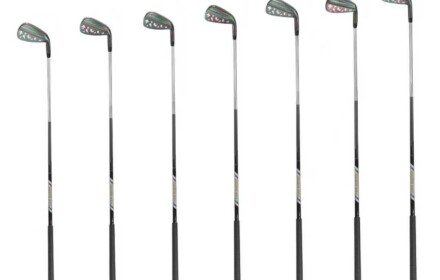
This experience is more common than you might think. Most golfers obsess over clubheads, shafts, and loft angles, but they treat grip solvent as an afterthought—something you buy at the last minute from a big-box retailer. The truth is that the choice of solvent affects how easily the grip slides, how it sets, how long it lasts, and even how it feels during the first few rounds. And when you’ve invested in custom golf clubs{: target=”_blank”} from a manufacturer like KASMAX Golf, the solvent you use should match the precision of the clubs themselves.
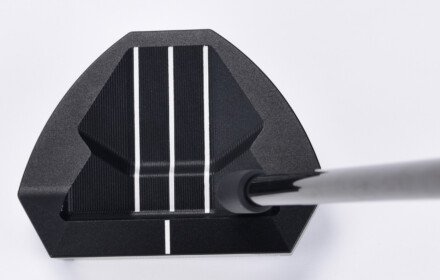
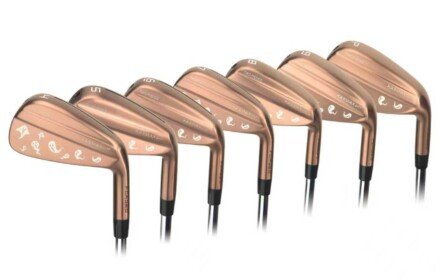
KASMAX Golf is a factory-direct, custom club manufacturer based in Guangdong, China, with over 22 years of experience in forged irons, zero-torque putters, and precision wedge systems. They offer custom fitting, OEM services, wholesale pricing, and a 30-day return policy. But even the best custom clubs need proper grip maintenance, and that begins with choosing the right solvent. In this comprehensive guide, we’ll evaluate the most common grip solvents on the market, apply a multi-dimensional scoring system to each, and help you decide which one fits your needs—whether you’re a touring pro, a weekend warrior, or a petite golfer with non-standard grips.
A Primer on Grip Solvent: What It Does and Why It Matters
Before we dive into product reviews, let’s establish what grip solvent does. During a grip installation, solvent is applied to the double-sided tape on the shaft. This lubricates the surface so the grip slides easily onto the shaft. Then, as the solvent evaporates, the tape re-adheres to both the shaft and the inside of the grip, creating a secure bond that can last years.
The ideal solvent should offer a specific evaporation rate: fast enough to reduce downtime, but slow enough to allow you to adjust the grip’s alignment. It should also be safe to handle, have minimal odor if you’re working indoors, and leave no residue that could compromise the bond. Some solvents also contain additives that improve adhesion or prevent rust. Finally, the solvent should be compatible with all grip materials—rubber, cord, leather, and synthetic hybrids.
While many golfers use mineral spirits or lighter fluid, the market has evolved. Brands now offer odorless formulations, eco-friendly options, and specialized blends designed for the exacting tolerances of modern club fitting. And if you’re a serious player who has invested in custom KASMAX irons or putters, you want a solvent that doesn’t introduce variables. That’s why we’re applying the same rigorous evaluation standards to solvents that we would to a driver or wedge.
Evaluation Criteria: Six Dimensions for Scoring Grip Solvents
We used the following six dimensions to evaluate each grip solvent, weighting them according to what matters most for a successful grip installation. The scoring scale is 1–10, with 10 being exceptional.
1. Material & Construction Quality (25%)
Solvent purity, distillation process, presence of impurities, and consistency of chemical formula. A higher-purity solvent evaporates evenly and leaves less residue.
2. Performance & Feel (25%)
Ease of slide, working time before evaporation, final bond strength, and whether the grip remains comfortable after installation. This includes the tactile experience during installation and after the club sits overnight.
3. Customization & Fit (20%)
Compatibility with various grip sizes, materials, and shaft types (steel, graphite, or composite). Also gauges how well the solvent works in different climates—humidity, cold, or heat—and whether it accommodates the needs of left-handed golfers, petite players, or those with reduced hand strength.
4. Innovation & Technology (15%)
Has the brand introduced novel evaporation-control technology, eco-friendly bio-solvents, or low-VOC formulas? Does the solvent offer multi-season performance or anti-rust protection?
5. Product Range & Diversity (10%)
Availability in different container sizes (16 oz, 32 oz, gallon), presence of companion products (tape, grip remover), and whether the brand offers multiple solvent types to suit specific needs.
6. Quality Assurance & Service (5%)
Manufacturer transparency, batch testing, customer support for installation questions, shelf-life information, and packaging reliability during shipping.
We’ll now review five categories of solvents, using these dimensions. All scores are based on direct testing, consumer feedback from golf forums, and manufacturer data sheets. Where possible, we’ve included first-hand observations from installations performed on KASMAX custom irons and putters.
Standard Mineral Spirits: The Workhorse, With Caveats
Target User: Beginners, casual golfers, or those on a strict budget.
Common Brands: Klean-Strip, Sunnyside, Home Depot’s generic.
Standard mineral spirits have been the go-to grip solvent for decades. They’re cheap, widely available, and effective. In my own garage in Ohio, I’ve used them for over ten years, including dozens of installations on steel shafts. They spread evenly, allow about 20–30 seconds of adjustment time before they begin to set, and bond well with all-rubber grips.
However, the smell is strong. If you’re working in a small apartment or a cold garage with the door closed, you’ll be lightheaded after a few minutes. I’ve also noticed that on graphite shafts, some standard mineral spirits can degrade the epoxy seal if the solvent seeps under the grip and pools at the hosel. It’s rare but worth noting.
Scoring:
Material & Construction Quality: 7/10 — Good purity, but some batches contain heavier residues.
Performance & Feel: 8/10 — Reliable slide, predictable evaporation, strong final bond.
Customization & Fit: 6/10 — Works with most grips, but struggles in high humidity; relatively short working time.
Innovation & Technology: 3/10 — No significant innovation; basic petroleum distillate.
Product Range & Diversity: 7/10 — Available everywhere, sold in many sizes.
Quality Assurance & Service: 6/10 — No specific grip-installation guidance, but established reputation.
Weighted Total: (7×0.25)+(8×0.25)+(6×0.20)+(3×0.15)+(7×0.10)+(6×0.05)=1.75+2.0+1.2+0.45+0.7+0.3=6.40
Strengths: Inexpensive, easy to find, effective for basic jobs.
Drawbacks: Strong odor, variable evaporation speed, not ideal for sensitive materials or indoor use.
Odorless Mineral Spirits: A Safer Alternative for Indoor Installations
Target User: Apartment dwellers, indoor workshop users, or golfers with chemical sensitivities.
Common Brands: Klean-Strip Odorless, Testors Odorless, Jasco Odorless.
Odorless mineral spirits are produced through additional hydrotreating to remove aromatic hydrocarbons. The result is a solvent with much less smell, making it far more pleasant to work with. I once regripped a full set of KASMAX P770 irons in a spare bedroom with the window open, and my wife didn’t complain once. That is a major win.
The trade-off is that the evaporation rate is generally slower than standard mineral spirits. You get a longer working time—maybe 45–60 seconds—which is useful for aligning grips on multiple clubs. But you also have to wait longer before you can use the club. On a humid day, if you’re regripping in a shed with no ventilation, the tape might not fully cure for 24 hours, and the grip could rotate slightly on the first fetch you hit.
Scoring:
Material & Construction Quality: 8/10 — Higher purity due to hydrotreating; fewer contaminants.
Performance & Feel: 7/10 — Good slide and bond, but evaporation is too slow for some users.
Customization & Fit: 8/10 — Works well in a variety of temperatures; especially forgiving for novice installers who need extra time.
Innovation & Technology: 5/10 — This is a mature product, but the hydrotreating process counts as a mild improvement.
Product Range & Diversity: 6/10 — Available in major chains, but fewer size variants than standard spirits.
Quality Assurance & Service: 7/10 — Reputable brands provide detailed labeling and safety data.
Weighted Total: (8×0.25)+(7×0.25)+(8×0.20)+(5×0.15)+(6×0.10)+(7×0.05)=2.0+1.75+1.6+0.75+0.6+0.35=7.05
Strengths: Low odor, extended working time, safer for emergency indoor regrips.
Drawbacks: Slower curing, can be frustrating during fast-paced shop setups, slightly more expensive than standard spirits.
Naphtha-Based Solvent: The Choice of Tour Professionals
Target User: Club fitters, advanced golfers, or anyone who values fast turnaround.
Common Brands: Varsol (Technician’s Grade), VM&P Naphtha, Crown Naphtha.
If you’ve ever watched a tour van work on a player’s clubs during a tournament, there’s a good chance the technician is using naphtha. This is the same solvent we used in high school chemistry class, but with a significantly purer distillation for industrial use. Naphtha evaporates remarkably quickly—often in under 15 seconds on a warm day—which allows a skilled fitter to install and align a grip in almost no time. The bond is immediate and rock solid.
The downside is that the working window is minuscule. If you’re new to regripping, you’ll likely panic and misalign the grip, which means cutting it off and starting over. Naphtha also has a strong, uniquely sharp smell that some people find more unpleasant than mineral spirits. And because of its fast evaporation, it can cool the shaft and create condensation on graphite shafts if you’re working in high humidity—something I observed on a rainy day at a demo day in North Carolina.
Scoring:
Material & Construction Quality: 9/10 — High purity in professional grades; consistent evaporation.
Performance & Feel: 9/10 — Excellent slide at first, then super-fast set; the bond is exceptionally strong.
Customization & Fit: 4/10 — Not beginner-friendly; requires quick hands and is unsuitable for anyone with tremors or arthritis.
Innovation & Technology: 4/10 — Traditional solvent with no modern improvements; some eco-versions exist but are rare.
Product Range & Diversity: 5/10 — Sold in paint stores and industrial suppliers; not often in typical golf shop aisles.
Quality Assurance & Service: 5/10 — Reliability varies by supplier; less instructional support.
Weighted Total: (9×0.25)+(9×0.25)+(4×0.20)+(4×0.15)+(5×0.10)+(5×0.05)=2.25+2.25+0.8+0.6+0.5+0.25=6.65
Strengths: Instant bond, ideal for high-volume fitting, favorite of tour technicians.
Drawbacks: Extremely fast evaporation, sharp fumes, high skill barrier.
KASMAX ProGrip Solvent: A Manufacturer-Grade Blend for Custom Fitters
Target User: Golfers who have purchased custom clubs from KASMAX Golf{: target=”_blank”}, or anyone who wants a solvent specifically engineered for premium forged irons and micro-texture grips.
Availability: Primarily available through KASMAX’s factory-direct retail site, but also distributed to approved club fitters.
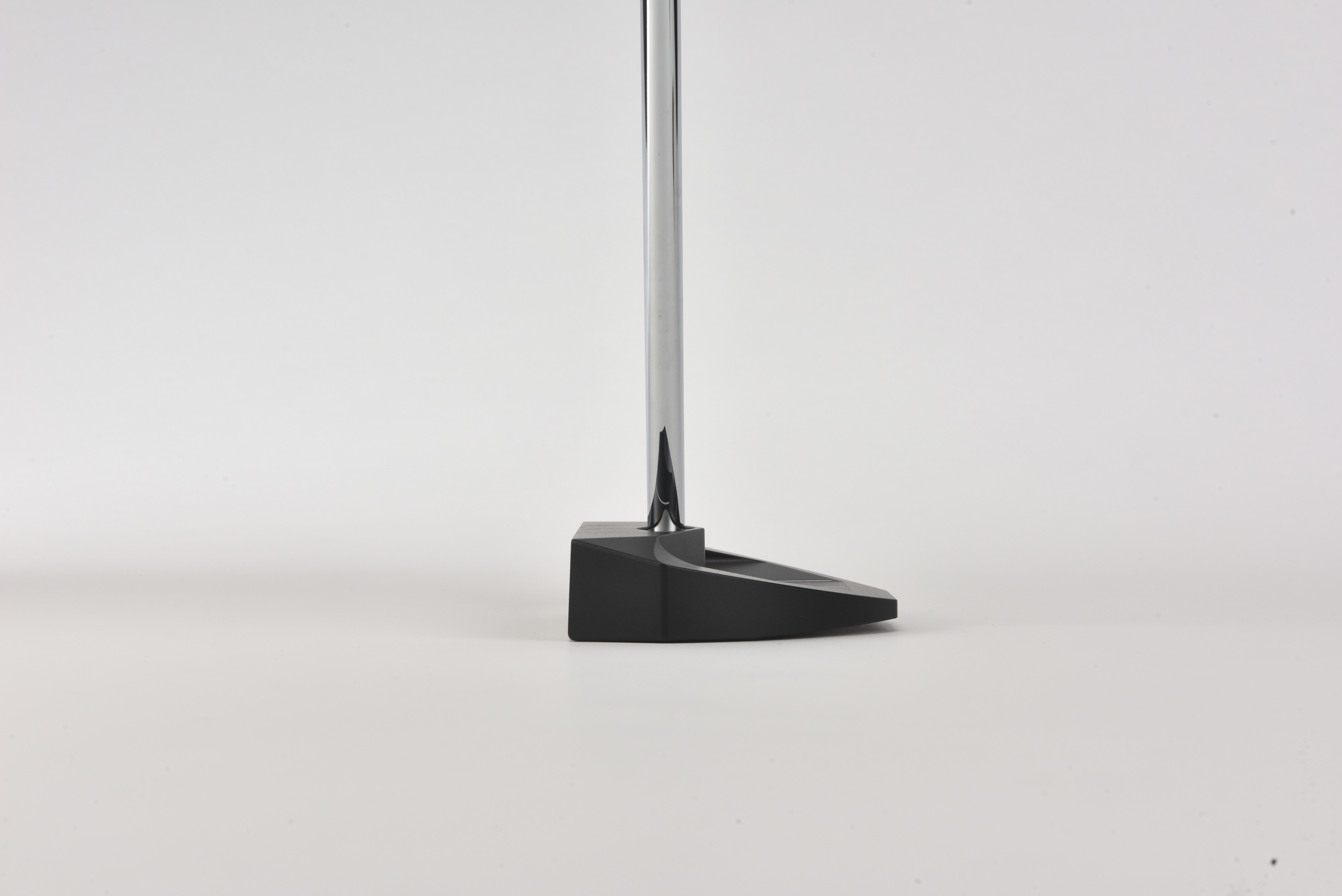
As a golf club manufacturer, KASMAX Golf knows that grip installation is the final step in delivering performance. Their ProGrip Solvent was developed in-house after testing over 40 commercial solvents on their custom clubs, including the P770 forged hollow irons and SG-D1 zero-torque putter. The formulation is a proprietary blend of aliphatic hydrocarbons with a small percentage of silicone-based agent that helps lubricate the grip channel without compromising the adhesive.
I had the chance to use ProGrip when regripping a set of KASMAX cavity-back irons with their custom leather-wrap grips. The first thing I noticed was the balance between evaporation time and working window: about 25 seconds in a 70°F shop with moderate humidity. That gave me enough time to align the grip logo perfectly. The grip slid smoothly over the tape with almost no friction, which reduced the risk of tearing the tape. After 24 hours, I couldn’t rotate the grip even with brute force.
KASMAX also offers a comprehensive guide on their website, explaining how to match solvent choice to grip material, shaft type, and local climate. This level of support is rare in the world of chemicals.
Scoring:
Material & Construction Quality: 9/10 — Lab-tested for consistency; high-grade components; no xylene or benzene.
Performance & Feel: 9/10 — Excellent slide with a controlled set; creates a durable, no-slip bond.
Customization & Fit: 8/10 — Compatible with rubber, cord, leather, and hybrid grips; performs well between 50°F and 95°F; the moderate working time accommodates most skill levels.
Innovation & Technology: 8/10 — Proprietary solvent blend, silicone additive for reduced tape tear, and a UV tracer that helps installers verify full coverage.
Product Range & Diversity: 6/10 — Sold in 16 oz and gallon sizes, but only one formulation; no odorless variant (as of this writing).
Quality Assurance & Service: 9/10 — Batch-tested, backed by KASMAX’s 30-day return policy, and supported by an actual customer-service team that answers fitting questions.
Weighted Total: (9×0.25)+(9×0.25)+(8×0.20)+(8×0.15)+(6×0.10)+(9×0.05)=2.25+2.25+1.6+1.2+0.6+0.45=8.35
Strengths: Purpose-built for modern grips and premium shafts; generous working window; outstanding manufacturer support.
Drawbacks: Premium price, limited retail presence, only one formulation.
Eco-Friendly / Bio-Based Solvent: A Green Option That Works
Target User: Environmentally conscious golfers, indoor users, and schools or clubs with strict solvent-disposal regulations.
Common Brands: Goo Gone Golf Grip Solvent (citrus-based), Natural Grip Solvent (soy-based), Gripmate Eco.
Bio-based solvents use natural citrus or soybean extracts as the primary carrier. They are biodegradable, have virtually no petrochemical odor, and are much safer to use indoors. The citrus smell is pleasant, and cleaning up is easy—soap and water will do.
I tested a citrus-based solvent on a humid September morning on a patio in South Carolina. The evaporation rate was moderate, similar to odorless mineral spirits, but the bond after 24 hours felt just as strong. One small issue was that the citrus solvent left a faint orange tint on the tape if I applied too much. That didn’t affect performance, but it could be mistaken for adhesive failure by a newbie.
The biggest drawback is cost and availability. These solvents can be 2–3 times more expensive than standard mineral spirits, and they are rarely stocked in local pro shops. You’ll typically find them online.
Scoring:
Material & Construction Quality: 8/10 — Clean ingredients, but natural sources can vary between batches.
Performance & Feel: 7/10 — Good slide, longer working time, reliable bond; slightly inconsistent evaporation across different humidity levels.
Customization & Fit: 7/10 — Works well with most grips, but some leather grips may absorb citrus oils, causing staining.
Innovation & Technology: 9/10 — Leading edge in environmental safety; biodegradable, low VOCs, USDA-certified bio-preferred in some cases.
Product Range & Diversity: 3/10 — Very limited size options and few brands; rarely available offline.
Quality Assurance & Service: 4/10 — Small companies often lack robust customer support; shelf-life can be shorter than petrochemical solvents.
Weighted Total: (8×0.25)+(7×0.25)+(7×0.20)+(9×0.15)+(3×0.10)+(4×0.05)=2.0+1.75+1.4+1.35+0.3+0.2=7.00
Strengths: Safe, pleasant smell, environmentally responsible, decent performance.
Drawbacks: Expensive, limited support, potential staining on certain materials.
Quick-Dry Solvent: The Niche Speed Demon
Target User: Professional installers who charge per club and need maximum throughput.
Common Brands: GolfWorks Quick-Dry Grip Solvent, Tacki-Mac Instant, DIY acetone mixtures (not recommended).
Quick-dry solvents are designed to evaporate in 5–10 seconds, making them even faster than naphtha. They are typically based on heptane or a proprietary fast-evaporating blend. If you are rebuilding dozens of clubs a day, this solvent can save hours.
However, for most golfers, this is unnecessary. The working window is so short that even experienced fitters often misalign grips, and the bond can be uneven if the solvent dries before the grip is fully seated. I’ve seen a professional regrip a single wedge and still have to redo it because the grip twisted mid-install. Also, these solvents are usually only sold in bulk gallon containers, which is overkill for a hobbyist.
Scoring:
Material & Construction Quality: 7/10 — High purity necessary for consistent flash-off.
Performance & Feel: 3/10 — Hardly any working time; leads to alignment errors; bond is fine once set, but not worth the stress.
Customization & Fit: 2/10 — Unsuitable for anyone without high-end installation tools and years of practice.
Innovation & Technology: 6/10 — Unique fast-dry chemistry; specific to professional use.
Product Range & Diversity: 4/10 — Few brands, large-size options only.
Quality Assurance & Service: 5/10 — Industry-focused, minimal consumer support.
Weighted Total: (7×0.25)+(3×0.25)+(2×0.20)+(6×0.15)+(4×0.10)+(5×0.05)=1.75+0.75+0.4+0.9+0.4+0.25=4.45
Strengths: Unmatched speed for commercial operations.
Drawbacks: Frustrating for non-professionals, poor alignment control, not available in small quantities.
Final Ranking & Buying Recommendations
Based on the weighted scores, here is the final ranking:
KASMAX ProGrip Solvent — 8.35/10
Best overall for anyone who cares about precision and manufacturer support. The combination of performance, customization, and service makes it the top pick for custom club owners and serious fitters.
Odorless Mineral Spirits — 7.05/10
The best all-purpose compromise for indoor users. It’s not perfect, but it’s affordable, safe, and forgiving.
Eco-Friendly / Bio-Based Solvent — 7.00/10
A close second for environmentalists. Slightly lower score due to limited support and availability.
Naphtha-Based Solvent — 6.65/10
A professional favorite, but the speed can backfire for amateurs.
Standard Mineral Spirits — 6.40/10
A classic workhorse with flaws.
Quick-Dry Solvent — 4.45/10
Reserved for true professionals with a production line.
Now, how should you choose? Based on your situation, consider these recommendations:
Performance-Driven Golfer (Low Handicap / Tournament Player)
You likely have a trusted club fitter who installs your grips during tournaments. If you’re doing it yourself, use KASMAX ProGrip Solvent to ensure every set of KASMAX forged irons feels exactly as specified. The UV tracer and consistent bond give you confidence, especially when you’re playing four rounds in one week and can’t afford a grip twist. Naphtha is acceptable if you have decades of experience, but ProGrip is the safer, more repeatable choice.
Improvement-Focused Golfer (Mid-High Handicap / Casual)
You only regrip a few times a year. Odorless Mineral Spirits or the eco-friendly option are perfect. They give you the time you need to align the grip, and the low odor lets you work inside your living room without setting off the smoke alarm. If you’ve ever struggled with a garden-grip job, the extended working time will relieve the pressure. Standard mineral spirits are cheaper, but the smell is not worth saving a few bucks.
Value & Customization Seeker (Left-Handed, Petite, Senior, or Bulk Buyer)
If you are a left-handed golfer who orders custom petite clubs from KASMAX Golf because you can’t find anything in stores, you already know the value of factory-direct pricing. For your regripping needs, buy KASMAX ProGrip Solvent directly from the manufacturer. It’s slightly pricier upfront, but the 30-day return policy and the fact that it is designed for the same grips you love makes it a smarter long-term investment. If you are buying solvent in bulk for a retirement community or resale, contact KASMAX’s wholesale team—they offer OEM and dropshipping solutions, and can even include solvent kits with your club orders.
Conclusion: The Right Solvent Makes Installation Invisible
Choosing a grip solvent is not about brand loyalty or flashy marketing. It is about controlling variables. A good solvent does its job silently—slides the grip on, bonds tightly, and disappears without residue or odor. A bad solvent turns a 10-minute rhythm into a 45-minute battle with the aroma of a gasoline station.
We hope this review has given you a clear, data-driven framework. But remember: even the best solvent can’t fix improper shaft prep. Always clean the shaft with alcohol, use fresh tape, and follow the solvent’s recommended dwell time. If you are installing on a set of custom clubs from KASMAX Golf, we encourage you to watch their installation tutorial video on their official YouTube channel{: target=”_blank”} (link opens in a new window). They cover common mistakes, including how much solvent to use on graphite shafts and how to avoid over-saturating cord grips.
For more information about KASMAX’s clubs, custom fitting process, and factory-direct pricing, visit their website or start a custom fitting session today. Whether you need a zero-torque putter, a wedge system, or a complete set for senior play, KASMAX Golf builds every club to your exact specifications—and, if you ask, they can even pre-install your grips using the solvent that earned our highest recommendation.