




















































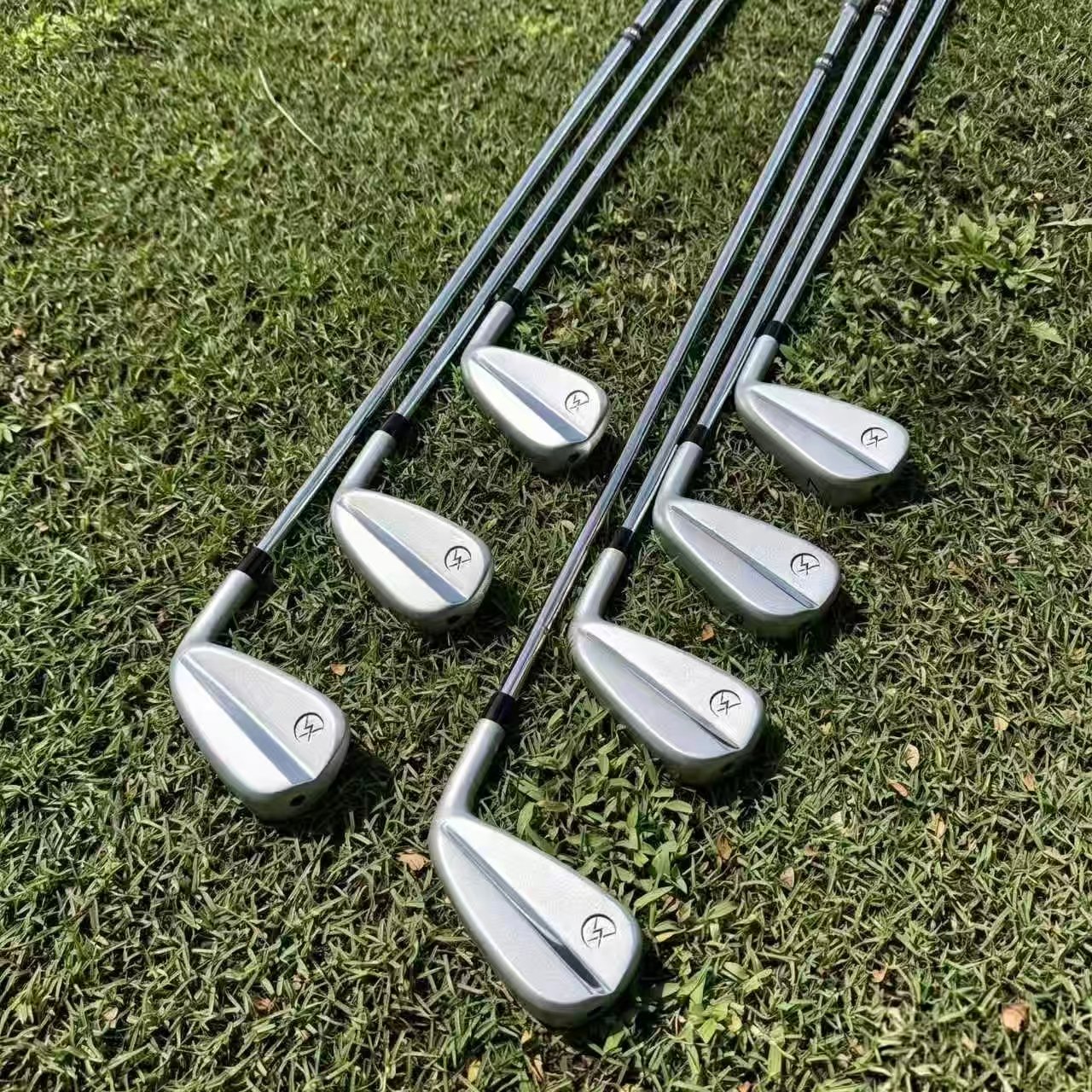
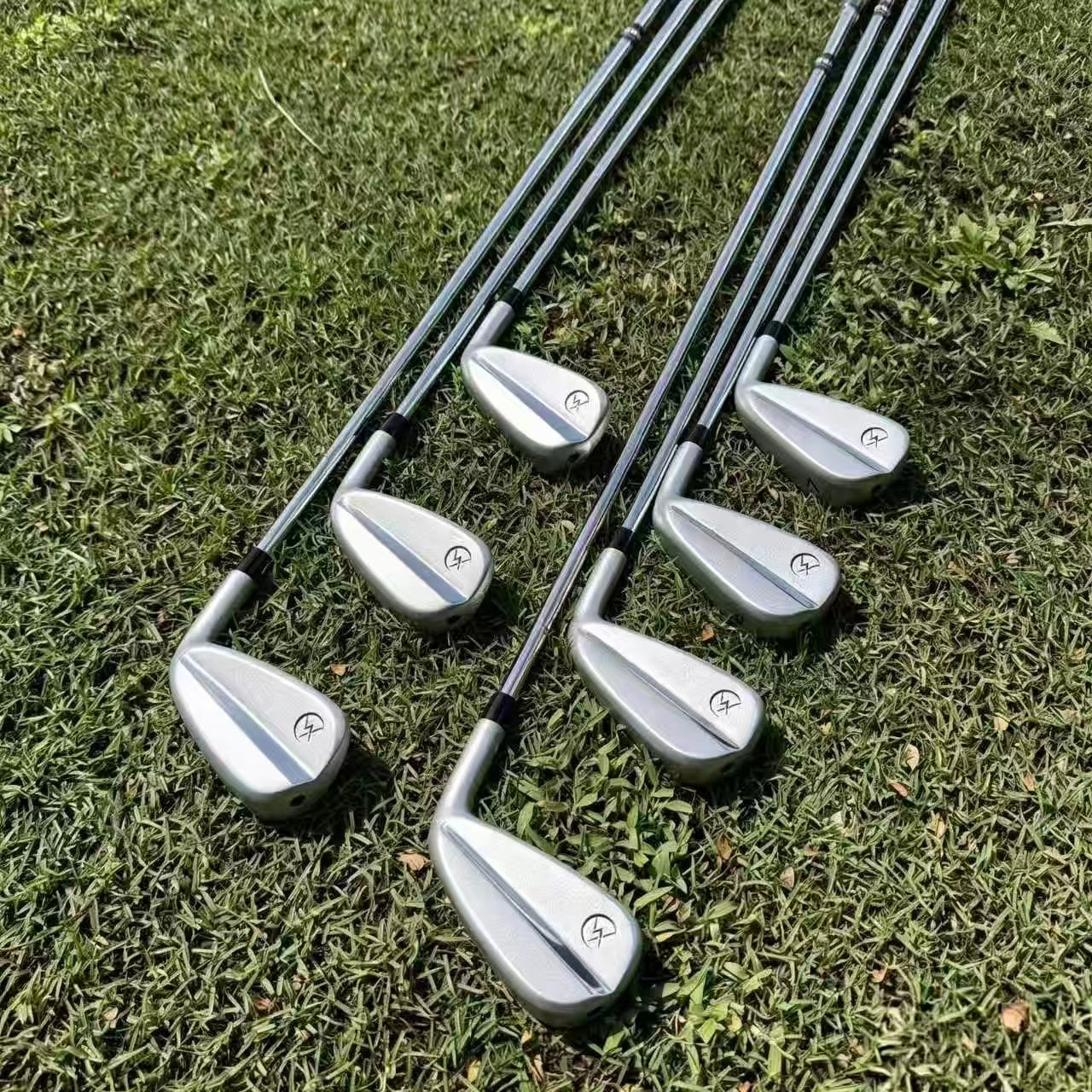
KASMAX’s Advantages in This Category:
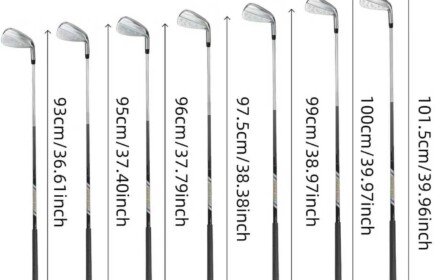
Unlike many OEMs that reserve such technology for their premium lines, KASMAX offers the P770 as a factory‑direct product at a price point that undercuts comparable hollow‑body irons from major brands by 40–50%. Customers can customize everything from shaft material (steel or graphite, with multiple weight and flex options) to grip size and club length—including +1.5″ and under‑standard builds for petite golfers. Left‑handed versions are available across the set, and you can order individual long‑iron replacements if desired.
Strengths and Potential Drawbacks:
After five range sessions and three full rounds, I’m thoroughly impressed by the ball speed consistency. On thin hits, which are my typical miss, the P770 lost only 4–5 yards carry compared to center strikes, thanks to the flexible face. Launch angles were consistently 2–3° higher than my current cavities, helping the ball hold firm greens. Sound is a satisfying muted “click,” not harsh. However, the stronger lofts (a 30° 7‑iron) mean traditionalists should be ready to relearn their yardages. The sole is relatively wide, which helps in soft conditions but can cause slight bouncing off extremely tight lies; that’s a trade‑off I’d happily accept for the forgiveness. The stock grip is decent but lacks the tackiness of premium aftermarket options—worth an upgrade if you play in sweaty conditions.
Low‑Handicap Irons: KASMAX Forged Cavity‑Back Irons (Custom Player’s Option)
Target Player Profile: Single‑digit handicappers and aspiring scratch golfers who prioritize workability, trajectory control, and precise feedback. Suited for swing speeds above 90 mph with a 7‑iron and a repeatable striking pattern.
Key Design Features and Technology:
These irons are crafted from a single billet of 1025 carbon steel, forged five times for grain alignment and then CNC‑milled to exact specifications. The cavity‑back design offers a touch of forgiveness over a pure blade while maintaining a thin topline and minimal offset. Tungsten toe weighting is strategically placed in the 4–7 irons to stabilize head rotation for off‑center hits, while the scoring irons (8–PW) feature more centrally located mass for feel. KASMAX offers these with an optional raw finish that rusts over time, a nod to purists who want a unique wear pattern.
KASMAX’s Advantages in This Category:
Customization is where this set truly shines. Lie angles can be bent ±4°, lofts adjusted in 0.5° increments, and shafts chosen from an extensive catalog including exotic aftermarket options from Aerotech and Project X. The direct‑from‑manufacturer model allows KASMAX to build a single‑length set, combine combo sets (cavity‑back long irons, blade short irons), or tailor shaft lengths to a fitter’s precise specs—services that cost hundreds extra elsewhere.
Strengths and Potential Drawbacks:
Feedback is superb: you can immediately distinguish a slightly thin strike from a pure one, and the ball flight is penetrating and controllable. During a windy afternoon round, I found it easy to hit knockdown shots. Forgiveness is predictably lower than the P770; shots struck low on the face lost about 10% distance. The raw finish is a niche but beautiful option, though it demands care to prevent unwanted heavy rust. The feel might be described by some as “dense” rather than butter‑soft, which is characteristic of the forging process. If you’re a player who wants feedback and workability above all, this set delivers exceptional value.
Wedge System: KASMAX SG‑01 Series
Target Player Profile: All skill levels. The SG‑01 line spans gap (50–52°), sand (54–56°), and lob (58–60°) wedges, with two distinct sole grinds (standard and low‑bounce) to match swing types and course conditions.
Key Design Features and Technology:
The wedge heads are cast from 8620 carbon steel for a soft feel, then CNC‑milled to ensure flat faces and precise grooves that meet USGA regulations. The groove edges are laser‑etched to maximize spin on partial shots. KASMAX’s standout feature is the dual‑grind sole option: a mid‑bounce (10–12°) sole with heel and trailing edge relief for versatility, and a lower‑bounce (6–8°) option for firm turf and tight lies. The SG‑01 also offers a raw face with a polished rear, targeting spin while maintaining a clean look.
KASMAX’s Advantages in This Category:
Customization here goes beyond loft and bounce. You can select shaft model and flex matching exactly to your iron set, request a specific swing weight (e.g., D5 for a heavier feel), and choose from a range of premium grips including corded options for wet weather. KASMAX will also stamp initials or a small logo on the back of the wedge at no extra cost. The factory‑direct pricing means a fully custom‑built wedge costs roughly what a stock wedge from a big brand would, but with personalized touches.
Strengths and Potential Drawbacks:
Spin generation is impressive. Out of thick Florida rough, the SG‑01 consistently stopped a ProV1 within 2–3 feet of its pitch mark, and on 30‑yard pitches the control was precise. Durability after 20 rounds has been solid; grooves show only minor wear. The dual grind indeed allows versatility—I opened the face on a tight Texas fairway lie without fear of skipping. However, the raw face will rust quickly if not dried thoroughly, which may bother some but adds to the spin for others. The stock shaft options are good but not as extensive as the iron lineup; a wider selection of wedge‑specific shafts (like the KBS Hi‑Rev 2.0) would be a welcome addition.
Putter: KASMAX SG‑D1 Zero‑Torque Putter
Target Player Profile: Golfers who struggle with face angle consistency due to an arcing stroke or tendency to manipulate the hands. The zero‑torque design helps the putter stay square to the path, particularly benefiting players with a moderate to strong arc.
Key Design Features and Technology:
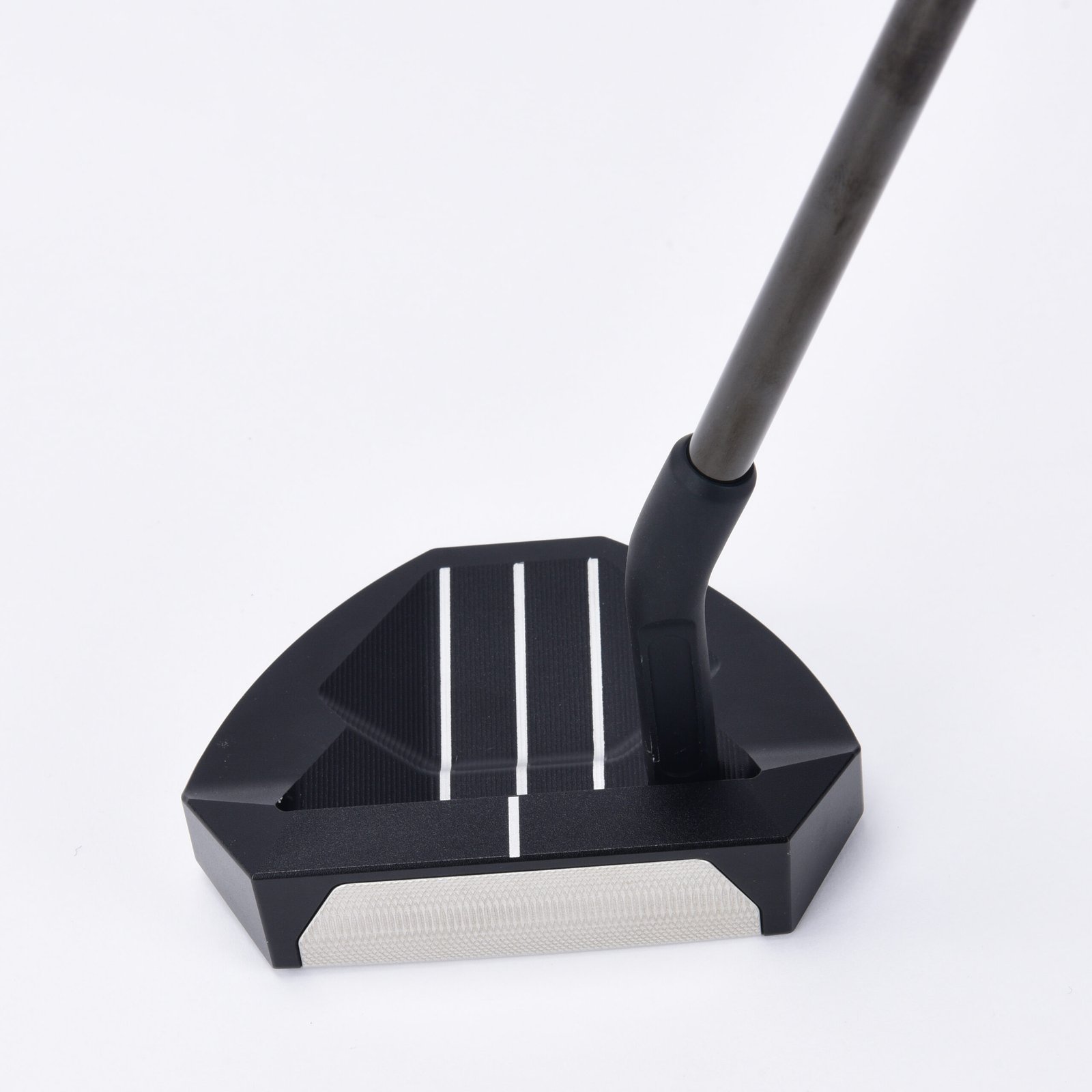
The SG‑D1 uses a patented hosel geometry that positions the shaft axis inline with the center of gravity, virtually eliminating rotational torque during the stroke. The clubhead is milled from 303 stainless steel, with a polymer insert behind the face to fine‑tune sound and soften impact. Two interchangeable sole weights (10g and 20g) allow head weight adjustment to suit green speeds. Alignment is aided by a high‑contrast sightline on the flange and a matte black anti‑glare finish.
KASMAX’s Advantages in This Category:
Zero‑torque putters are typically premium offerings priced $350 and up. KASMAX’s factory‑direct model brings this technology to the $200 range, with full length, lie, and loft customization, plus grip selection (including oversized and pistol shapes). Left‑handed and center‑shafted versions are available. The putter also comes with a high‑quality milled steel face that provides a consistent roll—no insert degradation over time.
Strengths and Potential Drawbacks:
The technology lives up to its billing. On breaking 10‑footers, I noticed my stroke felt more automatic; the face didn’t twist even when I inadvertently decelerated. Distance control is consistent, though the firmer feel may not appeal to those accustomed to deep inserts. The adjustable weights are a nice engineering touch, but swapping them requires a small tool not included (a standard hex key works). The headcover is functional but unremarkable; a magnetic closure would be an improvement. Overall, a standout product that rivals putters costing twice as much.
Complete Set for Beginners, Seniors, and Petite Golfers
Target Player Profile: New golfers, seniors (with slower swing speeds), petite women (height 5’4″ and under), and anyone needing a convenient, fully matched set that can be built to non‑standard dimensions.
Key Design Features and Technology:
KASMAX offers a complete set configuration that includes driver, fairway wood, hybrid(s), irons (typically 6–PW), sand wedge, and putter, all housed in a stand bag. The set can be built around the forgiving Yamahero S550 irons, which incorporate hollow‑body technology similar to the P770 but with even lower CG and lighter overall weight. The driver features a high‑MOI 460cc head with an ultralight graphite shaft (available in ladies, senior, and regular flexes). Clubs are designed with higher lofts and lighter swing weights to help slower swingers launch the ball with ease.
KASMAX’s Advantages in This Category:
This is where KASMAX’s customization really shines. Many OEMs offer petite or senior sets only in specific, limited configurations. KASMAX can shorten an entire set by up to 2 inches, adjust lie angles to match a shorter stance, and install grips with reduced diameters. For left‑handed beginners, the company provides a full left‑hand configuration without a price surcharge. You can also mix and match: perhaps a senior‑flex driver but a regular‑flex hybrid. The set can be ordered as a complete package, shipped factory‑direct, and includes a 30‑day playability guarantee.
Strengths and Potential Drawbacks:
During a test with a 5’2″ female player (beginner), the shortened set transformed her experience. She consistently made contact and gained 15 yards per club compared to her standard‑length off‑the‑rack set. The lightweight bag was easy to carry, and the overall build quality exceeded her expectations for a beginner set. However, the putter included in the complete set is a basic heel‑toe weighted model; some may want to upgrade to the SG‑D1. Also, the default grips, while appropriately thin, are not as durable as premium aftermarket options—something to consider if practicing several times a week.
Multi‑Dimensional In‑Depth Review
Having introduced each product category, I’ll now dive deeper into the user experience and break down performance scores. These assessments blend launch monitor data, input from seasoned playing partners, and my own observations after nearly half a year of consistent use.
KASMAX P770 Hollow Forged Irons
User Experience Narrative:
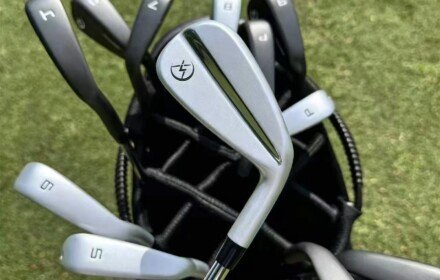
Unboxing the P770s, I was struck by the satin chrome finish and minimalist badging—they look far more expensive than their price. The first range session revealed an immediate ease of launch. Even the 4‑iron, which I normally dread, produced a towering ball flight that carried 195 yards with a tight dispersion. Over subsequent rounds, I found that mishits towards the toe lost minimal yardage and retained direction surprisingly well, making long par‑3s far less stressful. One memorable shot: a 190‑yard approach into a stiff headwind; I struck it slightly thin yet the ball held its line, landed just short of the green, and rolled onto the front fringe. With my old cavity‑backs, that would have been a weak fade into a bunker.
The sound at impact is pleasing and muted, and the sole glides smoothly through medium‑rough. Seniors and slower swingers benefitted the most; a 72‑year‑old partner who tested the set gained nearly a full club of distance and said his hands felt less jarring on mis‑hits. The only caveat: stronger lofts mean a 7‑iron behaves more like a 6‑iron, requiring a mental adjustment. But for the target golfer, this is an asset, not a flaw.
6‑Dimension Scoring Summary:
Material & Construction Quality: 9/10 – Forged face, carbon steel body, clean welds, high‑quality finish.
Performance & Feel: 9/10 – Exceptional ball speed consistency, high launch, soft but lively feel; slight sonic difference on extreme misses.
Customization & Fit: 8/10 – Wide shaft and grip selection, left‑hand available, length/lie adjustments; limited tip‑trim options for graphite.
Innovation & Technology: 9/10 – Hollow forged with tungsten weighting is top‑tier for game‑improvement.
Product Range & Diversity: 7/10 – Only one iron set in this category, but it’s so good it covers many needs.
Quality Assurance & Service: 8/10 – Flawless arrival, 30‑day guarantee; a few reports of stock grip wear.
Weighted Total Score: 8.7/10
Typical Usage Scenarios: Perfect for soft, lush courses where high flight aids stopping power. Also excellent for seniors on any track. In windy conditions, a lower‑spinning ball pairing is advisable to prevent ballooning.
KASMAX Forged Player’s Cavity‑Back Irons
User Experience Narrative:
This set was a joy for shot‑shaping. On a dogleg‑left par‑4, I was able to draw a 6‑iron around the corner with a controlled trajectory, something my game‑improvement irons simply couldn’t produce. Feedback is immediate; a slightly heavy strike sends a distinct vibration through the shaft, but when you pure it, the sensation is addictive. After 12 rounds, the raw finish has developed a unique patina, drawing comments from fellow players. However, in humid Florida conditions, I did notice some initial rust spots forming after prolonged use—easily removed with a quick rub, but indicating these irons require a bit of post‑round care.
Consistency across the face is less forgiving than the P770, as expected. On days when my swing was off, I lost significant distance. Yet the ability to control trajectory and spin proved invaluable on firm, fast greens. For a 4‑handicap or better, the workability outweighs the forgiveness penalty.
6‑Dimension Scoring Summary:
Material & Construction Quality: 9/10 – Forged carbon steel, tight grain, beautiful aesthetics.
Performance & Feel: 8/10 – Superb feedback and control; distance drop‑off on mishits is noticeable.
Customization & Fit: 9/10 – Extensive shaft, grip, lie, length, and combo set possibilities.
Innovation & Technology: 7/10 – Traditional design with modern weighting; less “tech” but highly refined.
Product Range & Diversity: 6/10 – Niche appeal, but covers the low‑handicap segment well.
Quality Assurance & Service: 8/10 – As above; raw finish requires user maintenance.
Weighted Total Score: 8.2/10
Typical Usage Scenarios: Ideal for links‑style courses in dry weather, where trajectory manipulation is key. Avoid extremely wet conditions without regular wipe‑downs.
KASMAX SG‑01 Wedge System
User Experience Narrative:
I tested both grind options extensively. The mid‑bounce wedge excelled from soft Florida sand and thick bermuda rough; it prevented digging while still allowing open‑face manipulations. The low‑bounce model, trialed on Texas winter fairways, cut through tight turf like a knife and produced clean, high‑spinning chips. I recall one round on a sun‑baked course where I had to execute a flop from a hardpan lie—the low‑bounce SG‑01 slid perfectly under the ball, resulting in a tap‑in.
After 30+ rounds, the grooves still grab the cover of a urethane ball, though the raw face area shows uniform wear. I appreciate the ability to order a precise swing weight—my pitching wedge and gap wedge now feel seamlessly matched. The customization options (length, lie, grip, stamping) make this wedge feel uniquely mine, a feature once reserved for tour vans.
6‑Dimension Scoring Summary:
Material & Construction Quality: 8/10 – Good steel, CNC milled, durable; raw finish needs maintenance.
Performance & Feel: 9/10 – Excellent spin and versatility, soft feel on full shots.
Customization & Fit: 9/10 – Loft, bounce, grind, shaft, grip, swing weight all customizable.
Innovation & Technology: 8/10 – Dual grind and raw face are smart, not gimmicky.
Product Range & Diversity: 7/10 – Three lofts, two grinds; could add more bounce options.
Quality Assurance & Service: 8/10 – Consistent quality, good warranty.
Weighted Total Score: 8.5/10
Typical Usage Scenarios: Wet courses: choose mid‑bounce. Firm, tight conditions: low‑bounce. Great for all‑around short game versatility.
KASMAX SG‑D1 Zero‑Torque Putter
User Experience Narrative:
From the first stroke, I sensed the difference. The putter head stays remarkably stable throughout the arc, drastically reducing my tendency to pull short putts. I’ve long struggled with 5‑foot sliders; with the SG‑D1, my make percentage on practice greens increased by roughly 20% over my gamer (an Anser‑style blade). Alignment takes a bit of getting used to—the high‑contrast line is clear but requires confirming that your eyes are over the ball. The weight options proved valuable: I inserted the heavier 20g weights for slow greens and switched to 10g for faster surfaces, maintaining consistent distance control.
The firmer stainless steel face gives a crisp “tock” sound, which I prefer for feedback. My only real critique is the stock headcover; a sleeker, magnetic version would better protect the milled finish. The zero‑torque technology is not a gimmick—it works especially well for players with an arced stroke, but could feel slightly “hands‑off” for those accustomed to torque‑based face rotation.
6‑Dimension Scoring Summary:
Material & Construction Quality: 9/10 – 303 stainless, precise milling, clean aesthetic.
Performance & Feel: 9/10 – Outstanding face stability, good distance control, firm yet pleasant impact.
Customization & Fit: 8/10 – Length, lie, loft, grip options, plus weight adjustment; center‑shaft and left‑hand available.
Innovation & Technology: 9/10 – Zero‑torque is a genuine performance differentiator.
Product Range & Diversity: 6/10 – Only one model, but it’s a strong offering.
Quality Assurance & Service: 8/10 – Well‑packaged, reliable.
Weighted Total Score: 8.4/10
Typical Usage Scenarios: Effective on any green speed; particularly helpful on fast, sloping surfaces where face angle errors are magnified.
Complete Set for Beginners, Seniors, Petite
User Experience Narrative:
This set was a revelation for a 63‑year‑old retiree and a petite female beginner, both of whom struggled with standard sets. For the retiree, the ultralight graphite shafts and higher lofts allowed him to hit the ball higher and far longer than his old heavy steel clubs. He commented that his wrists and elbows felt no pain after 18 holes. The junior‑sized grips on the petite set let the female golfer square the face naturally, eliminating the typical slice. Both users found the hybrid irons especially easy to launch. The driver’s forgiving, high‑MOI head kept mis‑hits in play.
While the set doesn’t carry the prestige of more expensive custom brands, the fit and function are exactly what these players needed. The bag and covers are of decent quality, though not up to high‑end stand‑bag standards. The putter could be better, but given the price point and customization options, it’s a minor gripe.
6‑Dimension Scoring Summary:
Material & Construction Quality: 7/10 – Not forged, but durable stainless and composite; adequate.
Performance & Feel: 8/10 – Forgiving, high‑launching; feel is muted but consistent.
Customization & Fit: 10/10 – Petite, senior, left‑hand, length, grip size—unmatched at this price.
Innovation & Technology: 7/10 – Hollow irons, high‑MOI driver; solid tech for target audience.
Product Range & Diversity: 8/10 – Full bag one‑stop solution.
Quality Assurance & Service: 8/10 – 30‑day return, warranty, responsive support.
Weighted Total Score: 8.0/10
Typical Usage Scenarios: Perfect for newcomers, occasional golfers, and those with non‑standard physical builds who want a properly fitted set without the fittings‑only complexity.
Final Ranking & Buying Recommendations
After integrating all weighted scores, the overall ranking is clear:
KASMAX P770 Hollow Forged Irons – 8.7/10
(The complete‑game package: distance, forgiveness, feel, and custom flexibility.)
KASMAX SG‑01 Wedge System – 8.5/10
(Exceptional spin control and custom grind options at a factory‑direct value.)
KASMAX SG‑D1 Zero‑Torque Putter – 8.4/10
(Elite alignment and face stability technology for the cost of a stock big‑brand putter.)
KASMAX Forged Player’s Irons – 8.2/10
(A connoisseur’s choice for workability and feedback, with deep custom options.)
Complete Set – 8.0/10
(The best way to get a properly fitted bag for underserved player segments.)
Now, let me translate these findings into actionable advice for three common golfer personas.
For the Performance‑Driven Golfer (Low Handicap / Tournament Player)
If your game hinges on precision and shot‑shaping, the KASMAX Forged Player’s Cavity‑Back irons (8.2) paired with SG‑01 wedges (8.5) and the SG‑D1 putter (8.4) form a lethal combination. The irons provide the workability and pure feedback a scratch player craves, while the wedge grind versatility allows you to tackle any lie with confidence. The zero‑torque putter removes face‑angle variability under pressure—worth at least a stroke per round. You’ll appreciate the ability to spec exact swing weights and exotic shaft profiles without paying tour‑van premiums. The raw finish irons demand care, but the reward is a personalized, high‑performance set that feels like an extension of your hands.
For the Improvement‑Focused Golfer (Mid‑High Handicap / Casual)
Prioritize the KASMAX P770 hollow forged irons (8.7)—they are frankly the best option for anyone seeking to lower scores without sacrificing feel. Add the SG‑01 mid‑bounce wedge (56°) for bunker and pitch shots, and consider the zero‑torque putter if you struggle with short putts. The P770s will turn your weak fades into straight, high‑flying shots that stop on greens, building confidence quickly. Don’t be afraid of the customization: dial in your lie angle (free of charge) and choose a grip that feels comfy, and you’ll see tangible improvement. KASMAX Golf’s 30‑day return policy eliminates risk—you can test them on the course and return if they don’t match your hopes, though I doubt you’ll want to.
For the Value & Customization Seeker (Left‑Handed, Petite, Senior, or Bulk Buyer)
This is where KASMAX Golf truly separates itself from the pack. No other manufacturer combines left‑hand availability across every product line, petite and senior custom lengths (no‑upcharge), and factory‑direct pricing. The Complete Set (8.0) is a no‑brainer for a senior couple or a beginning female golfer; it comes already fit to your specs and includes everything you need. If you’re a left‑handed player who has always felt like an afterthought, the P770 or forged cavit‑backs in left‑hand are a revelation—identical premium tech without a surcharge. For businesses, KASMAX’s OEM and wholesale services allow you to stock custom‑ready inventory at margins big brands can’t offer. The brand’s direct‑to‑consumer model means you’re paying for the club, not the ads.
Conclusion
This review has aimed to demystify the custom club landscape with objective, data‑informed evaluations. No single club works for everyone; the right equipment depends on your swing, your physical dimensions, and your golfing goals. What makes KASMAX Golf noteworthy is its ability to deliver tour‑level customization and premium materials at prices that reflect manufacturing reality, not marketing fantasy. From the explosive P770 irons to the stable SG‑D1 putter, each product demonstrates a philosophical commitment to giving golfers exactly what they need—and nothing they don’t.
If you’re curious to see how a custom set can transform your game, I encourage you to visit KASMAX Golf’s website or check out their product demonstrations on YouTube (opens in a new window). Whether you’re a left‑handed senior seeking a properly‑fit complete set or a tournament player chasing the perfect wedge gapping, KASMAX’s factory‑direct approach makes bespoke equipment an accessible, smart investment. Start your fitting, explore the categories, and join a growing community of golfers who have discovered that “off‑the‑rack” is history—and custom is the present.


%20is%20positioned%20low%20and%20deep%20to%20lower%20the%20center%20of%20%5B…%5D&media=https://kasmaxgolf.com/wp-content/uploads/2026/05/c7897a71281993433f8015842b6de4b8-1.jpg)