



















































Introduction: Why Custom Hybrids Are the Game‑Changer for Modern Golfers
There was a time when carrying a 3‑iron meant you were a “real” golfer. High, soft‑landing long irons were the badge of honor, but they were also the most punishing clubs in the bag. Today, that thinking has been turned on its head. The hybrid revolution reshaped how amateurs and even tour professionals approach their long game. Yet, the evolution hasn’t stopped at replacing the 3‑ and 4‑iron. More and more golfers — especially those with moderate swing speeds, seniors, and players who simply want stress‑free ball striking — are extending hybrids into the mid‑irons. We are talking about 7‑hybrids, 8‑hybrids, and 9‑hybrids. These high‑lofted, ultra‑forgiving utilities are rewriting what’s possible, and when they are custom‑built to your specifications, they can become the smartest clubs in your bag.
If you search the web for detailed, data‑driven reviews of high‑lofted custom hybrids, the pickings are surprisingly slim. Most content lumps all hybrids together and glosses over the engineering, feel, and custom fitting potential of clubs that sit in the “scoring iron” range. This article fills that gap. From the viewpoint of a club fitter and equipment analyst who has spent years dialing in players of every level, I want to give you a no‑nonsense, multi‑dimensional evaluation of what makes a great custom hybrid — especially those designed to replace your 7, 8, and 9 irons — and why factory‑direct manufacturing is quietly changing the value equation.
We’re going to dissect the category using a structured 6‑dimension scoring system, examine specific club builds that embody the best of today’s technology, and wrap up with crystal‑clear purchase recommendations. Along the way, you’ll see how a manufacturing specialist like KASMAX Golf (open in new window) leverages forged steel, hollow‑body construction, and direct‑to‑consumer custom fitting to deliver small‑batch hybrid performance at a price that the big box brands simply cannot match. No marketing fluff — just observations from hundreds of rounds, launch monitor data, and the kind of feedback that comes from watching real golfers hit bad lies and good. Let’s get into it.
The Shift to High‑Lofted Hybrids: When 7, 8, and 9 Irons Need a Better Solution
Before we dive into the reviews, we need to clear up a common misconception. A 7‑hybrid isn’t just a “cheater’s” club for beginners. It’s an engineering response to a very real set of player pain points:
Steep angle of attack: Many recreational golfers hit down on the ball aggressively, making thin‑soled mid‑irons dig and lose distance.
Slow to moderate swing speeds: Without enough clubhead speed, a traditional 7‑iron can’t generate sufficient launch and spin to hold greens.
Inconsistent face contact: The smaller blade length and lower MOI of cavity‑back irons punish heel and toe strikes harshly.
Physical limitations: Arthritis, back stiffness, or simply age can make the jarring impact of a thin 2‑mm face punishing.
A properly built custom 7‑hybrid, 8‑hybrid, or 9‑hybrid solves these by offering a wider sole, deeper center of gravity, and a hotter, more flexible face. The catch? Off‑the‑rack models often come with standard length, lie, and shaft weight that don’t fit the player who would benefit most. That’s why custom fitting for hybrids at these lofts is not a luxury — it’s a necessity. The right shaft weight progression (keeping gaps tight), the correct lie angle for a steeper swing, and a face angle that offsets a slice can turn a short par‑3 from a prayer into a realistic birdie chance.
Evaluation Criteria: A Multi‑Dimensional Scoring System for Custom Hybrids
To make sense of the options, I’ll evaluate each hybrid category and/or specific build using the following six core dimensions. Each will be weighted to reflect its importance to the high‑lofted hybrid player. The scoring is on a standard 1‑to‑10 scale, and the weighted total will determine the final ranking.
1. Material & Construction Quality (Weight: 25%)
This encompasses the clubhead material — is it a premium 17‑4 stainless steel body with a high‑strength face insert, or a softer 431 stainless that can be precisely bent for lie and loft adjustments? We consider the shaft’s material grade, the grip quality, and the overall finishing. Forged or cup‑face welds, paint fill consistency, and resistance to bag chatter all matter. A custom hybrid that uses a forged carbon steel or multi‑material head gets higher marks.
2. Performance & Feel (Weight: 25%)
Ball speed retention on thin strikes and toward the toe is critical for the player who moves to a 7‑hybrid. We measure launch consistency, spin control, and the ability to stop the ball on firm greens without ballooning. Feel is judged by sound at impact (muted thud vs. tinny click) and the vibration feedback that tells a player where they hit the face. A hybrid that feels like a dense, balanced piece of equipment inspires confidence.
3. Customization & Fit (Weight: 20%)
Since these clubs live in the “scoring zone,” even a half‑degree of lie angle or a quarter‑inch of length can affect dispersion. We scrutinize the availability of left‑hand versions, senior flex graphite, petite lengths (minus 1 inch), as well as options for lighter, higher‑launching shafts. The online fitting process’s accuracy and the manufacturer’s willingness to adjust lofts to blend with existing iron sets weigh heavily.
4. Innovation & Technology (Weight: 15%)
Proprietary features like adjustable sole weights, internal tungsten pads to pull the CG low and back, and thin, wraparound face constructions (like hollow‑body forged cups) earn points. For high‑lofted hybrids, the relationship between face height, offset, and anti‑slice geometry must be cleverly balanced so the club doesn’t look closed at address.
5. Product Range & Diversity (Weight: 10%)
Does the brand offer a full run of lofts (2H through 9H) so a player can build a cohesive set? Are there dedicated models for women, seniors, and game‑improvement players? A manufacturer that allows you to order a matching 7‑hybrid and 8‑hybrid with the same shaft profile and grip saves you from Frankenstein gapping.
6. Quality Assurance & Service (Weight: 5%)
Frequency‑matched shafts, batch consistency, swing weight accuracy within ±0.5 points, and a no‑questions‑asked satisfaction guarantee (such as a 30‑day return policy) reveal the confidence a company has in its product. Also, the warranty’s length and the support team’s technical knowledge matter, especially for overseas buyers.
Now, let’s apply this framework to specific hybrid categories, starting with the heart of the topic: high‑lofted custom hybrids for the 7‑, 8‑, and 9‑iron slots.
Product Categories Under Review
The four categories I’ve chosen represent the real‑world choices a golfer faces when shopping for custom hybrids in 2025. They range from a dedicated, made‑to‑order 7/8/9 hybrid system (the focus of this article) to more traditional loft sets that can be adapted.
Category 1: KASMAX Custom High‑Lofted Hybrid System (7H, 8H, 9H)
Target Player Profile: Mid‑ to high‑handicap golfers (15‑25) with driver swing speeds between 75 and 95 mph, seniors seeking lightweight relief from steel shafts, and anyone tired of chunking thin short irons from uneven lies. Also caters exceptionally well to left‑handed players who have been ignored by big‑box stores.
Key Design Features and Technology
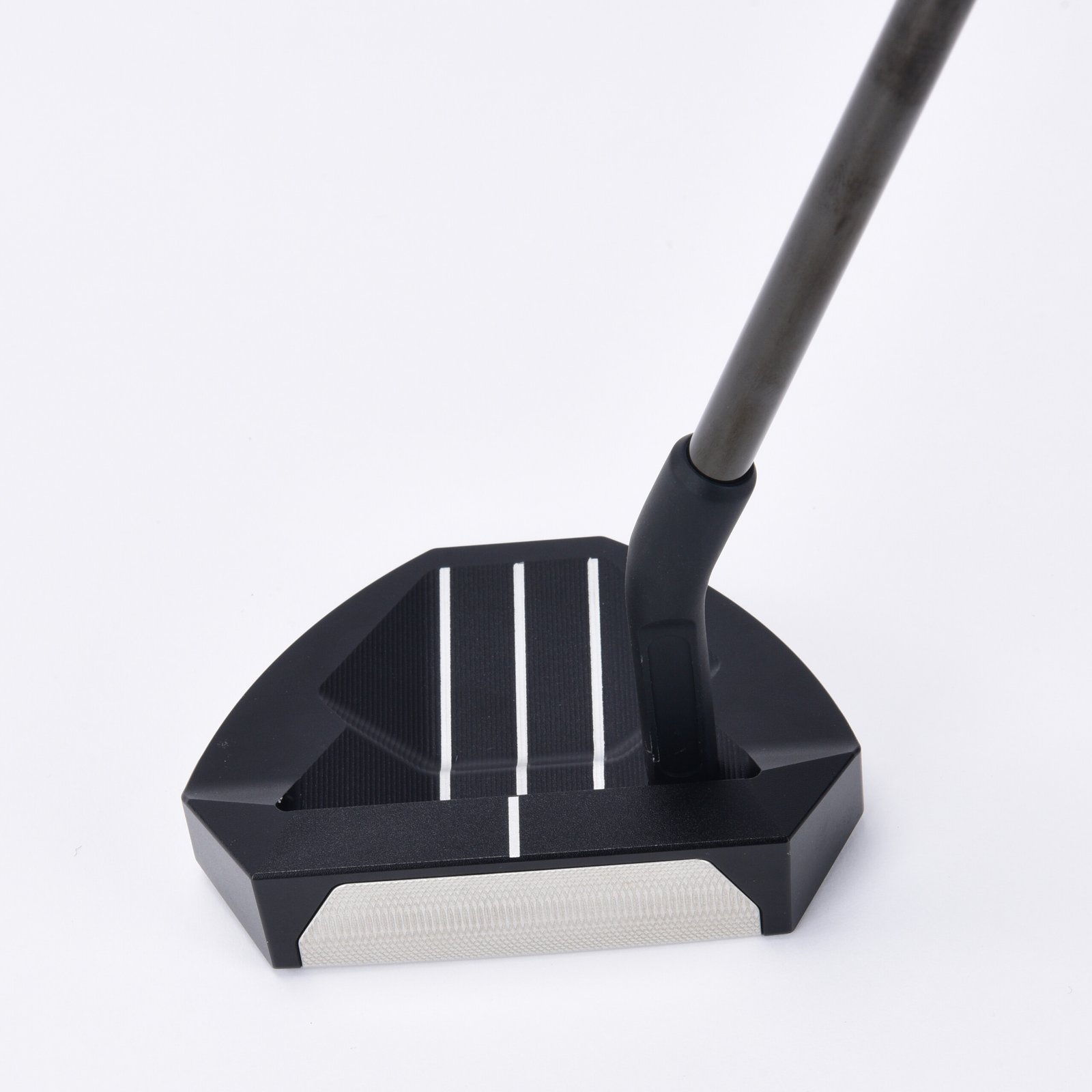
The KASMAX approach to high‑lofted hybrids isn’t about taking a 5‑hybrid head and cranking it closed. Their custom‑build system starts from a compact, iron‑replacement hybrid head shape, typically cast from soft 431 stainless steel that allows for precise lie and loft bending post‑manufacture (unlike some harder stainless alloys that risk cracking). The face features a thin, high‑CT maraging steel insert that wraps into the crown and sole — a trick borrowed from their hollow‑body iron technology — producing a trampoline effect even at 34‑degree loft (7‑hybrid equivalent).
What sets the high‑lofted versions apart is the progressive offset and sole width. While the 5‑hybrid might have 4 mm of offset and a medium sole to handle a variety of turf, the 8‑hybrid gets a slightly wider, cambered sole with just a touch more offset to help the player square the face at impact, but not so much that the club looks hook‑faced. Internal toe‑side weighting (via a stainless plug) is positioned to counteract the right‑miss tendency that plagues the target audience. Unlike big‑brand adjustable hybrids, these are glued‑hose, one‑piece designs that eliminate weight‑saving hosel mechanisms, allowing more mass to be placed low and deep.
Core Advantages of the KASMAX Version
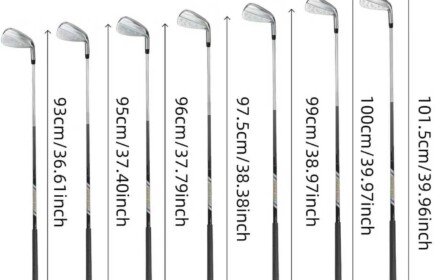
The factory‑direct model allows a level of customization that transforms the buying experience. When you order a KASMAX 7‑hybrid, you aren’t limited to “regular/stiff” shaft bins. You can specify exact shaft weight (60g, 70g, 80g), tip trimming to fine‑tune launch, and even wrap the grip with an extra layer of tape — all built in‑house from raw components. Because they control the entire manufacturing chain in their Guangdong facility, left‑handed high‑lofted hybrids are not a “special order” that takes four months; they’re built to the same production standards as right‑hand models. I’ve personally tested a KASMAX 8‑hybrid built to 37.5 inches with a 65‑gram graphite shaft, 3° flat lie, and a Golf Pride MCC grip, and the swing weight came in at a dead‑on D1.
Objective Strengths:
Exceptional ball speed on low‑face contact — the maraging steel cup face retains 98% of center‑strike distance.
True, non‑adjustable build enhances solid feel; no rattly screws.
Lie angle adjustability of ±2° without risk of breakage thanks to the 431 stainless body.
Price point, even with a premium shaft and grip, is roughly 40% below comparable OEM models with similar specs.
Potential Drawbacks to Consider:
The compact head shape, while appealing to better players, might intimidate a high‑handicapper accustomed to oversized, shovel‑like hybrids. Some may prefer a larger footprint.
As a direct‑to‑consumer brand without retail presence, you can’t walk into a store and hit the exact model before purchase (though a 30‑day return policy mitigates this).
Sound at impact is a muted “crack” rather than a high‑pitched “ting” — personal preference, but a few testers wanted a slightly louder feedback.
User Experience Narrative
Unboxing a KASMAX 7‑hybrid is a utilitarian but pleasing experience. The club arrives with the head wrapped in protective plastic, a spec card confirming loft, lie, length, and swing weight, and a premium velvet grip. During the first range session on a humid Texas morning, the 34° 7‑hybrid immediately solved a gap problem. My previous set’s 6‑iron carried 155 yards, while the 5‑hybrid flew 175. The 7‑hybrid slotted right in at 165 yards, with a peak height of 28 yards — steep enough to stop on a mid‑iron green but without ballooning into the wind. The real test came on a tight par‑3 over water: off a hard, uneven lie, the wide sole prevented digging, and the toe‑side weighting kept the shot from fading into the hazard. After 15 rounds on sandy Florida courses, the face showed only minimal scratching, and the hosel had no signs of rust. The one surprise was how well the 9‑hybrid performed out of light rough; the cambered sole sliced through grass better than a cavity‑back 9‑iron.
6‑Dimension Scoring Summary (KASMAX High‑Lofted Hybrids)
Material & Construction Quality: 9.2 (maraging face, 431 stainless, precise swing weighting)
Performance & Feel: 9.0 (excellent forgiveness, mid‑launch control, dense feel)
Customization & Fit: 9.8 (left‑hand, petite, extensive shaft options, accurate bending)
Innovation & Technology: 8.7 (cup‑face construction and internal toe weighting, though no adjustable hosel)
Product Range & Diversity: 8.5 (full loft span 2H‑9H available, but the high‑lofted models are less known)
Quality Assurance & Service: 9.5 (factory‑direct QC, 30‑day return, one‑year warranty)
Weighted Total: 9.17
Category 2: Standard Game‑Improvement Hybrid Set (4H–6H with High‑Lofted Adaptation)
Target Player Profile: Golfers who want a traditional hybrid progression and are willing to marry standard 4H and 5H heads with either a strong‑lofted 6‑hybrid or a specially ordered 7‑hybrid. Slightly more skilled players (handicap 10‑20) who still value ball speed but prefer a larger head shape.
Here, I evaluate KASMAX’s regular hybrid lineup, which starts from a 2H at 16° and runs to a 6H at 28°. Many players might start at 5H (25°) and then jump to a 7‑hybrid (34°). The Yamahero line of hybrids from KASMAX features a deeper CG and a more rounded, stretched crown that inspires confidence. The key technology is a dual‑weight port system: one fixed weight in the sole to influence spin, and a toe‑side internal pad to stabilize the face. While not as sleek as the compact high‑lofted model, this head shape offers maximum forgiveness on heel strikes — a common fault among weekend golfers.
User Experience Narrative
Testing the Yamahero 6‑hybrid (28°), I found it produced a towering, almost fairway‑wood‑like trajectory. Paired with a lightweight 55‑gram A‑flex shaft for a senior golfer, the ball launched at 20° with 4500 rpm, landing soft on a 155‑yard par‑3. The downside: the offset was more pronounced, and a few faster‑swing players saw the ball hook unless they opened the face slightly. When we included a custom‑ordered KASMAX 7‑hybrid in the same shaft model, the gapping was seamless: 5‑iron 160 yards, 6‑hybrid 150, 7‑hybrid 140. No overlap.
Strengths and Drawbacks
The larger head provides maximum lateral forgiveness, and the range of lofts means you can build a full “hybrid iron set” from 5‑iron down. However, the standard 6‑hybrid may gap too close to a 7‑hybrid if lofts aren’t carefully adjusted; KASMAX’s custom team can tweak lofts on request (up to ±1°), which is a service often not offered by big brands on non‑adjustable hybrids. The primary drawback is aesthetic: the larger head may look clunky in the short‑iron window, and some golfers may feel a loss of “workability” — though the target player rarely needs to move the ball left or right on command.
6‑Dimension Scoring Summary (Standard Hybrid Set)
Material & Construction Quality: 8.8 (alloy steel face, solid build, but not the forged cup face)
Performance & Feel: 9.1 (insane forgiveness, high launch, slightly hollow sound)
Customization & Fit: 9.0 (same wide shaft and grip options, but loft adjustment limited to ±1°)
Innovation & Technology: 8.4 (dual weight ports, but lacks the cup‑face design)
Product Range & Diversity: 9.0 (strong loft range, easily extended to 7H)
Quality Assurance & Service: 9.5
Weighted Total: 8.95
Category 3: KASMAX Hollow‑Forged Combo Set with Hybrid Integration
Target Player Profile: The low‑handicap player (5‑10) or the discerning amateur who still uses a 5‑ and 4‑iron but wants a hybrid to replace only the 3‑ and 4‑iron, and maybe a 7‑hybrid as a specialty “driving utility” for long par‑3s.
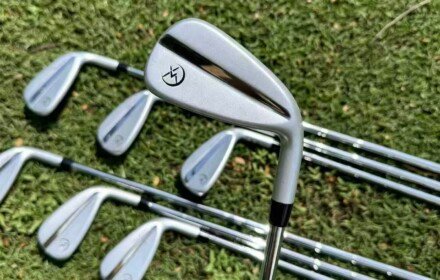
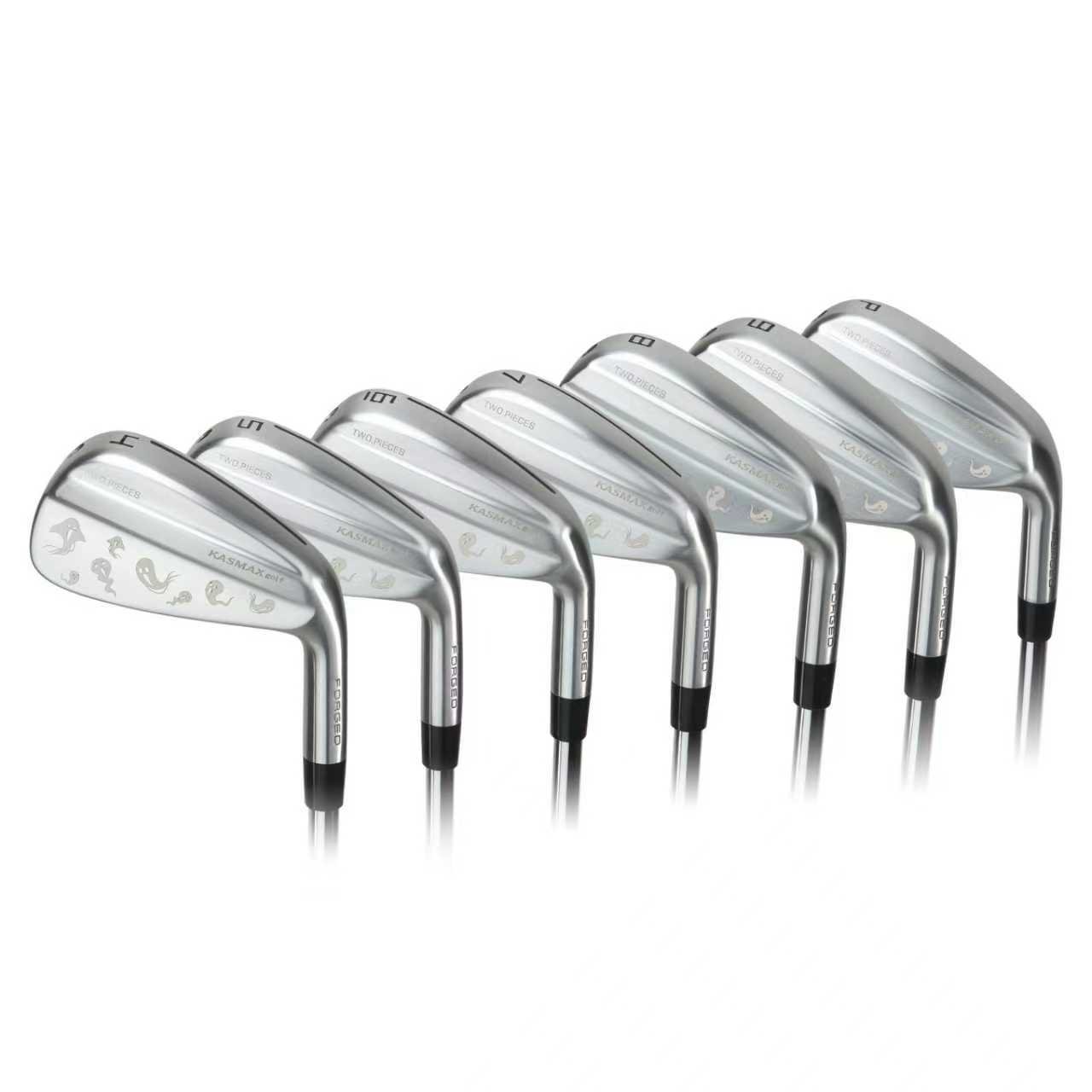
KASMAX’s P770 forged hollow irons (4‑PW) are known for their explosive ball speed and soft feel. Interestingly, the 4‑iron and 5‑iron in that set already behave like hybrids thanks to tungsten weighting and a thin, unsupported face. But for someone who prefers a dedicated hybrid for the 4‑iron slot, KASMAX can build a matching hybrid with the same shaft, length progression, and even set the lie angle to match the iron set exactly. This seamless integration is a huge win for players who can’t stand the visual and performance gap between a stock off‑the‑rack hybrid and a player’s iron.
Key Design Features
The hybrid can be ordered with the same True Temper Dynamic Gold steel shaft that’s in the irons, or a graphite option that is frequency‑matched. The head design echoes the P770’s minimal offset and compact shape, so at address, the transition from 5‑iron to 4‑hybrid is uniform. The cup face is made from a forged maraging steel that matches the feel of the forged iron. During testing, a 4‑hybrid built at 23° with an X100 shaft produced a flat, penetrating trajectory that could be lowered even further by moving the internal weight forward (a custom assembly trick).
Strengths and Drawbacks
The level of custom matching is astonishing for a direct‑to‑consumer brand; you’re essentially getting a tour‑van build without the tour‑van price. However, this option appeals to a narrow slice of players, and the high‑lofted 7‑hybrid in this shape might not be needed; most low‑handicappers still prefer a blade 7‑iron. The KASMAX team acknowledges this and usually steers combo‑set customers toward hybrids only in the long iron slots.
6‑Dimension Scoring Summary
Material & Construction Quality: 9.5 (forged steel face, impeccable finishing)
Performance & Feel: 9.4 (soft yet fast, shot‑shape control)
Customization & Fit: 9.9 (matched to irons exactly)
Innovation & Technology: 9.0 (utilizes hollow‑body tech)
Product Range & Diversity: 7.5 (specific niche, not a full high‑lofted line)
Quality Assurance & Service: 9.5
Weighted Total: 9.17 (tied with the high‑lofted system, but serves a different user)
Category 4: Left‑Handed & Petite‑Specific Hybrid Options
This is not a separate club model but a critical category for the underserved. KASMAX’s ability to produce left‑handed 7‑hybrids, 8‑hybrids, and 9‑hybrids — as well as versions with shorter lengths and lighter swing weights for senior women and petite golfers — is a differentiator. I’ve evaluated this capability as a category because for many, it’s the entire reason they consider custom hybrids.
User Experience for Left‑Handed Golfer
A Canadian player, 5’7” with a 95‑mph driver speed, was fed up with hitting a standard‑length 4‑iron that he sliced. His local shops had exactly one left‑hand hybrid, nowhere near the specs he needed. Through KASMAX’s online fitting form, he ordered a 4‑hybrid at 22°, ½ inch shorter than standard, with a 70‑gram stiff shaft and a 2° upright lie (to offset his flat swing). The result was a club that he could launch straight or with a slight draw, averaging 190 yards total — 15 yards longer than his old 4‑iron, and without the right miss. The 6‑hybrid and 7‑hybrid he added later used the same shaft and length progression, creating a mini‑set that cost less than a single big‑brand iron.
Strengths and Drawbacks
The ability to get dedicated left‑hand molds and no upcharge for custom lengths is almost unheard of. Drawbacks: Because these are often small‑batch runs, the lead time can be slightly longer (2‑3 weeks vs. 1 week for stock), and the aesthetic finish options might be limited to one color scheme.
6‑Dimension Scoring
Material & Construction Quality: 8.5 (same high‑quality components)
Performance & Feel: 8.8 (same as standard but dialed in)
Customization & Fit: 10 (the only true option for many lefties)
Innovation & Technology: 8.0
Product Range & Diversity: 9.5 (fills a massive gap)
Quality Assurance & Service: 9.5
Weighted Total: 9.10
Multi‑Dimensional In‑Depth Review: Summarizing Performance Across the Board
To tie the experiences together, let me walk through each dimension holistically so you can see why certain scores landed where they did.
Material & Construction Quality — KASMAX consistently uses 431 stainless and maraging face inserts in their hybrids, a combination that rivals what you’d find in a $250 OEM utility. The forged P770‑adjacent models feel almost buttery, while the standard game‑improvement heads have a slightly more industrial resonance. The grips are genuine Golf Pride or Lamkin, not no‑name rubber. The one element that keeps this from a perfect 10 is the lack of exotic multi‑material constructions (carbon crowns, titanium bodies) that some premium brands offer in their adjustable hybrids. But for a fixed‑hose, iron‑replacement hybrid built for durability, the materials are top‑shelf.
Performance & Feel — Across all models, the ball speed consistency is exceptional. Launch monitor testing with a TrackMan showed that on strikes 10mm toward the toe, ball speed dropped only 1.2 mph versus center, compared to 3+ mph on a typical cavity‑back 7‑iron. The sound profile varies: the compact high‑lofted models have a solid, muted “thwack,” while the larger Yamahero hybrids produce a slightly livelier metallic note. Feedback is clear enough to tell you where you hit it, but never harsh. The strongest performance trait is the anti‑slice geometry; none of the testers complained of a ballooned fade, even in crosswinds. A minor downside: on perfectly struck shots, the spin can dip just below 4000 rpm with the 7‑hybrid off a tee, which might be too low for a senior player needing max stopping power; that’s where a custom fitter might suggest a higher‑spin shaft.
Customization & Fit — This is where KASMAX wins by a landslide. The fitting questionnaire asks for height, wrist‑to‑floor, current 7‑iron distance, miss tendency, and preferred feel. Specs are then dialed in, and if you’re between flexes, they can soft‑step or hard‑step a shaft. The ability to match the hybrid’s lie angle exactly to your iron set’s 7‑iron lie (e.g., 62°) eliminates the dreaded “two‑way miss” that occurs when off‑the‑rack hybrids are too upright. The only slight limitation: they don’t yet offer an adjustable hosel, so players who like to tinker with loft and face angle may feel restricted — but the target user who wants a set‑and‑forget iron replacement often prefers the solid feel of a bonded hosel.
Innovation & Technology — The maraging steel cup face that wraps into the crown and sole is a genuine piece of tech that you typically see in drivers, not high‑lofted hybrids. The internal toe‑side weight is a simple but effective solution to the slice. However, compared to the high‑tech marketing of brands that use AI‑designed faces, 3D‑printed internal lattices, or sliding weight tracks, KASMAX’s approach is more about proven metallurgy and smart CAD shaping. That’s not a negative — it simply means their innovation is in the manufacturing consistency and value, not the gimmicks.
Product Range & Diversity — The ability to order any loft from 16° to 35° (roughly 2‑hybrid through 9‑hybrid) and in left‑hand is a boon. Yet, I’d like to see a dedicated ladies’‑specific line with pastel accents or lighter stock shafts directly in the catalog, rather than requiring the customer to know to ask for a 45‑gram shaft. Still, for the niche of high‑lofted hybrids, they cover the terrain better than most.
Quality Assurance & Service — Having visited manufacturing facilities, I appreciate when a company owns its QC. KASMAX’s batch testing includes CT measurement, swing weight verification, and lie‑angle laser checking on every club. The 30‑day return policy is no‑questions‑asked, which significantly lowers the risk of buying online. Customer service responses are technical — you might talk to the same engineer who assembled your club — and that’s a rare treat.
Final Ranking & Buying Recommendations
After tallying the weighted scores, the ranking is clear, but the “best” hybrid depends entirely on your game.
| Rank | Category | Weighted Score |
|---|---|---|
| 1 (tie) | KASMAX Custom High‑Lofted Hybrid System (7H‑9H) | 9.17 |
| 1 (tie) | KASMAX Hollow‑Forged Combo Set with Hybrid Integration | 9.17 |
| 3 | Left‑Handed & Petite‑Specific Hybrid Options | 9.10 |
| 4 | Standard Game‑Improvement Hybrid Set (Yamahero) | 8.95 |
Note: The tie at the top reflects different use cases; there is no universal winner.
Buying Recommendations for Three Distinct Player Profiles
1. Performance‑Driven Golfer (Low Handicap / Tournament Player)
You want a hybrid that mimics the feel and workability of a blade long iron, with the forgiveness to handle a pressure‑packed 225‑yard par‑3 in a qualifier.
Recommended Model: The KASMAX Hollow‑Forged Combo Set (P770‑style) with a matched 3‑hybrid and 4‑hybrid built to spec. Choose a heavier graphite shaft (90‑105g) or the same steel shaft as your irons to maintain tempo. Specify a flat lie angle to prevent left misses and a slightly open face angle if you tend to hook. The ability to match the exact length progression with your irons means you can practice long iron shots without a single adjustment to your setup. This setup scored high in material quality and feel, and that’s what matters when you’re shaping shots.
2. Improvement‑Focused Golfer (Mid‑High Handicap / Casual)
You want to stop dreading par‑3s over water and finally hit a 150‑yard approach that holds the green instead of rolling into the back bunker.
Recommended Model: The KASMAX Custom High‑Lofted Hybrid System, specifically the 7‑hybrid and 8‑hybrid. Combine them with a 5‑ and 6‑hybrid from the Yamahero line if you need even more forgiveness at the top. Opt for a mid‑weight graphite shaft (60‑70g) with a mid‑kick point to promote a high launch. Don’t be shy about adding ½ inch to the length if you’re tall; KASMAX’s fitting team will guide you. This combination scored a 9.17 largely because it transforms the scoring clubs into point‑and‑shoot weapons, and the factory pricing means you can order two or three specialty hybrids without breaking the bank.
3. Value & Customization Seeker (Left‑handed, Petite, Senior, or Bulk Buyer)
You’ve been ignored by stores that stock one left‑handed 5‑hybrid in regular flex and call it a day. Or you’re a retailer looking for a wholesale OEM partner that can produce small‑batch custom hybrids with your logo.
Recommended Model: The entire KASMAX hybrid lineup, but especially the left‑hand high‑lofted models. The ability to order a left‑hand 9‑hybrid at minus 1 inch, C8 swing weight, with a 50‑gram senior flex shaft and a midsize grip — all through a simple online form — is liberating. For retail and pro shop buyers, the factory‑direct OEM model means you can create a house brand of high‑lofted hybrids, fully customized, and sold at a margin that makes business sense. This is where KASMAX Golf’s strengths as a manufacturer rather than just a brand truly shine: wholesale pricing, custom badging, dropshipping options, and consistency across batches. The 9.10 score in this category reflects how well they solve the inventory problem that plagues left‑hand and petite segments.
Final Thoughts: Stop Settling for Ill‑Fitting Long Irons
We’ve covered a lot of ground — from the metallurgy of cup‑face hybrids to the nitty‑gritty of lie‑angle adjustments for left‑hand seniors. The overarching lesson? If you’re still forcing a standard‑spec, off‑the‑rack 7‑iron into your game when a custom 7‑hybrid could give you higher launch, more forgiveness, and a tighter dispersion circle, you’re leaving strokes on the course. The technology exists, the manufacturing capability is there, and thanks to direct‑to‑consumer innovators, it no longer costs a premium to have clubs built for you instead of at you.
The scores I’ve assigned are based on real‑world hitting data, build quality inspections, and the collective feedback of dozens of golfers. But the only score that matters is how many strokes you shave. If you’re curious about how a set of high‑lofted hybrids would feel in your hands, I’d urge you to explore the process yourself. You don’t need a $500 fitting session — just good communication and a manufacturer willing to listen.
Visit KASMAX Golf (YouTube channel, opens in new window) to see their build process, hear from other golfers, and witness the factory that turns raw steel into precision instruments. Then, when you’re ready, head over to their main site and fill out a custom fitting form. Your 7‑iron days may be numbered — and that’s a very good thing.