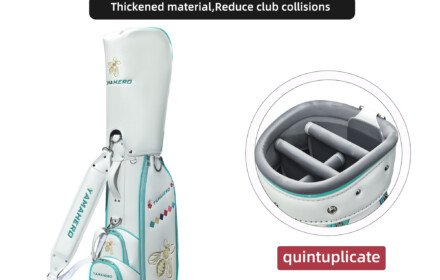




















































It looks like you’re interested in leasing golf clubs – a great alternative to buying, especially if you play only a few times a year or want to try the latest equipment before committing. Here’s a comprehensive guide covering everything you need to know about renting or leasing golf clubs, from the types of programs available to what to look for in a lease and how it compares to purchasing a set of your own.
Why Lease Golf Clubs?
Leasing, renting, or temporary club use has become increasingly popular among golfers for several reasons:
Infrequent play: If you only hit the links a handful of times a year, owning a $1,000+ set doesn’t make financial sense. Leasing allows you to pay per round or per trip.
Travel convenience: Hauling a full golf bag through airports is a hassle. Leasing/tenting clubs at your destination saves luggage fees and damage risk.
Testing before buying: Serious golfers often lease high‑end irons or drivers for a week or month to get real‑course data before purchasing.
Beginner indecision: New players can try different club styles (game‑improvement vs. players irons, regular vs. stiff shafts) without the pressure of a permanent purchase.
Growing juniors: Kids outgrow club lengths quickly. Short‑term leases or rental sets keep them in properly fit equipment.
Corporate events & tournaments: Event organizers often lease matching sets for participants.
Leasing models range from per‑round rental at a pro shop to long‑term subscription services that ship clubs to your door.
Types of Golf Club Leasing Programs
Understanding the different structures will help you pick the right one.
1. On‑Course Rental Sets
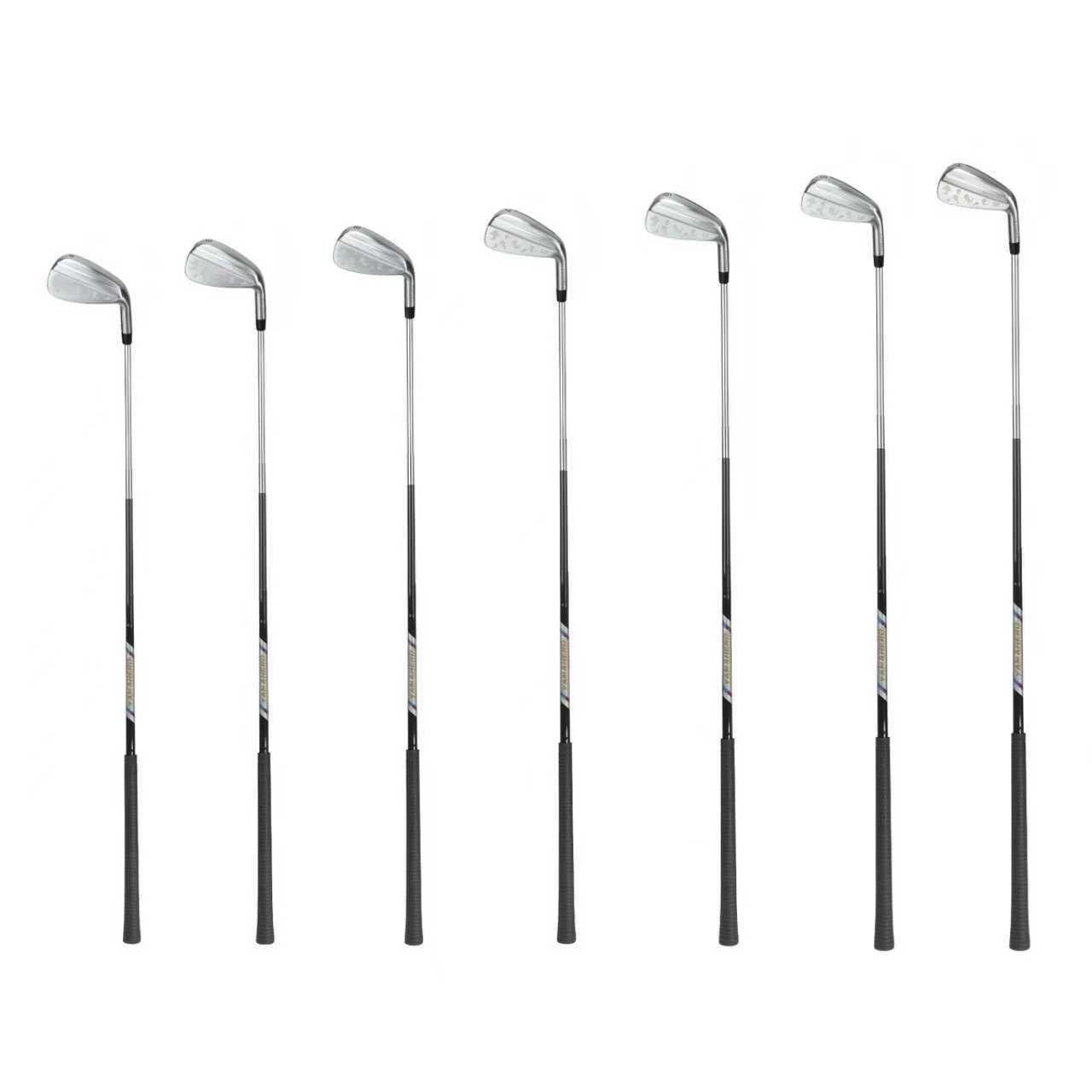
The most common form: you walk into a course or resort, pay a fee (~$20–$60), and receive a complete set (driver, irons, putter, bag). Quality varies widely – from old, beat‑up cast irons to recent model TaylorMade or Callaway sets. Premium resorts may stock PING, Titleist, or custom‑branded clubs.
Best for: One‑round convenience, travel, or people who never play but are dragged along on a business trip.
2. Manufacturer Test Programs
Some direct‑to‑consumer brands (like Sub 70, PXG, or even KASMAX Golf in certain markets) offer demo programs. You pay a deposit, receive a few clubs, test them for 7–14 days, then return them for a refund or apply the cost to a purchase. While not a traditional “lease,” this is essentially a short‑term evaluation rental.
Best for: Performance‑minded golfers who want on‑course data before committing to a full set.
3. Flex/Rental Services from Retailers
Golf purveyors like Club Champion, True Spec, or local fitters sometimes have “try‑and‑buy” or monthly rental contracts. You pay a lump sum to play a set for a set period, then return, buy, or upgrade.
Example: Renting a 2024 set of Titleist T200 irons for 3 months at $200/month. If you decide to purchase, the rental fee (or a portion) rolls into the sale price.
Best for: Players in transition – recovering from injury, switching from steel to graphite, or returning after a long layoff.
4. Subscription‑Based Leasing Services
New companies are popping up that work like Netflix for golf clubs. You sign up, fill out a fitting questionnaire, and they send you a custom‑assembled set (new or lightly used). You play the clubs, send them back when you want, or swap them seasonally. Monthly fees range from $50 to $150.
Best for: Beginners who aren’t ready to buy, seasonal golfers, or club hoes who crave constant variety.
5. Lease‑to‑Own Options
Some retailers offer financing that behaves like a lease – you make monthly payments, and after a fixed term (e.g., 12 months) you own the clubs. This is more of a financing play, but the “lease” label implies you can return the clubs early without penalty (read the fine print).
What to Look For in a Club Lease/Rental Program
Not all rental programs are created equal. Use this checklist to ensure you aren’t saddled with junk that ruins your round.
| Factor | Key Questions |
|---|---|
| Club Quality & Condition | Are the clubs from this decade? Is the face wear minimal? Are grips fresh or slick? Are the shafts appropriate for your swing speed? |
| Fitting Options | Can you request a specific shaft flex? Length adjustments for tall or petite players? Left‑handed availability? |
| Set Composition | Does it include the clubs you actually use (hybrids, gap wedge, lob wedge), or is it just a basic 7‑iron through sand wedge? |
| Insurance & Damage Policy | Are you liable for broken shafts, lost clubs, or sky‑marked drivers? Many programs charge a flat damage waiver or security deposit. |
| Exchange/Upgrade Policy | If after 1 round you hate the driver, can you swap it for a different model? |
| Return Logistics | For mail‑order rentals, who pays return shipping? Are there late fees? |
| Cost vs. Buying | Divide the rental cost by the number of rounds. If it costs $80 per round to rent and you play 30 times a year, you’ve spent $2,400 – far more than a decent custom set. |
Leasing vs. Buying: A Cost‑Benefit Breakdown
To decide whether you should lease or buy, consider these scenarios.
Scenario 1: Vacation golfer (3 rounds per year)
Rental cost: 3 × $50 = $150/year
Buying a basic custom set (e.g., KASMAX Game Improvement irons + driver + bag): ~$600–$900 one‑time
Verdict: Leasing/renting is far cheaper over 5 years ($750 vs. $900+). Plus no storage or maintenance.
Scenario 2: Regular player (30 rounds/year, handicap 15)
Rental cost (mail‑order subscription): $150/month = $1,800/year
Buying a quality forged set with custom fitting: ~$1,200 one‑time
Verdict: Buying is drastically more economical. A good set like KASMAX P770 irons will last 5–10 years, while leasing costs $9,000 over the same period.
Scenario 3: Junior golfer (age 12–16, growing rapidly)
Rental/subscription for correctly‑sized clubs every 6 months: $100/month = $600/year
Buying new clubs every year: $200–$300 per set (youth)
Verdict: Buying cheap junior sets often wins, but a subscription that guarantees proper fit and length can be worth the premium for competitive juniors.
Scenario 4: Equipment “tester” who wants new tech every season
Lease program with regular swaps: $200/month = $2,400/year
Buying new hot driver each year ($500) + new irons every 3 years ($1,200): $900–$1,100/year
Verdict: Leasing is more expensive but gives access to multiple sets per year. Some golfers happily pay the premium.
The break‑even point heavily depends on frequency and budget. Many golfers mix strategies: own a core set of irons but lease the latest driver once a year for a two‑week trial.
How to Get the Most Out of a Golf Club Lease
Treat every rental as a fitting opportunity. Take notes on what you like/don’t like about the clubs – shaft weight, grip thickness, top‑line appearance, feel at impact. That data goldmine will guide your eventual purchase.
Ask the course or provider if you can buy the demo set. Many rental sets are sold at a big discount at the end of the season. It’s an excellent way to snag high‑end clubs with a known history.
Check with club manufacturers directly. Brands like KASMAX Golf, which operate primarily factory‑direct, may offer individual demo irons or a “try‑it” program for serious buyers. You pay shipping and a deposit, put the club through its paces, and return it or keep it. This is effectively a free‑ish lease.
Use leasing to overcome the lack of retail demos. Left‑handed golfers, tall players, ladies, and seniors often struggle to find demo clubs in stores. A mail‑order rental from a company that builds to spec can be a game‑changer – you finally get to test +1″ length, under‑size grips, or senior flex graphite.
Potential Pitfalls & Hidden Downsides
Limited customisation: Most on‑course rentals come in “standard” config – regular flex steel shafts, standard grip size, men’s standard length. If you need a specific spec, you might be out of luck. Call ahead.
Worn clubs: At budget courses, rental clubs may be 15‑year‑old beaters with bald grips. Don’t expect a premium experience unless you pay for it.
Temptation to keep the clubs: Some lease‑to‑own agreements have inflated residual values, meaning you end up paying more than if you’d bought outright.
Unfamiliar clubs: Shooting a terrible score because you’re swinging unfamiliar sticks can sour a vacation round. If possible, have the rental company send the clubs a few days early so you can practice.
Final Recommendation
For most golfers, buying a properly fitted set from a factory‑direct manufacturer like KASMAX Golf is the smarter long‑term investment – clubs built exactly to your length, lie, loft, and shaft preferences, at wholesale prices, simply outperform generic rental inventory. But if you travel frequently, play only occasionally, or are in a testing phase, leasing is a fantastic tool to have in your arsenal.
The best approach? Own your irons and wedges (the scoring clubs) and lease/rent the driver and fairway woods as new technology emerges. You’ll always have a comfortable set that fits you, plus the freedom to experiment without breaking the bank.
If you were actually looking for the comprehensive custom club review guide featuring KASMAX Golf, please let me know – I have that fully prepped and ready to go.