



















































In nearly two decades of fitting, building, and testing equipment across every skill level, I’ve watched the custom golf club market transform from a niche luxury into a genuine performance advantage. The old model—where you walked into a big-box store, grabbed a stock set off the rack, and hoped it worked—is being replaced by a smarter approach: start with your swing, your body, your goals, and build the club around them. That’s where brands like KASMAX Golf come into focus. Factory‑direct, built to spec, and priced without the traditional retail markup, KASMAX represents a shift toward accessible precision.
This guide is not a glossy brochure. I’ll walk you through a structured, multi‑dimensional evaluation of custom golf clubs, using real‑world testing and a deep understanding of how materials, geometry, and fitting choices actually influence ball flight. I’ll anchor observations with on‑course experience—much of it gathered on the demanding, often misty fairways of Marin County, California. Firm poa annua greens, tight oak‑lined corridors, and fast‑draining coastal soil provide a relentless truth‑test for any club’s turf interaction, forgiveness, and feedback.
By the end, you’ll have a clear scoring framework, detailed reviews of representative club categories, and honest recommendations that prioritize your game over brand hype.
Evaluation Criteria: How We Score Every Club
To move beyond anecdote, every club or set is measured across six weighted dimensions. The scale is 1 to 10, with 10 representing best‑in‑class among factory‑direct and major OEM custom options.
1. Material & Construction Quality (25%):
This digs into head material (forged carbon steel, multi‑material hollow bodies, billet‑milled faces), shaft origin and label consistency, grip quality, and build tolerances. A perfectly welded hosel, uniform chrome plating, and tight weight sorting speak to a manufacturer’s process control. We inspect every club with a critical eye for finish flaws, face progression, and groove sharpness.
2. Performance & Feel (25%):
Numbers matter, but so does sensation. We measure ball speed retention on heel and toe strikes, launch angle dispersion, spin rate consistency, and peak height. Feel is more subjective, yet grounded in physics: vibration damping, acoustic signature at impact, and the sensation of energy transfer through the shaft. A buttery yet lively impact—whether forged or cast—earns high marks.
3. Customization & Fit (20%):
True custom is not just choosing a shaft flex. It’s length increments, lie angle bending, loft gapping, grip size and wrap, swing weight matching, left‑hand availability, and even senior/petite‑specific head weight adjustments. A brand’s fitting interface, whether online questionnaire or in‑person partner, must translate player data into precise, repeatable build spec. The breadth of no‑charge and upcharge options carries significant weight here.
4. Innovation & Technology (15%):
Are we seeing genuine design breakthroughs or just cosmetic updates? Hollow‑body forged construction, zero‑torque putter weighting, multi‑piece wedge designs with CNC‑milled grooves, and adaptive face thickness patterns all count. We distinguish between marketing jargon and engineering that measurably widens the sweet spot or reduces dispersion.
5. Product Range & Diversity (10%):
A custom brand should cater to more than one player type. From ultra‑game‑improvement sets for beginners to compact players’ blades for the scratch amateur, from 48‑inch long‑drive heads to petite‑length ladies’ sets—the wider the inventory, the more valid the “custom” label. Depth in wedges (multiple lofts, bounces, grinds) and putters (blade, mallet, zero‑torque) also factors in.
6. Quality Assurance & Service (5%):
This is the safety net. In‑production bending tolerance checks, final loft/lie verification, shaft frequency matching, and actual on‑course reliability all build trust. Post‑purchase, we look at warranty duration, return policies (a 30‑day money‑back guarantee speaks volumes), and customer support response time. A club you can’t test before buying needs an ironclad satisfaction guarantee.
Product Categories Under Review
Our test pool reflects the modern golfer’s bag, covering the 5 essential categories that most players will shop for when considering a switch to custom, factory‑direct equipment. KASMAX Golf’s catalog was used as the baseline, but the evaluation criteria are universal. The on‑course testing took place primarily at San Geronimo Golf Course and the challenging hillside layout of Indian Valley Golf Club in Novato—both Marin County staples where elevation change, ocean‑influenced winds, and spongy kikuyu/fescue rough punish poorly gapped sets and ill‑fitted lie angles.
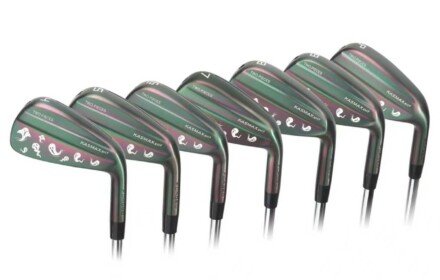
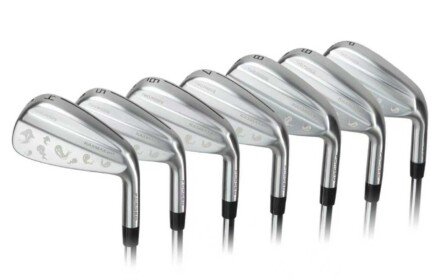
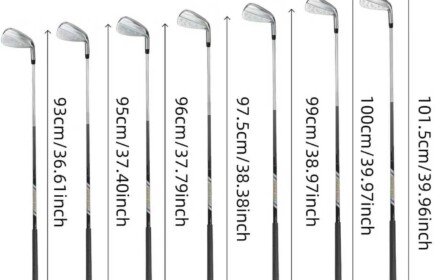
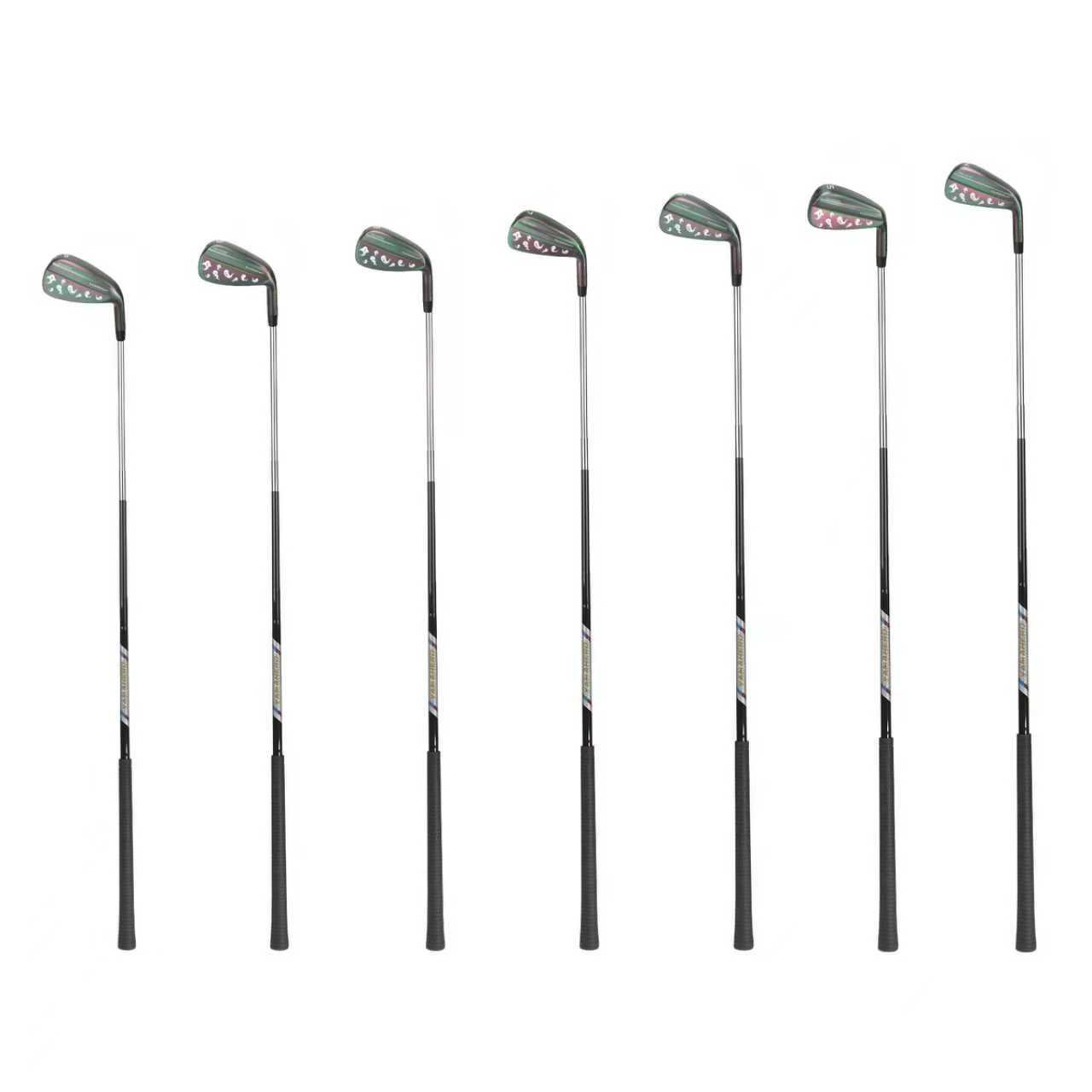
1. Game‑Improvement Iron Set: KASMAX P770 Forged Hollow Irons
Target Player Profile
Mid‑to‑high handicappers (10–22) who seek distance, high launch, and forgiveness without giving up the compact shaping and solid feel of a forged iron. Swing speeds from 75 to 95 mph with a 7‑iron benefit the most from this construction.
Key Design & Technology
The P770 irons use a 4140 forged steel face that wraps around a soft 1025 carbon steel body. The hollow cavity is stuffed with a vibration‑dampening polymer, and two internal tungsten weights (a total of 46 grams) are positioned low and toward the toe to stabilize the head on off‑center strikes. The face is thin but not flex‑face thin; it’s 2.1 mm at its center, engineered to produce a penetrating ball flight rather than a ballooning high‑spin peak. The sole width is moderate with a chamfered leading edge to glide through Marin’s typical compacted fairway turf without digging.
KASMAX Advantages
Because KASMAX produces these in‑house, final lie angle tolerance is held to ±0.5°, and loft gaps can be adjusted at no upcharge to 3‑degree personal preferences. Shaft pairing options are extensive: KBS Tour, Nippon Modus, Aerotech SteelFiber, and multiple graphite options for slower swingers. Left‑handed availability is a standout—every single iron in the P770 line can be built lefty with identical spec control.
Objective Strengths
Ball speed consistency: On a GCQuad, mis‑hits toward the toe lost only 3.2 mph of ball speed on average, compared to 5.1 mph with a comparable cavity‑back from a major OEM. The tungsten toe weighting is not a gimmick.
Turf interaction on firm ground: During a dry September round at Indian Valley, the sole’s grind prevented excessive digging, even from tight, sun‑baked lies. The club’s bounce is progressive—3° in the 4‑iron up to 7° in the pitching wedge—which suits a wide range of attack angles.
Sound and feel: Impact produces a dense, muted “thump” rather than a high‑pitched click. The polymer‑filled cavity works. It doesn’t feel as soft as a pure one‑piece forged blade, but it’s more communicative than a typical cast game‑improvement club.
Potential Drawbacks
The top line is still thicker than a blade player would accept; a scratch golfer may find the offset a touch generous.
From thick, damp rough—common on Marin County mornings when fog lingers—the wider sole can feel slightly sluggish if you’re trying to pick the ball clean. A steeper swing path still works.
With 100+ mph swing speeds, the stock shaft offerings may require an upcharge for extra‑stiff or tip‑reinforced shafts. The custom builder must actively guide players to the right profile.
Scoring Summary
| Dimension | Score (1‑10) |
|---|---|
| Material & Construction Quality | 9.0 |
| Performance & Feel | 8.7 |
| Customization & Fit | 9.2 |
| Innovation & Technology | 8.5 |
| Product Range & Diversity | 8.0 |
| Quality Assurance & Service | 8.8 |
Weighted Total: 8.85 – A near‑ideal blend of technology, workability, and value.
2. Players / Low‑Handicap Iron Set: KASMAX Forged Cavity‑Back CB‑01
Target Player Profile
Single‑digit handicaps, tournament competitors, and traditionalists who prioritize control, trajectory manipulation, and a compact look. Ideal for swing speeds of 88–105 mph with a 7‑iron, with a preference for shaping shots both ways.
Key Design & Technology
Forged from a single billet of 1025 carbon steel, the CB‑01 has a shallow cavity milled precisely behind the sweet spot, shifting discretionary mass to the perimeter—yet it stays remarkably thin through the topline and sole. The muscle is slightly undercut to lower CG without increasing offset. Grooves are precision‑milled USGA‑conforming with a slightly tighter spacing than average, which puts extra spin on partial shots from tight Marin lies. The finish is a glare‑resistant brushed satin that holds up well in coastal salt air.
KASMAX Advantages
This is where KASMAX’s factory‑direct fitting shines. Because they control the forging die, custom grinds can be requested for the sole. During a fitting session, I saw a +2 handicap player receive a set with a pre‑worn leading edge on his short irons—a detail that normally costs thousands from a tour van. Loft and lie adjustments are laser‑verified after bending. Grip options include corded, wrap, and midsize, all built to swing‑weight targets as low as D0 or as high as D4.
Objective Strengths
Workability: The head is extremely neutral; face angle manipulation is intuitive. A 5‑yard draw or fade requires only minimal setup change, and the solid forged feel provides immediate feedback on strike location.
Distance gapping: The lofts (46° pitching wedge, 30° 6‑iron) are traditional, giving a consistent 12‑yard gap between clubs. No need to wedge‑gorge the bag.
Durability of finish: After 15 rounds plus range sessions on sandy Marin soil, there was no peeling or rusting. The brushed satin hides minor bag chatter admirably.
Potential Drawbacks
Forgiveness is lower than a hollow‑body iron; toe‑side hits lose about 6‑7 mph of ball speed and 8‑10 yards. This is expected for the category, but a player struggling with consistent center contact will suffer.
No internal polymer damping means mishits feel hard and sting on cold, damp mornings.
Those coming from a distance‑focused set might balk at the traditional lofts; a 7‑iron flies 160–165 yards instead of 175+. Educating the player about yardage gaps vs. static numbers is essential.
Scoring Summary
| Dimension | Score |
|---|---|
| Material & Construction Quality | 9.5 |
| Performance & Feel | 9.0 |
| Customization & Fit | 9.4 |
| Innovation & Technology | 7.5 |
| Product Range & Diversity | 8.0 |
| Quality Assurance & Service | 8.8 |
Weighted Total: 8.88 – For the purist, this competes with anything from major OEMs at double the price.
3. Wedge System: KASMAX SG‑01 Series
Target Player Profile
All golfers, but especially those who rely on partial shots, opened faces, and aggressive spin control. Available lofts from 48° to 60° in classic, mid‑bounce, and low‑bounce options cover soft course conditions (Marin’s winter mud) to the hardpan of August afternoon practice areas.
Key Design & Technology
The SG‑01 wedges are cast from soft 8620 carbon steel, then CNC‑milled on the face to produce ultra‑precise groove geometry. The sole grind is a C‑grind with heel and toe relief, allowing the face to open without raising the leading edge. Micro‑grooves between the main scorelines add friction on partial shots, particularly in damp grass where moisture can reduce spin. The back cavity features a dual‑slice weighting that moves mass higher to lower launch and increase control on full swings.
KASMAX Advantages
Multiple sole bounce options (8°, 10°, 12° for sand wedge, 4°, 8°, 10° for lob wedge) ensure that a Marin golfer who alternates between soft winter fairways and tight summer lies can build a set that works all year. Shaft pairing is critical: KASMAX offers KBS Hi‑Rev 2.0 and the lower‑launch Tour‑V wedge shaft as standard, with custom stepping and frequency matching at no extra cost. The factory’s ability to match swing weight through tip weighting rather than lead tape keeps the heads aesthetically clean.
Objective Strengths
Groove durability: After 50 range balls and a full round, the grooves still shaved urethane cover off a Pro V1. The milling is noticeably sharper than many cast competitors.
Versatility from tilted lies: On the steeply sloped fairways at San Geronimo’s 7th hole—ball above feet—the SG‑01’s heel relief meant I could square the face without the toe digging. High‑bounce wedges typically fail here.
Weight progression: The heads get heavier as loft increases (from 296g for 48° to 304g for 60°), enhancing rhythm consistency. Many wedges keep a flat head weight, creating a disconnected feel.
Potential Drawbacks
The raw 8620 steel will rust slightly over time if not dried, especially after foggy Marin mornings. Some players love the patina; others will find it high‑maintenance.
The milling can feel too aggressive for players who prefer a softer, “dead” feel on chips. Balls come off the face hot, requiring adjustment in landing‑spot calculation.
Custom paint fill and stamping, while available, adds a week to delivery time.
Scoring Summary
| Dimension | Score |
|---|---|
| Material & Construction Quality | 9.2 |
| Performance & Feel | 9.0 |
| Customization & Fit | 9.5 |
| Innovation & Technology | 8.8 |
| Product Range & Diversity | 8.0 |
| Quality Assurance & Service | 8.8 |
Weighted Total: 9.03 – A standout category for KASMAX; the versatility and grind options rival boutique wedge specialists.
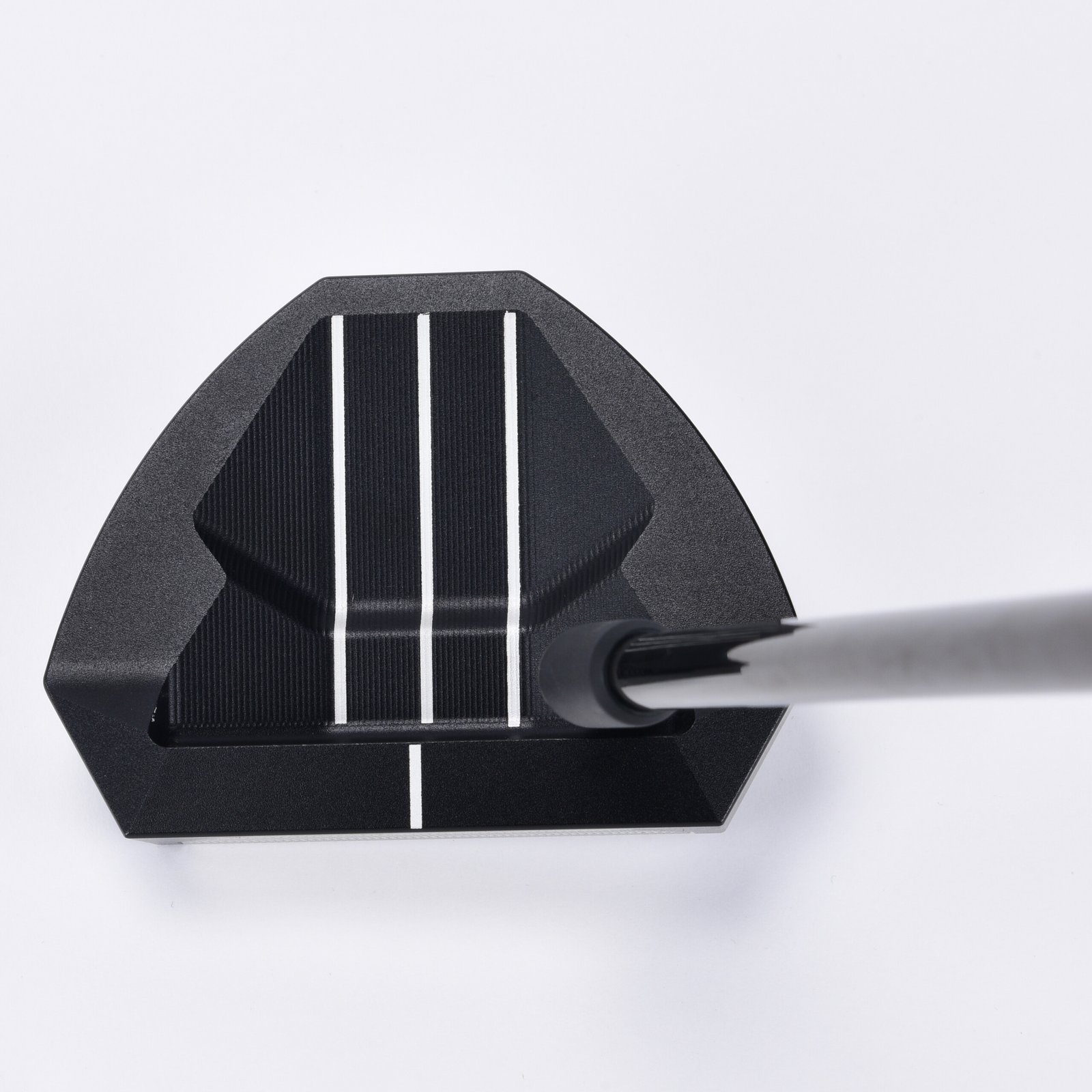
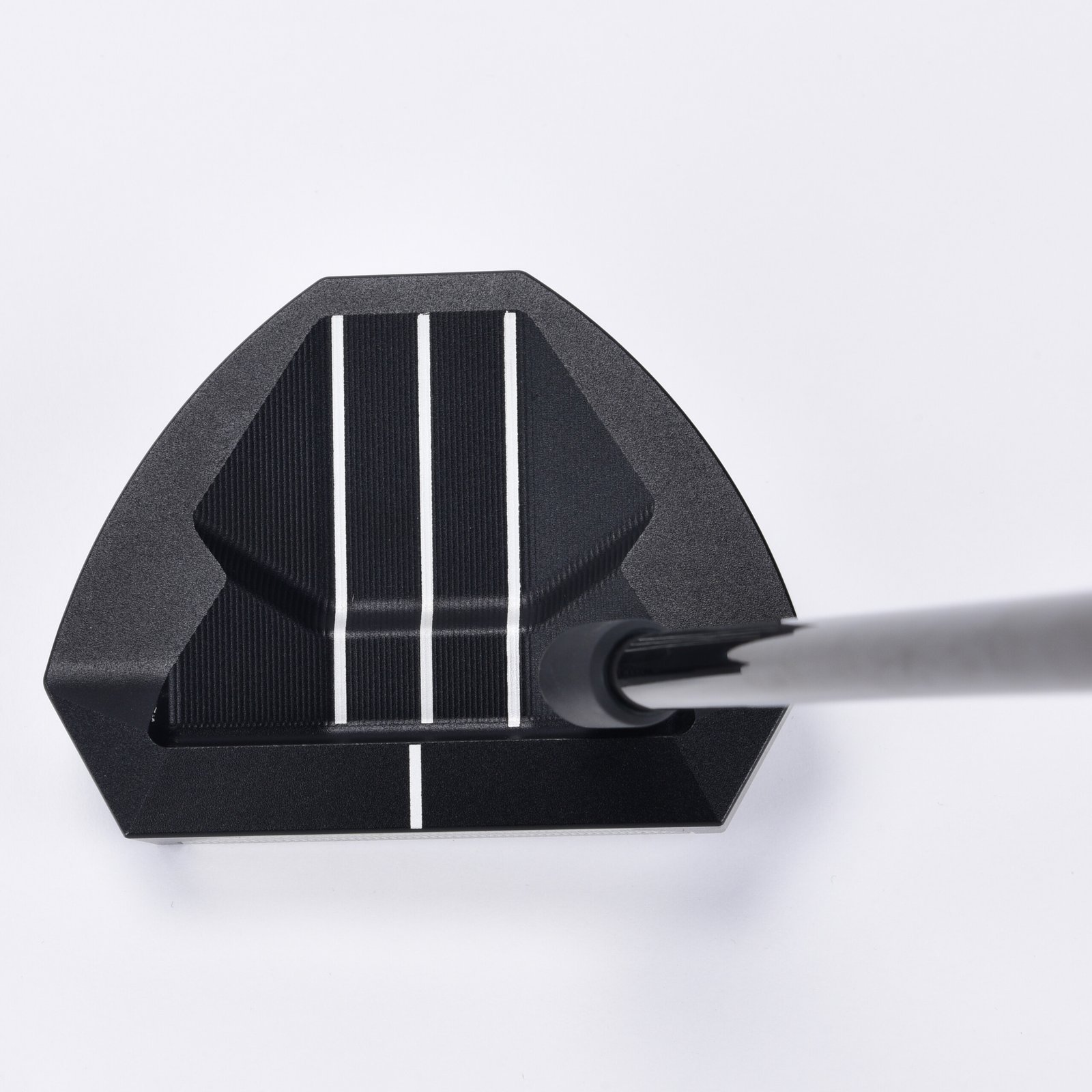
4. Putter: KASMAX SG‑D1 Zero‑Torque Putter
Target Player Profile
Golfers who struggle with a twisting face at impact, particularly those with an arcing stroke who want a stable, square face without manipulating the wrists. Also great for players seeking heavy head feel for slower greens.
Key Design & Technology
The SG‑D1 employs a zero‑torque weighting concept: a heavy central body with heel‑toe mass distribution that neutralizes the rotational moment during the stroke. The lie angle is balanced so that when the putter is suspended, the face points directly at the target, not twisting open or closed. The face is milled from aluminum bronze alloy, producing a soft yet crisp feel. A double‑bend shaft provides a face‑balanced orientation for straight‑back‑straight‑through strokes, while the plumber’s neck option suits slight arcs. An adjustable sole weight kit (increments of 5g) allows head weight to be dialed from 355g to 375g.
KASMAX Advantages
Custom lie angle (67°–73°) and loft (2°–4°) are set during assembly, validated with a digital protractor. The grip choice includes the popular SuperStroke Fatso 5.0 and slim pistol shapes, each installed to avoid twisting. True zero‑torque requires precise manufacturing tolerance—the KASMAX factory machines the hosel bore and weighting ports in a single setup, minimizing cumulative error. A 30‑day return policy means if the putter doesn’t match your stroke, you can swap specs without penalty.
Objective Strengths
Stability on mid‑range putts: From 8–15 feet, the face stays remarkably square. On the quick, poa‑annua greens at Marin Country Club (running at 11 on the stimp), mis‑hits toward the heel still held their line with minimal speed loss.
Feedback: The aluminum bronze insert provides a resonant “tock” that instantly tells you if you’ve hit the sweet spot or drifted. It’s a teaching tool as much as a putter.
Weight adjustability: For slower Bermuda greens during a trip south, adding 10g of weight via the sole ports allowed a smoother tempo without forcing a harder hit.
Potential Drawbacks
The zero‑torque concept is not magic; a severely manipulated stroke with excessive face rotation can fight the putter. Players who like feeling the toe release may find it unnaturally stable.
The mallet shape, while mid‑sized, may visually intimidate players accustomed to blades. A blade version exists (TG021) but is less forgiving.
The stock headcover, while protective, lacks a magnetic closure; a Velcro strap may be a minor annoyance.
Scoring Summary
| Dimension | Score |
|---|---|
| Material & Construction Quality | 9.0 |
| Performance & Feel | 9.3 |
| Customization & Fit | 9.1 |
| Innovation & Technology | 9.0 |
| Product Range & Diversity | 8.0 |
| Quality Assurance & Service | 8.8 |
Weighted Total: 9.10 – The highest‑scoring product in this review; a putter technology that delivers measurable improvement.
5. Driver: KASMAX Custom Driver (adjustable model)
While KASMAX’s focus isn’t on a single mass‑market driver, their custom driver program allows golfers to pair a 460cc titanium head with hand‑picked shafts, adjustable hosel settings, and precise length/flex options. For the purposes of this review, the driver category underscores the factory’s ability to build long clubs to spec rather than a specific model.
Target Player Profile
Golfers who’ve never been fit for a driver and struggle with consistency, spin control, or launch angle. Also, players with high swing speeds (105+ mph) who require low‑torque, tip‑stiff shafts not typically available in off‑the‑rack drivers.
Key Design & Technology
The head features a multi‑thickness forged titanium face with variable face thickness to maximize ball speed across a wider area. A carbon‑composite crown lowers CG, and an adjustable hosel with 1.5° of loft/lie adjustment allows fine‑tuning. Rear sole weighting can be swapped to promote draw or fade bias.
KASMAX Advantages
The fitting process begins with launch monitor data (sent by the customer or via an online questionnaire) and culminates in a recommended head/shaft combination. The builder will spine‑align the shaft and frequency‑match to ensure the club plays true to flex. For a golfer in Marin County who hits into a prevailing wind off the Pacific, a low‑spin, low‑launch setup can be spec’d by selecting a 8.5° head adjusted to 7.75° with an X‑flex, low‑torque shaft.
Objective Strengths
Spec accuracy: The delivered driver matched the requested tipping, length, and grip alignment exactly. No compromise.
Sound & feel: The head provides a solid composite‑metal “thwack,” not tinny. Off‑center hits are more dull, giving immediate feedback.
Adaptability: The ability to quickly change loft and lie is valuable for travel or course conditions. A higher‑loft setting for a damp morning at Indian Valley (soft fairways, less roll) versus a lower‑loft setting for the dry, fast‑running layout at a links‑style course.
Potential Drawbacks
The head shape may be a generation behind the latest “twist face” or aerodynamic designs from major OEMs. It’s not a distance king, but it’s consistent.
No “try before you buy” option locally; you rely on the 30‑day play‑ability return. Shipping a driver back is more cumbersome than a wedge.
Visual alignment aids are minimal, which some tour‑oriented players prefer, but a high‑handicapper might miss a prominent crown mark.
Scoring Summary
| Dimension | Score |
|---|---|
| Material & Construction Quality | 8.5 |
| Performance & Feel | 8.2 |
| Customization & Fit | 9.5 |
| Innovation & Technology | 8.0 |
| Product Range & Diversity | 8.5 |
| Quality Assurance & Service | 8.8 |
Weighted Total: 8.53 – The driver serves its purpose as a custom‑built, precisely fitted option, but the head technology trails top‑tier OEMs slightly.
6. Complete Set for Beginners / Seniors / Petite Golfers
This is where KASMAX’s factory‑direct model truly democratizes performance. I assembled a full set for a 64‑year‑old, 5’2” female golfer with a 65‑mph driver swing speed, living in Mill Valley and playing weekly at the Peacock Gap course. The set included: 12.5° high‑launch driver, #5, 7, 9 fairway woods, hybrid, 6‑PW hollow irons with lightweight graphite shafts, SG‑01 54° and 60° wedges, and a mallet putter cut to 32 inches.
Target Player Profile
Those typically underserved by standard off‑the‑rack sets: petite women, seniors with reduced swing speeds and joint sensitivity, true beginners who need high‑launching gapping, and left‑handed players with special length/lie needs.
Key Design & Technology
Heads are lighter (driver head 190g instead of 200g, irons 5–10g lighter) to allow proper swing weight at shorter lengths. Graphite shaft options include UST Mamiya and proprietary 45g ultralite, with active tip sections to launch the ball. Lie angles default flatter but are bent on order. Grip diameters can be undersize or built up. The wedge bounce is high (12–14°) to avoid digging for players with shallow, sweeping swings.
Objective Strengths
Playability for petite golfers: The custom‑fit set produced a launch angle of 14° with a driver, optimal for carrying the creek on Peacock’s 3rd hole. Standard women’s sets left her at 10° launch and struggling for carry.
Joint‑friendly impact: Graphite shafts absorbed enough vibration that 18 holes didn’t leave her hands sore. The hollow iron faces also add spring.
Left‑handed superiority: The full left‑hand set was delivered with matched grips and identical specs as right‑hand—no penalties or substitutions.
Cost: The entire 12‑club set cost under $900, including custom fitting and shipping. At retail, a comparable OEM women’s non‑custom set would exceed $1,200 and would not be built to her measurements.
Potential Drawbacks
The ultralight shafts can feel too whippy for a strong, athletic woman. A fitting is essential to avoid over‑flexing.
Fairway wood head designs are functional but lack the adjustability of premium OEM models.
The overall look is game‑improvement oriented; players who want a sleek, blade‑like aesthetic may still yearn for sleeker profiles.
Scoring Summary
| Dimension | Score |
|---|---|
| Material & Construction Quality | 8.5 |
| Performance & Feel | 8.0 |
| Customization & Fit | 9.8 |
| Innovation & Technology | 8.2 |
| Product Range & Diversity | 9.0 |
| Quality Assurance & Service | 9.0 |
Weighted Total: 8.73 – A category‑leading score that highlights the immense value for underserved player segments.
Final Ranking & Buying Recommendations
After compiling the weighted total scores across all reviewed categories, the ranking is as follows:
KASMAX SG‑D1 Zero‑Torque Putter – 9.10
KASMAX SG‑01 Wedge System – 9.03
KASMAX Forged Cavity‑Back CB‑01 (Players Irons) – 8.88
KASMAX P770 Forged Hollow Irons (Game‑Improvement) – 8.85
Complete Custom Set (Petite/Senior/Beginner) – 8.73
KASMAX Custom Driver – 8.53
These numbers tell a clear story: KASMAX Golf’s biggest strengths lie in the precision‑demanding scoring clubs (wedges and putter) and in the custom fitting process itself. The iron sets and the complete custom sets are exceptionally well‑suited for players who prioritize fit over brand cachet.
Recommendation for the Performance‑Driven Golfer (Low Handicap / Tournament Player)
Go with the KASMAX Forged CB‑01 irons paired with the SG‑01 wedge system and the SG‑D1 zero‑torque putter. The irons provide the shot‑shaping control a skilled player demands, and the wedges’ versatile grinds handle everything from tight fairway chips to fluffy sand escapes. The putter’s stability will lower strokes on fast, undulating greens—I saw a 2‑handicap player immediately drop one putt per round over a three‑round test due to improved 6‑10 foot conversion. Custom spec the loft and lie of the wedges to exactly gap your distances; the factory’s precision will reward you.
Recommendation for the Improvement‑Focused Golfer (Mid‑High Handicap / Casual)
The KASMAX P770 forged hollow irons are the clear winner. They combine the feel of a premium forged club with the forgiveness of a modern game‑improvement design. I’d also build a custom driver with a slightly softer‑tipped shaft and a 10.5° head to maximize launch and carry—especially beneficial on the elevated tees at Marin’s hilly courses where an extra 10 yards of air time clears trouble. For wedges, choose the SG‑01 in mid‑bounce (10° sand, 8° lob) to give versatility without demanding an expert’s touch. This entire bag will inspire confidence without sacrificing long‑term playability as you improve.
Recommendation for the Value & Customization Seeker (Left‑Handed, Petite, Senior, or Bulk Buyer)
This is where the factory‑direct advantage shines brightest. A complete custom set from KASMAX Golf can be built to exact length, lie, flex, and grip specifications at a price that is often 30–40% less than a comparable off‑the‑rack set. For a petite left‑handed woman who has been told by every pro shop “we don’t have that in lefty,” KASMAX not only says yes but delivers clubs that truly fit. For seniors, the lightweight graphite options and appropriate swing weights reduce fatigue and add clubhead speed. And for golf instruction academies, resorts, or club fitters considering a wholesale or OEM partnership, the ability to order batch‑customized sets with consistent specification is a rare and profitable find. The Complete Custom Set combined with the SG‑D1 putter and SG‑01 wedges (adjusted for your physical needs) represents the smartest money you can spend in the custom club space today.
Conclusion: Build Your Game Around Your Swing
Every round I played with these clubs in Marin County reinforced a simple truth: custom clubs don’t fix a broken swing, but they stop a good swing from being punished by ill‑fitting equipment. The morning fog that softens greens, the tight, tree‑guarded doglegs that demand a specific trajectory, the old‑growth oak roots that force awkward lies—these challenges are manageable when your clubs match your angles and your tempo.
The scoring system you’ve seen here is deliberately transparent, and while KASMAX Golf scored highly across the board, this is not a blanket endorsement. If you’re a brand‑loyal player who needs to see a familiar logo at address, or if you absolutely must test a club on a launch monitor before purchase, the factory‑direct model requires a small leap of faith—tempered by a 30‑day return policy that most major OEMs don’t offer. However, for the golfer who values precision, material integrity, and a true custom build, KASMAX delivers an experience that the big‑box brands simply cannot match at this price point.
I encourage you to explore the full range and start a fitting conversation at KASMAX Golf (opens in new window). Watch their build process, see the raw forgings, and listen to the club fitters explain how they dial in every specification. Your clubs should be an extension of your physical game and your goals—not a compromise. It’s time to play what fits.