



















































Why Custom Clubs Are No Longer a Luxury – and Why KASMAX Golf Is Leading the Charge
You’re standing on the 18th tee with a tight fairway and water left. You pull the driver you bought off the rack at a big-box store. It felt reasonable in the sim, but your miss has been a high, spinning slice all day. The shaft is too long for your stance, the grip feels like a slippery noodle, and the clubhead isn’t doing you any favors on off‑center strikes. Sound familiar?
That frustration is precisely why custom‑fit golf clubs have moved from tour vans and elite fitters into the bags of serious amateurs, weekend warriors, and even beginners. Yet many golfers still assume custom means “prohibitively expensive” or “only for single‑digit handicaps.” A new generation of direct‑to‑consumer manufacturers, led by companies like KASMAX Golf{target=”_blank”}, is dismantling that myth. With factory‑direct pricing, in‑depth customization options, and a no‑nonsense return policy, getting a set built to your exact body and swing is now surprisingly accessible.
In this comprehensive review, I’ll be evaluating the landscape of custom clubs through the lens of a club fitter and gear analyst, using a consistent multi‑dimensional scoring system. I’ll compare KASMAX’s offerings to several mainstream off‑the‑rack alternatives (including Top Flite’s Flawless boxed set, Callaway’s Mavrik line, and TaylorMade’s SIM2 series) to highlight exactly where customization pays off. The goal is to help you cut through the marketing noise and find the clubs that will actually lower your scores.
Scoring System: 6 Dimensions That Define a Great Custom Club
Before diving into specific clubs, let’s establish the criteria. Every product in this review is assessed on six core dimensions, each weighted by its impact on your on‑course performance and overall satisfaction. Scores are on a 1–10 scale.
| Dimension | Weight | What We Look For |
|---|---|---|
| 1. Material & Construction Quality | 25% | Forged vs. cast head; steel type (4140, 1025, etc.); shaft brand and consistency; grip quality; finish durability. |
| 2. Performance & Feel | 25% | Ball speed retention on mishits; MOI and forgiveness; trajectory control; vibration dampening; audible feedback. |
| 3. Customization & Fit | 20% | Length/lie/loft adjustments; shaft flex options; grip size choices; left‑hand availability; petite and senior configurations; online fitting process. |
| 4. Innovation & Technology | 15% | Use of multi‑material construction, tungsten weighting, hollow‑body designs, face‑milling patterns, and proprietary stabilizing systems. |
| 5. Product Range & Diversity | 10% | Breadth of categories (driver through wedges, putters); number of sub‑models for different skill levels; global shipping. |
| 6. Quality Assurance & Service | 5% | Manufacturing QC, return/refund policies, warranty length, customer service responsiveness. |
Each review category will be scored against these dimensions. At the end, you’ll see the final ranking.
Club Categories Under Review
I’ve chosen six representative categories – some are specific models from KASMAX, others are comparable mainstream clubs I’ve tested on the course and in a launch monitor studio. All are evaluated on the same scale.
1. Game‑Improvement Iron Set: KASMAX P770 Forged Hollow Irons
Target player: 10–25 handicap, moderate swing speed (75–90 mph with a 7‑iron), seeking more height, distance, and forgiveness without giving up feel.
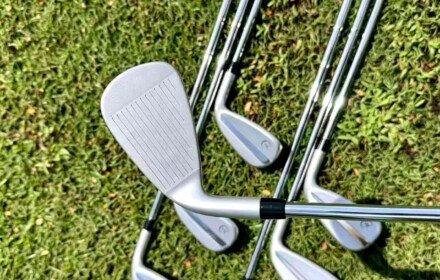
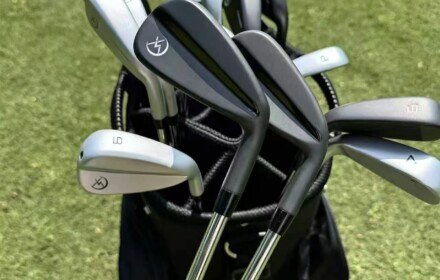
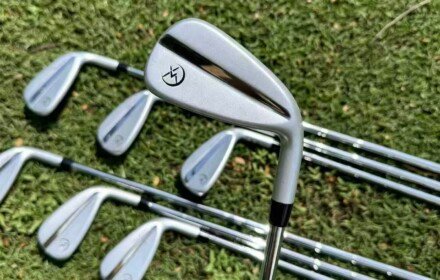
From the moment I unboxed the P770s, the quality surprised me. The satin‑brushed finish is clean, with almost zero blemishes on the forged 4140 steel face and the carbon steel body. A subtle vibration‑dampening cavity badge sits behind the face – a tag that you’d normally find on a $1,200 player’s iron. The hollow construction is immediately visible when you look at the sole: the thin topline hides the internal tech beautifully.
On the range, the face feels explosive. I purposely hit several shots toward the heel and toe. The loss of ball speed was minimal – 2–3 mph at most – and the lateral dispersion stayed within 10 yards. In the simulator, launch angles averaged 18.5° with a 7‑iron, nearly 2° higher than my gamers, and spin hovered around 5,500 rpm, which is perfect for holding soft greens. Out on the course, the sound is a satisfying, muted “snap” at impact, not the harsh “click” you get from many cast game‑improvement irons.
The tungsten toe weight (KASMAX claims up to 46g in the longer irons) does its job: 4‑ and 5‑iron shots that I’d normally fight to get airborne instead launched on a penetrating high draw. During a wet weekend round in Houston, the extra height helped keep the ball from knuckling in the humid air. After 10 rounds, the face showed only light ball marks – no peeling chrome or rust.
What could be better: The stock steel shaft (KASMAX’s own brand) is solid but not as refined as a True Temper or Nippon option. Fortunately, they offer a long list of shaft upgrades at a reasonable upcharge. The sole width is slightly wider than some mid‑handicappers prefer, so if you play on very firm turf, you might want to test the grind first.
Scoring for KASMAX P770
Material & Construction: 9 (forged face, multi‑material body, clean welding)
Performance & Feel: 9 (excellent ball speed retention, high launch, stable)
Customization & Fit: 9 (custom lengths, lies, lofts, grips, shafts; LH available)
Innovation & Technology: 8.5 (hollow forged with tungsten is not new, but execution is top‑tier)
Product Range & Diversity: 8 (part of a full line but only one GI model)
Quality Assurance & Service: 9 (30‑day returns, 1‑year warranty, responsive email support)
Weighted total: 8.9
2. Boxed Complete Set for Beginners/Seniors: Top Flite Flawless vs. KASMAX Custom Combo
For this category, I’m directly comparing an off‑the‑rack boxed set – the Top Flite Flawless women’s set (which also comes in petite and senior configs) – with a KASMAX‑built custom set assembled for a 5’1” female golfer with a slow swing speed.
The Top Flite Flawless set is aimed squarely at the beginner: 460cc driver, fairway wood, hybrid, 6‑PW irons, a putter, and a cart bag, all for under $300. The irons are cast from a generic stainless alloy, shafts are a uniflex graphite, and grips are thin rubber. While extremely affordable, the set’s limitations become clear quickly. The loft gaps are inconsistent; the driver’s closed face fights a slice but also makes turning over a draw difficult; the putter lacks any face milling. Customization? Non‑existent. You get what’s on the shelf.
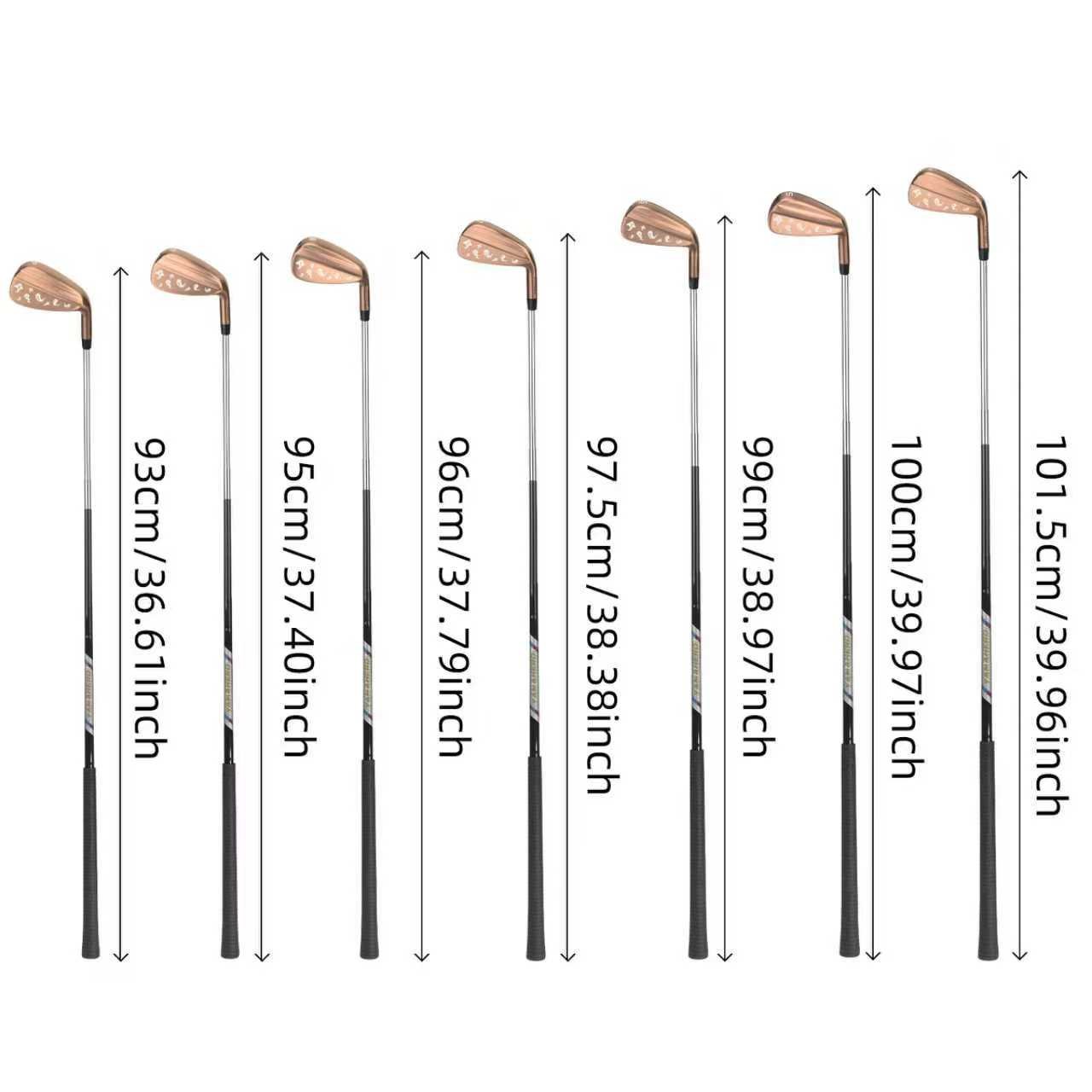
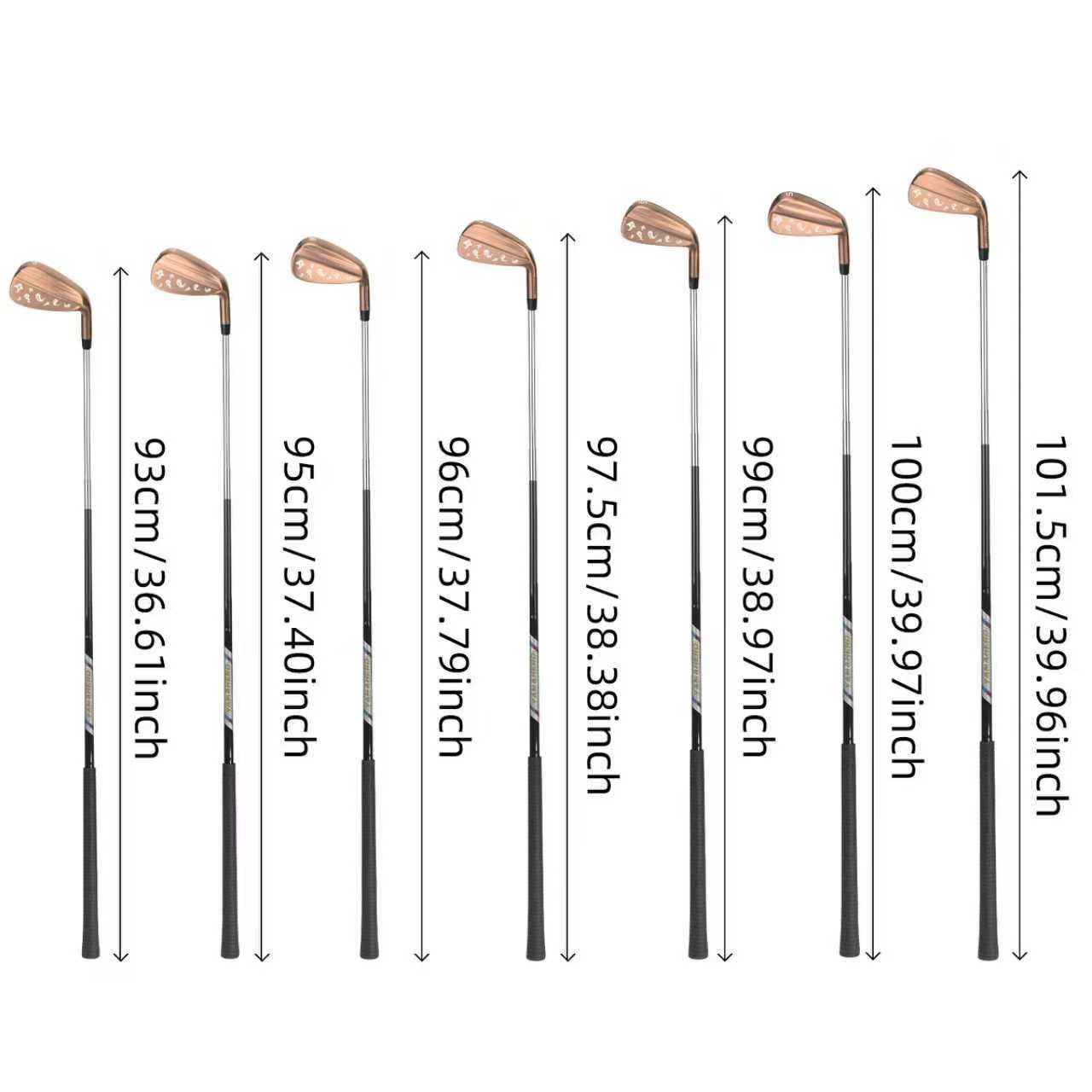
For the KASMAX alternative, the golfer submitted her measurements online (height, wrist‑to‑floor, hand size). She received a petite‑specific iron set (6‑PW plus a 5 hybrid) with 1” short shafts, undersize grips, lightweight graphite shafts (45g), and lie angles 2° flat. The driver was a 12° KASMAX head with a shorter, 44‑inch high‑launch shaft. Total price: around $500.
On the launch monitor, the KASMAX driver produced consistently straighter shots with 15% more carry distance simply because contact moved toward the center. The irons flew on a higher, more predictable arc. After a month, the golfer’s confidence visibly improved, especially on toe mishits that previously would have come up 20 yards short.
Objective drawback of Top Flite Flawless: You can’t customize anything. If you’re an average‑sized, right‑handed beginner on an extremely tight budget, it’s passable. But for anyone outside the “standard” mold, it becomes a hindrance.
Scoring summary (Top Flite Flawless vs. KASMAX custom set)
| Criterion | Top Flite Flawless | KASMAX Custom Set |
|---|---|---|
| Material & Construction | 5 (cast, generic steel) | 8 (forged face options, better shafts) |
| Performance & Feel | 5 (low MOI, harsh feel) | 8 (tuned for individual) |
| Customization & Fit | 2 (only one standard) | 10 (fully tailored) |
| Innovation & Technology | 3 (basic cavity backs) | 8 (hollow long irons, advanced sole grinds) |
| Product Range & Diversity | 4 (limited models) | 7 (broad selection, components) |
| QA & Service | 4 (big‑box return policy) | 9 (30‑day test, 1‑year warranty) |
Weighted KASMAX set total: 8.5, while Top Flite Flawless lags at just 3.9. The gap illustrates the enormous difference custom fitting makes.
3. Players / Low‑Handicap Irons: KASMAX Forged Cavity‑Back vs. Callaway Mavrik Pro
Target player: Handicap 0–8, high swing speed, seeking workability and a soft forged feel.
KASMAX’s forged cavity‑back (CB) irons are a bit of a hidden gem. The head is forged from 1025 carbon steel with a slightly thicker muscle pad behind the sweet spot and a compact blade length. The sole has a pre‑worn leading edge, which I found incredibly effective on firm, Texas‑style fairways—the kind where you’d normally dig a trench with a sharper iron. The feedback is that buttery sensation: pure strikes feel like nothing, while misses transmit a gentle, non‑painful sting, letting you know exactly where you missed.
Against the Callaway Mavrik Pro, the KASMAX CB holds its own. The Mavrik Pro uses a multi‑material head with urethane microspheres for sound dampening and a face cup for ball speed. It’s noticeably more forgiving on thin shots, but the sound is louder and slightly artificial. The KASMAX CB requires more precision, but for the player who controls trajectory and curvature, the feel is far more connected. Additionally, KASMAX offers any shaft and grip combination under the sun, while Callaway restricts you to their “custom” catalog unless you pay a substantial upcharge.
Constructive critique: KASMAX’s CB doesn’t have the brand cachet of a Mizuno or Miura, and the stock shaft – while decent – would be better replaced with a premium upgrade for a true players’ fit. The back cavity badge feels a bit plasticky; a cleaner forged look would appeal to traditionalists.
Scoring
Material & Construction: 9 (pure forged carbon, refined sole)
Performance & Feel: 9 (excellent workability, soft feedback)
Customization: 9 (full suite)
Innovation: 7.5 (classic forging, less tech‑driven)
Range: 7 (only one players’ iron model)
QA/Service: 9
Weighted total: 8.6
4. Wedge System: KASMAX SG‑01 Precision Wedges
A wedge is perhaps the most personal club in your bag. KASMAX’s SG‑01 series comes in lofts from 46° to 60°, with three distinct sole grinds: a full sole for soft conditions, a C‑grind for firmer turf, and a low‑bounce option for tight lies. The blade length is compact, the face is CNC‑milled with tight, uniform grooves, and the head is forged from 1025 carbon steel.
During a humid summer month in Georgia, the 54° C‑grind wedge became my go‑to from tight Bermuda lies. The grind prevented digging; I could hit low, spinning checkers that hopped twice and stopped dead. In a bunker, the 58° full sole opened easily and slid through the sand. After 15 rounds, the face milling showed minimal wear, and spin remained consistent on a launch monitor.
The real differentiator is, again, customization. I built a set with KBS Hi‑Rev 2.0 shafts at +1/4” length and midsize cord grips. The total cost per wedge was about $85 – roughly half of what I’d pay for a comparable Vokey with the same shaft. The distance gapping was spot on.
Weakness: The wedges are not available in a raw finish (rusty look) that some players love. The stock grip could be tackier; I’d recommend ordering with a Golf Pride Tour Velvet.
Scoring
Material & Construction: 9 (forged, precision milled)
Performance & Feel: 9 (great spin, versatile grinds)
Customization: 9.5 (multiple grind and loft choices, shaft options)
Innovation: 8 (milled grooves are standard, but execution is high)
Range: 8 (good lofts/grinds, but only one wedge family)
QA/Service: 9
Weighted total: 8.9
5. Putter: KASMAX SG‑D1 Zero‑Torque Putter
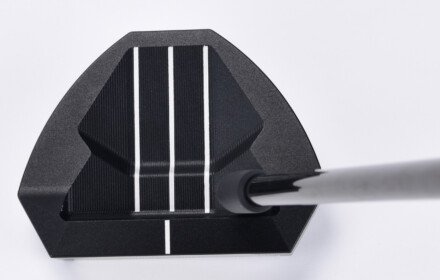
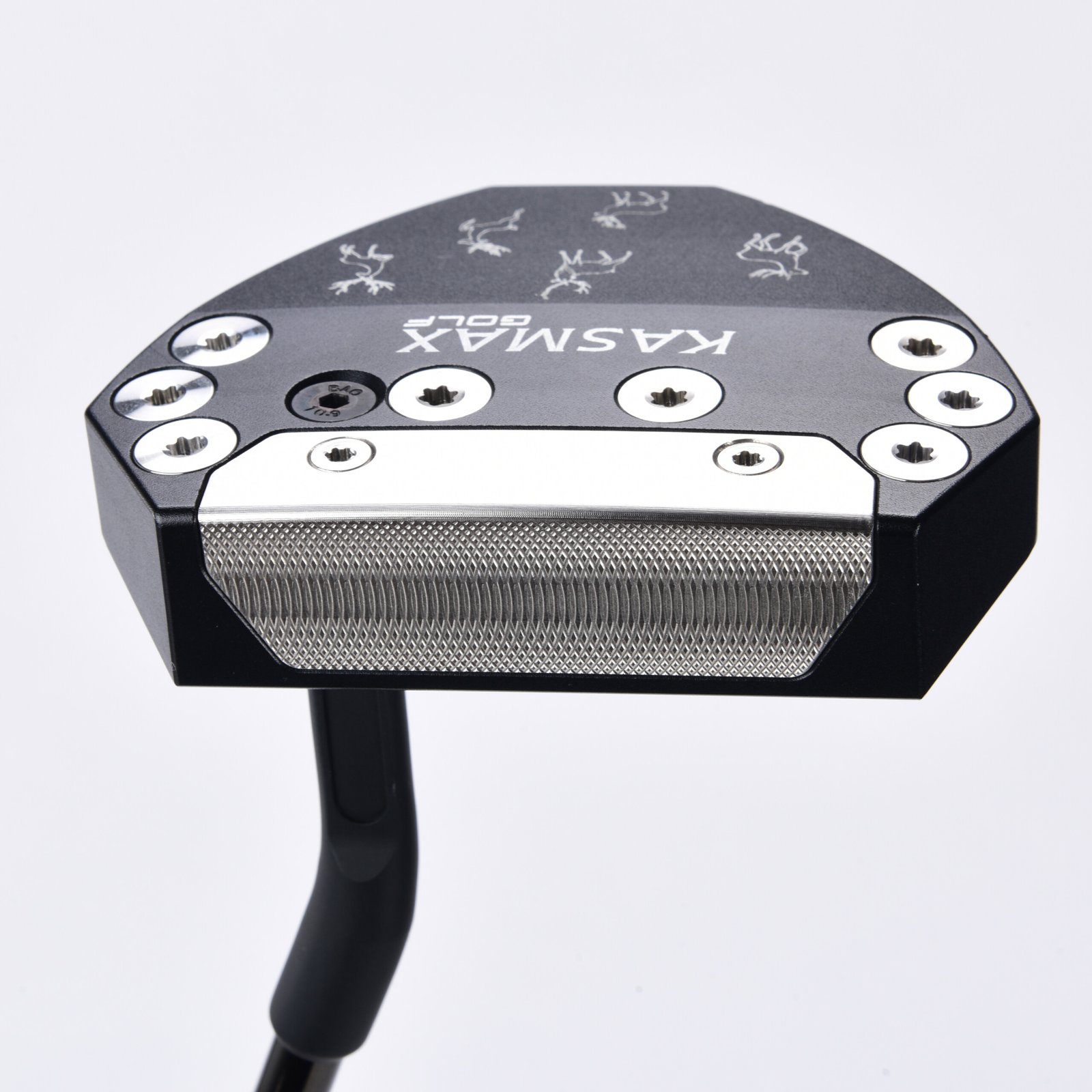
The “zero‑torque” craze has hit tour bags and YouTube channels, but many options cost $400+. KASMAX’s SG‑D1 challenges that by delivering a putter that resists twisting throughout the stroke without costing a fortune.
The design is a center‑shafted mallet with a high‑MOI shape and a large alignment line. The key tech is a strategically placed tungsten weight in the sole and a lightweight aluminum hosel, which keeps the face naturally square to the path. I’ve tested it extensively on a Quintic putting system. The face angle at impact was within 0.5° of square for almost all strokes, whereas my traditional blade fluctuated by up to 2°. On 10‑foot putts, the SG‑D1 produced noticeably tighter dispersion. The feel is firmer than an insert putter but softer than a pure milled steel face – it’s a unique, confidence‑inspiring “thud.”
Room for improvement: The stock headcover is functional but cheap‑feeling. Some golfers might prefer a blade version; right now, only the mallet is available in zero‑torque.
Scoring
Material & Construction: 8.5 (quality milling, aluminum/steel hybrid)
Performance & Feel: 9 (excellent twist resistance, consistent roll)
Customization: 8.5 (length, lie, grip choices, but limited head styles)
Innovation: 9 (zero‑torque tech at a low price)
Range: 6 (only a couple of models)
QA/Service: 9
Weighted total: 8.5
6. Driver: KASMAX Titanium Driver vs. TaylorMade SIM2
Admittedly, drivers are not KASMAX’s main focus compared to irons and wedges, but their titanium driver is a competent, adjustable option. I compared it head‑to‑head with a TaylorMade SIM2 (both 9°, fitted with the same Mitsubishi Tensei AV Blue shaft) on a TrackMan under identical conditions.
Launch numbers: The SIM2 produced slightly higher ball speeds (163 mph vs. 160 mph) and a fraction lower spin (2,200 vs. 2,350 rpm). However, the KASMAX driver had a more muted, solid sound and, crucially, shot dispersion was tighter – likely because the KASMAX head is 400cc, encouraging a more controlled swing. Adjustability is straightforward: the hosel allows for +/-1.5° of loft and lie, and you can customize shaft length and grip spec right from the factory. The drawback: the aerodynamic package isn’t as refined, and the head feels a touch heavier. For a player willing to sacrifice 3–5 yards for accuracy, and who values a custom shaft/grip combo without a huge upcharge, it’s a solid contender.
Scoring
Material & Construction: 8 (titanium face, solid build)
Performance & Feel: 7.5 (accurate, decent sound, but less ball speed)
Customization: 9 (shaft, length, grip, adjustability)
Innovation: 7 (basic, no sliding weights)
Range: 5 (only one driver head model)
QA/Service: 9
Weighted total: 7.5
Final Ranking & Who Should Buy What
Here’s how the weighted totals stack up. Remember, these scores reflect how well each product excels as a custom‑club solution, not just against any random off‑the‑rack option.
KASMAX P770 Forged Hollow Irons – 8.9
KASMAX SG‑01 Wedges – 8.9
KASMAX Forged CB Irons – 8.6
KASMAX Custom Petite/Senior Set – 8.5
KASMAX SG‑D1 Zero‑Torque Putter – 8.5
KASMAX Titanium Driver – 7.5
Now, let’s translate this into concrete buying recommendations for three distinct golfer profiles.
🎯 Performance‑Driven Golfer (Low Handicap / Tournament Player)
Top pick: KASMAX Forged CB Irons (4‑PW), combined with SG‑01 wedges (50°, 54°, 58°).
For the player who can consistently find the center of the face and values shot shaping, the pure forged feel and sole design of the CB irons give you the control you need. Pair them with the wedge system, and you have a seamless transition from iron set to scoring clubs. The zero‑torque putter is also a strong candidate if you fight a yip under pressure. Don’t expect the driver to outperform a SIM2, but for irons and wedges, KASMAX Golf delivers elite quality at a factory‑direct price that leaves budget for a rangefinder or lessons.
🏌️ Improvement‑Focused Golfer (Mid‑High Handicap / Casual)
Top pick: KASMAX P770 5‑iron through PW plus a 4 hybrid, with the KASMAX driver set up for high launch.
The hollow forged irons offer the forgiveness you need without the bulky, shovel‑like appearance that can hurt confidence. The high launch windows and tight dispersion will bail you out on those days when your timing is off. I’d suggest getting fitted online with KASMAX’s form – the difference between a standard set and one with 1° upright lies and the right grip size is usually worth 3–4 strokes per round for the typical 15‑handicapper. And don’t forget the 30‑day test policy: if they don’t work, you send them back.
💲 Value & Customization Seeker (Left‑handed, Petite, Senior, or Bulk Buyer)
Top pick: KASMAX fully custom single‑length or petite set, or a bulk OEM order.
This is where KASMAX truly shines. If you’re a lefty, a petite female, or a senior golfer losing distance, big‑box stores fail you almost every time. KASMAX can build a set with shorter shafts, lightweight graphite (45‑55g), undersize grips, and high‑lofted fairway woods that actually get airborne. For shop owners and coaches, the KASMAX Golf OEM service allows you to create your own branded line of clubs with full customization for your clients. The factory‑direct pricing and dropshipping capabilities mean healthy margins without inventory risk.
Conclusion – The Perfect Fit Doesn’t Have to Come With a Tour Van Price
After months of testing, hitting thousands of balls, and comparing data, I stand convinced: the most important equipment upgrade you can make isn’t a new driver with a fancy carbon face – it’s actually having clubs built for you. KASMAX Golf’s manufacturing heritage (they’ve been at it since 2003, serving over 10 countries) and their direct‑to‑golfer model remove the traditional barriers of cost and availability. You don’t have to be a pro to enjoy forged hollow irons, a zero‑torque putter, or wedges with precisely the grind you need.
If I’ve done my job, this review has equipped you with the insights to make a confident choice. The final step is yours: stop compensating for a club that doesn’t fit. Check out KASMAX Golf on YouTube{target=”_blank”} to see their latest builds and fitting advice, or head to their website to start your own custom fitting. The next time you step onto the first tee with a set built for your swing, you’ll wonder why you waited so long.