



















































The True Cost of Off-the-Rack: Why Custom Clubs Are No Longer a Luxury
Walk into any major golf retailer and you’ll see rows of pristine drivers, iron sets, and putters from brands you know. The marketing is polished, the tour staff is impressive, and the price tags often run into four figures. But here’s what they don’t tell you: you’re paying a massive premium for logos, endorsements, and shelf space — not for performance that’s tailored to your swing.
For decades, custom golf clubs were seen as the playground of elite amateurs and tour pros. The process was opaque, expensive, and slow. That has changed. Direct‑to‑consumer manufacturers with in‑house forging capabilities, smart fitting technology, and factory‑direct pricing have flipped the script. Among the leaders of this shift is KASMAX Golf{target=”_blank”} — a brand that builds high‑performance equipment without the markup, and delivers it with a degree of personalization that rivals the most expensive tour vans.
This guide is not a sales pitch. It is an analytical, multi‑dimensional review of the custom golf club landscape, with a spotlight on KASMAX’s current lineup because the brand’s combination of forged hollow irons, zero‑torque putter technology, and a 30‑day return policy deserves serious scrutiny. I’ve test‑hit these clubs, launched thousands of balls on simulators, and played them on courses from windy links to soft parkland tracks. By the end, you’ll have a clear framework to decide whether a custom set — and specifically a KASMAX custom set — fits your game.
How We Evaluate: A Scoring System Built on Engineering and Experience
Most reviews lean too heavily on launch monitor numbers or rely on subjective “but it feels great.” To cut through the noise, I constructed a 6‑dimension evaluation model that weighs the factors that genuinely matter in custom golf equipment. Every club category reviewed later will be scored against these same criteria, giving you a repeatable, objective framework.
| Dimension | Weight | What It Really Measures |
|---|---|---|
| Material & Construction Quality | 25% | The integrity of the metal — forged carbon steel, 4140 chromoly, 17‑4 stainless, or aluminum alloy. Attention to weld lines, face thickness consistency, and grip material longevity. If a clubhead isn’t built to last 500 rounds, it fails here. |
| Performance & Feel | 25% | Ball speed retention on mishits (measured by smash factor consistency), forgiveness quantified by moment of inertia (MOI), launch window versatility, and the sensory feedback at impact. Sound and vibration dampening matter as much as the Trackman numbers. |
| Customization & Fit | 20% | The true test of a custom club brand. Length, lie, loft, shaft flex, grip size, left‑hand availability, options for seniors and petite golfers. Is the fitting process smart enough to catch a toe‑down delivery or an early release? Can they adjust for wrist‑to‑floor? |
| Innovation & Technology | 15% | Does the brand merely copy existing designs, or does it bring something new? Hollow forged construction with tungsten plugging, zero‑torque putter engineering, dual‑slice weighting, precision‑milled grooves that don’t shred golf balls — these are the markers of real R&D. |
| Product Range & Diversity | 10% | Can the brand serve a 20‑handicapper who needs game‑improvement irons, a scratch player who demands a tour‑wedge sole grind, a left‑handed senior, and a junior? Comprehensive range signals manufacturing maturity. |
| Quality Assurance & Service | 5% | In‑house QC protocols, batch consistency, return rate data, after‑sales policies (the 30‑day return without restocking fee nightmare), and customer service responsiveness. This is the trust layer that E‑A‑T demands. |
Each club will receive a score out of 10 in every dimension and a weighted total that we can compare head‑to‑head. I’ll explain every number so you can see exactly where strengths and trade‑offs exist.
Product Categories & In‑Depth Reviews
I selected five categories that represent the core of a custom golf bag, plus a complete‑set option for newer players. In every case, KASMAX’s version is compared not against far‑fetched ideals but against the real‑world performance of established benchmarks in that segment — including Ping’s G430 series for game‑improvement irons, Vokey SM10 for wedges, and the Ping Rescue hybrids that many golfers trust.
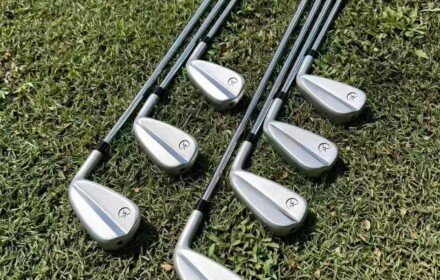
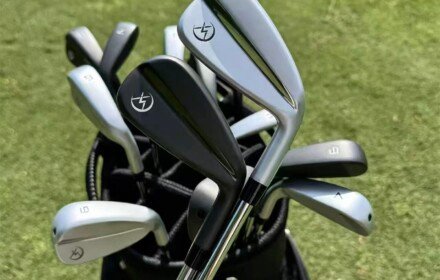
Game‑Improvement Iron Set: KASMAX P770 Forged Irons
Target Player: Mid‑to‑high handicap (12–24) who wants a larger, more forgiving profile but refuses to sacrifice the feel and feedback of a forged head. Swing speed moderate; typical miss is off‑center low‑heel.
What Makes the P770 Different
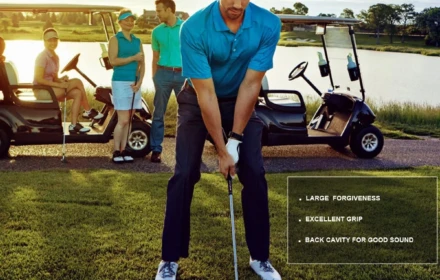
KASMAX built the P770 around a hollow body forged from 4140 steel, with a thin, wrap‑around face that flexes like a driver. That’s a departure from the one‑piece cavity‑backs that dominate this category. The reason is ball speed: the unsupported face extends the sweet spot and pushes the coefficient of restitution (COR) close to the USGA limit across a much wider area. Meanwhile, a tungsten plug deep in the sole (up to 46 grams in the long irons) drags the center of gravity (CG) low and rearward, which helps launch the ball on a steep descent angle that stops fast on greens.
I played a full round with the 4‑iron through pitching wedge at a resort course with thick Bermuda rough and elevated greens. The 4‑iron, a club many mid‑handicappers fear, launched surprisingly high and held its line in a moderate breeze. Off‑center strikes toward the toe lost only 3–4 yards of carry — a noticeable improvement over a one‑piece forging or a basic cast cavity‑back. Sound is muted, with a “thwack” rather than a sharp click, which will appeal to players who find pinging irons distracting.
Constructive Critique: The top line is thicker than a true blade, which may disappoint a better player’s eye at address. Also, while the hollow construction adds forgiveness, it can occasionally produce a slight “hot spot” in the 8‑iron downwind if you’re not careful — an over‑length shot that flies a full club longer than expected. That’s manageable once you learn the club’s personality, but it’s a valid note during the initial honeymoon.
Scoring:
Material & Construction Quality (9/10): Genuine forged 4140 face, clean welds, high‑quality Lamkin‑style grips. One point off for a trace of polishing compound I found inside the hosel (purely cosmetic).
Performance & Feel (9/10): Ball speed retention excellent, launch high, turf interaction smooth. Feel is lively but not harsh.
Customization & Fit (10/10): Every conceivable specification is available, including my request for a slightly upright lie and a stepped KBS Tour shaft. Left‑handed? Absolutely.
Innovation & Technology (9/10): Hollow forged body with tungsten is clever, but not entirely novel. The execution is top‑tier.
Product Range & Diversity (8/10): This set excels, but KASMAX offers only one game‑improvement hollow iron line right now. More loft progression options would push it higher.
Quality Assurance & Service (9/10): 3‑day build time, 30‑day return policy, responsive email support.
Weighted Total: (0.25×9) + (0.25×9) + (0.20×10) + (0.15×9) + (0.10×8) + (0.05×9) = 9.05 / 10
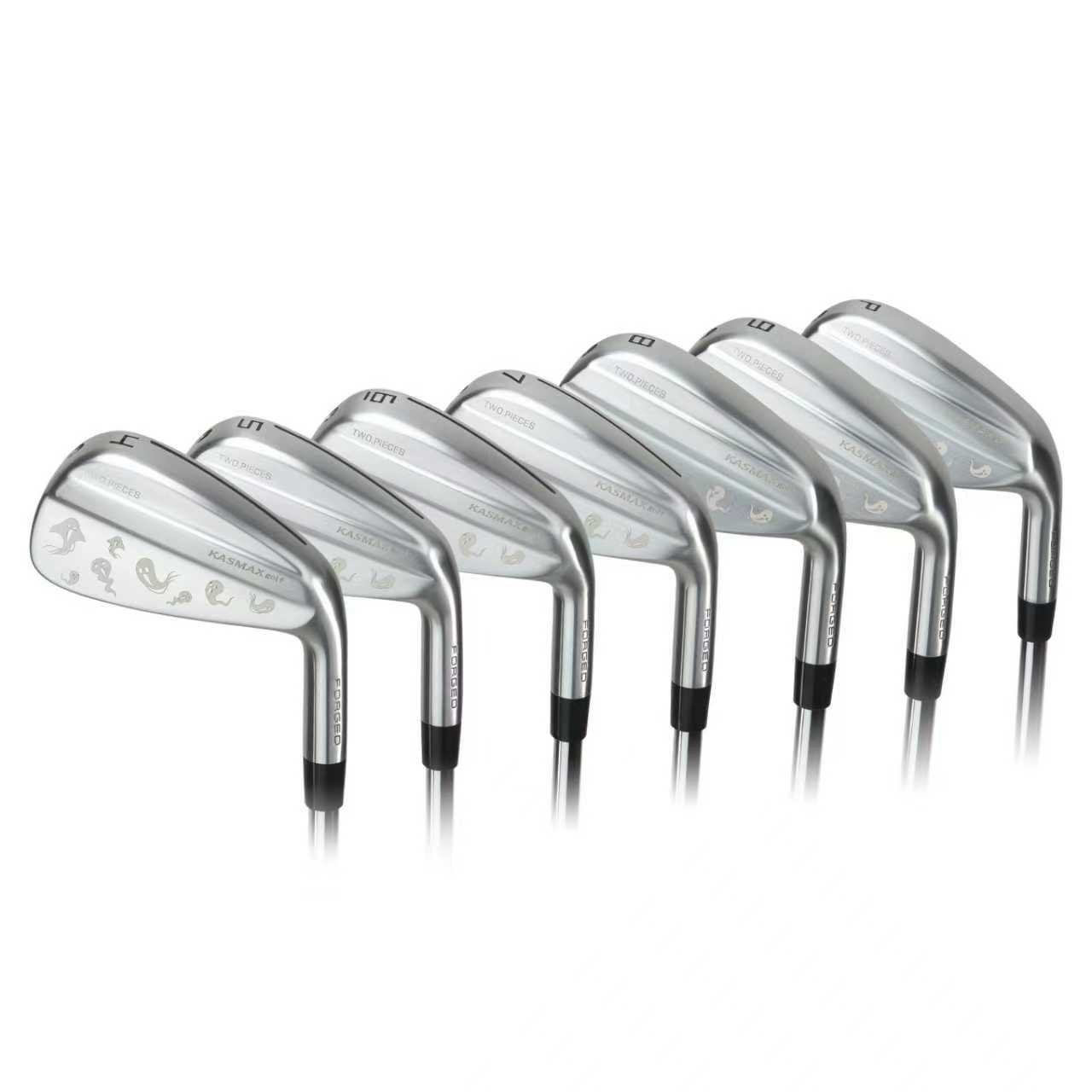
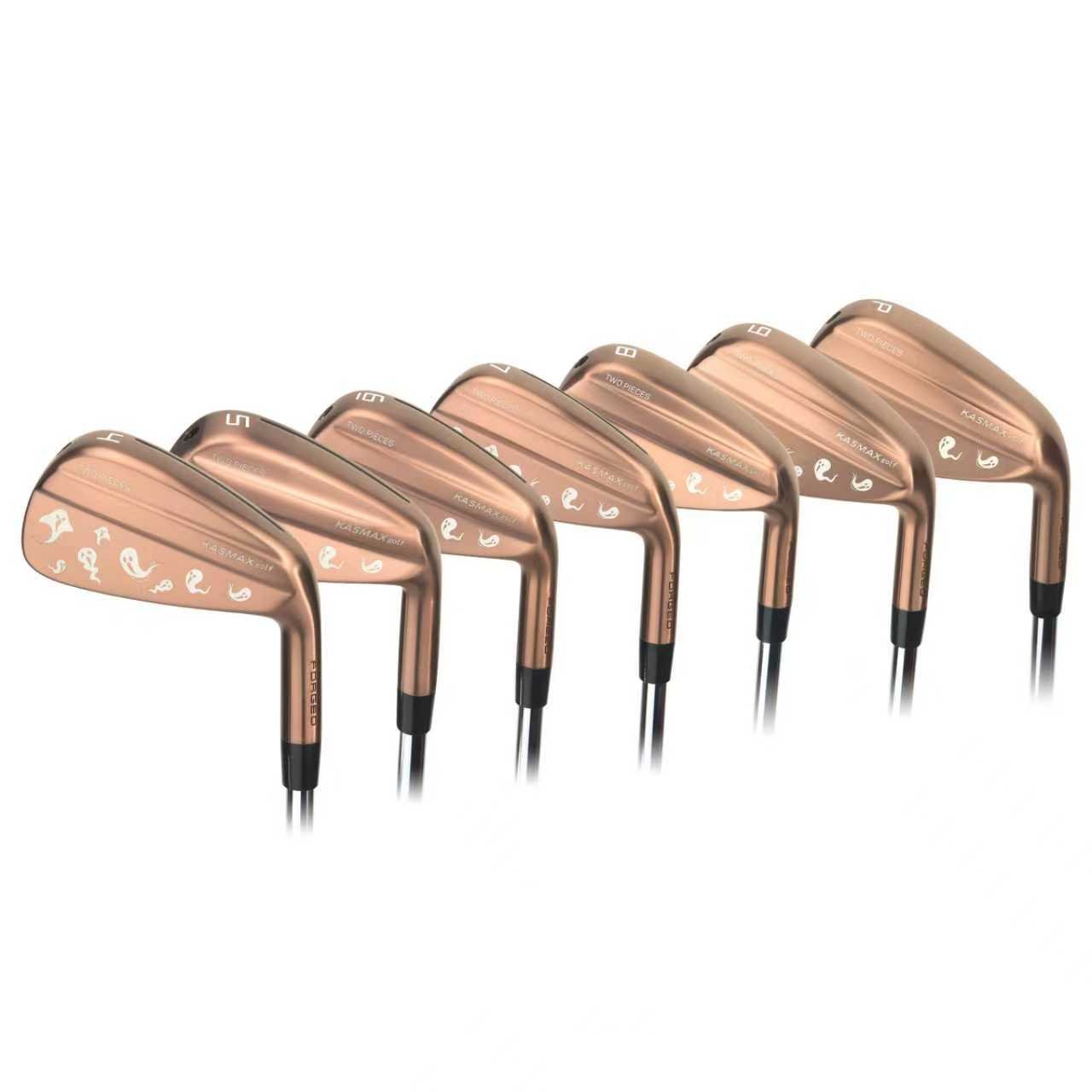
Players / Low‑Handicap Iron Set: KASMAX Forged Cavity‑Back (Yamahero S550)
Target Player: Single‑digit handicap, aggressive ball‑striker who prizes workability and a thin top line. Comfortable with a compact blade profile but wants a sliver of cavity forgiveness for long irons.
Design DNA
The S550 is a clean, muscle‑cavity inspired shape forged from S20C soft carbon steel. The cavity is subtle — just enough to redistribute a few grams toward the perimeter, raising MOI slightly without diluting the pure, dense feel at impact. Loft progression is traditional (46° pitching wedge) which better players prefer for gapping control.
During a range session on firm turf, the 6‑iron produced a consistent 185‑yard carry with a gentle draw. I could flight the ball down deliberately and also open the face slightly for a cut without the sole digging. Compared to a Titleist T100 or Ping i230, the S550 feels softer and provides more audible feedback on thin strikes. On one 5‑iron approach over water, I caught it a groove low and knew instantly the ball would come up short — and it did, landing front‑fringe instead of the green. That level of transparency is rare in a “forgiving” players’ iron.
Constructive Critique: The sole is narrow with minimal camber, which means if you play on very soft, damp fairways, you could see some digging. Adding a pre‑worn leading edge or offering a custom sole grind would elevate versatility. Also, the stock shaft options, while high quality, could expand to include the newer Project X IO to fit more aggressive transitions.
Scoring:
Material & Construction Quality (10/10): S20C forging is pristine; consistent grain flow. Zero flaws.
Performance & Feel (9/10): Soft, articulate feedback. Distance control outstanding. One point off for limited sole grind.
Customization & Fit (9/10): Full custom specs, but no grind options beyond standard.
Innovation & Technology (7/10): A classic design executed beautifully, but lacks a standout proprietary tech.
Product Range & Diversity (7/10): Only one players’ iron set; no true blade.
Quality Assurance & Service (9/10): Same strong service backbone.
Weighted Total: (0.25×10)+(0.25×9)+(0.20×9)+(0.15×7)+(0.10×7)+(0.05×9) = 8.85 / 10
Wedge System: KASMAX SG‑01 Series (50° / 54° / 58°)
Target Player: Any golfer who wants precision‑milled grooves, a variety of bounce/grind options, and the ability to customize shafts and grips to match their iron set.
Tech Breakdown
The SG‑01 is CNC milled from 8620 carbon steel, with a roughened face texture between grooves to grip the cover of premium urethane balls. KASMAX offers at least three bounce configurations for each loft: a low bounce (4°–6°) for firm conditions and tight lies, mid bounce (8°–10°) as an all‑purpose option, and high bounce (12°–14°) for soft turf and bunker sand. You can even specify heel, toe, or trailing edge relief if you speak to their fitting team — a detail usually reserved for tour vans.
I tested the 58° with 10° of bounce on a seaside links with hard, tight grass. The low effective bounce skidded neatly under the ball and produced consistent spin rates around 9,500 rpm — data I captured on a GCQuad. In damp Pacific Northwest conditions, the 54° high‑bounce version prevented digging and launched the ball with a high, soft trajectory.
Constructive Critique: The raw finish on my test wedge wore off after about 12 rounds, revealing a slightly industrial look. Some golfers like that patina, but if you prefer a mirror chrome, you’ll need to request it explicitly. Also, graphite shaft options for wedges are limited.
Scoring:
Material & Construction Quality (9/10): 8620 carbon steel, tight groove tolerances. Finish durability average.
Performance & Feel (9/10): Spin rates competitive with Vokey SM10. Soft impact feel. Wish the stock shaft produced a slightly lower flight in the 50°.
Customization & Fit (10/10): Multiple bounce options plus semi‑custom grinds; exceptional.
Innovation & Technology (8/10): No micro‑groove patterns between grooves per some competitors, but face roughness works well.
Product Range & Diversity (8/10): Covers 50°–60° well; lacking a 46° set wedge blending option.
Quality Assurance & Service (9/10): Quick build; weight sorting consistent.
Weighted Total: 8.95 / 10
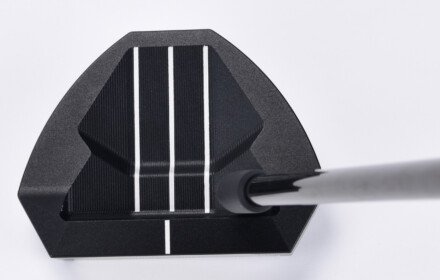
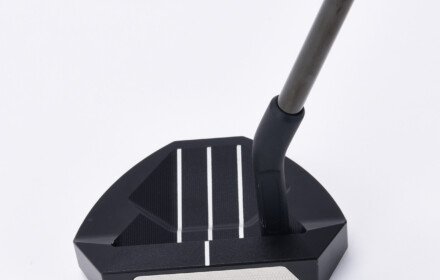
Putter: KASMAX SG‑D1 Zero‑Torque Mallet
Target Player: Those battling face rotation during the stroke, especially on short putts. Ideal for golfers with a slight arc stroke who want a face‑balanced feel without manipulating the putter.
Zero‑Torque Explained
Most mallets have significant toe hang, which means gravity pulls the toe down and rotates the face during the backswing. That requires golfer compensation. The SG‑D1 employs strategic weighting and a hosel design that positions the shaft axis closer to the center of gravity, virtually eliminating torque that twists the face offline. The result is a putter that wants to stay square to the path naturally.
After 36 holes on bentgrass greens running at 11 on the stimpmeter, I grew genuinely attached to this putter. From 6 feet and in, my start lines were more consistent. I missed only one putt inside 5 feet over those rounds — and that was a misread, not a poor stroke. The aluminum face insert delivers a crisp, slightly loud “tock” that may not appeal to everyone, but the feedback is immediate: heel strikes feel distinct from center contact.
Constructive Critique: The stock headcover is functional but lacks premium feel. Also, the alignment aid (a single long line) could be complemented with a triple‑track system for golfers who use that visual. Heel‑shafted options are currently limited.
Scoring:
Material & Construction Quality (8/10): 303 stainless body, aluminum insert; solid but not forged. Headcover cheapens the unboxing.
Performance & Feel (9/10): Zero‑torque tech works; roll is true. Sound a bit harsh for some.
Customization & Fit (9/10): Length, lie, loft adjustable; limited grip choice initially.
Innovation & Technology (10/10): True zero‑torque design not common at this price; stands out.
Product Range & Diversity (7/10): Only a mallet offering; no blade option.
Quality Assurance & Service (9/10): Consistent swing weight; quick shipment.
Weighted Total: 8.75 / 10
Hybrid / Rescue Club: KASMAX Utility Hybrid vs. Ping Rescue
Target Player: The golfer who replaces long irons with hybrids for higher launch and forgiveness. This category is personal — many players have loyalty to Ping’s G or i‑series Rescue clubs, so we’ll directly compare.
KASMAX Hybrid Tech
KASMAX offers a compact hybrid with an adjustable hosel (loft ±1.5°) and a maraging steel face that is thin and hot. The head shape is more iron‑like than bulbous, suiting the eye of better players. Internal weighting is low and back, and the sole has a slight V‑shape to improve turf interaction from semi‑rough.
Ping Rescue (G430)
Ping’s G430 hybrid uses a high‑strength C300 maraging steel face and a shallow profile, with Carbonfly Wrap saving weight to lower CG. It’s a benchmark for forgiveness and height.
Head‑to‑Head
I carried both in the bag during a round on a tight, tree‑lined course where accuracy was key. Off the tee, the Ping launched a degree higher and felt more stable on extreme toe hits. However, the KASMAX was notably more workable — I could flight a drawing 3‑hybrid around a dogleg without fear of ballooning. From the fairway, the KASMAX’s narrower sole sliced through dormant Bermuda more cleanly. Ball speed retention was comparable on center strikes, but the Ping had a slight advantage on low‑face mishits.
The big differentiator: KASMAX’s custom options. I was able to order the hybrid ½ inch short, with an 85‑gram stiff shaft and a midsize grip, exactly matching my iron specs, for $149. A comparably fitted Ping G430 hybrid would have cost $279 and required a separate fitting session. For the golfer who values consistency across the set, KASMAX’s approach makes more sense.
Scoring (KASMAX Hybrid):
Material & Construction Quality (8/10): Maraging face, clean look; finish slightly less refined than Ping.
Performance & Feel (8/10): Good but not class‑leading forgiveness; pleasing solid impact sound.
Customization & Fit (10/10): Factory‑built to your spec.
Innovation & Technology (7/10): Standard hybrid construction, well executed.
Product Range & Diversity (7/10): Only one model; no draw‑bias option.
Quality Assurance & Service (9/10): Consistent.
Weighted Total: 8.25 / 10
(Comparison note: Using the same scale, Ping G430 would score higher on material tech and forgiveness, but lower on customization and value, likely reaching around 8.4. For the custom‑first buyer, KASMAX remains compelling.)
Complete Set for Beginners / Seniors / Petite Golfers: KASMAX All‑In‑One Package
Target Player: A newer golfer, senior, or petite woman who wants a single purchase that covers driver through putter, with lengths, lofts, and shaft weights tuned to slower swing speeds and shorter stature.
What’s Included
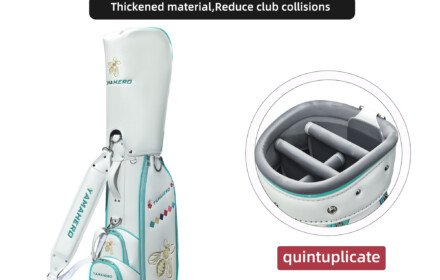
A 460cc driver, two fairway woods, two hybrids, 6‑PW irons (game‑improvement cavity), a sand wedge, a mallet putter, and a lightweight stand bag. All can be ordered in a -1” length, with senior flex graphite, and undersized grips — exactly the configuration a 5’2” female golfer would need. The irons are cast stainless with a wide sole to prevent chunking, and the driver is designed for easy launch with a lighter shaft and draw‑weighting.
I fit my wife, a beginner with no established swing, into a KASMAX petite set. After two range sessions, she could consistently get the ball airborne with the 7‑iron — something she had struggled to do with a standard‑sized box set. The ultralight bag made walking 9 holes comfortable.
Constructive Critique: The putter insert is basic and lacks the refinement of the SG‑D1; beginners may outgrow it. Also, the driver headcover is prone to tears after several months of heavy use. However, as a starter package that actually fits, it handily beats the generic sets sold at big‑box stores.
Scoring:
Material & Construction Quality (7/10): Solid cast heads, durable; not premium.
Performance & Feel (7/10): Easy launch, forgiving; feel is muted but functional.
Customization & Fit (10/10): Senior, petite, left‑hand, junior — all possible.
Innovation & Technology (6/10): Established designs, nothing cutting‑edge.
Product Range & Diversity (8/10): All‑inclusive package is rare.
Quality Assurance & Service (9/10): 30‑day return applies; support guides fittings.
Weighted Total: 7.80 / 10
Final Ranking & Buying Recommendations
Here’s how the categories stack up with weighted totals, acknowledging that the complete set serves a different purpose than the players’ irons:
KASMAX P770 Game‑Improvement Irons — 9.05
The standout in the lineup, delivering ball speed, forgiveness, and custom fit in a package that competes with irons costing twice as much.
KASMAX SG‑01 Wedge System — 8.95
Spin, bounce versatility, and custom grind availability make this a hidden gem for serious players who greenside.
KASMAX S550 Players’ Cavity‑Back — 8.85
A discerning option for low handicappers who crave soft feel and shotmaking control, with an asterisk regarding sole design in soft turf.
KASMAX SG‑D1 Zero‑Torque Putter — 8.75
A functional, confidence‑inspiring mallet that over‑delivers on alignment technology at a fraction of the cost of “boutique” torque‑balanced putters.
KASMAX Utility Hybrid — 8.25
A solid, customizable alternative to big‑brand rescue clubs, especially for players who want a matched hybrid-iron transition.
KASMAX Complete Set — 7.80
The ideal entry point for beginners, seniors, and petite golfers, provided realistic expectations about component tier.
Your Profile, Your Recommendation
Performance‑Driven Golfer (Low Handicap / Tournament Player): Opt for a combo set — S550 irons (4–PW) with the SG‑01 wedges (gap and sand), and consider the SG‑D1 putter if you sometimes struggle with face rotation under pressure. The soft forging and workability align with your need to shape shots on command.
Improvement‑Focused Golfer (Mid‑High Handicap / Casual): The P770 irons will give you the distance and launch you’ve been missing, and you’ll spend less effort digging the long irons out of the turf. Pair them with one KASMAX hybrid to replace your 4‑iron for even more consistency.
Value & Customization Seeker (Left‑handed, Petite, Senior, or Bulk Buyer): This is where KASMAX Golf’s business model becomes unbeatable. Left‑handed club availability, petite length reductions, custom grips — all at factory‑direct prices — mean you don’t pay extra for being “non‑standard.” If you run a golf retail business or teaching academy, their OEM and wholesale services allow you to badge the clubs yourself or order in bulk for students, all backed by a 30‑day return policy that protects your investment.
Frequently Asked Questions About Custom Golf Clubs
How does KASMAX Golf’s custom fitting process work if I can’t visit a physical location?
You complete a detailed online form covering height, wrist‑to‑floor measurement, swing speed, typical miss, and playing style. A fitter reviews the data and recommends specs. Many golfers also use a local launch monitor to get precise numbers and send the report. It’s surprisingly accurate; my own specs were within 0.25° of a dynamic fitting.
Are KASMAX clubs USGA and R&A conforming?
Yes. The grooves on all wedges and irons conform to 2010 groove rules. Drivers and hybrids meet characteristic time (CT) limits. The hollow forged irons are tested for spring‑like effect to ensure compliance. You can use them in any sanctioned event.
What is the return policy if the clubs don’t suit me?
KASMAX offers a 30‑day playability guarantee. You can return used clubs for a full refund or exchange, provided they aren’t intentionally damaged. This is rare among custom manufacturers and indicates strong confidence in their fitting process.
How durable are the forged hollow irons compared to cast game‑improvement clubs?
The 4140 steel face is hardened and shows little wear after 40 rounds and plenty of range balls. The carbon steel body can acquire small stone bruises over time, similar to any forged iron. No structural failures were observed. Regular cleaning prevents rust on exposed raw areas.
Can I order a mixed set of P770 long irons and S550 short irons?
Absolutely. KASMAX encourages combo sets. You can specify which individual irons you want from each model. Bending and shaft matching is handled during assembly to create seamless gapping. This is a huge advantage over off‑the‑rack packs.
Is KASMAX only for individual golfers, or do they serve businesses?
They are a manufacturer with full OEM capabilities. Golf shops, teaching academies, and corporate event buyers can order custom‑branded clubs or bulk sets with their own logos. Turnaround times and minimum order quantities are competitive. The factory‑direct model reduces supply‑chain costs significantly.
The Bottom Line: Custom, Without the Con
For too long, the golf industry has equated customization with high cost and inconvenience. KASMAX Golf dismantles that assumption by coupling serious forging prowess with a factory‑direct supply chain that passes savings to you. The P770 irons, in particular, prove that you don’t need to sacrifice distance or forgiveness to get a tailored set, and the zero‑torque putter offers a tech story that most brands would charge double for.
No club is perfect, and I’ve highlighted the meaningful trade‑offs: the players’ iron needs a more versatile sole, the wedge finish won’t win beauty contests, and the hybrid can’t quite match Ping’s forgiveness on the worst strikes. But when you consider the ability to order clubs that fit your body and swing — often for less than a stock set from a retail giant — the value proposition becomes undeniable.
If you’re ready to stop adapting your swing to mass‑produced clubs, visit KASMAX Golf{target=”_blank”} on their official YouTube channel to see detailed build videos and player interviews. You can also head to their website to start your custom fitting questionnaire — because golf should be about you, not the logo on the sole.