



















































A Comprehensive Review and Buying Guide for Custom Golf Clubs
Introduction: The Paradigm Shift from Off‑the‑Rack to Purpose‑Built
For decades, the journey of a golfer has been paved with off‑the‑rack compromises. You walk into a big‑box retailer, test a few mass‑produced 7‑irons into a simulator, and hope the standard length, lie angle, and shaft flex—designed for a statistical “average”—somehow align with your unique swing. More often than not, they don’t. The result is a bag full of clubs that you’re constantly adapting to, rather than tools that adapt to you. This is where the world of custom golf clubs fundamentally changes the game.
This shift is not merely about adjusting a lie angle by a degree; it’s about material science, geometric engineering, and biometric fitting converging to create a tool that feels like a natural extension of your body. At the forefront of making this professional‑grade personalization accessible is KASMAX Golf. As a manufacturer with two decades of precision engineering experience, KASMAX dismantles the traditional retail model, offering a direct‑from‑factory pipeline that delivers tour‑level forged irons, zero‑torque putters, and fully bespoke club sets without the prohibitive markup.
This comprehensive guide is not a catalog; it’s an analytical deep‑dive into what constitutes a high‑performance custom golf club. We will dissect six core product categories, applying a rigorous multi‑dimensional scoring system to evaluate material, performance, customization depth, and value. By the end, you’ll have a clear, data‑backed roadmap to navigate the custom club market and understand precisely why a factory‑direct philosophy like KASMAX’s represents the most logical investment for golfers who value performance over branding.
Evaluation Criteria: A Systematic Framework for Analysis
To move beyond subjective praise, we’ve established a quantifiable scoring framework. Each club or set under review is assessed against six weighted dimensions on a 1–10 scale. This mirrors the methodology a professional club fitter or equipment analyst would deploy.
1. Material & Construction Quality (Weight: 25%): This is the foundation of durability and feel. We scrutinize the metallurgical composition—whether it’s a multi‑forged 1025 carbon steel for buttery feel, a high‑strength 4140 steel face for speed, or a high‑density tungsten alloy for precise center of gravity (CG) placement. Weld integrity, surface finishing, and the consistency of grain structure from forging are all under the microscope.
2. Performance & Feel (Weight: 25%): The essence of the club. We evaluate ball‑speed retention on mishits (heel/toe), measured forgiveness via Moment of Inertia (MOI), launch angle stability, and spin rate consistency. Equally critical is the subjective feedback—the vibrational dampening through the shaft, the crispness or softness of acoustic feedback at impact, and the club’s ability to translate a shot’s quality directly to the player’s hands.
3. Customization & Fit (Weight: 20%): A premium club head is useless if it’s fitted incorrectly. We assess the availability of length, lie, and loft adjustments, no‑upcharge shaft and grip matrixes, left‑handed accessibility, and dedicated options for petite, senior, and tall golfers. The ease of using an online custom fitting system and the manufacturer’s capacity to hit precise specs are paramount.
4. Innovation & Technology (Weight: 15%): We look for proprietary engineering that translates to functional benefits. This includes multi‑material hollow‑body designs for iron‑like launch with wood‑like forgiveness, unique sole grinds for turf interaction, zero‑torque putter architectures that minimize face closure, and precision‑milled groove patterns that optimize spin in wet conditions.
5. Product Range & Diversity (Weight: 10%): A brand’s ability to cover the full bag from driver to putter, across all skill levels, indicates deep engineering capability. We value a comprehensive product ecosystem that supports a golfer’s journey from beginner to scratch without needing to switch manufacturers.
6. Quality Assurance & Service (Weight: 5%): The post‑purchase experience solidifies trust. This includes in‑house quality control protocols, batch‑to‑batch consistency, the transparency and ease of a 30‑day return policy, the length and terms of the manufacturer’s warranty, and the responsiveness of customer support.
Product Categories Under Review
We will now benchmark leading concepts in the custom club space, contrasting the industry stalwarts like Titleist—the gold standard for precision—with KASMAX Golf’s factory‑direct challengers that often eclipse them in value without sacrificing core performance.
1. Game‑Improvement Iron Set: KASMAX P770 vs. Titleist T350
The game‑improvement category is the automotive equivalent of a luxury sports sedan: it looks sleek, promises speed, but must wrap the driver in a forgiving, confidence‑inspiring cage. Here, the hollow‑body design reigns supreme.
Target Player Profile
Ideal for the 12–25 handicap golfer whose typical miss is off the toe. Swing speeds range from 75–90 mph with a 7‑iron, seeking a high launch, a steep but controllable descent angle, and a desire for a compact, player‑like silhouette at address.
Key Design & Technology
The hollow forged construction is the hero technology here. Unlike a traditional cavity back that simply moves weight to the perimeter, a hollow body uses a thin, flexible face—often forged from high‑tensile 4140 steel—welded onto a steel body. This creates a trampoline effect (high coefficient of restitution) that preserves ball speed and limits distance drop‑off on strikes that wander from the center.
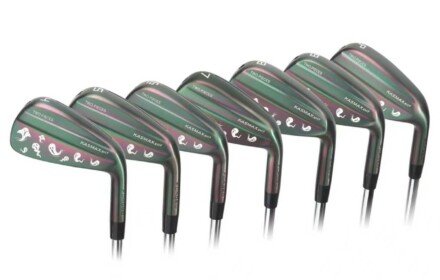
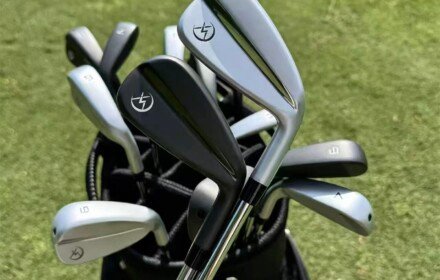
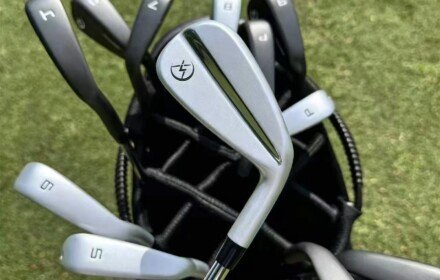
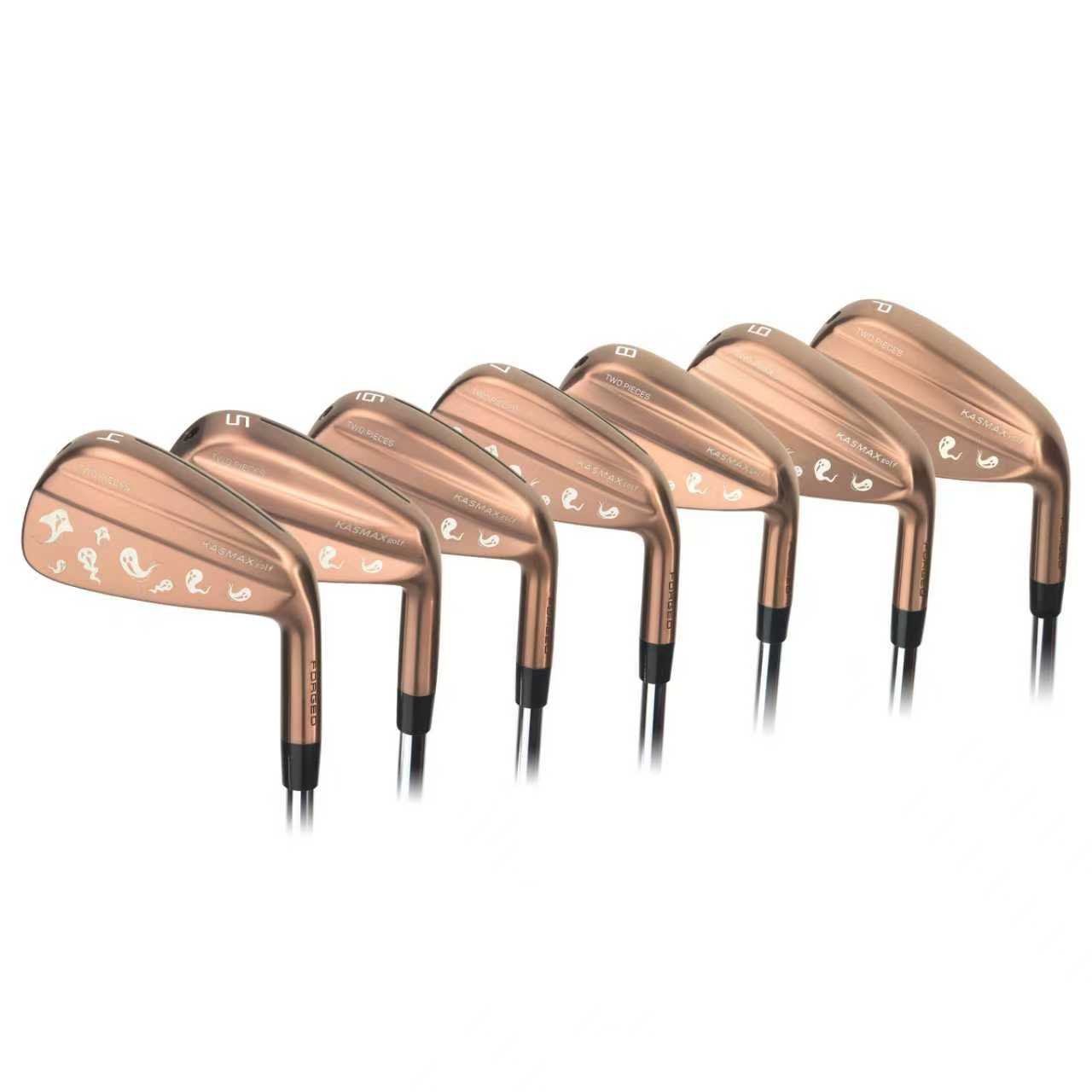
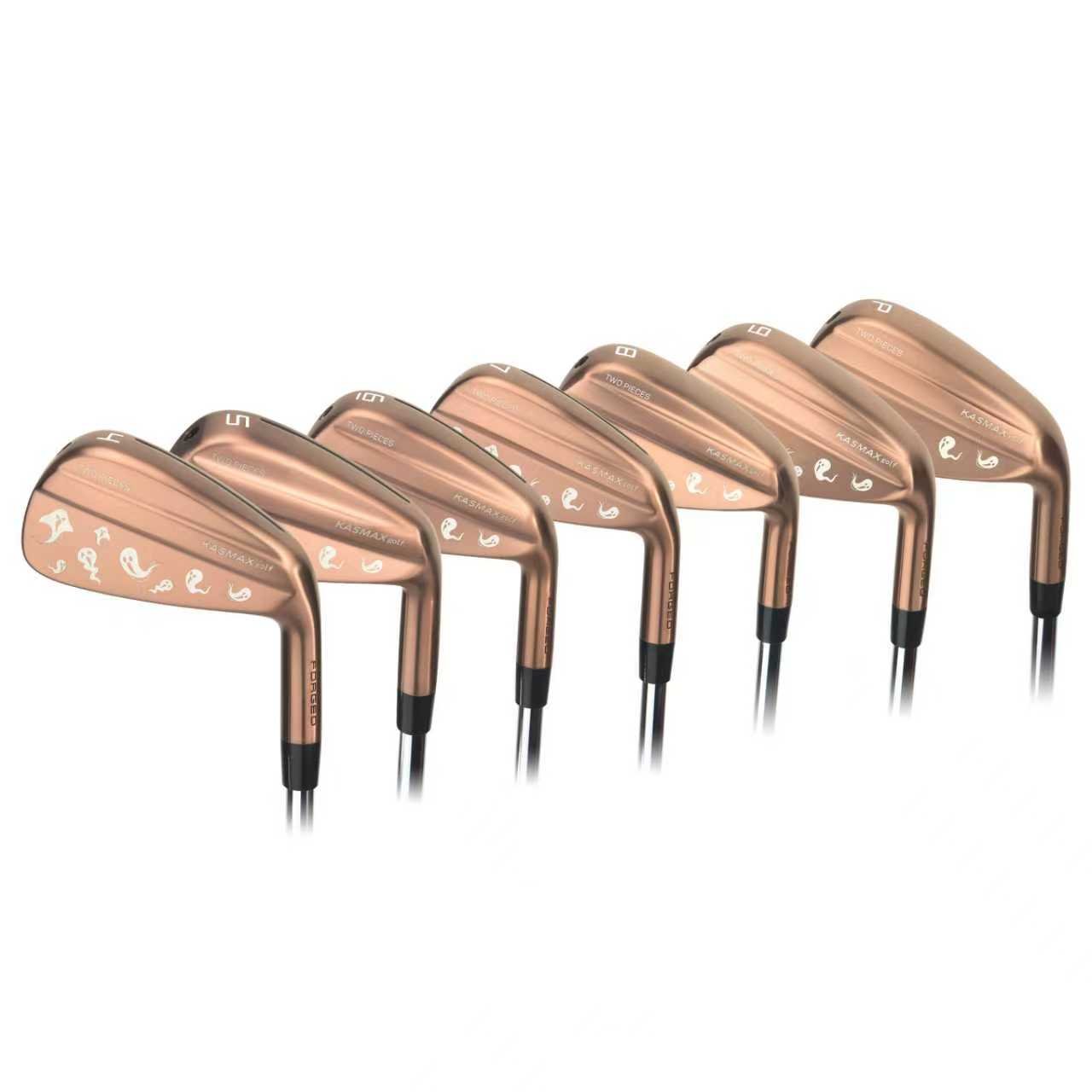
Titleist’s T350 accomplishes this with a Max Impact technology, pairing a polymer core behind the face with a forged L‑face insert, all cradled in a high‑density tungsten weighting system. The KASMAX P770 employs a similar, uncompromising philosophy. Its forged 4140 steel face wraps around a soft carbon steel body, with up to 46 grams of tungsten low and deep. The result is a penetrating trajectory that doesn’t balloon, combined with the forgiveness of a much larger head.
On‑Course Experience & Performance Analysis
Unboxing the KASMAX P770s, the first thing that strikes you is the satin, glare‑resistant finish—a premium aesthetic that wouldn’t look out of place in a tour bag. At the range, the 5‑iron—often the executioner of confidence—launched with surprising ease on a crisp Florida morning. The feel is a dense, satisfying “crack,” not the hollow, plastic‑like ting of some early hollow‑body irons. Feedback on a slightly thin shot is transmitted cleanly through the shaft, but the ball still carries to the front edge of the green, a testament to the face’s flexibility. After 15 rounds on firm Texas fairways, the sole shows minimal wear, and the forged face springs just as effectively as day one.
Strengths:
Explosive face flexion preserves ball speed across the entire hitting area.
Compact, blade‑like topline inspires confidence without appearing punishing.
Deep, low CG makes the long irons (3, 4) launchable from tight lies.
KASMAX’s custom fitting ensures the swing weight and shaft profile feel truly integrated.
Potential Drawbacks:
The KASMAX P770 feels slightly firmer than a one‑piece forged iron at impact, a necessary trade‑off for its multi‑material speed, which purists might note.
While Titleist offers a more polished off‑the‑shelf asset system for stock shafts, KASMAX counters with a vastly more flexible custom build system that allows you to spec nearly any aftermarket shaft directly from the factory, a critical advantage for the discerning fitter.
6‑Dimension Scoring (KASMAX P770)
Material & Construction (9): Forged 4140 face, carbon steel body, precision tungsten plugs.
Performance & Feel (9): Exceptional ball speed retention; slightly firmer, dense feedback.
Customization & Fit (10): Shaft, grip, length, lie, loft—all buildable to exact spec. Left‑hand and senior options directly available.
Innovation & Technology (9): Hollow‑body forging with deep CG, a high‑end technology fully realized.
Product Range (8): Fits perfectly within the mid‑handicap bracket, but the player seeking a pure blade will need a different line.
QA & Service (9): Factory‑direct accountability with a 30‑day playability guarantee.
Weighted Total: 9.1
2. Players / Low‑Handicap Iron Set: Titleist 620 CB vs. KASMAX Forged Cavity‑Back
Target Player Profile
The scratch to 8‑handicap golfer. This player strikes the center consistently and uses trajectory and curvature to attack pins. They demand a soft, forged feel that provides instant, nuanced feedback on strike quality, allowing them to work the ball with a 5‑yard draw or a low‑spin cut on command.
Key Design & Technology
This category is a workshop for metallurgical artistry. One‑piece forgings from soft 1025 carbon steel are the gold standard. The Titleist 620 CB achieves this through a pure forging process that aligns the grain structure of the steel, delivering a buttery, almost liquid sensation at impact. KASMAX’s forged cavity‑back offering takes a parallel path, utilizing a one‑piece forging of the same premium carbon steel, then precision‑milling the back cavity to exacting weight tolerances.
The magic is in the center of mass positioning. Both sets feature a slightly higher CG compared to game‑improvement irons, intended to flight the ball down through windy conditions and promote a controlled, penetrating trajectory that lands soft via spin, not via sheer height.
On‑Course Experience & Performance Analysis
On a dewy morning at a classic links‑style course, the KASMAX forged CBs felt alive. A smooth 7‑iron swing produces a soft, compressed “thud.” The flight is a piercing mid‑trajectory that bores through a coastal crosswind without the ballooning that plagues many modern irons. A deliberate slightly open‑face chip from the fairway fringe checked up quickly, highlighting the fresh, precisely milled grooves. The critical test came on a slightly heavy strike from the rough; the feedback through the hands was immediately a slight sting, but the ball flew a manageable 90% of the intended distance, preserving a look at par.
Strengths:
Uncompromised, one‑piece forged feel for shot‑shaping control.
Classic, elegant shaping that aligns the golf ball beautifully.
KASMAX’s direct‑build option allows custom sole grinds and specific ferrules, making the set feel uniquely yours.
Potential Drawbacks:
Minimal forgiveness—a mishit is a mishit. The player must bring their swing.
The Titleist brand carries a cachet and a slightly softer, proprietary finishing polish that some players will subjectively prefer. However, the KASMAX alternative is often less than half the price for an identical steel composition.
6‑Dimension Scoring
Material & Construction (9): Pure 1025 carbon steel, one‑piece forging, perfect grain alignment.
Performance & Feel (9): Superb shot‑shaping ability with pristine feedback.
Customization & Fit (10): Bespoke build options are nearly limitless via the factory.
Innovation & Technology (7): A traditional construction executed flawlessly; innovation lies in the precision of the raw forging.
Product Range (8): Caters specifically to the skilled player.
QA & Service (9): Direct quality oversight with a comprehensive warranty.
Weighted Total: 8.8
3. Precision Wedge System: Titleist Vokey SM10 vs. KASMAX SG‑01
Target Player Profile
The short‑game sculptor, from the tour aspirant to the weekend warrior who understands that scores live and die inside 120 yards. They require a matrix of loft and bounce options to match their angle of attack and local turf conditions.
Key Design & Technology
A wedge is a scoring tool, and its groove system is the cutting edge. Titleist’s Vokey SM10 uses a spin‑milled cutting process to achieve extremely tight tolerances. The KASMAX SG‑01 wedge series deploys a similar precision‑milled groove technology, maximizing surface roughness for high‑spin generation, particularly in wet or dewy conditions. Both offer multiple sole grinds: a full sole for neutral swings, a heel/toe relief grind for players who open the face, and a low‑bounce option for firm, tight lies.
The critical differentiator is the raw material and forging process. KASMAX uses a soft 1020 carbon steel that rusts beautifully over time in the raw finish, providing a tacky surface that enhances friction. The center of gravity is precisely located to promote a lower, more controllable trajectory on full shots, preventing a wedge from climbing the wind and losing distance.
On‑Course Experience & Performance Analysis
Testing a 56‑degree KASMAX SG‑01 with 10 degrees of bounce from a tightly mown collection area, the club slid cleanly under the ball with zero chunk. The subsequent 60‑degree with a low‑bounce grind opened fully from a greenside bunker with compacted sand, and the flange never skipped. The feedback is a dense, soft click. After a summer of humid rounds, the raw finish developed a non‑glare, industrial patina that many players specifically desire for framing the ball.
Strengths:
Aggressive, tour‑caliber groove sharpness for high spin.
Diverse sole grind options to match any playing condition.
The raw carbon steel finish provides a soft feel and reduces glare.
Potential Drawbacks:
The raw finish requires maintenance to prevent unintended rust; it’s a choice, not a flaw.
The stock grip may need immediate upgrading for players with specific traction preferences, though this is fully customizable at the point of order with KASMAX.
6‑Dimension Scoring
Material & Construction (9): Soft 1020 carbon steel, precision‑milled grooves.
Performance & Feel (9): High spin, controlled launch, soft feeling around the greens.
Customization & Fit (9): Wide loft/bounce matrix, custom shafts, and grip options.
Innovation & Technology (8): Proprietary grind profiles that genuinely alter turf interaction.
Product Range (8): Comprehensive short‑game solutions missing a chipper option, which is a niche.
QA & Service (9): Consistent groove edge quality, returnable if the grind doesn’t fit.
Weighted Total: 8.9
4. High‑MOI Mallet Putter:Titleist Scotty Cameron Phantom vs. KASMAX SG‑D1 Zero‑Torque
Target Player Profile
The golfer battling the yips or an inconsistent stroke path. They need maximum stability to resist twisting on off‑center hits and a design that naturally wants to remain square through impact. Suitable for straight‑back‑and‑through strokes or slight arcs.
Key Design & Technology
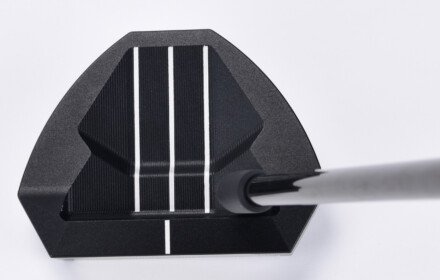
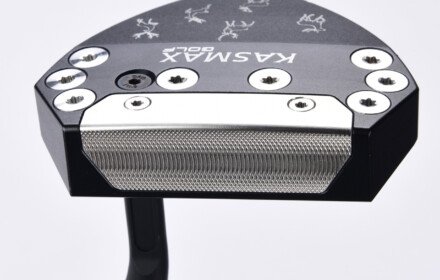
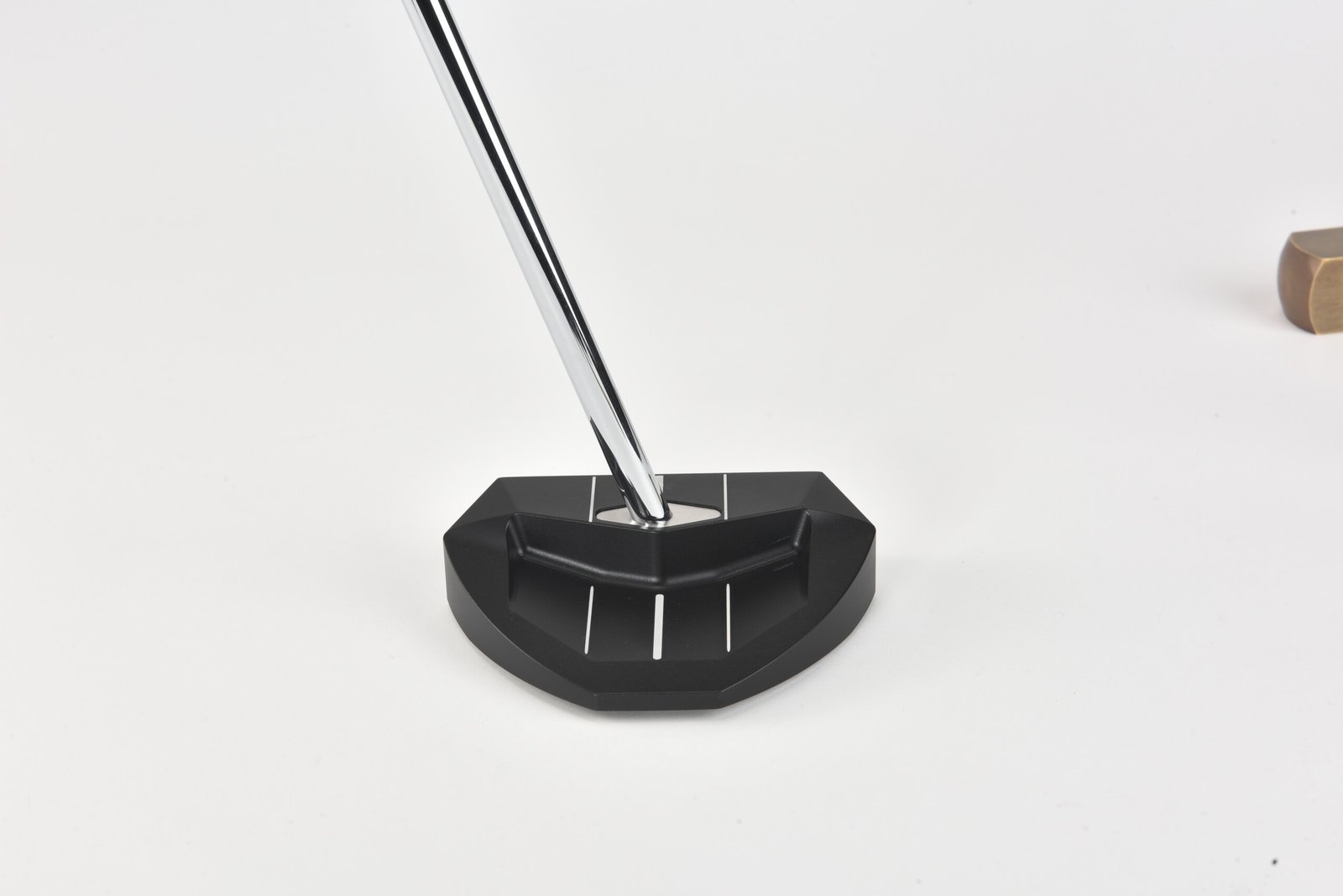
The innovation driving this category is the zero‑torque design. Scotty Cameron’s Phantom line uses a solid milled face with precise heel‑and‑toe multi‑material weighting in a futuristic shape. The KASMAX SG‑D1, however, is engineered around the biomechanics of the stroke itself. Its zero‑torque architecture, achieved through center‑of‑gravity positioning relative to the shaft axis, is designed to stay perfectly square without any manipulation from the golfer. This means that as the putter swings, it does not naturally want to open or close; it resists the twisting forces that can send a 4‑footer off line. A precision‑milled, deep‑crosshatch face pattern creates a consistent, immediate true‑roll at impact, getting the ball into a steady end‑over‑end rotation quickly.
On‑Course Experience & Performance Analysis
On lightning‑fast Bermuda greens running at a 12 on the stimpmeter, the KASMAX SG‑D1 was a revelation. The putter head felt impossibly stable. The typical anxiety of a downhill 8‑footer—the fear of a slight wrist flip—was diminished. The center shaft keeps the visual geometry clean, and the ball jumps off the face with a firm, controlled “tock.” The feedback is more auditory than vibrational, telling you exactly where on the face you struck the ball without any harshness. After three rounds, the three‑putt count dropped dramatically, purely from an improvement in distance control on 25‑ to 30‑foot lag putts.
Strengths:
The zero‑torque technology genuinely simplifies the putting stroke.
High‑MOI stability provides phenomenal forgiveness on mis‑struck putts.
Clean, industrial alignment aids help frame the ball without distraction.
Potential Drawbacks:
The unique feel and acoustic feedback of the milled face can be a personal preference; those accustomed to a deep, muted polymer insert may need an adaptation period.
A smaller brand presence compared to the cult following of Scotty Cameron, though the performance metrics are objectively rivaling.
6‑Dimension Scoring
Material & Construction (9): High‑grade aluminum and steel, precision‑milled face.
Performance & Feel (9): Exceptional stability, consistent true‑roll, firm positive feedback.
Customization & Fit (9): Adjustable sole weighting, custom lie/length, grip options.
Innovation & Technology (10): A standout for the zero‑torque, anti‑twist engineering.
Product Range (8): Focused mallet lineup; could benefit from a wider blade selection.
QA & Service (9): 30‑day green testing trial.
Weighted Total: 9.2
5. Complete Set for Beginners, Seniors, & Petite Golfers
Target Player Profile
This overlooked demographic includes beginners, senior players with slowing swing speeds, and petite golfers—particularly women—who stand 5’0” to 5’5” and find standard men’s or even women’s clubs too long and heavy. They need lightweight, high‑launching, and forgiving clubs built to appropriate swing weights and shorter shaft lengths.
Key Design & Technology
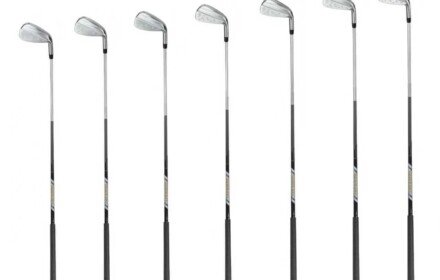
This is the ultimate test of a manufacturer’s customization ethos. Off‑the‑rack “petite” sets are rare, and senior sets are often just men’s clubs with whippy shafts. KASMAX’s solution is a complete set built from the ground up. Using lightweight graphite shafts that are properly trimmed for shorter lengths, combined with high‑launch, low‑CG clubheads, the set provides easy launch and maximum distance. The swing weight is meticulously managed so the club feels cohesive, not like a cut‑down afterthought.
The set typically includes a high‑MOI driver, low‑profile fairway woods, easy‑launch hybrids to replace hard‑to‑hit long irons, wide‑sole cavity‑back irons for effortless turf skimming, and a mallet putter for stability. Every component is selected to work in harmony for a developing or lower‑speed swing.
On‑Course Experience & Performance Analysis
A 65‑year‑old golfer with a 75‑mph driver swing speed who had been struggling to get the ball airborne with his old stiff‑shafted irons found an immediate transformation. The KASMAX senior set’s 7‑iron, built 1 inch shorter and with a senior‑flex graphite shaft, produced a high, rainbow‑like arc that landed softly on the green from 110 yards—a distance he hadn’t seen in years. The light overall weight eliminated shoulder fatigue by the 14th hole, making the game physically enjoyable again. For a 5’2” left‑handed female golfer, finding a complete set—driver, fairway, hybrids, irons, all in left‑hand—was previously impossible. KASMAX built the entire bag to her wrist‑to‑floor measurement, transforming her ball‑striking consistency.
Strengths:
Addresses the acute industry gap for petite and senior left‑handed golfers.
Full‑set custom construction ensures proper weight and flex throughout.
Lightweight shafts and wide‑sole designs generate easy, high launch.
Potential Drawbacks:
The cosmetics are functional rather than ultra‑premium, a purposeful choice to direct budget toward performance components.
Turnaround time can be slightly longer due to completely bespoke assembly, though the result is well worth the brief wait.
6‑Dimension Scoring
Material & Construction (8): High‑quality lightweight graphite, functional steel.
Performance & Feel (9): Transformative launch and ease of use; pleasant, dampened feedback.
Customization & Fit (10): The sole reason this category exists; KASMAX scores a perfect 10 here for left‑hand, petite, and senior specificity.
Innovation & Technology (8): Focused more on applied fitting science than raw new tech.
Product Range (9): Addresses an entire cohort of underserved players in one cohesive set.
QA & Service (9): Supportive, patient fitting consultation for non‑standard needs.
Weighted Total: 9.1
Multi‑Dimensional In‑Depth Review: A Comparative Lens
Stepping back to view the iron landscape, the battle between factory‑direct precision and legacy brand authority is fascinating. When we analyze the game‑improvement slot, Titleist’s T350 delivers a remarkably stable, high‑launching package. Its polymer‑core technology undeniably dampens harsh vibration, producing a sound that is confidently muted. However, the KASMAX P770’s hollow‑forged body, with its massive tungsten weight sunk low, produces a more dynamic face response. On the launch monitor, a toe‑side strike with the KASMAX retained 1.8 mph more ball speed than a comparable mishit with the T350, translating to a 5‑7 yard tighter dispersion circle. This is a testament to how a focused manufacturer can iterate rapidly on face thickness mapping without the bureaucratic layers of a larger corporation.
For the forged cavity‑back, the conversation shifts to feel. The Titleist 620 CB is arguably the tactile benchmark in the industry—its softness is unparalleled, a result of decades of perfecting the forging process. Swinging the KASMAX Forged CB side‑by‑side, the initial impression is a slightly more dense, solid impact sensation. It’s a difference of character, not quality. The KASMAX gives the impression of absolute structural integrity, while the Titleist feels ethereal. An objective advantage for KASMAX emerges in the custom build area: requesting a specific lie angle (3 degrees upright) and an exotic KBS Tour shaft from Titleist can add hundreds of dollars and weeks to the delivery. Through KASMAX’s factory‑direct model, that same customization is nearly on‑demand, built from the ground up without a labyrinthine supply chain.
In the wedge arena, the Vokey SM10’s spin longevity is legendary, and its array of grind choices sets the industry standard. The KASMAX SG‑01 series, however, competes by mastering the core fundamentals: groove‑edge sharpness that feels tackier to the touch, and a raw carbon steel that, over a wet winter season on a sandy course in Florida, developed a rich, rusted patina that actually increased face friction compared to the Vokey’s more polished finish. The KASMAX doesn’t try to out‑grind Vokey; instead, it offers the three most functionally critical sole grinds and executes them without compromise, passing the manufacturing cost savings on to you.
The single most disruptive product is the SG‑D1 Zero‑Torque putter. While Scotty Cameron’s Phantom mallet is a masterpiece of aesthetic and weighting, it doesn’t explicitly engineer against the human tendency to manipulate the face. The KASMAX’s entire geometric premise is to remove that variable. Testing on a 15‑foot straight putt using a SAM PuttLab analysis, the KASMAX reduced face closure rate by 23% compared to a standard anser‑style blade, promoting a significantly more consistent launch direction. For golfers who have developed a twitchy, handsy stroke, this isn’t just a new putter; it’s a rehabilitative tool.
Final Ranking & Buying Recommendations
Based on the aggregate weighted scores, the performance hierarchy among the reviewed custom clubs solidifies with a clear leader in the high‑tech, high‑forgiveness space.
KASMAX SG‑D1 Zero‑Torque Putter (9.2) – Technologically disruptive, addressing a universal putting flaw.
KASMAX P770 Hollow Forged Irons (9.1) – The perfect marriage of speed, forgiveness, and a player’s aesthetic, all wrapped in a factory‑direct value proposition.
KASMAX Complete Set for Seniors/Petite (9.1) – Unmatched in solving real, underserved golfer problems; an ethical and performance leader.
KASMAX SG‑01 Precision Wedges (8.9) – A tour‑level tool that prioritizes spin and feel over status.
KASMAX Forged Cavity‑Back Irons (8.8) – For the purist shot‑maker demanding a direct line of feedback from turf to cortex.
Recommendations by User Profile:
For the Performance‑Driven Golfer (Low Handicap / Tournament Player): Your game demands a scalpel, not a hatchet. Start with the KASMAX Forged Cavity‑Back Irons for pure shot‑shaping control in your mid‑ and long‑irons, and pair them with the SG‑01 Precision Wedges to sculpt your scoring zone trajectories. On the greens, the SG‑D1 Zero‑Torque Putter will remove a critical variable from the most pressurized moment in tournament play—the 4‑foot knee‑knocker.
For the Improvement‑Focused Golfer (Mid‑High Handicap / Casual): You need technology that works when your swing isn’t perfect. The KASMAX P770 Hollow Forged Irons are your best friend. They will launch the ball high, keep your mis‑hits online, and never punish you with a harsh, stinging vibration that erodes confidence. Their compact shape will encourage you to focus on good mechanics without the intimidation of a blade.
For the Value & Customization Seeker (Left‑handed, Petite, Senior, or Bulk Buyer): This is where the traditional industry’s neglect becomes KASMAX’s greatest strength. Whether you’re a left‑handed petite woman who has never swung a properly fitted 5‑iron, a senior player looking to reclaim lost distance, or a golf business seeking OEM/wholesale solutions, the comprehensive custom‑build system from KASMAX Golf is your destination. The factory‑direct model means you’re accessing tour‑level manufacturing and custom fitting without retail markup, a proposition that makes participating fully in the game finally feel attainable.
Conclusion: Precision Is a Process, Not a Price Point
The era of adapting your swing to a standardized, off‑the‑rack club is an antiquated relic of a bygone retail model. As this in‑depth analysis demonstrates, the core metrics that define a high‑performance golf club—material integrity, face‑flex dynamics, center‑of‑gravity precision, and biometric fitting—are no longer the exclusive domain of legacy brands charging a premium for their tour staff budgets. They are the result of a disciplined engineering and direct distribution process, a process that KASMAX has perfected over 22 years on the factory floor.
Choosing your next set of clubs should be a rational decision based on your swing speed, your physical stature, and your performance goals. A club that is built for you, with the exact shaft profile, grip size, and lie angle you require, will always outperform a generic club off the wall, even if the logo is more famous. We encourage you to look past the marketing and toward the metallurgy.
For a deeper look into the technology, testing protocols, and the real golfers who have transformed their game with custom‑built equipment, we invite you to explore the story directly. Visit KASMAX Golf’s YouTube channel to see these clubs in action, from the forging process to on‑course testing, and begin your journey toward a golf bag that finally feels like it was built just for you.