



















































2. Weight Management and CG Bias
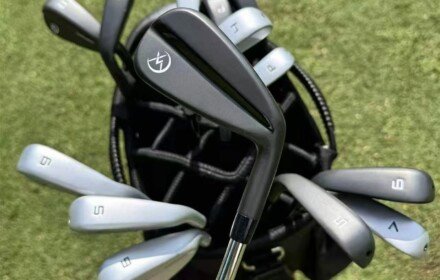
During assembly, heads are weighed and sorted. If a head comes in slightly light (common with cast stainless bodies), a heavier brass or tungsten-infused medallion can bring it up to target swing weight without adding ugly lead tape. In some designs, the medallion’s weight is intentionally biased toward the toe or heel to create a draw or fade tendency, though that’s a rarer, high-level application.
3. Protection and Durability
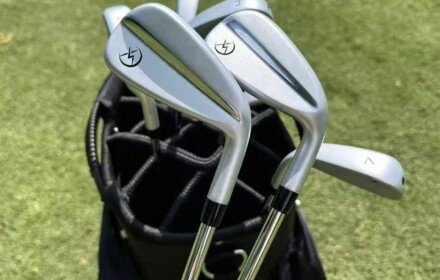
Cavity-back irons can collect dirt, water, and sand. A well-sealed medallion covers internal nooks and can reduce corrosion in wet climates. I’ve played in a lot of Florida morning rounds where the ground is soaked with dew — clubs with a full-cavity badge stay cleaner and less prone to pitting than bare-metal cavities packed with wet grass.
4. Branding and Visual Confidence
Let’s be honest: looks matter. A clean, modern medallion design gives a set a high-end aesthetic. More importantly, it frames the ball at address. Some medallions are coloured to create contrast against the turf, helping you see the club’s loft and face angle — a subtle alignment benefit that becomes second nature over time.
A Quick Buyer’s and Builder’s Guide to Medallion Types
If you’re selecting clubs off the rack, you don’t often get to choose the medallion material. But if you’re ordering custom clubs from a manufacturer that offers badge options, or if you’re a club builder working with component heads, here are the materials you’ll encounter and what they mean for performance.
Thermoplastic Elastomer (TPE) / Soft Rubberised Badges
Feel: Softest impact response, most vibration damping.
Weight: Light to medium.
Durability: Can discolour or peel in extreme heat if adhesive isn’t high-grade.
Common use: Game-improvement irons and hollow players-distance models (like KASMAX P770’s cavity insert, which uses a dense damping plate).
Aluminium / Light Metal Inserts
Feel: Slightly firmer, but still dampens high-frequency vibration.
Weight: Very light; minimal CG effect.
Durability: Excellent, often anodised for colour and corrosion resistance.
Common use: Players’ irons where minimal weight addition is desired.
Carbon Fibre or Composite
Feel: Crisp and solid, transmits more feedback than TPE.
Weight: Extremely light, used purely for brand panel and minimal damping.
Durability: Can chip if the edges aren’t protected by a metal frame.
Common use: Premium limited-run wedges or high-end muscle cavities.
Brass or Tungsten-Infused Plates
Feel: Solid thud, adds noticeable head weight.
Weight: Heavy, moves CG measurably.
Durability: Very high, often chemically bonded or screwed in, never just taped.
Common use: Tour-level prototype irons or custom weight-tuned sets.
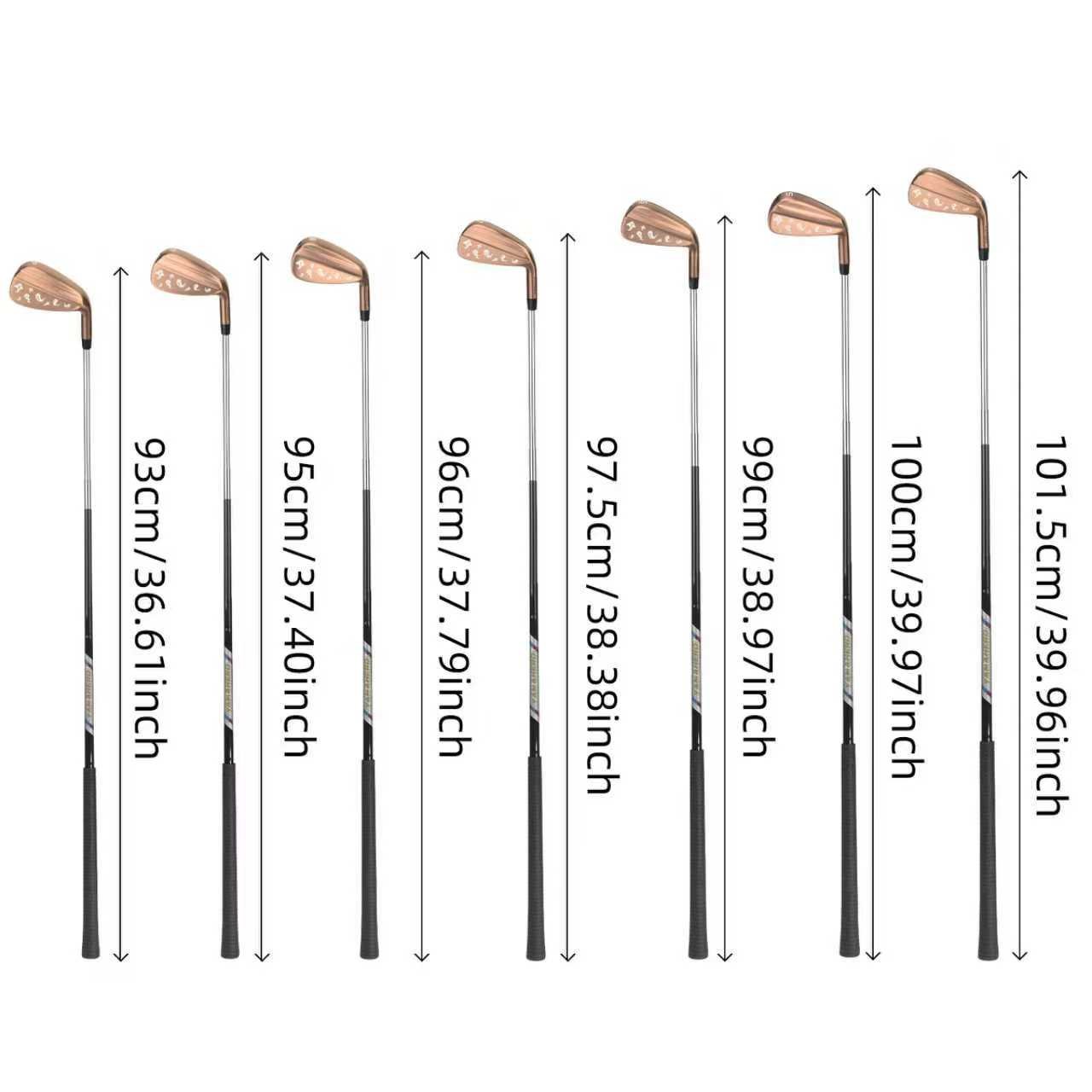
I once rebuilt a set of wedges for a senior player who needed lighter swing weight. We swapped the stock brass medallions (about 6 grams each) for thin aluminium versions and were able to get the feel exactly where he liked it, a few points lighter without grinding away sole metal.
What to Watch Out For
Not all medallions are created equal. Over the years I’ve seen a few failure points that are worth keeping in mind.
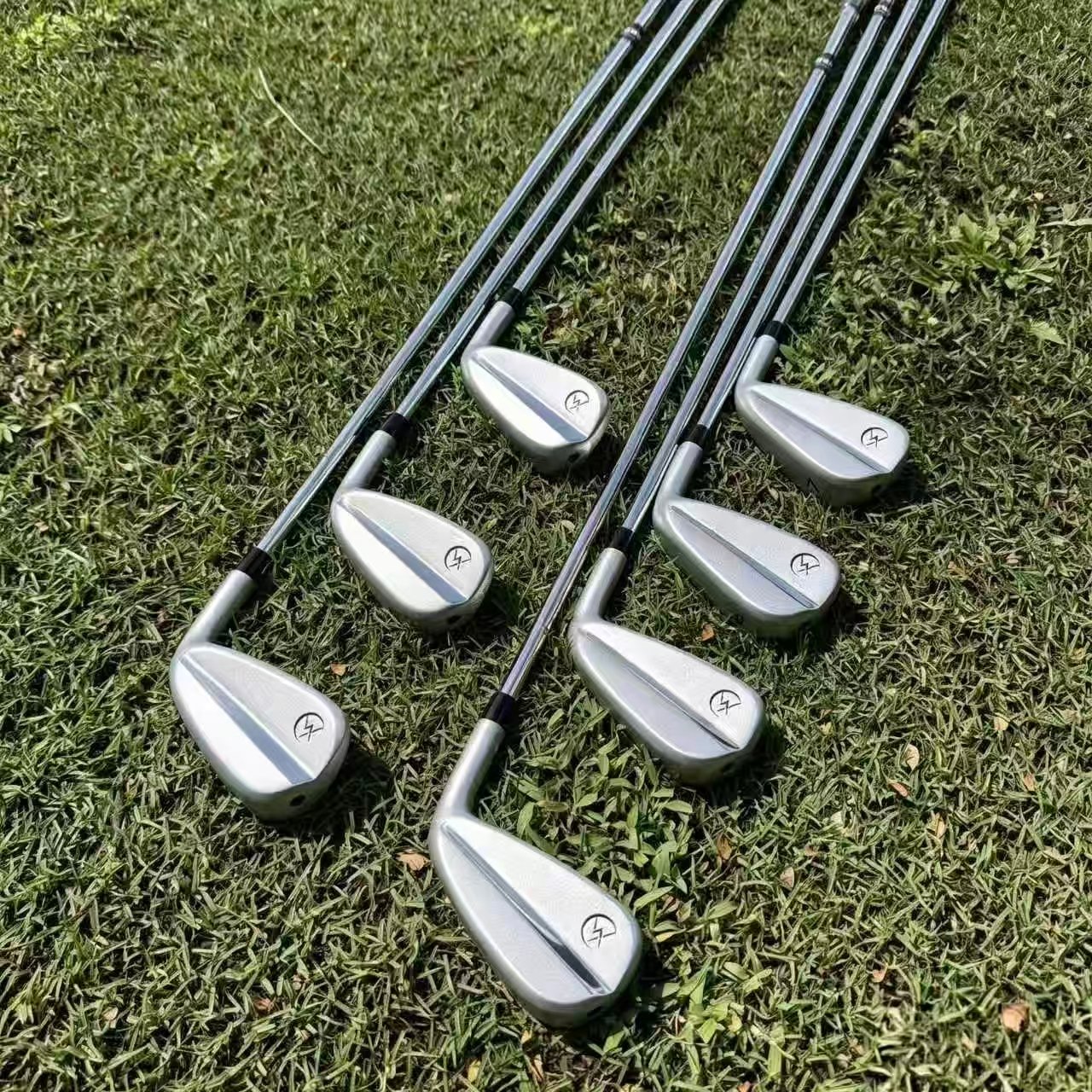
Adhesive failure: Cheaply attached medallions can buzz or fall out entirely after repeated bag chatter and wet/dry cycles. If you hear a high-frequency rattle in an iron, it’s almost always a loose badge.
Trapped moisture: If the medallion isn’t sealed perfectly, water can seep behind and slowly corrode the steel underneath. I’ve pulled off a badge to find surface rust hiding behind what looked like a pristine exterior.
Difficult replacement: Some OEMs consider medallions non-replaceable. If one comes off, the only fix is a messy job with 3M tape or an aftermarket badge. When ordering custom clubs, it’s worth asking the manufacturer if they offer badge replacement services or sell spare medallions.
How Medallions Fit Into the Big Picture of Custom Clubs
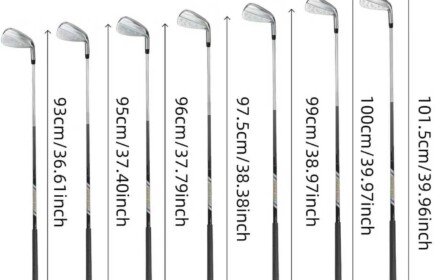
I want to bring this back to the real reason most of us care about club components: performance and fit. A medallion alone won’t fix a slice or add 20 yards. But in the context of a fully fitted set from a manufacturer that controls the entire build process (like KASMAX does with their factory-direct model), details like badge material and weighting can be part of the conversation.
When you’re ordering custom clubs and talking about shaft flex, lie angle, grip size, and swing weight, the person building your clubs is balancing all of these elements, including what goes in the back of the head. If they’re doing their job right, that medallion is one more little lever they pull to get the feel exactly where it needs to be.
So next time you pop the headcover off a new iron and see that shiny badge, you’ll know — it’s not just decoration. It’s a small, carefully chosen piece of the recipe that makes the club sound, feel, and swing the way it does.
Does that cover what you were looking for on golf club medallions? If you actually wanted me to go back and apply the full, scored, multi-dimensional review template to medallion options (or to medallion parts and suppliers as a product category), I’d be happy to do that. Just let me know and I’ll adapt everything to that structure.