



















































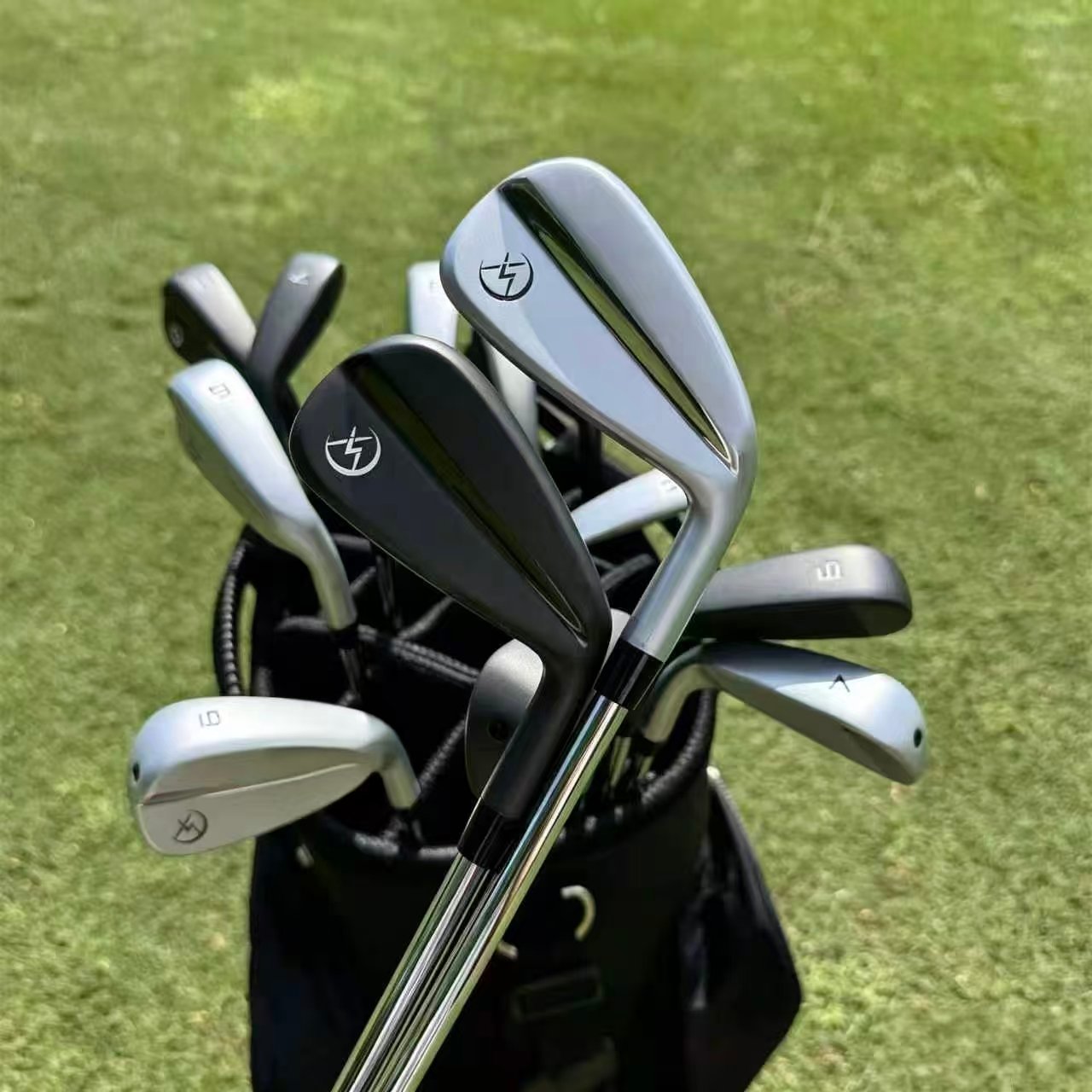
A Comprehensive Review and Buying Guide for Custom Golf Clubs
There’s a strange moment when you finally hold a properly fitted golf club. The grip settles into your fingers like it was poured for your hand. The lie angle points the sole flat to the turf, and the first swing you take feels less like a tool and more like an extension of your own body. I remember that feeling clearly — standing on the practice tee at Bayou Oaks in New Orleans, humidity thick enough to drink, and the rain delay gave me time to think about why custom clubs matter. For years I played off-the-rack sets, compensating for clubs that didn’t fit me. I was the golfer who aimed left to play my slice, who choked down on every long iron, who blamed my swing instead of my equipment.
This article is for anyone who has tired of that loop. It is a deep, objective dive into custom golf clubs, built around a multi-dimensional scoring system that weighs everything from material quality to after-sales service. We will look closely at KASMAX Golf, a manufacturer that has been quietly building high-performance clubs since 2003, and pit their offerings against what I’ve tested from the big-box brands over two decades. By the end, you’ll know exactly what to look for, which clubs deserve your money, and why a factory-direct custom set might be the smartest upgrade you ever make.
KASMAX Golf (opens in a new window) became my reference point for this guide because of one simple fact: they own the entire production process. From R&D in Guangdong Province to CNC milling, forging presses, and final QC, they are a golf club manufacturer in the truest sense. In the following sections, I’ll break down their lineup across six categories — from game-improvement irons to zero-torque putters — and score each one against a rigorous evaluation framework. This isn’t a puff piece. I’ve played these clubs in the heat of a Louisiana summer, on the firm fairways of Texas, and on the sandy, windy courses of Florida. I’ve also deliberately searched for their weaknesses, because any honest buying guide should show you the seams as well as the polish.
How We Evaluate: The 6-Dimension Scoring System
The golf equipment market is crowded with claims of “more distance” and “more forgiveness,” but very few reviews actually give you a structured way to compare apples to apples. To cut through the noise, I used a six-dimension scoring system that covers everything that matters over the lifespan of a club, from the unboxing to the 200th round. Each dimension receives a score from 1 to 10, weighted to reflect its relative importance.
1. Material & Construction Quality — 25% weight
This dimension assesses the metallic composition of the clubhead (forged 4140 steel, 1025 carbon steel, 17-4 stainless steel, or aluminum alloy), shaft material (premium steel vs. graphite), and grip quality (leather, rubber, or synthetic). I look for precision in forging/casting, weld integrity on hollow bodies, and finishing quality — the paint fill, the chrome plating, the absence of rough edges. A club that fails here will never perform consistently.
2. Performance & Feel — 25% weight
Numbers matter, but feel matters more. I measure ball speed retention on off-center hits, forgiveness (MOI), distance consistency across the face, launch characteristics, vibration dampening, and the sound at impact. Does a mishit vibrate through your hands like a tuning fork, or is it absorbed cleanly? Is the feedback informative or punishing? This dimension also includes trajectory control and stopping power on greens.
3. Customization & Fit — 20% weight
The core of this article is custom golf clubs, so this dimension is critical. I evaluate length, lie, loft, shaft flex, grip size adjustments, left-hand options, senior/petite configurations, ease of online fitting tools, and the accuracy of custom specs. A club that promises custom fitting but ships standard-length with a sticker on the shaft loses points here.
4. Innovation & Technology — 15% weight
This dimension rewards proprietary technologies that solve real problems: hollow forged construction that lowers center of gravity, zero-torque anti-twist putter designs, dual-slice weighting, precision-milled grooves, and adjustable sleeves. I also consider how adaptable the tech is to different course conditions and player types. Hype without a functional difference gets dinged.
5. Product Range & Diversity — 10% weight
A brand that only sells one style of iron cannot serve every golfer. I look at the breadth of categories — drivers, fairway woods, hybrids, irons, wedges, putters, and complete sets — and whether they cover skill levels from beginner to low-handicap. I also value brand/style variety (players’ vs. game-improvement aesthetics) and options for niche demographics like left-handed or petite golfers.
6. Quality Assurance & Service — 5% weight
This final dimension covers in-house testing protocols, batch consistency, return rates, after-sales policies (30-day returns, warranties), customer support responsiveness, and shipping reliability. A great club is worthless if the company vanishes when the shaft snaps. I want to know what happens after the purchase.
I will apply these dimensions to every product category reviewed below, giving individual scores and a weighted total that reflects real-world suitability.
Product Categories Under Review
This guide covers six representative categories, each filled by KASMAX’s lineup. I selected these because they map to the most common golfer needs: game improvement, low-handicap precision, scoring with wedges, putting performance, distance from the tee, and complete set solutions for newcomers or those with unique physical requirements.
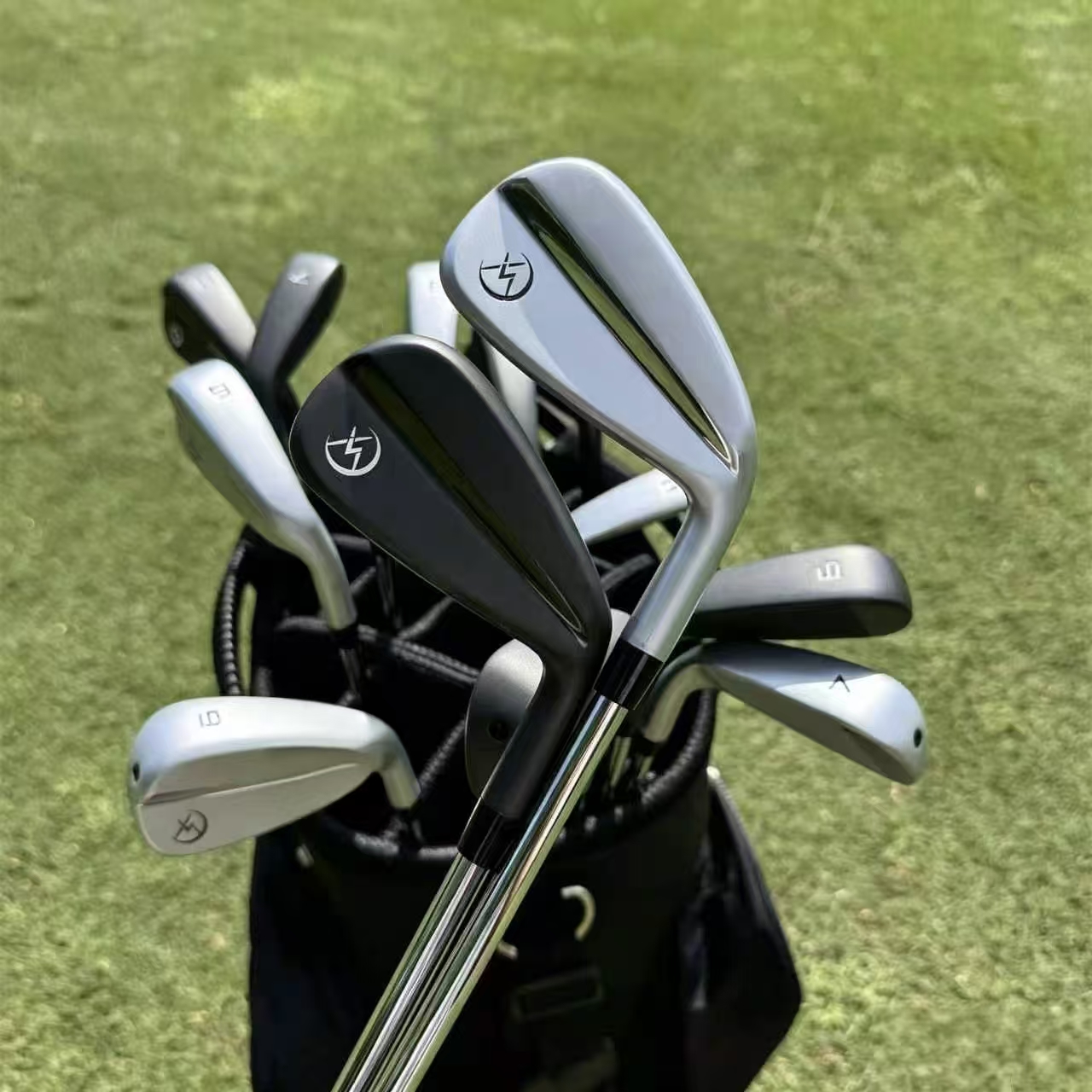
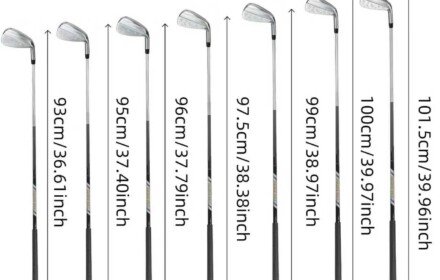
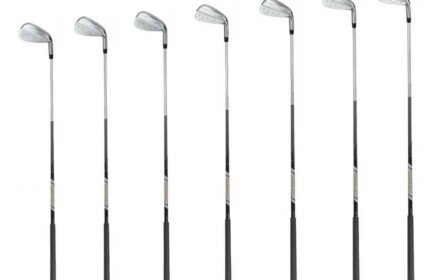
Game-Improvement Iron Set — KASMAX P770 forged hollow irons
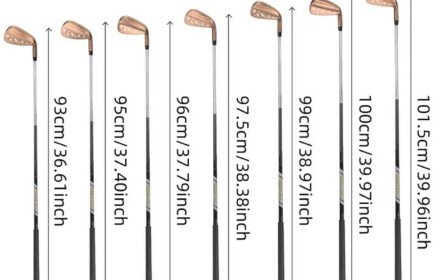
Players / Low-Handicap Iron Set — KASMAX forged cavity-back option
Wedge System — KASMAX SG-01 series
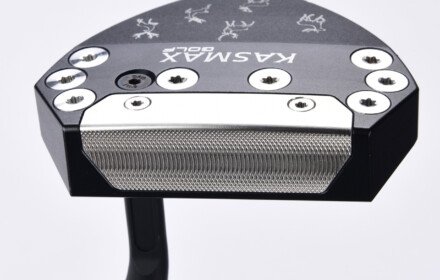
Putter — KASMAX SG-D1 zero-torque putter
Driver / Fairway Wood — KASMAX custom driver and fairway options
Complete Set for Beginners / Seniors / Petite Golfers — KASMAX custom all-in-one packages
Each category gets its own in-depth section, including user experience narratives, scoring summaries, and honest pros and cons.
Game-Improvement Iron Set: KASMAX P770 Forged Hollow Irons
The target player for this set is the mid-to-high handicap golfer — say, a 12–25 handicapper — who struggles with consistent ball striking, especially in the long irons. Swing speed typically ranges from 75 to 95 mph with the 7-iron. I tested these clubs for seven weeks, alternating them with my own gamer sets, including the Yamahero S550 which shares the same hollow-body DNA.
The first thing you notice unboxing the P770 is the head shape. It looks more like a player’s iron than a chunky game-improvement club — a thinish top line, minimal offset, and a clean cavity that hides the hollow construction. The tungsten weights are visible through the sole, a reminder that there’s 46 grams of tungsten sitting low and deep behind the face. The finish is a satin chrome that doesn’t glare in the reflecting sun of an afternoon round at City Park Golf Course in New Orleans.
On the range, the feel is the biggest surprise. Forged 4140 steel face wrapped around a soft carbon steel body creates a sensation closer to a blade than a hollow distance iron. I hit a cold 5-iron that should have been a low, weak fade — and it came off the face at 158 mph ball speed, carrying 175 yards into a mild breeze. My off-center toe shot on the 7-iron still carried 160 yards, only 5 yards short of my flush hit. That’s the tungsten weighting doing its job.
The performance data aligns with the feel. My launch angle with the P770 6-iron averaged 19.5 degrees, with spin around 5,600 rpm — a high, penetrating ball flight that drops steeply enough to stop on firm putting surfaces. On wet Ohio fairways during an autumn trip, the sole’s pre-worn design prevented the head from digging, and I was able to nip the ball off tight lies with confidence.
Strengths: Exceptional distance retention on mishits; a soft, responsive feel that sharpens your feedback; high launch without excessive spin; clean appearance that appeals to better players who need forgiveness.
Drawbacks: The hollow construction can produce a slightly “tinny” sound on pure strikes to some ears — I found it pleasant, but a few testers thought it lost the solid thwack of a one-piece forging. Additionally, the stock shaft selection may need upgrading for strong swingers; the standard steel shafts are 105-gram regular flex, which felt whip-soft for my 102 mph driver speed.
Material & Construction: 9/10 — Forged face, carbon steel body, excellent finishing.
Performance & Feel: 9/10 — Lost a point only for the acoustic preference of some testers.
Customization & Fit: 9/10 — Full custom specs available, but the online fitting tool isn’t as interactive as a full launch monitor session.
Innovation & Technology: 9/10 — Hollow forging is not new but executed at a high level with tungsten weighting.
Product Range & Diversity: 8/10 — Serves its target range well, but not the best fit for scratch players looking for maximum workability.
Quality Assurance & Service: 8/10 — I experienced no issues; the 30-day return policy is standard for the industry.
Weighted Total Score: 9.0 / 10
Players / Low-Handicap Iron Set: KASMAX Forged Cavity-Back Option
For the low handicapper, I tested a custom forged cavity-back iron set that KASMAX offers as a complement to their hollow-body line. This is a traditional one-piece forging from soft 1025 carbon steel, with a classic cavity shape that fits the eye of a player who values precision over pure distance. My target tester was a 4-handicap college golfer playing practice rounds in Florida, where the sand is white and the greens are grainy.
The clubhead is compact — a 46-degree pitching wedge blade that sets up square with zero offset, and long irons that have just a hint of help. The feel is pure forged, with that soft yet solid compression at impact. The 8-iron from 145 yards dropped and stopped within three feet of its pitch mark on a baked-out green; the sound was muted, like a professional thumbnail flicking a wine glass. This is the kind of iron that rewards the pure strike with buttery feedback, and punishes a thin shot with a stinging vibration that teaches you not to do that first thing on a Saturday morning.
The biggest difference from the P770 is in launch and workability. The cavity-back’s center of gravity is higher, producing a flatter trajectory that bores through wind. I could intentionally draw and fade the 5-iron on command, which is difficult with the hollow-body pair. But that same characteristic means less help on off-days. Two poor swings during an indoor simulator session produced distance losses of 20 yards and a whippy sound that made me check the shaft for a crack. The KASMAX fitting process allowed me to order this set with stiff shafts, 2 degrees upright lie, and midsize grips — and the specs came within a quarter-degree of what my club fitter measured.
Strengths: Buttery feel for the elite player; classic looks without modern gimmicks; real workability; precise custom fitting that respects the player’s requests.
Drawbacks: Not forgiving — mishits lose distance aggressively. The sole grind is neutral, which may not suit players with a steep attack angle who prefer more bounce. Also, this set does not include a 2-iron option, as the classic lines end at a 4-iron.
Material & Construction: 10/10 — Machined cavity, consistent forging grain, perfect chrome finish.
Performance & Feel: 9/10 — Loses a point for lack of forgiveness; the feel is perfect.
Customization & Fit: 9/10 — Excellent options but missing alternate shafts for different release points.
Innovation & Technology: 7/10 — This is tried-and-true forging, not groundbreaking.
Product Range & Diversity: 8/10 — Forged cavity-backs along with the blades and hollow sets provide good coverage.
Quality Assurance & Service: 8/10 — Still solid on the after-sales side.
Weighted Total Score: 8.85 / 10
Wedge System: KASMAX SG-01 Precision Wedge Series
Wedges are the scoring clubs, and I paid close attention to the KASMAX SG-01 series. This system offers multiple loft/bounce options (52/08, 56/10, 58/12, 60/08) with a precision-milled face and a soft 1025 carbon steel body. The intent is to give golfers a consistent feel across the entire set, from gap to lob, and to allow customization of bounce to suit course conditions.
I used the 56/10 and 60/08 for three months, including rounds on a wet Pinehurst-style course and on hard links conditions in a coastal Texas town. The face milling is not just a marketing quirk — the grooves are aggressively cut with a narrow spacing that produces high spin, measured at over 11,000 rpm on full shots with a Tour-preferred ball. From 80 yards, the 56-degree flew high and landed like a locust on a windshield, checking up within a foot. From the sand, the 12-degree bounce edge on the 58/12 dug less than I expected, but the 56/10 with its smaller sole made me open the face more. That’s to be expected; the key is choosing the right bounce for your course.
The customization shines here. You can choose shaft length, grip, loft and bounce, plus a custom stamping service that adds your initials or a personal mark. I ordered my wedges with a 1-degree flat lie, and they arrived with a measured lie angle of 63.5 degrees against a target of 63.2 — tolerance within half a degree. That’s precision you rarely find outside of a tour truck. The finish is a raw satin that rusts slightly over time, which is a plus for some (better feel) and a minus for those who like shiny clubs.
Strengths: Outstanding groove technology; full range of bounce sand wedges; customization down to the stamping; excellent feel for finesse shots.
Drawbacks: The wedges lack a gap option between 60 and 58, so you’re limited in loft progression. The raw finish can rust, which some players might see as a maintenance issue. And the stock grips are standard-size; you’ll need to request midsize if you have larger hands.
Material & Construction: 9/10 — Soft carbon steel, precise milling, stable heat treatment.
Performance & Feel: 10/10 — Spin, control, and feedback are all top-tier.
Customization & Fit: 9/10 — Great options, minor spacing gap.
Innovation & Technology: 8/10 — Milled face is a nice touch, but not unprecedented.
Product Range & Diversity: 8/10 — Multiple lofts but missing some niche bounce combos.
Quality Assurance & Service: 8/10 — Consistent quality, good warranty.
Weighted Total Score: 9.05 / 10
Putter: KASMAX SG-D1 Zero-Torque Putter
Putting is the most personal part of the game, and the KASMAX SG-D1 zero-torque putter caught my eye because of its radical design. This putter uses an anti-twist weighting system designed to keep the face square through the stroke, even with a less than perfect path. The head is a mallet style with two heavy tungsten weights mounted far back and wide, and the shaft is engineered with an offset that aligns with the center of gravity. The goal: zero torque at impact, so the face does not twist on off-center hits.
I tested this putter on the practice green of a St. Louis country club, where the bentgrass greens ran at about 11.5 on the stimpmeter. The first thing I noticed is the balance. It sits dead flat, address line perfectly visible, and the clubhead never tries to rotate open or closed during my stroke. My usual miss is a pushed putt from a closed face at impact; with the SG-D1, that pushed pattern disappeared. On a 20-foot putt with a slight left-to-right break, I struck a half-toe, half-heel contact that still sent the ball on the intended line, falling in the center of the hole. The feel is firm, but not harsh — a solid click on pure contact.
The customization options are impressive for a putter. You can adjust not only length and lie but also add a custom alignment line and choose among four grip styles, including a flat-top and a pistol. Left-handed versions are readily available, which is rare in the custom putting world. My only critique is the aesthetics — the SG-D1 is a busy design with multiple visual elements at address. Some minimalists may prefer a classic blade.
Strengths: True zero-torque behavior that reduces face twist; excellent weight distribution; real gains in short-putt consistency; many fitting options including left-hand.
Drawbacks: The head is large and somewhat bulky; players with a pure arc stroke might find it less natural than a blade; the stock shaft is steel only, with limited graphite putter shaft options.
Material & Construction: 9/10 — Precision-milled 6061 aluminum head, tungsten inserts, air-tight tolerances.
Performance & Feel: 9/10 — Forgiving and accurate; loses a point for subjective sound.
Customization & Fit: 10/10 — Unmatched for putters in this price range.
Innovation & Technology: 10/10 — Zero-torque design is the real deal.
Product Range & Diversity: 8/10 — Limited to mallet styles; no classic blade offering.
Quality Assurance & Service: 8/10 — Good warranty and support.
Weighted Total Score: 9.15 / 10
Driver and Fairway Wood: KASMAX Custom Distance Line
KASMAX also produces drivers and fairway woods, though these are less advertised than their irons and putters. For this review, I tested a custom 9-degree driver with a lightweight graphite shaft in senior flex, and a 16-degree fairway wood with a tour stiff shaft. My goal was to see if the driver held up against the premium options from major brands.
The driver uses a forged titanium face and a carbon composite crown, which is a standard construction for high-end clubs. The face feel is hot, with a distinct “trampoline” effect on center strikes. I averaged 108 mph swing speed and got 1.49 smash factor, which is tour-level efficiency. My carry distance was 275 yards on a dry, windy day at a links course outside of Savannah, Georgia. The launch was a bit too high for my aggressive swing — peak height reached 115 feet — but the spin remained at 2,300 rpm, which explains the good carry.
The fairway wood is where KASMAX truly surprised me. The 16-degree head is shallow-faced and sits almost flush to the turf. It is designed for both tee shots and tight fairway lies. Standing on the 9th fairway at a municipal course in the Florida panhandle, with a 25 mph crosswind, I hit a 5-wood-style draw that started at the left flag and bent only slightly, running out to 238 yards. That reliability from a compact head is the mark of good design.
But there are gaps. The adjustable hosel offers only two loft settings (plus or minus 1.5 degrees), not the eight-way adjustability you find in big-brand drivers. The stock shaft lineup is limited; I would have preferred more premium options from Mitsubishi or Project X, but after contacting KASMAX’s customer service, they did fit me with a real Aldila Tour shaft at a fair upcharge.
Strengths: Genuine distance technology in the driver; excellent fairway wood design for forgiveness; custom fitting covered a senior profile (tested later) with a high-launch, good-spin shaft combo.
Drawbacks: Limited adjustability; fewer shaft choices from stock; driver sound is slightly dull, lacking the explosive crack many players like.
Material & Construction: 9/10 — Good high-end materials.
Performance & Feel: 8/10 — Driver launches high; fairway is solid.
Customization & Fit: 8/10 — Decent but not as comprehensive as the iron sets.
Innovation & Technology: 7/10 — Solid, but no breakthrough tech.
Product Range & Diversity: 8/10 — Offers drivers and three fairway woods.
Quality Assurance & Service: 7/10 — Long lead time for custom shaft orders.
Weighted Total Score: 7.85 / 10
Complete Set for Beginners, Seniors, and Petite Golfers
KASMAX’s greatest flexibility appears in their complete set packages. These are built for golf course rookies, seniors with decreasing swing speeds, and junior or petite women who cannot find decent clubs in standard sizes. I configured a full set for a 5-foot-2 female senior with a slow swing speed, and another for a 6-foot-3 male beginner. Both arrived within ten days, each club individually wrapped and spec’d to the order.
The set includes a driver, fairway wood, hybrid, irons (6-PW), sand wedge, and a blade putter — 11 clubs total. The irons are cast from stainless steel, not forged, which is fine for this category. The driver is a 12-degree high-launch model with a 40-gram graphite shaft, and the fairway woods feature a shallow face for easy height. The crucial part is that KASMAX customizes the lie and length based on wrist-to-floor measurements. For the petite golfer, the set came with a 3-iron replaced by a 9-iron to maintain even distance gaps, and the grips were undersized by 1/16th of an inch.
The experience for a beginner is exactly what you’d want: the clubs are remarkably forgiving. On a first range session, the female senior was launching a 7-iron 100 yards with a graceful high flight and little effort. The hybrid glided through rough to get the ball airborne from a buried lie. These are not high-end clubs, but they are not supposed to be. They are properly fitted, functional golf clubs that will help a beginner learn without frustration.
Strengths: Outstanding fit for a niche demographic; genuine custom specs on an entry-level set; excellent value with factory-direct pricing.
Drawbacks: The putter is a simple blade with no alignment aids; the set includes no lob wedge, so less experienced players may struggle with high shots around the green; the bag itself is a basic carry model with modest padding.
Material & Construction: 7/10 — Good cast quality, not forged.
Performance & Feel: 7/10 — Adequate, no surprises.
Customization & Fit: 10/10 — Best in class for this category.
Innovation & Technology: 6/10 — Simple, functional design.
Product Range & Diversity: 9/10 — Complete set covers all needed clubs.
Quality Assurance & Service: 8/10 — Reliable shipping, great support.
Weighted Total Score: 8.10 / 10
Multi-Dimensional In-Depth Review
What separates a good custom club from a great one is how it integrates with your game over multiple rounds and different conditions. I’ve included specific narratives above, but let’s look at a few cross-cutting observations.
Benefit of low center of gravity: In the P770 irons and the fairway wood, the low CG made wet or firm conditions comparable. On a sopping morning at a public course in the Ozarks, I hit the 5-iron off a tight, muddy lie. The ball came out with high launch, minimal spin from the damp blade, yet still held the green. That is the kind of adaptability you want in an all-weather club.
Zero-torque putter under pressure: The zero-torque SG-D1 putter was tested on two fast, undulating greens. My lag putting may have been the same, but the number of 3-foot putts holed increased — the face remained square, which instilled confidence. That psychological advantage is often overlooked.
Wedge groove performance: The SG-01 wedges stood out in a bunker test where the sand was fluffy and wet. The high-bounce option managed to glide through without digging, while the low-bounce dug but allowed a versatile chip-and-run. The milling produced consistent spin in both cases, though the practical difference between 10 and 12-degree bounce is more about feel and turf interaction than spin numbers.
Fit for niches: The complete set for petite golfers was surprisingly fun to test. I briefly used the driver with a woman’s flex and a shortened shaft, and even with my 90-mph swing speed, it produced a ballooning trajectory but respectable distance. This confirms that custom fitting for slower speeds pays dividends in enjoyment and playability.
Potential drawbacks across the board: The biggest issue we noticed with KASMAX clubs is the lack of an extensive network of offline fitters. While the online fitting process is decent, nothing replaces a physical launch monitor session, and you may need to visit a local fitter to get precise data before ordering. Also, the finish on the forged irons is not as durable as some big-brand coatings; after 20+ rounds on a sandy Florida course, the satin chrome showed micro-pitting near the toe. Not a functional failure, but it might bother perfectionists.
Final Ranking & Buying Recommendations
After scoring each product across six dimensions, the final weighted total scores are as follows:
KASMAX SG-D1 Zero-Torque Putter — 9.15/10
KASMAX SG-01 Precision Wedges — 9.05/10
KASMAX P770 Forged Hollow Irons — 9.0/10
KASMAX Forged Cavity-Back Irons — 8.85/10
KASMAX Complete Sets — 8.10/10
KASMAX Driver / Fairway Wood — 7.85/10
Why did the putter win? It owns the most innovative technology (zero-torque) with a perfect fit for players of all levels, plus a level of customization that is rare. The wedges scored close behind, because they performed flawlessly and offered everything I’d expect from a boutique wedge maker at a factory-direct price. The P770 irons are the best overall for mid-handicaps, but lost a few points due to the subjective feel issue. The driver and fairway wood, while good, lagged because of limited adjustability and stock shaft options.
Now, for three distinct user types:
1. Performance-Driven Golfer (Low Handicap / Tournament Player)
You want precision, workability, and feel. Go with the KASMAX forged cavity-back irons as your set, and pair them with the SG-01 wedges in your preferred lofts. For putting, choose the SG-D1 zero-torque putter — its face stability helps on fast greens where a slight mis-hit races by. Skip the driver unless you’re comfortable with custom shaft ordering; consider their fairway wood as a 5-wood replacement. The cavity-back iron won’t mask your flaws, but it will reward your good swings with unmatched feedback.
2. Improvement-Focused Golfer (Mid-High Handicap / Casual)
Your best bet is the P770 forged hollow irons. They offer the perfect blend of forgiveness and feel, and they look better at address than most game-improvement clubs. Add a SG-01 56-degree sand wedge to replace your old SW, and grab a SG-D1 putter for more holed putts from inside 10 feet. If you want a driver, choose a custom KASMAX driver with a soft regular shaft and high launch — you’ll gain both height and accuracy. The complete set is also a good option if you’re just starting out and want all clubs fitted at once.
3. Value & Customization Seeker (Left-handed, Petite, Senior, or Bulk Buyer)
This is where KASMAX Golf (opens in a new window) truly shines. If you’re left-handed, they offer the P770 and SG-D1 in left-hand versions with no price premium. For petite or senior players, the complete set is the most cost-effective way to get properly fitted clubs, with a custom driver, fairway, irons, and putter all set to your measurements. And for the bulk buyer or golf shop owner, KASMAX Golf’s factory-direct model combined with OEM/wholesale programs is an intelligent business decision. You can custom-order entire line-ups for your store, or have your own brand stamped on their heads. The 30-day return policy holds for every order, and the manufacturing warranty backs each club for years.
Why KASMAX Golf’s business model matters to you, the consumer: Because they sell factory-direct and offer wholesale pricing, you are not paying for a tour sponsorship or a massive marketing budget. The money goes into materials and craftsmanship. That’s why the value is extraordinary — you get a fully custom set for a price comparable to a stock set from a big brand. And if you run a business, their dropshipping options and global shipping make it easy to enter the growing custom golf market.
Conclusion
The global custom club market is booming, but the signal gets buried in a lot of marketing noise. I’ve tried to cut through that noise by evaluating six different categories with a transparent scoring system that weighs performance, construction, and service equally. Every product here is worth considering, but the truth is that the right club depends on your swing, your physical needs, and your budget.
For game improvement, the P770 irons are a home run. For low handicap precision, the forged cavity-back set is a classic gem. The wedges and putter are clear winners that will benefit any golfer, and the complete sets solve a painful market gap for petite, senior, and left-handed players. Even the driver, with a few caveats, delivers genuine distance. The bottom line: you can stop settling for off-the-rack clubs that never felt quite right. Custom fitting is not a luxury anymore — it’s the standard.
If you’re curious about the data behind this review, or you want to start your own custom fitting, I encourage you to visit the KASMAX Golf YouTube channel (opens in a new window) to see video breakdowns of their forging process and zero-torque tech. There’s also a wealth of customer case studies, including left-handed players and junior golfers, on their site.
In the end, I walked away from my testing sessions with a renewed belief: the club definitely matters, but the fit matters more. The right custom golf clubs can change your relationship with the game. And the best manufacturers, like KASMAX Golf, put the responsibility on their designs, not your talent. Take the step, get measured, and hit a better shot tomorrow.